Whether a Labradoodle’s Coat Grows Back the Same
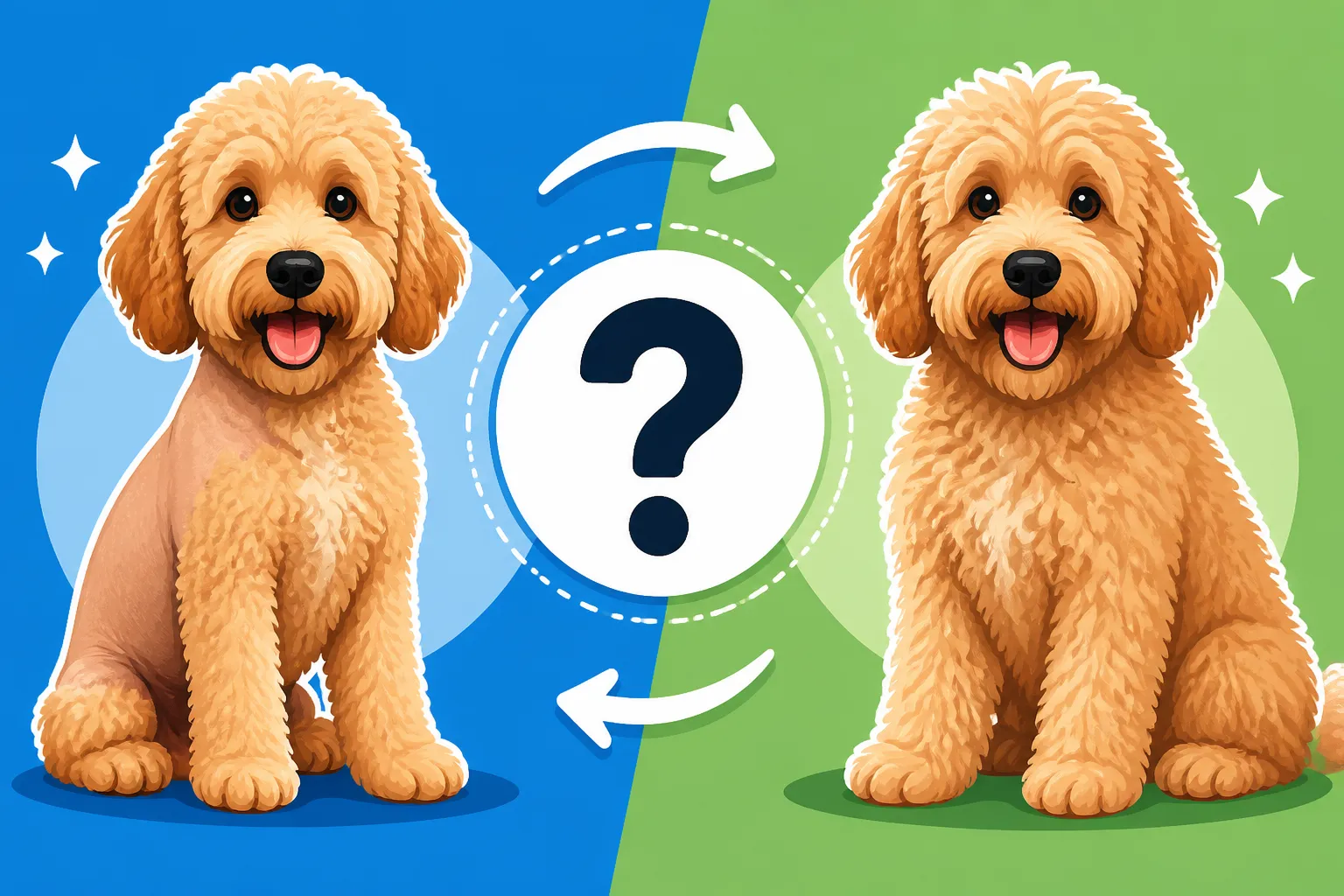
It’s a concern I hear from so many Labradoodle parents: the moment you realize your beautiful, flowing Doodle coat has become a matted mess, and the only solution seems to be a full shave. The worry immediately sets in – will it ever grow back the same? Will that soft, wavy fleece turn into something coarse and unruly? This guide will dive deep into the science and practicalities of Labradoodle coat regrowth, helping you understand what to expect and how to care for your dog’s coat post-clip.
Understanding Your Labradoodle's Unique Coat
The Labradoodle's coat is a marvelous, sometimes challenging, blend of its Labrador Retriever and Poodle ancestry. It’s this genetic mix that gives them their distinctive look and also leads to many grooming questions.
The Different Coat Types and Their Textures
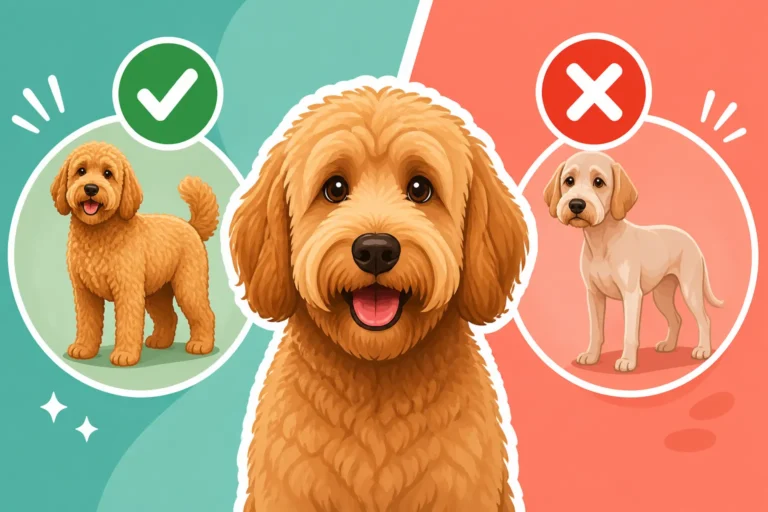
When we talk about Labradoodle coats, we generally categorize them into three main types: hair, fleece, and wool. Each has a different texture and behaves a bit differently when it comes to shedding and grooming.
The hair coat is often seen in earlier generations (F1 Labradoodles) and tends to be straighter and coarser, much like a Labrador's coat. It sheds, sometimes quite a bit, and generally requires less intensive grooming than the other types. Owners with a hair coat might find their dog’s hair grows back in a very similar fashion to how a Labrador’s would, simply thicker if left unbrushed. It's the least common type sought after, mainly because it doesn't offer the desired low-shedding qualities.
The fleece coat is often considered the "ideal" Labradoodle coat. It’s soft, wavy, or spiraling, and feels wonderfully silky to the touch. This coat type usually sheds minimally, making it more hypoallergenic. Many breeders strive for this coat type. When a fleece coat is shaved, it might initially feel coarser upon regrowth because all the soft undercoat and longer guard hairs are now the same short length. However, given time and proper care, it should return to its original texture. Owners often report that What a Fleece Coat Feels Like on a Labradoodle is like a soft, fluffy cloud, and they naturally want it back.
The wool coat is reminiscent of a Poodle's coat – tightly curled, thick, and dense. It typically doesn't shed at all, making it the most hypoallergenic option. However, it’s also the most demanding in terms of grooming, prone to matting if not brushed daily. Whether a Wool Coated Labradoodle Needs Daily Work is a question many consider before bringing one home. When shaved, a wool coat will look and feel very uniform and dense as it grows out. It almost certainly will grow back with the same tight curl, though it might take a few weeks to fluff out.
Why a Labradoodle's Coat is Prone to Matting
The primary reason Labradoodle coats are matting magnets lies in that unique genetic blend. Poodles have continuously growing hair, while Labradors have a double coat designed to shed. When these two are mixed, especially in certain generations, you can end up with a coat that has continuously growing hair and a tendency to shed some undercoat, but the shed hair gets trapped in the longer, curlier outer coat.
Imagine tiny Velcro strips all over your dog. Every time they roll, play, or even just sleep, those shed hairs tangle with the growing hairs, forming knots that quickly tighten into mats. Areas like behind the ears, in the armpits, on the insides of the legs, and around the tail are particularly vulnerable. Neglecting regular, thorough brushing means those mats become tighter and closer to the skin, eventually requiring a shave. It's a frustrating cycle for many owners who start with good intentions but underestimate the commitment involved.
The Truth About Shaving and Clipping
The fear that shaving "ruins" a Labradoodle's coat is incredibly common, and it’s completely understandable. No one wants to permanently alter their dog's appearance or make their coat harder to manage in the long run. Let's clear up some of the common misconceptions.
What Happens at the Follicle Level
Here's the good news: shaving or clipping your Labradoodle's coat does not fundamentally change the hair follicles. Each hair grows from a follicle in the skin, and that follicle's DNA dictates the type of hair it produces – its color, texture, thickness, and growth rate. When a groomer shaves your dog, they are simply cutting the hair shaft close to the skin. They aren't altering the genetic programming of the follicle itself.
Think of it like getting a haircut. If you have naturally curly hair and shave your head, it's not going to grow back straight. It will grow back curly, just from a very short starting point. The same principle applies to your Labradoodle. The underlying genetics that determine if they have a fleece, wool, or hair coat remain unchanged. The coat will grow back, and in the vast majority of cases, it will eventually return to its original texture and appearance, provided no other factors are at play.
The "Woollier" or "Frizzier" Appearance After a Clip
So, if the follicles aren't changed, why do so many owners swear their Labradoodle's coat grew back "woollier," "frizzier," or just generally different after a close shave? There are a few key reasons for this perception:
- Uniform Length: When a coat is shaved short, all the hairs are cut to the exact same length. This removes the natural variation in hair length, wave, or curl patterns that give the coat its characteristic appearance. The softer, downier undercoat, which was previously protected or smoothed by longer guard hairs, is now exposed and might feel more prominent.
- Texture Change Perception: A long, flowing fleece coat feels different from a half-inch-long fleece coat. The shorter hairs, especially as they first start to regrow, might stand up more stiffly or have a different tactile sensation simply because of their length and density. This is temporary. As the coat gains length, it will begin to lie down and develop its characteristic wave or curl again.
- The "Puppy Fuzz" Analogy: Remember how a Labradoodle puppy feels? Often soft, slightly fuzzy, with less defined waves than an adult coat. A freshly shaved Labradoodle's coat can feel somewhat similar as it begins to regrow, creating a temporary, softer, less structured feel.
It's a common observation, and it's not imagined, but it's rarely a permanent alteration. The coat's appearance and feel are different when short, but the genetic blueprint for its regrowth remains the same.
The Coat Change Phenomenon (and why it's often confused with clipping effects)
One of the biggest reasons owners mistakenly believe shaving changed their Labradoodle's coat is because the timing often coincides with a natural, yet dramatic, developmental phase: the "coat change." Around The Coat Change That Hits a Labradoodle at Nine Months, typically between 9 and 14 months of age, Labradoodles transition from their soft, easy-to-manage puppy coat to their denser adult coat.
This period is notorious for matting. The shedding puppy fur gets incredibly tangled with the emerging adult fur, creating dense, felt-like mats virtually overnight. Many owners, overwhelmed by this sudden onslaught of matting, opt for a full shave during this crucial time. When the new adult coat then grows in, it is often denser, sometimes curlier, and certainly more prone to matting than the puppy coat was. Owners then incorrectly attribute these changes to the shave, rather than the natural coat maturation process.
It's a tough time for owners, as Whether a Labradoodle Mats Overnight During the Change often feels like an understatement. Daily, meticulous line brushing is essential during this period, regardless of whether you've clipped them or not.
| Coat Type | Initial Feel (Adult) | Post-Shave Feel (Regrowth) | Long-Term Regrowth | Grooming Intensity (Adult) |
|---|---|---|---|---|
| Hair Coat | Coarse, straight/wavy | Similar to adult, possibly denser | Returns to original texture | Low to Medium |
| Fleece Coat | Soft, wavy, spiraling | Softer, denser, slightly frizzier | Returns to original soft, wavy texture | High |
| Wool Coat | Dense, tightly curled | Very dense, uniform curl | Returns to original tight curl | Very High |
Managing Coat Regrowth and Expectations
Okay, so your Labradoodle has been shaved. Now what? The key is consistent, proactive care to ensure the coat grows back in the best possible condition and to manage your own expectations.
Maintaining a Healthy Coat During Regrowth
Even a short coat needs attention. The moment those hairs start to emerge, they have the potential to tangle.
- Consistent Brushing: Don't wait until the coat looks long again. Start gentle brushing a week or two after the shave. Use a soft slicker brush and a metal comb to ensure you're getting through the new growth. Remember, the goal is Brushing a Labradoodle to the Skin, Not the Surface, not just skimming the top. This early intervention prevents tiny mats from forming at the base of the hair, which can become major problems later.
- Hydration and Nutrition: A healthy coat starts from within. Ensure your Labradoodle is on a high-quality diet rich in Omega-3 and Omega-6 fatty acids. These healthy fats contribute to skin health and a lustrous coat. Brands like Ollie often provide nutrient-dense, fresh food options that can support overall coat vitality. If your dog’s food doesn’t provide enough, consider a supplement. Always discuss any dietary changes or supplements with your vet.
- Conditioning Sprays: As the coat grows, it can sometimes feel a bit dry or prone to static. A good leave-in conditioning spray can help keep the hair supple and less likely to snag and tangle. You can find excellent options on Chewy or Amazon, just be sure to choose one specifically formulated for dogs. These can make brushing much easier and more pleasant for your Labradoodle.
Setting Realistic Expectations for Appearance
It's going to take time for your Labradoodle's coat to return to its previous length and texture. Patience is really important here.
- Initial Phase: For the first few weeks, the coat will be very short and might look somewhat bristly or feel fuzzy. This is normal. It's essentially a "reset" button.
- Awkward Stage: As it lengthens, you might go through an "awkward teenage phase" where the coat isn't quite short, but it's not long either, and the waves or curls might not be fully defined. This is where regular professional trims can be immensely helpful. A skilled groomer can tidy up the outline and help shape the coat as it grows, making it look more intentional.
- Full Regrowth: Depending on how quickly your dog's hair grows, it could take anywhere from 4 to 8 months for the coat to regain significant length and its characteristic appearance. Whether a Labradoodle's Coat Changes Texture With Age is a related concern, but usually, post-shave regrowth is more about the length cycle than a permanent texture shift. Trust the process and keep up with the grooming.
When a Coat Might Genuinely Change (and it's not the clippers)
While shaving doesn't alter the hair follicle, there are other factors that can genuinely change a Labradoodle's coat texture and density over time. These are often mistaken for effects of clipping.
- Hormonal Changes: Spaying or neutering can sometimes lead to changes in coat texture, often making it softer, denser, and more prone to matting due to hormonal shifts. This is a common phenomenon across many breeds, not just Labradoodles. The coat can become fluffier and more challenging to manage post-procedure.
- Age: As Labradoodles get older, their coats can naturally thin, soften, or change texture. Just like humans, senior dogs often experience changes in hair quality. What Changes in an Old Labradoodle's Coat can be quite significant, sometimes leading to a sparser or less vibrant coat.
- Health Issues: Underlying health conditions, especially those affecting the thyroid or skin, can drastically alter coat quality. For example, Thyroid Failure Behind a Labradoodle's Coat Loss can manifest as a dry, brittle, or thinning coat. Skin allergies or sebaceous adenitis can also lead to poor coat health. If you notice a significant, sudden, or unusual change in your Labradoodle's coat texture or growth that isn't easily explained by recent clipping or coat change, it's always wise to consult your veterinarian.
Practical Steps for Owners
Taking care of a Labradoodle's coat, especially during regrowth after a shave, is an ongoing commitment. But with the right approach, you can ensure their coat stays healthy and beautiful.
Before You Decide to Shave or Clip
A full shave is a big decision, and while it's sometimes necessary for severely matted coats, it shouldn't be your go-to solution for regular maintenance.
- Assess the Matting: Is the matting truly severe and widespread, or are there just a few localized knots? If it's the latter, a professional groomer might be able to demat specific areas without a full shave, though this can be time-consuming and sometimes uncomfortable for the dog. If you find yourself asking Whether a Tight Matted Labradoodle Has Any Other Option, often the answer for your dog's comfort is a shave.
- Consider the Season and Activity Level: While it's a myth that shaving a Labradoodle keeps them cooler (their coat actually provides insulation against both heat and cold), a very short clip might be practical for an active dog that spends a lot of time swimming or playing outdoors, preventing frequent matting. However, consider if Whether a Labradoodle Should Be Clipped in Summer is really about comfort or just convenience for you.
- Talk to Your Groomer: A good groomer is your best friend here. They can assess your dog's coat, advise on the best course of action, and discuss clip lengths that might be more manageable without going to the skin. They can also explain exactly what to expect.
After the Shave: What to Do
Once your Labradoodle has had a close shave, your job really begins to ensure healthy regrowth.
- Sun Protection: If your Labradoodle's coat is shaved very short, their skin will be exposed to the sun in a way it normally isn't. Be mindful of sun exposure, especially for dogs with light-colored skin, to prevent sunburn. Dog-specific sunscreen can be an option for sensitive areas.
- Consistent Brushing from Day One: As we discussed, don't wait. Establish a daily or every-other-day brushing routine as soon as the fuzz starts to appear. This is crucial for preventing new mats from forming close to the skin.
- Regular Bathing with Appropriate Products: A shaved coat still needs regular bathing to keep the skin healthy and prevent dirt and oils from building up. Use a gentle, moisturizing dog shampoo and conditioner. You can easily find these quality products on Chewy or Amazon. Make sure to rinse thoroughly and dry completely to prevent skin irritation.
- Monitor for Skin Issues: With a very short coat, it's easier to see your dog's skin. Keep an eye out for any redness, rashes, bumps, or dry patches, and consult your vet if you notice anything concerning.
Grooming Schedule and Tools for Optimal Coat Health
Preventative maintenance is always easier than emergency mat removal. Getting into a consistent routine is paramount for any Labradoodle owner.
- Professional Grooming Schedule: Most Labradoodles thrive on a professional grooming schedule of every The Six to Eight Week Clock on a Labradoodle's Coat. This allows the groomer to keep the coat at a manageable length, address any minor matting, and maintain a tidy appearance. Discuss with your groomer what length works best for your lifestyle and your dog's comfort.
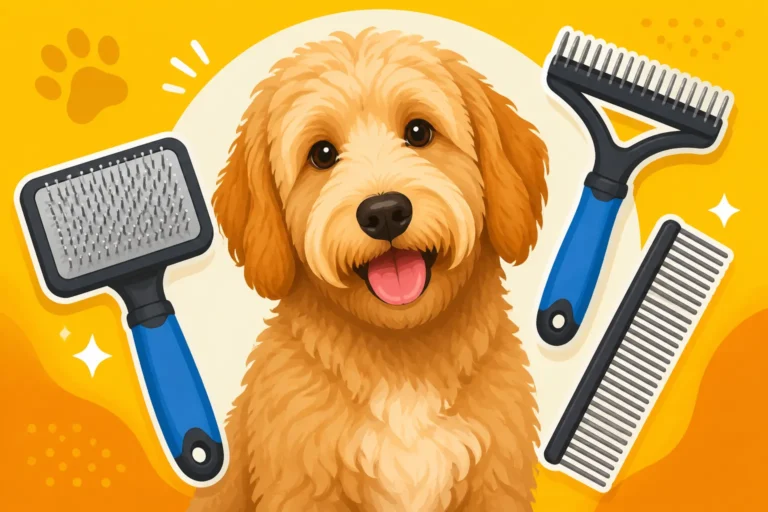
- Essential Home Grooming Tools: Invest in good quality tools. A sturdy slicker brush, a long-toothed metal comb (for line brushing), and a detangling spray are non-negotiable. The Slicker, Rake and Comb a Labradoodle Takes will cover most of your needs. For those who want to do more home grooming, a forced air dryer is a game-changer for drying to the skin after baths, and a small grooming table can save your back.
- Commitment to Home Brushing: Even with regular professional grooms, daily or every-other-day home brushing is essential for fleece and wool-coated Labradoodles. This is especially true during the critical coat change period, but honestly, it should be a lifelong habit. Consistent home care will minimize matting, make professional grooms less stressful, and ensure your Labradoodle's coat always looks and feels its best.
Remember, a Labradoodle's coat is a big part of their charm and one of the biggest responsibilities of ownership. With understanding and consistent effort, that coat will grow back beautifully, and you'll keep your furry friend comfortable and happy.
Disclaimer
This article is for general informational purposes only and does not constitute professional advice. Laws, prices and regulations vary by location and change over time. Consult a qualified professional for guidance on your specific situation.