Brushing a Labradoodle to the Skin, Not the Surface
Oh, the Labradoodle coat! It's one of the most delightful, frustrating, and misunderstood aspects of owning one of these wonderful dogs. Many a new Labradoodle parent has started with visions of a low-shedding, easy-care companion, only to find themselves battling mats and tangles within weeks. This guide is here to demystify the art of brushing your Labradoodle properly, ensuring you get right down to the skin, preventing those painful, pelt-like mats that can turn grooming into a nightmare for both you and your furry friend.
Understanding Your Labradoodle's Unique Coat
The Labradoodle's coat is a marvel, really, a blend of the Labrador Retriever's dense double coat and the Poodle's curly, continuously growing hair. This combination is precisely what makes it so appealing to allergy sufferers, but it also means it comes with its own set of grooming challenges. If you're a Labradoodle owner, you've probably already realized this isn't a wash-and-wear kind of fur.
The Different Labradoodle Coat Types
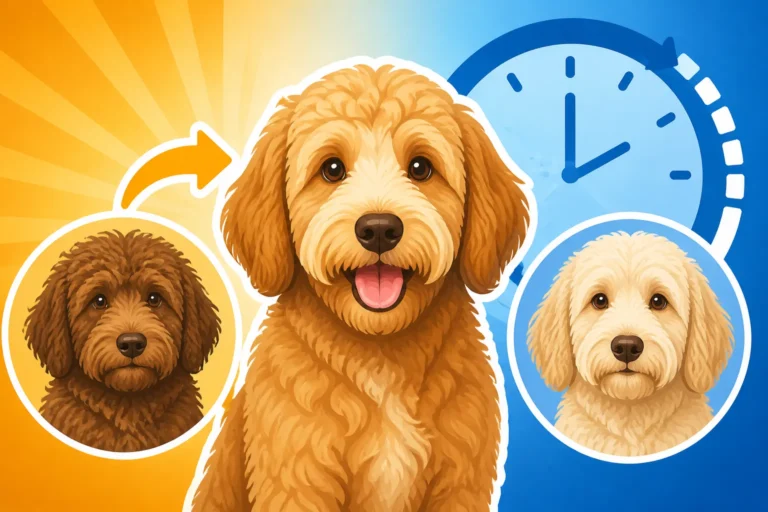
Not all Labradoodle coats are created equal, and understanding which type your dog has is the first step in effective grooming. It can feel like a bit of a gamble when they're puppies, but generally, Labradoodles typically fall into three main categories: hair, fleece, and wool. Each has its own texture, propensity to shed, and unique brushing requirements. The hair coat, often seen in earlier generations (F1), is usually straighter, coarser, and sheds more like a Labrador's. While it might seem easier, it can still mat, especially if it's long and thick. Then there's the fleece coat, which is often described as feeling like an angora goat or cashmere sweater – soft, wavy, and flowing. This is the holy grail for many owners, but don't be fooled; its softness makes it prone to tangling. Finally, the wool coat, which closely resembles a Poodle's, is dense, curly, and non-shedding. This type demands the most rigorous grooming, as its tight curls can quickly form dense mats if neglected. The Three Labradoodle Coats: Hair, Fleece and Wool dives deeper into these types and what to expect. Knowing your dog's coat type helps you anticipate its needs and choose the right tools and techniques.
Why a Labradoodle's Coat Mats So Easily
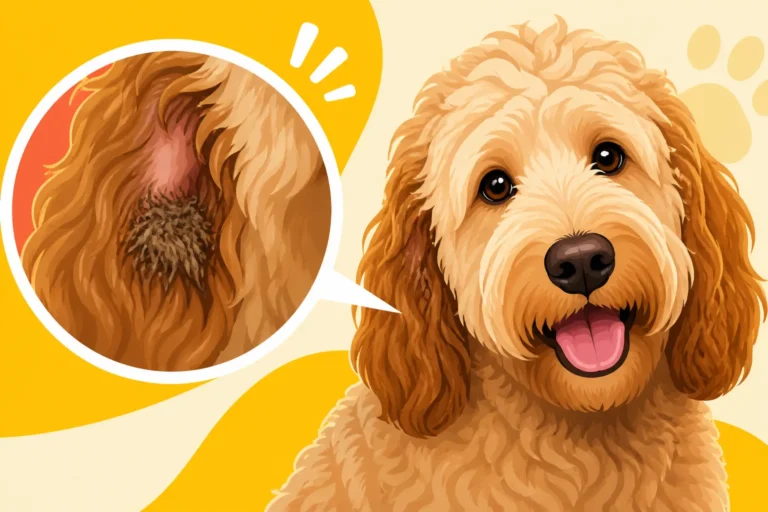
It's a frustrating reality for many Labradoodle owners: you brush, you play, you brush again, and still mats appear. The primary reason for this relentless matting lies in the very nature of their low-shedding coats. Unlike dogs with traditional shedding coats where loose hair falls out, a Labradoodle's hair doesn't release easily. Instead, these shed hairs get trapped within the surrounding live coat, intertwining and knotting together. This is exacerbated by friction from harnesses, collars, even just sleeping, and especially by moisture. Think about it: a wet, curly strand of hair will cling to another wet, curly strand, and as it dries, they cement together. Regular activity, rolling in the grass, or even a good scratch can all contribute to tiny tangles escalating into serious mats. It's a constant battle against gravity and biology, but one that is absolutely winnable with the right approach and diligence.
The Importance of Early Coat Conditioning
If you have a Labradoodle puppy, you have a golden opportunity to set the stage for a lifetime of easier grooming. Even if their puppy coat seems manageable, start introducing them to brushing routines early and often. This isn't just about physical grooming; it's about conditioning them mentally to accept and even enjoy being handled and brushed. Use a soft brush, keep sessions short and positive, and reward them generously with treats and praise. Get them used to having their paws, ears, tail, and belly touched—all the places that are mat magnets later on. Building a positive association with grooming now will save you countless headaches, struggles, and potentially expensive emergency groomer visits down the road. It also helps you spot any early signs of skin issues or developing mats before they become serious.
The "To The Skin" Brushing Philosophy
This is the absolute bedrock of Labradoodle grooming. If you take one thing away from this guide, let it be this mantra: you must brush to the skin, not just the surface. It sounds simple, but it’s where many well-meaning owners go wrong, leading to bigger problems.
What "Brushing to the Skin" Actually Means
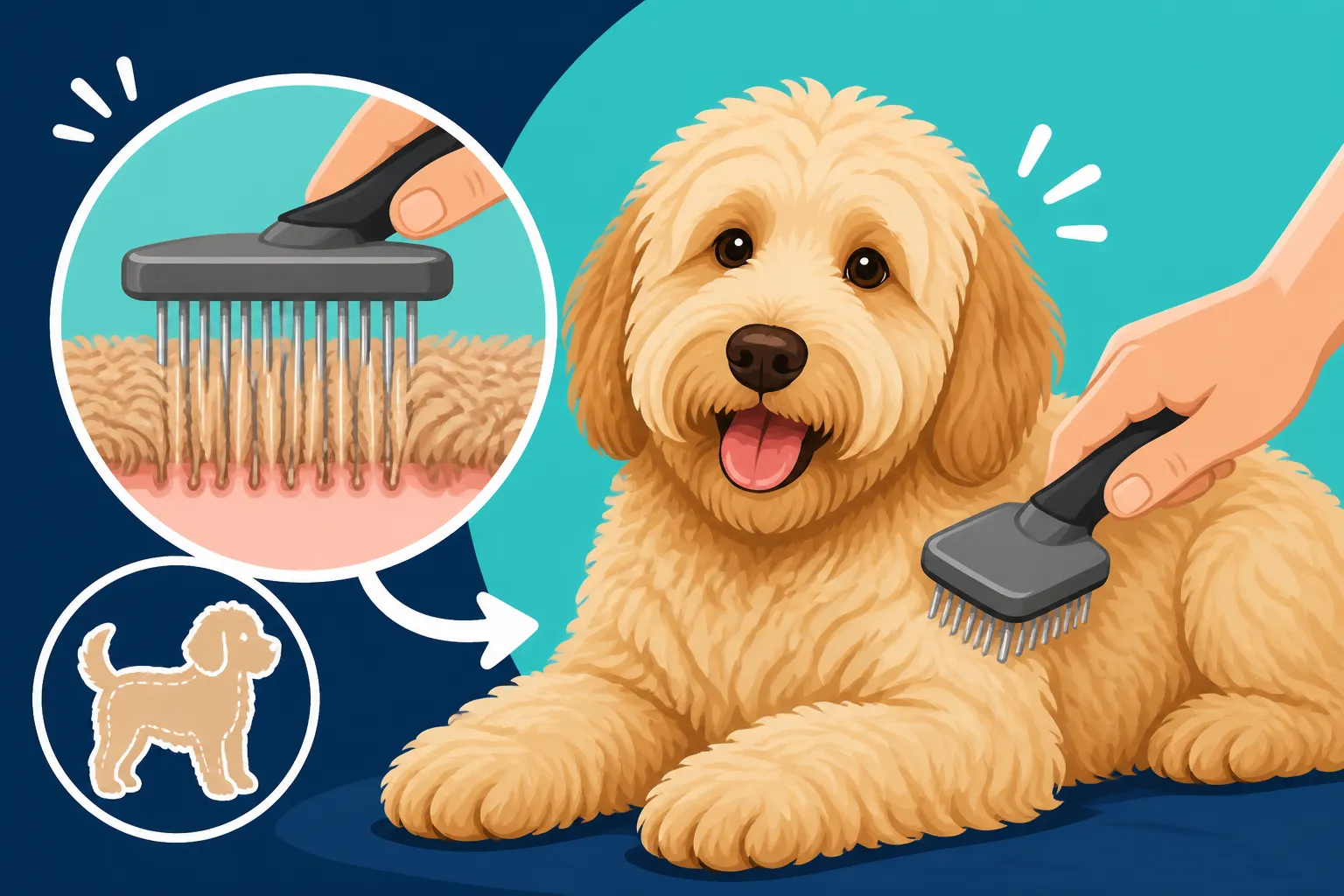
Brushing to the skin means precisely what it says: every stroke of your brush should reach all the way down to your dog's skin, gently separating the hairs from the root outwards. Imagine drawing a part in your dog's fur, seeing the skin, and then brushing that section thoroughly before moving on. This isn't about running a brush over the top layer of hair, like you might do for a short-coated dog. It's a meticulous, section-by-section process that ensures no hidden tangles are left behind to fester and tighten into impenetrable mats. The goal is to detangle the hair from the skin up, allowing air to circulate and preventing shed hair from weaving into the healthy coat. Without this deep brushing, you’re just fluffing the surface, while a dense, felted mat forms underneath, often unnoticed until it’s too late.
Why Surface Brushing Isn't Enough
Many Labradoodle owners, despite their best intentions, unknowingly fall into the trap of surface brushing. They might spend 15-20 minutes brushing their dog, thinking they've done a thorough job, but if the brush isn't reaching the skin, they're only skimming the surface. This creates a fluffy, beautiful top coat that hides a secret. Beneath that lovely outer layer, the unbrushed undercoat and trapped shed hairs are slowly compacting into a solid, painful sheet. It’s like painting over rust – it looks good for a while, but the problem is still there, growing worse. When you only brush the surface, you’re essentially polishing a growing mat. These hidden mats pull at the skin, restrict movement, and can lead to skin infections, discomfort, and eventually, the heartbreaking necessity of shaving your dog down to the skin. It’s a common pitfall, and it's why understanding and implementing "to the skin" brushing is so critical for Labradoodle health and comfort.
Preventing the Dreaded Matting Avalanche
The "matting avalanche" is what happens when those small, unnoticed tangles rapidly become huge, unmanageable mats. One day, your dog seems fine, and the next, they're a matted mess. This often occurs when surface brushing has been the norm. A few missed knots combine, add a little moisture from a swim or a bath, and boom – a small mat quickly expands. The only way to truly prevent this avalanche is consistent, thorough, "to the skin" brushing. This method proactively removes shed hair and small tangles before they can bond with other hairs and grow. Think of it as daily damage control. Every time you brush, you're not just making their coat look good; you're actively preventing the painful and unhealthy consequences of matting. It also makes professional grooming appointments much less stressful for your dog and less expensive for your wallet, as groomers won't have to spend hours dematting or resort to shaving. Where Mats Form First on a Labradoodle can help you focus your efforts on those high-risk areas.
Essential Tools for Labradoodle Grooming
Having the right tools is just as important as knowing the right technique. Trying to brush a Labradoodle with a flimsy brush or without the proper accessories is like trying to build a house with a screwdriver – frustrating and ineffective. Investing in good quality tools will make a world of difference in your grooming routine.
The Must-Have Brushes: Slicker, Pin, and Comb
When it comes to Labradoodle grooming, you can’t get by with just one brush. You need a few key players in your arsenal.
First up, the slicker brush. This is your primary weapon against mats and tangles. Look for one with fine, angled metal pins, preferably with a flexible head to contour to your dog's body. The slicker brush is designed to get through the coat, separate strands, and grab loose undercoat. You'll use this for the bulk of your "to the skin" brushing. Always choose one appropriate for the size of your dog; a larger slicker covers more ground on a standard Labradoodle, while a smaller one is better for intricate areas or a miniature.
Next, the pin brush. This brush features widely spaced, flexible metal pins with rounded tips. It's fantastic for finishing the coat, distributing natural oils, and providing a softer brush-through that's often more pleasant for your dog, especially after a thorough detangling. While it won't get through significant mats, it's great for daily maintenance and general fluffing.
Finally, and perhaps most critically, a good metal comb. This isn't just any comb; it needs to be sturdy, with both wide and fine-toothed sections. The comb is your final check. After you’ve brushed a section with the slicker, you run the metal comb through it. If the comb glides smoothly from root to tip, you know that section is completely clear of tangles. If it snags, you've found a hidden knot that needs more attention with the slicker brush. This step is non-negotiable for true "to the skin" grooming. The Slicker, Rake and Comb a Labradoodle Takes offers even more detail on these essential tools. You can find a good selection of these on sites like Chewy or Amazon.
Detangling Sprays and Conditioners
These products are your secret weapon in making the brushing process smoother and more comfortable for your Labradoodle. A good quality detangling spray lubricates the hair strands, making it easier for your brush to glide through knots and preventing static electricity, which can actually attract more tangles. It also helps protect the coat from breakage as you work through stubborn areas. You can use a detangling spray before each brushing session, or specifically on dry, matted areas.
Conditioners, used after bathing, are also incredibly beneficial. They help to moisturize the coat, making it softer, more pliable, and less prone to tangling in the first place. Think of it like conditioning your own hair – it makes it more manageable. Look for leave-in conditioners or rinse-out formulas specifically designed for dogs with long or curly coats. Brands like Isle of Dogs or Chris Christensen are popular among Doodle owners, but there are many options available. Whether Conditioner Helps a Labradoodle's Coat delves into the benefits.
Grooming Table and Restraints for Stability
While you might start by brushing your puppy on your lap or the floor, as your Labradoodle grows, a dedicated grooming table becomes an invaluable tool. A stable surface at a comfortable working height saves your back and makes it much easier to access all parts of your dog's body, especially their belly and hindquarters. Most grooming tables come with an adjustable grooming arm and a noose (a simple loop that goes around your dog's neck or waist). This isn't for punishment or excessive restraint, but for safety and stability. It keeps your dog from jumping off the table and helps them hold still, allowing you to focus on the intricate task of brushing. For a wiggly Labradoodle, this steady environment can transform a chaotic session into a calm, focused one. You don't need a fancy professional table; even a small, foldable one from Amazon can make a huge difference.
A Step-by-Step Guide to Effective Brushing
Now that you understand the "why" and have your tools ready, let's get into the "how." Effective brushing is a technique, and mastering it will save you time, effort, and heartache.
Setting Up Your Brushing Session
Before you even pick up a brush, ensure you and your Labradoodle are set up for success. Choose a quiet time when you won't be interrupted and your dog is relatively calm, perhaps after a potty break and a short play session to get some wiggles out. Gather all your tools: slicker brush, pin brush, metal comb, detangling spray, and plenty of high-value treats. If you have a grooming table, set it up. The goal is to make this a positive, even enjoyable experience. Have your treats ready to reward stillness and cooperation. A calm environment and a positive attitude from you will go a long way in making your Labradoodle more accepting of the process. Remember, consistency is key, so try to establish a routine.
The Line Brushing Technique Explained
This is the cornerstone of "to the skin" brushing. Line brushing is a systematic way of working through the coat, ensuring no section is missed. Here's how it works:
- Part the coat: Start by taking a small section of hair, perhaps on your dog's side or leg. Use your hand to part the hair horizontally, creating a visible "line" of skin. The hair above this line should be held back or clipped out of the way.
- Brush the exposed hair: Now, take your slicker brush and, with gentle but firm strokes, brush the hair below the line, working from the roots to the ends. Ensure the pins of the slicker brush reach all the way down to the skin. You'll be brushing in small, overlapping strokes.
- Comb to check: Once you've thoroughly brushed that section, take your metal comb and run it through the same area. If the comb glides smoothly without snagging, that section is mat-free. If it catches, go back with your slicker brush and work out the tangle until the comb runs freely.
- Move the line: Once the first section is clear, release a small amount of the hair you were holding back, creating a new "line" just above the previous one. Repeat the brushing and combing process.
- Systematic progress: Continue this process, working systematically across your dog's body – typically from bottom to top, or from one side to the other. Ensure you cover every inch, paying special attention to areas prone to matting like behind the ears, armpits, tail, and belly. The Line Brushing a Labradoodle Coat Needs provides a deeper dive into this technique. It takes patience, but it's incredibly effective.
Troubleshooting Tangled Trouble Spots
Even with diligent line brushing, you'll encounter some areas that are more prone to tangles and mats. These are your "trouble spots," and they require extra attention.
- Behind the Ears: This is a classic mat zone. The friction from collars, scratching, and general movement makes these areas incredibly prone to knotting. Always start here, or make it one of your first stops.
- Armpits and Groin: Again, areas of high friction and constant movement. Be extra gentle here, as the skin is thin and sensitive.
- Legs and Paws: Especially if your Labradoodle enjoys romping through wet grass or snow, their leg and paw hair can quickly become matted. Don't forget to brush the hair between their paw pads!
- Tail: The tail gets a lot of action and can often become quite matted, especially at the base.
- Under the Harness/Collar: Any area where accessories rub against the coat will inevitably develop tangles. Make sure to remove harnesses and collars for brushing and give these areas extra love.
When you encounter a mat, don't just pull at it! This is painful for your dog. Instead, apply some detangling spray directly to the mat. Use the end of your metal comb or your fingers to gently try and separate the mat into smaller sections. Then, starting from the outermost edge of the mat, use the slicker brush to gently tease out the tangles, working your way inwards. If it's a very tight mat, you might need to use a mat splitter or a small pair of blunt-nosed scissors to carefully cut into the mat (never across the skin!) to break it up before brushing. Patience and gentleness are paramount here.
Dealing with Mats: Prevention and Removal
Mats are the bane of every Labradoodle owner's existence. They're painful, they're unsightly, and they're a clear sign that the coat isn't getting the care it needs. But with a proactive approach, you can minimize their appearance and tackle them effectively when they do pop up.
Identifying Mats Before They Become a Problem
The best mat is the one that never forms. This means vigilance is key. Daily quick checks, especially in those high-friction areas like behind the ears, armpits, and under the collar, can catch nascent tangles before they escalate. When you're petting your Labradoodle, feel for any clumps, knots, or areas where the coat feels denser or stiffer than usual. Even a small knot can quickly pull in surrounding hairs and become a larger, more troublesome mat. Remember that metal comb we talked about? Use it as your primary detection tool. If the comb snags anywhere, even a little, you've found a spot that needs immediate attention. Don't wait for it to become a solid pelt. Also, pay attention to Whether a Labradoodle's Coat Changes Texture With Age or during its The Coat Change That Hits a Labradoodle at Nine Months, as these periods can increase matting risk.
Gentle Mat Removal Strategies
If you find a mat, resist the urge to just yank at it with a brush. That will only cause pain and make your dog dread grooming.
Here's a gentle approach:
- Isolate the Mat: Hold the hair at the base of the mat (closest to the skin) firmly with your fingers. This reduces the tugging on your dog's skin while you work.
- Apply Detangler: Spray a generous amount of detangling spray directly onto the mat. Work it into the mat with your fingers. Let it sit for a minute or two to penetrate the hair. You can find excellent detangling sprays on Chewy or Amazon.
- Tease Apart: Using the wider teeth of your metal comb or a mat rake, gently start to tease apart the outer edges of the mat. Work slowly, picking at small sections of the mat rather than trying to pull the whole thing.
- Slicker Brush: Once you've broken up the mat a bit, use your slicker brush with short, light strokes, working from the ends of the hair towards the base of the mat. Again, hold the hair at the skin to prevent pulling.
- Comb Through: Once you think you've brushed out the mat, use your metal comb to check. If it slides through smoothly, you're good. If not, repeat the process.
For very tight, flat mats, you might consider using a mat splitter or a seam ripper. These tools have small, curved blades designed to cut into the mat, breaking it up into smaller, more manageable sections without cutting the skin. Exercise extreme caution and only use these tools if you are confident and your dog is calm.
Knowing When to Call a Professional Groomer
There's no shame in admitting defeat to a really stubborn mat. Sometimes, especially with severe matting, the kind that forms a solid pelt against the skin, professional intervention is the kindest option for your dog. A professional groomer has specialized tools, techniques, and experience to deal with severe matting safely and efficiently. They can often assess the situation and determine if the mats can be painlessly brushed out or if a complete shave-down (often called a "kennel clip" or "strip down") is necessary.
A matted coat can be incredibly painful, restrict movement, and even lead to skin infections due to lack of air circulation. If you're struggling, don't let your dog suffer. Contact a professional. They might charge more for a matted dog due to the extra time and effort required, but it's worth it for your dog's well-being. Be prepared for the possibility that your dog will need to be shaved completely, which, while aesthetically jarring, is often the most humane solution for severe matting. Remember, Whether a Groomer Refuses a Matted Labradoodle is a real concern, so acting quickly is important.
Maintaining a Healthy Coat Between Full Grooms
Consistent effort is the magic ingredient in Labradoodle grooming. It's not about one huge session every few weeks; it's about regular, even daily, maintenance that keeps those mats at bay and your Labradoodle comfortable.
The Daily Routine: Quick Checks and Brushes
Think of this as your daily due diligence. It doesn't need to be a full line-brushing session every single day, but a quick 5-10 minute check can make a world of difference. Focus on the high-friction areas: behind the ears, under the chin, the armpits, the groin, and the tail. Use your metal comb to quickly check these spots. If you find a small tangle, a quick spritz of detangler and a few strokes with your slicker brush will nip it in the bud before it has a chance to grow. This daily interaction also reinforces positive associations with grooming and allows you to bond with your dog. It's much easier to spend 10 minutes every day than to face a two-hour battle against a major mat once a week.
Post-Play and Post-Bath Brushing Essentials
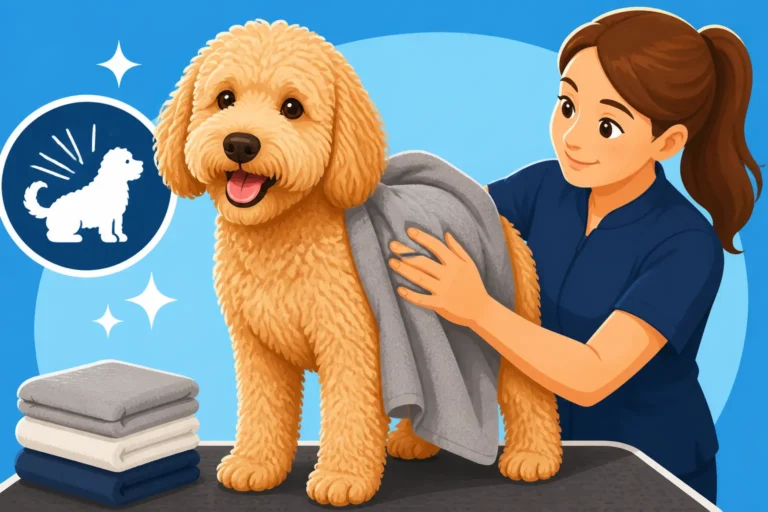
Anytime your Labradoodle gets wet or has an extra vigorous play session, consider it an immediate call to action for grooming. Water, especially, can cause hairs to clump together and dry into tight mats, even after a seemingly thorough bath. If your Labradoodle has been swimming, ensure they are thoroughly towel-dried and then line brushed to the skin as they dry. Air drying a Labradoodle, especially one with a fleece or wool coat, is an open invitation for matting. Similarly, after a romp in the woods or a particularly energetic play session where their coat might have gotten tangled or picked up debris, a quick brush-through is essential. This proactive approach prevents small tangles from becoming big headaches. Always have your detangling spray handy for these situations to ease the brush's passage through the coat.
Nutrition's Role in Coat Health
While external grooming is paramount, don't overlook the internal factors that contribute to a healthy coat. A balanced, high-quality diet plays a significant role in skin and coat health. Essential fatty acids, particularly Omega-3s and Omega-6s, are crucial for maintaining a shiny, supple coat and healthy skin. A dull, dry, or brittle coat can be more prone to breakage and matting, and can sometimes be an indicator of dietary deficiencies.
Look for dog foods that list quality protein sources as the first ingredient and contain beneficial oils like fish oil or flaxseed oil. Some owners choose to supplement their Labradoodle's diet with fish oil capsules, with veterinary guidance. Brands focusing on quality ingredients, like Ollie, which provides fresh, human-grade food, can contribute positively to overall coat health. While good nutrition won't prevent mats on its own, it provides the foundation for a strong, healthy coat that is more resilient and easier to manage. Remember to always consider How Much an Adult Labradoodle Eats Daily to ensure proper nutrition without overfeeding.
Common Brushing Challenges and Solutions
Let's be real, grooming a Labradoodle isn't always a walk in the park. There will be days when your dog is less cooperative, or when their coat seems to have a mind of its own. It's okay; every Labradoodle owner faces these moments. The key is to have strategies in place.
When Your Labradoodle Hates Being Brushed
This is a common frustration, especially if grooming wasn't introduced positively in puppyhood, or if a past painful mat removal made them wary. But it's not a lost cause!
- Positive Reinforcement: Make brushing a positive experience. Offer high-value treats (think tiny pieces of cooked chicken or cheese) constantly during brushing, especially when they hold still.
- Short, Frequent Sessions: Instead of one long, arduous session, break it down into multiple short sessions throughout the day. Even 2-3 minutes of positive, calm brushing can build trust.
- Gentle Touch: Always be gentle. If you hit a snag, stop, apply detangler, and carefully work it out. Never yank or pull.
- Start Easy: Begin brushing in areas they tolerate well (e.g., their back) before moving to more sensitive spots.
- Consider Location: Some dogs do better on a grooming table, others prefer the floor with a comfortable mat. Experiment.
- Professional Help: If your dog is truly aggressive or terrified, consider consulting a professional trainer or groomer who specializes in cooperative care. They can offer guidance and help desensitize your dog to the process.
Patience is your biggest ally here. You're trying to undo potentially negative associations and build new, positive ones.
Managing the Infamous Labradoodle Coat Change
Ah, the "coat change." This is arguably the most challenging period for Labradoodle owners and often where the worst matting occurs. Around 7 to 14 months of age, your Labradoodle's soft, fine puppy coat begins to shed out, making way for their denser, coarser adult coat. The problem? The shed puppy hair gets trapped within the incoming adult coat, creating a perfect storm for massive, tight mats. What Happens to a Labradoodle's Coat at Nine Months highlights this critical time.
During this period, daily, thorough line brushing is not optional; it's absolutely essential. You'll need to be incredibly diligent, potentially doubling your brushing time. Use plenty of detangling spray. Focus on working through every inch of the coat, checking with your comb to ensure all puppy hair is being released. It's a temporary but intense phase, and many owners find themselves overwhelmed, leading to major matting that requires a groomer to shave their dog down. If you can get through the coat change with consistent effort, future grooming will feel like a breeze by comparison. How Long a Labradoodle's Coat Change Lasts can give you an idea of what to expect.
Keeping Up with the Grooming Schedule
Life gets busy, and grooming can easily fall by the wayside. But with a Labradoodle, skipping even a few days can mean the difference between a quick brush-out and a battle with mats.
- Schedule It: Just like you schedule walks or feeding, schedule dedicated grooming time. Put it on your calendar.
- Make it Routine: Incorporate quick checks into your daily routine – perhaps after their morning walk or before bed.
- Be Prepared: Always have your tools clean and ready to go. No excuses for not starting because you can't find the comb!
- Educate the Household: If multiple people care for the dog, ensure everyone understands the importance of brushing and knows how to do at least basic checks.
- Professional Assistance: If your schedule truly doesn't allow for the necessary home grooming, factor in more frequent professional grooming appointments. This is an investment in your dog's health and comfort. Remember, a professional groomer on a regular schedule (every 6-8 weeks for many Labradoodles) can be a lifesaver, but it doesn't eliminate the need for some home maintenance, especially for longer coats.
By staying proactive and consistent, you'll ensure your Labradoodle's beautiful coat remains a source of joy, not stress.
| Coat Type | Characteristics | Shedding Level | Grooming Frequency (Minimum) | Key Brushing Tool |
|---|---|---|---|---|
| Hair | Coarser, straighter, can be wavy, like a Labrador | Low to Moderate | 2-3 times/week | Slicker brush, Metal comb |
| Fleece | Soft, wavy, flowing, cashmere-like | Very Low | 3-4 times/week | Slicker brush, Metal comb |
| Wool | Dense, curly, Poodle-like, can be coarse | None | Daily | Slicker brush, Metal comb |
Disclaimer
This article is for general informational purposes only and does not constitute professional advice. Laws, prices and regulations vary by location and change over time. Consult a qualified professional for guidance on your specific situation.