The Three Labradoodle Coats: Hair, Fleece and Wool
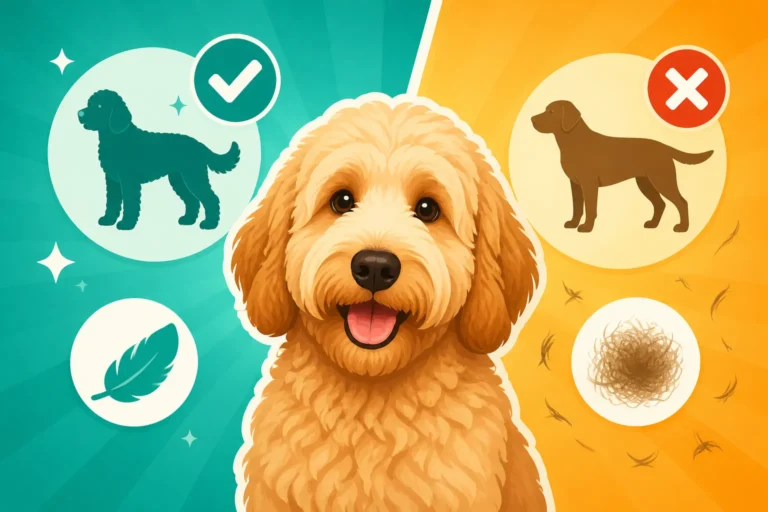
One of the biggest eye-openers for new Labradoodle owners is often the reality of their dog's coat. You might have visions of a consistently fluffy, low-shedding companion, only to find yourself facing a whirlwind of grooming challenges or a coat type completely different from what you expected. This guide is here to demystify the Labradoodle coat, breaking down the three primary types – hair, fleece, and wool – to help you understand what you have, what you might get, and how to best care for your furry friend.
Understanding the Labradoodle's Unique Coat Legacy
The Labradoodle, a cross between a Labrador Retriever and a Poodle, was initially bred with a specific purpose: to create a guide dog that was suitable for people with allergies. This noble goal inadvertently led to a fascinating genetic lottery when it came to their coats, a characteristic that continues to captivate and, at times, confound owners today. Understanding this legacy is crucial to appreciating the diversity you see in Labradoodle coats.
The Blend of Labrador and Poodle Genetics
Imagine mixing two distinct paint colors. A Labrador Retriever has a smooth, double coat that sheds quite a bit, designed for swimming and retrieving in all sorts of weather. It’s practical, low-maintenance, but definitely not hypoallergenic. On the other side, you have the Poodle, with its iconic dense, curly, non-shedding, single coat. This coat grows continuously, doesn't shed much dander, and is often hailed as allergy-friendly, but it requires significant grooming.
When you bring these two together, you don't always get a neat 50/50 blend. Instead, their genetic contributions for coat type, texture, and shedding can express themselves in a multitude of ways. It’s like shaking a magic eight-ball of canine genetics, and each puppy can draw a slightly different hand. This genetic roulette is what gives us the wonderfully varied Labradoodle coats, each with its own charm and demands.
The Unexpected Variety in Early Generations
In the early days of Labradoodle breeding, predicting coat type was a real challenge. The first-generation (F1) Labradoodles, direct crosses between a purebred Labrador and a purebred Poodle, could have a wide spectrum of coats. Some might look almost exactly like a Labrador, complete with shedding, while others would strongly resemble a Poodle. There were often coats that were a bristly, wiry mix, or a shaggy, shedding blend that didn't meet the "hypoallergenic" ideal at all. This unpredictability meant that selecting puppies for specific coat qualities was less about science and more about educated guesswork, with breeders trying to identify the most desirable traits by eye alone.
Over time, through careful breeding programs, breeders began to understand the genetics better and aim for more consistent outcomes. However, even with all the advancements, the Labradoodle coat still holds an element of surprise, especially in earlier generations, and it's something every potential owner should be prepared for. Whether an F1 Labradoodle's Coat Is a Gamble is a question many first-time owners grapple with.
Diving Deep into the Three Main Coat Types
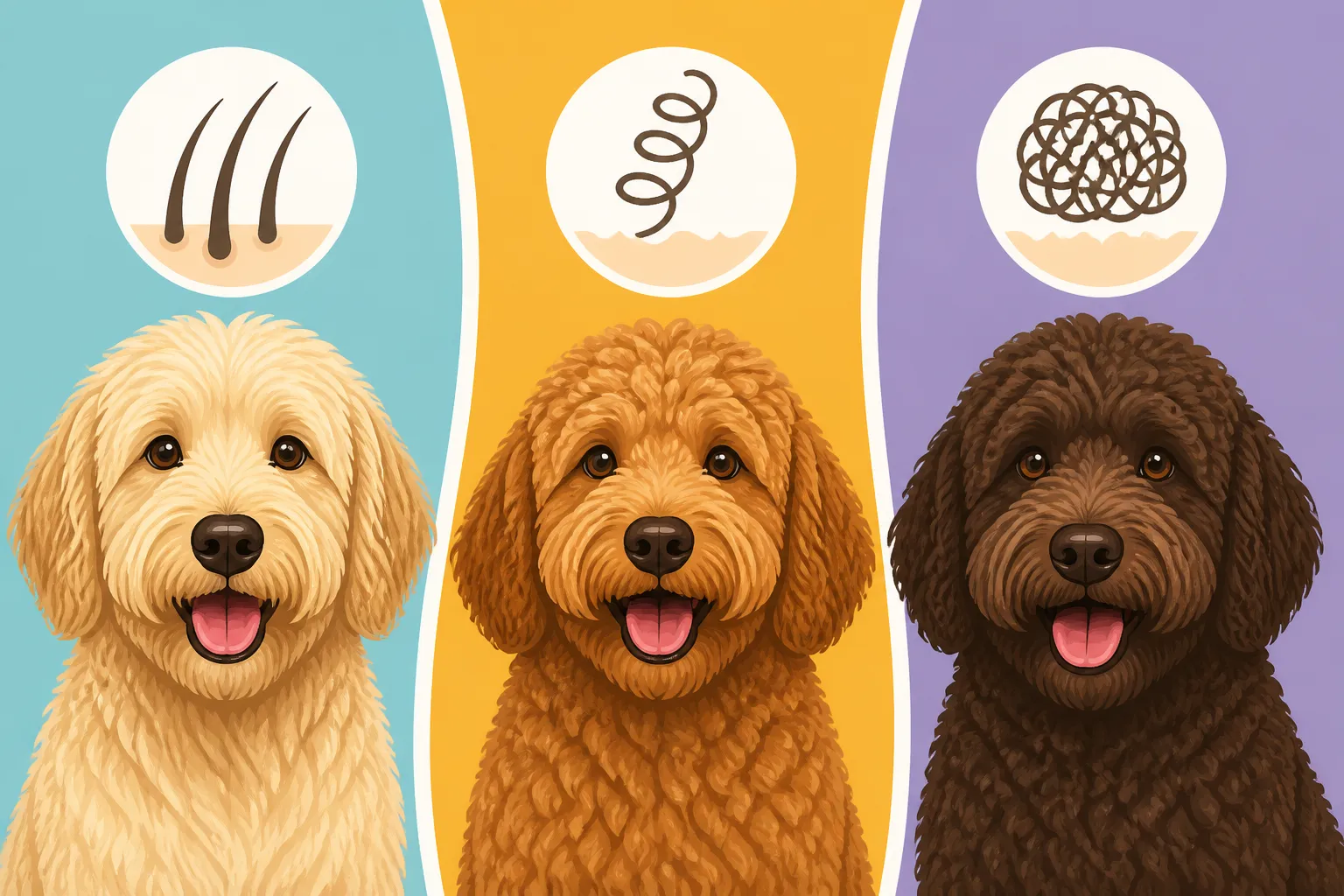
While the spectrum of Labradoodle coats can feel endless, they generally fall into three recognizable categories: hair, fleece, and wool. Each type has a distinct texture, appearance, and, perhaps most importantly for owners, a different set of grooming requirements.
The Hair Coat: Closest to the Labrador
The hair coat is the least common type in well-bred Labradoodles today, particularly in multi-generational lines, but it can still appear, especially in F1 generations. If you see a Labradoodle with a hair coat, it’s going to look and feel quite a bit like a Labrador Retriever.
This coat is typically straight or slightly wavy, with a coarser texture. Unlike the Poodle-influenced coats, the hair coat will have an undercoat and will shed. Yes, you read that right – a shedding Labradoodle! The shedding level can vary, but it's generally moderate, similar to a Labrador, and definitely not suitable for individuals with severe dog allergies. You'll find yourself brushing more to manage the loose hair, and it won't have the "doodle look" that many associate with the breed. For a deeper dive into this type, check out The Hair Coat Labradoodle That Sheds. While grooming might seem less intense than for the curlier coats in terms of professional clipping, the daily reality of shedding means regular vacuuming and lint rolling become part of your routine.
The Fleece Coat: The Desired Dream
Ah, the fleece coat – often considered the "holy grail" of Labradoodle coats! This is the coat type most breeders strive for because it offers the perfect balance: a soft, flowing texture that can range from a loose wave to a soft curl, and it typically sheds minimally, making it more allergy-friendly. It feels like a plush, soft fleece blanket, hence the name.
The fleece coat is incredibly appealing because it's soft to the touch and drapes beautifully, giving the Labradoodle that charming, teddy bear-like appearance. It's truly a delight to run your hands through. However, don't let its lovely texture fool you into thinking it's maintenance-free. While it sheds less than a hair coat, it's prone to matting, especially behind the ears, in the armpits, and around the tail. Regular brushing is non-negotiable to keep it pristine and tangle-free. This is the coat that many people envision when they think of a Labradoodle, and breeders work hard to consistently produce it. For more details on why it's so sought after, read The Fleece Coat and Why Breeders Aim For It.
The Wool Coat: The Poodle's Influence
The wool coat is the most Poodle-like of the three Labradoodle coat types. It's dense, curly, and often described as feeling like a fine lamb's wool. This coat is typically non-shedding and is usually the most allergy-friendly option, making it ideal for families with more sensitive allergies.
While its non-shedding quality is a huge plus, the wool coat is also the most high-maintenance in terms of grooming. Those tight curls are a magnet for mats and tangles, particularly if not brushed regularly and thoroughly. Imagine trying to untangle a sheepdog after it's been through a thorny bush – that's the kind of dedication a wool coat requires! Without diligent care, it can quickly become a matted mess, leading to discomfort for your dog and potentially requiring a full shave-down by a professional groomer. It demands consistent, even daily, brushing to prevent mats from forming deep within the dense curls. Discover more about managing this coat in The Wool Coat Labradoodle and Its Upkeep.
Unpacking the Genetics Behind Each Coat
Understanding the appearance and feel of the Labradoodle's coats is one thing, but peeking behind the curtain at the genetics that create them adds another layer of appreciation (and sometimes, frustration!). It's not just random chance; specific genes play a pivotal role.
The Furnishings Gene: Why Labradoodles Have Beards
One of the most defining characteristics that separate a "doodle" from a traditional retriever is the presence of facial furnishings – those adorable beards, mustaches, and eyebrows. This trait is controlled by a specific gene known as the "furnishings" gene (F locus). Poodles have two copies of this dominant gene (F/F), which gives them their distinctive facial hair that doesn't stop growing. Labradors, on the other hand, typically have two copies of the recessive gene (f/f), meaning they lack these furnishings.
When you breed a Poodle (F/F) with a Labrador (f/f), all F1 Labradoodle puppies will inherit one dominant "F" allele and one recessive "f" allele (F/f). This means they will all have furnishings, giving them that classic doodle look. Subsequent generations can then have variations depending on the parents' genetic makeup. Without at least one dominant "F" allele, a Labradoodle would have an "improper coat" – a smooth face, short eyebrows, and no beard – which can shed more. This gene is crucial for the very appearance that many people associate with the Labradoodle. For more on this, you can look into The Furnishings Gene Behind a Labradoodle's Beard.
Genes for Curl and Shedding: The Complex Equation
Beyond furnishings, other genes dictate the texture and shedding properties of the coat. The curl gene determines how wavy or curly the coat will be. Poodles have genes for tight curls, while Labradors have genes for straight hair. The combination of these can result in anything from the loose waves of a fleece coat to the tight coils of a wool coat.
The shedding gene is also a major player. While Poodles are often lauded as "non-shedding," this isn't entirely accurate. Their hair still cycles, but dead hairs get caught in the curls rather than falling out, which is why they mat. Labradors shed their coat, especially seasonally. Breeders use DNA testing to identify which genes for curl and shedding a potential breeding dog carries. They aim for dogs with low-shedding genes and desirable curl traits to consistently produce fleece and wool coats. It's a complex interplay, and sometimes, even with the best intentions, you can get unexpected results, leading to a hair coat that sheds.
For those curious about the science, What an Improper Coat Means on a Labradoodle delves into coats that don't quite hit the mark of the typical doodle appearance. This genetic insight helps explain why a single litter can produce puppies with different coat types, each requiring a tailored grooming approach.
Predicting Coat Type in Puppies
For prospective owners, knowing what kind of coat a puppy will develop is a huge factor in their decision-making. While DNA testing on adult dogs can predict their genetic potential, predicting a puppy's exact adult coat texture and shedding at eight weeks isn't an exact science, but breeders use several clues.
Experienced breeders often have a good idea based on the parents' known coat genetics and the appearance of the puppy's coat at a young age. At around eight weeks, a breeder can usually tell you if the puppy is likely to have a hair, fleece, or wool coat by feeling the texture and observing the curl. Hair coats tend to be straighter and feel coarser, while fleece coats will have a soft wave, and wool coats will be denser and curlier. DNA testing of the puppies themselves can confirm coat type and shedding potential even before physical signs are definitive. This early insight is valuable because the coat will undergo significant changes as the puppy grows, especially during the coat change phase. Learning to identify these early signs can give you a head start on preparing for your future grooming routine. For more on this, check out Telling a Labradoodle's Coat Type at Eight Weeks.
Daily Care and Grooming for Each Coat Type
Regardless of the coat type, all Labradoodles need regular grooming. However, the frequency and intensity of that grooming vary dramatically between hair, fleece, and wool coats. Neglecting grooming can lead to painful matting, skin issues, and costly trips to the professional groomer.
Grooming the Hair Coat: Managing Shedding
If your Labradoodle has a hair coat, your primary concern will be managing shedding, not so much preventing mats. This coat is typically easier to care for in terms of professional grooming needs because it doesn't grow indefinitely or mat as easily.
- Brushing: Aim for brushing 2-3 times a week with a slicker brush and a metal comb to remove loose hair and distribute natural oils. This will help reduce the amount of hair floating around your home.
- Bathing: Bathe as needed, typically every 4-8 weeks, using a good quality dog shampoo. Since it sheds, bathing helps loosen dead hair, but always ensure you dry thoroughly to prevent skin irritation.
- Clipping: Hair coats usually don't need extensive clipping like the fleece or wool coats. A trim a couple of times a year might be sufficient to tidy up any stray hairs, especially around the paws or sanitary areas.
While a hair coat may seem "easier" because of fewer matting concerns, remember that the shedding means a different kind of daily maintenance for your home. You'll likely become very familiar with your vacuum cleaner!
Maintaining the Fleece Coat: Preventing Mats
The beautiful, soft fleece coat is prone to matting because of its fine texture and tendency to catch loose hairs within its waves or curls. This is where consistent, thorough grooming becomes essential.
- Brushing: You need to brush a fleece coat 3-4 times a week, ideally daily, especially during puppyhood and the coat change period. You'll need a good quality slicker brush and a sturdy metal comb. The key is "line brushing," where you brush in sections down to the skin, not just skimming the surface. Pay special attention to high-friction areas like behind the ears, armpits, groin, and tail. How Many Times a Week a Labradoodle Needs Brushing really emphasizes this.
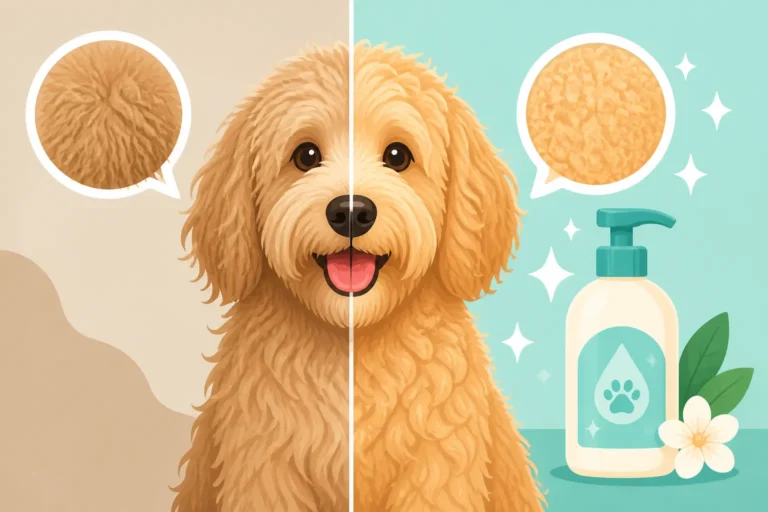
- Bathing: Bathe every 3-6 weeks, or as needed, using a hydrating shampoo and conditioner. Always brush out any mats before bathing, as water can tighten mats, making them nearly impossible to remove. After bathing, thoroughly dry the coat with a high-velocity dryer, brushing as you go, to prevent new mats.
- Clipping: Professional grooming every 6-8 weeks is usually necessary to keep the fleece coat at a manageable length and prevent it from becoming too long and prone to matting. Discuss your desired length and style with your groomer.
Neglecting a fleece coat, even for a week or two, can quickly lead to painful, skin-tight mats. Regularity is your best friend here.
Tackling the Wool Coat: Intensive Care
The dense, curly wool coat is the most demanding in terms of grooming. While it's fantastic for allergy sufferers, its texture is a magnet for debris and tangles.
- Brushing: Daily brushing is almost always necessary for a wool coat, especially if you want to keep it long. Use a firm slicker brush and a sturdy metal comb. Like the fleece coat, line brushing down to the skin is vital. Focus on every inch of the dog, as mats can form anywhere. If you skip a day, you might find yourself battling significant tangles. For effective techniques, check out The Line Brushing a Labradoodle Coat Needs.
- Bathing: Bathe every 2-4 weeks. Again, always brush out all mats before bathing. Use a moisturizing shampoo and a rich conditioner to keep the hair hydrated and less prone to breakage and matting. A high-velocity dryer is indispensable for drying a wool coat to the skin, ensuring no moisture is trapped and no mats form during the drying process.
- Clipping: Professional grooming every 4-6 weeks is often required for wool coats. Many owners opt for a shorter clip to reduce the intensity of daily home grooming. Communicate clearly with your groomer about your lifestyle and how much home grooming you can commit to.
The wool coat demands a significant time commitment, but for those with allergies, it's a worthwhile endeavor. Investing in quality grooming tools, perhaps from Amazon or Chewy, and learning proper techniques is paramount.
| Coat Type | Texture | Shedding Level | Grooming Frequency (Home) | Professional Grooming | Allergy-Friendly | Common Challenges |
|---|---|---|---|---|---|---|
| Hair | Straight to Wavy, Coarse | Moderate | 2-3 times/week | 1-2 times/year (trim) | No | Shedding, less "doodle" look |
| Fleece | Soft Wavy to Curly, Plush | Low | 3-4 times/week (ideally daily) | Every 6-8 weeks | Yes (most) | Matting (ears, armpits), requires thorough brushing |
| Wool | Dense, Curly, Lamb's Wool | Very Low | Daily | Every 4-6 weeks | Yes (most) | Severe matting, high maintenance, debris collection |
The Infamous Coat Change: A Labradoodle Rite of Passage
Just when you think you've got a handle on your Labradoodle's grooming, they hit adolescence, and their coat decides to throw you a curveball. The "coat change" is a significant period for most Labradoodles, particularly those with fleece and wool coats, and it's something every owner needs to be prepared for.
When the Puppy Coat Gives Way
Around 7 to 14 months of age, your Labradoodle puppy will begin to shed its soft, fluffy puppy coat and grow in its denser, more adult coat. This transition isn't like a Labrador blowing its coat; instead, the puppy hair gets tangled up with the incoming adult hair, creating a perfect storm for matting.
It's a gradual process, but it can feel sudden if you're not prepared. One day you have a cute, manageable fluffball, and the next, you're finding tiny mats forming almost overnight. The texture of their coat may also change, becoming curlier or denser than it was before. This period can last for several weeks to a few months, and it requires an elevated level of grooming dedication to navigate successfully. Many owners report being caught off guard by the intensity of this phase, often wondering "what happened to my easy-to-brush puppy?" For a detailed timeline, check out What Happens to a Labradoodle's Coat at Nine Months.
Navigating the Mats and Tangles During Change
During the coat change, your regular brushing routine, if it wasn't already diligent, needs to kick into overdrive. The combination of old puppy hair intertwining with new adult hair creates a felt-like texture that can mat extremely quickly and tightly. Areas like behind the ears, the armpits, and where harnesses or collars rub are particularly vulnerable.
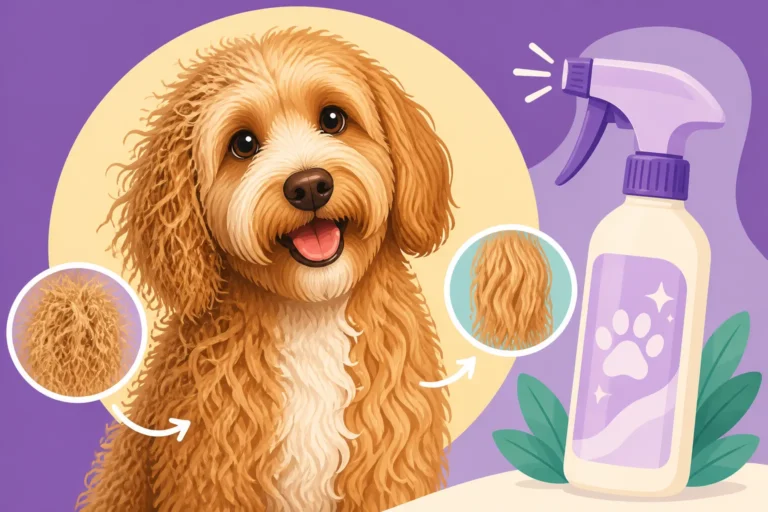
You'll need to dedicate significant time each day to line brushing, systematically working through your dog's coat to separate the old and new hair and prevent mats. If you encounter a mat, gentle but persistent detangling with a comb and perhaps a detangling spray is necessary. Avoid pulling, as this can be painful for your dog. Some owners even opt for a shorter haircut during this period to make managing the coat easier. It’s a temporary but intense phase, and patience is key. Getting through this period requires commitment, but it's crucial for your dog's comfort and coat health. More tips for this tricky time are in Getting a Labradoodle Through Its Coat Change.
Post-Coat Change: The Adult Coat's Demands
Once your Labradoodle has fully transitioned to its adult coat, the intense daily mat-battling usually subsides, but the need for regular, thorough grooming does not disappear. The adult fleece and wool coats are still prone to matting, especially if left too long or not brushed properly.
The adult coat will likely be denser and require consistent line brushing to prevent mats from forming deep down. Your professional grooming schedule will become a regular fixture, typically every 6-8 weeks for fleece and 4-6 weeks for wool. Establishing a routine of regular brushing, professional trims, and appropriate bathing will ensure your Labradoodle's adult coat remains healthy, beautiful, and tangle-free for years to come. Remember that even though the coat change is over, maintenance is an ongoing commitment for the life of your doodle.
Seasonal Care and Lifestyle Considerations
A Labradoodle's coat isn't just about aesthetics; it's a functional part of their body that helps regulate temperature and protect their skin. Depending on the season and your dog's activities, you might need to adjust your grooming and care routines to keep them comfortable and healthy.
Warm Weather: Keeping Cool and Comfortable
When the temperatures rise, your Labradoodle's dense coat can become a heavy blanket, making them susceptible to overheating. This is especially true for those with wool or dense fleece coats.
- Shorter Clips: Many owners opt for shorter haircuts during the summer months to help their dogs stay cooler. A one-inch or even half-inch clip can make a huge difference in their comfort, reducing the insulating effect of their fur.
- Regular Brushing: Even with a shorter cut, regular brushing helps remove any loose undercoat or trapped hair, allowing for better air circulation against the skin.
- Water Access: Always ensure your Labradoodle has access to fresh, cool water and shade. If they swim, ensure their coat is thoroughly rinsed and dried afterwards to prevent skin issues. Products like cooling mats can also be a godsend.
- Exercise Timing: Schedule walks and playtime during the cooler parts of the day – early mornings or late evenings – to avoid the midday heat.
Remember, while a shorter coat can help, it doesn't make your Labradoodle immune to heatstroke. Always be vigilant for signs of overheating.
Cold Weather: Protecting Their Unique Fur
In colder climates, a Labradoodle's coat provides natural insulation, but it's not always enough, especially for dogs with very short clips or those spending extended time outdoors.
- Maintain Length (if desired): If you live in a very cold area, you might choose to keep your Labradoodle's coat a bit longer in winter for extra warmth. However, remember that longer coats require even more diligent brushing to prevent snow and ice from matting into painful clumps.
- Paw Protection: Snow, ice, and de-icing salts can be harsh on paws. Consider dog boots or applying paw balm to protect their pads. Also, keep the hair between their paw pads trimmed to prevent ice balls from forming.
- Drying After Play: If your Labradoodle plays in the snow, ensure their coat is completely dry when they come inside to prevent chilling and skin irritation. Pay extra attention to their belly and legs.
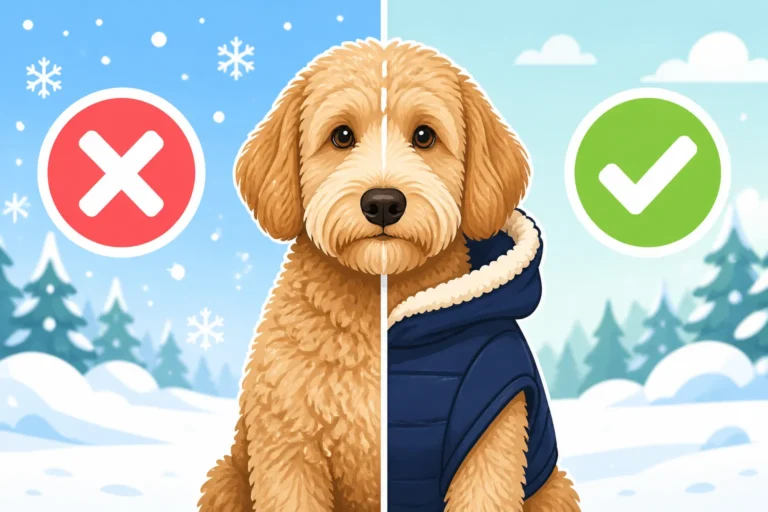
- Winter Gear: For very cold temperatures or dogs with short coats, a dog coat or sweater might be beneficial, especially for shorter-haired Labradoodles or older dogs.
Monitoring your dog's comfort in extreme temperatures is always a good idea, as their individual tolerance can vary.
Swimming and Water Play: Special Drying Needs
Many Labradoodles inherit a love for water from their Labrador ancestry. Swimming is fantastic exercise, but it poses unique challenges for their coats, especially fleece and wool types.
- Rinse Immediately: After swimming in lakes, ponds, or especially chlorinated pools, always rinse your Labradoodle thoroughly with clean, fresh water. This removes chlorine, salt, dirt, and any potential irritants from their coat.
- Dry to the Skin: This is the most critical step. A damp coat, particularly a dense one, creates a perfect environment for bacterial and yeast infections on the skin, and it will mat as it dries. Use a high-velocity force dryer (easily found on Amazon) to blow out all the moisture, starting from the skin and working your way out. Brush as you dry. Never let a fleece or wool coat air-dry.
- Ear Care: Labradoodles have drop ears, which can trap moisture and increase the risk of ear infections, especially after swimming. Make sure to clean and thoroughly dry their ears after any water activities.
- Check for Debris: After a swim in nature, check their coat for any sticks, burrs, or leaves that might have become embedded and could lead to matting if not removed.
A Labradoodle who loves to swim is a joy, but managing their coat afterwards is a significant commitment. Over time, you'll develop a routine that works for both of you.
Common Coat Challenges and Solutions
Even with the best intentions and a solid grooming routine, Labradoodle owners can run into coat challenges. From stubborn mats to underlying skin issues, knowing what to look for and how to address it can save you and your dog a lot of discomfort.
Battling Mats and Tangles: Beyond Daily Brushing
Mats are the bane of a Labradoodle owner's existence. They are painful, can cause skin irritation, and if left unchecked, can lead to severe issues.
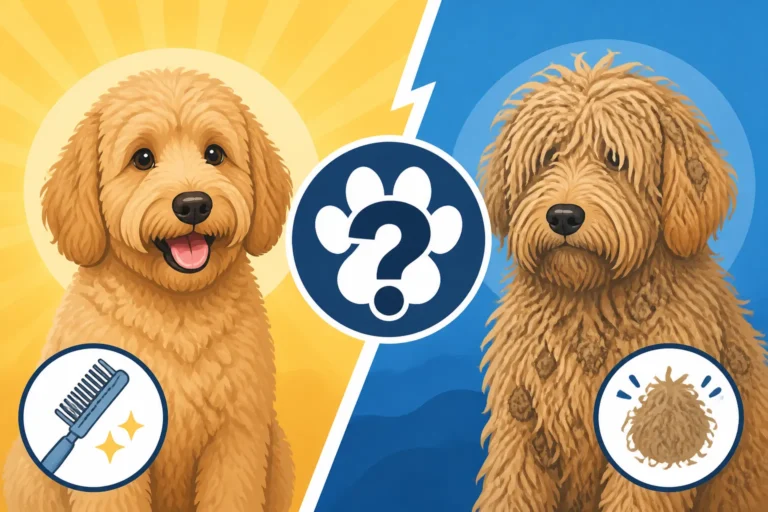
- Prevention is Key: As mentioned, consistent line brushing with a slicker brush and a metal comb is your primary defense. Pay extra attention to friction points: behind the ears, armpits, inner thighs, tail base, and where collars or harnesses sit. Mats behind a Labradoodle's ears are particularly common and easily missed.
- Detangling Sprays: These can be invaluable for working out minor tangles. Spray a generous amount directly onto the mat, let it sit for a minute, and then gently tease the mat apart with your fingers before using a comb. Brands like The Stuff or Cowboy Magic can be helpful.
- Demating Tools (Use with Caution): For small, isolated mats, a dematting rake or tool can sometimes be used. However, these tools are sharp and can easily cut the skin if not used correctly. If you're unsure, it's always better to consult a professional groomer.
- When to Shave: If a mat is too tight, close to the skin, or widespread, the kindest and safest option for your dog is often to have it shaved off by a professional groomer. Trying to brush out severe matting is incredibly painful and can cause skin damage. Don't be ashamed if your dog needs a shave; their comfort comes first. Sometimes, this is the only option if your Labradoodle has a Tight Matted Labradoodle Has Any Other Option.
Skin Issues Hidden by the Coat
A dense Labradoodle coat can effectively hide underlying skin problems, making regular grooming not just about aesthetics but also about health checks.
- Hot Spots: These painful, red, moist lesions can appear quickly, especially in damp, warm areas of the body, or if your dog is constantly licking or scratching an area. The dense coat traps moisture and heat, exacerbating the problem. Regular brushing helps you spot them early. If you find one, clip the hair around it, clean it with an antiseptic, and consult your vet.
- Allergies: Labradoodles can suffer from environmental or food allergies, which often manifest as itchy skin, redness, or secondary infections. The constant scratching can lead to hot spots or other skin damage. Your groomer might be the first to notice these subtle signs, or you might find them during brushing. Allergies Behind a Labradoodle's Itching is a common problem.
- Yeast Infections: Often appearing as reddish-brown discoloration, greasiness, and a distinct smell, yeast infections thrive in warm, moist environments. They are common in skin folds, paw pads, and especially in the ears. Proper drying after baths and swimming, along with veterinary treatment, is key.
- Sebaceous Adenitis: This is a hereditary skin condition, more common in Poodles (and thus Labradoodles), where the sebaceous glands become inflamed and destroyed. It results in dry, scaly skin, hair loss, and sometimes secondary infections. It requires veterinary diagnosis and ongoing management. Regular grooming helps you monitor skin health and identify changes.
Always inspect your dog's skin during grooming. Any persistent redness, flaking, lumps, or odors warrant a trip to the vet.
Professional Grooming: When to Call in the Experts
Even if you're a dedicated home groomer, a professional groomer is an invaluable partner in maintaining your Labradoodle's coat. They have the tools, expertise, and experience to handle challenging coats.
- Regular Schedule: For fleece and wool coats, scheduling professional grooms every 4-8 weeks is highly recommended. This ensures the coat is properly clipped, washed, dried, and dematted by an expert. Many groomers offer "maintenance grooms" between full clips, focusing on brushing out and tidying up.
- Problem Solving: If you encounter a mat you can't tackle, or if your dog's coat is becoming unmanageable, don't hesitate to call your groomer. They can often save a coat that seems beyond hope, or at least perform a humane shave-down if necessary.
- Specialized Tools: Professional groomers have powerful high-velocity dryers, sharp clippers, and a range of brushes and combs that make their job easier and more effective than what most home groomers have access to.
- Groomer's Eye: A good groomer will also be a second set of eyes on your dog's overall health, often noticing skin issues, lumps, or ear problems that you might miss. They can offer advice on home grooming techniques or products.
Think of your professional groomer as part of your Labradoodle's care team. Investing in their services will not only keep your dog looking great but also contribute significantly to their comfort and well-being.
Debunking Hypoallergenic Claims
The Labradoodle gained initial fame for being "hypoallergenic," a claim that has been both a blessing and a curse for the breed. It's crucial for prospective owners to understand what this term really means (and doesn't mean) in the context of dog coats and human allergies.
Understanding Allergies and Dog Coats
First, let's clarify that there's no such thing as a truly 100% hypoallergenic dog. Allergies to dogs are typically caused by proteins found in their dander (dead skin flakes), saliva, and urine, not just the hair itself. When a dog sheds hair, it also sheds dander, which then becomes airborne and triggers allergic reactions.
Poodles, with their continuously growing, curly coats, trap most of their shed hair and dander within their curls, rather than releasing it into the environment. This significantly reduces the amount of airborne allergens, making them more tolerable for many allergy sufferers. It's a matter of degree, not an absolute. So, while a Labradoodle might be a good fit for some people with mild allergies, it's essential to approach the term "hypoallergenic" with realistic expectations.
The Reality of "Non-Shedding"
When people hear "non-shedding," they often picture a dog that simply doesn't lose any hair. In the case of Poodles and Labradoodles with fleece or wool coats, "non-shedding" means their hair cycles out, but it gets trapped within the dense, curly coat instead of falling onto your furniture and floor.
This is why these coats are so prone to matting! The shed hair stays tangled in the live hair, forming knots. If you don't brush these out regularly, they become tight, painful mats that pull on the skin. So, while you might not see as much hair on your couch, that hair is still there, just in a different place, and it requires you to actively remove it through brushing and professional grooming. A hair-coated Labradoodle, on the other hand, will shed visibly, much like a Labrador. Understanding this distinction is vital for managing your expectations and preparing for the grooming demands. For more insight, read Whether a Labradoodle Is Truly Hypoallergenic.
Managing Allergens in a Labradoodle Home
If you or a family member has allergies and you're considering a Labradoodle, here's a realistic approach to managing allergens:
- Meet the Dog First: Before committing, spend time with the specific Labradoodle puppy or adult dog you're considering. Ideally, visit the breeder's home or a rescue facility to see how your allergies react over an extended period. Some people react to certain dogs more than others, even within the same breed.
- Choose the Right Coat: Opt for a Labradoodle with a fleece or, even better, a wool coat. These are generally the most allergy-friendly types due to their trapping of dander.
- Consistent Grooming: This is paramount. Regular brushing (daily for wool, several times a week for fleece) will remove shed hair and dander from the coat before it can become airborne. Regular bathing with an appropriate shampoo can also help wash away allergens.
- Environmental Control: Beyond the dog, implement strategies in your home:
- Use HEPA air purifiers.
- Vacuum frequently with a HEPA filter vacuum.
- Wash pet beds, blankets, and your own bedding regularly.
- Consider creating "dog-free" zones in your home, especially bedrooms.
- Wipe down hard surfaces regularly to remove settled dander.
- Consult with an Allergist: For severe allergies, speak with an allergist before bringing any dog home. They can provide personalized advice and discuss medication or immunotherapy options.
While the Labradoodle was initially bred with allergies in mind, it's important to remember that every dog and every person's allergic reaction is unique. Due diligence and realistic expectations are key to a harmonious home for both you and your beloved Labradoodle.
Disclaimer
This article is for general informational purposes only and does not constitute professional advice. Laws, prices and regulations vary by location and change over time. Consult a qualified professional for guidance on your specific situation.