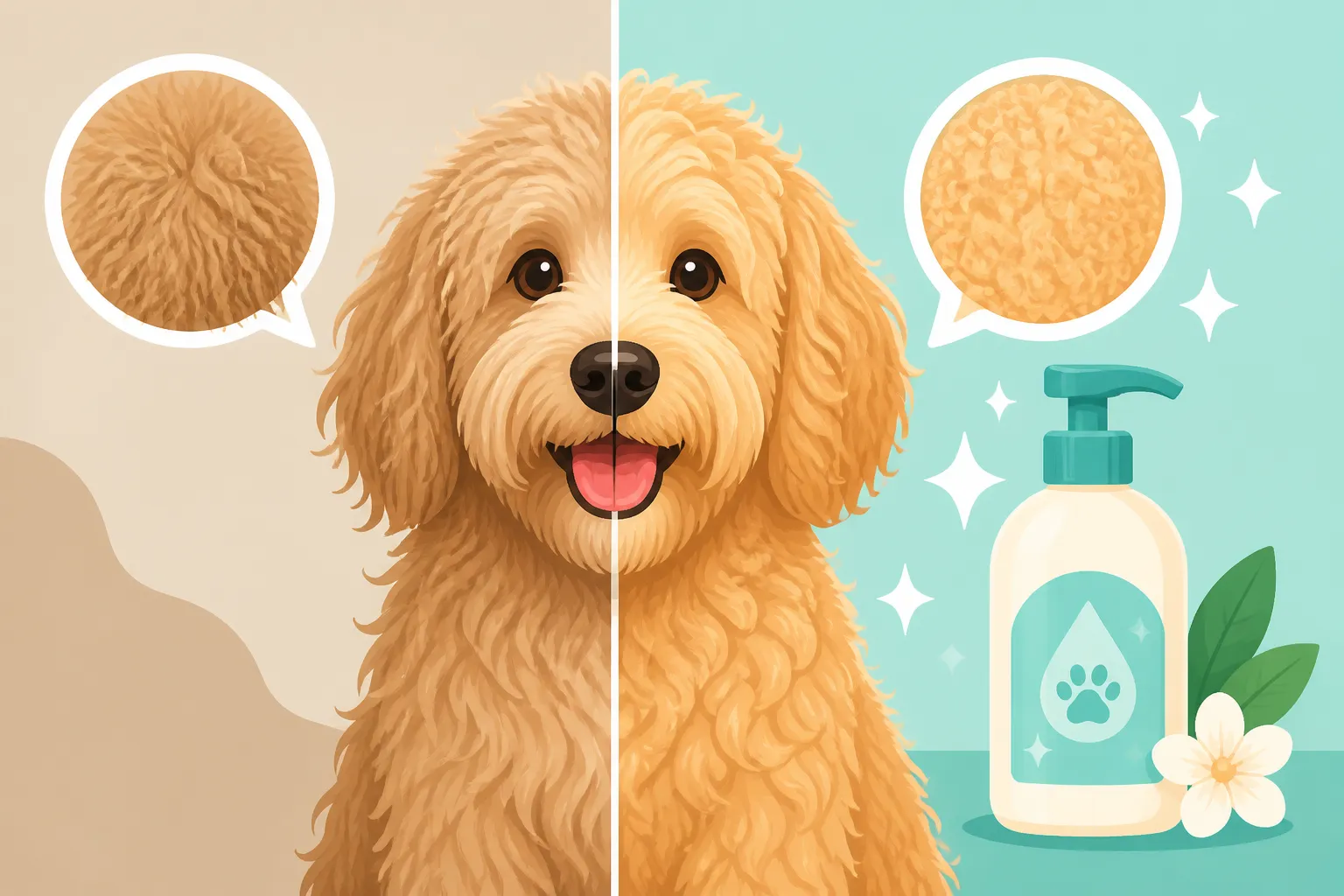
Whether Conditioner Helps a Labradoodle’s Coat
It's a common dilemma for Labradoodle owners: you've just given your furry friend a bath, spent ages scrubbing, and now you're left wondering if that glorious, fluffy coat is truly as healthy as it could be. Many of us find ourselves battling tangles, dullness, or even dry, flaky skin despite our best efforts. This guide is here to shed some light on whether conditioner can truly be a game-changer for your Labradoodle's coat, diving deep into the 'why' and 'how' of incorporating it into your grooming routine.
Understanding Your Labradoodle's Unique Coat
One of the biggest joys, and sometimes frustrations, of owning a Labradoodle is their incredible coat. Unlike many other breeds, Labradoodles boast a variety of coat types, each with its own specific needs and challenges. Understanding what kind of coat your dog has is the first step to unlocking its full potential and ensuring its health and beauty.
The Different Labradoodle Coat Types and Their Needs
Labradoodles don't just come in one coat texture; they typically present as hair, fleece, or wool. Each of these types behaves differently, sheds differently (or not at all!), and requires a slightly varied approach to grooming, especially when it comes to conditioning.
A hair coat is the least common type and most closely resembles a Labrador's coat. It tends to be straighter, often sheds, and might not have the signature "doodle" look. While generally easier to manage in terms of matting, it can still suffer from dryness or dullness, much like human hair. For these coats, conditioner can add shine and manageability, reducing static and breakage.
The fleece coat is often considered the ideal Labradoodle coat. It's soft, wavy or spiraled, feels like lamb's wool, and is usually low-shedding. This coat type is absolutely gorgeous but is also a notorious magnet for mats if not cared for diligently. The soft, fine texture means that individual hairs can easily intertwine, especially where there's friction, like behind the ears or under the legs. Conditioner is a true ally for fleece coats, helping to smooth the cuticle, make brushing easier, and prevent those dreaded mats from forming in the first place. You'll find that regular conditioning makes a huge difference in the overall feel and manageability of this coat.
Then there's the wool coat, which is dense, curly, and often feels similar to a sheep's fleece. This type is typically non-shedding, making it a favorite for allergy sufferers. However, its density and tight curl pattern mean it's the most prone to matting and can be the most challenging to groom. Without proper conditioning, a wool coat can become a tangled, felted mess incredibly quickly. Conditioner is not just helpful here; it's practically essential for detangling, maintaining hydration, and allowing brushes and combs to glide through without snagging. Understanding The Three Labradoodle Coats: Hair, Fleece and Wool is really foundational to tailoring your grooming approach.
Why Labradoodle Coats Are Prone to Mats and Dryness
It's not just a matter of "bad luck" when your Labradoodle's coat starts to mat or feel dry. There are specific characteristics inherent to these wonderful dogs that make them more susceptible to these issues. Many owners, especially those new to the breed, are often caught off guard by the sheer amount of grooming required to keep a Labradoodle looking its best.
The primary culprit for matting, particularly in fleece and wool coats, is the unique structure of their hair. Unlike dogs with single coats or those that shed heavily, Labradoodles have hair that continues to grow and, if not brushed out, will shed into the coat rather than falling out. This trapped hair, combined with the wavy or curly texture, creates the perfect storm for knots and mats. Imagine trying to comb through a tangled ball of yarn – that's often what we're facing under the surface of a seemingly clean coat. These mats often start in areas of high friction, such as the armpits, behind the ears, around the collar, and on the inner thighs. It’s vital to address Where Mats Form First on a Labradoodle to stay ahead of them.
Beyond matting, dryness is another common complaint. Factors like environmental conditions (dry winter air, harsh sun), frequent bathing with inappropriate shampoos, and even diet can strip the natural oils from your Labradoodle's coat and skin. Dry hair is brittle hair, meaning it's more prone to breakage and, you guessed it, matting. Dry skin can lead to itching, flaking, and discomfort for your dog. It's a frustrating cycle that can leave both you and your Labradoodle feeling less than fabulous. Without enough moisture and protection, the hair cuticle can lift, making the coat appear dull and feel rough.
The Science Behind Conditioning and Its Benefits
So, what exactly does a conditioner do, and how does it help combat the common woes of a Labradoodle's coat? It's more than just a pleasant smell or a temporary fix; there's real science at play that can make a profound difference.
How Conditioner Works on Dog Hair
At a microscopic level, a dog's hair shaft is covered in tiny, overlapping scales, much like shingles on a roof. When the hair is healthy, these scales lie flat, creating a smooth surface that reflects light (hence the shine!) and prevents tangles. However, when hair is damaged, dry, or exposed to harsh elements, these scales can lift, making the hair rough, dull, and prone to snagging. This is where conditioner steps in.
Conditioners typically contain a blend of ingredients designed to address these issues. Emollients (like oils and silicones) coat the hair shaft, smoothing down those lifted cuticles. This creates a slicker surface, reducing friction between individual hairs and making them less likely to tangle and mat. It also enhances shine by allowing light to reflect more evenly. Humectants (like glycerin or panthenol) draw moisture from the air and bind it to the hair, helping to rehydrate dry strands. This makes the hair more pliable and less prone to breakage. Finally, many conditioners are formulated with a slightly acidic pH, which helps to close the hair cuticle after shampooing (which tends to be alkaline), further smoothing the hair and sealing in moisture. It's a pretty elegant system, really, and one that's incredibly beneficial for maintaining coat integrity.
Specific Benefits for Labradoodle Coats
For Labradoodle owners, the benefits of incorporating a good conditioner into their grooming routine are numerous and, honestly, transformative. It's not just about making them look good; it's about making them feel good and making your life easier!
Firstly, and perhaps most importantly, conditioner significantly improves manageability and reduces matting. By smoothing the hair cuticle and adding slip, conditioner makes it much easier to brush and comb through your Labradoodle's coat. Those daily or weekly brushing sessions become less of a battle and more of a bonding experience. It helps prevent new mats from forming and makes existing minor tangles much easier to work out, potentially saving you from having to resort to a complete shave if a tight matted Labradoodle has any other option to deal with it.
Secondly, you'll notice a remarkable difference in shine and softness. A well-conditioned coat looks vibrant, healthy, and feels incredibly soft to the touch. This isn't just cosmetic; it's a sign that the hair is properly hydrated and the cuticle is lying flat, meaning it's healthier overall. This also helps with reducing static electricity, which can be a real nuisance, especially in dry climates, and can contribute to matting.
Finally, conditioner supports skin health. Many conditioners contain ingredients that soothe and moisturize the skin, preventing dryness, flakiness, and irritation. A healthy skin barrier is crucial for a healthy coat, as it's where the hair follicles originate. If your Labradoodle suffers from mild skin sensitivities or seasonal dryness, a good conditioner can provide much-needed relief and complement the effects of shampoos that suit a Labradoodle's coat. Products from brands like Chewy often offer a range of sensitive skin formulations that include these beneficial ingredients.
Choosing the Right Conditioner for Your Labradoodle
Walking down the pet aisle, or browsing online, can feel overwhelming with the sheer number of conditioners available. How do you pick the one that's right for your precious Labradoodle? It’s not just about what smells good; it’s about what truly nourishes their specific coat and skin needs.
Ingredients to Look For and Avoid
When you're scrutinizing those labels, think about what you're trying to achieve. For Labradoodle coats, especially the fleece and wool types that are prone to dryness and matting, certain ingredients are your best friends, while others are best avoided.
Look for:
- Natural Oils: Ingredients like coconut oil, argan oil, jojoba oil, or shea butter are fantastic emollients. They help to moisturize, add shine, and provide that much-needed slip to the coat, making it easier to detangle. These oils often provide a protective barrier against environmental damage.
- Humectants: Glycerin and panthenol (Vitamin B5) are excellent at attracting and retaining moisture in the hair shaft, which is crucial for preventing dryness and brittleness.
- Colloidal Oatmeal: If your Labradoodle has sensitive skin or is prone to itching, colloidal oatmeal is a soothing ingredient that can help calm irritation and add moisture to the skin barrier.
- Ceramides: These are lipids that help reinforce the skin barrier and improve moisture retention, benefiting both skin and coat health.
- Proteins: Keratin or silk proteins can help strengthen the hair shaft, reducing breakage.
Avoid (or use sparingly):
- Harsh Sulfates: While shampoos need some cleaning agents, strong sulfates in conditioners can be too stripping, counteracting the moisturizing effects. Look for sulfate-free options if possible.
- Parabens and Phthalates: These are preservatives and chemicals that some owners prefer to avoid due to potential health concerns, though their impact on pets is still debated. Many brands now offer paraben-free formulas.
- Artificial Dyes and Fragrances: While a nice smell is appealing, artificial fragrances can be irritants for sensitive skin. Opt for naturally scented products or those with minimal fragrance, especially if your dog has allergies.
- Heavy Silicones (in excess): While silicones add slip and shine, overly heavy or insoluble silicones can build up on the coat over time, leading to dullness and potentially trapping dirt. Good quality conditioners usually use lighter, water-soluble silicones that rinse out easily. Many good quality pet conditioners can be found on platforms like Amazon with detailed ingredient lists.
Different Conditioner Formulations: Rinse-out, Leave-in, and Sprays
The world of dog conditioners isn't just one-size-fits-all. Different formulations serve different purposes and can be incorporated into your routine for maximum benefit.
Rinse-out Conditioners: This is the most common type, applied after shampooing and then thoroughly rinsed out. They're excellent for providing deep hydration, detangling, and smoothing the coat immediately after a bath. For a Labradoodle, especially one with a fleece or wool coat, a good rinse-out conditioner is non-negotiable for every single bath. It helps set the stage for easier drying and brushing.
Leave-in Conditioners: These are designed to stay on the coat, providing continuous hydration and protection. They are fantastic for very dry coats, or for breeds like Labradoodles that need extra help with preventing mats between baths. You apply a small amount to a damp or dry coat, and it just stays there. This can be particularly useful during drier seasons or if your Labradoodle spends a lot of time outside. Brands like Chewy offer a wide array of leave-in options suitable for different coat needs.
Detangling Sprays/Conditioning Sprays: These are typically lighter formulas that you can spritz onto the coat before or during brushing sessions. They add moisture, reduce static, and provide slip, making it easier to work through knots without damaging the hair. A good detangling spray is an absolute lifesaver for daily or every-other-day brushing, especially when you're line brushing a particularly dense coat. It's much better for the coat to spray a little conditioner before tackling a stubborn knot than to try to force a dry brush through it. If you're wondering how often a Labradoodle needs brushing, incorporating a detangling spray will make those sessions far more effective and pleasant for everyone.
Best Practices for Conditioning Your Labradoodle
Knowing that conditioner helps is one thing, but knowing how to apply it correctly is where the real magic happens. Incorrect application can lead to a greasy coat, skin irritation, or simply negate the benefits. Let's make sure you're getting the most out of your conditioning routine.
Pre-Conditioning Prep: Brushing and Detangling
Before your Labradoodle even sets a paw in the tub, there's a crucial step that many owners skip, leading to more frustration later: thorough pre-bath brushing. Seriously, don't underestimate this! You've likely heard about the line brushing a Labradoodle coat needs, and this is exactly where it comes into play.
If you attempt to wash a matted or tangled coat, those knots will only tighten and felt further with the water and shampoo. It's like washing a sweater that's already got a knot in it – it just makes it worse! So, before bath time, sit down with your slicker brush and metal comb. Work through your Labradoodle's coat in sections, using a detangling spray if necessary, to ensure there are no major knots or mats. Pay extra attention to those common trouble spots: behind the ears, armpits, tail base, and inner thighs. If you encounter a mat, gently work it out with your fingers and the wide teeth of a comb, rather than pulling the brush through it. If the coat is truly free of tangles before it gets wet, the shampoo and conditioner will be able to penetrate properly and do their job. This step, while time-consuming, is paramount for effective conditioning and preventing post-bath matting.
Application Techniques and Rinsing
Once your Labradoodle is thoroughly wet and shampooed (and rinsed completely clean of shampoo!), it's time for conditioner. Don't just glob it on top; you want to ensure it reaches every strand.
Start by dispensing a generous amount of conditioner into your hands, rubbing them together to warm it slightly. Then, work it into your dog's coat, starting from the neck and working your way down to the tail and legs. Pay particular attention to the longer hair, the areas prone to matting, and the ends of the hair, which tend to be the driest. Really massage it in, ensuring it saturates the hair down to the skin. You might even want to use a wide-toothed comb to gently comb the conditioner through the coat while it's on. This helps distribute the product evenly and starts the detangling process while the conditioner is actively working.
Leave the conditioner on for the recommended time, usually 3-5 minutes. This isn't just a suggestion; it gives the ingredients time to penetrate the hair shaft and work their magic. For very dry or matted coats, you might even extend this to 10 minutes, almost like a deep conditioning treatment.
When it's time to rinse, be thorough. And then rinse again. And then one more time for good measure! Conditioner residue left on the coat can attract dirt, lead to skin irritation, and even make the coat feel heavy or greasy, which completely defeats the purpose. Keep rinsing until the water runs clear and the coat feels squeaky clean, not slick. This is just as important as washing a Labradoodle without wrecking the coat.
Post-Conditioning Care: Drying Properly
The conditioning process isn't truly complete until your Labradoodle is dry. How you dry them can make or break the benefits of conditioning and significantly impact matting.
Never, ever let a Labradoodle air dry if you want to avoid mats. As the curly or wavy coat dries naturally, the individual hairs shrink and intertwine, tightening any existing tangles and creating new ones at an astonishing rate. This is especially true during the coat change that hits a Labradoodle at nine months, when their puppy coat is being replaced by their denser adult coat.
The best method is to towel dry first to remove excess water, then immediately move to a high-velocity force dryer. These dryers blast water off the coat and help straighten the hair as it dries, which prevents matting. As you dry, use your slicker brush to continually brush the coat in sections, ensuring that the air from the dryer is getting right down to the skin and separating the hairs. This technique is crucial for drying a Labradoodle to the skin after a bath and preventing moisture-related skin issues. Don't stop until your Labradoodle is completely, absolutely bone-dry. Any dampness can lead to matting, especially in the denser parts of their coat. Consistent, proper drying is just as important as the conditioning itself for a healthy, mat-free Labradoodle coat. You'll thank yourself later when grooming sessions are a breeze!
Here's a quick summary table of conditioner types and their uses:
| Conditioner Type | Best Use Case | Frequency | Key Benefit |
|---|---|---|---|
| Rinse-out Conditioner | After every shampoo, for all coat types | Every 4-8 weeks (with bath) | Deep hydration, immediate detangling |
| Leave-in Conditioner | For very dry coats, between baths, extra protection | 1-2 times per week, or as needed | Continuous moisture, anti-static, softness |
| Detangling Spray | Before and during brushing sessions, targeting knots | Daily or every other day (with brushing) | Eases brushing, prevents new tangles, adds slip |
Conclusion
So, does conditioner help a Labradoodle's coat? The resounding answer is yes, absolutely! For these beautiful, often high-maintenance coats, conditioner isn't just a luxury; it's a fundamental part of a healthy grooming routine. By understanding your Labradoodle's specific coat type, recognizing the science behind how conditioners work, and consistently applying best practices for washing, conditioning, and drying, you can transform a dull, matted coat into a soft, shiny, and manageable masterpiece. It takes effort, but the reward of a happy, comfortable Labradoodle with a gorgeous coat is truly worth it.
Disclaimer
This article is for general informational purposes only and does not constitute professional advice. Laws, prices and regulations vary by location and change over time. Consult a qualified professional for guidance on your specific situation.