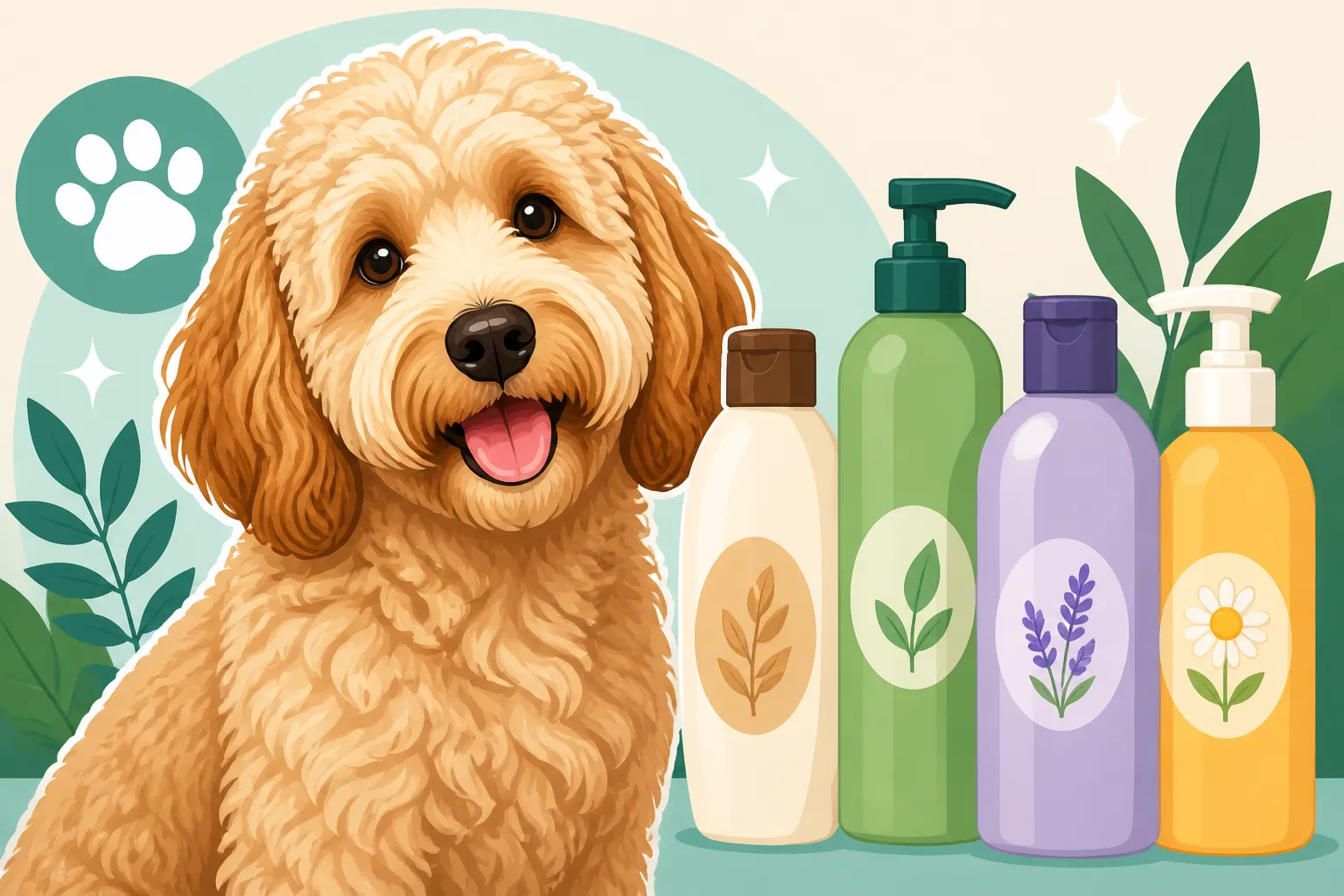
Shampoos That Suit a Labradoodle’s Coat
Oh, the quest for the perfect Labradoodle shampoo! If you're anything like me, you’ve probably spent far too much time in the pet aisle, staring at dozens of bottles, wondering which one won't turn your fluffy companion into a matted mess or leave their skin dry and itchy. It’s a real headache to navigate all the claims and ingredients, especially when you know how sensitive a Labradoodle's skin can be under that glorious coat. This guide is here to cut through the confusion and help you confidently choose shampoos that will leave your Labradoodle smelling fresh, feeling soft, and, most importantly, free from skin irritation.
Understanding Your Labradoodle's Unique Coat Needs
Our beloved Labradoodles are a fascinating blend, aren't they? That unique coat, which drew so many of us to them in the first place, is also what makes their grooming needs a little more complex than your average dog. You can't just grab any old dog shampoo off the shelf and expect it to work wonders. Their skin and hair require a thoughtful approach to bathing products.
The Influence of Poodle and Labrador Genetics
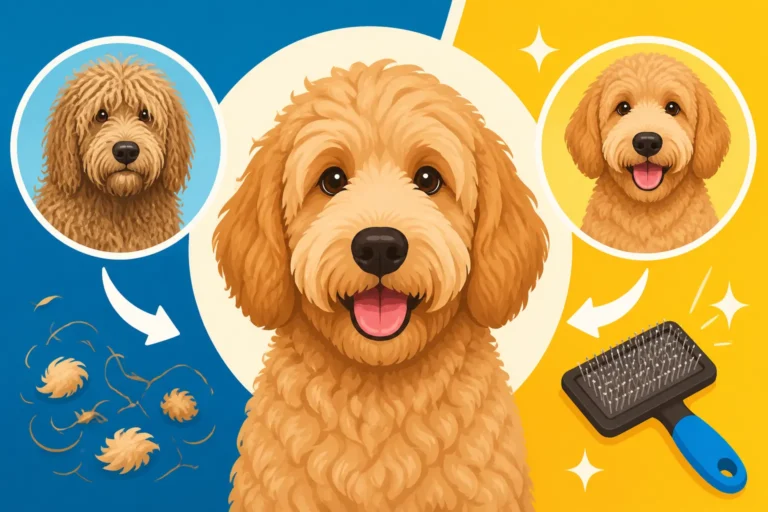
Think about the parents: the Poodle, with its dense, continuously growing, curly hair, and the Labrador Retriever, known for its dense, double coat that sheds. Your Labradoodle is a genetic lottery ticket of these two, meaning their coat can inherit traits from either or both, making it incredibly diverse. This blend often results in what we affectionately call "furnishings"—the longer hair on their face, ears, and legs that gives them that quintessential doodle look. These furnishings are also often the first places to mat if not properly cared for. The Poodle influence means their coat keeps growing, much like human hair, which contributes to the low-shedding quality many seek but also demands regular grooming and specific product choices to prevent tangles and skin issues.
The Labrador side can sometimes contribute a denser undercoat, even in a fleece or wool-coated Labradoodle, which adds to the challenge of getting shampoo rinsed out completely. If shampoo or conditioner residue is left behind, it can become a magnet for dirt, leading to skin irritation, dullness, and even hot spots. It’s a delicate balance, trying to clean thoroughly without stripping natural oils or leaving irritating remnants.
Different Labradoodle Coat Types and Their Demands
Not all Labradoodle coats are created equal, and understanding your dog's specific coat type is the first step in choosing the right shampoo. Generally, we talk about three main types: hair, fleece, and wool. Each has its own characteristics and, therefore, its own demands when it comes to bathing. You can learn more about this in The Three Labradoodle Coats: Hair, Fleece and Wool.
A hair coat is often closer to a Labrador's coat, sometimes shedding more, and can be coarser. It might not mat as easily as other types, but it can still benefit from moisturizing shampoos to keep it healthy and shiny. A fleece coat, which many breeders aim for, is soft and wavy, feeling almost like angora. This type is prone to matting, especially during the dreaded "coat change" around nine months of age. For these coats, shampoos with detangling properties and excellent moisturizing capabilities are crucial to keep them smooth and manageable. The Fleece Coat and Why Breeders Aim For It delves deeper into this sought-after coat. Finally, the wool coat is dense and curly, similar to a Poodle's, and requires the most intensive grooming. It’s highly prone to matting and needs shampoos and conditioners that deeply hydrate and prevent tangles. If you have a wool-coated Labradoodle, you already know the commitment involved, and finding the right products is paramount to their comfort and your sanity. The Wool Coat Labradoodle and Its Upkeep offers further insight into managing this demanding coat type.
Key Ingredients to Look For in a Labradoodle Shampoo
When you're sifting through the options, turning over bottles and squinting at tiny labels, it helps to know what ingredients are your friends. For a Labradoodle, the best shampoos are those that hydrate, soothe, and assist in keeping that magnificent coat manageable.
Moisturizing and Hydrating Components
Labradoodle coats, especially the fleece and wool types, can easily become dry and brittle, leading to breakage and increased matting. This is where moisturizing ingredients really shine. Look for shampoos that contain oatmeal or colloidal oatmeal, which is renowned for its skin-soothing and hydrating properties. It helps to calm irritated skin and adds moisture back into the coat. Aloe vera is another fantastic ingredient, offering natural hydration and anti-inflammatory benefits, making it perfect for sensitive skin.
Glycerin is a humectant, meaning it draws moisture from the air into the hair shaft, providing excellent hydration. Natural oils like coconut oil, argan oil, and jojoba oil are also incredibly beneficial. These oils help to condition the coat, add shine, and can even assist in detangling. They provide a protective barrier without feeling greasy, which is vital for preventing dryness and maintaining coat elasticity. Using a shampoo with these ingredients helps ensure that each bath replenishes, rather than strips, your Labradoodle's natural skin oils.
Soothing and Anti-Inflammatory Agents
Many Labradoodles inherit sensitive skin tendencies, making soothing ingredients a must. If your Labradoodle tends to get a little red, itchy, or just generally uncomfortable after baths, these ingredients can make a huge difference. Chamomile and calendula extracts are wonderful natural anti-inflammatory agents that can help calm irritated skin. They have gentle healing properties and can reduce redness and itching.
Vitamin E is another powerhouse ingredient, acting as an antioxidant and promoting healthy skin cell regeneration. It can help protect the skin from environmental damage and keep it supple. For a Labradoodle prone to hot spots or general skin sensitivity, a shampoo incorporating these elements can provide much-needed relief and prevent flare-ups. A calm, healthy skin foundation is key for a healthy coat, so don't underestimate the power of these gentle, healing components.
Detangling and Conditioning Properties
Even before you reach for the conditioner, a good shampoo should ideally offer some detangling assistance. This is particularly important for Labradoodle owners battling knots and mats. Ingredients like silk proteins or hydrolyzed wheat protein can help smooth the hair cuticle, making the coat less prone to tangling during the wash. They add a layer of protection and can make the coat feel silkier and easier to brush through once dry.
While shampoo isn't a replacement for dedicated detangling sprays or a thorough brushing routine like Brushing a Labradoodle to the Skin, Not the Surface, a shampoo with conditioning properties can certainly make the process smoother. These ingredients help the comb glide through more easily post-bath, reducing stress for both you and your dog. When combined with a good rinse and a proper drying technique, a shampoo with these qualities is a game-changer for maintaining a mat-free Labradoodle coat.
Ingredients to Avoid for Sensitive Labradoodle Skin
Just as important as knowing what to look for is understanding what to steer clear of. Many common shampoo ingredients, while perfectly fine for some dogs (or even humans!), can be detrimental to a Labradoodle's sensitive skin and coat health. Avoiding these can prevent irritation, dryness, and allergic reactions.
Harsh Chemicals and Sulfates
Top of the "avoid" list are harsh chemicals, particularly sulfates. Ingredients like Sodium Lauryl Sulfate (SLS) and Sodium Laureth Sulfate (SLES) are commonly used as foaming agents in many shampoos because they create that rich lather we associate with cleanliness. However, they are powerful detergents that can strip the natural oils from your Labradoodle's skin and coat. This leads to dryness, irritation, and can even exacerbate existing skin conditions. When the skin's natural barrier is compromised, it becomes more vulnerable to allergens and infections.
For a breed like the Labradoodle, with its dense coat that can trap moisture and heat, keeping the skin barrier intact is critical. Opting for sulfate-free shampoos might mean a less bubbly lather, but it's a worthwhile trade-off for healthier skin and a happier dog. Always check the ingredient list for these common culprits, especially if your Labradoodle already has a tendency towards dry, flaky skin or itching.
Artificial Fragrances and Dyes
While a dog that smells like a field of fresh lavender might sound appealing, artificial fragrances are a common trigger for skin sensitivities and allergic reactions in dogs. These synthetic scents can cause itching, redness, and inflammation. Many times, the "fragrance" listed on an ingredient label is a cocktail of chemicals, some of which can be irritating. It's often better to choose an unscented shampoo or one naturally scented with essential oils known to be safe for dogs, like lavender or chamomile, but even then, patch testing is wise.
Similarly, artificial dyes, used to make the shampoo look more appealing to humans, offer absolutely no benefit to your Labradoodle's coat or skin. In fact, they can be another source of irritation or allergic response. Your Labradoodle doesn't care if their shampoo is blue or pink; they care that it doesn't make them itch! Stick to shampoos that are clear or naturally colored, reducing the chemical load on their sensitive system.
Parabens and Phthalates
Parabens (like methylparaben, propylparaben, butylparaben) are preservatives commonly used in many cosmetic and personal care products, including some pet shampoos, to prevent the growth of bacteria and mold. While they are effective preservatives, there's ongoing debate and concern about their potential as endocrine disruptors and their link to various health issues in humans and animals. For sensitive Labradoodles, it's often prudent to err on the side of caution and choose paraben-free formulations. Why introduce unnecessary chemicals if there are good alternatives?
Phthalates are another group of chemicals often found in plastics and, surprisingly, sometimes in fragrances. They can be absorbed through the skin and are also considered potential endocrine disruptors. Because they are sometimes hidden within the term "fragrance," it can be harder to completely avoid them if you're not using an entirely unscented product. Choosing shampoos that specifically state they are free of phthalates, or opting for products with very short, transparent ingredient lists, is a proactive step toward minimizing your Labradoodle's exposure to potentially harmful substances and supporting their long-term health.
Specific Shampoo Types for Common Labradoodle Issues
Sometimes, a general moisturizing shampoo isn't quite enough. Our Labradoodles, with their unique genetic makeup, can face specific skin and coat challenges that require a more targeted approach. Thankfully, there are specialized shampoos designed to tackle these common issues.
Hypoallergenic and Sensitive Skin Shampoos
This is perhaps the most common category Labradoodle owners find themselves exploring. Many Labradoodles, unfortunately, are prone to environmental allergies, food sensitivities, or simply have very reactive skin. If you notice your dog scratching more than usual, developing red patches, or frequently licking their paws, a hypoallergenic shampoo is often the first line of defense. These shampoos are formulated without common irritants like harsh detergents, artificial fragrances, dyes, and sometimes even common protein sources that could trigger a reaction. They focus on gentle cleansing and soothing ingredients like colloidal oatmeal, aloe vera, and often include essential fatty acids to support the skin's natural barrier.
When dealing with Allergies Behind a Labradoodle's Itching, it's vital to use a shampoo that cleans without further irritating the skin. A good hypoallergenic option will help remove environmental allergens from the coat while simultaneously calming inflamed skin. You can find a wide variety of these specialized shampoos on sites like Chewy, which often have detailed ingredient lists and customer reviews that can guide your choice. Remember, even with a hypoallergenic shampoo, always do a small patch test first to ensure your specific Labradoodle doesn't react negatively.
Deodorizing and Deep Cleaning Shampoos
Let's be honest, Labradoodles love to get dirty! Whether it's rolling in something questionable at the dog park, wading through muddy puddles, or just developing that distinct "dog smell" over time, sometimes a regular shampoo just doesn't cut it. That's where deodorizing and deep cleaning shampoos come into play. These are formulated to penetrate deep into the coat to break down and lift away dirt, grime, and odors, rather than just masking them. Look for ingredients like baking soda, activated charcoal, or natural odor neutralizers that actually eliminate the smell.
While these shampoos are excellent for freshening up a dirty dog, they can sometimes be more potent. It's crucial to follow up with a good conditioner and ensure you rinse thoroughly to prevent any residue from being left behind, which could lead to skin irritation. When giving your Labradoodle a deep clean, pay special attention to areas where dirt and odor tend to accumulate, and remember that Washing a Labradoodle Without Wrecking the Coat is an art form that involves patience and a good rinsing technique. Use these types of shampoos judiciously, perhaps after a particularly adventurous outing, rather than for every bath, to avoid over-stripping their coat.
Medicated Shampoos for Skin Conditions
If your Labradoodle is dealing with a diagnosed skin condition like a yeast infection, bacterial infection, or severe seborrhea, your veterinarian might recommend a medicated shampoo. These are not typically over-the-counter products for general use but rather therapeutic treatments designed to address specific dermatological issues. For instance, if your Labradoodle has Yeast Trapped Under a Labradoodle's Coat, your vet might prescribe a shampoo containing ingredients like Miconazole or Ketoconazole, which are antifungal agents. For bacterial infections, ingredients like Chlorhexidine are common.
It's critical to use medicated shampoos exactly as prescribed by your vet, paying close attention to contact time (how long the shampoo needs to stay on the coat before rinsing) and frequency of use. These shampoos are powerful and, while effective for their intended purpose, can sometimes be drying or irritating if used incorrectly or when not needed. They are a treatment, not a regular grooming product. You might find some of these specialized products available through online pet pharmacies or even general retailers like Amazon, but always ensure you have a veterinary recommendation before using them. If your Labradoodle experiences persistent itching, redness, or hair loss, definitely consult your vet, as Whether a Labradoodle Needs Medicated Baths is a question best answered by a professional.
The Importance of a Good Conditioner and Proper Rinsing
Often overlooked, conditioner is just as vital as shampoo for a Labradoodle's coat. And no matter how great your shampoo and conditioner are, if you don't rinse properly, you're setting yourself up for problems.
Why Conditioner is Non-Negotiable
Think of shampoo as opening the hair cuticle to clean, and conditioner as closing it back up, sealing in moisture and nutrients. For a Labradoodle, especially those with fleece or wool coats, skipping conditioner is akin to inviting mats and tangles to move in permanently. After shampooing, the hair can be left slightly rough and prone to friction, which is the enemy of a mat-free coat. A good conditioner smooths the hair shaft, making it silky and much easier to comb through. This significantly reduces the time and effort needed for post-bath brushing and helps prevent new mats from forming.
Conditioners also replenish essential moisture that might have been lost during the washing process, even with the gentlest shampoos. This is crucial for preventing dryness and breakage, which can lead to a dull, frizzy coat. Look for conditioners with similar beneficial ingredients as shampoos: natural oils, proteins, and humectants. These will add elasticity and shine, keeping the coat healthy and vibrant. As discussed in Whether Conditioner Helps a Labradoodle's Coat, the answer is a resounding yes! It makes a huge difference in the overall health and manageability of your Labradoodle's beautiful locks.
Rinsing Thoroughly
This point cannot be stressed enough: rinse, rinse, and then rinse some more! Because Labradoodle coats are so dense and have multiple layers, it's incredibly easy for shampoo and conditioner residue to get trapped deep within the hair. This residue doesn't just make the coat feel heavy or sticky; it actually attracts dirt and grime, leading to faster matting, dullness, and, most importantly, severe skin irritation. Imagine wearing a shirt that still has soap in it – it would be incredibly itchy and uncomfortable, right? The same goes for your dog.
Residue can clog pores, leading to bacterial or yeast infections, and cause persistent itching, redness, and flakiness. What might seem like an allergy could actually be a simple case of poor rinsing. After you've shampooed and conditioned, dedicate at least twice as long to rinsing as you did to washing. Use lukewarm water and really work your fingers through the coat, making sure water runs clear from all areas, especially the underarms, groin, and behind the ears. A good technique involves lifting sections of the coat against the direction of hair growth to allow water to penetrate to the skin. Take your time, be methodical, and you'll prevent a whole host of potential skin and coat problems. Remember, proper drying to the skin, as detailed in Drying a Labradoodle to the Skin After a Bath, is the final crucial step after thorough rinsing.
To help you make sense of the options, here's a quick comparison of popular shampoo types and their benefits for your Labradoodle:
| Shampoo Type | Key Benefits | Ideal For | Key Ingredients to Look For | Avoid If Your Dog Has: |
|---|---|---|---|---|
| Moisturizing/Hydrating | Prevents dryness, adds shine, improves softness | Dry, brittle, dull coats; regular maintenance | Oatmeal, aloe vera, glycerin, natural oils | Sensitive to specific plant extracts |
| Hypoallergenic/Sensitive | Reduces itching, calms irritated skin, removes allergens | Allergies, reactive skin, frequent scratching, redness | Colloidal oatmeal, aloe vera, mild surfactants | Strong fragrances, dyes, sulfates |
| Deodorizing/Deep Clean | Eliminates strong odors, removes heavy dirt/grime | Very dirty dogs, strong "dog smell," after outdoor adventures | Baking soda, activated charcoal, odor neutralizers | Very sensitive skin (can be more potent) |
| Medicated | Treats specific skin conditions (yeast, bacteria) | Diagnosed infections, severe flakiness (vet prescribed only) | Ketoconazole, chlorhexidine, benzoyl peroxide | No diagnosed condition (not for general use) |
| Detangling/Conditioning | Smooths coat, reduces mats, makes brushing easier | Prone to matting, long/dense coats, during coat change | Silk/wheat proteins, natural oils, silicones (dog-safe) | Already greasy coat (can be too heavy) |
Choosing the right shampoo and conditioner for your Labradoodle really isn't a one-size-fits-all situation. It's about understanding their unique coat, listening to what their skin is telling you, and making informed choices about the ingredients you apply. Investing a little time and effort into selecting appropriate products will pay dividends in a healthier, happier, and much more comfortable Labradoodle. Happy bathing!
Disclaimer
This article is for general informational purposes only and does not constitute professional advice. Laws, prices and regulations vary by location and change over time. Consult a qualified professional for guidance on your specific situation.