Yeast Trapped Under a Labradoodle’s Coat
That persistent, slightly musty, often corn-chip-like smell coming from your beloved Labradoodle, coupled with relentless scratching and red, irritated skin, is a nightmare for any pet parent. It's frustrating to watch your dog suffer, especially when you suspect something more than just typical itchiness. This comprehensive guide is here to unravel the mystery of yeast infections trapped under your Labradoodle's coat, offering insights into why they happen and how to tackle them head-on.
Understanding Yeast Infections in Labradoodles
When your Labradoodle smells like a bag of Fritos and won't stop itching, a yeast infection is often the culprit. It's a remarkably common issue, especially with their unique coats, and it can be incredibly uncomfortable for our furry friends. Knowing what you're up against is the first step toward relief.
What is Malassezia Dermatitis?
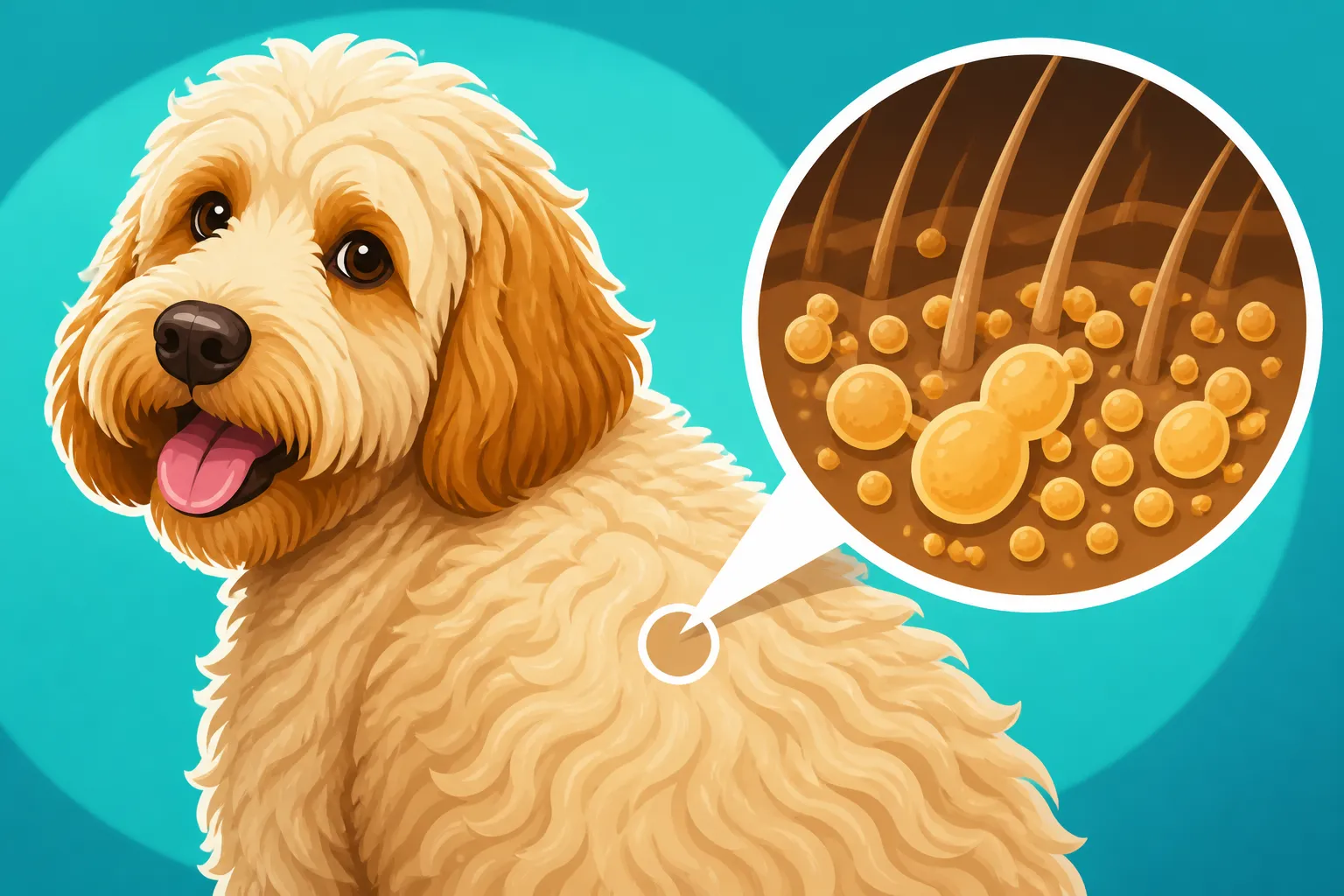
Let's talk about Malassezia pachydermatis, the scientific name for the yeast responsible for most of these skin woes. Don't let the fancy name intimidate you; it's just a type of fungus that lives naturally on the skin, ears, and mucous membranes of dogs, including our Labradoodles. In small, balanced numbers, Malassezia is a perfectly normal part of your dog's microflora and causes absolutely no trouble at all. Think of it as a quiet tenant living peacefully in your dog's skin ecosystem.
However, problems arise when something disrupts that delicate balance, creating an environment where this yeast can "overgrow." When conditions are just right – usually warm, moist, and lacking proper ventilation – Malassezia seizes the opportunity to multiply rapidly. This unchecked proliferation leads to an inflammatory response in your dog's skin, resulting in what veterinarians call Malassezia Dermatitis, or simply, a yeast infection. For Labradoodles, their dense, sometimes challenging coats, along with their predisposition to certain underlying health issues, can make them particularly susceptible to these overgrowths. The structure of their skin, often hidden beneath layers of thick hair, can become a perfect incubator for this opportunistic fungus.
Common Symptoms You Can't Miss
Recognizing the signs of a yeast infection is crucial, and trust me, once you've experienced it, the symptoms are hard to forget. They typically start subtly but can quickly escalate into a miserable situation for your dog.
One of the most tell-tale signs, and often the first thing owners notice, is that distinct, sometimes pungent, "yeasty" odor. Many people describe it as smelling like stale bread, dirty socks, or, most commonly, corn chips – hence the "Frito feet" phenomenon if the infection is localized to the paws. This smell isn't just unpleasant for you; it's a clear indicator that something is amiss with your Labradoodle's skin health.
Beyond the smell, you'll likely observe significant skin irritation. This can manifest as redness, inflammation, and an overall greasy or oily texture to the skin. It might feel slightly tacky to the touch. In areas where the yeast has really taken hold, you might see flaky skin, almost like dandruff, or even crusty patches. Your Labradoodle will probably be obsessively itchy, licking, chewing, and scratching at affected areas relentlessly. This incessant scratching can, unfortunately, break the skin, making it vulnerable to secondary bacterial infections, which only compounds the problem and increases discomfort.
Over time, if the yeast infection goes untreated, the skin in affected areas can become thickened and leathery, a condition known as lichenification. It might also change color, often darkening to a brownish or blackish hue, referred to as hyperpigmentation. This discoloration is particularly noticeable in light-colored Labradoodles. You may also see hair loss in these spots, or the existing hair might become dull and sparse due to the inflammation and constant scratching. Common areas to check include between their paw pads, in their armpits, groin, neck folds, and especially deep within their ears, which are naturally warm and moist.
Why Labradoodles Are Prone to Yeast Overgrowth
It's not just bad luck that your Labradoodle might be battling recurrent yeast infections. Their unique genetics, combined with specific coat characteristics, can create a perfect storm for Malassezia to thrive. Understanding these predispositions is key to effective management.
The Role of Their Unique Coat and Skin
Labradoodles are renowned for their captivating, low-shedding coats, which are a major draw for many owners. However, these very coats can be a double-edged sword when it comes to skin health. Labradoodles typically come in three main coat types: hair, fleece, and wool. While the hair coat is more similar to a Labrador's and tends to shed, the fleece and wool coats are dense, often curly or wavy, and designed to trap hair rather than release it. This density, particularly with The Wool Coat Labradoodle and Its Upkeep, means that air circulation to the skin underneath can be significantly reduced.
Imagine wearing a heavy, non-breathable sweater all the time; that's what it can be like for a Labradoodle with a very dense coat. This trapped warmth and moisture create an ideal, humid microclimate right against the skin – precisely what yeast loves. Any moisture from a bath, a swim, or even just humid weather can get locked in, providing a breeding ground for Malassezia. Furthermore, the skin of Labradoodles can sometimes be more prone to developing sebaceous (oil) glands that overproduce, leading to an oily, greasy coat texture. This excess oil acts as additional fuel for yeast growth. The folds of skin that can occur, especially in larger or overweight Labradoodles, also trap moisture and heat, making these areas prime targets for yeast overgrowth. Even a beautiful The Fleece Coat and Why Breeders Aim For It can hold moisture if not properly cared for.
Underlying Conditions That Trigger Yeast
While their coat certainly plays a role, yeast infections are rarely a primary disease. Instead, they are almost always a secondary symptom of an underlying issue that has compromised the skin barrier or the immune system, allowing the yeast population to explode. It's like finding mold in your house – the mold isn't the main problem, the leak is.
The most common underlying cause for recurrent yeast infections in Labradoodles, and indeed many dog breeds, is allergies. Just like humans, dogs can suffer from environmental allergies (atopy) to things like pollen, dust mites, or mold, or from food allergies to certain proteins. When a Labradoodle has allergies, their immune system overreacts, causing inflammation and damage to the skin barrier. This compromised skin barrier then becomes a less effective defense against opportunistic organisms like yeast. If you've ever wondered Whether Atopy Explains a Labradoodle's Itching or Allergies Behind a Labradoodle's Itching, the answer is often a resounding yes, and it directly relates to yeast issues.
Beyond allergies, other conditions can also pave the way for yeast. Bacterial skin infections often go hand-in-hand with yeast. A weakened skin barrier might first allow bacteria to flourish, and the subsequent inflammation creates the perfect environment for yeast to join the party. Hormonal imbalances, such as hypothyroidism (underactive thyroid) or Cushing's disease (overproduction of cortisol), can also suppress the immune system and negatively impact skin health, making your Labradoodle more susceptible. If you notice other signs like lethargy or changes in coat texture, it might be worth discussing Thyroid Failure in a Labradoodle with your vet. Any condition that leads to excessive moisture on the skin, such as inadequate drying after baths or swimming, also creates a favorable environment. If your Labradoodle loves to swim, ensuring you're Drying a Labradoodle After It Swims thoroughly is more important than you might think.
Diagnosing Yeast Infections Accurately
You suspect yeast, you’ve noticed the smell, and your Labradoodle is constantly scratching. But before you start treating, it's vital to get a proper diagnosis from your veterinarian. Self-diagnosis can lead to incorrect treatment, masking symptoms, and potentially worsening the underlying problem.
The Vet's Examination and Initial Clues
When you bring your Labradoodle in, your vet will perform a thorough physical examination. They’re looking for those classic signs we've discussed: redness, greasiness, flaky skin, areas of hair loss, and that tell-tale "yeasty" odor. They'll pay particular attention to those hotspots where yeast loves to flourish – the ears, paw pads, armpits, groin, and skin folds. They’ll also carefully palpate the skin, feeling for any thickening or changes in texture.
A crucial part of this initial assessment involves taking a detailed history from you. Be prepared to answer questions about when you first noticed the symptoms, how they've progressed, your Labradoodle’s diet, grooming routine, any recent changes in environment, and whether they have a history of allergies or other health issues. Your observations are incredibly valuable. For instance, knowing if the problem started after a swim or if it's worse during certain seasons can give your vet important clues. They might also ask about your Labradoodle's energy levels and appetite, as these can point to broader systemic issues. A good pet insurance provider like Healthy Paws understands that chronic skin conditions often require comprehensive diagnostic workups.
Diagnostic Tests for Confirmation
While your vet might have a strong suspicion based on their examination, confirming a yeast infection almost always involves diagnostic tests. These tests are quick, minimally invasive, and provide definitive answers.
The most common and effective diagnostic tool is cytology. This involves collecting samples directly from your Labradoodle's skin using various methods:
- Tape strips: A piece of clear adhesive tape is pressed against the affected skin, picking up surface cells and yeast organisms. The tape is then stained and examined under a microscope.
- Skin scrapings: While more commonly used to detect mites, superficial scrapings can also sometimes reveal yeast, especially if the infection is deeper.
- Cotton swabs: For areas like ear canals or skin folds, a sterile cotton swab is used to collect discharge or debris, which is then rolled onto a slide for microscopic examination.
Under the microscope, yeast organisms have a very characteristic peanut- or footprint-like shape, making them relatively easy to identify. The vet will count the number of yeast cells present to determine if there's an overgrowth.
In some rare cases, if the infection is persistent, unusual, or not responding to treatment, your vet might recommend a skin biopsy. This involves taking a small tissue sample under local anesthesia for histopathological examination. While more invasive, it can reveal deeper insights into the nature of the skin inflammation and help rule out other conditions that might mimic yeast, such as autoimmune diseases or certain types of skin cancer. Understanding the causes of skin issues is vital, and sometimes The Skin Biopsy That Confirms Adenitis in a Labradoodle is necessary to get a full picture.
It's also important that your vet rules out other potential causes of itching and skin irritation, as symptoms can overlap. These might include bacterial infections (which often coexist with yeast), parasitic infestations (like mites or fleas), or other skin conditions that require different treatments. Getting a precise diagnosis ensures your Labradoodle gets the right care from the start, saving both discomfort and potentially costly trial-and-error treatments.
Comprehensive Treatment Strategies
Once your veterinarian has confirmed a yeast infection, the good news is that they are highly treatable. However, treating a yeast infection isn't a one-and-done deal. It often requires a multi-pronged approach, focusing on clearing the current overgrowth and, crucially, addressing any underlying conditions that made your Labradoodle susceptible in the first place.
Topical Treatments for Direct Relief
For many yeast infections, especially those that are localized or mild, topical treatments are the first line of defense. These treatments are applied directly to the skin, delivering antifungal agents right where they're needed most.
Medicated shampoos are a cornerstone of topical therapy. Look for shampoos containing active ingredients like ketoconazole, miconazole, or chlorhexidine. These ingredients have powerful antifungal properties that help kill the yeast on the skin's surface. The key to success with medicated shampoos isn't just applying them; it's about proper application and contact time. You'll need to thoroughly wet your Labradoodle's coat, apply the shampoo, and then let it sit on the skin for at least 10-15 minutes (or as directed by your vet) before rinsing. This "contact time" allows the active ingredients to penetrate and do their job. Rinsing too soon can make the treatment much less effective. Your vet will advise on the frequency, but typically, medicated baths start at 2-3 times a week and then taper down as the condition improves. Consistent medicated baths can make a huge difference.
For areas that are particularly stubborn or hard to reach with shampoo, like between paw pads, skin folds, or around the ears, antifungal wipes, sprays, and creams can be incredibly helpful. Wipes are convenient for daily cleaning and treating small, localized spots. Sprays can cover larger areas easily, and creams or ointments are excellent for very inflamed or thickened patches of skin. Popular veterinary brands often combine these antifungal agents with antibacterial ones to tackle any secondary bacterial infections that might be present. Always ensure you're using products specifically designed for dogs, as human antifungals can sometimes contain ingredients harmful to pets.
Oral Medications for Systemic Control
When yeast infections are widespread, severe, or simply not responding adequately to topical treatments, your veterinarian may prescribe oral antifungal medications. These medications work systemically, meaning they are absorbed into your Labradoodle's bloodstream and reach the yeast from within.
Common oral antifungal medications include ketoconazole, fluconazole, and itraconazole. These drugs are typically given daily for several weeks, or even months, depending on the severity of the infection and how well your Labradoodle responds. It's incredibly important to administer these medications exactly as prescribed by your vet and to complete the full course of treatment, even if your dog seems to be feeling better. Stopping too soon can lead to a relapse and make future infections harder to treat.
One important consideration with oral antifungals is their potential impact on the liver. Your vet may recommend baseline bloodwork before starting treatment and follow-up blood tests throughout the course of therapy to monitor liver enzyme levels. This is a routine precaution to ensure your Labradoodle tolerates the medication well. While side effects are generally uncommon, they can include gastrointestinal upset (vomiting, diarrhea) or a decrease in appetite. If you notice any concerning side effects, contact your vet immediately. The cost of such medications and monitoring is another reason why a good pet insurance plan like Healthy Paws can be a lifesaver for managing chronic conditions.
Addressing the Root Cause
Remember, treating the yeast itself is only half the battle. For long-term success and to prevent recurrence, you must identify and manage the underlying condition that allowed the yeast to flourish in the first place.
The most frequent culprit, as we discussed, is allergies. Managing your Labradoodle's allergies can involve several strategies:
- Dietary changes: If food allergies are suspected, a prescription hypoallergenic diet trial might be recommended. This involves feeding a novel protein or hydrolyzed protein diet exclusively for 8-12 weeks to see if symptoms improve. This is an important step if you're exploring Whether Food Changes a Labradoodle's Itching.
- Medications: For environmental allergies (atopy), your vet might prescribe medications like antihistamines, corticosteroids (for severe flare-ups), or newer, targeted therapies such as Apoquel or Cytopoint. These treatments aim to reduce the allergic inflammatory response in the skin, thereby removing the "welcome mat" for yeast.
- Immunotherapy: Allergy shots or drops (ASIT) can also be tailored to your Labradoodle's specific allergens, helping to desensitize their immune system over time.
If hormonal imbalances like hypothyroidism are the issue, medication to regulate hormone levels will be necessary. For example, a Labradoodle diagnosed with Thyroid Failure in a Labradoodle will require lifelong thyroid hormone supplementation, which can significantly improve skin health.
Environmental controls are also crucial. Reducing humidity in your home, especially during warmer months, can make a difference. Regular, thorough grooming, as discussed earlier, helps with air circulation. If your Labradoodle is overweight, shedding those extra pounds can reduce skin folds and improve skin ventilation, making it harder for yeast to thrive. It’s a holistic approach that often requires patience and consistency, but the relief it brings your Labradoodle is priceless.
Prevention and Long-Term Management
Successfully treating a yeast infection is a huge relief, but the journey doesn't end there. Because yeast overgrowth is often secondary to other issues and Labradoodles have characteristics that make them prone to it, prevention and diligent long-term management are absolutely vital to keep your furry friend comfortable and odor-free. This means adopting a consistent routine that supports healthy skin and coat.
Grooming Best Practices
When it comes to preventing yeast infections in Labradoodles, grooming is your most powerful tool. Their unique coats demand attention, and understanding how to care for them properly can make all the difference.
First and foremost, regular, thorough brushing is non-negotiable. For a Labradoodle, especially those with fleece or wool coats, this isn't just about surface-level tidying; it's about Brushing a Labradoodle to the Skin, Not the Surface. You need to use a slicker brush and a metal comb to work through the entire coat, ensuring no mats or tangles are forming close to the skin. Mats create dense pockets where air can't circulate, trapping moisture and heat – the perfect breeding ground for yeast. Aim for brushing sessions several times a week, or even daily, depending on your dog's coat type and activity level.
Equally important is proper drying after baths or swims. Never, ever let a Labradoodle's coat air dry, especially if it's thick or curly. The moisture trapped deep within the coat can quickly lead to yeast proliferation. After any water exposure, towel dry thoroughly, then use a high-velocity force dryer (designed for dogs) to blow dry the coat right down to the skin. This ensures every layer is dry and fluffed, promoting good air circulation. Just like Drying a Labradoodle to the Skin After a Bath is important for general skin health, so is Drying a Labradoodle's Ears After Water for preventing those pesky ear infections that often accompany skin yeast issues.
Finally, consider regular professional grooming appointments. Even if you're diligent with home brushing, a professional groomer has the tools and expertise to give your Labradoodle a proper bath, thorough drying, and a sanitary trim. Keeping the hair shorter in areas prone to matting and moisture (like armpits, groin, and paw pads) can significantly reduce yeast risk. Discuss a suitable clipping schedule with your groomer; often, a trim every 6-8 weeks is ideal for maintaining a healthy coat length that allows for better ventilation. This ongoing care factors into The Yearly Grooming Total on a Standard Labradoodle, but it's an investment in your dog's health.
Nutritional Support and Supplements
A healthy skin barrier and a robust immune system start from within. Providing your Labradoodle with optimal nutrition and targeted supplements can significantly enhance their natural defenses against yeast overgrowth.
Feeding a high-quality, balanced diet is foundational. Look for dog foods that list a named meat source as the primary ingredient and avoid excessive fillers or artificial additives. Some Labradoodles thrive on specific protein sources, especially if they have food sensitivities, so work with your vet to find the best diet for your individual dog.
Beyond their regular food, certain supplements can be highly beneficial. Omega-3 fatty acids, often found in fish oil supplements, are renowned for their anti-inflammatory properties and their ability to support a healthy skin barrier. A strong skin barrier is less permeable and better equipped to resist yeast and other opportunistic invaders. Probiotics are another excellent addition. A healthy gut microbiome is intimately linked to overall immune function and skin health. Supplementing with probiotics can help maintain a balanced internal environment, which can indirectly help your Labradoodle fight off yeast. If you're exploring Whether Probiotics Settle a Labradoodle's Stomach, the answer often extends to skin benefits too. Antioxidants like Vitamin E can also support skin health. Always consult your veterinarian before adding any new supplements to your Labradoodle's regimen to ensure they are appropriate and correctly dosed.
Environmental Modifications
While much of the focus is on your Labradoodle directly, their environment also plays a role in managing and preventing yeast infections.
One key factor is humidity. Yeast loves moisture, so reducing humidity in your home can be beneficial, especially during humid seasons. Using a dehumidifier in the rooms where your Labradoodle spends most of their time can help create a less hospitable environment for yeast.
Regular cleaning of your dog's bedding, blankets, and grooming tools is also essential. Yeast and other microorganisms can accumulate on these items, potentially reinfecting your dog or contributing to their skin issues. Wash bedding frequently with a pet-safe detergent, and clean brushes and combs regularly.
Finally, if allergies are an underlying cause, being mindful of seasonal allergens can help. During peak pollen seasons, wiping your Labradoodle's paws and coat with a damp cloth after outdoor excursions can remove allergens before they irritate the skin. Similarly, if dust mites are an issue, regular vacuuming and washing bedding in hot water can help.
Implementing these preventative measures might seem like a lot, but a consistent routine, supported by a proactive approach from your vet and a good pet insurance plan like Healthy Paws to cover any unexpected flare-ups, will go a long way in keeping your Labradoodle's skin healthy and yeast-free.
| Symptom | Common Locations | Associated Smell | Likely Underlying Cause(s) | Treatment Approach (General) |
|---|---|---|---|---|
| Itching/Licking | Paws, ears, armpits, groin | Corn chip, stale bread | Allergies, moisture entrapment | Antifungals, allergy meds |
| Red/Inflamed Skin | Skin folds, belly, ears | Yeasty | Allergies, bacterial infection | Topical/oral antifungals |
| Greasy/Oily Coat | Trunk, tail base | Musty, rancid | Yeast overgrowth, hormonal | Medicated shampoos |
| Flaky/Crusty Skin | Diffuse or patchy | None specific | Yeast, dry skin, other skin issues | Antifungals, moisturizing |
| Thickened/Darkened Skin | Chronic irritation areas | Yeasty, strong | Chronic yeast/allergy | Systemic antifungals, allergy management |
| Hair Loss | Patches over body | None specific | Yeast, scratching, hormonal | Address primary cause |
Disclaimer
Please remember that this article is intended for informational purposes only and should not be taken as medical advice. Always consult with a qualified veterinarian for any health concerns or before making any decisions about your Labradoodle's care or treatment plan. Each dog is an individual, and a professional diagnosis is crucial for effective and safe management of any health condition.