Whether Atopy Explains a Labradoodle’s Itching
That persistent itching in your Labradoodle can be one of the most frustrating and heartbreaking things to witness as an owner. You see them scratching, biting, and rubbing, sometimes to the point of creating raw spots, and you just desperately want to relieve their discomfort. This guide dives deep into atopic dermatitis, or atopy, a common environmental allergy that could very well be the root cause of your beloved Labradoodle's endless scratching, offering you a clearer path to understanding and managing this challenging condition.
Understanding Atopic Dermatitis in Dogs
When your Labradoodle starts itching seemingly out of nowhere, or has been battling skin issues for a long time, it’s easy to feel overwhelmed. Atopic dermatitis, or atopy, is essentially an allergic reaction to common environmental allergens that are usually harmless. Think of it like human hay fever, but instead of sneezing and watery eyes, your dog gets intensely itchy skin. It’s not just an annoyance; it’s a chronic, often lifelong, condition that requires careful management.
The Mechanisms Behind Allergic Reactions in Dogs
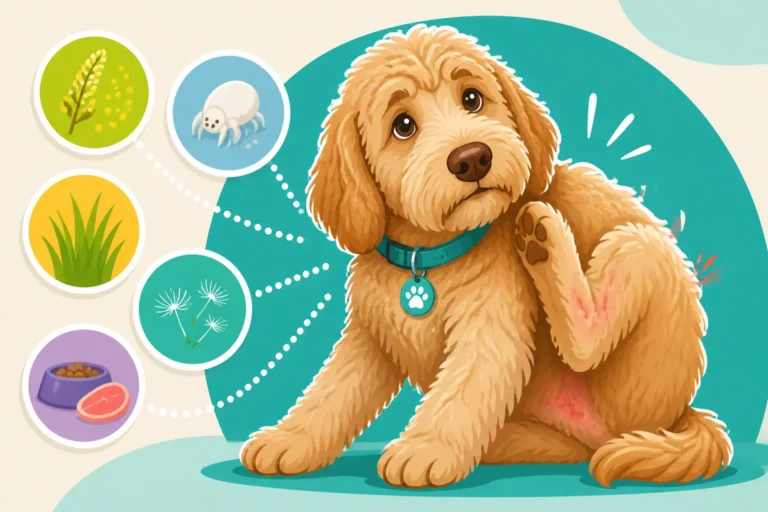
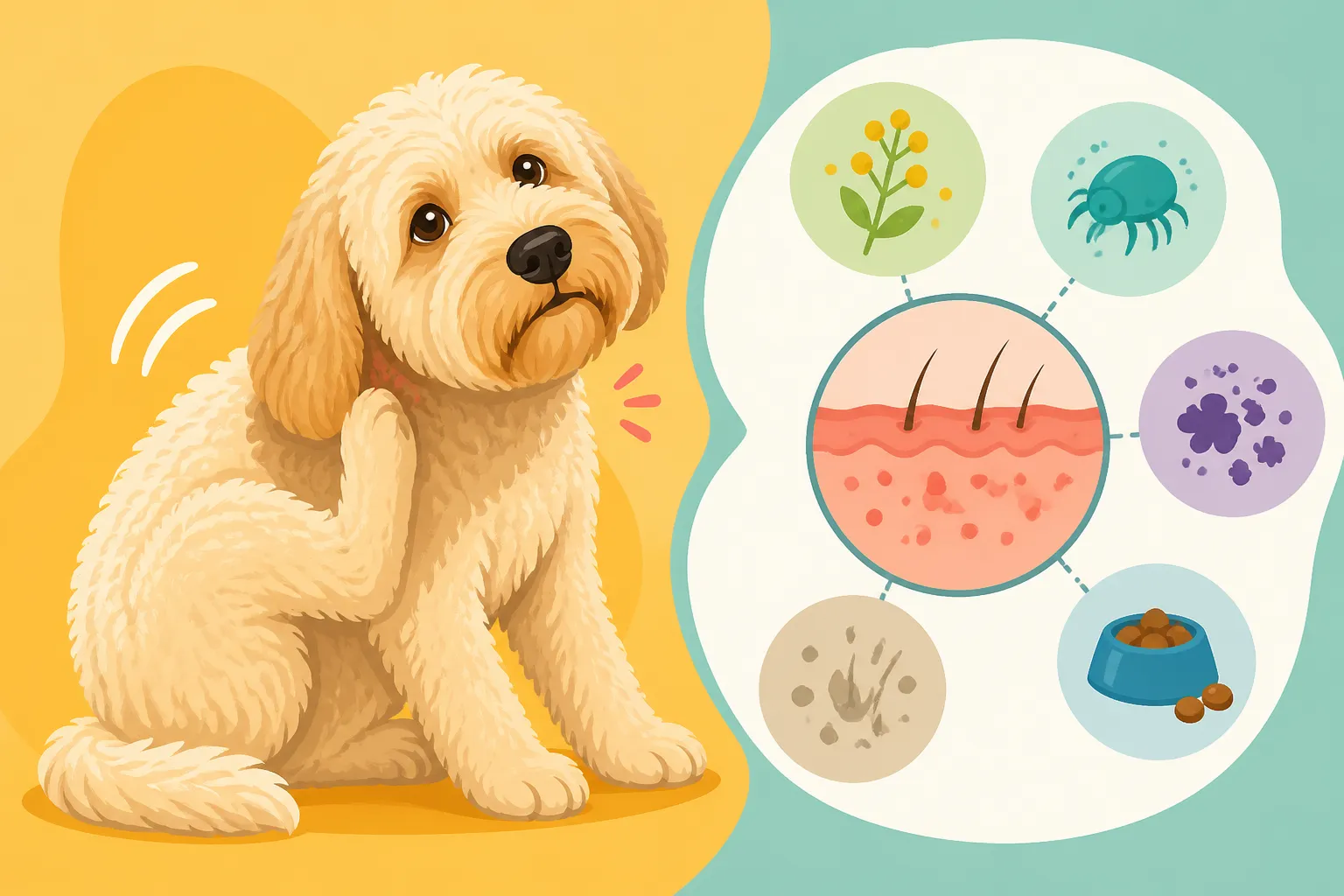
Atopy is an inherited predisposition to develop allergic symptoms following exposure to common environmental substances. These substances, known as allergens, can include things like pollen from trees, grasses, and weeds, dust mites that live in your home, mold spores, or even dander from other animals. When a susceptible Labradoodle encounters these allergens, their immune system, for reasons still not fully understood, overreacts. Instead of seeing these substances as benign, the immune system mistakenly identifies them as threats, triggering an inflammatory response.
This immune response leads to the release of histamines and other inflammatory chemicals in the skin, which is why your dog gets so incredibly itchy. The skin barrier in atopic dogs is also often compromised, meaning it’s not as effective at keeping irritants out and moisture in. This makes their skin more permeable and reactive, exacerbating the allergic cycle. It's a vicious circle where allergens penetrate easily, trigger inflammation, and the itching further damages the skin barrier.
Genetic Predisposition in Labradoodles and Other Breeds
One of the most defining characteristics of atopy is its strong genetic component. If your Labradoodle has atopy, it's highly likely that one or both of their parents carried the genes for this condition. While Labradoodles are known for their wonderful temperaments and desirable coats, they inherit predispositions from both their Labrador Retriever and Poodle lineage. Both of these parent breeds are known to be prone to atopic dermatitis, making it a common concern within the Labradoodle population.
It's not just Labradoodles; breeds like Golden Retrievers, German Shepherds, Boxers, and West Highland White Terriers also frequently suffer from atopy. This genetic link means that reputable breeders should be aware of the incidence of allergies in their lines, and it’s always wise to inquire about the health history of a puppy’s parents, though specific genetic tests for atopy aren't as straightforward as for some other conditions. Understanding this genetic foundation helps owners prepare for potential challenges and emphasizes the importance of ongoing management rather than a quick fix. Investing in pet insurance like Healthy Paws early on can also provide a financial safety net for chronic conditions such as atopy, which often involve long-term veterinary care.
How Atopy Manifests in Your Labradoodle
The signs of atopy in a Labradoodle can vary widely in severity, but they almost always center around itching. It’s not just a casual scratch; it’s often intense, relentless, and debilitating for your dog. Owners often report feeling helpless as they watch their furry companion scratch themselves raw.
Common Itching Patterns and Affected Body Parts
The hallmark sign of atopy is pruritus, or intense itching. This itching typically starts in specific areas, often in places where allergens can easily accumulate or where the dog can reach to self-traumatize. You might notice your Labradoodle excessively licking their paws, rubbing their face against furniture or carpets, or scratching behind their ears. Common target areas include the paws, ears, armpits (axillae), groin, and around the eyes and muzzle. Sometimes, the itching can become generalized, affecting the entire body.
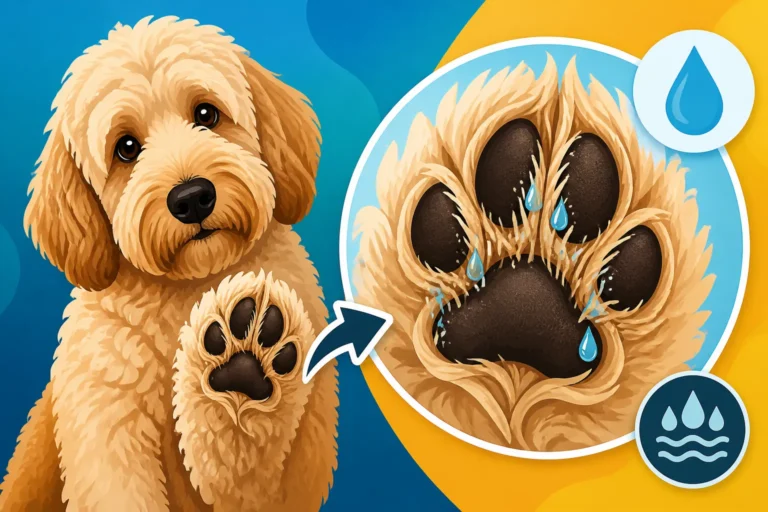
One of the most common complaints for Labradoodle owners is chronic ear infections. The long, floppy ears of a Labradoodle, combined with the immune system's overreaction to allergens, create a perfect warm, moist environment for bacteria and yeast to thrive. If you find your Labradoodle frequently shaking their head, scratching at their ears, or developing a foul odor from their ear canals, it could be a sign of underlying atopy. Similarly, constant paw licking can lead to irritated, red, and swollen paws, often accompanied by secondary bacterial or yeast infections. This persistent self-trauma is distressing for both the dog and the owner.
Secondary Infections and Their Impact
The relentless itching and scratching, licking, and chewing that accompany atopy can severely compromise your Labradoodle’s skin barrier. This constant disruption makes the skin vulnerable to secondary infections, which are incredibly common and often make the original itching even worse. The most frequent culprits are bacterial skin infections (pyoderma) and yeast infections (Malassezia dermatitis).
When bacteria take hold, you might see red pustules, scabs, crusting, and patches of hair loss. The skin can become greasy, inflamed, and even develop a strong, unpleasant odor. Yeast infections, often indicated by a distinct "corn chip" smell, can lead to thickened, discolored skin (hyperpigmentation), especially in skin folds or between paw pads. Both types of infections intensify the itch, creating a miserable cycle for your dog. For instance, you might notice your dog developing Yeast Trapped Under a Labradoodle's Coat or recurring ear infections because the underlying allergy constantly sets them up for these secondary issues. It's crucial to treat these secondary infections alongside managing the primary atopy to provide relief. Without addressing the underlying allergy, these infections will often reappear shortly after treatment ends.
Diagnosing Atopic Dermatitis in Your Labradoodle
Diagnosing atopy isn't a straightforward process of one simple test. Instead, it's a careful, methodical journey that often involves ruling out other potential causes for your Labradoodle's itching. This can be a frustrating period, requiring patience and close collaboration with your veterinarian.
The Exclusionary Diagnosis Process
Because itching can stem from a multitude of issues, veterinarians typically follow a process of elimination to arrive at an atopy diagnosis. This often begins with ruling out parasites, which are a very common cause of itching. Your vet will likely check for fleas, mites (like Sarcoptes or Demodex), and other external parasites through skin scrapings, hair plucks, or even a trial period of flea prevention. It's surprising how often a few fleas can cause intense reactions, even in well-cared-for dogs.
Once parasites are ruled out, the next step is often to consider food allergies. Food allergies can present with very similar symptoms to environmental allergies, including itching, ear infections, and skin issues. Your vet might recommend a strict prescription novel protein or hydrolyzed protein diet trial for 8-12 weeks. During this period, your Labradoodle can eat absolutely nothing else – no treats, no table scraps, no flavored medications – to see if their symptoms improve. This process is critical because if Whether Food Changes a Labradoodle's Itching, then management will be vastly different than for atopy. Other skin conditions, like Sebaceous Adenitis in a Labradoodle's Skin, also need to be considered and ruled out through specific diagnostic tests, as they can cause similar skin changes. This systematic approach ensures that the true cause of the itching is identified, allowing for appropriate treatment.
Diagnostic Testing: Allergy Tests and Skin Biopsies
After ruling out parasites and food allergies, if your Labradoodle is still itching, your veterinarian might then pursue specific tests for atopy. There are two main types of allergy tests: intradermal skin testing and serum IgE blood testing. Intradermal skin testing, often considered the gold standard, involves injecting tiny amounts of various common allergens into your dog's skin and observing for a reaction (like a small hive). This test is typically performed by a veterinary dermatologist.
Serum IgE blood testing, on the other hand, measures the levels of allergen-specific antibodies in your dog’s blood. While convenient, its accuracy can be debated, and results need to be interpreted carefully by an experienced vet. These tests don't diagnose atopy, but rather identify the specific environmental allergens your Labradoodle is reacting to, which is crucial for developing an immunotherapy plan. Sometimes, a skin biopsy might be taken, especially if the vet suspects other underlying skin conditions. While a The Skin Biopsy That Confirms Adenitis in a Labradoodle can identify sebaceous adenitis, for atopy, a biopsy primarily helps rule out other diseases and shows non-specific inflammatory changes consistent with allergic skin disease, rather than providing a definitive positive diagnosis. Remember that diagnostic work-ups can become costly, and having pet insurance like Healthy Paws can significantly ease the financial burden of these specialized procedures, especially if a What a Dermatology Referral Runs for a Labradoodle is needed.
Managing Atopy: Strategies for Itchy Labradoodles
Living with an atopic Labradoodle can feel like a constant battle, but there are many strategies available to manage their symptoms and significantly improve their quality of life. The key is often a multi-modal approach, combining different therapies tailored to your dog's specific needs and the severity of their condition.
Medications and Immunotherapy
For many Labradoodles with atopy, medication is a crucial part of managing their itch. Your veterinarian might prescribe anti-itch medications like oclacitinib (Apoquel) or lokivetmab (Cytopoint), which specifically target the itch pathway. These medications can provide rapid relief and are generally well-tolerated. For more severe flare-ups, corticosteroids might be used, but due to potential long-term side effects, they are usually reserved for short-term use or severe cases. When secondary infections are present, antibiotics or antifungals will also be prescribed to clear them up. If your Labradoodle frequently suffers from ear infections, a common symptom of atopy, your vet might recommend specific ear drops or regular ear cleanings. Even for basic preventive care, such as The Yearly Screening a Labradoodle Should Get, discussions about chronic conditions like atopy are important.
The most specific and potentially disease-modifying treatment for atopy is allergen-specific immunotherapy (ASIT), often called "allergy shots" or "allergy drops." This treatment involves giving your Labradoodle small, increasing doses of the specific allergens they react to, identified through allergy testing. The goal is to desensitize their immune system over time, teaching it not to overreact. Immunotherapy is a long-term commitment, often taking 6-12 months to show significant improvement, but it can dramatically reduce the need for other medications and provide lasting relief. It's generally considered the safest long-term option as it works with the immune system rather than suppressing it.
Environmental Management and Holistic Approaches
Beyond medications, managing your Labradoodle's environment can play a huge role in reducing allergen exposure and easing their discomfort. If you know your dog is allergic to dust mites, regular cleaning, vacuuming with a HEPA filter, washing bedding in hot water, and using dust mite covers can make a difference. For pollen allergies, keeping windows closed, using air purifiers, and wiping down your dog's coat and paws after outdoor excursions can help remove allergens before they irritate the skin. Some owners even invest in a humidifier in drier climates to help keep their dog's skin from becoming too dry and irritated.
Topical therapies are also incredibly beneficial. Regular bathing with medicated shampoos can help remove allergens from the coat, soothe inflamed skin, and treat secondary infections. Your vet might recommend specific shampoos for bacterial or yeast overgrowth. For example, Whether a Labradoodle Needs Medicated Baths is a common question, and for atopic dogs, the answer is often a resounding yes. Using colloidal oatmeal shampoos or conditioners can also provide soothing relief. Omega-3 fatty acid supplements can help improve skin barrier function and reduce inflammation from the inside out. For Labradoodles prone to ear issues, ensuring proper ear care and regularly cleaning around The Hair That Grows Where a Labradoodle's Ear Should Drain can prevent recurrent infections. While atopy can make dog ownership feel like Whether a Labradoodle Is More Work Than a Purebred, a comprehensive and consistent management plan can make a world of difference for your itchy companion.
Daily Care and Long-Term Outlook
Managing atopic dermatitis in a Labradoodle is truly a marathon, not a sprint. It requires ongoing vigilance, consistent care, and a strong partnership with your veterinary team. While there's no "cure" for atopy, the good news is that with dedicated management, most Labradoodles with this condition can lead comfortable, happy lives.
Establishing a Routine for Skin and Coat Health
A consistent daily and weekly routine is paramount for an atopic Labradoodle. Regular grooming, including thorough brushing, helps remove loose hair, dander, and environmental allergens from the coat. While you want to be careful not to irritate already sensitive skin, establishing a routine where you are regularly checking their skin can help catch issues before they escalate. Consistent care, coupled with routine examinations by your vet, are part of What a Labradoodle Owner Should Watch For After Eight years old, as other skin conditions can also develop with age.
Regular bathing with appropriate shampoos, as recommended by your vet, can be incredibly helpful. For some dogs, this might mean bathing every few days during flare-ups, and weekly or bi-weekly for maintenance. Always ensure you rinse thoroughly to avoid leaving any residue that could cause further irritation. Pay close attention to areas prone to matting and skin folds, as these can harbor moisture and allergens. Keeping the fur around the ears trimmed, and ensuring proper ear cleaning, can also prevent the painful ear infections that so often accompany atopy. It’s also crucial to monitor for signs of secondary infections like redness, odor, or discharge, and address them promptly with your vet.
Living Comfortably with a Chronically Itchy Dog
The biggest challenge for owners of atopic Labradoodles is often the emotional toll of seeing their dog suffer. It’s vital to understand that this isn’t a reflection of your care, but rather a genetic predisposition. Empowering yourself with knowledge and having a proactive management plan will make a significant difference. Staying in close contact with your veterinarian or a veterinary dermatologist is key to adjusting treatment plans as needed, especially since atopy can fluctuate with seasons and allergen levels. Keeping detailed records of flare-ups, treatments, and their effectiveness can be incredibly helpful for your vet in tailoring care.
Financial considerations are also a reality. The ongoing vet visits, medications, special shampoos, and potential immunotherapy can add up. This is where pet insurance, like Healthy Paws, can be a huge relief, covering a significant portion of these chronic care costs and allowing you to focus on your Labradoodle's health without added financial stress. While atopy is a lifelong condition, remember that an effective management plan allows your Labradoodle to enjoy their life, free from the constant torment of itchiness. Many owners find that once they establish a good routine and find the right combination of therapies, their Labradoodle's quality of life dramatically improves, allowing their vibrant personality to shine through. The journey might be long, but seeing your happy, comfortable Labradoodle makes every effort worthwhile.
Disclaimer
This article is for general informational purposes only and does not constitute professional advice. Laws, prices and regulations vary by location and change over time. Consult a qualified professional for guidance on your specific situation.