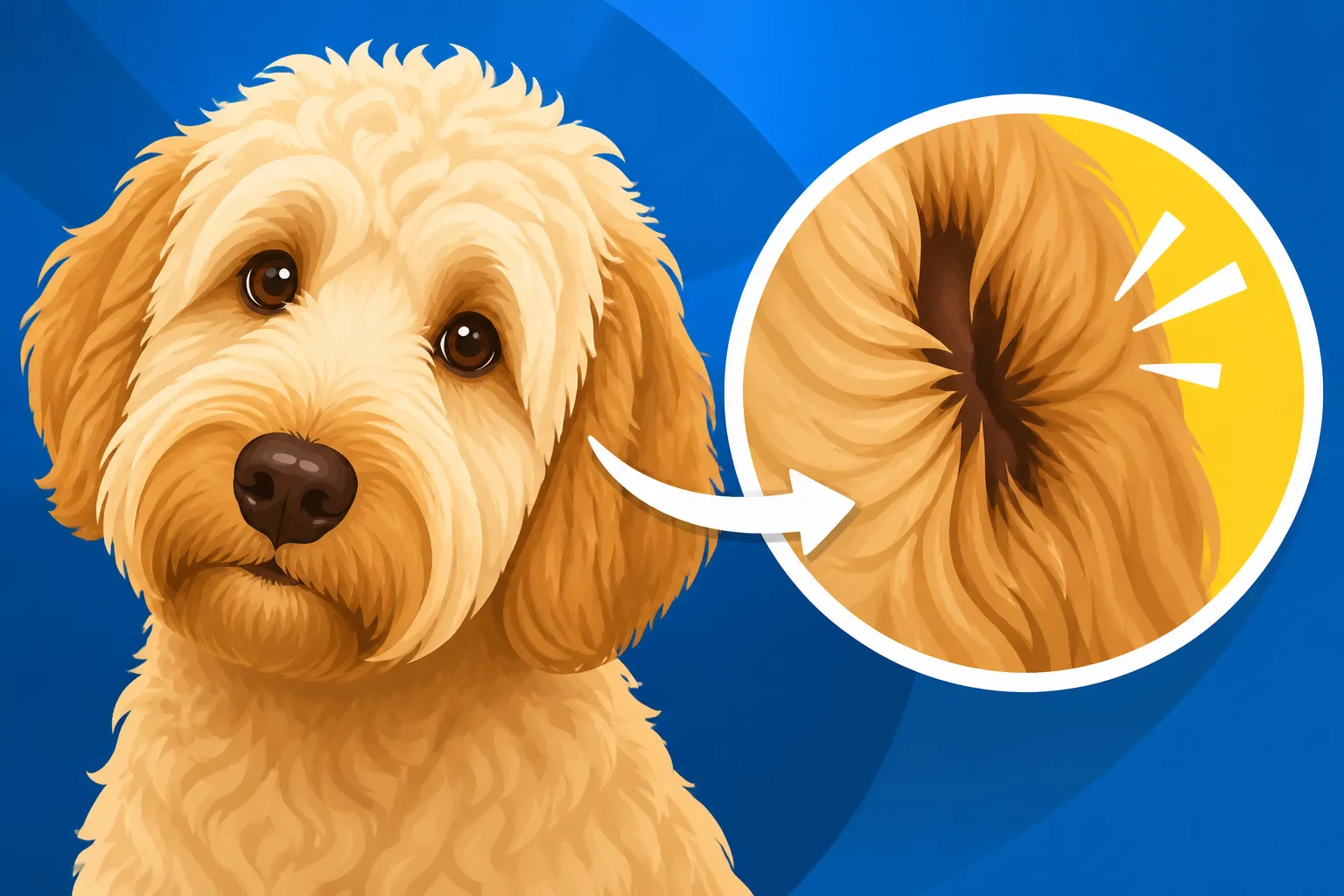
The Hair That Grows Where a Labradoodle’s Ear Should Drain
One of the most persistent and frustrating challenges Labradoodle owners face is the battle against recurrent ear infections. It often feels like you're constantly cleaning, treating, and worrying about those adorable, floppy ears. This comprehensive guide will delve deep into the unique anatomy of your Labradoodle's ears, specifically focusing on the dense hair growth within the ear canal, how it impacts natural drainage, and the practical steps you can take to keep those ears healthy and happy.
Understanding Your Labradoodle's Unique Ear Anatomy
The Labradoodle, a delightful blend of Labrador Retriever and Poodle, inherits a fascinating mix of traits, and their ear structure is no exception. This combination can, unfortunately, create a predisposition to ear issues, primarily due to how ear hair interacts with the ear canal's shape.
The Poodle Influence on Labradoodle Ears
One of the defining characteristics passed down from the Poodle side of the family is the drop ear. Unlike breeds with upright or semi-prick ears, drop ears hang down, covering the ear canal opening. This design, while charming, significantly restricts airflow into the ear, creating a warm, moist environment. To make matters even more challenging, Poodles are known for their continuous hair growth, not just on their bodies but also deep within their ear canals. This dense, often curly hair can act like a plug, further obstructing air circulation and preventing the natural expulsion of wax and debris. It's a double-whammy: a covered ear and a hairy ear canal.
Imagine trying to keep a damp, dark room clean and dry when it's constantly filled with fluffy lint. That's essentially what your Labradoodle's ear canal can become. This Poodle characteristic is a major factor in why so many Labradoodles struggle with ear health, setting the stage for potential problems even before external factors come into play. Understanding this inherent trait is the first step in effective ear management.
The Labrador's Contribution to Ear Design
While the Poodle brings the dense ear hair and drop ear shape, the Labrador Retriever also contributes to the Labradoodle's ear design, particularly in terms of size and general structure. Labradors also have drop ears, though typically less heavily coated inside than a Poodle's. Their ears are generally broader and can also cover the ear canal effectively, trapping moisture. A Labradoodle's ear often combines the generous size and floppiness of a Labrador's ear with the excessive internal hair growth of a Poodle's.
This combination means that while the ear itself might appear robust and healthy, the internal environment is often a subtle battleground against moisture and poor ventilation. If your Labradoodle loves to swim, for instance, the water can easily get trapped within the canal, thanks to the drop ear and any existing hair, making it even harder for the ear to dry out naturally. This persistent dampness, coupled with the hair, can quickly become a problem, leading to the kind of irritation that often escalates into a full-blown infection.
How Excessive Ear Hair Impacts Drainage and Health
The presence of abundant hair deep within the ear canal isn't just an aesthetic concern; it has direct and detrimental impacts on your Labradoodle's ear health. It fundamentally disrupts the ear's natural self-cleaning mechanisms, paving the way for chronic issues.
The Clogging Effect of Hair
Think of the hair growing inside your Labradoodle's ear canal as a very effective, albeit unwanted, filter. This dense, fine hair, much like the curly coat on their body, is excellent at catching and holding onto things. In the ear, this means it readily traps ear wax, dead skin cells, environmental debris, and any moisture that enters the canal. Instead of these natural secretions and foreign particles making their way out of the ear, they get snagged and accumulated within the hairy labyrinth. This accumulation creates a thick, sticky plug that completely obstructs the ear canal, making it impossible for the ear to drain naturally.
This clogging effect is particularly problematic because it creates a barrier. Even if you try to clean the ears, getting a cleaning solution or medication past this hairy blockage to reach the deeper parts of the canal can be incredibly difficult. The ear becomes a miniature swamp, holding onto everything that should be naturally exiting, and setting the stage for much bigger problems down the line. It's a constant uphill battle for proper hygiene when the ear's natural design is working against it.
The Perfect Breeding Ground for Infections
With moisture, warmth, and organic debris trapped inside a poorly ventilated ear canal, you've essentially created the perfect incubator for opportunistic pathogens. Bacteria and yeast, which are normally present in small, harmless numbers on a dog's skin, thrive in such conditions. The lack of air circulation means the ear stays warm and moist, accelerating the growth of these microorganisms. As they multiply, they cause inflammation, irritation, and eventually, a full-blown ear infection.
This is why many Labradoodle owners find themselves in a cycle of treating ear infections. The underlying issue of blocked drainage due to hair is rarely resolved by antibiotics or antifungals alone. Without addressing the environment that allows these infections to flourish, they will almost certainly return. This ongoing struggle can be painful for your Labradoodle and costly for you, often requiring multiple vet visits and medications. Knowing Whether a Labradoodle's Ear Hair Causes Its Infections is crucial for effective long-term management.
Recognizing the Signs of Ear Trouble in Your Labradoodle
Catching ear problems early can make a world of difference in your Labradoodle's comfort and the ease of treatment. Since they can't tell us directly what's bothering them, it's up to us to be observant and recognize the subtle and not-so-subtle cues they give us.
Visible and Behavioral Cues
The signs of an ear infection or irritation can range from obvious to quite subtle. One of the first things you might notice is your Labradoodle scratching at their ears or shaking their head more frequently than usual. This isn't just a casual scratch; it's often an insistent, almost frantic attempt to relieve discomfort. You might see them rubbing their head along furniture or the carpet. If the ear is particularly itchy or painful, they might even yelp or shy away when you try to touch their head or ears.
Physically, take a peek inside their ear flap. You might notice redness or swelling around the opening of the ear canal. There might be an abnormal discharge, which can be waxy, dark brown, yellow, or even pus-like. Often, this discharge comes with an unpleasant odor – a distinct, sometimes yeasty or sour smell that's very different from a healthy ear. Sometimes, the issue can even affect their balance, leading to a head tilt if the infection is deep or affecting the inner ear. Any of these signs should prompt you to investigate further.
When to Seek Veterinary Attention
While it's tempting to try and clean a mildly irritated ear at home, it's really important to know when to call in the professionals. If you notice any discharge, strong odor, significant redness or swelling, or if your Labradoodle is in obvious pain, shaking their head excessively, or constantly scratching, it's time for a vet visit. Self-treating can sometimes mask symptoms or worsen the problem, especially if the eardrum is compromised or if you're using an inappropriate solution.
A veterinarian can properly diagnose the type of infection (bacterial, yeast, or both) and prescribe the most effective medication. They can also check for foreign bodies, polyps, or other underlying issues that might be contributing to the problem. What a Labradoodle owner should watch for after eight also includes changes in ear health, as older dogs can develop different ear-related issues. Early and accurate diagnosis is key to successful treatment and preventing chronic, painful ear conditions that can be much harder and more expensive to manage later on. It’s also important to consider pet insurance from providers like Healthy Paws, as unexpected vet visits for chronic ear issues can add up quickly.
Managing Ear Hair: To Pluck or Not To Pluck?
The question of whether or not to pluck ear hair is a highly debated topic among Labradoodle owners, breeders, and even veterinarians. There are strong arguments on both sides, and understanding them is crucial for making an informed decision for your dog.
The Case for Plucking (and its Risks)
Historically, many groomers and vets advocated for routinely plucking the hair from deep within a Labradoodle's ear canal. The theory is that by removing this hair, you improve airflow, reduce moisture trapping, and allow the ear to drain more effectively, thereby preventing infections. For some Labradoodles with exceptionally dense, matting ear hair, careful plucking can indeed provide significant relief and reduce the frequency of infections, especially when done by a skilled professional. When the ear canal is truly choked with hair, creating an impenetrable barrier, judicious plucking might be the only way to open it up for cleaning and medication.
However, plucking isn't without its downsides. For one, it can be quite painful for your Labradoodle, especially if not done gently or if they're not accustomed to it. Each hair follicle that's pulled can become inflamed or irritated, leading to tiny micro-traumas in the delicate skin of the ear canal. This irritation can actually make the ear more susceptible to infection, as bacteria can easily enter these damaged follicles. Furthermore, repeated plucking can sometimes stimulate thicker hair growth, creating a vicious cycle. If done improperly, it can cause otitis externa (inflammation of the outer ear canal) or even hematomas. This is particularly true if your Labradoodle's ear isn't excessively hairy and already has good ventilation. The decision to Whether Ear Hair Should Be Plucked on a Labradoodle should always be made in consultation with your vet, considering your specific dog's ear health and hair density.
Alternative Management Strategies
Given the potential risks associated with plucking, many vets and groomers now lean towards alternative management strategies, especially for Labradoodles whose ear hair isn't excessively dense or prone to matting. The primary alternatives include strategic clipping and diligent cleaning.
Clipping: Instead of plucking, a groomer or vet can use small, specialized clippers (often surgical shears or fine-point clippers) to carefully trim the hair from the opening of the ear canal. This method avoids pulling hairs from the delicate skin, minimizing irritation. It helps to open up the entrance, allowing for better airflow and easier cleaning, without the trauma of plucking. For many Labradoodles, simply keeping the outer hair trimmed and the ear flap underside clear is enough to promote healthy ear conditions. This approach is often less stressful for the dog and less likely to cause irritation.
Regular Cleaning: Regardless of whether you pluck or clip, consistent and gentle ear cleaning is paramount. Using a veterinarian-approved ear cleaner, designed to break down wax and dry the ear canal, can effectively manage the internal environment. This is especially important for Labradoodles who love water, as Cleaning a Labradoodle's Ears After Swimming is crucial to prevent moisture build-up. Regular cleaning helps remove accumulated wax and debris before it can become a problem, maintaining a healthy pH balance and making the ear less hospitable to bacteria and yeast. This proactive approach, coupled with appropriate trimming, can often keep ear infections at bay without resorting to more invasive methods. You might also want to look into whether a Wool Coated Labradoodle Gets More Ear Infections, as coat type can sometimes correlate with ear hair density.
A Comprehensive Ear Care Routine for Labradoodles
Establishing a consistent ear care routine is perhaps the single most impactful thing you can do to prevent recurrent ear infections in your Labradoodle. It's about being proactive, not just reactive, to potential problems.
Gentle Cleaning Techniques at Home
Regular at-home ear cleaning is essential, but it needs to be done correctly to be effective and safe. First, gather your supplies: a veterinarian-approved ear cleaner (your vet can recommend one that's right for your dog's specific needs), cotton balls or gauze, and plenty of treats for positive reinforcement. Avoid cotton swabs, as these can push debris deeper into the ear canal or even damage the eardrum.
To clean, gently hold your Labradoodle's ear flap up and open. Apply the cleaning solution directly into the ear canal until it's almost full. You might hear a squishing sound, which is perfectly normal. Then, gently massage the base of the ear for 20-30 seconds. This helps break up wax and debris. After massaging, allow your dog to shake their head – this is a crucial step as it helps expel the loosened gunk. Finally, use a cotton ball or gauze wrapped around your finger to wipe away any visible dirt and excess cleaner from the outer ear canal and ear flap. Never go deeper than your finger can comfortably reach. The frequency depends on your dog: some might need weekly cleaning, others bi-weekly, or even monthly. Your vet can advise on How Often a Labradoodle's Ears Should Be Cleaned. Always praise and reward your dog generously throughout the process to make it a positive experience.
Professional Grooming and Vet Check-ups
While home care is vital, professional grooming and regular veterinary check-ups play an equally important role in comprehensive ear health. A professional groomer experienced with Labradoodles knows how to properly assess the ear hair, often opting for careful trimming with clippers rather than plucking, especially if the hair isn't heavily matted. They can also ensure that the hair around the ear canal opening and on the underside of the ear flap is neatly trimmed, preventing it from drooping over and further impeding airflow. This helps in keeping the entire ear area clean and allows for better ventilation. What a Labradoodle's First Puppy Trim Costs can include early ear care education from a professional groomer.
Routine veterinary check-ups are non-negotiable. During these visits, your vet will thoroughly examine your Labradoodle's ears, checking for any signs of infection, inflammation, or structural abnormalities. They can look deep into the ear canal with an otoscope to assess the eardrum and identify any hidden issues that you might miss at home. If your Labradoodle has a history of recurrent ear infections, your vet might recommend specific diagnostic tests or more frequent visits. They can also provide guidance on the best ear care products and techniques for your individual dog, tailoring advice to their specific ear anatomy and lifestyle. For example, if your Labradoodle is prone to ear infections, your vet might suggest an ear cleaner with a drying agent, especially if your dog swims frequently. This ongoing partnership with your vet and groomer creates a robust defense against ear problems. Keeping records of these visits can also be helpful for pet insurance claims with companies like Healthy Paws.
Preventing Recurrent Ear Infections
For Labradoodle owners, the goal isn't just to treat an infection when it arises, but to break the cycle of recurrence. This often involves looking beyond just the ear itself and considering broader health and lifestyle factors.
Addressing Underlying Causes
Sometimes, recurrent ear infections aren't just about ear hair and moisture; they're a symptom of a larger, underlying health issue. The most common culprit is allergies. Just like humans, dogs can suffer from environmental allergies (atopy) to things like pollen, dust mites, or molds, or food allergies to certain proteins in their diet. When a dog has allergies, one of the primary ways it manifests is through inflammation, which often affects the skin, including the delicate skin lining the ear canal. This inflammation makes the ear canal itchier, more prone to wax production, and creates an environment where yeast and bacteria can easily take hold. If you're constantly battling ear infections, it's worth discussing with your vet Whether Repeat Ear Infections Mean a Labradoodle Has Allergies or if Atopy Explains a Labradoodle's Itching.
Other underlying causes can include thyroid issues, autoimmune diseases, or even structural abnormalities within the ear. A thorough veterinary investigation, which might include allergy testing or blood work, can help pinpoint these issues. Addressing the root cause, whether through dietary changes, allergy medication, or other treatments, can dramatically reduce the frequency and severity of ear infections, offering your Labradoodle much-needed relief. Pet insurance plans, such as those from Healthy Paws, often cover diagnostic tests and treatments for chronic conditions like allergies or thyroid problems, which can be a huge help financially.
Lifestyle Adjustments and Environmental Controls
Beyond medical interventions, there are several practical lifestyle adjustments and environmental controls you can implement to help prevent ear infections. For Labradoodles who love to swim, preventing water from getting trapped in the ears is crucial. After every swim, thoroughly dry your Labradoodle's ears. This means not just the outer flap, but gently wiping the entrance to the ear canal and perhaps using an ear-drying solution recommended by your vet. Drying a Labradoodle's Ears After Water is one of the most important preventative steps.
Consider the humidity in your home, especially if your dog spends a lot of time indoors. Regular grooming, as discussed, is vital to keep the hair around and inside the ear opening trimmed, allowing for maximum airflow. Avoid harsh shampoos or irritants when bathing your dog, as these can trigger ear inflammation. Maintaining a healthy diet and a strong immune system through good nutrition and regular exercise also generally contributes to overall skin and ear health. By being diligent about these daily and weekly habits, you can create an environment that's much less conducive to the growth of troublesome bacteria and yeast, keeping those adorable Labradoodle ears healthy and clear.
Ear Hair Management Comparison
When it comes to managing the hair in your Labradoodle's ears, there are a few common approaches, each with its own benefits and considerations. It's always best to discuss these options with your veterinarian to determine the most suitable method for your individual dog.
| Method | Description | Pros | Cons | Best Suited For |
|---|---|---|---|---|
| Plucking | Manual removal of individual hairs from the ear canal using forceps. | Improves airflow significantly; can be very effective for densely matted ears. | Can be painful; causes micro-trauma to skin; potential for folliculitis, irritation, or infection; may stimulate thicker growth. | Labradoodles with extremely dense, matting ear hair, and only when performed by an experienced professional. |
| Clipping/Trimming | Using small, specialized clippers or scissors to trim hair around the ear canal opening and inner flap. | Less painful and invasive than plucking; minimizes irritation; improves airflow to the canal opening. | Doesn't address hair deep inside the canal; needs frequent upkeep; requires careful execution to avoid injury. | Most Labradoodles, especially those with moderate ear hair or sensitive ears; for routine maintenance. |
| Regular Cleaning | Using a vet-approved ear cleaning solution to flush out wax and debris. | Non-invasive; helps maintain a healthy ear environment; removes accumulated debris and dries the canal. | Doesn't remove hair; may not be effective if ear is severely clogged with hair; requires consistent effort. | All Labradoodles, as a foundational part of ear hygiene; essential for dogs prone to moisture build-up. |
Disclaimer
The information provided in this article is for general informational purposes only and is not a substitute for professional veterinary advice. Always consult with a qualified veterinarian for any health concerns or before making any decisions related to your Labradoodle's medical care or treatment plan.