Oil Soaks for a Labradoodle With Sebaceous Adenitis
Finding out your beloved Labradoodle is suffering from Sebaceous Adenitis (SA) can be heartbreaking, especially when you see their beautiful coat thinning and their skin becoming dry, flaky, and uncomfortable. It's a condition that truly impacts their quality of life, and as owners, we often feel helpless. This guide is dedicated to exploring one of the most effective and gentle at-home treatments: oil soaks, offering practical, step-by-step advice to bring relief and comfort back to your furry friend.
Understanding Sebaceous Adenitis in Your Labradoodle
Sebaceous Adenitis (SA) is one of those conditions that hits you hard because it’s not just an aesthetic problem; it’s genuinely uncomfortable for your dog. Imagine having perpetually dry, inflamed skin, often accompanied by hair loss, scaling, and sometimes even secondary infections. That's what many Labradoodles with SA contend with daily. This frustrating condition is an inflammatory disease that targets and often destroys the sebaceous glands in the skin. These tiny glands are crucial because they produce sebum, a natural oily substance that lubricates the skin and hair, keeping it healthy and protected. When these glands aren't working, or are destroyed, the skin loses its natural moisture barrier, leading to the symptoms we so often observe.
It’s particularly disheartening because Labradoodles, known for their often luxurious, low-shedding coats, can suddenly develop patchy hair loss and a dull, brittle appearance. Many owners first notice that their Labradoodle's coat thins in patches, often starting along the back, ears, or tail, making them wonder if it's just a seasonal shed or something more serious. The skin underneath might look greasy and scaly in some areas, or incredibly dry and tight in others. This isn't just a superficial issue; the discomfort can lead to obsessive scratching, rubbing, and even skin infections as the skin's natural defenses are compromised. Understanding this underlying mechanism, the destruction of those vital oil-producing glands, is key to appreciating why treatments like oil soaks are so beneficial – they’re essentially trying to replace what the body can no longer produce adequately. For more in-depth information, you can read about Sebaceous Adenitis in a Labradoodle's Skin.
Why Labradoodles Are Prone to This Condition
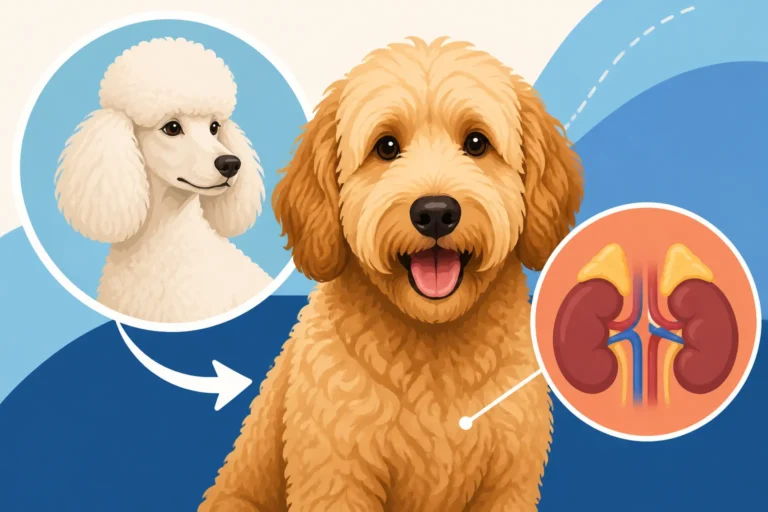
The genetics of Sebaceous Adenitis are complex, but it's widely recognized as an inherited condition in several breeds, and sadly, the Poodle side of our beloved Labradoodles makes them susceptible. Standard Poodles, in particular, are one of the breeds most commonly affected, meaning that a Labradoodle with strong Poodle genetics might carry a higher risk. It’s not a simple recessive gene, which makes breeding decisions tricky, but reputable breeders will often screen their breeding stock and remove affected dogs from their programs. Despite these efforts, SA can still pop up, leaving owners with the challenge of managing it.
Owners often feel a deep sense of frustration and guilt when their dog develops an inherited condition, but it's important to remember that this isn't anyone's fault. The onset of symptoms typically occurs in young to middle-aged dogs, usually between one and five years old, but it can appear later in life too. This means that a perfectly healthy-looking puppy could develop symptoms after they've joined your family. The initial signs can be subtle, sometimes just a dulling of the coat or a few flakes, before progressing to more noticeable hair loss and skin lesions. Recognizing The Age Sebaceous Adenitis Appears in a Labradoodle is crucial for early intervention and starting supportive therapies like oil soaks sooner rather than later. Early diagnosis, often confirmed with The Skin Biopsy That Confirms Adenitis in a Labradoodle, allows for proactive management strategies that can make a huge difference in controlling symptoms and improving your dog's comfort.
The Therapeutic Power of Oil Soaks
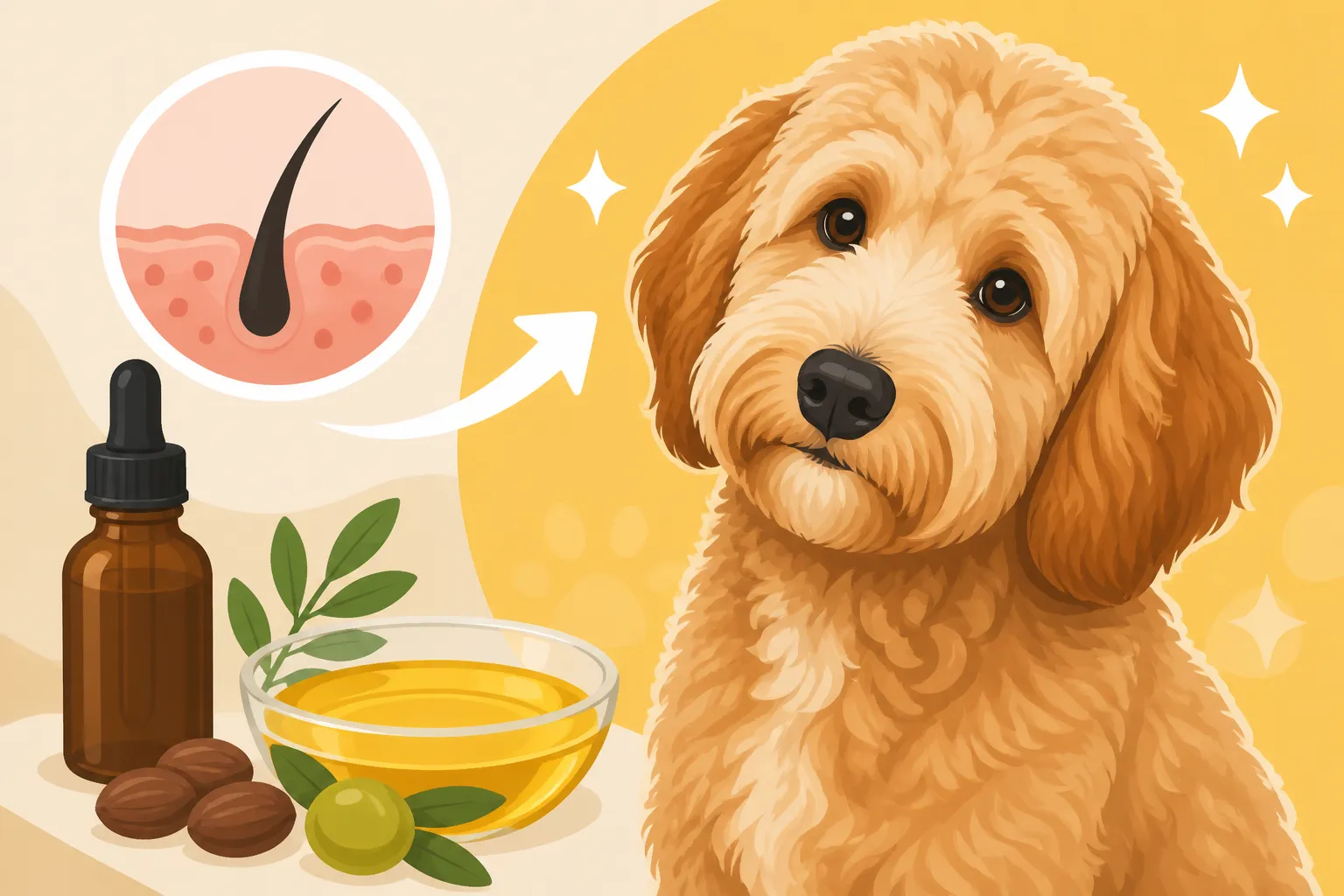
When those sebaceous glands are failing, our job as owners is to step in and provide that lubrication our Labradoodles desperately need. This is where oil soaks truly shine. They aren't a cure for Sebaceous Adenitis, but they are an incredibly effective, non-invasive, and often very soothing way to manage the symptoms. Think of it as intense moisturizing therapy for the skin, designed to replace the natural oils that are missing. The oil penetrates the dry, flaky skin, helping to lift scales, reduce inflammation, and restore some much-needed elasticity and comfort. It also acts as a protective barrier, preventing further moisture loss and helping the skin heal.
The beauty of oil soaks is their simplicity and the fact that you can perform them right in your own home. They provide immediate relief for the dryness and itchiness that can plague a Labradoodle with SA, and with consistent application, you'll often see a remarkable improvement in coat quality and skin health. It's a proactive step that empowers owners, giving them a tangible way to help their dog feel better.
Choosing the Right Oil for Your Labradoodle
The type of oil you choose for your Labradoodle's soak is important, and thankfully, there are several excellent, readily available options. The goal is to find a high-quality, pure oil that is safe for canine skin and, potentially, if your dog licks it (which they invariably will!), safe for ingestion.
Here’s a look at some of the most popular and effective choices:
| Oil Type | Benefits | Considerations |
|---|---|---|
| Coconut Oil | Highly moisturizing, natural antibacterial/antifungal, easily absorbed | Can be solid at room temp (needs warming), some dogs dislike the smell |
| Jojoba Oil | Mimics natural sebum, non-greasy, excellent moisturizer, anti-inflam. | More expensive, might be harder to find in large quantities |
| Olive Oil | Rich in antioxidants and vitamins, good moisturizer, readily available | Can be heavier/greasier, ensure it’s pure extra virgin |
| Argan Oil | Rich in Vitamin E and essential fatty acids, deeply nourishing | Expensive, best for smaller affected areas or as an additive, not full soak |
| Mineral Oil | Inexpensive, non-irritating, forms a barrier | Less nourishing than natural oils, purely occlusive, no therapeutic properties |
For a full body soak, pure, unrefined coconut oil or extra virgin olive oil are often the most practical and cost-effective choices. Coconut oil, when warmed gently to a liquid state, spreads easily and has the added benefit of some antimicrobial properties, which can be helpful if secondary yeast or bacterial issues are present. Jojoba oil is a fantastic option if your budget allows, as it closely resembles your dog's natural sebum and feels less greasy. Avoid oils with added fragrances, essential oils not approved for topical use on dogs, or other additives that could irritate sensitive skin. Always opt for human-grade quality to ensure purity and safety. It's also wise to do a small patch test on a less visible area of your dog's skin the first time you use a new oil, just to be sure there's no adverse reaction.
The Science Behind Oil Soaks for SA
So, how exactly does smothering your Labradoodle in oil actually help? It boils down to a few key mechanisms. Firstly, the primary issue in SA is a lack of sebum, which leads to dry, brittle hair and skin that's prone to scaling. Applying oil directly to the skin acts as a direct replacement for this missing sebum. The oil coats the hair shafts and deeply moisturizes the skin, helping to re-establish that crucial lipid barrier that protects against moisture loss and external irritants. This immediate boost of hydration starts to reverse the dryness, making the skin more pliable and less prone to cracking.
Secondly, the oil helps to loosen and exfoliate the stubborn scales and follicular casts that often build up on the skin of dogs with SA. These scales can trap bacteria and yeast, leading to secondary infections, and they also prevent topical treatments from penetrating effectively. By saturating these scales with oil, they soften and become easier to gently remove during the subsequent bath. This not only cleanses the skin but also opens up the hair follicles, allowing for healthier hair growth and better penetration of any medicated shampoos or conditioners your vet might recommend. Finally, many natural oils, like coconut and jojoba, contain anti-inflammatory compounds that can help calm the irritated skin, reducing redness and itchiness, which is a major comfort factor for your dog. This combination of deep moisturizing, gentle exfoliation, and anti-inflammatory action makes oil soaks an invaluable tool in managing your Labradoodle's Sebaceous Adenitis.
Your Step-by-Step Guide to a Successful Oil Soak at Home
Performing an oil soak can seem a bit daunting at first, especially if you have a larger Labradoodle, but with a little preparation and patience, it becomes a routine that can significantly improve your dog's comfort. It's not a quick fix, but a consistent act of care that pays off.
Preparing for the Soak: Gathering Your Supplies
Before you even think about getting your Labradoodle wet or oily, it's essential to have everything you need laid out and ready. This will make the process much smoother and less stressful for both of you.
Here’s your checklist:
- Your Chosen Oil: Have enough for a full-body application – usually 1-2 cups for a standard Labradoodle. If using coconut oil, gently warm it in a microwave-safe bowl or a pot of warm water until it's liquid, but absolutely not hot. It should be comfortably warm to the touch.
- A Brush or Comb: A good quality slicker brush or a wide-toothed comb is essential. You'll use this before the soak to remove loose hair and mats, and after the soak to help work the oil through.
- Old Towels: Lots of them! You'll need them for drying, for lining surfaces, and for protecting yourself from oil.
- Medicated Shampoo (if prescribed): Your vet might have prescribed a specific shampoo for SA, which you'll use after the oil soak to remove excess oil and treat the skin. Otherwise, a gentle, hypoallergenic dog shampoo will suffice.
- Conditioner: A good quality moisturizing conditioner is also a must for post-soak bathing.
- Non-Slip Mat: Place this in your tub or shower to prevent slips and make your dog feel more secure.
- Treats: Plenty of high-value treats to keep your Labradoodle happy and cooperative throughout the process.
- Old Clothes for You: You will get oily!
Preparing your dog is also key. Give them a good, thorough brushing before you begin. This removes any loose hair, dirt, and helps to detangle any minor mats, allowing the oil to penetrate the skin more effectively. If your Labradoodle has significant matting, it's really important to address this before the oil soak, as oil can sometimes make mats worse. If needed, consider having a professional groomer carefully demat your dog or even clip the affected areas short to make treatment easier. Remember, this is a bonding experience, not just a chore, so approach it calmly and positively.
The Application Process: Getting Down to Business
Alright, supplies ready, dog prepped, it's time for the main event! Find a quiet, warm bathroom or laundry room where you can contain the mess.
- Apply the Oil: Start by pouring a generous amount of warmed oil into your hands. Begin applying it directly to your Labradoodle's skin, working from their neck down to their tail and legs. Pay special attention to areas where you see scaling, dryness, or hair loss – common spots like the back, sides, ears, and tail base. Don't just coat the fur; really massage the oil into the skin itself. Part the fur to ensure the oil reaches the skin.
- Saturation is Key: You want the skin to be thoroughly saturated. It might feel like you're using a lot of oil, but that's the point. The goal isn't just to make the coat shiny; it's to deeply moisturize the compromised skin.
- Massage and Work In: Gently massage the oil into their skin for about 5-10 minutes. This helps the oil penetrate and also stimulates circulation, which is beneficial for skin health. Use this time to bond with your Labradoodle, giving them praise and treats.
- The Wait (and Containment): This is arguably the trickiest part. Once the oil is applied, you need to let it sit on your Labradoodle's skin for at least 30 minutes, but ideally for 1-2 hours. During this time, your dog will be a walking oil slick! To contain the mess, you have a few options:
- Old Clothes/Cover: Dress your dog in an old t-shirt, dog pajamas, or even wrap them loosely in an old sheet or towel. This helps prevent oil from getting everywhere.
- Confined Space: Keep them in a tiled bathroom or kitchen, or in a large crate lined with old towels or blankets you don't mind getting oily.
- Supervision: Always supervise your Labradoodle to prevent them from licking off too much oil (though some licking is inevitable and generally harmless with food-grade oils).
- The Wash-Off: After the waiting period, it's bath time! This is where you need that non-slip mat and your chosen shampoos.
- Pre-Wash Prep: Before water, apply a generous amount of your dog shampoo directly onto their oiled, dry coat. Do not wet the coat first. This sounds counterintuitive, but the shampoo will bind with the oil, making it much easier to rinse out. Really work the shampoo in, creating a lather.
- Rinse and Repeat: Now, thoroughly wet and rinse your Labradoodle. You might need to shampoo them two or even three times to remove all the oil, especially if you have a wool-coated Labradoodle. Focus on getting the skin clean, not just the fur.
- Condition: Follow with a moisturizing conditioner, allowing it to sit for a few minutes before rinsing thoroughly.
- Drying: Gently towel-dry your Labradoodle. You can also use a cool-setting blow dryer, but be careful not to overheat their skin. Make sure their ears are dried properly, as Labradoodles are prone to Ear Infections Built Into a Labradoodle's Drop Ear.
The frequency of oil soaks depends on the severity of your Labradoodle's SA. Initially, you might do them every 5-7 days until you see improvement, then scale back to every 2-4 weeks for maintenance. Consistency is key!
Beyond the Soak: Comprehensive Care for Your Labradoodle's SA
While oil soaks are a fantastic part of managing Sebaceous Adenitis, they are just one piece of a larger puzzle. Living with a chronic condition like SA requires a holistic approach that often includes veterinary guidance, dietary considerations, and a commitment to ongoing care. It can feel overwhelming at times, especially when you're dealing with flare-ups, but remember that many resources are available, and you're not alone.
Integrating Other Treatments and Veterinary Care
It’s crucial to understand that oil soaks are a supportive therapy, not a standalone cure. Your veterinarian is your most important partner in managing your Labradoodle's Sebaceous Adenitis. They might recommend a combination of therapies, tailored to your dog's specific needs and the severity of their condition.
This could include:
- Medicated Shampoos and Conditioners: Beyond just cleaning, your vet might prescribe shampoos with ingredients like benzoyl peroxide, selenium sulfide, or salicylic acid to help exfoliate scales and reduce bacterial or yeast overgrowth. Following an oil soak with one of these can enhance their effectiveness.
- Topical Steroids or Calcineurin Inhibitors: For localized inflammation, your vet might suggest topical creams or sprays to reduce redness and itching in specific areas.
- Oral Medications: In more severe cases, or during flare-ups, oral steroids (like prednisone) might be used short-term to control inflammation. Other medications, like cyclosporine, can help modulate the immune system to reduce the attack on sebaceous glands. These are powerful drugs and require careful monitoring by your vet.
- Omega-3 Fatty Acid Supplements: Many vets recommend adding fish oil or other omega-3 supplements to your dog's diet. These fatty acids have anti-inflammatory properties and can support overall skin and coat health from the inside out. They won't cure SA, but they can definitely complement topical treatments.
- Regular Check-ups: Keeping up with The Yearly Screening a Labradoodle Should Get is even more critical for dogs with chronic conditions. Your vet will monitor your Labradoodle's skin, adjust treatments as needed, and watch for any secondary infections that might arise. Don't hesitate to reach out to them if you notice any significant worsening of symptoms or new concerns.
Remember that managing Sebaceous Adenitis is often a lifelong journey. There will be good days and bad days, and that's okay. The key is to work closely with your vet and stay consistent with the care regimen you establish.
Dietary Considerations and Environmental Factors
What goes into your Labradoodle's body can significantly impact their skin health, especially when they're battling a condition like SA. While there's no magic diet that will cure Sebaceous Adenitis, focusing on high-quality, nutrient-rich food can certainly support their overall well-being and potentially reduce inflammation.
Consider these aspects:
- High-Quality Protein: Ensure your dog's food contains a high-quality, easily digestible protein source. Some dogs with chronic skin issues can benefit from novel protein diets, though this is more commonly associated with food allergies.
- Essential Fatty Acids: Beyond supplements, ensure their regular diet includes healthy fats. Look for foods rich in omega-3 and omega-6 fatty acids, which are crucial for skin barrier function and reducing inflammation. Ingredients like salmon, flaxseed, and sunflower oil are good indicators.
- Limited Allergens: While SA isn't an allergy, some dogs with compromised skin barriers might become more sensitive to environmental allergens or certain food ingredients. If you suspect Allergies Behind a Labradoodle's Itching, discussing a hypoallergenic diet trial with your vet might be beneficial.
- Hydration: Always ensure your Labradoodle has access to fresh, clean water. Good hydration supports skin elasticity and overall health.
Environmental factors also play a role. Avoiding harsh chemicals in your home, using hypoallergenic laundry detergents for their bedding, and protecting them from extreme weather can all contribute to their comfort. During colder, drier months, a humidifier in your home can sometimes help prevent excessive skin dryness. Conversely, in hot, humid weather, ensuring they don't get hot spots from dampness can be important, especially if they enjoy swimming. For dogs that love water, remember to always dry a Labradoodle after it swims, paying close attention to the ears and coat to prevent moisture-related skin issues and infections.
Caring for a Labradoodle with Sebaceous Adenitis requires patience, vigilance, and a dedicated approach. The financial aspect of managing a chronic condition can also be a concern. It's wise to consider how pet insurance might factor into your long-term plan. Companies like Healthy Paws offer coverage for unexpected illnesses and accidents, and while they won't cover pre-existing conditions, having a policy in place before a diagnosis can provide immense peace of mind. Discussing your dog's specific needs and potential costs with your vet and researching insurance options like those from Healthy Paws can help you be better prepared for their lifelong care journey. Seeing your Labradoodle happy and comfortable makes all the effort truly worthwhile.
Disclaimer
The information provided in this article is for educational purposes only and is not intended as a substitute for professional veterinary advice. Always consult with a qualified veterinarian for any health concerns or before making any decisions about your pet's medical care.