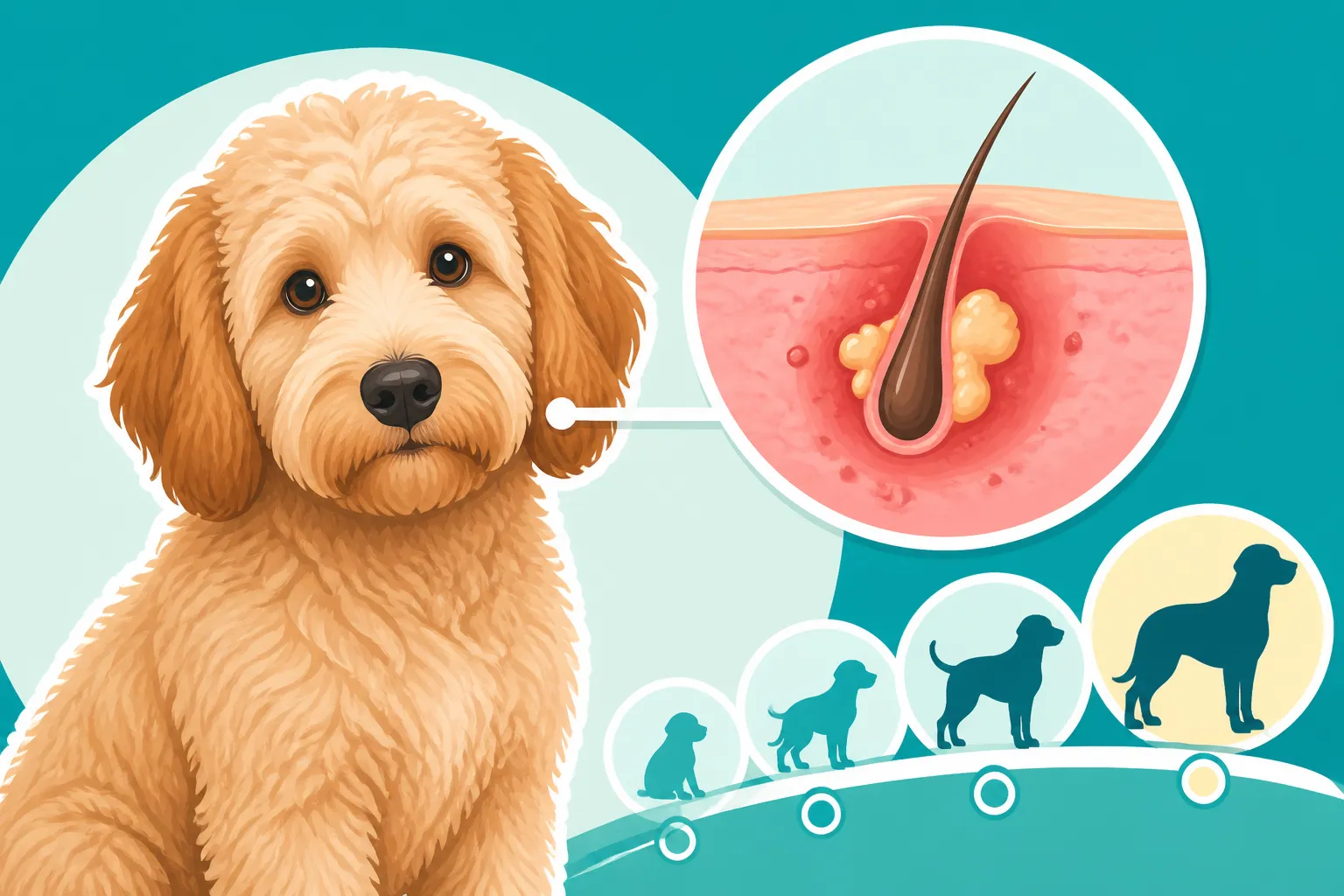
The Age Sebaceous Adenitis Appears in a Labradoodle
Finding a skin condition on your beloved Labradoodle can be incredibly worrying, especially when their beautiful, often fluffy coat starts to look less than perfect. It's truly heartbreaking to see your happy, energetic companion dealing with persistent itching, flakes, or thinning hair. Among the many potential culprits, sebaceous adenitis (SA) is one that can be particularly confusing and frustrating for owners, often appearing without obvious cause. This guide is here to shed light on exactly when sebaceous adenitis typically appears in Labradoodles, what signs to look for, and how to navigate this challenging condition.
Understanding Sebaceous Adenitis in Your Labradoodle
Let's be honest, when your dog's coat suddenly looks dull or patchy, your mind probably jumps to allergies or fleas first, right? That's completely natural. But sebaceous adenitis is a different beast entirely, and understanding what it is and why Labradoodles are susceptible is the first step toward managing it. It’s a condition that can often be overlooked in its early stages, leading to greater frustration down the line.
What Exactly is Sebaceous Adenitis?
At its core, sebaceous adenitis (SA) is a rare, inflammatory skin disease that specifically targets and destroys the sebaceous glands in the skin. These tiny glands, found throughout the skin, are responsible for producing sebum, a waxy, oily substance that plays a vital role in maintaining skin hydration, coat health, and acting as a protective barrier against environmental aggressors. Think of it as your dog's natural conditioner and moisturizer. When these glands are damaged or destroyed by SA, the skin can no longer produce sebum effectively, leading to a cascade of problems. The skin becomes dry, flaky, and prone to secondary infections, and the coat loses its luster and often starts to fall out in patches. It’s a genetically inherited condition, meaning it’s not contagious and isn't something your dog caught from the park.
Why Labradoodles Are Prone to SA
While SA can affect various breeds, including Standard Poodles, Akitas, and Samoyeds, Labradoodles have a heightened genetic predisposition, largely thanks to their Poodle lineage. The Poodle side of your Labradoodle's family tree contributes not only that gorgeous curly or wavy coat but also a susceptibility to certain genetic health issues, and SA is unfortunately one of them. It's a cruel twist of fate when the very genes that give them their desirable coat also make them vulnerable to a condition that attacks it. Responsible breeders often test for a range of genetic conditions, though SA can sometimes be harder to pinpoint through simple DNA tests, making awareness of symptoms even more critical.
The Crucial Role of Sebaceous Glands
Imagine if your skin suddenly stopped producing oil, leaving it perpetually dry, cracked, and unprotected. That's essentially what happens to a dog with sebaceous adenitis. The sebaceous glands are tiny but mighty, creating a lipid layer on the skin and hair that keeps it supple, waterproof, and shiny. This natural barrier is also crucial for preventing bacteria and yeast from taking hold. When SA strikes, these glands become inflamed and eventually scarred, ceasing to function. Without this natural oil, the coat becomes brittle, dull, and prone to breakage. The skin underneath becomes scaly, thick, and itchy, often leading to a cycle of scratching, irritation, and even more skin issues. It's a fundamental breakdown in the skin's natural defense system.
When Sebaceous Adenitis Typically Shows Its Face
One of the most frustrating aspects of sebaceous adenitis is that it doesn't always announce itself with a grand flourish. It can be a stealthy intruder, making its presence known gradually, which often leads to delayed diagnosis and treatment. Knowing the typical age of onset and the subtle initial signs can make a huge difference in catching it early.
Common Age of Onset for Labradoodles
For Labradoodles, sebaceous adenitis most commonly makes its appearance in young to middle-aged adulthood, typically between one and five years of age. However, it’s not unheard of for symptoms to manifest slightly earlier or later. You might have a perfectly healthy puppy with a stunning coat, only to start noticing changes as they mature. This window is particularly tricky because dogs at this age are often still full of energy, and owners might attribute minor coat changes to seasonal shedding, diet shifts, or even just "puppy coat blowing" for longer than it actually is. It's a prime example of why being vigilant about your Labradoodle's appearance and behavior, even as they seem to hit their stride, is so important.
Early Warning Signs and Subtle Changes
Before the more dramatic hair loss or severe scaling begins, SA often presents with subtle, easily missed clues. You might first notice your Labradoodle's coat looking a bit duller than usual, losing some of its characteristic luster and bounce. Perhaps it feels a bit coarser to the touch, or you start seeing fine, powdery dandruff-like flakes, particularly along their back and ears. Some owners report a slight, subtle thinning of the coat, especially in specific areas such as the top of the head, along the back, and around the ears. These aren't bald patches yet, just a general sparseness. It's easy to dismiss these early signs, thinking it's just a bad hair day or a slight change in diet, but these can be the first whispers of SA. Keeping a close eye on your Labradoodle's grooming habits and coat texture is key. For more on specific areas to check, you might want to read our article on "Where Sebaceous Adenitis Shows on a Labradoodle".
Progression of the Condition
Without intervention, sebaceous adenitis is a progressive disease, meaning its symptoms will gradually worsen over time. Those subtle flakes and dullness will likely give way to more pronounced scaling, crusting, and thickening of the skin. The patchy hair loss will become more evident, often leading to symmetrical bald spots or a very thin, moth-eaten appearance, particularly on the head, ears, and trunk. The lack of sebum can also make the skin incredibly itchy, leading to constant scratching and rubbing, which further irritates the skin and can cause secondary bacterial or yeast infections. You might notice a greasy feel or an unpleasant odor developing from these infections. This is where the condition becomes significantly more uncomfortable for your Labradoodle and much more challenging for you to manage without professional help.
Spotting the Signs and Seeking a Diagnosis
It’s one thing to hear about symptoms, and another entirely to recognize them on your own dog. Given that many skin conditions share similar warning signs, getting an accurate diagnosis is absolutely paramount. Don't fall into the trap of self-diagnosing; your vet is your best ally here.
Visual Clues in Your Labradoodle's Coat and Skin
When you're running your hands over your Labradoodle, what should you be looking for? Beyond the dullness and flakes, keep an eye out for specific patterns. You might observe circular patches of hair loss that gradually expand. The hair itself may appear brittle or broken, almost as if it's snapping off rather than shedding cleanly. The skin under these affected areas can be noticeably dry, thickened, and sometimes inflamed, appearing reddish or discolored. In some cases, tiny, white, adherent scales might be seen clinging to the hair shafts, especially along the spine and ears. Pay attention to how your dog grooms themselves too; excessive scratching, licking, or rubbing can indicate discomfort and skin irritation.
Common Sebaceous Adenitis Symptoms in Labradoodles:
| Symptom | Description | Appearance on Labradoodle |
|---|---|---|
| Dull, Brittle Coat | Hair loses its shine, feels coarse, and breaks easily. | Lack of usual luster, frizzy appearance |
| Scaling/Dandruff | Fine, silvery-white flakes or larger, adherent scales on the skin and coat. | Visible "dandruff" on fur, especially on back, head, and ears |
| Patchy Hair Loss | Symmetrical or asymmetrical areas of hair thinning or complete baldness. | Thinning fur on top of head, ears, back, sides |
| Skin Thickening/Redness | Affected skin may become leathery, inflamed, or discolored. | Reddened patches, rough texture underneath fur |
| Itching | Dog frequently scratches, rubs, or licks affected areas. | Obsessive scratching, chewing, rubbing against furniture |
| Foul Odor | May develop due to secondary bacterial or yeast infections. | Unpleasant smell emanating from the skin/coat |
| Follicular Casts | Clumps of scales and debris adhering to the hair shafts. | Small, white, waxy deposits clinging to individual hairs |
The Importance of a Vet Visit and Diagnostic Steps
As soon as you notice any of these signs, don't delay that trip to the vet. Skin conditions can escalate quickly, and early intervention is always best. Your veterinarian will start with a thorough physical examination, paying close attention to your Labradoodle's skin and coat. They may perform basic diagnostic tests like skin scrapes to rule out parasites, or fungal cultures to exclude ringworm. However, the definitive diagnosis for sebaceous adenitis is a skin biopsy. This involves taking small samples of skin under local or general anesthesia, which are then sent to a veterinary dermatopathologist for examination. The pathologist can identify the characteristic inflammation and destruction of the sebaceous glands, confirming the SA diagnosis. Our article, "The Skin Biopsy That Confirms Adenitis in a Labradoodle", delves deeper into this process.
Differentiating SA from Other Skin Conditions
This is where it gets tricky, and why a definitive diagnosis is so vital. Many conditions can mimic SA, and without proper testing, you could be treating the wrong problem, leading to unnecessary expense and continued suffering for your dog. For instance, generalized allergies can cause itching and poor coat quality. Hypothyroidism can lead to symmetrical hair loss and a dull coat. Even certain nutritional deficiencies or fungal infections can present similarly. Without the conclusive evidence from a biopsy, it’s easy for a vet to suspect, say, a severe case of "Allergies Behind a Labradoodle's Itching" or "Thyroid Failure in a Labradoodle" when it’s actually SA. An accurate diagnosis ensures your Labradoodle receives the correct, targeted treatment plan, which is essential for managing a lifelong condition like sebaceous adenitis.
Managing Sebaceous Adenitis: A Lifelong Journey
Once you have that diagnosis, it can feel overwhelming. But take a deep breath. While sebaceous adenitis is not curable, it is absolutely manageable, and with consistent care, your Labradoodle can lead a comfortable, happy life. It requires dedication, patience, and a close partnership with your veterinarian.
Topical Treatments and Hydration Strategies
The cornerstone of SA management often involves topical therapies aimed at rehydrating the skin and compensating for the lack of natural sebum. This typically includes specialized shampoos, conditioners, and the famous "oil soaks." These oil soaks, often using mineral oil or essential fatty acid blends, are applied to the coat for several hours before bathing. They work to loosen scales, moisturize the skin, and replenish some of the lost lipids. After the soak, a medicated shampoo designed for flaky or oily skin helps to remove the debris. This regimen can be time-consuming, sometimes needing to be done weekly initially, then less frequently as the condition improves. For a comprehensive guide on this, check out "Oil Soaks for a Labradoodle With Sebaceous Adenitis". Regular brushing with a soft brush can also help distribute natural oils (if any are still being produced) and prevent matting in thinning areas.
Systemic Medications and Supportive Care
Beyond topical treatments, your vet might prescribe systemic medications to help manage the inflammation and improve skin health. Immunosuppressants like cyclosporine are often used to calm the immune system's attack on the sebaceous glands. For secondary bacterial or yeast infections, antibiotics or antifungals will be prescribed. Essential fatty acid supplements, like omega-3s, can also be beneficial in improving skin barrier function and reducing inflammation. In some cases, certain vitamins, particularly Vitamin A, might be suggested, although this should always be done under strict veterinary guidance. It's a multi-faceted approach, tailored to your Labradoodle's specific needs and how they respond to treatment.
Living with a Labradoodle with SA
Living with a Labradoodle affected by sebaceous adenitis is definitely a commitment, but it's one that yields immense rewards in your dog's comfort and well-being. Regular grooming is paramount, not just for aesthetics but for managing scales and preventing infections. You might find yourself needing to bathe your Labradoodle more frequently with specific shampoos, as detailed in "Whether a Labradoodle Needs Medicated Baths". Consistent re-evaluations with your vet are essential to adjust treatment protocols as needed. It's also wise to consider pet insurance, like Healthy Paws, which can often help cover the ongoing costs of diagnostics, medications, and specialized treatments for chronic conditions like SA, easing the financial burden that can come with lifelong care. Remember, the goal is to make your Labradoodle as comfortable as possible, reducing symptoms and preventing painful secondary issues. While their coat might never be exactly as it once was, with your love and diligent care, they can still enjoy a wonderful quality of life. Don't forget that "The Yearly Screening a Labradoodle Should Get" is even more crucial for dogs with chronic conditions like SA.
Disclaimer
This article is for general informational purposes only and does not constitute professional advice. Laws, prices and regulations vary by location and change over time. Consult a qualified professional for guidance on your specific situation.