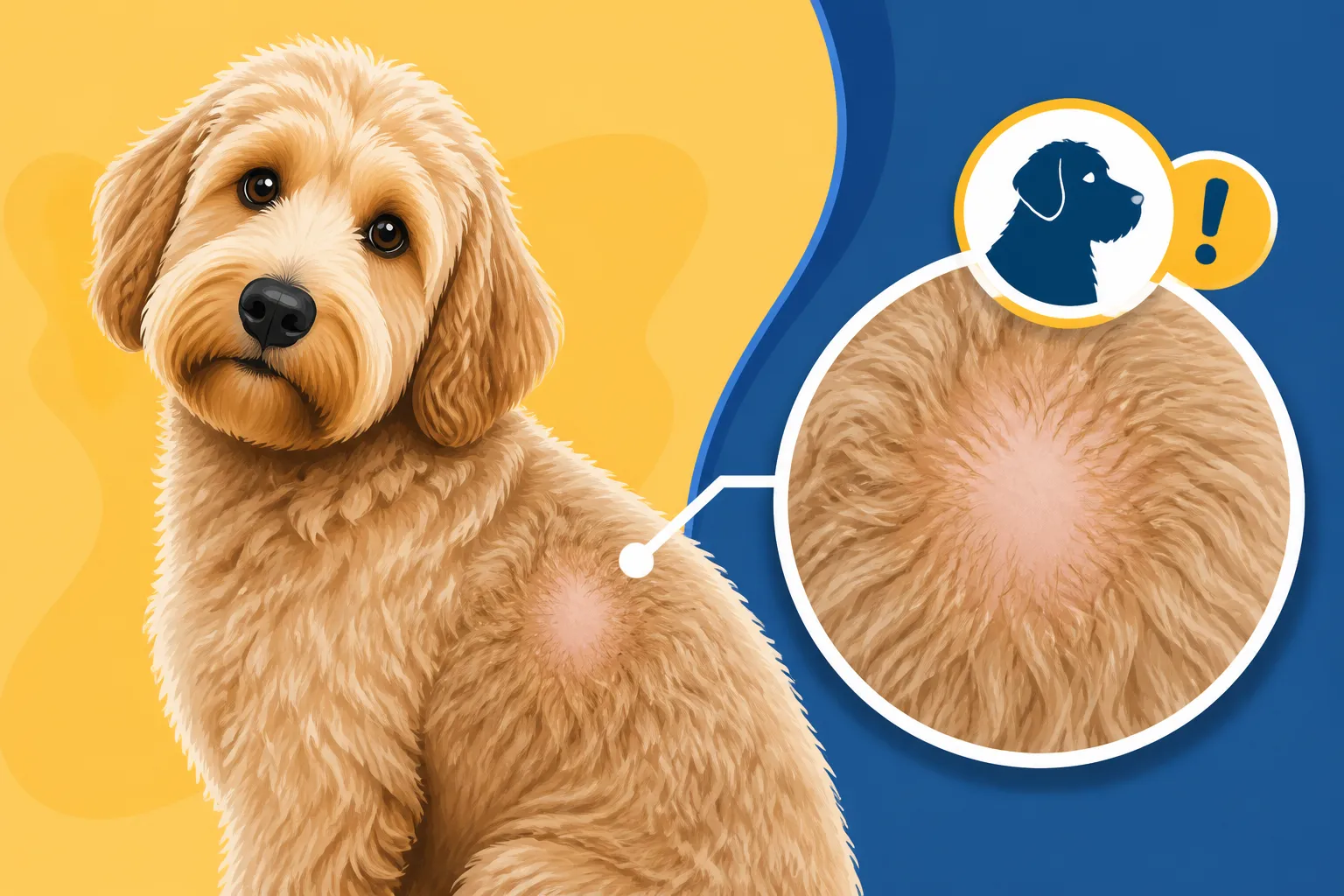
Whether a Labradoodle’s Coat Thins in Patches
It can be incredibly unsettling to notice your beloved Labradoodle’s beautiful, fluffy coat starting to look a bit sparse or, even worse, finding actual patches where the hair seems to have thinned out or disappeared entirely. This worrying change can signal anything from normal shedding to a more serious underlying health issue, and understanding the potential causes is the first step toward helping your furry friend. This guide will walk you through the various reasons a Labradoodle's coat might thin in patches and what you can do about it.
Understanding Normal Labradoodle Coat Changes vs. Concerns
First things first, it’s important to distinguish between normal, expected coat fluctuations and something that genuinely warrants concern. Labradoodles, with their unique blended coats, often go through several phases that can sometimes be mistaken for thinning or patchy hair loss.
The "Blow" of the Puppy Coat
One of the most dramatic changes your Labradoodle will experience is the transition from their soft, wispy puppy coat to their denser, adult coat. This "coat blow" typically happens anywhere from 6 to 18 months of age, and it can be quite a shock for first-time owners. Suddenly, your once easy-to-manage puppy feels like a matting magnet, and you might even notice what looks like patches of thinner hair.
During this period, the puppy hair sheds out to make way for the more substantial adult coat, which can be fleece, wool, or even a straighter hair coat. Because the shedding isn't always uniform, it can certainly look like areas are thinning more than others. This is a crucial time for diligent grooming, as the shed puppy hair easily intertwines with the new adult coat, leading to mats that, if not brushed out, can pull on the skin and even mimic hair loss. If you’re seeing what feels like a sudden increase in shedding and matting around this age, it’s likely part of this natural process. You might find our guide on The Coat Change That Hits a Labradoodle at Nine Months helpful during this stage.
Seasonal Shedding and "Undercoat" Loss
While Labradoodles are often touted as low-shedding or even non-shedding, the reality is a bit more nuanced. Most Labradoodles do shed, albeit typically less than their Labrador Retriever parent. The amount of shedding varies significantly depending on the coat type—a "hair" coat will shed more like a Labrador, while a "wool" coat will shed more like a Poodle, meaning dead hair gets trapped in the curls rather than falling out. Fleece coats fall somewhere in between.
Even low-shedding types will experience some seasonal shedding, often more noticeable in spring and fall. This isn't usually dramatic, but if your Labradoodle has a thicker undercoat (which some do, especially if their Labrador genetics are more dominant), you might notice a more significant "blow" of this undercoat during seasonal changes. This can sometimes result in areas that appear less dense, particularly on the flanks, belly, or neck, as the coat adjusts to the changing temperatures. It’s usually a more diffuse thinning rather than stark, bald patches, and regular brushing helps manage it.
Age-Related Coat Changes
Just like us, our dogs experience changes as they get older. For senior Labradoodles, you might observe a natural thinning of their coat overall, or a change in texture. Their hair might become finer, less dense, or even coarser in certain areas. This is a gradual process and usually not patchy in a concerning way, but rather a general decrease in overall coat volume.
Older dogs can also be more prone to various health issues that might impact their coat, so while some thinning is normal with age, it's always wise to keep an eye out for other symptoms. Our article on What a Labradoodle Owner Should Watch For After Eight delves into other changes you might notice in your aging companion.
Common Health Issues Causing Patchy Hair Loss
When the thinning isn't just a natural phase, it's often a sign of an underlying health problem. Many conditions can manifest as patchy hair loss in Labradoodles, ranging from annoying skin irritations to more serious systemic diseases.
Skin Allergies and Irritation
This is probably one of the most common culprits behind patchy hair loss, not because allergies directly cause the hair to fall out, but because of the intense itching and subsequent self-trauma. When a Labradoodle is constantly scratching, licking, or chewing an itchy spot, they can break the hair shafts or even pull out chunks of hair, leading to visibly thin or bald patches.
Common allergies include:
- Environmental allergies (Atopy): Pollens, dust mites, molds, grasses. These often cause generalized itching, but specific areas like paws, belly, ears, and armpits can become severely inflamed and lead to localized hair loss. For more insights, check out Allergies Behind a Labradoodle's Itching and Whether Atopy Explains a Labradoodle's Itching.
- Food allergies: Certain proteins (chicken, beef, dairy) or grains can trigger skin reactions. While some dogs might show gastrointestinal symptoms, itching and patchy hair loss are also common.
- Contact allergies: Reactions to shampoos, detergents, certain fabrics, or even plants can cause irritation and hair loss where the skin has come into contact with the allergen.
The thinning patches due to allergies often look red, inflamed, might have scabs or small bumps, and will be accompanied by relentless scratching.
Parasites: The Unseen Invaders
External parasites are a frequent cause of intense itching and patchy hair loss in dogs. These tiny creatures can make your Labradoodle miserable and their coat suffer.
- Fleas: Even if you don't see the fleas themselves, a flea allergy can cause severe itching and hair loss, especially around the base of the tail, hind legs, and belly. Just a few bites can trigger an allergic reaction in sensitive dogs, leading to furious scratching and self-inflicted damage.
- Mites:
- Sarcoptic Mites (Scabies): These mites burrow into the skin, causing incredibly intense itching, redness, crusting, and often severe hair loss, starting on the ears, elbows, hocks, and belly, but can spread.
- Demodex Mites (Demodectic Mange): Most dogs have a small number of these mites on their skin, but an overgrowth (often due to an immature or suppressed immune system) can cause patches of hair loss, redness, and scaling, typically without much itchiness in localized forms. Generalized demodex can be more severe.
- Ringworm (Dermatophytosis): Despite its name, ringworm is a fungal infection, not a worm. It typically causes circular patches of hair loss with red, scaly, crusty skin, often on the head, ears, paws, and forelegs. It's highly contagious to other animals and humans.
The hair loss from parasites is usually quite distinct and often accompanied by visible skin lesions or extreme discomfort.
Fungal and Bacterial Skin Infections
The warm, dense coat of a Labradoodle, especially if it's prone to matting or moisture retention, can be a perfect breeding ground for various skin infections. These infections often lead to inflammation, irritation, and subsequent hair loss.
- Yeast Infections (Malassezia Dermatitis): Yeast thrives in warm, moist environments, often secondary to allergies or chronic moisture (e.g., in skin folds, between paw pads, or under floppy ears). A yeast infection can cause greasy, smelly, red, and itchy skin, often accompanied by hair loss in affected areas. You might notice a brownish discoloration of the fur where the yeast is prevalent, particularly on paws or around the mouth.
- Bacterial Skin Infections (Pyoderma): Bacterial infections can occur superficially or deep within the skin. They often arise when the skin's natural barrier is compromised by allergies, parasites, or trauma. These infections can cause pustules, crusts, red bumps, and patchy hair loss. They can be very itchy and painful for your dog. Sometimes, these bacterial infections can develop into "hot spots," which are rapidly appearing, red, moist, and painful skin lesions where the dog has excessively licked or chewed.
Both fungal and bacterial infections often need veterinary intervention to clear up, as they can quickly worsen if left untreated.
Hormonal and Autoimmune Conditions Affecting Coat Density
Beyond external factors and common infections, certain internal medical conditions, particularly those involving hormones or the immune system, can also cause patchy or diffuse hair loss in Labradoodles. These conditions often require specific diagnostic tests and long-term management.
Thyroid Imbalance: Hypothyroidism
Hypothyroidism is a common endocrine disorder in dogs, where the thyroid gland doesn't produce enough thyroid hormones. These hormones play a crucial role in metabolism, and a deficiency can significantly impact skin and coat health.
When a Labradoodle has hypothyroidism, one of the classic signs is a dull, dry, and brittle coat that sheds excessively or thins, often in a symmetrical pattern. The hair loss typically occurs on the flanks, the back of the thighs, and the bridge of the nose, and sometimes leads to a "rat tail" appearance, where the tail hair is sparse. The affected skin might also become thickened, darker (hyperpigmented), and scaly. Other symptoms can include lethargy, weight gain, cold intolerance, and a slowed heart rate. If you're concerned about this, our article on Thyroid Failure in a Labradoodle offers more detail.
Addison's Disease and Other Adrenal Issues
Addison's Disease (hypoadrenocorticism) is another endocrine disorder, where the adrenal glands don't produce enough cortisol and/or aldosterone. While less commonly associated with distinct patchy hair loss than hypothyroidism, chronic illness and stress from Addison's can impact overall coat quality, potentially leading to diffuse thinning or poor hair growth. More often, a dog with Addison's will show vague, waxing and waning symptoms like lethargy, vomiting, diarrhea, and decreased appetite. The coat might appear dull or dry. You can learn more about The Vague Signs of Addison's in a Labradoodle.
Conversely, Cushing's Disease (hyperadrenocorticism), which involves an overproduction of cortisol (either naturally or due to long-term steroid use), can cause pronounced, symmetrical hair loss, especially on the trunk, along with thin, fragile skin, a pot-bellied appearance, and increased thirst and urination. While not as prevalent in Labradoodles as other conditions, it's a possibility to consider if your dog is exhibiting these signs.
Sebaceous Adenitis
This is a condition that, unfortunately, Labradoodles are predisposed to, particularly the Standard Poodle side of their ancestry. Sebaceous adenitis is an inflammatory autoimmune disease that targets and destroys the sebaceous (oil-producing) glands in the skin. These glands are essential for lubricating the hair and skin, keeping them healthy.
Without proper lubrication, the skin and coat become dry, brittle, and prone to scaling. The hair shafts weaken and break, leading to patchy hair loss. The patches are often irregular and can appear on the top of the head, along the back, and over the ears and tail. Affected dogs may develop greasy or waxy scales that adhere to the hair shafts, and the coat can look dull and moth-eaten. It's a frustrating condition to manage, as it often requires lifelong care. For a deeper dive, read our article on Sebaceous Adenitis in a Labradoodle's Skin and Where Sebaceous Adenitis Shows on a Labradoodle. Diagnostic confirmation often requires The Skin Biopsy That Confirms Adenitis in a Labradoodle.
What to Do When You Notice Patchy Thinning
Finding thinning patches on your Labradoodle's coat is naturally concerning, but there are clear steps you can take to understand and address the issue.
Initial Home Assessment and Grooming
Before you rush to the vet, a thorough home check can sometimes reveal obvious culprits or give you crucial information to share with your veterinarian.
Start by carefully examining the affected areas of your Labradoodle's skin. Look for:
- Redness, inflammation, or rashes: These are strong indicators of irritation, allergies, or infection.
- Pustules, scabs, or crusts: Suggestive of bacterial or fungal infections, or intense scratching.
- Flakes or dandruff: Can point to dry skin, allergies, or sebaceous adenitis.
- Visible parasites: While not always easy to spot, look for fleas (and their "flea dirt" — tiny black specks that turn reddish-brown when wet), or ticks.
- Any signs of self-trauma: Is your dog constantly licking, chewing, or scratching these spots? This might be the primary cause of the hair loss, even if something else is causing the initial itch.
Also, review your grooming routine. Are you brushing your Labradoodle regularly and thoroughly? Matted fur can pull on the skin and create bald spots, especially in high-friction areas like behind the ears, armpits, or under a harness. Proper line brushing is essential, as surface brushing often hides mats underneath. Consider how often you're bathing your dog (see How Often a Labradoodle Needs a Bath), and if you're using appropriate shampoos and conditioners for their coat type. Sometimes, simply improving grooming can prevent further damage.
When to Call the Vet
While some minor issues might resolve with increased grooming or a gentle soothing bath, most cases of patchy hair loss warrant a visit to your veterinarian. It’s especially important to schedule an appointment if you notice:
- Rapidly progressing hair loss or widespread patches.
- Intense itching, discomfort, or pain.
- Redness, open sores, or signs of infection.
- Lethargy, changes in appetite, increased thirst, or other systemic symptoms accompanying the coat issues.
- If you suspect parasites but can't confirm or eliminate them yourself.
- If home remedies aren't improving the situation within a few days.
Early diagnosis is key, especially with conditions like sebaceous adenitis or thyroid issues. Your vet can rule out serious causes and get your dog on the right treatment plan much faster. Many owners appreciate having pet insurance from providers like Healthy Paws for these unexpected visits and diagnostic tests, as getting to the bottom of skin issues can sometimes involve multiple appointments.
Diagnostic Tests and Treatment Options
When you visit the vet, they'll likely start with a thorough physical examination and discuss your Labradoodle's history, diet, and symptoms. To pinpoint the cause of the hair loss, they might recommend several diagnostic tests:
- Skin Scrapes: To check for mites (like Demodex or Sarcoptes).
- Fungal Cultures: To diagnose ringworm.
- Cytology: Examining skin cells under a microscope to identify yeast or bacterial overgrowth.
- Blood Tests: To check for hormonal imbalances like hypothyroidism (thyroid panel) or other underlying systemic issues. A yearly screening, as discussed in The Yearly Screening a Labradoodle Should Get, often includes basic thyroid checks.
- Skin Biopsy: If sebaceous adenitis or other autoimmune conditions are suspected, a small skin sample might be taken for histopathological examination.
- Allergy Testing: If allergies are strongly suspected, your vet might discuss dietary elimination trials or refer you for intradermal or blood allergy testing.
Treatment will depend entirely on the diagnosis:
- Parasites: Specific medications (oral, topical, or injectable) to eliminate fleas, mites, or other external parasites.
- Infections: Antibiotics for bacterial infections, antifungals for yeast or ringworm. Medicated shampoos might also be prescribed.
- Allergies: Management often involves identifying and avoiding allergens, antihistamines, corticosteroids (for short-term relief of severe itching), or newer immune-modulating drugs. Dietary changes for food allergies.
- Hormonal Imbalances: Lifelong medication, such as thyroid hormone replacement for hypothyroidism.
- Sebaceous Adenitis: This is a chronic condition, often managed with specialized shampoos, conditioners, regular oil soaks (like those mentioned in Oil Soaks for a Labradoodle With Sebaceous Adenitis), and sometimes immune-suppressing medications.
It's a process of elimination and patience, but with your vet's guidance, you can usually get your Labradoodle's coat and skin back to health.
Here’s a quick overview of common causes:
| Cause | Common Symptoms | Typical Appearance of Hair Loss | Next Steps |
|---|---|---|---|
| Puppy Coat Change | Increased matting, shedding, slightly uneven coat | Diffuse thinning, not bald patches; can appear "moth-eaten" | Regular, thorough line brushing; professional grooming if needed. |
| Allergies | Intense itching, licking, chewing; redness, scabs, hot spots | Patchy, self-inflicted bald spots (trauma); inflamed skin | Vet visit for diagnosis (environmental, food, contact); allergy management. |
| Fleas/Mites | Intense itching, visible parasites/flea dirt, redness, irritation | Patchy, often around tail base, ears, hocks, belly | Vet visit for diagnosis (skin scrape); parasite treatment. |
| Fungal (Ringworm) | Circular patches of hair loss, red, scaly, crusty skin | Distinct circular patches, often on head, ears, limbs | Vet visit for diagnosis (fungal culture); antifungal treatment. |
| Bacterial Infection | Red bumps, pustules, crusts, inflammation; can be itchy | Irregular patches, often with visible skin lesions | Vet visit for diagnosis (cytology); antibiotics, medicated shampoos. |
| Hypothyroidism | Symmetrical hair loss (flanks, tail), dull/dry coat, lethargy, weight gain | Symmetrical, non-itchy thinning; "rat tail" | Vet visit for diagnosis (blood test); thyroid hormone replacement. |
| Sebaceous Adenitis | Dry skin, scaling, brittle hair; silvery scales attached to hair shafts | Irregular patches on head, back, ears, tail | Vet visit for diagnosis (biopsy); lifelong management with oil soaks, specialized shampoos. |
Disclaimer
This article is intended for informational purposes only and is not a substitute for professional veterinary advice. If you notice any changes in your Labradoodle's coat or health, please consult your veterinarian for an accurate diagnosis and treatment plan.