Where Sebaceous Adenitis Shows on a Labradoodle
It’s truly disheartening to see your vibrant Labradoodle start showing signs of skin issues. That once luscious, soft coat can begin to look dull, thin, or even develop crusty patches, leaving you wondering what on earth is going on and how to make your beloved companion comfortable again. This guide is here to shed light on a challenging condition known as Sebaceous Adenitis, explaining exactly where it typically manifests on a Labradoodle's body and what you can do about it.
Understanding Sebaceous Adenitis in Labradoodles
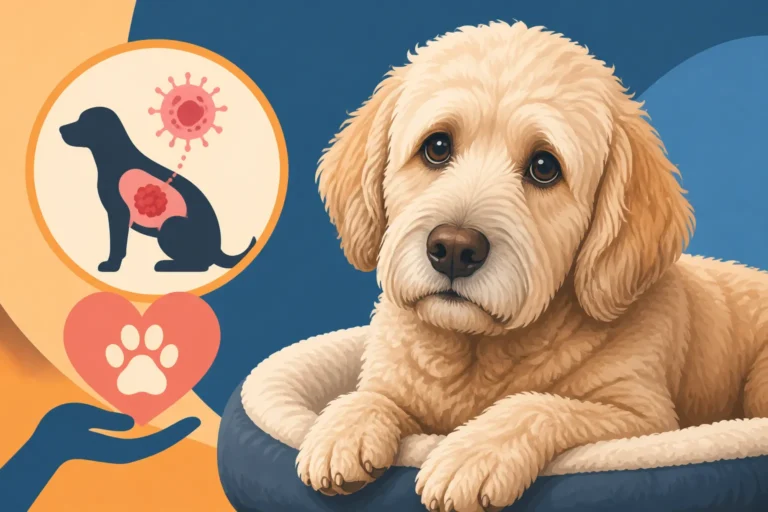
Sebaceous Adenitis (SA) is one of those frustrating, often misunderstood conditions that can really test an owner's patience and dedication. It's not just a simple case of dry skin or an allergy; it's a complex autoimmune disorder that specifically targets the sebaceous glands, which are tiny glands in the skin responsible for producing sebum – the natural oils that keep your dog's skin and coat healthy and supple.
What Exactly Is Sebaceous Adenitis?
Think of it this way: your Labradoodle's sebaceous glands are like mini-oil refineries, constantly working to keep their magnificent coat moisturized and protected. With Sebaceous Adenitis, for reasons we don't fully understand, the immune system mistakenly identifies these healthy glands as foreign invaders and launches an attack. This attack leads to inflammation, destruction of the glands, and eventually, a severe deficiency in sebum production. The result? A coat that loses its natural luster, becomes dry, brittle, and often scaly, leading to hair loss and discomfort.
It’s a truly frustrating diagnosis because the initial signs can be so subtle and easily mistaken for other, less serious issues. Many owners initially think their dog just has really bad dandruff or a persistent allergy. But without those vital oils, the skin becomes vulnerable, and the coat can really suffer, often developing a strong, unpleasant odor as secondary infections take hold. This progressive nature means that what starts as a mild cosmetic issue can quickly escalate into a painful dermatological crisis, making it crucial to understand.
The Genetic Link and Labradoodle Susceptibility
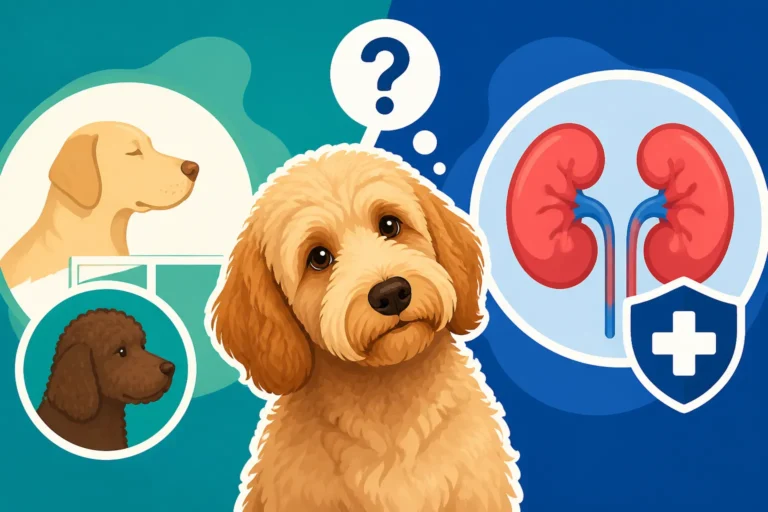
While Sebaceous Adenitis can technically affect any dog, some breeds have a clear genetic predisposition, meaning it's more prevalent in their lines. Breeds like the Standard Poodle, Akita, Samoyed, and Vizsla are particularly well-known for it. And since our beloved Labradoodles have that wonderful Standard Poodle lineage woven into their very DNA, they, unfortunately, inherit a higher susceptibility to SA.
It’s a common misconception that "hybrid vigor"—the idea that mixed breeds are inherently healthier—makes Labradoodles immune to such conditions. While hybrid vigor can certainly bring benefits, it doesn't magically erase every genetic predisposition from their parent breeds. When both parent breeds carry genes for certain conditions, or in the Labradoodle's case, one parent breed (the Poodle) has a known prevalence for a condition like SA, the offspring can absolutely be affected. This is why understanding your Labradoodle's full genetic background and asking about the health history of their Poodle ancestors is so important. Responsible breeders strive to screen their breeding stock to reduce the risk of passing on such challenging conditions.
Common Areas Where SA Manifests on a Labradoodle's Skin
When you're dealing with Sebaceous Adenitis, the symptoms tend to follow a particular pattern, often starting in specific areas before potentially spreading. Knowing these typical hotspots can help you identify changes early and seek veterinary advice sooner rather than later.
The Tell-Tale Signs on the Dorsal Midline and Head
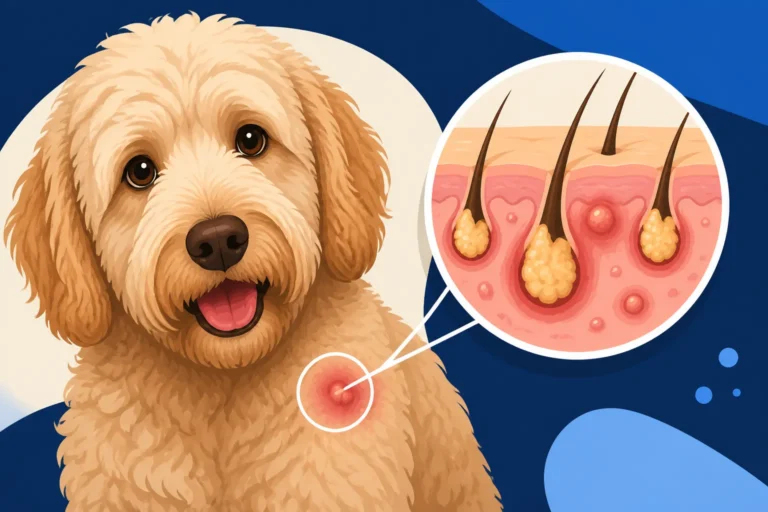
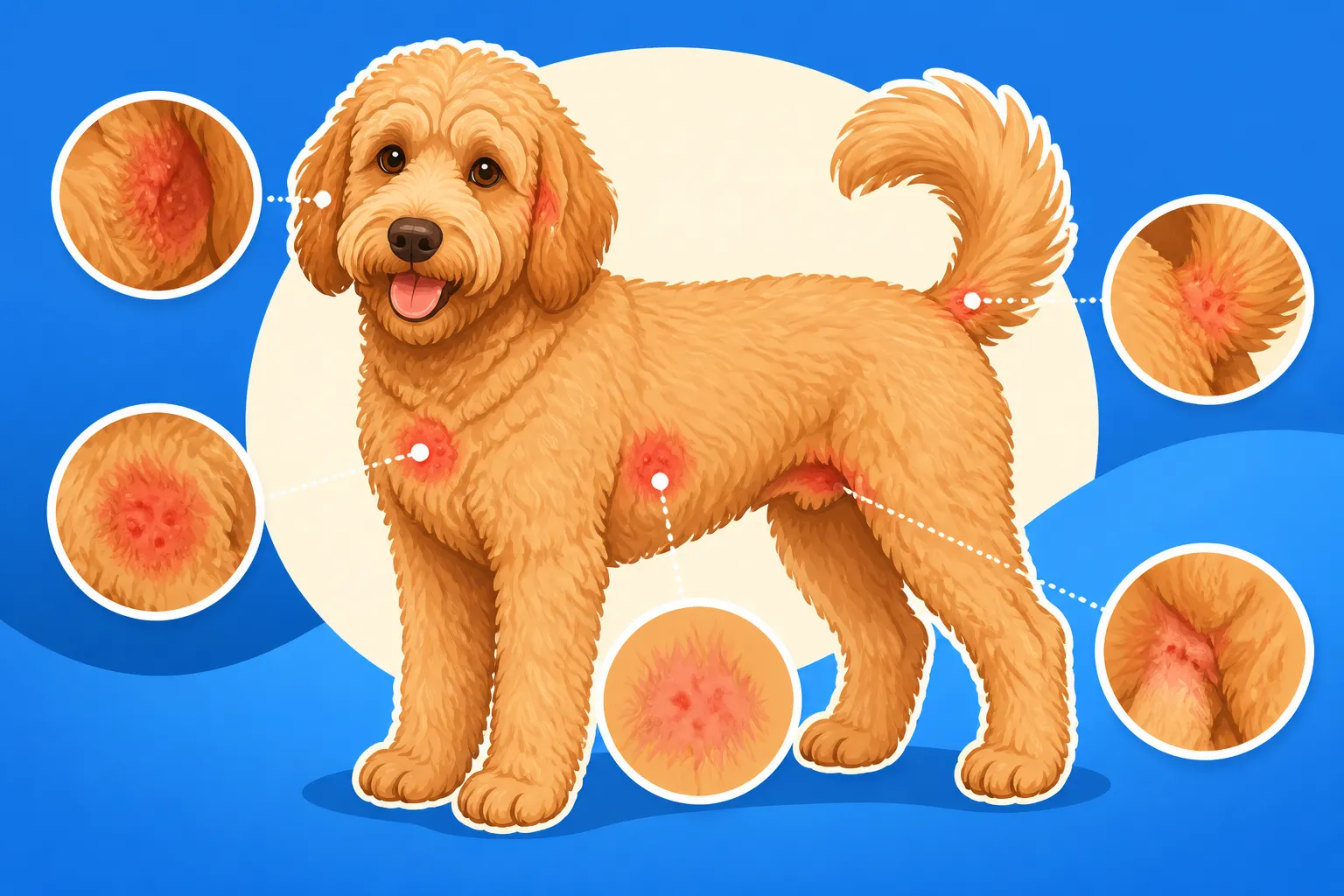
For many Labradoodles affected by SA, the first places you might notice changes are along their dorsal midline—that's the line running down their back from the neck to the tail—and on their head, particularly around the top of the head and over the ears. Owners often describe the coat in these areas initially becoming dry and brittle, losing that characteristic Labradoodle shine. You might see small, fine scales, almost like dandruff, sticking to the hair shafts or flaking off onto furniture.
As the condition progresses, you'll start to see more obvious hair loss, often in symmetrical patches. The hair might break easily, leaving sparse or completely bald areas. Imagine brushing your Labradoodle, and instead of just collecting loose undercoat, you're seeing actual patches of thinned-out hair, sometimes with small, raised bumps or crusts beneath. It's incredibly frustrating, especially when your Labradoodle's magnificent coat is such a defining feature. This is often where owners first notice something isn't right, wondering, "Why does my Labradoodle's coat thins in patches?" The ears can also be particularly affected, with scaling and hair loss on the outer ear flaps, making them feel rough to the touch.
Lesions on the Trunk, Tail, and Ear Flaps
While the back and head are primary locations, SA doesn't stop there. The dry, scaly patches and hair loss can extend to other areas of the body, including the main trunk, the base of the tail, and even the chest and flanks. The skin in these affected regions can become noticeably thickened, greasy, and develop crusts. These crusts are often a mixture of dried sebum, dead skin cells, and sometimes exudate from secondary bacterial or yeast infections that thrive on compromised skin. The condition can look quite unsightly and cause significant discomfort.
A classic sign at the base of the tail is a 'rat tail' appearance, where the tail loses its bushy hair and becomes thin and scaly. Your Labradoodle might be persistently scratching, rubbing, or even biting at these areas due to the intense itching and irritation. It's a vicious cycle: the compromised skin barrier leads to itching, scratching further damages the skin, and opens the door for infections. These secondary infections can make the skin feel incredibly greasy and emit a strong, unpleasant odor, making snuggles less appealing and adding to your dog's misery. It’s hard to watch your otherwise happy dog constantly seeking relief from discomfort.
Recognizing the Progression of Sebaceous Adenitis
Sebaceous Adenitis isn't a condition that suddenly appears overnight in its full-blown severity. It typically unfolds in stages, and being able to spot those early, subtle changes can make a world of difference in your Labradoodle's comfort and the eventual manageability of the disease.
Initial, Subtle Changes Often Missed
In its earliest stages, Sebaceous Adenitis can be incredibly sneaky, mimicking much more common and less serious skin issues. You might first notice a slight dullness to your Labradoodle's coat, a loss of its characteristic sheen and bounce. It might feel a bit coarser or drier than usual. When you run your hands through their fur, you might feel a fine, dusty scaling, similar to mild dandruff, especially along their back. Sometimes, the hair might seem a little thinner in certain spots, but not alarmingly so.
These initial signs are often dismissed as simple dry skin, seasonal allergies, or even just a reaction to a new shampoo. Owners might try switching foods, adding supplements, or increasing baths, only to find the problem persists or slowly worsens. This period of misinterpretation is understandable but can delay a proper diagnosis. It’s during this phase that you might start to wonder about the age Sebaceous Adenitis appears in a Labradoodle, often finding it strikes in young to middle-aged dogs, typically between one and five years old. Early detection, before significant gland destruction occurs, is paramount for better long-term outcomes and managing the condition effectively.
Advanced Symptoms and Secondary Infections
Unfortunately, if the early signs are missed or misdiagnosed, Sebaceous Adenitis will almost certainly progress. As more sebaceous glands are destroyed, the skin loses its ability to produce essential oils, becoming increasingly dry, scaly, and inflamed. The hair loss becomes much more pronounced, leading to large, symmetrical bald patches, particularly along the back, head, and base of the tail. The remaining hair often looks brittle, clumped, and dull.
The skin itself can become visibly thickened, crusted, and hyperpigmented (darkened) from chronic inflammation. Due to the compromised skin barrier, secondary bacterial and yeast infections are almost inevitable. These infections can cause intense itching, redness, pustules, and a very strong, often yeasty or musty odor that permeates the coat. At this stage, your Labradoodle will be in significant discomfort, their quality of life severely impacted. They might be constantly scratching, restless, and generally miserable. Managing these advanced symptoms requires a much more aggressive and comprehensive approach from your veterinarian, including treatment for the underlying SA and any secondary infections. It's a tough road, and the thought of such ongoing vet bills is where many owners appreciate pet insurance plans like those from Healthy Paws.
Differentiating SA from Other Labradoodle Skin Issues
One of the biggest challenges with Sebaceous Adenitis is that its symptoms overlap significantly with many other common dermatological conditions in dogs. This is why a definitive diagnosis from your vet is so crucial, rather than just guessing.
Allergies and Their Overlap with SA Symptoms
Allergies are rampant among dogs, and Labradoodles are certainly not immune. Environmental allergies (atopy), food allergies, and flea allergies can all cause a frustrating array of skin issues that might initially look like SA. Common symptoms of allergies include intense itching, redness, recurrent ear infections, and secondary bacterial or yeast infections, leading to hair loss from constant scratching and biting. You might think, "My Labradoodle's itching must be allergies," and you wouldn't be alone.
However, there are subtle differences. While both conditions can cause hair loss and scaly skin, SA often presents with more distinct, symmetrical patterns of scaling and follicular casting (waxy debris adhering to the hair shaft) in specific areas like the dorsal midline and head, often before the intense generalized itching associated with widespread allergies. With allergies, the itching often starts first, leading to skin irritation and then secondary issues. SA's primary issue is the destruction of glands, leading to dry, scaly skin that then becomes itchy and prone to infection. A thorough history and specific diagnostic tests are needed to tease them apart.
Thyroid Issues and Other Dermatological Conditions
Beyond allergies, other conditions can also mimic SA, adding to the diagnostic confusion. One common culprit is thyroid failure in a Labradoodle, or hypothyroidism. A low thyroid hormone level can lead to a dull, dry, and brittle coat, thinning hair, and sometimes symmetrical hair loss, particularly over the trunk. The skin can become thickened and even greasy in some hypothyroid dogs. While the hair loss pattern might be similar to SA, there's usually a lack of the characteristic follicular casting or intense scaling seen with SA, and other signs like lethargy or weight gain might be present with hypothyroidism.
Other dermatological conditions like demodectic mange (caused by mites), fungal infections (ringworm), or nutritional deficiencies can also present with hair loss, scaling, and poor coat quality. This is why a comprehensive workup is essential. Your vet will rule out these more common issues first before considering rarer conditions like SA. It can be a long and sometimes expensive diagnostic journey, so having a good pet insurance policy like Healthy Paws can be a real lifesaver during these periods of uncertainty.
Diagnostic Steps and Management Strategies
Once your vet suspects Sebaceous Adenitis, the next step is confirming the diagnosis. This isn't usually something that can be done with a simple blood test; it requires a specific procedure to examine the skin tissue itself.
The Definitive Diagnosis: Skin Biopsy
The gold standard for diagnosing Sebaceous Adenitis is a skin biopsy. This involves your veterinarian taking small samples of affected skin from your Labradoodle, usually under local anesthetic and sometimes light sedation, and sending them to a specialized veterinary pathologist. The pathologist then examines these tissue samples under a microscope to look for the characteristic signs of sebaceous gland destruction and inflammation. This is the skin biopsy that confirms adenitis in a Labradoodle.
The biopsy is crucial because, as we've discussed, SA can look so much like other conditions. Without this definitive test, you could be treating your dog for the wrong problem, leading to prolonged suffering and wasted effort. It removes the guesswork and provides a clear path forward for targeted treatment. While it might sound daunting, it's a relatively minor procedure, and the information it provides is invaluable for your Labradoodle's long-term health and comfort.
To illustrate the nuances, here's a quick comparison of symptoms for common skin issues:
| Symptom / Condition | Sebaceous Adenitis (SA) | Allergies (Environmental/Food) | Hypothyroidism |
|---|---|---|---|
| Primary Issue | Autoimmune destruction of sebaceous glands | Immune reaction to allergens (pollen, food, etc.) | Insufficient thyroid hormone production |
| Itching | Moderate to severe, especially with secondary infection | Intense, often generalized, persistent | Mild to moderate, secondary to dry skin |
| Hair Loss Pattern | Symmetrical patches, especially dorsal midline, head, tail | Patchy, often where dog scratches/chews, generalized | Symmetrical, often trunk, flanks, "rat tail" |
| Skin Appearance | Dry, scaly, greasy, follicular casts, thickened, crusts | Red, inflamed, thickened, hyperpigmented, oily/dry | Dry, thickened, sometimes scaly or greasy, cold to touch |
| Coat Texture | Dull, brittle, sparse | Dull, coarse, greasy or dry | Dull, dry, brittle, poor regrowth |
| Odor | Often strong, musty/yeasty from secondary infection | Strong, yeasty, or bacterial odor from infection | Mild to none, unless secondary infection |
| Key Diagnostic Test | Skin Biopsy | Allergy testing (blood/skin), elimination diet | Blood test (Thyroid panel) |
Managing Sebaceous Adenitis for Your Labradoodle
Once diagnosed, managing Sebaceous Adenitis becomes a lifelong commitment. There's currently no cure, but the good news is that with consistent treatment, many Labradoodles can live comfortable, happy lives. The cornerstone of treatment often involves a combination of topical and sometimes oral therapies. Topical treatments are vital because they directly address the skin's lack of natural oils. This often includes regular oil soaks for a Labradoodle with Sebaceous Adenitis, using therapeutic oils like mineral oil or baby oil, followed by specialized medicated shampoos to remove scales and cleanse the skin. These baths need to be thorough and often.
In some cases, your vet might prescribe oral medications. These could include fatty acid supplements to support skin health, or in more severe cases, immunosuppressants like cyclosporine (Atopica) to temper the overactive immune system attacking the glands. Cyclosporine can be very effective but also quite expensive, making it another area where pet insurance like Healthy Paws can significantly ease the financial burden. The goal is to reduce inflammation, replenish skin moisture, and prevent or treat secondary infections, all of which contribute to your Labradoodle’s comfort and well-being. This isn't a quick fix; it's a marathon, requiring patience, dedication, and close collaboration with your veterinary team.
Living with a Labradoodle with Sebaceous Adenitis
Being an owner of a Labradoodle with Sebaceous Adenitis means becoming an expert in their skin and coat care. It's a journey that requires consistency, attention to detail, and a deep well of empathy for your furry friend.
Daily Care and Grooming Adjustments
The grooming routine for a Labradoodle with SA will look quite different from that of a healthy dog. Forget the idea of quick brushes; you'll be spending significant time on specialized care. Regular, often frequent, bathing with medicated shampoos and follow-up conditioning treatments are crucial. These aren't just cosmetic; they help remove scales, soothe irritated skin, and prevent secondary infections. Learning how to properly apply and rinse these products, ensuring you get right down to the skin, is essential.
Oil soaks, as mentioned, are a cornerstone. This might involve applying oils to the coat, letting them sit for several hours, and then following up with a bath. This process can be messy and time-consuming, but it’s vital for replacing lost oils. Gentle brushing will also be part of the routine, but you’ll need to be extra careful to avoid irritating sensitive skin or pulling on brittle hairs. Some Labradoodles might require special clipping to keep their coat short, which can make managing the topical treatments easier, though it's important to remember whether a Labradoodle should ever be shaved, as this can impact coat regrowth and sun protection. Patience and consistency are your best friends here. It can be a real challenge to maintain their beautiful coat, and even a professional groomer might refuse a matted Labradoodle if the SA is severe, making home care even more critical.
Emotional Support and Financial Preparedness
Living with a chronic condition like Sebaceous Adenitis can take an emotional toll on both your Labradoodle and you. It's hard to see your dog uncomfortable, itchy, or with a coat that's a shadow of its former glory. There will be good days and bad days, and setbacks are a normal part of managing a chronic disease. Having a strong, empathetic relationship with your veterinarian is invaluable; they are your partners in this journey, offering guidance, adjusting treatments, and providing much-needed support.
Beyond the emotional aspect, there’s the undeniable financial reality. Lifelong medications, specialized shampoos, frequent vet visits, and potential treatments for secondary infections can add up quickly. This is where financial preparedness becomes so important. Having pet insurance, like a policy from Healthy Paws, which covers chronic conditions, can provide immense peace of mind and help ensure you can afford the best possible care for your Labradoodle without having to make heartbreaking decisions based on cost. While you might wonder if an Addisonian Labradoodle needs an emergency plan, the same principle applies here – chronic conditions demand ongoing resources. It’s an investment in your dog’s quality of life, allowing you to focus on their comfort and happiness rather than worrying about the bills.
Disclaimer
This article is for general informational purposes only and does not constitute professional advice. Laws, prices and regulations vary by location and change over time. Consult a qualified professional for guidance on your specific situation.