The Vague Signs of Addison’s in a Labradoodle
One of the toughest challenges any Labradoodle owner can face is when their beloved companion isn't quite right, but the signs are so subtle and fleeting that you can’t put your finger on it. This insidious problem often points to conditions like Addison's disease, a hormonal imbalance notoriously difficult to diagnose because its symptoms mimic so many other common ailments. This comprehensive guide will walk you through the vague, often frustratingly inconsistent indicators of Addison's in Labradoodles, empowering you to recognize the whispers before they become shouts.
Understanding Addison's Disease in Labradoodles
Addison's disease, also known as hypoadrenocorticism, is a tricky condition where your dog's adrenal glands don't produce enough hormones, particularly cortisol and aldosterone. These hormones are essential for managing stress, regulating metabolism, and maintaining electrolyte balance. When they're deficient, the body struggles to function properly, leading to a wide range of non-specific symptoms that can make diagnosis feel like searching for a needle in a haystack.
A Silent Thief: Why Addison's is So Tricky
Imagine having a headache one day, feeling fine the next, then experiencing a stomach ache the day after, only for it all to clear up. That's often what it's like trying to spot Addison's. The disease rarely hits with obvious, consistent symptoms right out of the gate. Instead, it often progresses slowly, and the signs can come and go, waxing and waning in severity. This makes it incredibly easy for owners to dismiss early indicators as "just a bug," a minor upset stomach, or simply an off day. You might think your Labradoodle ate something they shouldn't have, or that they're a bit tired from a long walk, when in reality, something more serious is brewing beneath the surface. This intermittent nature is precisely why Addison's is often called "the great imitator" of canine medicine.
What further complicates matters is that many of the early symptoms are things every dog experiences from time to time. A momentary bout of lethargy, a skipped meal, or a bit of vomiting after too much grass are all common dog occurrences. It's the persistent pattern of these seemingly unrelated issues, or their recurrence without a clear cause, that should raise a red flag for Addison's. Because the adrenal glands aren't producing enough cortisol, your dog's body struggles to cope with everyday stress, making them more susceptible to showing these non-specific signs when faced with even minor changes or excitement.
The Poodle Connection: Inherited Risk
It’s no secret that Labradoodles inherit traits from both their Labrador Retriever and Poodle parents. While we love them for their cleverness and charming personalities, some genetic predispositions also come along for the ride. When it comes to Addison's disease, the Poodle side of their lineage is particularly relevant. Standard Poodles, in particular, are known to have a higher incidence of primary hypoadrenocorticism compared to many other breeds.
This means that if your Labradoodle has a strong Poodle heritage, especially if a Standard Poodle was used in their breeding, they might carry a genetic predisposition to developing Addison's. While not every Labradoodle will inherit the condition, understanding this increased risk is crucial for proactive owners. Being aware of the genetic link helps you stay vigilant for the subtle signs, especially if you know the health history of your dog's Poodle ancestors. For a deeper dive into this, you might find our guide on Addison's Disease a Labradoodle Inherits From the Poodle quite insightful.
Common, Yet Vague, Early Symptoms
When Addison's first starts to manifest, the symptoms are rarely dramatic. They're more like quiet whispers, easily overlooked or mistaken for the normal ups and downs of pet ownership. This is why paying close attention to any changes in your Labradoodle's routine or demeanor, no matter how minor, is absolutely key.
Fluctuating Energy Levels and Lethargy
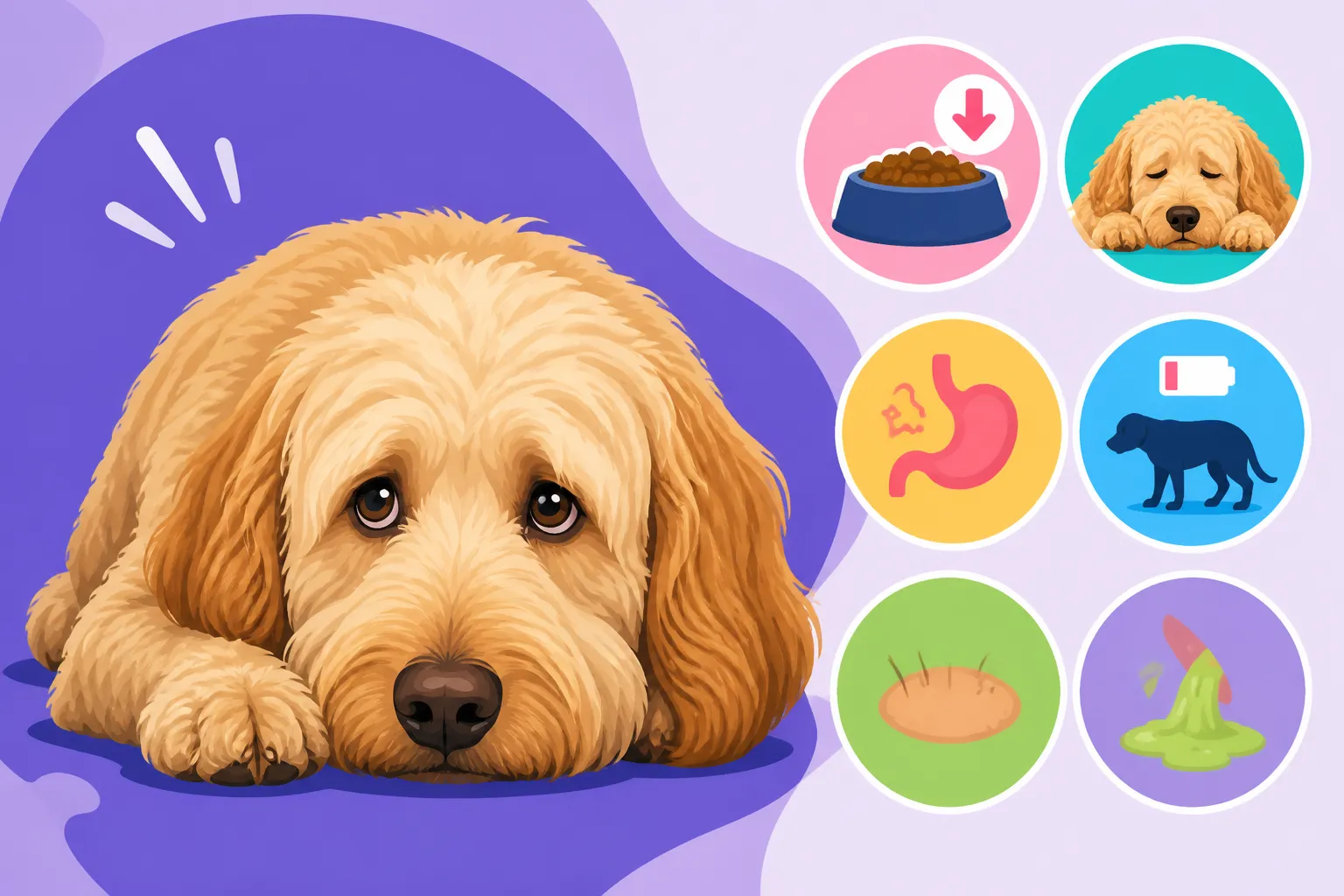
One of the most frequently observed early signs in Labradoodles with Addison's is a noticeable, yet inconsistent, change in their energy levels. It’s not usually a sudden, dramatic collapse into constant exhaustion. Instead, you might see your typically playful, energetic Labradoodle having days where they seem just a bit "off." They might sleep more than usual, be less enthusiastic about their favorite walk, or seem generally subdued. The frustrating part is that these periods of lethargy often alternate with days where they seem perfectly normal, bouncing around with all their usual zest.
This "on-again, off-again" energy drain is a hallmark of Addison's. Owners often describe it as their dog seeming tired, lazy, or just not quite themselves for a few days, only to perk up and act perfectly fine again. This fluctuation makes it incredibly hard to pinpoint a problem, as you might attribute the lethargy to a busy week, a slight change in weather, or simply your dog having an "off day." If you notice this pattern of unexplained, intermittent tiredness, especially if it seems to be getting more frequent or pronounced, it’s definitely something to discuss with your vet.
Gastrointestinal Upset: More Than Just a "Bad Tummy"
Digestive issues are common in dogs, and it's easy to dismiss a bit of vomiting or diarrhea as a fleeting upset stomach. However, in the context of Addison's disease, these gastrointestinal symptoms tend to be recurrent and equally vague. Your Labradoodle might experience intermittent bouts of vomiting, which could range from mild regurgitation to more significant episodes. Similarly, diarrhea can come and go, sometimes mild, sometimes more severe, often resolving on its own only to reappear a few days or weeks later.
Alongside these, you might notice a fluctuating appetite. Your dog might skip a meal, eat less than usual, or even go a full day without much interest in food, only to devour their next meal with enthusiasm. This inconsistent eating can be particularly perplexing. Because these signs are so non-specific and often resolve temporarily, many owners try various home remedies or assume their dog has a sensitive stomach or ate something questionable. However, if your Labradoodle is frequently experiencing these seemingly isolated GI issues without a clear dietary indiscretion or other obvious cause, it's a significant indicator that should prompt a conversation with your veterinarian.
Subtle Behavioral and Physical Changes to Watch For
Beyond general lethargy and stomach issues, Addison's can manifest in more subtle ways that often go unnoticed until they become more pronounced. These changes can impact your Labradoodle's physical capabilities and even their enthusiasm for life.
Unexplained Weakness or Shaking
Have you ever noticed your Labradoodle seeming a little wobbly or weak, perhaps after a short burst of activity or even just standing up? This subtle weakness or occasional shaking can be an early, often overlooked, sign of Addison's. It's not usually a full-blown seizure or constant tremor, but more like a brief moment of instability, particularly in their hindquarters, or a slight tremor in their legs. Owners might dismiss this as simple fatigue, a minor muscle strain, or even just old age creeping in, especially if their dog is past its puppy prime.
These episodes of weakness might occur after seemingly normal exercise, during moments of excitement, or even when your dog is simply trying to settle down. The body's inability to properly regulate electrolytes and manage stress due to hormone deficiency can lead to muscle weakness and tremors. It's often inconsistent, making it hard to catch, but if you start noticing your Labradoodle faltering a bit, appearing unusually stiff, or trembling slightly without an obvious reason, it’s a sign worth documenting and discussing with your vet.
Increased Thirst and Urination PU/PD
Another classic, yet often vague, symptom across many canine health issues is increased thirst (polydipsia) and increased urination (polyuria), often abbreviated as PU/PD. While many things can cause a dog to drink and pee more, from warm weather to kidney issues or diabetes, it can also be a sign of Addison's disease. The imbalance of electrolytes, particularly sodium and potassium, can affect the kidneys' ability to concentrate urine, leading to greater fluid loss and a compensatory increase in thirst.
For a Labradoodle, who might already love splashing in water or seems perpetually thirsty, it can be incredibly difficult to distinguish a normal level of drinking from an excessive one. You might notice their water bowl emptying faster, or that they need to go outside more frequently, including needing more nighttime potty breaks. Because this is such a common symptom in so many conditions, it's easily dismissed or attributed to other factors. However, if you observe a persistent increase in your Labradoodle's water intake and urination that can't be explained by obvious factors like a change in diet, weather, or exercise, it's another piece of the puzzle that points towards a possible underlying condition like Addison's. You might also want to look into Telling Cushing's From Addison's in a Labradoodle, as Cushing's can also present with similar symptoms.
A Reluctance to Play or Exercise
Your Labradoodle, typically a breed known for its love of fetch, long walks, and generally being a happy-go-lucky companion, might suddenly seem less interested in their usual activities. This isn't always a dramatic refusal, but a subtle waning of enthusiasm. They might still go for a walk, but they're lagging behind more. They might pick up the ball but drop it sooner, or just lie down instead of chasing it. These moments are often fleeting, interspersed with periods where they seem perfectly fine, making it difficult to recognize a consistent pattern.
You might find yourself making excuses – "Oh, they must be tired from yesterday's park trip," or "Maybe they're just getting older." While these could be valid reasons, a persistent pattern of decreased enthusiasm for activities they once loved should prompt concern. The lack of crucial adrenal hormones means their body struggles with energy regulation and stress response, making even moderate physical exertion feel like a monumental task. If your usually vibrant Labradoodle is increasingly opting out of playtime, seems unusually subdued on walks, or generally lacks their former spark, it's a significant indicator of an underlying issue that deserves professional attention.
Progressive Signs That Ring Louder Alarms
As Addison's disease progresses, the vague signs tend to become more consistent and more concerning. While still not always clear-cut, these indicators should certainly prompt an urgent visit to your veterinarian. These are the stages where the "silent thief" starts to make itself more known.
Weight Loss Despite Eating Normally
One of the more perplexing and concerning signs that can develop as Addison's progresses is unexplained weight loss, even when your Labradoodle appears to be eating their regular meals. You might be carefully measuring their food, and they might be cleaning their bowl, yet you notice their ribs becoming more prominent, their waist tucking in, or simply a general loss of muscle mass and condition. This can be incredibly frustrating and confusing for owners, who are often diligent about their dog's nutrition.
This phenomenon occurs because the chronic hormonal imbalance affects metabolism and nutrient absorption. Even if food is being consumed, the body isn't processing it efficiently, or the underlying illness is increasing their metabolic needs. Coupled with intermittent vomiting or diarrhea, this can lead to a steady decline in body weight. If you're feeding your Labradoodle appropriately and they're still losing weight, it's a serious red flag that warrants immediate veterinary investigation. This kind of unexplained weight loss is rarely benign and can point to Addison's or other significant health issues.
Poor Coat Condition and Slow Healing
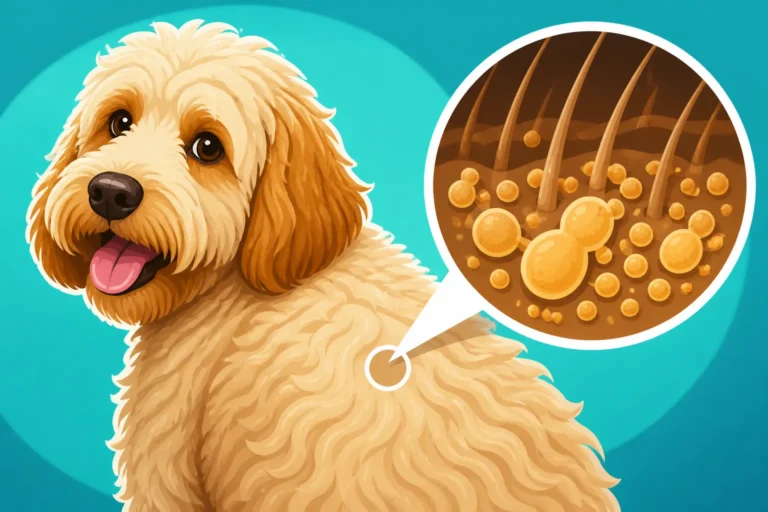
The health of your Labradoodle's coat is often a fantastic indicator of their overall well-being. A glossy, well-kept coat usually means a healthy dog. However, with Addison's disease, you might start noticing a deterioration in your Labradoodle's coat quality. It might become dull, dry, brittle, or even start to thin in patches, especially along the flanks or over pressure points. This isn't usually the dramatic hair loss seen in some other conditions, but a more subtle, generalized lack of vibrancy. The skin itself might also become dry or flaky.
Beyond just the coat, the body's impaired ability to produce adequate hormones can also affect its healing capacity. If your Labradoodle gets a minor cut, scrape, or hot spot, you might notice that it takes an unusually long time to heal. Small wounds might seem to linger, or even become more prone to secondary infections, despite your best efforts at care. These subtle skin and coat changes, combined with slow healing, might prompt you to consider issues like Thyroid Failure Behind a Labradoodle's Coat Loss or Sebaceous Adenitis in a Labradoodle's Skin, but it's important to remember that Addison's can also play a role in these symptoms, signaling a systemic problem.
Slowed Heart Rate or Weak Pulse
These are more serious and less common signs for an owner to notice without specific training, but they are critical indicators that a veterinarian will look for, especially if they suspect an Addisonian crisis. A normal resting heart rate for a dog typically ranges from 60 to 140 beats per minute, depending on size. With Addison's disease, particularly as the condition progresses or during an acute crisis, the heart rate can become abnormally slow (bradycardia). This happens due to the severe electrolyte imbalances, particularly high potassium levels (hyperkalemia), which can directly affect heart function.
While you might not be regularly checking your Labradoodle's pulse, if you ever find yourself in a situation where they are extremely lethargic or weak, a very slow or thready pulse could indicate a critical problem. A weak pulse means the blood flow is diminished, and it feels faint or difficult to detect. These signs are almost always accompanied by other severe symptoms and indicate that your Labradoodle is in urgent need of professional medical intervention. If your vet notes these cardiac irregularities during an examination, especially when combined with other suspicious symptoms, it strongly supports a diagnosis of Addison's.
The Addisonian Crisis: When Vague Becomes Urgent
Sometimes, the insidious nature of Addison's means that the subtle, fluctuating signs are missed entirely, or dismissed until the disease reaches a critical point: an Addisonian crisis. This is a life-threatening emergency where the body's hormonal systems completely crash, demanding immediate veterinary attention.
The Sudden Collapse: A Critical Emergency
An Addisonian crisis is a terrifying experience for any pet owner. This is where the "vague" signs vanish, replaced by a sudden, acute onset of severe symptoms that leave no doubt about the gravity of the situation. Your Labradoodle, who might have seemed just a bit off a day or two ago, can suddenly collapse. This isn't just lying down tired; it's a profound weakness where they may be unable to stand or move. They might be in a state of severe shock, appearing cold, unresponsive, and their gums might be pale.
Accompanying the collapse are often severe gastrointestinal symptoms: violent, persistent vomiting and explosive, watery diarrhea. This rapid fluid loss further exacerbates the shock. They might also exhibit painful abdominal cramping, muscle tremors, and an extremely slow or irregular heart rate. This critical emergency is often triggered by a stressful event – a visit to the groomer, a new environment, a minor injury, or even a change in routine – which the already compromised adrenal glands simply cannot handle. Our article on The Signs Owners Miss Before a Labradoodle Crashes offers further insight into these critical moments.
Recognizing the Urgency: Immediate Vet Care
If your Labradoodle exhibits any of the signs of an Addisonian crisis – sudden collapse, profound weakness, severe and persistent vomiting and diarrhea, extreme lethargy, or signs of shock (pale gums, cold extremities) – it is an absolute emergency. This is not a "wait and see" situation. These symptoms mean your dog's body is in critical distress and requires immediate veterinary intervention to stabilize their condition and prevent organ damage or death.
When you arrive at the emergency veterinary clinic, be sure to provide as much history as possible, even the seemingly insignificant, vague symptoms you might have noticed in the weeks or months leading up to the crisis. This detailed history can provide crucial clues for the veterinary team. Rapid diagnosis and treatment, which typically involves intravenous fluids, corticosteroids, and electrolyte correction, are essential for survival. Being prepared for such an emergency, both emotionally and financially, can make all the difference. Knowing the potential costs, like those detailed in What an Addisonian Crisis Costs Overnight, can help you plan.
What to Do If You Suspect Addison's
Suspecting Addison's disease is often a more challenging emotional journey than with other conditions, precisely because of its elusive nature. You're constantly second-guessing yourself, wondering if you're overreacting to normal dog behavior. However, listening to your gut and taking proactive steps is crucial.
The Importance of a Detailed History
When you visit your veterinarian with concerns about vague, intermittent symptoms, the most valuable tool you can provide is a detailed history of what you've observed. Veterinarians often rely heavily on an owner's observations, especially for conditions like Addison's where diagnostic tests might not immediately show abnormalities. It's incredibly helpful to keep a small journal or notes on your phone detailing:
- What symptoms you've seen: Be specific. "Lethargy" is less helpful than "He slept through his usual morning walk time for three days this week and wouldn't pick up his ball."
- When they occurred: Note dates and times.
- How long they lasted: Did the vomiting stop after an hour, or did it go on all day?
- What might have triggered them: Was there a stressful event? A new food?
- How often they recurred: This intermittent nature is key.
- Any associated changes: Did they stop eating? Drink more water?
Even if the symptoms seem trivial in isolation, their recurring nature or the pattern you describe can be the missing piece of the puzzle that guides your vet toward the correct diagnosis. Don't be afraid to sound overly observant; for Addison's, every detail counts.
Diagnostic Steps: Beyond the Routine Bloodwork
If your veterinarian suspects Addison's based on your detailed history and initial physical exam, they won't typically stop at routine bloodwork. While standard blood tests might show some suggestive abnormalities like electrolyte imbalances (high potassium and low sodium), mild anemia, or elevated kidney values, these aren't definitive. Many conditions can cause similar blood changes.
The gold standard for diagnosing Addison's disease is the ACTH (Adrenocorticotropic Hormone) stimulation test. This test measures the adrenal glands' ability to produce cortisol. It involves taking a baseline blood sample, then administering a synthetic ACTH hormone, and taking another blood sample an hour or two later. In a healthy dog, the adrenal glands will "stimulate" and produce a surge of cortisol. In a dog with Addison's, the cortisol levels will remain low, indicating that the adrenal glands are not functioning properly. This definitive test is crucial because it provides a clear answer, allowing you and your vet to move forward with a treatment plan. For more in-depth information on this, you might want to read The ACTH Test That Confirms Addison's in a Labradoodle.
Planning for the Unexpected: Pet Insurance
Let's be real, navigating a chronic illness like Addison's can be incredibly expensive. From diagnostic tests like the ACTH stimulation test to emergency crisis care and ongoing daily medication, the costs can add up quickly and unexpectedly. This is where having a reliable pet insurance plan can be an absolute game-changer. Imagine the stress of an emergency vet visit for an Addisonian crisis, layered with the anxiety of mounting medical bills.
Companies like Healthy Paws offer comprehensive pet insurance plans that can help alleviate this financial burden. They can cover a significant portion of unexpected illnesses, accidents, and even some chronic conditions, allowing you to focus on your Labradoodle's health rather than worrying about the cost of every test or medication. Knowing you have that safety net in place means you're more likely to pursue every diagnostic avenue and provide the best possible care without hesitation. It's an investment in your peace of mind and your furry friend's well-being.
Managing Your Labradoodle's Health with a Proactive Approach
Once Addison's disease is diagnosed, it's not the end of the world. While it's a chronic condition, it is highly manageable with proper care and medication. A proactive approach is key to ensuring your Labradoodle can live a full, happy life.
Regular Vet Check-ups: Your First Line of Defense
Even if your Labradoodle seems perfectly healthy, regular veterinary check-ups are paramount, especially given the vague nature of conditions like Addison's. These routine visits allow your vet to perform a thorough physical examination, listen to your concerns, and potentially catch subtle changes before they escalate. They might notice a slight weight loss you hadn't registered, a change in coat quality, or an abnormal heart rhythm during a routine exam.
For Labradoodles, like all breeds, these yearly (or even bi-annual for seniors) appointments are an opportunity for preventative care, vaccinations, and crucial conversations about any shifts in behavior or physical health. If your Labradoodle is already on medication for Addison's, these visits are vital for monitoring their condition, adjusting dosages, and ensuring their overall well-being. The guide on The Yearly Screening a Labradoodle Should Get offers excellent advice on what to expect during these important appointments.
Lifestyle Adjustments and Stress Management
While Addison's disease is managed primarily with medication, lifestyle adjustments can play a significant role in supporting your Labradoodle's health, particularly in minimizing the risk of an Addisonian crisis. Dogs with Addison's are less able to cope with stress because their bodies can't produce enough cortisol, the natural "stress hormone." Therefore, creating a calm, predictable environment for your Labradoodle is incredibly beneficial.
This might mean avoiding overly chaotic situations, ensuring a consistent daily routine, and providing a safe, quiet space for them to retreat to if things get too stimulating. If you know a potentially stressful event is coming up (like a trip to the vet, fireworks, or visitors), discuss with your veterinarian if a temporary adjustment to their medication might be advisable to help them cope. Understanding Whether an Addisonian Labradoodle Needs an Emergency Plan and how to manage stress are important facets of their long-term care. Living with Addison's is a marathon, not a sprint, and our article on Life on Daily Medication for an Addisonian Labradoodle delves into the day-to-day realities.
Financial Preparedness: Healthy Paws and Peace of Mind
The diagnosis of a chronic illness like Addison's can be a huge emotional and financial blow. The ongoing cost of medication, regular blood tests to monitor electrolyte levels, and potential emergency visits can quickly become overwhelming. This is where pet insurance, specifically from a provider like Healthy Paws, really shines as a proactive measure for peace of mind.
By having a robust pet insurance plan in place, you are financially prepared for the long haul. You won't have to make heartbreaking decisions based on your wallet when your Labradoodle needs crucial medical attention. Healthy Paws can cover chronic conditions, ensuring that your Labradoodle receives the best possible treatment throughout their life without you having to dip into emergency savings constantly. It means you can always say "yes" to the necessary care, whether it's routine medication, an unexpected vet visit, or even specialized treatment. It truly allows you to focus solely on your beloved Labradoodle's comfort and well-being.
| Symptom Category | Mild/Vague Early Signs | More Serious/Crisis Signs |
|---|---|---|
| Energy & Behavior | Intermittent lethargy, increased sleep, reluctance to play/exercise, subdued demeanor. | Sudden collapse, profound weakness, inability to stand, unresponsive. |
| Gastrointestinal | Intermittent vomiting, occasional diarrhea, fluctuating appetite, skipped meals. | Severe, persistent vomiting, explosive watery diarrhea, painful abdominal cramping. |
| Physical | Unexplained weakness or shaking, increased thirst/urination (PU/PD), dull coat, slow wound healing. | Pale gums, cold extremities (shock), very slow or irregular heart rate, rapid weight loss. |
| Onset | Gradual, "on-again, off-again," easily dismissed as minor. | Acute, sudden, life-threatening, unmistakable emergency. |
Disclaimer
This article is for general informational purposes only and does not constitute professional advice. Laws, prices and regulations vary by location and change over time. Consult a qualified professional for guidance on your specific situation.