The ACTH Test That Confirms Addison’s in a Labradoodle
There's nothing quite like the knot in your stomach when your beloved Labradoodle just isn't acting right. They're listless, perhaps not eating with their usual gusto, or suddenly throwing up, and you're racking your brain trying to figure out what's wrong. You might even suspect something serious, but the signs are so vague they could be anything from a stomach bug to something far more concerning. For many Labradoodle owners, these anxieties can eventually lead to a diagnosis of Addison's disease, a tricky condition that often requires a very specific test: the ACTH stimulation test. This guide will walk you through what this essential test involves, why it's the definitive tool for confirming Addison's, and what comes next for your furry family member.
Understanding Addison's Disease in Labradoodles
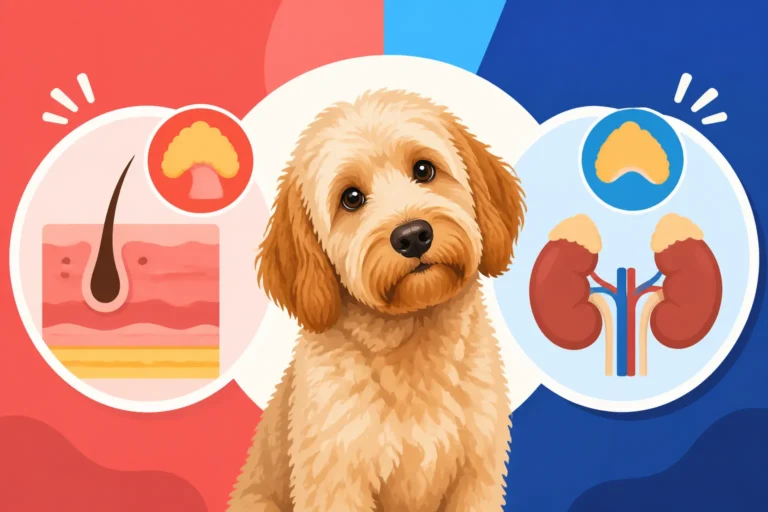
Addison's disease, also known as hypoadrenocorticism, is a condition that occurs when your dog's adrenal glands, located near the kidneys, fail to produce enough of certain vital hormones. These hormones, primarily cortisol and aldosterone, are crucial for managing stress, regulating metabolism, and maintaining electrolyte balance in the body. When their production dips too low, the body's systems can go haywire, leading to a range of often confusing and concerning symptoms. It's a challenging diagnosis because the early signs can be incredibly subtle and mimic so many other common ailments.
The Vague Signs That Mimic Other Illnesses
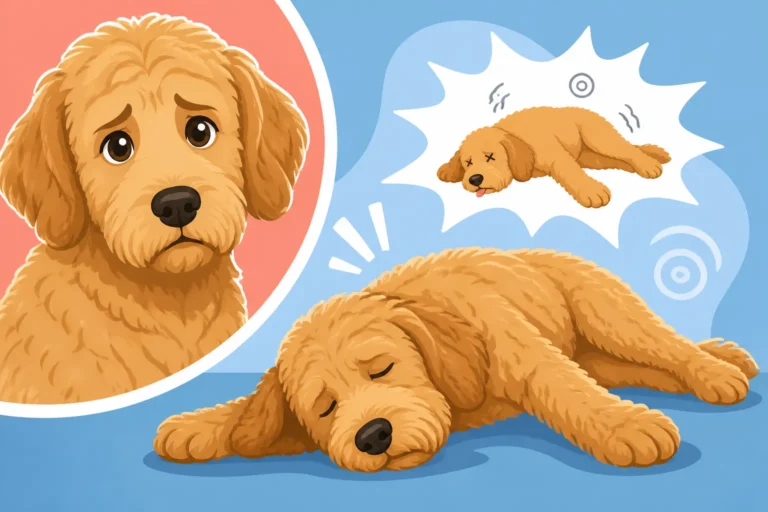
One of the most frustrating aspects of Addison's disease for owners and veterinarians alike is its reputation as "the great imitator." The symptoms are notoriously non-specific, meaning they can easily be mistaken for everyday upsets or entirely different conditions. You might notice your energetic Labradoodle becoming unusually lethargic, simply not wanting to play or go for their usual walks. They might start skipping meals, or eating much less than normal. Vomiting and diarrhea, sometimes intermittent, are also common culprits, making you wonder if they just ate something they shouldn't have.
Many owners report a waxing and waning pattern, where their dog seems to get better for a few days, only to relapse again. This can prolong the diagnostic process, as initial improvements might lead you to believe whatever was bothering them has passed. Other signs could include shivering, increased thirst and urination (though less commonly seen than with other conditions like diabetes), or even unexplained weight loss over time. Imagine your typically bouncy Labradoodle, who usually greets you with an enthusiastic tail wag, now just slowly raises their head from their bed, looking weary. Or they leave their breakfast untouched, something utterly unheard of for a Labradoodle. These are the kinds of subtle, yet unsettling, changes that prompt a visit to the vet, where Addison's needs to be considered, especially if the symptoms persist or recur. It's truly a testament to how sneaky this disease can be, often making owners feel like they're missing something obvious, when in fact, the signs are just that vague. If you've been noticing these types of subtle shifts in your dog's demeanor and health, it's worth exploring The Vague Signs of Addison's in a Labradoodle in more detail.
Why Labradoodles Are at Higher Risk
While Addison's disease can affect any dog breed, Labradoodles, particularly those with a strong Poodle heritage, are considered to be at a genetically higher risk. It's believed to be an inherited autoimmune disease, meaning the dog's own immune system mistakenly attacks and destroys the adrenal gland tissue. Standard Poodles, in particular, have a known predisposition to Addison's, and this susceptibility can be passed down to their Labradoodle offspring.
Understanding this genetic link is crucial for responsible breeding practices. While no breeder can guarantee a dog will never develop an inherited condition, reputable breeders strive to avoid breeding dogs from lines with a known history of Addison's. This is part of a broader effort to improve the long-term health of the breed, as discussed in posts like Whether Health Tested Parents Add Years to a Labradoodle. However, even with the best intentions and careful lineage checks, the disease can still emerge, sometimes without a clear family history. The disease typically strikes younger to middle-aged dogs, often between two and eight years old, though it can appear at any age. It's a sobering thought that our furry companions, through no fault of their own, can inherit such a complex and potentially life-threatening condition. This genetic predisposition highlights why, if your Labradoodle is showing symptoms, Addison's should be high on your vet's list of differential diagnoses, especially knowing the breed's background. To learn more about this specific genetic link, you might find Addison's Disease a Labradoodle Inherits From the Poodle insightful.
The ACTH Stimulation Test: The Gold Standard
When your veterinarian suspects Addison's disease, the ACTH (Adrenocorticotropic Hormone) stimulation test is the absolute gold standard for confirmation. Unlike simple blood tests that measure hormone levels at a single point in time, the ACTH test is a dynamic test. This means it evaluates how well your dog's adrenal glands respond to a stimulus, providing a much clearer picture of their function. Without this specific test, it's incredibly difficult to definitively distinguish Addison's from other conditions, which is why it's so vital for an accurate diagnosis.
What Happens During the Test
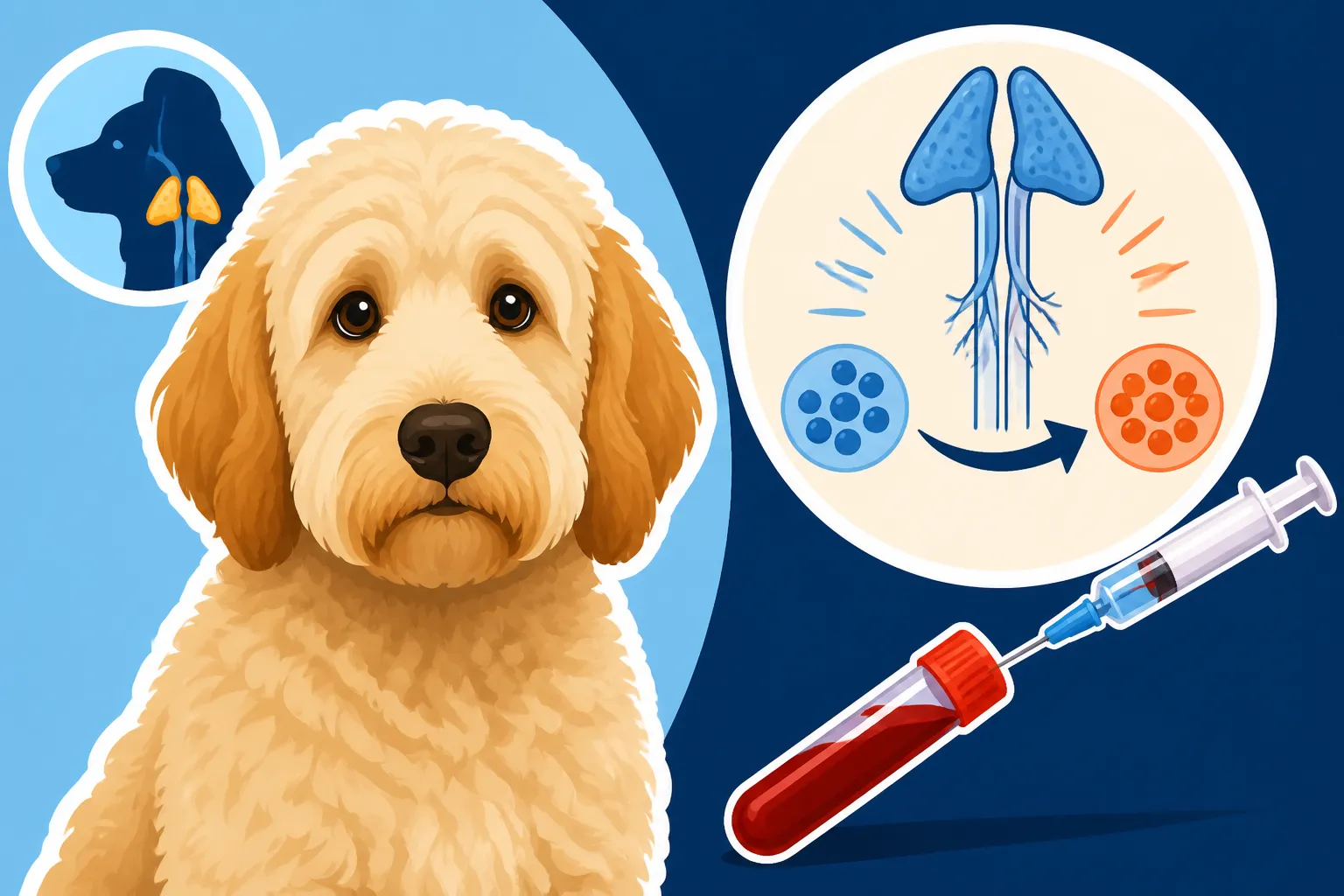
The ACTH stimulation test is a straightforward procedure, though it does require your Labradoodle to spend a few hours at the veterinary clinic. Here’s a step-by-step breakdown of what you can expect:
- Initial Blood Draw (Baseline): The first step involves taking a small blood sample from your dog. This sample is crucial because it establishes your Labradoodle's baseline cortisol level before any stimulation. This baseline helps the veterinarian understand what, if anything, the adrenal glands are producing naturally.
- ACTH Injection: Immediately after the baseline blood draw, your dog will receive an injection of a synthetic ACTH analogue, most commonly Cosyntropin. ACTH is a hormone naturally produced by the pituitary gland that tells the adrenal glands to release cortisol. By administering a synthetic version, the test directly challenges the adrenal glands to see if they can ramp up cortisol production.
- Waiting Period: After the injection, there's typically a waiting period of one to two hours. During this time, the synthetic ACTH circulates in your dog's bloodstream, giving the adrenal glands an opportunity to respond and produce cortisol if they are capable. You might be asked to leave your dog at the clinic, or if they prefer, you might wait in a quiet area. Bringing a favorite blanket or a comforting toy can help your Labradoodle feel more at ease during this time, as they might already be feeling poorly and a bit stressed.
- Second Blood Draw (Post-Stimulation): After the waiting period, a second blood sample is collected. This sample will show the cortisol level after the adrenal glands have been stimulated by the synthetic ACTH. It’s this comparison between the baseline and post-stimulation levels that provides the diagnostic insight.
The entire process, from the first blood draw to the second, usually takes around two to three hours. While it can be a bit stressful for both you and your Labradoodle, especially if they are already feeling unwell, it's a necessary and highly effective test. Many clinics can process the samples on-site, providing results relatively quickly, sometimes even the same day, allowing for prompt treatment if Addison's is confirmed.
Interpreting the Results
Once both blood samples have been analyzed, your veterinarian will compare the baseline and post-stimulation cortisol levels to determine if Addison's disease is present. The interpretation is quite clear-cut:
- Normal Adrenal Function: In a healthy Labradoodle, both the baseline and post-stimulation cortisol levels will be within a normal range. Crucially, the post-stimulation level will show a significant increase compared to the baseline. This indicates that the adrenal glands are capable of responding appropriately to the ACTH signal and producing cortisol.
- Addisonian Results: For a Labradoodle with Addison's disease, the results will look very different. The baseline cortisol level is often low, and critically, there will be no or minimal increase in the cortisol level after the ACTH stimulation. This lack of response definitively tells the veterinarian that the adrenal glands are failing to produce sufficient cortisol, even when directly prompted.
Here's a simplified table to illustrate the typical findings:
| Test Stage | Normal Labradoodle Cortisol Level | Addisonian Labradoodle Cortisol Level | Interpretation |
|---|---|---|---|
| Baseline | Moderate to Normal | Often Low to Undetectable | Initial cortisol measurement |
| Post-ACTH Stim | Significantly Increased | Remains Low / No Significant Increase | Adrenal glands respond (Normal) vs. Adrenal glands fail (Addison's) |
Sometimes, your vet might also look at electrolyte levels (sodium and potassium) from a standard blood chemistry panel, as these can be out of balance if aldosterone is deficient (the more common, "typical" Addison's). In cases of "atypical" Addison's, only cortisol is deficient, while aldosterone and electrolytes remain normal. The ACTH test confirms the cortisol deficiency, and additional bloodwork helps determine if aldosterone is also affected. It’s important to remember that while the ACTH test is highly accurate for Addison's, your vet may run other tests to rule out other conditions or to assess the overall health of your Labradoodle. For instance, sometimes the symptoms of Addison's can be mistaken for other hormonal imbalances, such as those seen with Cushing's disease, and the ACTH test can also play a role in distinguishing between them, as described in Telling Cushing's From Addison's in a Labradoodle.
After the Diagnosis: Managing Addison's
Receiving an Addison's diagnosis for your Labradoodle can feel overwhelming. It's a lifelong condition, and the initial thought of managing it might seem daunting. However, the good news is that Addison's disease is one of the most manageable endocrine conditions in dogs, once diagnosed and properly treated. With the right care and medication, most Labradoodles with Addison's can live full, happy, and active lives, indistinguishable from their healthy counterparts. It truly becomes about establishing a routine and understanding your dog's needs.
Life on Daily Medication
Managing Addison's disease primarily revolves around replacing the hormones your Labradoodle's adrenal glands are no longer producing. This usually involves two main types of medication:
- Mineralocorticoid Replacement: This addresses the aldosterone deficiency, which is responsible for regulating electrolytes (sodium and potassium) and water balance. The most common medication is an injectable form, often brand names like Percorten-V or Zycortal. These injections are typically administered by your veterinarian every 25-30 days, though the exact frequency can be adjusted based on your dog's individual response and electrolyte levels. It's truly incredible how these regular injections can stabilize their entire system.
- Glucocorticoid Replacement: This replaces the cortisol your Labradoodle is missing. This is usually given as a daily oral tablet, such as prednisone or prednisolone. The dosage of this medication is crucial and often adjusted. For daily maintenance, a very low dose is used. However, during periods of stress—like going to the vet, traveling, meeting new people or dogs, or undergoing any surgical procedure—your Labradoodle will need an increased dose of prednisone. This is because a healthy dog naturally produces more cortisol during stress, and your Addisonian Labradoodle needs that extra boost to cope.
It can feel overwhelming at first, adding daily pills and regular injections to your routine. You might worry about missing a dose or how it will impact your dog's quality of life. But with practice, it becomes second nature. Many owners find their Labradoodle, once lethargic and unwell, returns to their normal, bouncy, and affectionate self within weeks of starting treatment. This transformation is incredibly rewarding. While the condition is lifelong, the commitment to medication allows your Labradoodle to truly thrive. For a deeper dive into the daily routine, check out Life on Daily Medication for an Addisonian Labradoodle and specifically for the injectable component, Monthly Fludrocortisone for an Addisonian Labradoodle.
The Importance of an Emergency Plan
Even with consistent daily medication, it's vital for every Labradoodle owner whose dog has Addison's to have a solid emergency plan in place. An Addisonian crisis is a severe, life-threatening exacerbation of the disease that can occur if your dog experiences extreme stress, if their medication dosage is insufficient, or if treatment is interrupted. During a crisis, their body's systems can collapse, leading to profound weakness, severe vomiting and diarrhea, shock, and even death if not treated immediately.
Knowing what to do in such a situation can be the difference between life and death. Your veterinarian will likely prescribe a fast-acting, injectable glucocorticoid, such as dexamethasone, for you to keep at home. This emergency injection can be administered by you in a crisis situation to provide a rapid, crucial boost of cortisol before you can get your Labradoodle to the nearest emergency vet. It's also important to make sure anyone who cares for your dog—pet sitters, boarders, or even close family members—is fully aware of their Addison's diagnosis, their medication schedule, and what to do in an emergency. Keep your vet's number, the emergency vet's number, and instructions readily available.
Imagine your Labradoodle suddenly looking disoriented and starting to shake after an unexpected loud noise, or perhaps they refuse to eat and are extremely weak after a particularly stressful car ride. Having that emergency injection ready and knowing to call the emergency vet without delay can save their life. While it's a scary scenario to consider, being prepared minimizes panic and maximizes your dog's chances of recovery. This readiness is a key part of ensuring Whether an Addisonian Labradoodle Needs an Emergency Plan is effectively in place. The cost of an emergency crisis can also be substantial, as outlined in What an Addisonian Crisis Costs Overnight, further highlighting the importance of prevention and preparedness.
Proactive Steps and Long-Term Care
Once your Labradoodle is diagnosed with Addison's disease and stabilized on medication, the journey shifts to ongoing management and proactive care. While the initial crisis may have passed, continued vigilance and a partnership with your veterinarian are essential to ensuring your furry friend maintains their quality of life. It’s not just about giving pills; it’s about regular monitoring and being attentive to their needs.
Regular Vet Visits and Bloodwork
Consistent veterinary oversight is a cornerstone of long-term Addison's management. In the initial months after diagnosis, your Labradoodle will likely need more frequent vet visits for bloodwork to ensure the medication dosages are perfectly dialed in. This monitoring focuses heavily on electrolyte levels (sodium and potassium) to confirm that the mineralocorticoid replacement is effectively maintaining balance. Cortisol levels might also be checked, especially if your dog's symptoms are not fully resolved.
Once stable, your Labradoodle will still need regular check-ups, typically annually, to ensure everything remains on track. These appointments are not just for routine vaccinations; they are critical opportunities to:
- Monitor Electrolytes and Cortisol: Even on a stable dose, changes can occur, and regular bloodwork catches these before they become problematic.
- Adjust Glucocorticoid Dose: As mentioned, stress levels require temporary increases in prednisone. Your vet can advise on these adjustments for planned events like travel, boarding, or even major household changes.
- Assess Overall Health: Addison's patients can develop other health issues, just like any other dog. Regular physical exams and The Yearly Screening a Labradoodle Should Get are important to catch any new concerns early. For example, some Labradoodles may be predisposed to conditions like Whether a Labradoodle Inherits Kidney Disease, so a comprehensive health approach is always best.
- Discuss Concerns: These visits are your chance to ask questions about any subtle changes you've noticed or challenges you're facing.
With proactive monitoring, your Labradoodle with Addison's can truly live a normal, happy life, participating in all the activities they always loved. This diligent care ensures Whether an Addisonian Labradoodle Lives Normally is a resounding "yes."
Financial Considerations and Insurance
A diagnosis of Addison's disease can come with significant financial implications, both for the initial diagnosis and the lifelong management. The ACTH stimulation test itself, along with accompanying bloodwork, can be an unexpected expense, and if your Labradoodle needed emergency stabilization, those bills can quickly escalate. For example, understanding What an ACTH Stimulation Test Costs a Labradoodle Owner can help prepare you for this initial expense.
Beyond the diagnosis, the ongoing medication costs are a major factor. The injectable mineralocorticoid (like Percorten-V or Zycortal) is often quite expensive, and while prednisone is relatively cheap, these regular injections and monitoring blood tests add up over time. Many owners find themselves grappling with these recurring costs.
This is where pet insurance can be an absolute lifesaver. If you've been proactive and purchased pet insurance before your Labradoodle's diagnosis, most comprehensive policies will cover a significant portion of the costs associated with managing a chronic condition like Addison's. Pet insurance providers like Healthy Paws, for example, are known for their comprehensive coverage, which can substantially reduce your out-of-pocket expenses for medications, vet visits, and emergency care related to Addison's. It's crucial to thoroughly review policy details regarding chronic conditions and pre-existing clauses when selecting an insurer. When researching pet insurance, it’s always wise to compare different providers. For chronic conditions like Addison’s, you’ll want to ensure the policy offers good reimbursement rates and doesn't have restrictive per-condition limits, which is something many Healthy Paws customers appreciate. The long-term costs, especially for medications like those covered in Monthly Fludrocortisone for an Addisonian Labradoodle, can be a significant financial burden without insurance support. Therefore, having a robust pet insurance plan can provide immense peace of mind and ensure your Labradoodle receives the best possible care without you having to worry as much about the financial strain.
Disclaimer
This article is for general informational purposes only and does not constitute professional advice. Laws, prices and regulations vary by location and change over time. Consult a qualified professional for guidance on your specific situation.