What a Labradoodle Collapse Episode Looks Like
Seeing your beloved Labradoodle suddenly lose coordination and collapse can be one of the most frightening experiences a dog owner faces. It's a moment of sheer panic, confusion, and desperate worry, often leaving you wondering what on earth just happened and if your furry friend is going to be okay. This comprehensive guide is here to shed light on what a Labradoodle collapse episode looks like, helping you understand the signs, differentiate it from other serious conditions, and know exactly what steps to take.
Understanding Exercise Induced Collapse EIC in Labradoodles
The first time you witness your vibrant, energetic Labradoodle suddenly falter during play, your mind probably races through a hundred worst-case scenarios. Is it their heart? Are they having a stroke? It's a natural reaction to such a dramatic event. However, in many Labradoodles, especially those with strong Labrador ancestry, these episodes can point to a specific, inherited condition known as Exercise Induced Collapse, or EIC. It's a unique disorder that, while alarming, often has a predictable pattern once you understand it.
The Genetic Roots of EIC
EIC isn't just some random weakness; it's a specific, inherited neuromuscular disorder that affects how your dog’s body functions during intense activity. The core issue lies in a faulty gene, specifically the DNM1 gene mutation, which disrupts the normal communication between nerves and muscles. Imagine trying to send an important message, but the phone line keeps cutting out. That's essentially what happens to the nerve signals that tell your dog's muscles what to do, especially their powerful hind leg muscles, when they're working hard. It's truly baffling because your dog appears perfectly healthy right up until the moment it isn't.
What's really important to understand here is that EIC is not a problem with the heart, lungs, or bones. Your dog isn't having a cardiac event or struggling to breathe. Their internal organs are generally functioning just fine. The issue is purely with the muscles' ability to respond to nerve commands during periods of high exertion and excitement. This is why a dog might appear completely normal one minute, sprinting after a ball, and then suddenly their legs give out the next. You can learn more about this specific genetic cause in our article on The DNM1 Mutation Behind Labradoodle Collapse.
Who Is at Risk?
Given that Labradoodles are a crossbreed of the Labrador Retriever and the Poodle, it's crucial to understand that their genetic heritage plays a significant role in EIC risk. The Labrador Retriever side of your Labradoodle's family tree is where the EIC gene most commonly originates. While Poodles are generally not prone to EIC, if one of your Labradoodle's Labrador ancestors carried the gene, it could be passed down. This means that Labradoodles, particularly first-generation (F1) crosses or those with recent Labrador infusions, are definitely on the radar for this condition if their parents weren't properly screened.
It's not just about having a Labrador parent; it's about whether those parents, or their lineage, were health tested for EIC. Responsible breeders will conduct genetic testing on their breeding stock to ensure they are not passing this gene on. If both parents are clear of the EIC gene, then their offspring will also be clear. However, if one parent is a carrier and the other is clear, the puppies can be carriers themselves, meaning they might not show symptoms but could pass the gene to their own offspring. If both parents are carriers, there's a 25% chance their puppies will be affected and show symptoms. This is why asking your breeder for health certifications is absolutely paramount. Understanding Exercise Induced Collapse and the Labradoodle's Labrador Half can help clarify this hereditary aspect.
The Initial Signs and Progression of a Collapse Episode
When a collapse episode strikes, it can be sudden, but often, there are subtle clues that precede the full event. Recognizing these early indicators can be key to intervening and preventing a more severe collapse, though sometimes the onset can be so rapid it feels like there's no warning at all.
Subtle Early Indicators
An EIC episode rarely begins with an immediate, dramatic drop. Instead, it often starts with more subtle signs after about 5 to 20 minutes of intense, exciting activity. You might notice your Labradoodle's gait becoming a little off-kilter – a slight wobbliness or unsteadiness, particularly in their hindquarters. It might look like they're getting tired more quickly than usual, or perhaps they're dragging their back paws ever so slightly. Think of it like a human runner whose legs start to feel heavy and uncoordinated towards the end of a grueling race, but for your dog, it's happening much faster and more profoundly during everyday play.
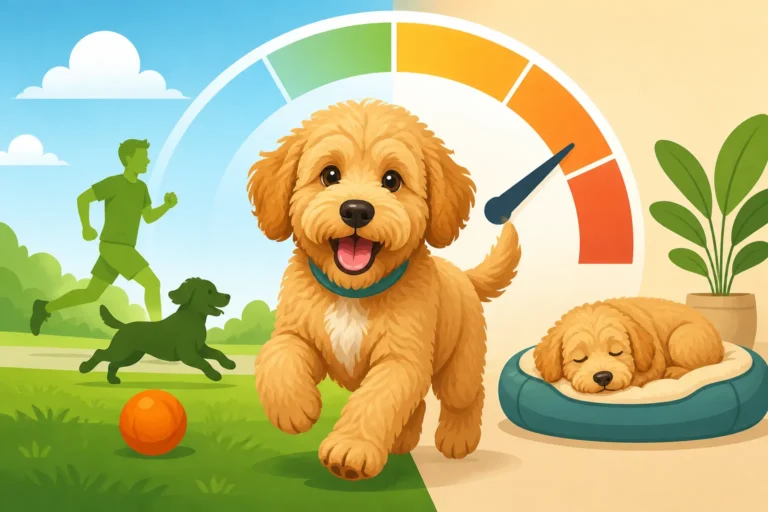
They might begin to sway from side to side as they run, or their rear legs might appear to be "bunny hopping" or crossing over each other. This is often the body's first signal that the nerve-to-muscle communication is starting to break down. The key here is the intensity of the activity combined with high arousal. This isn't usually seen during a calm walk or gentle sniff-around in the park. It’s when they’re super engaged – like playing an extended game of fetch with their favorite squeaky ball, fiercely competing with another dog, or bursting with excitement during an agility trial. These are the moments to watch closely, especially if you know your dog is at risk for EIC.
The Full Collapse What It Looks Like
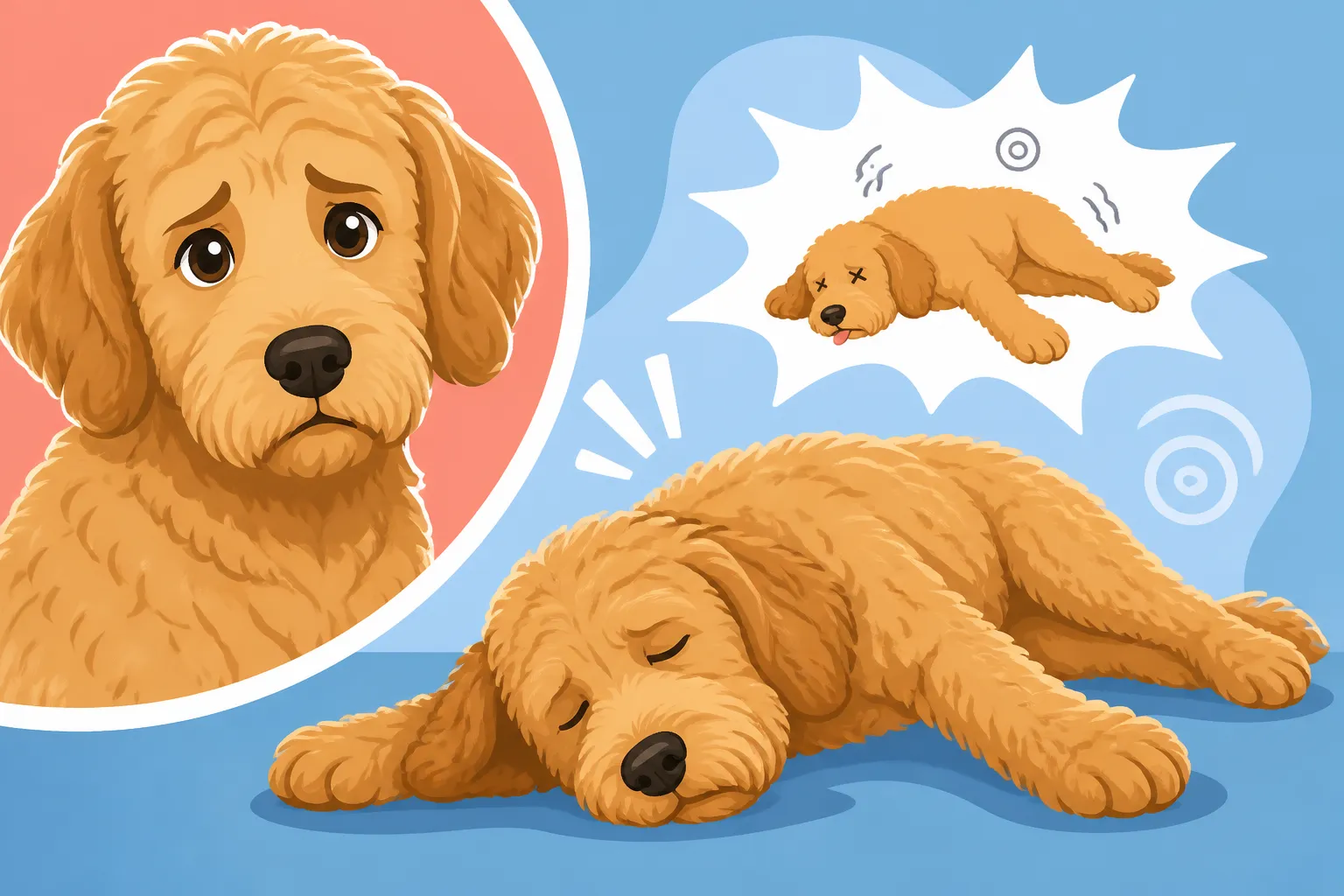
If the activity isn't stopped, these early wobbles can quickly escalate into a full-blown collapse. The most common presentation is a sudden weakness and loss of control in the hind limbs. Your Labradoodle might be running full tilt, then their back legs suddenly seem to give way, causing them to stumble, drag their rear, or even drop to the ground. It can look like their back half simply stopped working, while their front end might still be trying to push forward. It’s incredibly disorienting to witness, almost as if their body has disconnected.
The collapse can progress to affect all four limbs, leaving your dog unable to stand or walk, lying down with their head up, still alert and aware of their surroundings. This is a crucial distinction: unlike a fainting spell or seizure, an EIC-affected dog remains mentally present. They might look at you, their eyes still bright, trying to wag their tail, even trying to push themselves up, but their body simply won't cooperate. There's usually no sign of pain, distress, or loss of consciousness; they are simply physically paralyzed by the muscular fatigue. You might even notice some dribbling of urine, which is a common occurrence during this loss of muscle control. The crucial thing is to remember that while it looks awful, they are not typically in pain, and their mind is clear. For more details on what brings these episodes on, check out our piece on What Triggers a Labradoodle's Collapse Episode.
Triggers and Differentiating EIC from Other Conditions
Understanding what specifically sets off an EIC episode in your Labradoodle is just as important as recognizing the signs. It's often a combination of factors, and sometimes the signs can mimic other serious health issues, making accurate identification critical for your dog's safety.
Common Triggers for EIC
EIC isn't just about the amount of exercise; it's about the type of activity and the dog's emotional state during it. The most common culprits are high-intensity, high-arousal activities. Think about those games where your Labradoodle goes from zero to sixty in a blink, retrieving a ball with absolute passion, or engaging in intense, frantic play with another dog. These are the moments when their excitement levels soar, their adrenaline pumps, and their muscles are pushed to their limits in short, explosive bursts. This specific combination is often the perfect storm for an EIC episode.
Environmental factors can also play a significant role. A hot, humid day can definitely exacerbate the condition, making a dog more susceptible to an episode even with slightly less intense activity. The same goes for high excitement – imagine your Labradoodle at a family reunion, overjoyed to see everyone, running around with all the kids and other dogs. This heightened state of arousal, coupled with physical exertion, can be a major trigger. It's almost as if their brain gets so excited that it overrides the body's ability to maintain muscle control. Our article on What Triggers a Labradoodle's Collapse Episode delves deeper into these specific scenarios. When these unexpected collapses happen, having pet insurance like through Healthy Paws can really offer peace of mind, covering the costs of diagnostics and emergency veterinary care.
EIC vs. Heatstroke vs. Hypoglycemia
When your dog collapses, your mind races to identify the cause, and it’s easy to confuse EIC with other life-threatening conditions. Distinguishing EIC from heatstroke or hypoglycemia (low blood sugar) is paramount, as the immediate treatment differs significantly. While EIC is scary, it's generally not life-threatening if managed correctly, whereas heatstroke can be fatal very quickly.
Let’s look at how these conditions compare:
| Feature | Exercise Induced Collapse (EIC) | Heatstroke | Hypoglycemia |
|---|---|---|---|
| Onset | After 5-20 minutes of intense, high-arousal exercise. | Rapid during/after exercise, especially in hot/humid conditions. | Can be gradual or sudden, not always tied to exercise; often with underlying conditions. |
| Mental State | Alert, aware, usually not in pain. Tries to move. | Disoriented, dazed, confused, potentially unresponsive or seizing. | Lethargic, weak, disoriented; can lead to seizures or unconsciousness. |
| Physical Signs | Hind limb weakness progressing to full collapse, wobbly gait. No significant panting. | Excessive, frantic panting, brick-red gums, high body temperature (often >104°F/40°C), vomiting, diarrhea. | Generalized weakness, trembling, staggering, muscle twitching, seizures. |
| Recovery | Spontaneous, typically within 5-25 minutes, full recovery within an hour. | Requires immediate active cooling; can be slow, with potential for organ damage or death. | Requires sugar intake (e.g., Karo syrup on gums); recovery varies based on severity and cause. |
| Urgency | Stop activity, cool, rest. Usually not life-threatening. | Emergency! Immediate veterinary intervention needed. | Vet visit needed, especially if recurrent or severe. |
EIC dogs typically remain alert, try to communicate with you, and generally recover fairly quickly once rested and cooled. They don't usually show the excessive, frantic panting and dangerously high body temperatures associated with heatstroke. Heatstroke is an emergency that requires immediate and aggressive cooling measures and veterinary attention. Hypoglycemia, on the other hand, often presents with a more generalized weakness, sometimes trembling, and a slower, more profound lethargy, potentially leading to seizures. It's also usually not tied solely to exercise but to dietary issues or underlying health problems. If you suspect heatstroke, act immediately. If you're unsure, always err on the side of caution and contact your vet. For a more detailed look at these differences, refer to our article on Telling EIC From Heatstroke in a Labradoodle.
Immediate Action and Recovery During an Episode
Witnessing your Labradoodle collapse is a terrifying experience, but knowing exactly what to do can make all the difference in managing the situation effectively and ensuring your dog's safety. Panic is natural, but calm, swift action is crucial.
What to Do When Your Labradoodle Collapses
The absolute first thing you must do when you see your Labradoodle showing signs of EIC or a full collapse is to stop all activity immediately. This means ending the game of fetch, pulling them away from the dog park, or stopping their training session. Continuing the activity will only worsen the episode and prolong recovery. Your dog’s body is telling you it’s had enough, and you need to listen.
Once activity has ceased, gently move your Labradoodle to a cool, quiet, and shaded area. If you’re out on a hot day, this might mean finding a patch of grass under a tree, or even carrying them to your air-conditioned car. Offer them some fresh, cool water, but don't force them to drink if they're not interested or struggling. The goal is to help them cool down and calm their nervous system. The most important thing is to keep them still and reassure them with a calm voice and gentle strokes. Resist the urge to try and make them stand up or walk. Their muscles need to recover without further strain. Just let them lie there and regain control at their own pace. While EIC is generally not life-threatening, if you're ever in doubt about the cause or severity, a call to your vet or an emergency clinic is always wise. This is where having pet insurance, like a plan from Healthy Paws, can alleviate the financial stress of unexpected emergency vet visits.
The Recovery Process
One of the most characteristic aspects of an EIC episode, and often a huge relief for owners, is the relatively swift and complete recovery. Most Labradoodles will start to show improvement within 5 to 25 minutes of resting. You'll observe their hind limbs gradually gaining strength, and they'll slowly start to be able to push themselves up. Within 30 minutes to an hour, most dogs are back on their feet and often appear completely normal, as if nothing happened. This rapid bounce-back is a hallmark of EIC and helps differentiate it from other conditions where recovery might be much slower or incomplete.
After they've recovered, your Labradoodle might still be a little stiff, tired, or have a slightly awkward gait for a short period, but these lingering effects usually resolve completely. The tricky part is that because they seem so "fine" afterwards, it can be easy to forget the severity of the collapse. However, it's crucial to remember that this seemingly full recovery doesn't mean the problem is gone; it just means the episode has passed. Without proper management, future episodes are likely. Knowing that they do bounce back can provide some comfort during a scary moment, but it's vital to use that recovery period to reassess their activity levels and implement preventive measures. Our article Whether a Collapsed Labradoodle Recovers on Its Own offers more insights into this remarkable recovery.
Living with EIC Management and Prevention
While an EIC diagnosis can feel daunting, it's absolutely possible for Labradoodles to live full, happy lives with proper management. The key is understanding their limits and adapting their routine to prevent future collapse episodes. It’s all about working with their condition, not against it.
Managing Activity Levels
Living with a Labradoodle prone to EIC means a shift in perspective when it comes to exercise. You can’t eliminate exercise altogether – these are active dogs! – but you need to adjust how they exercise. The goal is to provide plenty of physical and mental stimulation without hitting those high-intensity, high-arousal triggers. Instead of long, frantic games of fetch, opt for shorter, more controlled play sessions. Think about incorporating activities that require bursts of energy mixed with periods of calm, or focusing on activities that don’t push them to the absolute limit.
Moderate, consistent exercise is your new best friend. This could mean regular, brisk walks on a leash, sniffing games in the yard, or even introducing low-impact dog sports that focus more on mental engagement than raw speed. Avoid those intense, competitive scenarios that can lead to excessive excitement and exertion. If your dog loves to swim, ensure it's a calm swim rather than a frantic retrieve, and always be mindful of water temperature and how much energy they're expending. Remember that even a seemingly small amount of high-arousal activity can trigger an episode on a hot day, so Whether Heat Brings On Labradoodle Collapse is a relevant consideration. Managing an EIC carrier Labradoodle requires a mindful approach, and you can find more tips in Exercising a Labradoodle That Carries EIC.
The Importance of Genetic Testing
Genetic testing is truly the cornerstone of managing and preventing EIC in Labradoodles, both for current owners and especially for responsible breeders. A simple DNA test can definitively determine if your Labradoodle is clear, a carrier, or affected by the DNM1 mutation responsible for EIC. This information is invaluable. If your dog has already had an episode, testing confirms the diagnosis and helps you understand why it's happening, allowing for targeted management strategies.
For breeders, genetic testing is non-negotiable. Reputable breeders will test all their breeding stock to ensure they are not producing affected puppies. If a potential breeding dog is found to be a carrier, they can still be bred responsibly with a clear mate, ensuring no affected puppies are produced. This ethical breeding practice slowly works to eliminate the gene from the breed pool. If you are considering a Labradoodle puppy, always ask for proof of EIC genetic testing for both parents. This simple step can save you and your future companion a lot of heartache. Even if your breeder assures you a dog is "clear by parentage," it's always a good idea to perform a confirmatory test if you plan on breeding or are concerned. This is covered in more detail in The DNA Test That Clears a Labradoodle of EIC. Having Healthy Paws pet insurance in place before any symptoms or diagnoses appear means you’re covered for unexpected illnesses, and it offers peace of mind even when all the preventative measures are taken.
Disclaimer
Please remember that this article is intended for informational purposes only and is not a substitute for professional veterinary advice. If you suspect your Labradoodle is experiencing a medical emergency or showing signs of EIC, heatstroke, or any other serious condition, please consult with your veterinarian immediately. They can provide an accurate diagnosis and recommend the most appropriate course of treatment for your individual dog.