Exercising a Labradoodle That Carries EIC
It's incredibly unsettling when you realize your beloved Labradoodle, who lives for playtime, might have a genetic condition that makes exercise a tightrope walk. You want them to be happy and active, but the fear of an Exercise-Induced Collapse (EIC) episode can cast a long shadow over every walk and fetch session. This guide is here to walk you through how to safely and joyfully exercise a Labradoodle that carries the EIC gene, helping you navigate their energy levels without putting their health at risk.
Understanding Exercise-Induced Collapse (EIC) in Labradoodles
EIC is one of those conditions that, while manageable in carriers, still requires a deep understanding to ensure your Labradoodle lives their fullest, happiest life. It's a significant concern for many Labradoodle owners, especially given the breed's energetic nature.
What EIC Actually Is
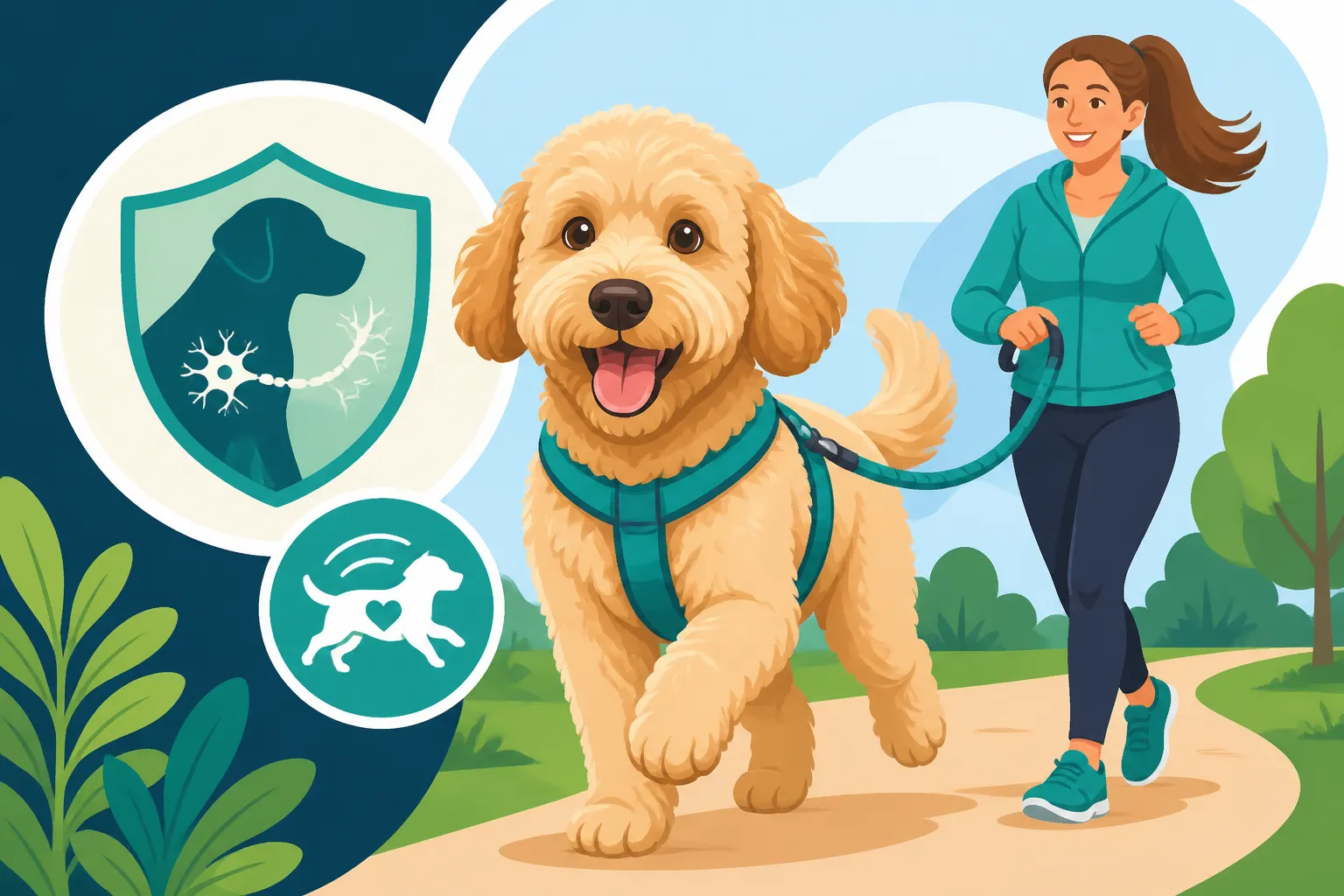
Exercise-Induced Collapse is a well-documented genetic neuromuscular disorder, particularly prevalent in retriever breeds like the Labrador Retriever (one half of our wonderful Labradoodles) and, by extension, Labradoodles themselves. It's caused by a specific mutation in the DNM1 gene, which plays a crucial role in nerve impulse transmission. When a dog with EIC engages in intense exercise, especially under certain conditions, their nervous system simply can't keep up, leading to a temporary loss of muscle control.
It's important to understand that EIC isn't a heart condition or a breathing problem. Your dog isn't having a heart attack or an asthma attack. Instead, it’s a dysfunction in the communication between the brain and the muscles, particularly in the hind limbs, which then can progress. The most common triggers for these episodes are often things we associate with fun for a Labradoodle: prolonged, strenuous exercise, especially if it involves high excitement, bursts of speed, or occurs in warmer temperatures. Imagine a game of fetch with a tennis ball that goes on for too long, or an exciting trip to the dog park where your Labradoodle is sprinting back and forth with other dogs. These are prime scenarios where an EIC episode could potentially occur in an affected dog, and even in carriers if pushed to extreme limits.
Recognizing the Signs of an EIC Episode
Knowing what to look for is half the battle, even if your Labradoodle is just a carrier and less likely to experience a full-blown episode. An EIC episode typically begins with a noticeable weakness in the hind legs after about 5-20 minutes of intense activity. You might observe your Labradoodle's rear end starting to wobble or sway, as if they're struggling to coordinate their movements. Their gait might become clumsy or uncoordinated.
As the episode progresses, the weakness can spread to their front legs, causing them to collapse completely. They might appear disoriented or confused, and their legs may become stiff, especially the hind ones. Crucially, during an EIC episode, most dogs remain mentally alert and do not appear to be in pain, although they might look distressed by their inability to move. Their tail might still be wagging, and they might even try to get up, only to collapse again. Within 5 to 30 minutes of resting, most dogs will recover completely, often without any lasting effects. However, it's vital to allow them to rest and cool down immediately. If you're wondering, "What a Labradoodle collapse episode looks like," observing these specific signs is key. It can sometimes be difficult to distinguish from other issues like heatstroke, so it's good to know the specific signs. For more on this, you might find "Telling EIC From Heatstroke in a Labradoodle" helpful.
The Difference Between a Carrier and an Affected Dog
This is where understanding the genetics really comes into play. EIC is an autosomal recessive disorder. This means a dog needs to inherit two copies of the mutated DNM1 gene – one from each parent – to be affected and show symptoms.
- Affected (EIC/EIC): These dogs have two copies of the mutated gene and will typically experience EIC episodes when triggered.
- Carrier (N/EIC): These dogs have one normal gene (N) and one mutated gene (EIC). They usually do not show any clinical signs or experience collapse themselves. Their health and lifespan are generally not impacted by being a carrier. However, they can pass the mutated gene on to their offspring if bred.
- Clear (N/N): These dogs have two normal copies of the gene and cannot develop EIC or pass the gene on.
So, if your Labradoodle is a "carrier," it means they have one copy of the gene, but statistically, they are very unlikely to ever have an EIC episode. However, it's not impossible under extreme, prolonged conditions, and it certainly means you need to be aware. Owning a carrier means you've done your due diligence with genetic testing, and now you're equipped with knowledge. "Whether an EIC Carrier Labradoodle Is Safe to Own" dives deeper into this topic if you're curious. Most carrier Labradoodles live normal, active lives, but proactive management of their exercise is still a smart approach.
Safe Exercise Strategies for EIC Carriers
Even though carriers typically don't experience full-blown EIC episodes, knowing your Labradoodle carries the gene empowers you to be more mindful of their exercise regimen. It's about being proactive and setting them up for success, ensuring their physical activity remains a source of joy and health, not a potential risk.
Monitoring Intensity and Duration
The key to exercising an EIC carrier is smart management of the "three I's": Intensity, Immersion (duration), and Intensity (excitement levels). While a carrier might not collapse, pushing them to their absolute limits, especially in heat or high-stress situations, could potentially bring out subtle signs of fatigue or discomfort that you wouldn't want to ignore.
- Short, Controlled Sessions: Instead of one long, intense burst of activity, break up your Labradoodle's exercise into shorter, more frequent sessions throughout the day. For example, two or three 15-20 minute periods of moderate play or a brisk walk are often much better than one 45-minute sprint session. This allows their nervous system to recover and prevents over-stimulation.
- Observe Your Dog: Every dog is an individual, even within the same breed and genetic status. Pay close attention to your Labradoodle's body language. Are they starting to lag behind? Is their tail drooping? Are they panting excessively (beyond normal for the activity)? Are their movements becoming less fluid? These are subtle cues that tell you it's time for a break. Don't wait for obvious signs of exhaustion. Remember, the goal is always to end an exercise session before they're truly tired.
- Appropriate Activities: Focus on activities that allow for controlled bursts and frequent rests. Think about leisurely walks, light jogging, or structured games of fetch where you enforce breaks. Swimming can be an excellent low-impact exercise for Labradoodles, but still monitor duration and excitement. Avoid highly competitive or prolonged "retrieve until exhaustion" games, especially with multiple dogs, as the added excitement can compound the physical strain.
Environmental Considerations
The environment your Labradoodle exercises in can have a profound impact, especially concerning EIC. Heat, humidity, and even the type of terrain can increase the likelihood of issues.
- Temperature and Humidity: This is critical. High temperatures and humidity make it harder for any dog to cool down, increasing the risk of overheating. For an EIC carrier, this added stress can be a concern. Always exercise during the cooler parts of the day – early morning or late evening. Avoid the midday sun entirely. If it's too hot for you to comfortably walk barefoot on the pavement, it's too hot for your Labradoodle's paws and body.
- Hydration is Key: Always carry fresh water and offer it frequently during and after exercise. A dehydrated dog will struggle more. A portable dog water bottle or collapsible bowl is a must-have for any Labradoodle owner.
- Surface and Terrain: While not a direct EIC trigger, slippery surfaces or uneven terrain can increase the physical exertion and the chance of a misstep, which could add stress. Stick to stable, comfortable surfaces for most exercise. A good romp in a grassy field is generally better than a long run on hot asphalt.
- Managing Excitement: This is often overlooked but incredibly important. High excitement, such as meeting new dogs, being in a busy environment like a dog park, or an overly stimulating training session, can trigger EIC symptoms in affected dogs and contribute to overexertion in carriers. Try to keep exercise sessions calm and focused. Use positive reinforcement and breaks to bring down excitement levels. A happy, excited Labradoodle is wonderful, but controlled excitement is key for their health.
Integrating Mental Stimulation
A Labradoodle's intelligence and desire to please mean they need more than just physical exercise; they need mental stimulation. This is a fantastic way to "tire them out" without putting undue stress on their body, making it an invaluable tool for EIC carriers. What a Labradoodle needs daily isn't just physical activity, but mental engagement too.
- Puzzle Toys and Treat-Dispensing Toys: These are fantastic for keeping your Labradoodle's brain active. Fill them with kibble or healthy treats and watch them work to figure out how to get the goodies. Brands like Kong and Outward Hound offer a great variety. This engages their problem-solving skills and satisfies their natural foraging instincts.
- Scent Work and Nose Games: Labradoodles often inherit a great nose from their Labrador side. Hide treats around the house or yard and encourage them to "find it." This is a low-impact activity that can be incredibly tiring for a dog, using a different part of their brain and senses. It's a wonderful way to build their confidence and focus.
- Obedience and Trick Training: Regular training sessions, even short ones, are excellent for mental stimulation. Learning new commands or tricks keeps their mind sharp and strengthens your bond. Work on "sit," "stay," "down," or even more complex tricks like "roll over" or "spin." Breaking these into short, positive sessions prevents overstimulation.
- Enrichment Activities: Consider activities like Lickimats (spread with peanut butter or plain yogurt) or frozen Kongs. These can provide long-lasting, calming mental engagement. Even simply varying your walking route or exposing them to new, safe environments (without intense physical exertion) can offer mental enrichment.
Remember, a tired mind can be just as important as a tired body for a well-behaved and content Labradoodle. For more general advice on managing their energy, you might want to read "The Exercise a Labradoodle Needs Before It Behaves."
| Activity Type | Safe for EIC Carrier (with monitoring) | Risky for EIC Carrier | Notes |
|---|---|---|---|
| Walks | Leash walks, casual strolls | Prolonged, brisk jogs | Focus on duration, temperature, and excitement. Keep it moderate. |
| Playtime | Short fetch sessions (5-10 min), gentle tug | Intense, sustained fetch (20+ min), high-speed dog park sprints | Implement frequent breaks, use multiple toys to reduce retrieval effort. |
| Swimming | Leisurely swims, floating | Vigorous, prolonged swimming in strong currents | Excellent low-impact, but monitor for overexertion and cold water shock. Remember to dry your Labradoodle after it swims to prevent skin issues. |
| Hiking | Easy, flat trails (short duration) | Steep inclines, long distances, hot weather | Choose cooler days, stay on well-maintained paths, and take many rest stops. |
| Training | Obedience classes, trick training, scent games | High-impact agility, competitive flyball | Focus on mental engagement. Agility can be modified for lower impact. |
| Socialization | Calm interactions with familiar dogs | Overly boisterous play with many unfamiliar dogs | Manage excitement levels. Short, supervised playdates are best. |
When to Seek Veterinary Advice and Emergency Preparedness
Even with the best intentions and careful management, life with a dog can throw curveballs. Being prepared for unexpected health issues, especially when you know your Labradoodle carries a genetic marker like EIC, is just being a responsible pet parent.
Regular Check-ups and Open Communication with Your Vet
Maintaining a strong, open relationship with your veterinarian is paramount for any dog owner, but especially for those with Labradoodles carrying specific genetic markers. Your vet is your best resource for personalized advice tailored to your dog's unique health profile.
- Inform Your Vet About EIC Carrier Status: Make sure your veterinarian is fully aware that your Labradoodle is an EIC carrier. This information should be clearly noted in their medical file. It helps them consider this fact when assessing any symptoms, recommending exercise routines, or planning for any future procedures.
- Ongoing Monitoring: During your regular check-ups, discuss your Labradoodle's exercise tolerance and any observations you've made. Have you noticed any unusual fatigue? Any changes in gait after activity? Even subtle changes are worth mentioning. Your vet can help differentiate normal aging or fatigue from anything more concerning.
- Proactive Health Discussions: Regular veterinary visits are also a great time to discuss other potential health concerns common to Labradoodles. This includes joint health, potential allergies, and monitoring for conditions that become more prevalent as they age. For example, "What a Labradoodle owner should watch for after eight" can give you an idea of age-related changes to discuss. Having "The Yearly Screening a Labradoodle Should Get" done is also crucial for early detection of any issues.
What to Do During an EIC Episode
While EIC episodes are rare in carriers, understanding what to do if one were to occur (perhaps under extreme, unprecedented conditions) is essential. Preparedness reduces panic.
- Immediate Rest: The moment you notice any signs of weakness or incoordination, stop all activity immediately. Move your Labradoodle to a quiet, cool, and safe spot. Encourage them to lie down.
- Cool Down: If it's warm, help them cool down. Offer water. You can gently wet their paws, belly, or apply cool (not icy) damp towels to their groin and armpits. Avoid forcing them to drink if they are unwilling.
- Stay Calm: Your dog will pick up on your stress. Remain calm and reassuring. Speak to them in a soft, soothing voice.
- Monitor and Observe: Most EIC episodes resolve within 5-30 minutes with rest. Stay with your dog and monitor their breathing and recovery. Once they appear fully recovered, allow for a quiet, low-stress period before attempting any further activity.
- When to Seek Emergency Vet Care: If your Labradoodle does not recover within 30 minutes, seems to be in pain, has difficulty breathing, or shows any signs that don't fit the typical EIC recovery (like prolonged disorientation or seizures), do not hesitate to contact your emergency veterinarian immediately. While EIC itself is not typically life-threatening, other serious conditions can mimic its symptoms, or complications could arise.
Considering Pet Insurance for Peace of Mind
Let's face it, veterinary care can be expensive, especially when unexpected issues arise. Even with careful management of an EIC carrier, other health concerns can crop up, and having a safety net can make a world of difference.
Pet insurance is a practical tool for managing the financial aspects of your Labradoodle's health. While most EIC carriers won't have EIC-related medical bills, there are countless other conditions that can affect Labradoodles throughout their lives. From an unexpected injury on a walk to a sudden illness, or even managing chronic conditions that may develop later, having insurance can alleviate a significant financial burden.
Companies like Healthy Paws offer comprehensive coverage that can help with unexpected accidents and illnesses. If your Labradoodle were to need diagnostic tests for unexplained lameness (even if it turned out not to be EIC), or treatment for something completely unrelated like an ear infection or a broken bone, having a policy in place can mean you don't have to choose between your pet's health and your wallet. It's about ensuring you can always provide the best possible care without added stress. Early enrollment is often key, as pre-existing conditions are typically excluded. This is definitely one of the ways you can offset the financial impact of "What shortens a Labradoodle's life most" by allowing access to prompt and thorough care.
The peace of mind that comes from knowing you're prepared for whatever your Labradoodle's health journey might bring is truly invaluable. The DNA test that clears a Labradoodle of EIC is great, but life has other plans sometimes!
Disclaimer
This article is for general informational purposes only and does not constitute professional advice. Laws, prices and regulations vary by location and change over time. Consult a qualified professional for guidance on your specific situation.