Whether Two Carrier Parents Are a Problem in Labradoodles
It’s an incredibly confusing and often disheartening moment when you get genetic test results back for potential Labradoodle parents, only to find that both of them are carriers for a genetic condition. You might be left scratching your head, wondering what that actually means for any puppies they might have, and if it's a responsible choice to breed them at all. This guide is here to untangle the complexities of genetic carrier status in Labradoodles, specifically when both parents are carriers, explaining the risks involved and how to navigate these tricky waters with confidence.
Understanding Genetic Inheritance in Your Labradoodle
When we talk about genetic health in dogs, we're delving into the fascinating, albeit sometimes daunting, world of inherited traits. Many serious health conditions in Labradoodles are passed down through what we call recessive inheritance. This means a dog needs to inherit two copies of a specific faulty gene – one from each parent – to actually develop the disease.
What "Carrier" Really Means for Your Labradoodle
Let's break down what being a "carrier" truly signifies for your beloved Labradoodle. A carrier is a dog that possesses one normal, healthy copy of a gene and one faulty, disease-causing copy of that same gene. Because they have that one healthy copy, they typically don't show any symptoms of the disease themselves. They're like silent messengers, carrying the potential for a problem without experiencing it directly. It’s easy to misunderstand this, thinking that if your dog seems perfectly healthy, then the carrier status isn’t a big deal. However, while your individual dog might be fine, their genetic makeup still holds significance for future generations.
The term "carrier" often brings a sense of alarm, but it's crucial to understand that it’s not the same as being "affected." An affected dog has two copies of the faulty gene and will develop the condition. A carrier simply holds one copy, making them a crucial link in the chain of inheritance. Think of it like a blueprint: the carrier has a slight imperfection in one part of the blueprint, but enough good plans to build a strong structure. The affected dog has that same imperfection in both sets of plans, leading to a flawed structure.
This is why DNA testing is so vital, especially for breeds like Labradoodles, where a blend of genetic lines can sometimes hide these recessive traits. Without testing, a breeder might unknowingly pair two carriers, believing both dogs are completely clear. It's a proactive step that can save a lot of heartache down the road, ensuring that the health and well-being of future puppies are prioritized above all else. Understanding this fundamental concept is the first step in making informed decisions for your Labradoodle and any potential offspring.
The Peril of Two Carrier Parents
Now, here’s where the "problem" aspect of two carrier parents truly comes into focus. If you breed two dogs, and both of them are carriers for the same recessive genetic disease, you're looking at a very specific and concerning set of probabilities for their puppies. It’s a genetic lottery that no responsible breeder wants to play with a dog's health at stake. This scenario is precisely why reputable breeders spend so much time and money on comprehensive genetic testing for their breeding stock.
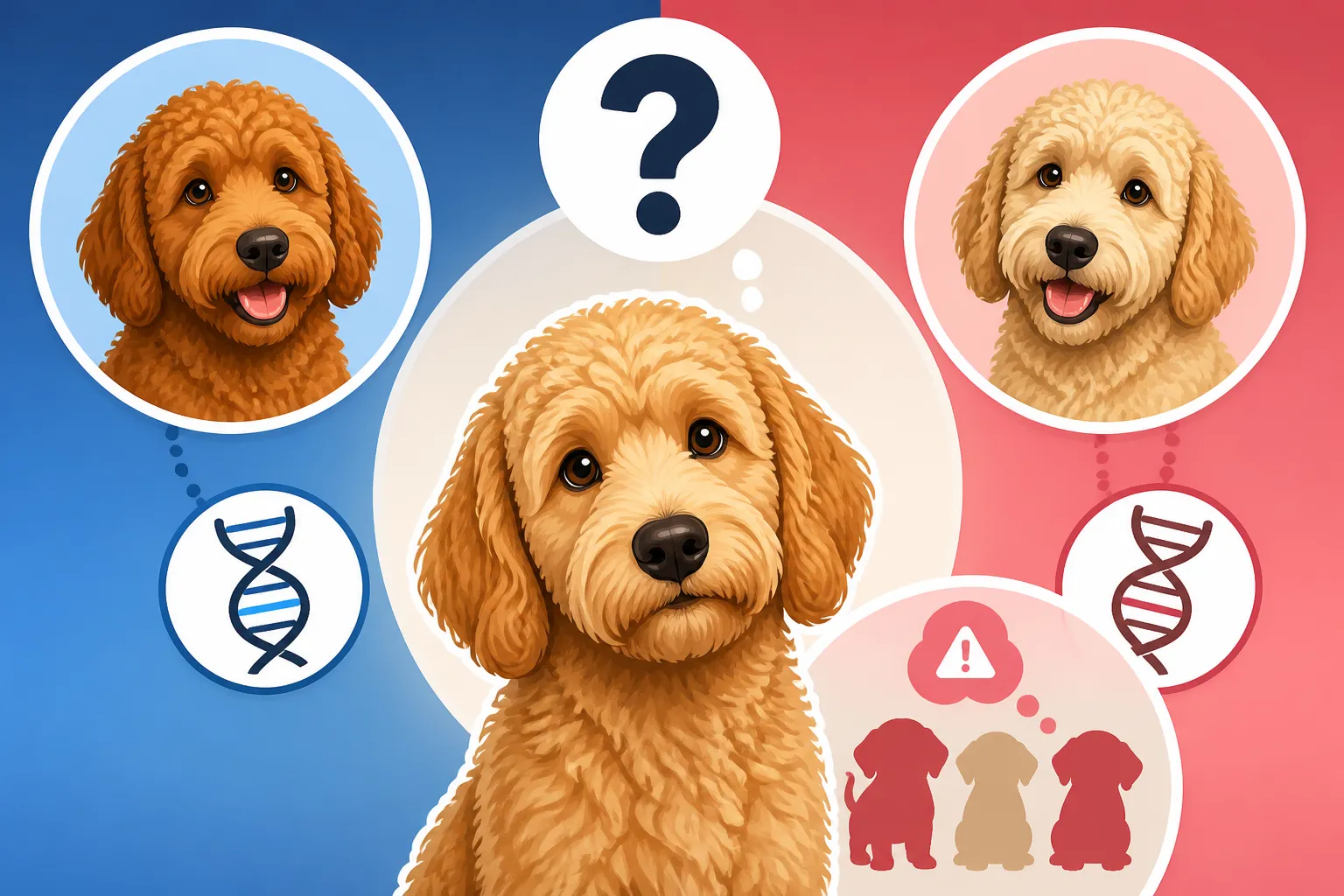
The science behind it is Mendelian inheritance, and it dictates that with two carrier parents, there’s a 25% chance that any given puppy will inherit two copies of the faulty gene and, consequently, be affected by the disease. This is a one-in-four chance with every single puppy in the litter. Imagine the heartbreak of a family welcoming a new puppy, only to find out months or years later that their beloved companion is developing a painful or debilitating inherited condition. That 25% risk is simply too high for many conditions.
Beyond the affected puppies, there’s also a 50% chance that a puppy will inherit one faulty gene and one normal gene, meaning they will also be a carrier, just like their parents. This means the cycle continues, and these puppies, if bred, could pass on the disease to their own offspring. Only 25% of the puppies from such a pairing would be genetically clear, having inherited two normal copies of the gene. This demonstrates why breeding two carriers is generally considered irresponsible by ethical breeding standards. It’s not about weeding out all carriers from the gene pool entirely, which could drastically limit genetic diversity, but rather about preventing the birth of affected individuals.
To illustrate this, let's look at the possible outcomes:
| Parent 1 (Carrier) | Parent 2 (Carrier) | Puppy's Genetic Status | Probability |
|---|---|---|---|
| Healthy Gene (N) | Healthy Gene (N) | Clear (N/N) | 25% |
| Healthy Gene (N) | Faulty Gene (F) | Carrier (N/F) | 25% |
| Faulty Gene (F) | Healthy Gene (N) | Carrier (F/N) | 25% |
| Faulty Gene (F) | Faulty Gene (F) | Affected (F/F) | 25% |
As you can see, the chances of producing an affected puppy are significant. This table makes it very clear why understanding this genetic dynamic is absolutely paramount for anyone considering breeding Labradoodles or even just purchasing a puppy. The goal is always to minimize suffering and maximize the health prospects for every single dog.
Common Labradoodle Genetic Conditions Where This Matters
Labradoodles, being a hybrid of two wonderful breeds, the Labrador Retriever and the Poodle, can inherit a range of genetic conditions from either side of their family tree. When we talk about carrier status from both parents, certain conditions immediately come to mind due to their recessive inheritance patterns and the impact they have on a dog's quality of life. Understanding these specific conditions helps underscore the importance of genetic testing and responsible breeding.
Exercise Induced Collapse (EIC) and Carrier Status
One of the most concerning conditions for which carrier status is critical is Exercise Induced Collapse, or EIC. This neurological disorder primarily affects Labradors, but can certainly be passed down to Labradoodles. Imagine a vibrant, energetic Labradoodle puppy, full of life and eager to play, suddenly collapsing after a few minutes of intense exercise. It’s a terrifying experience for any owner to witness, and it’s a reality for dogs affected by EIC. These episodes typically manifest after 5-20 minutes of strenuous activity, such as retrieving, field trials, or even just high-excitement play. The dog’s hind limbs become weak, progress to an unstable gait, and eventually lead to complete collapse. While most dogs recover within 5-25 minutes, it’s not only distressing but can be dangerous if the dog collapses in a hazardous situation.
If both parent Labradoodles are carriers for EIC, there’s that 25% chance that a puppy will be genetically affected. This means that puppy, even if seemingly healthy initially, will likely develop EIC symptoms as they grow and engage in activity. The key here is that a carrier Labradoodle won't show symptoms themselves; they'll have inherited one copy of the normal gene and one copy of the DNM1 mutation behind Labradoodle collapse. For owners of a carrier dog, it's important to know that while your own dog isn't at risk of collapse, any puppies they produce with another carrier would be. This is why breeders must be transparent about their dogs' EIC status. Knowing "Whether an EIC carrier Labradoodle is safe to own" refers to the individual dog, not their breeding potential when paired with another carrier. An individual EIC carrier is indeed safe to own and will live a normal, healthy life without ever showing symptoms.
The good news is that there’s a highly reliable DNA test available to identify EIC carrier status. This test, often referred to as "The DNA test that clears a Labradoodle of EIC," screens for the specific gene mutation responsible for the condition. This means breeders can easily test their breeding stock and avoid pairing two carriers. This proactive step prevents the heartache of affected puppies and ensures that the vigorous, active nature of a Labradoodle isn't compromised by a preventable genetic condition. It’s about breeding smarter, not just breeding more.
Progressive Retinal Atrophy prcd-PRA and Visual Impairment
Another significant genetic concern that operates on a recessive inheritance pattern in Labradoodles is Progressive Retinal Atrophy (prcd-PRA). This devastating condition leads to the gradual degeneration of the retina, ultimately resulting in blindness. The initial signs often include night blindness, as the rods in the eyes, responsible for low-light vision, begin to fail. As the disease progresses, day vision also deteriorates, and dogs eventually become completely blind. Imagine a Labradoodle, known for its intelligence and zest for life, slowly losing its ability to see the world around it. It’s a heartbreaking progression for both the dog and its family.
If both Labradoodle parents are carriers for prcd-PRA, then again, there is a 25% chance that any offspring will be affected. These affected puppies will, at some point in their lives, develop the disease and go blind. This is why "The prcd-PRA test both Labradoodle parents need" is absolutely non-negotiable for responsible breeders. They must ensure their breeding dogs are either clear or, if a carrier, only bred with a clear mate. Understanding the progression of "The age prcd-PRA takes a Labradoodle's night vision" can help owners recognize early signs if an affected dog unfortunately does slip through.
Similar to EIC, there are excellent DNA tests available for prcd-PRA. These tests can definitively identify whether a dog is clear, a carrier, or affected by the gene mutation. This means there's no excuse for breeding two carrier dogs together, leading to affected puppies. Breeders should readily provide results from tests like these when you are "Asking a breeder for Labradoodle eye certificates" or genetic health panels. This transparency is key to ensuring that the puppies you bring home have the best possible chance at a long, healthy life with full vision. Pet insurance providers like Healthy Paws can be a real lifeline for families facing such a diagnosis, potentially helping with diagnostic costs and ongoing care, though genetic testing before purchase is always the best prevention.
Navigating Breeder Choices and Genetic Testing
Choosing a Labradoodle puppy is an exciting journey, but it's one that comes with a significant responsibility to ensure you're supporting ethical breeding practices. Understanding genetic inheritance is a huge part of this, especially when it comes to the complex issue of carrier parents. Your choices as a prospective owner can genuinely influence the future health of the breed.
The Importance of Parent Health Testing
The absolute cornerstone of responsible breeding, particularly with breeds that can carry recessive genetic conditions, is comprehensive health testing of the parent dogs. This isn't just a suggestion; it's a critical step that dictates the health trajectory of an entire litter. Without thorough DNA screening for conditions like EIC and prcd-PRA, breeders are essentially breeding in the dark, relying on luck rather than science. This can lead to the unwitting production of affected puppies, creating immense suffering for the dogs and profound emotional and financial strain for their future families. The cost of preventing these diseases through testing is minuscule compared to the potential veterinary bills and heartbreak down the line.
"The health tests a Labradoodle breeder should show" include not just DNA panels for diseases like EIC, prcd-PRA, and potentially others like Von Willebrand's disease, but also certifications for hip and elbow health (like OFA or PennHIP) and regular eye exams (CAER). These tests confirm that the breeding dogs are not only free from exhibiting these conditions themselves, but also clarify their genetic status as clear or carrier. For conditions with a recessive inheritance pattern, knowing if a dog is a carrier is just as important as knowing if they are clear. An ethical breeder will not only perform these tests but will be eager to share the results with you, explaining what each designation means.
Ultimately, investing in a puppy from health-tested parents is an investment in a healthier future for your dog and for the breed as a whole. It contributes to "Whether health tested parents add years to a Labradoodle" by actively reducing the risk of inheriting debilitating conditions. It’s a testament to a breeder's commitment to improving the breed and ensuring the well-being of every puppy born under their care. When you choose a breeder who prioritizes this level of testing, you’re choosing to be part of the solution, not the problem.
Questions to Ask Your Breeder
When you’re talking to a potential Labradoodle breeder, it's easy to get swept up in the adorable puppy pictures and charming personalities. But it's absolutely crucial to slow down and ask the hard questions, especially concerning genetic health. Don't be shy; a good breeder will welcome your questions and be transparent with their answers. Start by asking for verifiable proof of genetic health testing for both parents. This means not just a "clear by parentage" statement, but actual documentation from reputable labs for conditions like EIC and prcd-PRA. If a breeder is hesitant or dismissive, it's a major red flag.
Specifically, inquire about the EIC and prcd-PRA status of both the sire and the dam. Ask them directly, "What is the EIC status of the mother and father?" and "Have both parents been tested for prcd-PRA, and what were the results?" You're looking for clear documentation indicating "clear" status for at least one of the parents for any given recessive condition. If a breeder admits that both parents are carriers for the same recessive condition, you need to understand their breeding philosophy. While some argue that breeding two carriers might be done to preserve valuable traits that are rare, this decision should come with extreme caution and transparent disclosure, and ideally, selective breeding programs would move towards pairing a carrier with a clear dog to produce only carriers and clear offspring, completely eliminating the risk of affected puppies.
If a breeder has bred two carriers for the same condition, they should be able to explain why they made that choice, what measures they are taking to ensure affected puppies are identified, and what their ethical obligations are to those puppies and their future owners. For instance, some might perform genetic testing on every single puppy to identify affected individuals, offering different placement options or compensation. However, the most responsible approach is to simply not breed two carriers for the same condition, especially when reliable DNA tests are readily available for "The DNA test that clears a Labradoodle of EIC" and for PRA. Don't hesitate to walk away if you're not completely satisfied with a breeder's answers or if you suspect they are not prioritizing the health of their puppies. Your due diligence now can save you and your future Labradoodle from a lifetime of preventable health challenges and significant veterinary costs that even comprehensive pet insurance, like a plan from Healthy Paws, might not fully cover if the condition is deemed pre-existing before coverage begins.
Disclaimer
This guide is intended for informational purposes only and does not constitute veterinary advice. Always consult with a qualified veterinarian for any health concerns or before making decisions about your Labradoodle's care or breeding. Genetic testing and breeding decisions should be made in consultation with veterinary professionals and experienced, ethical breeders.