Anal Gland Trouble in a Labradoodle
It’s a topic no one really wants to talk about, but if you’re a Labradoodle parent, chances are you’ve either encountered it or will eventually: anal gland trouble. The tell-tale scooting across your carpet, that sudden, pungent odor, or the way your sweet dog might unexpectedly snap when you try to pet their hindquarters – these are all frustrating and often confusing signs that something isn’t quite right. This guide is here to shed light on this surprisingly common issue, helping you understand what’s going on, how to recognize the signs, and most importantly, what you can do to keep your Labradoodle comfortable and healthy.
Understanding Your Labradoodle's Anal Glands: The Basics
Let's dive into what these mysterious glands are, why they sometimes cause so much grief for our beloved Labradoodles, and why your furry companion might be more prone to issues than you initially thought.
What Are Anal Glands and What Do They Do?
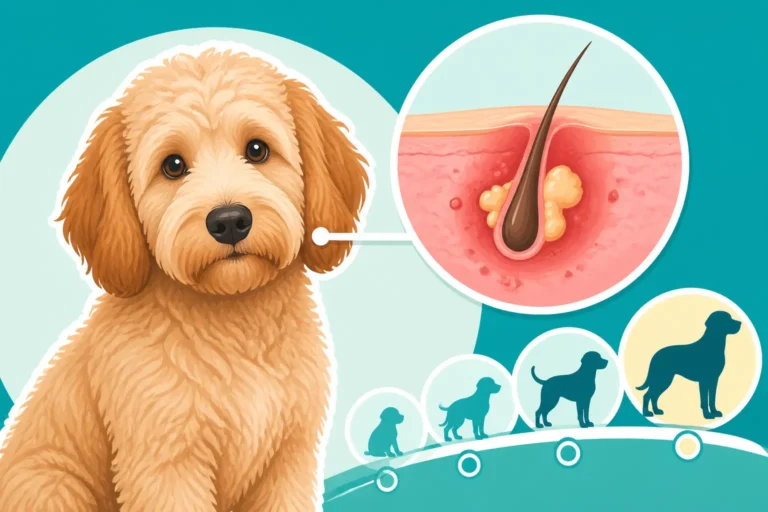
Think of anal glands as two tiny scent pouches, nestled internally on either side of your Labradoodle's anus, typically at the 4 and 8 o’clock positions. Each gland has a small duct that opens just inside the rectum. In the wild, these glands secrete a potent, fishy-smelling liquid that's unique to each dog, serving as a personal ID tag. When a dog poops, especially if the stool is firm, it usually applies just enough pressure to express a small amount of this fluid naturally. This is why dogs sniff each other's rear ends – they're essentially reading a "business card" of scent!
The fluid itself ranges in consistency from a thin, yellowish-brown liquid to a thick, pasty, dark brown substance. Its purpose is primarily for scent marking territory and communication with other canines. For domestic dogs, particularly those with a more sedentary lifestyle or softer stools, this natural expression often doesn't happen efficiently, leading to a host of problems. It’s not just a gross topic; it's a vital part of your dog's anatomy that, when functioning correctly, goes completely unnoticed.
Why Labradoodles Seem So Prone to Anal Gland Issues
Many Labradoodle owners feel like they’re constantly battling anal gland woes, and you’re not imagining things. While any dog breed can experience these issues, Labradoodles do seem to pop up frequently in vet discussions about impacted or infected anal glands. There are a few theories about why this might be the case.
Firstly, genetics might play a subtle role. Both the Labrador Retriever and the Poodle, the parent breeds, can have their share of skin and allergy sensitivities. When these predispositions combine in a Labradoodle, it can sometimes manifest as inflammation or irritation around the anal area, contributing to gland problems. Think of it like a ripple effect – if your dog has underlying allergies, the skin around their rear can become itchy and inflamed, making natural expression more difficult and painful.
Secondly, diet and stool consistency are huge factors. A diet lacking in sufficient fiber can lead to softer, less bulky stools. Since firm stool is crucial for naturally squeezing those glands, a consistently soft stool means less natural expression. Many commercial dog foods, while seemingly balanced, might not provide the optimal fiber content for every individual dog. Without that firm pressure, the fluid can build up, thicken, and become impacted, which is incredibly uncomfortable.
Lastly, some Labradoodles, especially those with thicker, denser coats, might have hair around the anal area that inadvertently covers the tiny ducts, making natural expression physically harder. While regular grooming helps, it’s not always a complete solution. Plus, if your Labradoodle is struggling with their weight, even just a few extra pounds can affect the musculature and fat deposits around the anal area, further impeding natural gland function. Maintaining a healthy weight is crucial for overall health, and for preventing issues like this. If you’re unsure what your dog's ideal weight should be, check out resources like The Weight a Labradoodle Should Hold.
Spotting the Signs of Anal Gland Trouble in Your Labradoodle
Recognizing when your Labradoodle is having anal gland issues is the first step to getting them relief. Sometimes the signs are obvious, like something out of a cartoon, but other times they can be more subtle, leaving you scratching your head.
The Classic "Scooting" and Other Visible Clues
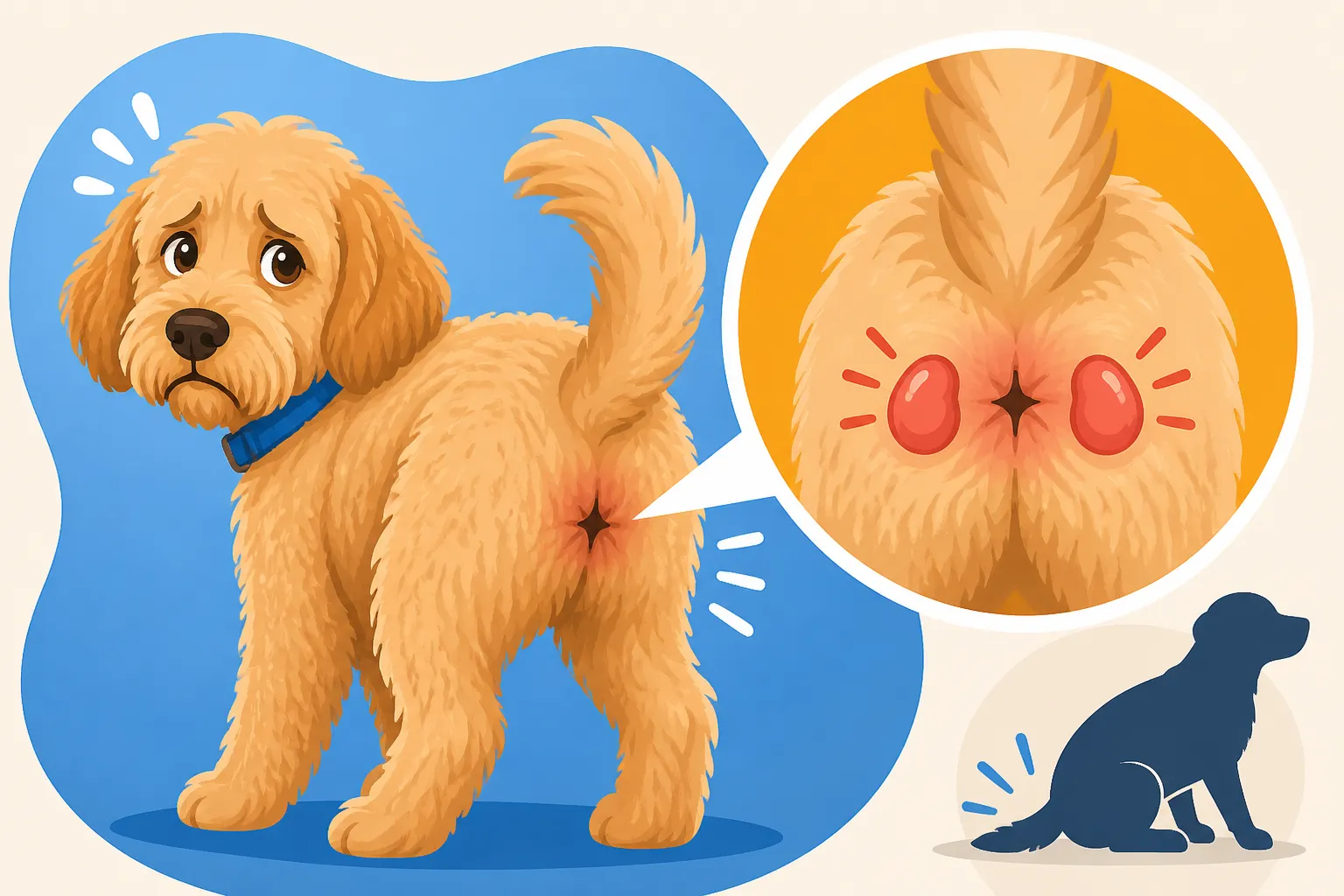
The most infamous sign of anal gland trouble is undoubtedly "the scoot." This is when your Labradoodle drags their bottom across the carpet, grass, or any rough surface they can find. They’re not trying to be naughty; they’re desperately trying to relieve the pressure and discomfort building up in their anal glands. It’s their way of trying to express those glands themselves, and while it might seem comical, it’s a clear indication of distress.
Beyond scooting, you might notice your Labradoodle excessively licking or biting at their rear end or under their tail. This intense grooming is another attempt to alleviate the irritation. You might even see redness, swelling, or even a small abscess (a pus-filled bump) if the glands become infected. Sometimes, the area around the anus might look inflamed or even raw from constant licking. If your Labradoodle has a lighter coat, you might even notice brownish staining around their tail base, which can be residual fluid from partial, uncomfortable expressions. It's a sign they're trying to manage the situation on their own, often making it worse.
Behavioral Changes and Discomfort
While physical signs are key, behavioral changes can also hint at anal gland problems. A dog in discomfort is often a dog whose behavior changes. Your usually friendly and playful Labradoodle might become unusually grumpy or withdrawn. They might be reluctant to sit down, or they might sit gingerly on one side, favoring their hip, because sitting directly on their inflamed glands is painful. Some dogs might even yelp or snap if you try to touch their rear end, even gently, which is very out of character for the usually sweet-natured Labradoodle.
Another unmistakable sign, albeit an unpleasant one, is a sudden, foul, fishy odor emanating from your dog. This smell is the anal gland fluid itself, which might be leaking out involuntarily, especially if the glands are very full or have ruptured due to infection. It’s a smell that tends to linger and is hard to mistake for anything else. If you notice this smell, particularly if it's strong and persistent, it's a huge red flag that medical attention is needed. Don't ignore these subtle cues, as early intervention can prevent more serious complications like abscesses or fistulas.
Managing and Preventing Anal Gland Problems
The good news is that anal gland issues are often manageable, and with the right approach, you can significantly reduce their frequency and severity for your Labradoodle. It takes a combination of proactive care and knowing when to call in the professionals.
At-Home Care and Dietary Adjustments
One of the most impactful things you can do for your Labradoodle's anal gland health starts in their food bowl. Adding fiber to their diet can make a world of difference. Fiber helps bulk up the stool, making it firmer and more consistent, which in turn aids in the natural expression of the glands during defecation. You can achieve this by incorporating high-fiber vegetables like pumpkin (plain, canned pumpkin puree, not pie filling!), green beans, or sweet potato into their meals. Some owners even use specific fiber supplements recommended by their vet.
Beyond fiber, ensuring your Labradoodle maintains a healthy weight is paramount. Excess weight can make it harder for the muscles around the anus to function effectively, contributing to impaction. Review your Labradoodle's daily calorie intake and exercise routine. If they're a particularly enthusiastic eater, you might be wondering Keeping Weight Off a Labradoodle That Begs. A balanced, high-quality diet is also essential; avoid overly processed foods and look for formulations that support digestive health. Probiotics can also be helpful for some dogs by promoting a healthy gut microbiome and improving stool consistency. You might consider exploring Whether Probiotics Settle a Labradoodle's Stomach for more details on this.
Additionally, some natural supplements like fish oil, rich in Omega-3 fatty acids, can help reduce inflammation throughout the body, including around the anal glands. This could make expression less painful and potentially easier. If you're curious about the benefits, read more about Whether a Labradoodle Needs Fish Oil. Always consult your vet before making significant dietary changes or adding supplements, as they can advise on appropriate dosages and ensure they don't interact with any existing conditions or medications.
When to Seek Veterinary Help and Professional Expressing
While at-home dietary management is a great first line of defense, sometimes your Labradoodle will need professional help. If you notice any of the signs of discomfort, especially persistent scooting, licking, a strong odor, or visible swelling/redness, it's time to call your veterinarian.
Your vet or a trained veterinary technician can safely and effectively express your Labradoodle's anal glands manually. This involves gently squeezing the glands to empty the built-up fluid. This provides immediate relief for most dogs. Do not attempt this at home unless specifically trained by a professional, as improper technique can cause pain, trauma, or even rupture the glands, leading to more severe issues.
In cases where glands are severely impacted or infected, your vet might need to do more than just a manual expression. They might flush the glands with an antiseptic solution, prescribe antibiotics to clear up any infection, or even anti-inflammatory medications to reduce swelling and pain. If the glands repeatedly become infected, rupture, or cause chronic pain despite diligent management, your vet might discuss a surgical option to remove the anal glands entirely. This is usually considered a last resort due to potential complications like fecal incontinence, but for some dogs, it offers a permanent solution to persistent suffering.
It’s worth noting that these veterinary visits and potential treatments can add up. Pet insurance, such as a policy from Healthy Paws, can be a real lifesaver when dealing with recurring health issues like anal gland problems. They can help cover the costs of exams, expressing, medications, and even surgery if it becomes necessary. Having that peace of mind allows you to focus on your Labradoodle's health without the added financial stress.
| Care Type | Description | Pros | Cons |
|---|---|---|---|
| Dietary Adjustment | Adding fiber (pumpkin, greens, supplements) to food. | Natural, addresses root cause (stool consistency), improves overall digestion. | Can take time to see results, requires consistent effort, may not be enough for severe cases. |
| At-Home Hygiene | Regular cleaning of the anal area, trimming hair. | Prevents external irritation, keeps area clean, good preventative measure. | Does not address internal impaction, can be difficult with a sensitive dog. |
| Professional Expression | Vet or tech manually empties glands. | Immediate relief, done safely and correctly, vet can assess for infection. | Requires vet visit, can be uncomfortable for dog, doesn't prevent recurrence. |
| Medication (Vet Prescribed) | Antibiotics, anti-inflammatories for infection/inflammation. | Treats active infection, reduces pain and swelling. | Requires vet diagnosis, addresses symptoms, not always the underlying cause. |
| Surgery (Anal Sacculectomy) | Surgical removal of the anal glands. | Permanent solution for chronic, severe issues. | Invasive, potential for complications (e.g., fecal incontinence), significant cost (check if Healthy Paws covers it under your plan). |
Long-Term Strategies for a Happy, Healthy Labradoodle
Preventing anal gland issues in the long term requires a holistic approach to your Labradoodle's health and lifestyle. Consistent, high-quality nutrition is key. This means not just enough fiber, but a balanced diet that supports overall digestive health. Consider what you’re feeding them daily – even things like How Much an Adult Labradoodle Eats Daily can influence stool quality. Regular exercise is also beneficial, as it promotes healthy digestion and helps maintain muscle tone, which can assist in natural gland expression.
Another critical component is regular veterinary check-ups. During your Labradoodle’s annual wellness visit, or even more frequently if they are prone to issues, your vet can check their anal glands and address any concerns before they escalate. These routine screenings are part of a comprehensive health plan for your Labradoodle, helping you stay ahead of potential problems. Think of it like The Yearly Screening a Labradoodle Should Get – it covers all the bases, not just the obvious ones.
Finally, hydration plays an often-overlooked role. Ensuring your Labradoodle always has access to fresh water helps keep their digestive system running smoothly and can contribute to healthy stool consistency. A well-hydrated dog is a healthier dog, from nose to tail – and yes, that includes their anal glands! By being proactive and attentive to these details, you can significantly improve your Labradoodle's comfort and well-being, reducing those unpleasant surprises and ensuring they lead a happier, itch-free life. And remember, if you have a Healthy Paws policy, many of these preventative care items and treatments for issues that arise are covered, making long-term care more accessible.
Disclaimer
This article is intended for informational purposes only and does not constitute medical advice. Always consult with a qualified veterinarian for any health concerns or before making any decisions about your Labradoodle's care or treatment.