Whether a Labradoodle Bleeds Longer After Surgery
It’s a truly nerve-wracking experience when your beloved Labradoodle needs surgery, whether it’s for a routine spay/neuter, a necessary dental procedure, or something more complex. One common worry that can keep us up at night is the risk of excessive bleeding, especially since Doodles can sometimes inherit predispositions that aren't immediately obvious. This guide is here to walk you through why Labradoodles might face a higher risk of bleeding complications, what you can do to prepare, and how to monitor them for a safe recovery.
Understanding Bleeding Risks in Your Labradoodle Before Surgery
When you think about your Labradoodle, you probably picture their joyful bounce, their soft coat, and that ever-present goofy grin. What you might not immediately consider are the genetic blueprints from their Poodle and Labrador retriever lineage that could predispose them to certain health issues, including bleeding disorders. The thought of your furry friend having an issue like this, especially when facing surgery, can be incredibly daunting, but understanding the potential risks is the first step in prevention.
The Shadow of Von Willebrand's Disease
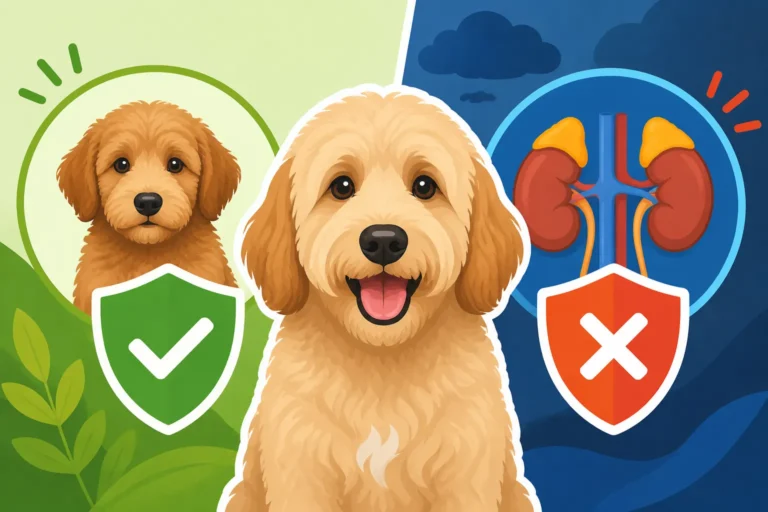
One of the most significant concerns for Labradoodles, when it comes to bleeding, is Von Willebrand's Bleeding in a Labradoodle. This inherited bleeding disorder can significantly impact how your dog's blood clots. Essentially, it means they have a deficiency in von Willebrand factor (vWF), a protein crucial for proper platelet function and clot formation. Imagine trying to stop a leaky faucet, but your wrench isn't quite fitting – that’s a bit like what happens with vWD. Instead of a strong, stable clot forming quickly, the process is delayed or incomplete, leading to prolonged or excessive bleeding.
This condition is particularly prevalent in certain breeds, and unfortunately, Standard Poodles are on that list, which means Labradoodles can inherit it. It's not always obvious, either. Many dogs with vWD go through their lives without major incidents, perhaps just experiencing a bit more bleeding than usual from a minor cut or during teething. But surgery, with its intentional incisions, is a whole different ballgame. A dog with vWD might bleed excessively during the operation, or worse, experience internal bleeding or delayed bleeding once they're home, long after the immediate crisis seems to be over. It’s a silent threat that every Labradoodle owner should be aware of, especially if their dog is facing any kind of invasive procedure.
Other Potential Contributors to Bleeding Issues
While vWD is a major player, it's not the only factor that could influence a Labradoodle's bleeding risk during or after surgery. Other conditions can also contribute to compromised clotting or increased fragility of blood vessels. For instance, certain liver diseases can affect the production of clotting factors, or a deficiency in Vitamin K can also interfere with the clotting cascade. Even some medications, like NSAIDs (non-steroidal anti-inflammatory drugs) given for pain or inflammation, can have an anticoagulant effect if not managed carefully by your veterinarian.
Then there are conditions like immune-mediated thrombocytopenia (ITP), where the dog's own immune system attacks and destroys its platelets, leading to dangerously low platelet counts. Or perhaps a dog has consumed something toxic, like rat poison, which contains anticoagulants. While these are less common as inherent breed risks compared to vWD, they are important for your vet to consider during a thorough pre-surgical workup. The point is, your vet won't just be looking at the immediate surgical site; they'll be considering your Labradoodle's entire physiological landscape to anticipate and mitigate any potential problems.
Pre-Surgical Screening and Preparation to Prevent Complications
The key to a smooth surgical experience for your Labradoodle, especially concerning bleeding, lies in meticulous preparation. It’s not just about fasting them the night before; it’s about a comprehensive approach to understanding their individual health profile. You want to walk into that vet's office feeling confident that everything possible has been done to ensure their safety.
The Importance of Pre-Anesthetic Blood Work and Testing
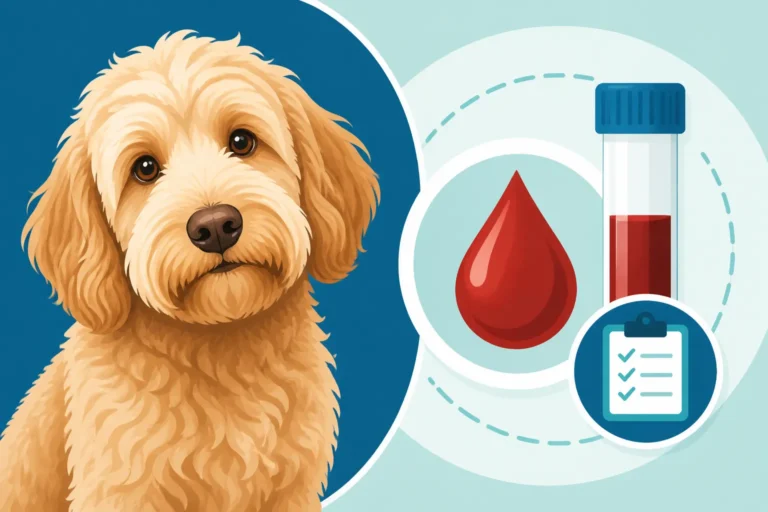
Any reputable veterinarian will recommend pre-anesthetic blood work, and for good reason. This isn't just an upsell; it's a critical diagnostic tool. This battery of tests gives your vet a snapshot of your Labradoodle's internal organ function (liver, kidneys), red and white blood cell counts, and platelet levels. These are all vital indicators that can flag potential issues before anesthesia or surgery begins. For example, if platelet counts are low, your vet will want to investigate why, as low platelets directly impair the blood's ability to clot.
Beyond routine blood work, specifically for breeds with known predispositions, your vet might recommend targeted screening. For Labradoodles, this often means Von Willebrand's Testing on a Labradoodle. This DNA test can identify if your dog is clear, a carrier, or affected by vWD. Knowing this information beforehand is priceless. If your Labradoodle tests positive as affected or even a carrier, your vet can implement specific protocols, such as administering desmopressin (DDAVP) before surgery, which can help temporarily increase vWF levels, or having fresh frozen plasma on hand. These proactive measures can make all the difference in preventing a bleeding crisis. It's a prime example of why early detection and open communication with your vet are so crucial.
Communicating with Your Veterinarian and Breeder
You are your Labradoodle's biggest advocate, and that means being a proactive participant in their healthcare. Before any surgery, have a detailed conversation with your veterinarian about your dog's history, any unusual bruising you've noticed, or any prolonged bleeding from minor injuries. Don't dismiss small details; they could be vital clues. This is especially important for conditions like Whether Anesthesia Is Safe for an Addisonian Labradoodle, where pre-existing conditions significantly impact surgical protocols.
Furthermore, if you got your Labradoodle from a breeder, reach out to them. Reputable breeders should have performed health clearances on the parent dogs, including genetic tests for conditions like vWD. They should be able to provide you with documentation, as outlined in The Health Tests a Labradoodle Breeder Should Show. If you adopted a rescue or your breeder didn't provide this, it's even more important to pursue testing yourself. Understanding Whether a Labradoodle From Untested Parents Is a Risk highlights why this proactive approach is so important. Knowing your dog's genetic background empowers your vet to provide the safest care. Having a good pet insurance plan, like those offered by Healthy Paws, can also provide peace of mind, knowing that some of these diagnostic tests and potential treatments might be covered, reducing the financial stress during an already anxious time.
Medications and Dietary Considerations
Before surgery, your veterinarian will likely give you instructions regarding food and water, usually involving a fasting period to prevent aspiration during anesthesia. However, it's equally important to discuss all medications and supplements your Labradoodle is currently taking. This includes over-the-counter pain relievers, joint supplements like glucosamine, herbal remedies, and even specialized diets. Some supplements, such as fish oil, can have a blood-thinning effect and might need to be discontinued a week or two before surgery.
Your vet needs the complete picture to assess any potential interactions or impacts on clotting. For example, if your Labradoodle is already on a medication that affects platelet function, your vet will need to factor this into their surgical plan and potentially adjust dosages or provide alternative treatments to manage pain post-operatively. Don't be shy about asking questions or bringing in every bottle from your dog's supplement cabinet. Transparency is absolutely key to minimizing risks and ensuring a smooth procedure.
Recognizing and Responding to Excessive Bleeding Post-Surgery
The moment your Labradoodle comes home after surgery, you'll feel a mix of relief and anxiety. You’ll want to watch them like a hawk, and rightly so. Understanding what’s normal and what’s not when it comes to post-operative bleeding is crucial for a successful recovery.
What Normal Post-Surgical Bleeding Looks Like
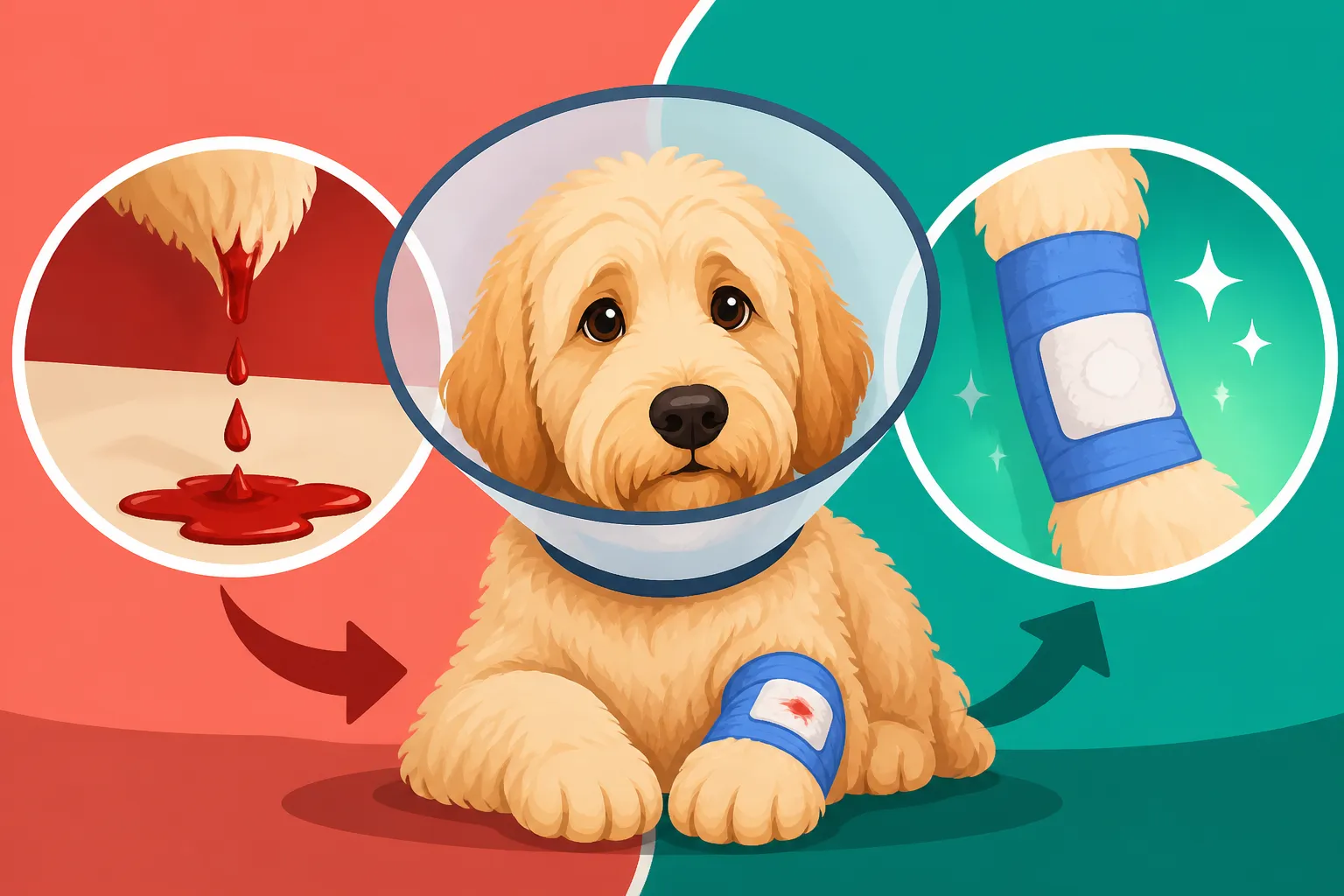
It's completely normal to see a small amount of oozing or light spotting around your Labradoodle's incision site in the first 24-48 hours after surgery. Think of it like a tiny scrape you might get – a little bit of redness or a slight crust is usually nothing to worry about. The vet clinic will likely send them home with specific instructions on how to care for the incision, which often includes a small amount of gauze or a bandage. This minor discoloration or discharge is typically a mix of blood plasma and a tiny bit of actual blood, and it usually dries quickly.
The incision itself should look clean, with the edges approximated nicely, perhaps held together by sutures or surgical glue. A little swelling is also common, especially in the first few days, as the body’s natural healing response kicks in. What you're aiming for is a gradual improvement; the oozing should lessen, the swelling should subside, and the area should start to look less inflamed over time. Your vet should give you clear guidance on what to expect, and if you're ever in doubt, a quick phone call to their office can offer peace of mind.
Signs of Excessive or Abnormal Bleeding
While a little oozing is normal, there are definite red flags that indicate excessive or abnormal bleeding, and these warrant immediate veterinary attention. Trust your gut; if something doesn't feel right, it probably isn't.
Here's a list of signs to watch for:
- Continuous, heavy dripping or steady flow of blood: This is beyond mere spotting and suggests an active bleed.
- Rapidly expanding swelling around the incision site: This could indicate a hematoma (a collection of blood under the skin) forming, which can be serious.
- Blood soaking through bandages quickly: If you have to change bandages frequently because they're saturated, it's a sign of significant bleeding.
- Pale gums: This is a sign of blood loss and shock.
- Weakness, lethargy, or collapse: These are systemic signs that your Labradoodle might be losing too much blood internally or externally.
- Excessive licking or chewing at the incision: While some interest is normal, aggressive licking can open the wound or dislodge clots.
- Blood in urine or stool, or coughing/vomiting blood: These indicate internal bleeding, which can be particularly dangerous.
A general guide to understanding the differences:
| Symptom | Normal Post-Op Bleeding | Excessive/Abnormal Bleeding |
|---|---|---|
| Volume of Blood | Light spotting, small drops; stops quickly. | Steady trickle, heavy dripping, soaking through bandages. |
| Appearance | Light pink/red, watery; may dry to a faint crust. | Bright red, fresh, flowing. |
| Swelling around Incision | Mild, localized swelling, gradually decreases. | Rapidly increasing, firm, painful swelling; may feel warm. |
| Bandage Saturation | Minimal, bandage stays mostly dry; small spot. | Bandage becomes quickly saturated, needs frequent changing. |
| Dog's Demeanor | A bit subdued but responsive, gradually regaining energy. | Lethargic, weak, disoriented, wobbly, pale gums. |
| Duration | Resolves within 24-48 hours. | Continues or worsens beyond 48 hours, or starts unexpectedly later. |
If you notice any of the signs of excessive bleeding, contact your emergency veterinarian immediately. Don't wait to see if it improves; prompt action can save your Labradoodle's life. Having pet insurance, like a comprehensive plan from Healthy Paws, can be invaluable in these emergency situations, helping to cover the unexpected costs of critical care.
Emergency Response Steps
If you suspect your Labradoodle is experiencing excessive post-surgical bleeding, remaining calm and acting quickly is paramount. First, try to apply gentle, direct pressure to the bleeding site using a clean cloth or gauze. This can help slow the blood flow. If your dog has an Elizabethan collar (e-collar), ensure they are wearing it to prevent them from licking or disturbing the wound, which can exacerbate bleeding or introduce infection.
Immediately call your veterinarian or the nearest emergency veterinary clinic. Describe the situation clearly: what you're seeing, how much blood, and your dog's overall demeanor. They will guide you on the next steps, which will almost certainly involve bringing your Labradoodle in for an immediate assessment. When transporting your dog, keep them as still and comfortable as possible. Remember, in these critical moments, The Point a Labradoodle's Owner Has to Decide can come quickly, so being prepared for a quick vet visit is essential.
Long-Term Management and Prevention of Bleeding Disorders
A Labradoodle's health journey doesn't end after a successful surgery and recovery. For some, especially those identified with a bleeding disorder, long-term management and ongoing vigilance become a part of their care routine. This is about giving your furry family member the best possible quality of life, safely.
Living with a Diagnosed Bleeding Disorder
If your Labradoodle is diagnosed with a bleeding disorder like Von Willebrand's Disease, it doesn't mean a life of constant fear or limitation. Many dogs with vWD live full, happy lives with appropriate management. The key is awareness and working closely with your veterinarian. You'll need to be mindful of medications (avoiding aspirin or other NSAIDs that thin the blood unless specifically prescribed by your vet), and activities that could lead to injury. For instance, rough play with other dogs or unsupervised outdoor adventures might need to be tempered.
Your vet might recommend a medical alert tag for your dog, clearly stating their condition, which is vital in case of an emergency where you're not present. This information is critical for any vet or emergency personnel. You’ll also want to inform any groomers, boarders, or dog walkers about their condition, as even minor nicks or scrapes can become problematic. Regular check-ups, part of The Yearly Screening a Labradoodle Should Get, will be important to monitor their overall health and ensure no new bleeding-related issues arise. For older Labradoodles, it's also important to know What a Labradoodle Owner Should Watch For After Eight, as new health challenges can emerge.
Proactive Health Management and Breeder Diligence
One of the most powerful tools in preventing inherited bleeding disorders is responsible breeding practices. If you're looking for a Labradoodle puppy, always ensure that breeders perform comprehensive health testing on their breeding stock, including genetic tests for vWD. Ask for proof of these clearances. This due diligence is crucial because it helps reduce the prevalence of these conditions in future generations.
For current owners, beyond specific bleeding disorders, general proactive health management is always beneficial. A balanced diet, appropriate exercise, and maintaining a healthy weight contribute significantly to your Labradoodle's overall well-being. Regular veterinary visits are essential, as is knowing what signs of illness to look for. For example, some Labradoodles may be predisposed to conditions like Bloat Risk in a Standard Poodle Bred Labradoodle due to their deep chests, which can also require surgical intervention. Similarly, Whether a Labradoodle's Ear Hair Causes Its Infections can lead to chronic ear issues that might, at some point, need surgical attention under anesthesia. Staying informed and insured, perhaps with a plan from Healthy Paws, allows you to be prepared for various health challenges that might arise throughout your Labradoodle’s life. Being prepared with knowledge and a good insurance plan can make all the difference.
Disclaimer
This article is intended for informational purposes only and does not constitute veterinary advice. Always consult with a qualified veterinarian for any health concerns or before making any decisions about your Labradoodle's medical care, especially regarding surgical procedures and bleeding risks. Individual situations can vary, and professional veterinary guidance is essential.