Von Willebrand’s Bleeding in a Labradoodle
Discovering that your beloved Labradoodle might have a genetic bleeding disorder like Von Willebrand's Disease can be incredibly unsettling. It's a condition that often lurks silently until a minor cut or routine surgery turns into a terrifying ordeal of uncontrolled bleeding. This comprehensive guide is here to shed light on Von Willebrand's Disease in Labradoodles, helping you understand what it is, how to recognize its signs, and most importantly, how to manage it to ensure your furry family member lives a full and happy life.
Understanding Von Willebrand's Disease in Labradoodles
Von Willebrand's Disease (VWD) is one of the most common inherited bleeding disorders in dogs, and it's something every Labradoodle owner should be aware of. It's not a condition that affects how quickly blood clots in general, but rather a specific issue with a particular protein essential for the clotting process.
What Exactly is VWD?
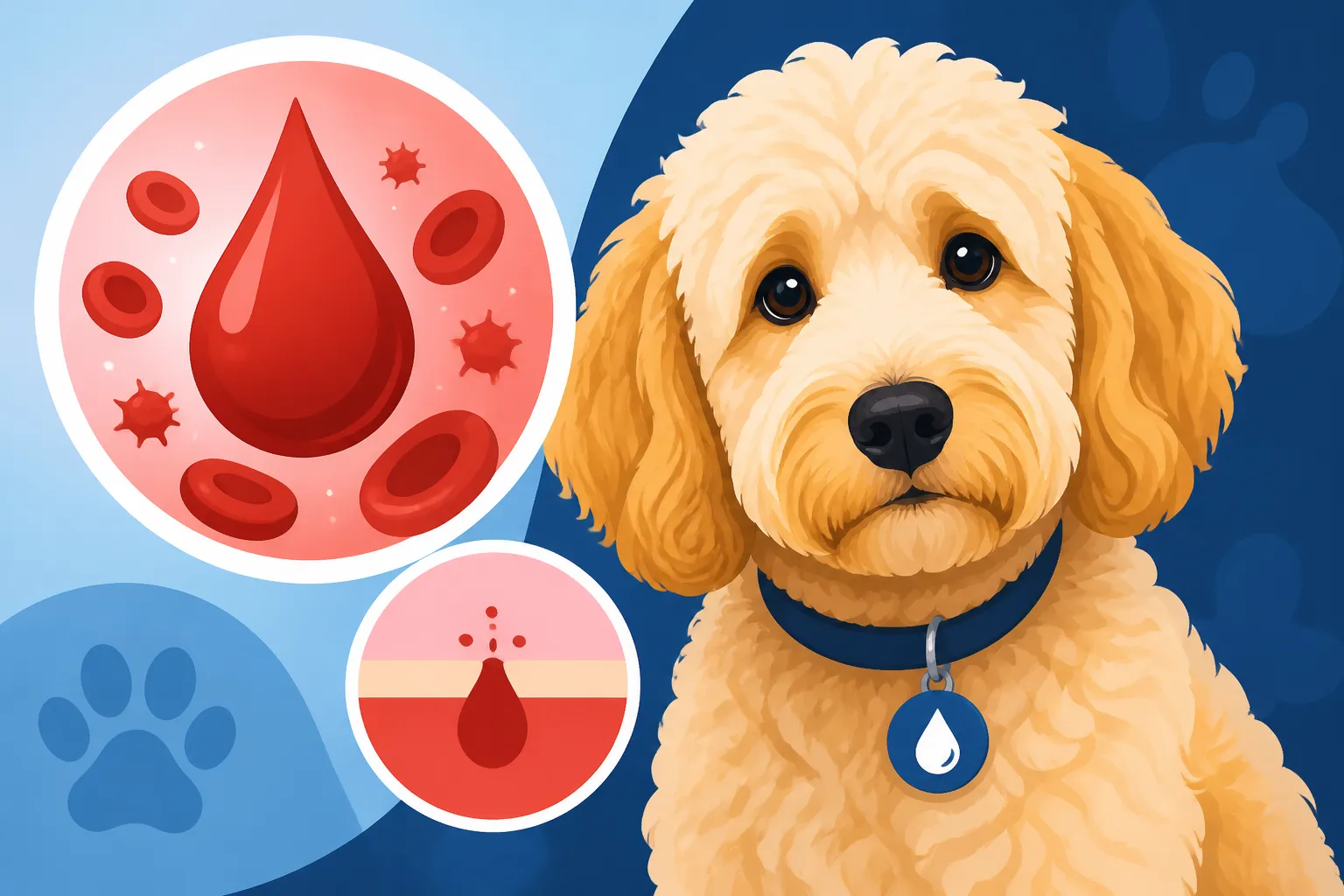
At its core, Von Willebrand's Disease is a genetic disorder that prevents the blood from clotting properly. It's not like hemophilia, which is a different clotting factor deficiency. Instead, VWD involves a deficiency or dysfunction of Von Willebrand factor (vWF), a protein crucial for primary hemostasis – the initial plug that forms when a blood vessel is injured. Without enough functional vWF, platelets (tiny blood cells that help stop bleeding) can't properly stick to the injured vessel wall or to each other, leading to prolonged or excessive bleeding.
There are three main types of VWD, classified by the severity and nature of the vWF deficiency:
- Type 1 VWD: This is the most common form, often seen in breeds like Doberman Pinschers, Poodles, and, by extension, Labradoodles. Dogs with Type 1 produce vWF, but in insufficient quantities. The severity of bleeding can vary greatly, from mild to life-threatening.
- Type 2 VWD: This type is rarer and more severe. Dogs produce vWF, but it doesn't function correctly.
- Type 3 VWD: This is the most severe form, where dogs produce virtually no vWF at all. Bleeding episodes are usually spontaneous and very serious.
Labradoodles typically inherit Type 1 VWD from their Poodle lineage. While not all Poodles are affected, the genetic predisposition is present within the breed, which then passes on to their Labradoodle offspring.
The Genetic Link: Where Does it Come From?
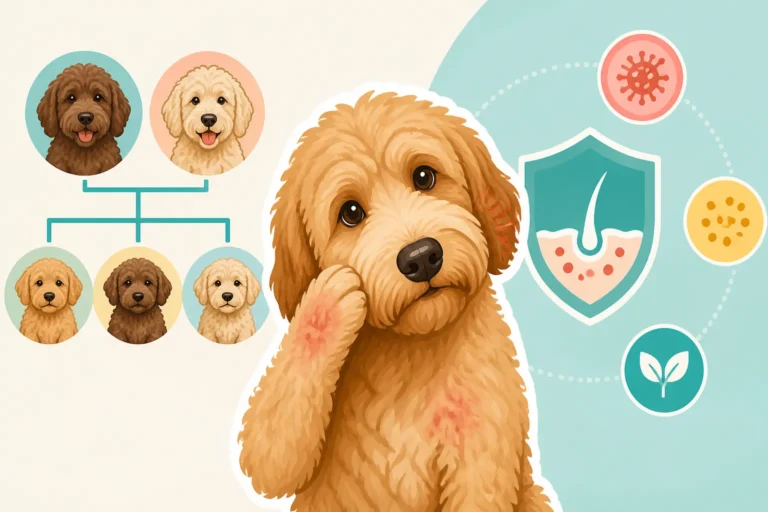
VWD in Labradoodles is an inherited condition, meaning it's passed down from parent dogs to their puppies. Specifically, Type 1 VWD is inherited as an autosomal recessive trait with variable penetrance. What does that mean for you? It means that a dog can be:
- Clear: This dog has two normal copies of the gene and cannot develop VWD or pass it on.
- A Carrier: This dog has one normal copy and one mutated copy of the gene. They usually do not show symptoms of VWD themselves, but they can pass the mutated gene to their offspring.
- Affected: This dog has two mutated copies of the gene. They are at risk of developing VWD and will pass a mutated gene to all of their offspring.
The presence of VWD in Labradoodles primarily stems from their Poodle ancestry. Standard Poodles are a breed known to carry the gene for Type 1 VWD, and because Labradoodles are a cross between a Labrador Retriever and a Poodle, this genetic vulnerability can be passed on. This is why thorough The Health Tests a Labradoodle Breeder Should Show are so crucial for responsible breeders to prevent the spread of genetic diseases like VWD. If a breeder is testing for VWD, they're showing a real commitment to the long-term health of their puppies.
How VWD Affects a Labradoodle's Blood Clotting
Imagine you get a small cut. Your blood vessels constrict, and then platelets rush to the site, forming a temporary plug. Von Willebrand factor acts like glue, helping these platelets stick to the injured vessel wall and to each other. It also carries another important clotting factor (Factor VIII) to the site of injury.
In a Labradoodle with VWD, this "glue" is either missing or doesn't work well. So, when an injury occurs, those initial steps of blood clotting – the platelet plug formation – are impaired. This means that even minor cuts, scrapes, or dental procedures can result in prolonged, excessive bleeding that seems disproportionate to the injury. It's not that their blood never clots, but rather that the initial response is delayed and insufficient, making them susceptible to bleeding that might not stop on its own, or takes a dangerously long time to do so. This can be especially concerning during or after any kind of surgery, as a Labradoodle may bleed longer after surgery if they have this condition.
Recognizing the Subtle Signs of VWD in Your Labradoodle
One of the challenges with Von Willebrand's Disease is that its symptoms can be subtle or easily overlooked, especially if your Labradoodle isn't prone to injuries. For some dogs, the first sign might be a serious bleeding episode during a routine veterinary procedure.
Common Bleeding Symptoms to Watch For
While VWD can manifest in various ways, certain bleeding symptoms are more common and should immediately raise a red flag. It’s not just about a little nosebleed; we’re talking about bleeding that seems to go on forever or is excessive.
- Spontaneous Nosebleeds: These aren't just the occasional dry-weather nosebleed. If your Labradoodle frequently experiences unprovoked nosebleeds that are hard to stop, this could be a symptom. It’s particularly concerning if the bleeding is heavy or lasts for several minutes despite applying pressure.
- Bleeding Gums: When your Labradoodle is teething, a little blood is normal. However, if you notice spontaneous bleeding from the gums, especially during routine activities like chewing on a toy or after a gentle tooth brushing, it warrants investigation.
- Prolonged Bleeding After Injury or Surgery: This is often the most dramatic and alarming symptom. A simple cut that normally would clot in minutes might bleed for an extended period, requiring veterinary intervention. Similarly, if your Labradoodle undergoes surgery (like a spay/neuter or even a minor lump removal) and experiences excessive bleeding during or after the procedure, VWD should be suspected. For some owners, this is the first time they realize something is wrong, and it can be terrifying to see your dog continuing to bleed when they should be recovering. This also brings to mind concerns about other medical events, like needing Whether Anesthesia Is Safe for an Addisonian Labradoodle, which also require careful pre-planning for dogs with specific health conditions.
- Excessive Bruising: Have you noticed unexplained bruises on your Labradoodle's body, especially on their belly or inner thighs? These could be due to minor bumps or impacts that would normally not cause such a visible mark in a dog with normal clotting.
The Less Obvious Indicators of a Problem
Beyond the overt bleeding, VWD can present with more subtle signs that might be missed or attributed to other issues. Being observant and knowing your Labradoodle's normal behavior is key.
- Bloody Urine or Stool: If you see fresh blood in your Labradoodle's urine (hematuria) or tarry, black stool (melena, indicating digested blood from higher in the digestive tract), it could point to internal bleeding. While many things can cause this, VWD should be on the list of possibilities, especially if other bleeding signs are present.
- Lameness or Swelling: In severe cases, bleeding can occur into joints, leading to pain, swelling, and lameness. Your dog might be reluctant to move, limp, or show signs of discomfort when a particular joint is touched. This might initially be mistaken for an injury or arthritis, but internal bleeding should be considered.
- Lethargy and Weakness: Significant blood loss, even if internal, can lead to anemia. A Labradoodle experiencing ongoing or severe bleeding might become noticeably lethargic, weak, and have pale gums. They might seem less interested in play or appear generally unwell. If you notice a sudden change in energy levels, especially alongside other subtle signs, it’s worth a vet visit.
When Symptoms Might First Appear
The age at which VWD symptoms first appear can vary widely, which adds to the difficulty of early diagnosis. Some Labradoodles might show signs as puppies, especially if they have a more severe form of the disease or undergo an early surgical procedure like a neuter. Others might go their entire lives without a major bleeding episode, only to have it surface during an accident or old age.
For dogs with Type 1 VWD, the variable penetrance means that even affected dogs might not always show severe symptoms. A dog with a moderate deficiency might only have a problem during a significant injury or surgery, whereas one with a more pronounced deficiency could have spontaneous nosebleeds from a young age. This variability makes pre-screening even more vital, as you can’t always tell by looking if a Labradoodle is affected. Staying attuned to your Labradoodle's health and regular The Yearly Screening a Labradoodle Should Get with your vet are crucial, especially as they get older, like when you consider What a Labradoodle Owner Should Watch For After Eight.
Getting a Diagnosis: Tests for Von Willebrand's Disease
If you suspect your Labradoodle might have Von Willebrand's Disease, getting a definitive diagnosis is the next critical step. This involves a combination of genetic and clinical blood tests.
DNA Testing for VWD Status
The most accurate and definitive way to determine your Labradoodle’s VWD status is through DNA testing. This test identifies the specific genetic mutation responsible for Type 1 VWD. It’s a simple, non-invasive test, typically done using a cheek swab or a small blood sample, and it can be performed at any age, even on young puppies.
The beauty of DNA testing is that it can tell you if your Labradoodle is:
- Clear (homozygous normal): This means they have two healthy copies of the gene and are free of VWD. They cannot develop the disease or pass it on.
- A Carrier (heterozygous): They have one healthy copy and one mutated copy. They are unlikely to show clinical signs themselves (though some mild bleeding tendencies have been reported in carriers in certain breeds), but they can pass the mutated gene to 50% of their offspring.
- Affected (homozygous affected): They have two mutated copies of the gene and are at risk of developing clinical VWD. They will pass a mutated gene to all of their offspring.
This information is invaluable for both owners and breeders. For owners, it provides peace of mind or prepares them for potential management. For breeders, it’s a cornerstone of responsible breeding practices, helping them make informed decisions to avoid producing affected puppies. Many reputable Labradoodle breeders will test their breeding stock for VWD, alongside other common genetic conditions like those covered in What the EIC and PRA Panel Costs on a Labradoodle.
Clinical Blood Tests and Their Role
While DNA testing tells you the genetic predisposition, clinical blood tests assess the actual amount and function of the Von Willebrand factor in the blood. These tests are particularly useful for:
- Confirming clinical VWD: If a dog is bleeding excessively, these tests can help confirm that VWD is the cause.
- Assessing severity: They can give an indication of how deficient the vWF levels are.
- Screening when DNA testing isn't available or relevant: Although for Labradoodles, DNA testing for Type 1 is usually the first choice.
The primary clinical blood tests include:
- vWF Antigen (vWF:Ag) Levels: This test measures the actual concentration of Von Willebrand factor protein in the blood. A lower-than-normal level indicates a deficiency. Results are often expressed as a percentage of normal.
- Buccal Mucosal Bleeding Time (BMBT): This is a simple, in-clinic test where a small, standardized incision is made on the inside of the dog's lip, and the time it takes for bleeding to stop is measured. Dogs with VWD will typically have a prolonged bleeding time. While not specific to VWD (other platelet disorders can also prolong BMBT), it's a good screening tool to identify dogs with primary hemostasis issues.
These clinical tests can sometimes be influenced by other factors, such as stress, inflammation, or certain medications, so they are often used in conjunction with DNA tests for the most complete picture.
Interpreting Test Results for Your Labradoodle
Once your Labradoodle has been tested, understanding the results is key. If your dog tests as Affected by the DNA test, it means they are genetically predisposed to VWD and are at a higher risk of bleeding episodes. The severity of these episodes can still vary, but precautions will need to be taken.
If your dog is a Carrier, they generally won't show symptoms themselves, but they carry the gene and could pass it to their offspring if bred with another carrier or affected dog. This is vital information for breeders, who should never breed two carriers together. Responsible breeders use these results to make informed choices, ensuring that at least one parent in a breeding pair is clear for VWD. This adherence to health testing adds years to a Labradoodle's potential lifespan by minimizing the risk of inherited diseases.
A Clear result means your Labradoodle is free of the VWD gene mutation and won't develop Type 1 VWD or pass it on. This is the ideal status, especially for breeding dogs.
For those considering bringing a Labradoodle into their home, always ask breeders for proof of VWD testing on both parent dogs. If a Labradoodle comes from Whether a Labradoodle From Untested Parents Is a Risk, you are essentially taking a gamble on their genetic health, which can lead to heartbreaking and costly issues down the line. A reliable breeder will have transparent health records, including DNA tests for VWD, for all their breeding animals.
Managing and Living with a Labradoodle Affected by VWD
Living with a Labradoodle affected by Von Willebrand's Disease requires careful management and a proactive approach to their care. While it can be daunting, with proper planning, your dog can still lead a happy, full life.
Emergency Protocols for Bleeding Episodes
When a VWD-affected Labradoodle starts bleeding excessively, it can be an emergency. Knowing what to do in these stressful moments can make a significant difference.
- Stay Calm: Panic will only make the situation worse. Take a deep breath and focus on the steps you need to take.
- Apply Direct Pressure: For external wounds or nosebleeds, immediately apply firm, continuous pressure with a clean cloth or gauze for at least 5-10 minutes. Do not peek to see if the bleeding has stopped; maintain pressure.
- Contact Your Veterinarian Immediately: Even if you manage to stop the bleeding, it's crucial to inform your vet. They can advise you on whether your dog needs to be seen. For severe or uncontrolled bleeding, head to the nearest emergency veterinary clinic without delay. Having an emergency plan is just as critical for VWD as it is for other serious conditions like if Whether an Addisonian Labradoodle Needs an Emergency Plan is needed.
- Be Prepared for Transfusions: In serious bleeding episodes, a blood transfusion (plasma or whole blood) containing functional Von Willebrand factor may be necessary to stabilize your dog. Your vet will discuss this option with you.
- Avoid Aspirin and NSAIDs: Never give your VWD-affected Labradoodle aspirin, ibuprofen, or other non-steroidal anti-inflammatory drugs (NSAIDs) without explicit veterinary instruction, as these medications can further impair platelet function and worsen bleeding.
Proactive Care and Prevention Strategies
Preventing bleeding episodes is a cornerstone of managing VWD. This means minimizing risks and being vigilant in your daily care.
- Avoid Rough Play and Injury: While it’s impossible to prevent all accidents, try to minimize situations where your Labradoodle might get rough or injure themselves. Supervise playtime with other dogs, especially boisterous ones. Keep their nails trimmed to prevent tears.
- Careful Medication Use: Always inform any veterinarian or specialist about your Labradoodle's VWD status before they prescribe any medication. As mentioned, NSAIDs are generally off-limits. Other drugs can also have effects on clotting, so your vet needs to be fully aware.
- ID Tag and Medical Alert: Consider a special tag on your Labradoodle's collar or a medical alert tattoo (if appropriate and recommended by your vet) indicating their VWD status. This could be critical in an emergency if they are lost or need emergency care when you're not present.
- Regular Veterinary Check-ups: Maintain a schedule of regular vet visits. Your vet can monitor your dog's overall health and discuss any new preventative measures or concerns.
- Maintain a Healthy Weight: Keeping your Labradoodle at a healthy weight reduces stress on their joints and overall body, potentially reducing the risk of injuries.
Surgical and Dental Care for VWD Labradoodles
Any procedure that involves the risk of bleeding, particularly surgery or dental work, requires careful planning and communication with your veterinary team when your Labradoodle has VWD.
- Pre-Surgical Screening: Always ensure your vet is aware of your Labradoodle's VWD status well in advance of any planned procedure. They will likely recommend pre-surgical blood work, including a BMBT test and potentially a vWF:Ag level test, even if a DNA test has already confirmed VWD. This helps assess the current risk.
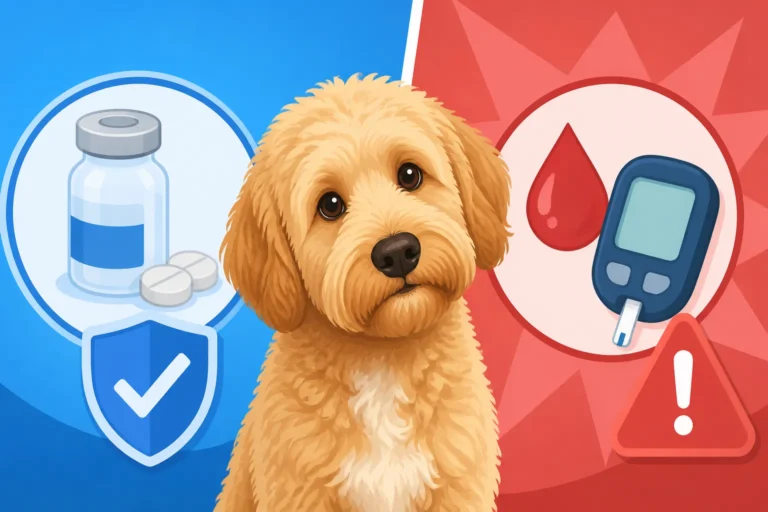
- Desmopressin (DDAVP): For dogs with Type 1 VWD, a medication called desmopressin (DDAVP) can sometimes be administered before surgery. This drug temporarily increases the release of stored vWF from the body’s tissues, potentially reducing bleeding risk during the procedure. Your vet will determine if this is appropriate for your dog.
- Blood Product Availability: Discuss with your vet the availability of blood products (like fresh frozen plasma) in case a transfusion becomes necessary during or after the procedure. Knowing these resources are on hand can be immensely reassuring.
- Gentle Handling During Dental Cleanings: Routine dental care is important, but a VWD-affected Labradoodle will need extra precautions during professional cleanings. The vet will use extreme caution to minimize gum trauma and may use desmopressin or other preventative measures.
This detailed planning for procedures is vital. It highlights why understanding and identifying Von Willebrand's Testing on a Labradoodle is so important long before a medical emergency arises.
Breeding Considerations for Labradoodles and VWD
For anyone involved in breeding Labradoodles, understanding and addressing Von Willebrand's Disease is a moral and ethical imperative. Responsible breeding practices are the key to reducing the incidence of this inherited disorder.
The Importance of Screening Breeding Dogs
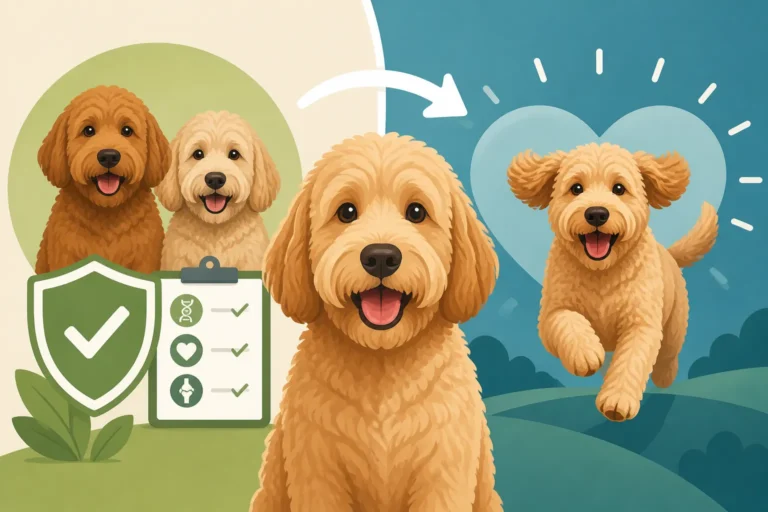
Screening all potential breeding dogs for VWD is arguably the single most important step in preventing affected puppies. This primarily involves DNA testing, as it provides a clear, unambiguous answer to whether a dog is clear, a carrier, or affected.
- Ethical Obligation: Reputable breeders understand their ethical obligation to produce healthy puppies. This means not just focusing on temperament and appearance, but on genetic health as well. Screening for VWD helps ensure puppies are not born with a debilitating, potentially life-threatening condition.
- Preventing Suffering: No one wants to see a puppy suffer from a preventable disease. By screening parents, breeders can avoid the heartbreak for both the puppies and their future families, who might otherwise face significant veterinary bills and emotional distress.
- Maintaining Breed Health: Collectively, consistent health screening helps improve the overall genetic health of the Labradoodle population. Every generation of properly screened dogs contributes to reducing the prevalence of inherited diseases.
Potential puppy buyers should always ask for proof of VWD clearance for both parent dogs. If a breeder cannot provide this, or dismisses the importance of such testing, it should be a major red flag. This also ties into the larger picture of Whether Health Tested Parents Add Years to a Labradoodle.
Understanding Carrier Status in Breeding Pairs
The "carrier" status is where careful planning becomes paramount in breeding. A carrier dog usually doesn't show symptoms of VWD, but they carry one copy of the mutated gene.
Here's how breeding pairs can impact VWD status:
- Clear x Clear: All puppies will be clear. (Ideal)
- Clear x Carrier: Statistically, 50% of puppies will be clear, and 50% will be carriers. No puppies will be affected. (Acceptable, but careful tracking of carriers is needed for future breeding)
- Clear x Affected: All puppies will be carriers. (Not ideal, but can be done if the "affected" dog is otherwise exceptional, with all puppies sold on non-breeding contracts)
- Carrier x Carrier: Statistically, 25% of puppies will be clear, 50% will be carriers, and 25% will be affected. (This cross should be avoided as it produces affected puppies.)
- Carrier x Affected: Statistically, 50% of puppies will be carriers, and 50% will be affected. (This cross should be avoided.)
- Affected x Affected: All puppies will be affected. (This cross should be avoided.)
Responsible breeders will never breed a carrier to another carrier or an affected dog. The goal is to avoid producing any affected puppies, and ideally, to reduce the number of carriers over time. This might mean making difficult decisions about which dogs to include in a breeding program, but it's essential for the health of the breed.
The Goal: Eradicating VWD in Labradoodle Lines
While complete eradication of every single genetic disease from all dog breeds is a monumental task, significantly reducing the incidence of conditions like VWD Type 1 in Labradoodle lines is an achievable and worthy goal.
By consistently testing all breeding stock, removing affected dogs from breeding programs, and carefully managing carrier lines (breeding them only to clear dogs), breeders can dramatically decrease the number of Labradoodles born with VWD. This proactive approach benefits individual dogs by preventing illness, and it benefits the breed as a whole by improving its genetic health for generations to come. It’s a commitment to The Twelve to Fifteen Years a Labradoodle Lives and ensuring those years are as healthy as possible. Every step a breeder takes, from genetic testing to meticulous record-keeping, contributes to the overall well-being of the Labradoodle breed.
Financial Implications and Insurance for VWD
Dealing with a health condition like Von Willebrand's Disease can unfortunately come with significant financial costs. Understanding these potential expenses and how pet insurance can help is crucial for any Labradoodle owner.
The Cost of Diagnosis and Treatment
The costs associated with VWD can vary widely depending on the type and severity of the disease, and whether it's diagnosed proactively or during an emergency.
- DNA Testing: A VWD DNA test is relatively inexpensive, typically ranging from $60 to $150. This is a small investment for the invaluable information it provides.
- Clinical Blood Tests: If your vet recommends vWF:Ag levels or a BMBT test, these can add to the diagnostic costs. A BMBT might be around $50-$100, while vWF:Ag testing could range from $100-$200 or more, depending on the lab.
- Emergency Treatment: This is where costs can escalate rapidly. If your Labradoodle has a severe bleeding episode requiring an emergency vet visit, stabilize them, and potentially administer a blood transfusion, you could be looking at hundreds to thousands of dollars.
- An emergency consultation alone can be $100-$250.
- Blood transfusions are often $300-$800 per unit, and some dogs may need multiple units.
- Overnight hospitalization, monitoring, and supportive care can easily add $500-$2000 per night.
- Surgery to control internal bleeding, if necessary, could be several thousand dollars.
- These costs mirror the shock of other emergencies, such as What Emergency Bloat Surgery Costs a Labradoodle Owner, where rapid, expensive intervention is needed.
- Pre-Surgical Medications: If your vet decides to use desmopressin before a planned surgery, the cost of the drug and its administration will be added to your surgical bill.
Navigating Pet Insurance with VWD
Pet insurance can be a lifesaver when it comes to managing conditions like VWD, but it's important to understand how policies work, especially regarding pre-existing conditions.
- The Pre-Existing Condition Clause: Most pet insurance policies will not cover conditions that were present or showed symptoms before the policy started or during a waiting period. This means if your Labradoodle is diagnosed with VWD (or even shows suspicious bleeding signs) before you get insurance, it will likely be considered a pre-existing condition and excluded from coverage.
- Getting Coverage Early: This is why it's highly recommended to get pet insurance when your Labradoodle is a young puppy, ideally before any health issues arise. If VWD is diagnosed after your policy is active and all waiting periods have passed, then treatments for bleeding episodes and management could be covered.
- Types of Coverage: Look for comprehensive accident and illness plans. Some plans might cover hereditary conditions if they weren't pre-existing. It's crucial to read the policy details carefully or speak with a representative to understand exactly what is covered regarding genetic disorders. Brands like Healthy Paws are known for their comprehensive coverage, but even they have standard exclusions for pre-existing conditions.
- Healthy Paws Example: A company like Healthy Paws, for instance, offers plans that cover accidents, illnesses, cancer, emergency care, and hereditary conditions. If your Labradoodle is enrolled before a VWD diagnosis, subsequent eligible treatments for bleeding episodes, transfusions, and medications (if deemed necessary and covered by the policy) would typically be reimbursed according to your plan's deductible and reimbursement rate. However, if VWD was diagnosed at age three, and you enroll at age four, it would likely be considered pre-existing.
When researching pet insurance, always ask specific questions about how hereditary and genetic conditions are handled.
Planning for the Unexpected
Beyond pet insurance, having a financial safety net is vital for any pet owner, especially for a Labradoodle with VWD.
- Emergency Fund: Consider setting aside an emergency fund specifically for pet care. Even with insurance, you'll still have deductibles and co-pays.
- CareCredit and Payment Plans: In an emergency, if you don't have insurance or sufficient funds, options like CareCredit (a credit card specifically for healthcare expenses) or payment plans offered by some veterinary clinics can provide a way to manage immediate costs.
- Open Communication with Your Vet: Don't be afraid to discuss costs with your veterinarian. They can often provide estimates for procedures and help you understand your options.
Being prepared financially can alleviate a huge amount of stress during a health crisis and allow you to make decisions based on what’s best for your Labradoodle, rather than solely on cost. It’s part of ensuring your Labradoodle truly enjoys The Twelve to Fifteen Years a Labradoodle Lives.
| Aspect | Clear Labradoodle | Carrier Labradoodle | Affected Labradoodle |
|---|---|---|---|
| Genetic Status | Two normal gene copies | One normal, one mutated gene copy | Two mutated gene copies |
| VWF Production | Normal levels | Usually normal, potentially slightly lower | Significantly reduced or non-functional |
| Clinical Signs | No VWD symptoms | Typically no symptoms (may have mild issues) | At risk of moderate to severe bleeding |
| Breeding Risk | Can be bred with any VWD status dog | Should only be bred with "Clear" dogs | Should not be bred |
| Surgical Risk | Standard surgical risks | Standard surgical risks, but caution advised | High risk of excessive bleeding in surgery |
| Emergency Prep. | Standard pet first aid | Standard pet first aid, inform vet of status | Detailed emergency plan, vet informed |
| Cost Implications | Routine vet care, preventative testing | Routine vet care, preventative testing | Higher potential for emergency vet bills |
Disclaimer
The information provided in this guide is intended for general informational purposes only and does not constitute veterinary medical advice. Always consult with a qualified veterinarian for any health concerns or before making any decisions related to your Labradoodle's care, diagnosis, or treatment. Genetic testing and specific treatment protocols should always be discussed with your trusted veterinary professional.