Whether Skin Disease Runs in Labradoodle Lines
It’s incredibly disheartening to watch your beloved Labradoodle suffer from relentless itching, develop strange scaly patches, or battle yet another ear infection. Many owners worry if these persistent skin issues are just a part of owning a "doodle" or if there's a deeper, genetic component at play that predisposes their furry family member to a lifetime of dermatological struggles. This guide aims to shed light on whether certain skin diseases are indeed prevalent in Labradoodle lines due to their genetic heritage and what you can do to manage and understand these frustrating conditions.
The Genetic Blueprint from Labrador and Poodle Ancestry
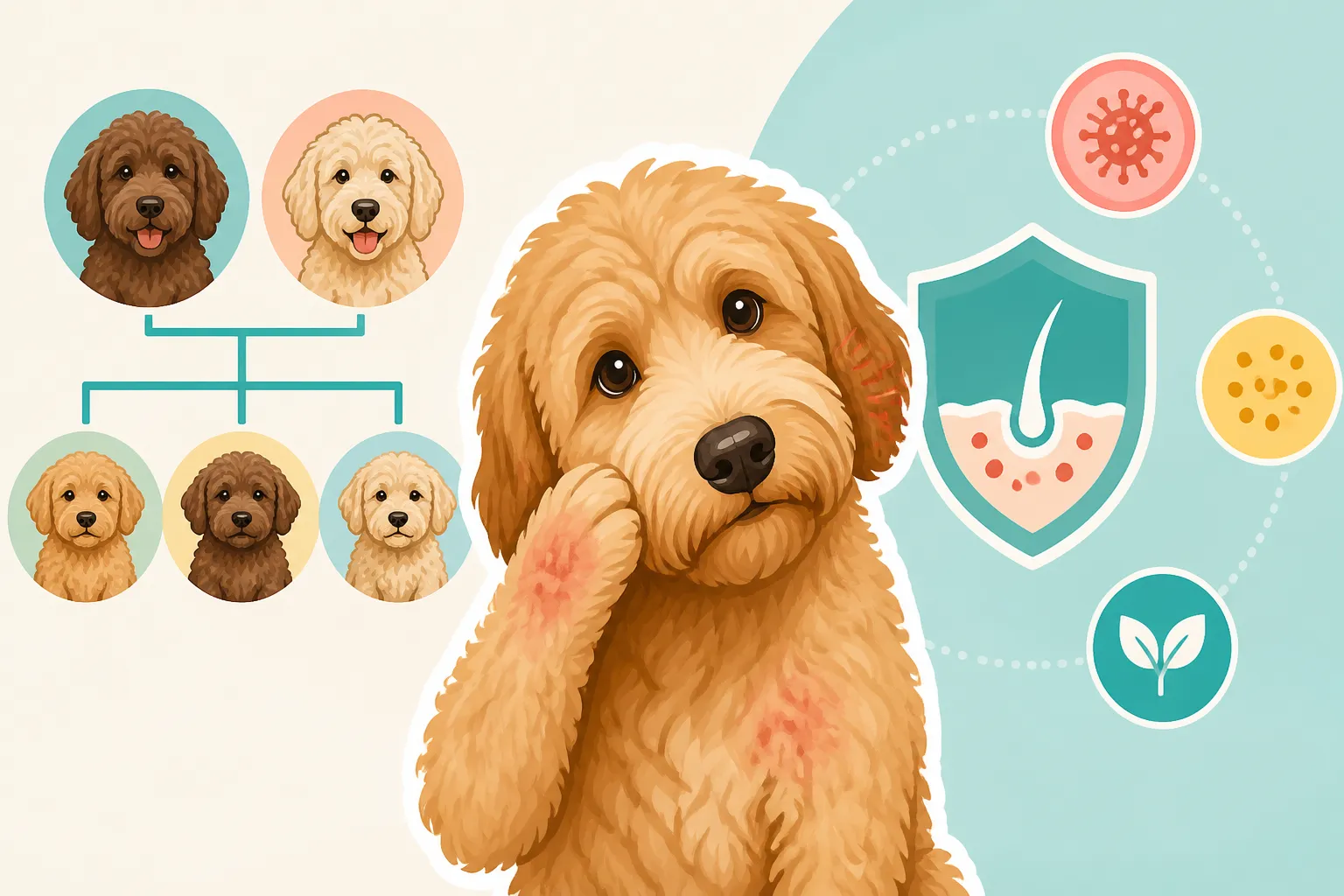
To truly understand why your Labradoodle might be experiencing skin issues, we need to look back at their foundation: the Labrador Retriever and the Standard Poodle. Each parent breed contributes a unique genetic makeup, and unfortunately, this can include predispositions to certain skin conditions. It's not always a simple case of "hybrid vigor" making them immune; sometimes, you get a double dose of potential problems.
Labrador Retriever Contributions to Skin Health
Labrador Retrievers are renowned for their friendly disposition and their dense, water-resistant double coats. This coat is designed to protect them from cold water, but it can also trap moisture and allergens close to the skin. While Labradors are generally considered a robust breed, they do have a known propensity for certain dermatological issues.
One of the most common skin problems seen in Labradors, which can certainly pass down to their Labradoodle offspring, is environmental allergies, also known as atopy. These allergies manifest as intense itching, particularly around the paws, ears, and belly. You might notice your Labradoodle constantly licking their paws, shaking their head, or rubbing against furniture. This itching can lead to secondary bacterial or yeast infections, making the problem even worse and causing unpleasant odors or further inflammation. Owners of Labradors also sometimes report issues with sebaceous cysts or benign fatty tumors (lipomas) as their dogs age, although these are typically not as distressing as chronic itching.
Poodle Genetic Influences on Skin
The Poodle, with its distinctive curly, non-shedding coat, is often chosen for the Labradoodle cross precisely because of its hypoallergenic qualities. However, Poodles bring their own distinct set of genetic predispositions to skin conditions that can appear in Labradoodles.
Perhaps the most significant Poodle-linked skin issue that Labradoodle owners need to be aware of is Sebaceous Adenitis (SA). This is a serious, often inherited, autoimmune disease where the dog's immune system attacks and destroys the sebaceous glands in the skin. These glands are responsible for producing sebum, a natural oil that keeps the skin and coat healthy and moisturized. When these glands are damaged, the skin becomes dry, scaly, and prone to significant hair loss, often in symmetrical patterns. It’s a truly heartbreaking condition to witness. Beyond SA, Poodles, much like Labradors, can also suffer from environmental allergies and food sensitivities, which manifest as itching, redness, and secondary skin infections. Additionally, certain endocrine disorders common in Poodles, like hypothyroidism, can cause a dull, thinning coat and dry skin, mimicking a primary skin problem.
Common Inherited Skin Conditions in Labradoodles
Given the genetic melting pot that is a Labradoodle, it's not uncommon to see a combination of skin issues that trace back to both the Labrador and Poodle lines. Understanding these specific conditions is the first step toward effective management and ensuring your Labradoodle's comfort.
Environmental Allergies (Atopy)
Environmental allergies are probably the most frequently encountered skin problem in Labradoodles, often inherited from both their Labrador and Poodle ancestry. This means their immune system overreacts to common allergens in the environment, such as pollen, dust mites, mold spores, or even certain grasses. The frustrating part about atopy is that it’s usually a lifelong condition, flaring up seasonally or becoming a year-round battle depending on what triggers your dog.
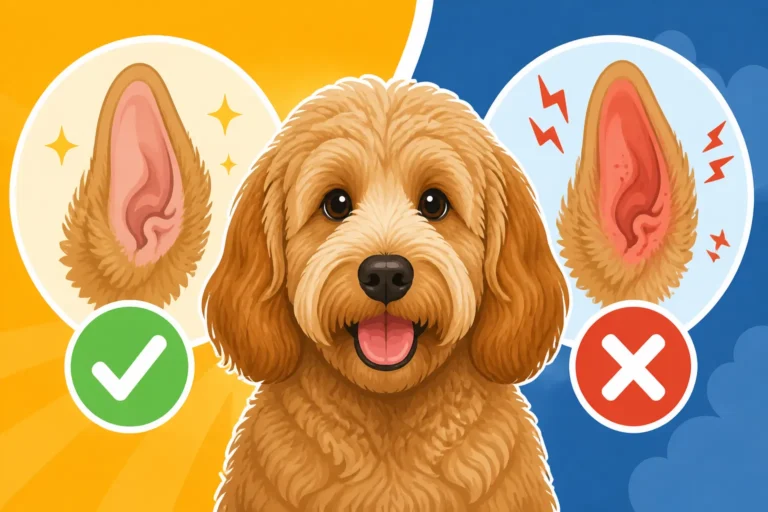
Symptoms typically include persistent itching, especially on the paws, face, armpits, and groin. Many Labradoodle owners report their dogs constantly licking their paws, rubbing their faces, or scratching their ears. Speaking of ears, their floppy, often hairy ears create a warm, moist environment perfect for yeast and bacteria to thrive, making ear infections a frequent secondary complication of allergies. If you’re constantly dealing with your Labradoodle's itching, redness, and ear woes, it's highly likely that allergies are at the root of the problem. While it's not curable, it is absolutely manageable with a combination of medication, dietary adjustments, and regular bathing with specialized shampoos. You might find yourself needing to consult your vet frequently for flare-ups, and having comprehensive pet insurance like Healthy Paws can be incredibly helpful in managing those ongoing diagnostic and treatment costs. For more detailed insights, check out our article on Allergies Behind a Labradoodle's Itching or learn about Yeast Trapped Under a Labradoodle's Coat.
Sebaceous Adenitis (SA)
Sebaceous Adenitis (SA) is a truly challenging genetic skin condition that Labradoodles can inherit, predominantly from their Poodle lineage. It's an inflammatory disease of the sebaceous glands, leading to their progressive destruction. This leaves the skin unable to produce its natural oils, resulting in a host of symptoms that are often mistaken for severe dry skin, allergies, or even poor grooming.
The onset of SA can vary, sometimes appearing in young adulthood (1-5 years old) or later in life. Signs include dry, scaly patches, a dull, brittle coat, and significant hair loss. The coat might feel greasy or waxy in some areas, while other parts are extremely dry and flaky. Common areas affected are the top of the head, back, and ears, but it can generalize across the whole body. The lack of natural skin barrier makes them highly susceptible to secondary bacterial and yeast infections, which only add to their discomfort. Diagnosing SA requires a skin biopsy, so if you notice these signs, a trip to the vet is essential. While there's no cure, management strategies involve frequent bathing with specific medicated shampoos, luxurious oil soaks to rehydrate the skin, and sometimes systemic medications to help control the inflammatory response. Early diagnosis and consistent care are key to maintaining a good quality of life. For a deeper dive into this condition, you can read about Sebaceous Adenitis in a Labradoodle's Skin or pinpoint Where Sebaceous Adenitis Shows on a Labradoodle.
Hypothyroidism and Other Underlying Conditions
While not exclusively a "skin disease," hypothyroidism is an endocrine disorder common in both parent breeds that often manifests with dermatological symptoms in Labradoodles. Hypothyroidism means the thyroid gland isn't producing enough thyroid hormone, which is crucial for metabolism and overall body function, including skin health.
A Labradoodle with an underactive thyroid might exhibit a dull, dry, and brittle coat, often accompanied by symmetrical hair loss, particularly on the flanks or tail. Their skin can become thickened and pigmented, and they may experience recurrent skin infections that don't seem to clear up easily. Other signs of hypothyroidism include lethargy, weight gain, and intolerance to cold. A simple blood test can diagnose this condition, and thankfully, it's very manageable with daily thyroid hormone replacement medication. It’s a good example of how what looks like a skin problem might actually be a symptom of a deeper internal issue. If you're seeing signs of Thyroid Failure Behind a Labradoodle's Coat Loss, it’s worth a discussion with your veterinarian.
Proactive Management and Prevention
The thought of your Labradoodle battling a lifelong skin condition can be overwhelming, but there are many proactive steps you can take to minimize risks and manage symptoms effectively. Prevention often starts before you even bring your puppy home, and consistent, informed care makes all the difference.
Choosing a Reputable Breeder
This is perhaps the most critical step in preventing genetic health issues, including skin conditions. A reputable breeder will be transparent about the health history of their breeding dogs and their lines, including any incidence of skin conditions like Sebaceous Adenitis or severe allergies. They should be performing extensive health clearances, not just for hips and elbows, but also for eyes and other genetic diseases relevant to Labradors and Poodles.
Don't be shy about asking direct questions. Inquire about the prevalence of skin allergies in their breeding dogs' pedigrees. While there isn't a simple "clear/carrier" genetic test for SA as there is for some other conditions, breeders should be able to discuss their experience with the disease in their lines and what steps they take to avoid it. They should be willing to show you records of health testing for both parent dogs, not just general statements. A breeder who prioritizes health will also typically provide a health guarantee, giving you some peace of mind. It's a complex topic, and doing your homework on The Health Tests a Labradoodle Breeder Should Show can literally save you years of heartache and significant vet bills. Remember, choosing Whether a Labradoodle From Untested Parents Is a Risk is a gamble.
Daily Care and Grooming
Once you have your Labradoodle, daily care and consistent grooming become your best allies in maintaining healthy skin and coat. Labradoodle coats, especially the fleece and wool types, are prone to matting, and mats can quickly create a breeding ground for skin infections, regardless of genetic predispositions.
Regular, thorough brushing is paramount. You need to brush all the way to the skin, not just over the surface, to prevent tangles and remove dead hair and skin cells. This also helps distribute natural oils and allows you to inspect their skin for any abnormalities. Our guide on Brushing a Labradoodle to the Skin, Not the Surface offers invaluable tips. During the challenging "coat change" phase around nine months, daily brushing might be necessary as the puppy coat gives way to the adult coat, which can easily mat.
Bathing your Labradoodle with a gentle, hypoallergenic shampoo is also important, especially if they have allergies. Just be sure to rinse thoroughly and dry them completely to prevent moisture-related skin issues. Don't forget their ears! Their floppy ears are susceptible to infections, so regular cleaning and ensuring they are dry after baths or swims is crucial. Providing a high-quality diet rich in omega-3 and omega-6 fatty acids can also support skin health from the inside out, reducing inflammation and improving coat quality. Sometimes, small changes in Whether Food Changes a Labradoodle's Itching can make a big difference.
Partnering with Your Veterinarian
Having a strong relationship with your veterinarian is crucial for any Labradoodle owner, but especially if your dog is prone to skin issues. Don't hesitate to bring up any concerns, no matter how minor they seem. Early detection and intervention can prevent minor irritations from escalating into severe infections or chronic problems.
Your vet can help you identify the specific type of skin condition your Labradoodle is facing, whether it's allergies, an autoimmune disease, or something else entirely. They can recommend appropriate diagnostic tests, such as skin scrapes, fungal cultures, or biopsies, and prescribe targeted treatments. For complex or persistent cases, your vet might recommend a referral to a veterinary dermatologist, a specialist who has advanced training in skin conditions. These specialists can be incredibly effective in unraveling complicated dermatological puzzles.
Dealing with chronic skin conditions can be costly, with ongoing vet visits, specialized medications, and therapeutic shampoos. This is where comprehensive pet insurance can be a huge relief. Many pet insurance providers, including Healthy Paws, offer plans that cover diagnostics and treatments for chronic conditions like allergies or autoimmune diseases, as long as they weren't pre-existing when you enrolled. Enrolling in insurance for Insuring a Labradoodle Before Anything Is On Record can provide invaluable financial support when you need it most.
| Skin Condition | Primary Genetic Link (Parent Breed) | Common Symptoms | Management Strategies |
|---|---|---|---|
| Atopy (Allergies) | Both Labrador & Poodle | Persistent itching, paw licking, ear infections, redness, hot spots | Environmental allergen avoidance (where possible), antihistamines, corticosteroids, Apoquel, Cytopoint injections, immunotherapy, medicated baths, omega fatty acid supplements, ear cleaning. Regular veterinary visits are essential for ongoing management. |
| Sebaceous Adenitis (SA) | Poodle | Dry, flaky, scaly skin; symmetrical hair loss; dull, brittle coat; secondary infections; thickening of skin; waxy residue | Regular oil soaks (e.g., mineral oil), medicated shampoos, topical corticosteroids, oral antibiotics (for secondary infections), cyclosporine (Atopica) for immune modulation. Lifelong commitment to treatment. Early diagnosis via skin biopsy is critical. |
| Hypothyroidism | Both Labrador & Poodle | Symmetrical hair loss (flanks, tail); dry, brittle, dull coat; thickened skin; recurrent skin infections; lethargy; weight gain | Daily oral thyroid hormone replacement medication. Blood tests for monitoring and dose adjustment. Resolves skin issues as the underlying endocrine balance is restored. |
| Hot Spots | Labrador (often secondary to allergies) | Red, moist, inflamed, painful lesions that appear quickly | Clipping hair around lesion, cleaning with antiseptic, topical antibiotics/steroids, oral antibiotics, Elizabethan collar to prevent licking/chewing. Addressing underlying cause (e.g., allergies, flea bites) is crucial for prevention. Often occur due to excessive licking. |
Disclaimer
The information provided in this article is for general informational and educational purposes only and is not a substitute for professional veterinary advice. Always consult with a qualified veterinarian regarding any medical concerns or before making any decisions about your pet's health.