Whether Health Tested Parents Add Years to a Labradoodle
It's a common worry for anyone bringing a new furry family member home: how long will they be with us, and how healthy will they truly be? When it comes to Labradoodles, with their delightful personalities and charming coats, anticipating a long, vibrant life for them is absolutely natural. Many prospective owners wonder if investing in a puppy from health-tested parents truly makes a difference in avoiding heart-wrenching health battles and potentially adding precious years to their beloved companion's life. This guide is here to unravel that very question, exploring the profound impact of responsible breeding and parental health clearances on your Labradoodle's future.
Understanding the Labradoodle's Genetic Blueprint
Bringing a Labradoodle into your life means welcoming a dog with a rich, mixed genetic heritage, drawing from two incredibly popular and distinct breeds: the Labrador Retriever and the Standard Poodle. Each parent breed contributes its own set of strengths, but also its own predispositions to certain health conditions. Understanding this genetic background is the first step in appreciating why health testing in the parents is so critically important for the puppies.
The Dual Heritage of the Labradoodle
The Labradoodle was originally bred to combine the gentle, outgoing nature and trainability of the Labrador Retriever with the low-shedding, intelligent traits of the Standard Poodle. This blend was initially conceived with the aim of creating an allergy-friendly guide dog, and it certainly struck a chord with many families seeking a smart, sociable, and potentially less allergenic companion. However, this "hybrid" status brings with it a complex genetic tapestry. You're essentially getting a mix of both worlds, and that includes the potential for inheriting conditions common to either or both parent breeds.
While there's a popular concept known as "hybrid vigor" – the idea that crossbreeds are inherently healthier due to increased genetic diversity – it's not a blanket guarantee. Hybrid vigor certainly can reduce the incidence of certain recessive genetic diseases if the parent breeds don't share the same common inherited conditions. But if both parent breeds carry a predisposition to similar issues, or if a condition is dominant, then hybrid vigor offers little protection. In the case of Labradoodles, the genetic dice are rolled with each pairing, making careful screening of the parents absolutely paramount.
Common Inherited Conditions from Both Sides
Both the Labrador Retriever and the Poodle are generally robust breeds, but like all purebreds, they have known genetic vulnerabilities. It's not about one breed being "worse" than the other, but about being aware of what risks are present in the gene pool.
From the Labrador side, you often see predispositions to orthopedic issues such as hip and elbow dysplasia, which can cause significant pain and mobility problems as a dog ages. They are also known for conditions like Exercise Induced Collapse (EIC), a neurological disorder where affected dogs can lose control of their hind limbs during strenuous exercise, and certain eye conditions like Progressive Retinal Atrophy (PRA). If a Labradoodle's Labrador parent hasn't been screened for these, there's a chance these genes could pass down. For a deeper dive into one such condition, you can explore information about Exercise Induced Collapse and the Labradoodle's Labrador Half.
The Poodle lineage contributes its own set of concerns. Standard Poodles, for instance, are known to be prone to Addison's Disease, an endocrine disorder that can be life-threatening if not diagnosed and managed. They also carry risks for certain eye conditions, including prcd-PRA, and a higher propensity for Gastric Dilatation-Volvulus (GDV), commonly known as bloat, due to their deep-chested build. Additionally, orthopedic issues can sometimes appear in Poodles too, though perhaps less famously than in Labradors. Understanding that a Labradoodle can inherit any of these conditions from either parent is why comprehensive health testing becomes the cornerstone of responsible breeding.
What "Health Tested Parents" Really Means
When you hear a breeder say their dogs are "health tested," it's crucial to understand that this isn't just a casual vet visit where the vet gives a general thumbs-up. True health testing involves specific, often breed-specific, screenings and evaluations that aim to identify genetic predispositions or active conditions that could be passed down to offspring. It's a proactive approach to prevent suffering and ensure healthier generations.
Beyond a Vet Checkup: Specific Genetic Screening
Think of it this way: a yearly physical for a human is important for general health, but it doesn't tell you if they carry the gene for cystic fibrosis or if their hip joints are perfectly formed for extreme sports. Similarly, a routine veterinary checkup for a breeding dog confirms they are currently healthy, up-to-date on vaccines, and free of parasites. While essential, it doesn't delve into the underlying genetic blueprint or structural soundness that could impact their puppies' long-term health.
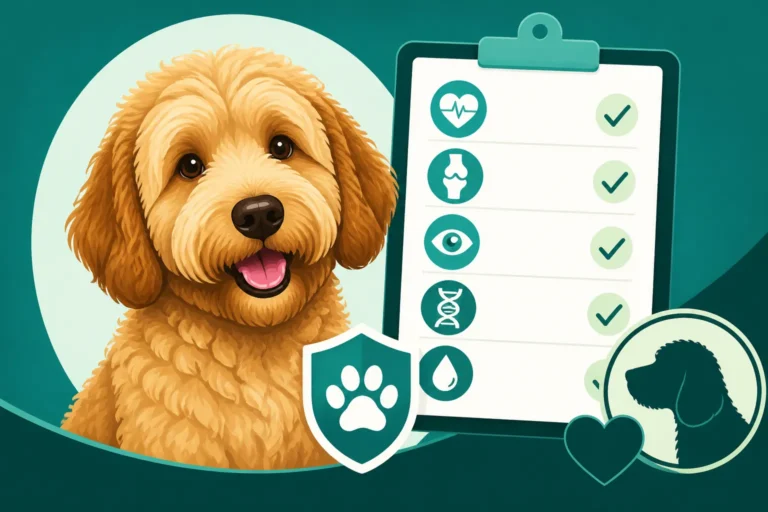
Specific genetic screenings involve a battery of tests. These include DNA panels, which can identify carriers or affected dogs for numerous single-gene disorders. They also encompass orthopedic evaluations, typically performed by organizations like the Orthopedic Foundation for Animals (OFA) or through PennHIP, to assess joint health. Eye examinations, often conducted by board-certified veterinary ophthalmologists (CAER exams), check for inherited eye diseases. Even cardiac screenings might be part of a comprehensive program, depending on specific breed concerns. A responsible breeder will have documented proof of these clearances for both parent dogs, not just a verbal assurance.
Key Tests for Labradoodle Parent Breeds
For Labradoodle parents, there's a core set of health tests that reputable breeders should always perform. These are targeted at the conditions most commonly seen in the Labrador Retriever and Poodle lines.
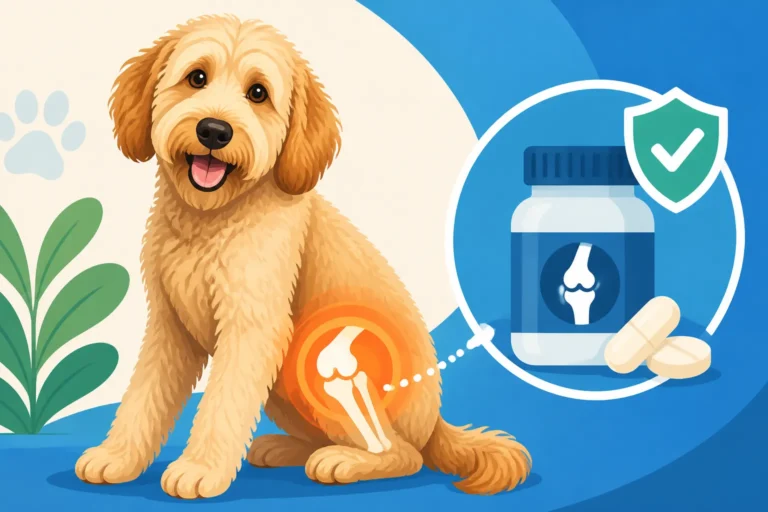
- Hip and Elbow Dysplasia: This is paramount, given the size and activity level of Labradoodles. Both the Labrador and Poodle can be affected. Testing typically involves X-rays submitted to organizations like the OFA or PennHIP for evaluation. Clear results mean the parents have structurally sound joints, reducing the likelihood of their puppies developing painful, debilitating joint issues later in life. For those interested in the specifics, there's helpful content on Hips and Elbows in a Sixty Pound Labradoodle.
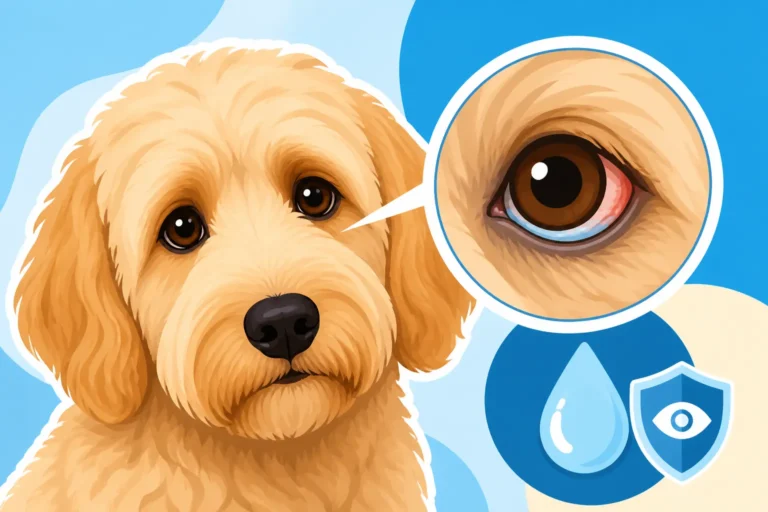
- Eye Conditions (prcd-PRA and others): Progressive Retinal Atrophy (PRA) is a group of genetic diseases that cause the retina to degenerate, leading to blindness. The prcd-PRA variant is common in both Poodles and Labradors. DNA tests are available to identify affected dogs and carriers. Regular eye exams (CAER/CERF) by a veterinary ophthalmologist are also crucial to screen for other inherited eye diseases like cataracts, which can affect vision at various stages of a dog's life. The importance of specific testing for this condition is detailed in The prcd-PRA Test Both Labradoodle Parents Need.
- Exercise Induced Collapse (EIC): This neurological disorder primarily affects Labradors but can be passed to Labradoodles. A DNA test can definitively identify if a dog is clear, a carrier, or affected. Knowing a dog's EIC status is vital to prevent breeding two carriers, which would produce affected puppies. More information on this specific test is available under The DNA Test That Clears a Labradoodle of EIC.
- Von Willebrand's Disease (vWD): This is a bleeding disorder, similar to hemophilia in humans, and is found in some Poodle lines. A DNA test can identify affected dogs and carriers, preventing the breeding of at-risk pairings.
- Addison's Disease: While complex and not always identifiable by a single DNA marker, some lines of Poodles have a higher incidence. Responsible breeders will monitor for signs and trace pedigrees carefully. While genetic screening isn't as straightforward as for EIC, a breeder's commitment to avoiding lines with a history of Addison's is vital. Learn more about Addison's Disease a Labradoodle Inherits From the Poodle.
- Sebaceous Adenitis (SA): This is an autoimmune skin condition that affects some Standard Poodles, leading to hair loss and skin issues. While less common, responsible Poodle breeders will screen for it.
A transparent breeder will provide you with the documentation for all these tests, often including registration numbers that allow you to verify the results on public databases like the OFA website. This level of transparency is a hallmark of someone dedicated to the health of their puppies.
The Direct Link Between Parent Health and Offspring Lifespan
The connection between health-tested parents and a longer, healthier life for their Labradoodle offspring isn't just theoretical; it's profoundly practical. By taking genetic predispositions and structural weaknesses out of the breeding equation, responsible breeders dramatically reduce the risks for puppies.
Reducing the Risk of Early Onset Diseases
When you acquire a Labradoodle from parents that have been rigorously health-tested and cleared for genetic and structural conditions, you are significantly reducing the chances that your puppy will inherit these specific diseases. This isn't a 100% guarantee against all future health problems – no living creature comes with such an assurance – but it’s the absolute best foundation you can provide.
Consider a condition like severe hip dysplasia. If both parents have excellent hip scores, the probability of their puppies developing severe dysplasia drops significantly. Conversely, if one or both parents have poorly rated hips, the chances increase dramatically. A puppy born with a genetic predisposition to severe dysplasia might start showing signs of pain and lameness as early as six months old. Such a condition can require expensive surgeries, ongoing pain management, or, in the most heartbreaking scenarios, lead to a decision to euthanize to prevent chronic suffering. This directly impacts not only the dog's quality of life but also its potential lifespan.
Similarly, early-onset blindness from conditions like prcd-PRA can severely diminish a dog's enjoyment of life and can present significant challenges for owners. Conditions like Addisonian crises can strike suddenly and require emergency veterinary intervention, which can be incredibly costly and stressful. While pet insurance plans, such as those offered by Healthy Paws, can certainly help alleviate the financial burden of unexpected illnesses and accidents, preventing these genetic conditions through responsible breeding is always the first and best line of defense. Knowing that your dog has a lower risk of inheriting these predispositions means a greater likelihood of them living out their natural lifespan, free from early debilitating illness.
The Role of "Carrier" Status and Breeding Decisions
Understanding genetic testing also involves understanding the concept of a "carrier." For many recessive genetic conditions (like EIC or prcd-PRA), a dog can inherit one copy of the "normal" gene and one copy of the "affected" gene. This dog is then a "carrier." Typically, carriers do not display any symptoms of the disease themselves because the normal gene is dominant and compensates for the affected gene. They are usually perfectly healthy and live full, normal lives.
However, carriers play a critical role in breeding. If two carriers are bred together, there's a 25% chance that each puppy in the litter will inherit two copies of the affected gene and thus be affected by the disease. There's also a 50% chance they'll be carriers like their parents, and a 25% chance they'll be completely clear.
Responsible breeders use DNA testing to identify carriers and then make informed breeding decisions. They will never breed two carriers together for the same condition. Instead, they might breed a carrier to a "clear" dog (one with two normal genes). In this scenario, all puppies will either be clear or carriers, but none will be affected by the disease. This practice allows breeders to maintain genetic diversity within their lines by keeping healthy carriers in the breeding pool, without producing affected offspring who would suffer from the condition. It's a nuanced but incredibly important aspect of preserving breed health and ensuring the puppies they produce have the best possible start to a long life.
Beyond Genetics: Other Factors Influencing Lifespan
While genetic health is undoubtedly a cornerstone of a long life, it's just one piece of the puzzle. Even a genetically sound Labradoodle puppy needs excellent care throughout its life to thrive and reach its full potential lifespan, which, for Labradoodles, can typically range from The Twelve to Fifteen Years a Labradoodle Lives. Many environmental and lifestyle factors contribute significantly to a dog's health and longevity.
Lifestyle, Nutrition, and Exercise
Just like with humans, a dog's daily habits profoundly impact their health. A high-quality diet tailored to their life stage (puppy, adult, senior) and activity level provides the essential nutrients for growth, energy, and immune function. Overfeeding, or feeding poor-quality food, can lead to obesity, which is a silent killer for dogs. Obesity puts immense strain on joints, exacerbates conditions like arthritis and hip dysplasia, and increases the risk of other serious health issues, including diabetes and certain cancers. It can also significantly increase the risk of conditions like bloat, especially in deep-chested breeds with Poodle lineage. For more on this, you can look into Bloat Risk in a Standard Poodle Bred Labradoodle. Maintaining a healthy weight is one of the most impactful things an owner can do to add years to their dog's life.
Beyond diet, appropriate exercise is non-negotiable for a Labradoodle. These are active, intelligent dogs that need regular physical and mental stimulation. Daily walks, playtime, and engaging activities not only keep their muscles strong and joints flexible but also burn off excess energy, preventing destructive behaviors often linked to boredom or frustration. However, "appropriate" is key; for growing puppies, over-exercising can actually harm developing joints. As dogs age, exercise needs may change, but remaining active helps maintain cognitive function and overall vitality.
Veterinary Care and Preventive Measures
Regular veterinary care is absolutely crucial from puppyhood through their senior years. This includes a robust vaccination schedule to protect against common canine diseases, and consistent parasite control for fleas, ticks, and heartworm. These seemingly routine measures prevent serious illnesses that can dramatically shorten a dog's life or severely impact its quality.
Yearly (or more frequent, especially for seniors) wellness exams allow your veterinarian to catch subtle changes or emerging health issues early, when they are often most treatable. This might include routine bloodwork, dental checks, or screening for age-related conditions. For example, conditions like thyroid failure can often be managed effectively if caught early. Around the age of eight, many Labradoodles might start showing signs of aging, and knowing What a Labradoodle Owner Should Watch For After Eight can help you work with your vet to address these changes proactively.
Preventive measures also extend to decisions like spaying or neutering. While the optimal timing can be a discussion with your vet based on your individual dog, these procedures can prevent certain reproductive cancers and infections. Furthermore, for breeds at risk of bloat, a preventive gastropexy (stomach tacking) can be performed, often at the same time as spay/neuter surgery, to significantly reduce the risk of the stomach twisting.
The financial aspect of veterinary care is often a concern, and this is where pet insurance can be a game-changer. Comprehensive plans, like those offered by Healthy Paws, can cover a significant portion of unexpected vet bills for accidents and illnesses, allowing owners to make decisions based on the best medical care for their dog, rather than solely on cost. This peace of mind empowers owners to pursue diagnostics and treatments that can truly add years and quality of life to their Labradoodle.
Making an Informed Choice: Questions for a Breeder
Choosing a Labradoodle puppy is a big decision, and finding a responsible breeder is paramount. A good breeder will not only welcome your questions but will also have plenty of questions for you to ensure their puppies are going to suitable homes. Being prepared with the right questions about health testing and breeding practices will empower you to make an informed choice that sets your future Labradoodle up for the best possible start.
What to Ask About Parent Health Clearances
When you contact a breeder, don't be shy about asking for hard evidence of their health testing. Verbal assurances, while friendly, are not enough. Here's what you should request:
- Specific OFA/PennHIP Numbers: Ask for the registered names and OFA (Orthopedic Foundation for Animals) or PennHIP numbers for both parent dogs. OFA provides ratings for hips, elbows, patellas, and even cardiac health. PennHIP offers a quantitative assessment of hip laxity, providing a percentile score. With these numbers, you can go to the OFA public database (www.ofa.org) and verify the results yourself. A reputable breeder will be proud to share these.
- CAER Eye Exam Certificates: Request copies of recent CAER (Companion Animal Eye Registry) certificates (formerly CERF) for both parents. These exams should be performed annually by a board-certified veterinary ophthalmologist to screen for hereditary eye diseases.
- DNA Panel Results: For conditions like prcd-PRA, EIC, and vWD, ask for copies of the DNA test results from a reputable lab (e.g., Embark, Paw Print Genetics, Canine Health Check). These results will clearly state if the dog is "Clear," "Carrier," or "Affected." Crucially, ensure that if one parent is a carrier for a specific condition, the other parent is "Clear" for that same condition. You can delve more into what health guarantees should cover in content like What a Labradoodle Health Guarantee Actually Covers.
- Proof of Genetic Generation: For Labradoodles, understanding the generation (F1, F1b, Multigen) can sometimes provide insights into the predictability of certain traits, including coat type and sometimes health predispositions. While not a direct "health test," it indicates a breeder's transparency and understanding of their lines. You can read more about Whether an F1 Labradoodle Is Healthier Than a Multigen.
A good breeder should have all this documentation readily available and be happy to explain what each test means. If a breeder hedges, says they "don't believe in" certain tests, or claims their vet check is sufficient, consider it a significant red flag.
Understanding the Breeder's Philosophy
Beyond the specific test results, it's vital to get a sense of the breeder's overall philosophy and commitment to the breed. A truly responsible breeder views breeding as a serious endeavor aimed at improving health, temperament, and adherence to desired traits, not just producing puppies for profit.
- Experience and Mentorship: How long have they been breeding Labradoodles? Do they have mentors? Are they involved in any breed clubs or organizations that promote responsible breeding practices?
- Litter Health History: Ask about the health history of previous litters. Have any puppies developed genetic conditions? How were those situations handled? Transparency here is key.
- Contract and Guarantees: A reputable breeder will provide a comprehensive contract that outlines health guarantees, often for a period covering early-onset genetic conditions. They might also include a spay/neuter clause and a "return to breeder" clause, ensuring their dogs never end up in shelters.
- Visit and Observe: If possible, visit the breeder's facility. Observe the conditions the dogs live in, and ideally, meet the parent dogs (at least the mother). Are they well-socialized, clean, and happy? Do they have good temperaments? A good breeder will often have a waiting list, indicating demand and careful planning, rather than constant litters.
- After-Sales Support: What kind of support does the breeder offer after you take your puppy home? A dedicated breeder remains a resource for the lifetime of the dog, offering advice and guidance.
Remember, even with the most diligent health testing, no breeder can guarantee a dog will never get sick or develop a health issue. Life happens. However, choosing a puppy from extensively health-tested parents significantly minimizes the risk of inheriting serious genetic conditions that could shorten their life or require expensive, heartbreaking interventions. This proactive approach, coupled with excellent lifelong care and potentially a good pet insurance plan like Healthy Paws, gives your Labradoodle the best possible chance at a long, healthy, and happy life.
Common Labradoodle Health Tests & What They Screen For
Here’s a quick overview of some of the key health tests responsible Labradoodle breeders should be performing on their breeding dogs.
| Test Name | What It Screens For | Method | Typical Parent Breed Origin |
|---|---|---|---|
| OFA/PennHIP Hips | Hip Dysplasia (degenerative joint disease) | X-ray evaluation by veterinary radiologists | Labrador & Poodle |
| OFA Elbows | Elbow Dysplasia (developmental abnormality of the elbow) | X-ray evaluation by veterinary radiologists | Labrador & Poodle |
| CAER/OFA Eye Exam | Inherited eye diseases (e.g., cataracts, retinal dysplasia) | Examination by a board-certified ophthalmologist | Labrador & Poodle |
| prcd-PRA DNA Test | Progressive Retinal Atrophy (leads to blindness) | Genetic DNA swab/blood test | Labrador & Poodle |
| EIC DNA Test | Exercise Induced Collapse (neuromuscular disorder) | Genetic DNA swab/blood test | Labrador |
| vWD DNA Test | Von Willebrand's Disease (bleeding disorder) | Genetic DNA swab/blood test | Poodle |
| OFA Patellas | Luxating Patella (slipping kneecaps) | Manual physical examination | Labrador & Poodle |
| OFA Cardiac | Inherited heart conditions | Auscultation by vet / Echo by cardiologist | Labrador & Poodle |
Disclaimer
This article is for general informational purposes only and does not constitute professional advice. Laws, prices and regulations vary by location and change over time. Consult a qualified professional for guidance on your specific situation.