Whether a Miniature Labradoodle Outlives a Standard
It’s a question every prospective dog owner, especially those considering a beloved Labradoodle, grapples with: "How long will my furry friend be by my side?" And when you start looking into different sizes, it's natural to wonder if choosing a miniature version might give you a few more precious years with your companion compared to a standard-sized Labradoodle. This guide aims to thoroughly explore that very common and important question, helping you understand the factors at play.
Understanding Labradoodle Lifespans by Size
When we talk about canine lifespans, one of the most widely accepted correlations is that smaller dogs generally tend to live longer than their larger counterparts. This isn't just an old wives' tale; there's a good amount of scientific observation and biological reasoning behind it.
The General Rule in Dogs and Size
Think about it: many of the world's longest-living dog breeds, like Chihuahuas, Dachshunds, and Yorkshire Terriers, are all on the smaller side. Conversely, giant breeds such as Great Danes, Irish Wolfhounds, and Bernese Mountain Dogs, while magnificent, typically have significantly shorter lifespans. On average, smaller breeds might enjoy 12-15 years, while giant breeds often fall in the 7-10 year range.
The prevailing theories suggest a few reasons for this. One is that larger dogs simply age at an accelerated rate. They grow faster, developing from puppies to adults at a rapid pace, which can lead to a quicker onset of age-related diseases. Their bodies undergo more cell division, potentially increasing the chance of cancerous mutations. Another factor is the increased physical stress on the joints and organs of larger animals. A bigger body requires more effort to move and maintain, which can put a greater strain on the cardiovascular system and musculoskeletal structure over time. It's a fundamental biological principle seen across many species, and our canine companions are no exception.
Applying the Rule to Labradoodles
When we bring this general rule into the world of Labradoodles, it often holds true. Labradoodles come in a few sizes, primarily standard, medium, and miniature, derived from the size of the Poodle used in their lineage (Standard Poodle, Miniature Poodle, or Toy Poodle).
A Standard Labradoodle, typically weighing 50-65 pounds or more, comes from a Labrador Retriever and a Standard Poodle cross. Standard Poodles usually live around 10-12 years, and Labradors average 10-12 years as well. So, for a Standard Labradoodle, you might generally expect a lifespan in the range of 10-12 years, aligning with The Twelve to Fifteen Years a Labradoodle Lives.
On the other hand, a Miniature Labradoodle is typically bred from a Miniature Poodle and a Labrador Retriever. Miniature Poodles are known for their impressive longevity, often living 12-15 years, sometimes even longer. The Labrador parent's lifespan remains the same, but the influence of the Miniature Poodle often tips the scales in favor of a longer life for their offspring. As a result, Miniature Labradoodles, usually weighing between 15-30 pounds, often enjoy lifespans of 12-14 years, with many living well into their mid-teens. This suggests that yes, a Miniature Labradoodle does often outlive a Standard one.
The "Why" Behind the Lifespan Differences
The reasons behind this observed difference are rooted in biology and the specific health predispositions of their parent breeds. As discussed, the accelerated growth rate of larger dogs places more demands on their systems. Their hearts have to work harder, their joints bear more weight, and their metabolic processes run at a higher intensity, which can contribute to faster cellular degeneration and an earlier onset of chronic conditions.
For a Standard Labradoodle, originating from larger parent breeds, this translates to a greater lifetime stress on their skeletal system. Conditions like hip and elbow dysplasia, while present in both Poodles and Labradors, can be more debilitating and lead to earlier mobility issues in a larger, heavier dog. The sheer physics of supporting a larger body means more wear and tear on cartilage and bone, potentially leading to arthritis and other degenerative joint diseases earlier in life. This isn't to say a Miniature Labradoodle is immune, but the impact of these conditions can be less severe or appear later due to their lighter frame.
Furthermore, the genetic predispositions of the parent breeds play a significant role. For instance, the deep-chested conformation often seen in Standard Poodles and, consequently, many Standard Labradoodles, makes them more susceptible to life-threatening conditions like bloat, which we'll discuss further. These severe, acute conditions can dramatically shorten a dog's life, regardless of how otherwise healthy they might be.
Health Concerns More Prevalent in Standard Labradoodles
While all dogs can face health challenges, certain conditions tend to be more common or severe in larger breeds. Standard Labradoodles, inheriting traits from both the Labrador Retriever and the Standard Poodle, can unfortunately be prone to some of these.
Joint Issues and Weight Bearing
One of the most significant concerns for larger dogs, including Standard Labradoodles, revolves around their joints. Conditions like hip and elbow dysplasia are unfortunately common in both parent breeds. When a Labradoodle is larger and heavier, the stress on these developing joints throughout their growth phase and into adulthood is considerably higher. Imagine a sixty-pound Labradoodle constantly bearing that weight; the wear and tear accumulates.
Hip dysplasia, for example, is a malformation of the hip joint where the ball and socket don't fit together properly. This leads to grinding, pain, and eventually degenerative joint disease. Similarly, elbow dysplasia involves abnormal development of the elbow joint, causing lameness and arthritis. For a heavier dog, managing these conditions can be more challenging, often requiring more intensive pain management, physical therapy, or even costly surgeries like total hip replacement. You can learn more about Hips and Elbows in a Sixty Pound Labradoodle to understand the specifics. These conditions can significantly impact a dog's quality of life and, in severe cases, influence their overall lifespan if pain and immobility become unmanageable.
Moreover, the combination of an active, playful temperament with a larger, heavier frame can increase the risk of injuries like torn cranial cruciate ligaments (CCL), similar to an ACL tear in humans. A sudden twist, jump, or skid can lead to this painful injury, which often requires surgical correction and a long recovery period.
Bloat Risk
Gastric Dilatation-Volvulus (GDV), commonly known as "bloat," is a terrifying and life-threatening condition that disproportionately affects deep-chested, large dog breeds. Both the Standard Poodle and, to a lesser extent, the Labrador, contribute to the Labradoodle's predisposition to this emergency. The deep chest a Labradoodle gets from the Poodle is a key anatomical factor.
Bloat occurs when a dog's stomach fills with gas, food, or fluid (dilation) and then twists upon itself (volvulus). This twisting cuts off blood supply to the stomach and other organs, leading to rapid shock and death if not treated immediately. Symptoms include unproductive retching, a distended abdomen, restlessness, and signs of pain. It's a true veterinary emergency, and surgery is often the only hope for survival. Even with surgery, the mortality rate can be significant.
For Standard Labradoodle owners, understanding the risk of Bloat Risk in a Standard Poodle Bred Labradoodle is crucial. Many veterinarians recommend a preventive procedure called a gastropexy, which involves tacking the stomach to the abdominal wall to prevent it from twisting, though it doesn't prevent the initial gas distension. While bloat can theoretically happen to any dog, its incidence is markedly higher in larger, deep-chested breeds, making it a more serious threat to Standard Labradoodles compared to their miniature cousins.
Certain Cancers
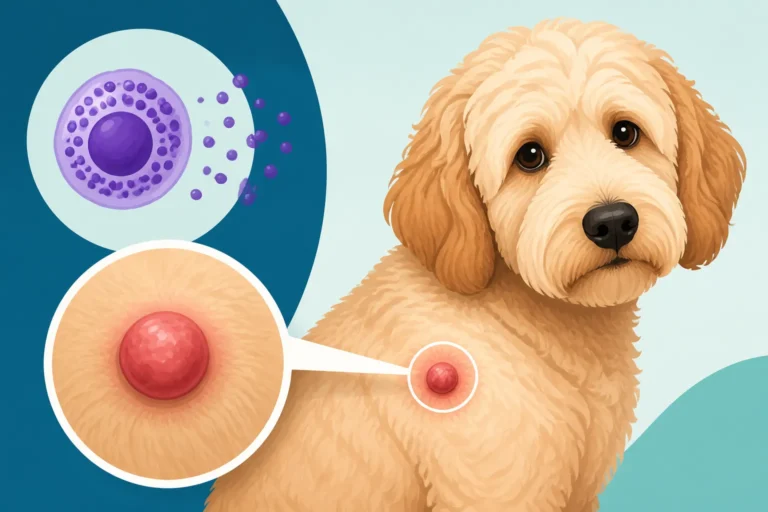
While cancer is a leading cause of death across all dog breeds and sizes, some larger breeds do have a higher incidence of specific types of cancer. For example, Golden Retrievers and Labradors are known for certain lymphomas and hemangiosarcomas. Standard Poodles also have their own predispositions, including osteosarcoma (bone cancer). When these genetic tendencies combine in a Standard Labradoodle, the risk can be present.
Larger dogs often have a faster cellular turnover rate, meaning their cells divide more frequently throughout their lives, which statistically increases the chances of a cancerous mutation occurring. The sheer volume of cells in a larger body also plays a role. Detecting cancer in an older Labradoodle, regardless of size, is a crucial part of extending their comfortable lifespan, but the overall incidence can be marginally higher in larger dogs. Regular veterinary check-ups, including a yearly screening a Labradoodle should get, become even more critical as they age to detect any abnormalities early.
Health Concerns Specific to Miniature Labradoodles
While Miniature Labradoodles generally enjoy a longer average lifespan, they aren't entirely without their own set of health considerations, often inherited from their Miniature Poodle lineage. These issues, while perhaps less acutely life-threatening than bloat, can still impact their quality of life and require diligent management.
Patellar Luxation (Slipping Kneecaps)
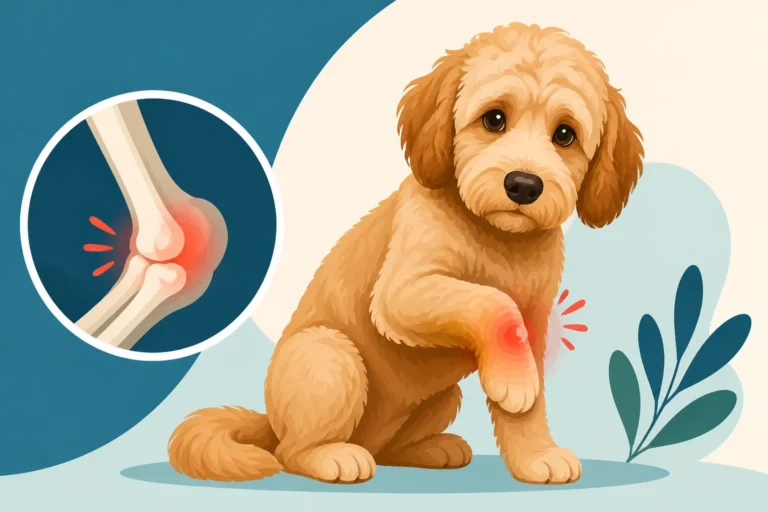
Patellar luxation, more commonly known as "slipping kneecaps," is a condition where the patella (kneecap) dislocates or moves out of its normal groove. This is a common orthopedic problem in smaller dog breeds, including the Miniature Poodle. When a Miniature Poodle is bred with a Labrador to create a Miniature Labradoodle, this genetic predisposition can be passed on.
The condition can range from mild, where the kneecap occasionally slips out and back into place with minimal discomfort, to severe, where the kneecap is permanently dislocated, causing pain, lameness, and eventual arthritis. Owners might notice their dog occasionally skip a step, hold a leg up for a moment, or bunny-hop when running.
Treatment for slipping kneecaps in a Miniature Labradoodle varies depending on the severity. Mild cases might be managed with pain medication, joint supplements, and controlled exercise. More severe cases often require surgical intervention to deepen the groove or realign the patella to prevent further luxation. While not typically a life-shortening condition, it can significantly affect a dog's mobility and comfort, and surgical costs can be substantial, which is where a good pet insurance policy like those from Healthy Paws can be a lifesaver.
Dental Issues and Crowded Mouths
Smaller dogs, including Miniature Labradoodles, are often more prone to dental problems than larger breeds. This is largely due to the fact that while their jaws are smaller, they still have the same number of teeth as a much larger dog. This crowding can lead to malocclusion (improper bite alignment), increased food impaction between teeth, and accelerated plaque and tartar buildup.
These factors make Miniature Labradoodles particularly susceptible to periodontal disease, which includes gingivitis (gum inflammation) and periodontitis (infection and inflammation of the structures supporting the teeth). Left untreated, severe periodontal disease can lead to painful tooth loss, bone loss in the jaw, and even systemic infections as bacteria from the mouth enter the bloodstream and affect organs like the heart, liver, and kidneys.
Addressing whether a Miniature Labradoodle Has Crowded Teeth, it's a very real concern that necessitates proactive dental care. Regular brushing, dental chews, and professional veterinary dental cleanings (often requiring anesthesia) are crucial to maintaining good oral health and preventing more serious health complications, ensuring your smaller Labradoodle lives a full, healthy life.
Other Potential Breed-Specific Traits from Miniature Poodle
Beyond patellar luxation and dental issues, Miniature Labradoodles can inherit other genetic predispositions from their Poodle side. While generally robust, Miniature Poodles can be susceptible to certain eye conditions like Progressive Retinal Atrophy (PRA), though reputable breeders should screen for this, as discussed in The prcd-PRA Test Both Labradoodle Parents Need. There are also less common concerns such as Legg-Calve-Perthes disease, a hip joint disorder, or certain endocrine conditions, though these are not as widely prevalent or directly linked to their size in a life-limiting way as bloat is to standard Labradoodles.
The key for any Labradoodle owner, regardless of size, is thorough research into the parent breeds and working with a responsible breeder who performs comprehensive health testing.
Factors Influencing Lifespan Beyond Size
While size does play a role in a Labradoodle's potential lifespan, it's far from the only factor. The reality is that genetics, environment, and daily care all combine to determine how long and how well your beloved companion lives. Focusing solely on size without considering these other crucial elements would be missing a big part of the picture.
The Role of Responsible Breeding and Health Testing
This cannot be stressed enough: the single most important factor in bringing home a healthy, long-lived Labradoodle, whether miniature or standard, is choosing a responsible breeder. A reputable breeder is transparent about the health history of their breeding dogs, conducts extensive health testing, and provides clear documentation of these clearances.
For Labradoodles, this means testing for conditions common to both Labrador Retrievers and Poodles, such as hip and elbow dysplasia. Breeders should also screen for eye conditions like Progressive Retinal Atrophy (prcd-PRA), which can lead to blindness. Some breeders may also test for genetic markers related to Addison's disease, a hormonal disorder more common in Poodles. Knowing Whether Health Tested Parents Add Years to a Labradoodle isn't just a hopeful thought; it's a proven fact. By reducing the likelihood of inheriting debilitating genetic diseases, health-tested parents lay the foundation for a longer, healthier life for their puppies.
A breeder who cannot or will not provide proof of these tests for both parent dogs should be avoided. These tests are investments, and the cost of the puppy often reflects this diligence, but it’s an investment that pays dividends in reduced veterinary bills and peace of mind down the road. For instance, reputable breeders will happily show you Whether Both Labradoodle Parents Need OFA Hips certification.
Lifestyle, Diet, and Exercise
Once a Labradoodle puppy comes home, its environment and daily care become paramount. A balanced, high-quality diet appropriate for their life stage and size is fundamental. Overfeeding, especially during puppyhood, can lead to rapid growth that puts undue stress on developing joints, predisposing even healthy pups to orthopedic issues. Obesity, at any age, is a massive detriment to a dog's lifespan, contributing to conditions like diabetes, heart disease, joint problems, and certain cancers. Keeping the weight a Labradoodle should hold in check is vital.
Regular, appropriate exercise is equally critical. Labradoodles are intelligent and active dogs that thrive on physical and mental stimulation. While a Standard Labradoodle needs more vigorous exercise, Miniature Labradoodles also require consistent activity to maintain a healthy weight, muscle tone, and mental well-being. Lack of exercise can lead to boredom, destructive behaviors, and weight gain, all of which negatively impact health. However, it's also important to avoid over-exercising a growing puppy, especially large breeds, as this can damage developing joints.
Veterinary Care and Early Intervention
Routine veterinary care is indispensable for maximizing a Labradoodle's lifespan. This includes regular check-ups, vaccinations, parasite prevention (fleas, ticks, heartworm), and dental care. A veterinarian can detect subtle signs of illness or developing conditions before they become serious problems. Early diagnosis and intervention are often key to successful treatment and management of chronic diseases.
For instance, identifying the vague signs of Addison's in a Labradoodle early can lead to effective management that allows a near-normal life. Regular screenings, such as a The Yearly Screening a Labradoodle Should Get, can help catch issues like thyroid failure or the early stages of kidney disease. As your Labradoodle ages, discussions with your vet about nutritional changes, joint supplements (like glucosamine for an arthritic Labradoodle at ten), and adjustments to exercise routines become increasingly important, as outlined in What a Labradoodle Owner Should Watch For After Eight.
Pet insurance, such as a policy from Healthy Paws, can be an invaluable tool to ensure you can afford the best possible veterinary care, especially if unexpected health issues arise. Having that financial support can mean the difference between life-saving treatment and having to make difficult decisions based on cost.
Navigating the Nuances: Making an Informed Choice
Deciding on the perfect Labradoodle for your family involves looking beyond just average lifespans. While size does offer a general indicator, a multitude of factors come into play, making it a nuanced decision rather than a simple choice between miniature and standard.
It's Not Just About Size
It's tempting to think that simply choosing a Miniature Labradoodle guarantees a longer life, but that's an oversimplification. While statistics lean that way, individual dogs can defy averages. A well-bred, responsibly raised, and properly cared-for Standard Labradoodle with excellent genetics could very well outlive a Miniature Labradoodle from a backyard breeder with questionable health lines and suboptimal care.
The concept of hybrid vigor is often discussed when it comes to crossbreeds like the Labradoodle. While some believe that crossing two different purebreds can lead to a healthier, more robust offspring, known as hybrid vigor, this isn't a guaranteed shield against all genetic predispositions. For some, the question of Whether Hybrid Vigor Is Real in a Labradoodle remains a topic of debate among breeders and geneticists. Regardless, responsible breeding practices remain paramount.
The health and longevity of your Labradoodle will ultimately be a complex interplay of their genetic blueprint, the quality of their nutrition, the adequacy of their exercise, the consistency of their veterinary care, and even a bit of luck. Focusing solely on size might cause you to overlook these equally, if not more, critical factors.
Weighing Your Personal Circumstances
The choice between a Miniature and Standard Labradoodle should also heavily consider your own lifestyle and living situation. A larger dog, even a well-behaved one, requires more space, both indoors and out. If you live in a smaller home or apartment, a Standard Labradoodle might feel cramped, potentially leading to less exercise and more frustration for both of you.
Consider your activity level. Do you enjoy long hikes and runs, or are you more of a casual stroller? A Standard Labradoodle often has more energy and requires more vigorous daily exercise to be happy and well-behaved. While Miniature Labradoodles are still active, their exercise needs can often be met more easily in smaller spaces or with shorter, more frequent outings.
Grooming commitment is another consideration. While all Labradoodles require significant grooming, a larger dog simply has more coat to maintain. The time and cost involved in brushing, bathing, and professional grooming will be proportionally higher for a Standard Labradoodle compared to a Miniature.
The Importance of a Good Breeder, Regardless of Size
Ultimately, the best approach is to prioritize finding a reputable and ethical breeder, regardless of whether you choose a miniature or standard size. A good breeder focuses on health, temperament, and adherence to breed standards (even for a crossbreed like the Labradoodle) for their breeding dogs.
They will conduct all recommended health screenings for both parent breeds, ensuring that they are clear of common genetic diseases that could impact the health and lifespan of their offspring. This includes certifications for hips, elbows, eyes (e.g., asking a breeder for Labradoodle eye certificates), and potentially genetic tests for conditions like Von Willebrand's disease or Exercise-Induced Collapse. They will be transparent about their practices, happy to answer all your questions, and allow you to meet the puppy's parents and see their living environment.
A responsible breeder is not just selling a puppy; they are placing a family member and are invested in that puppy's long-term health and well-being. They will offer a health guarantee and often require a spay/neuter contract. The peace of mind and the reduced risk of future heartbreak and massive vet bills that come from choosing a reputable breeder are priceless, ensuring you get the healthiest possible start with your Labradoodle, whatever its eventual size.
Size, Lifespan, and Health Considerations: A Comparison
To help you visualize some of the key differences, here's a comparative table summarizing typical lifespans and common health concerns related to size for Miniature and Standard Labradoodles.
| Feature | Miniature Labradoodle (15-30 lbs) | Standard Labradoodle (50-65+ lbs) |
|---|---|---|
| Typical Lifespan | 12-14+ years (often into mid-teens) | 10-12 years |
| Parent Breeds | Labrador Retriever x Miniature/Toy Poodle | Labrador Retriever x Standard Poodle |
| Primary Poodle Influence | Miniature Poodle (known for longevity) | Standard Poodle (average longevity) |
| Common Health Concerns (Size-Related) | – Patellar Luxation (slipping kneecaps) – Dental Issues (crowded teeth) – Certain eye conditions from Miniature Poodle lines (less life-limiting) |
– Hip & Elbow Dysplasia (more severe due to weight) – Gastric Dilatation-Volvulus (Bloat) – Certain Cancers (higher incidence in some larger breeds) |
| Growth Rate | Moderate | Rapid (can stress joints) |
| Weight-Bearing Stress | Lower on joints | Higher on joints |
| Exercise Needs | Moderate to high | High |
| Grooming Volume | Moderate (less coat surface area) | High (more coat surface area) |
This table provides a snapshot, but remember that individual variations are significant. The best advice is always to combine this general knowledge with thorough breeder research and consistent, high-quality care throughout your dog's life.
Disclaimer
The information provided in this article is intended for general informational purposes only and does not constitute veterinary advice. Always consult with a qualified veterinarian for any health concerns or before making any decisions related to your pet's health and treatment. Breed-specific information is based on general tendencies and may not apply to every individual dog.