Whether a Miniature Labradoodle Bloats
It's an anxious moment for any dog owner when you start noticing something "off" with your beloved companion. For Labradoodle parents, especially those with the smaller, more compact miniature versions, a persistent worry often surfaces: is my little one truly safe from bloat? This terrifying condition, medically known as Gastric Dilatation-Volvulus (GDV), is notoriously fast-acting and life-threatening, and while often associated with large, deep-chested breeds, the concern about its potential impact on a miniature Labradoodle is incredibly valid. This guide is here to shed light on exactly what bloat entails, explore the specific risks (or lack thereof) for miniature Labradoodles, and empower you with actionable steps to keep your furry friend as safe as possible.
Understanding Gastric Dilatation-Volvulus (GDV) in Dogs
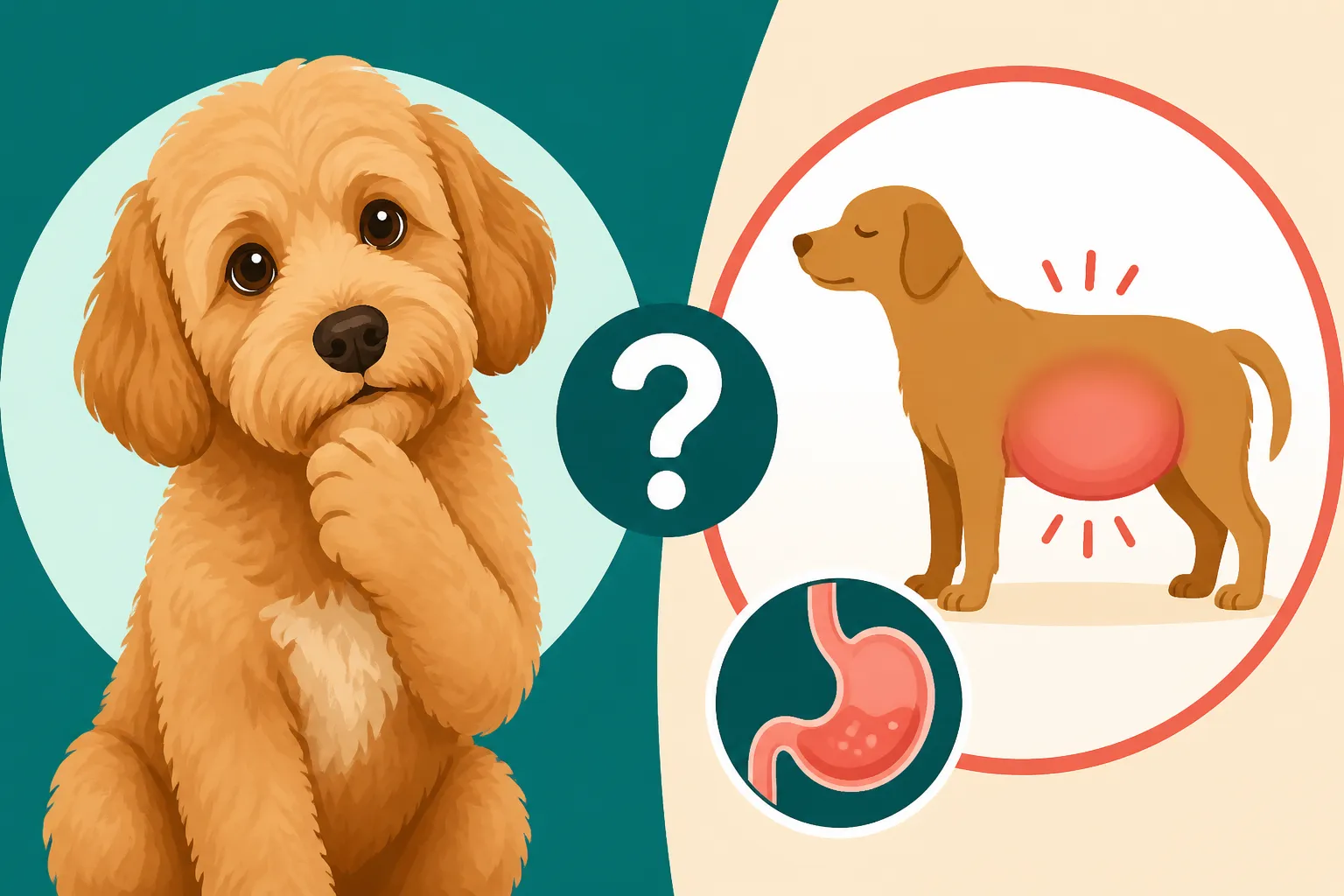
Let's start by demystifying bloat, because understanding the enemy is the first step to protecting your pup. Gastric Dilatation-Volvulus, or GDV, isn't just an upset stomach; it's an emergency that can turn fatal in a matter of hours. It occurs when a dog's stomach fills with gas, food, or fluid (dilatation) and then twists on its axis (volvulus). This twisting cuts off the blood supply to the stomach and can compress major blood vessels, leading to shock, organ damage, and ultimately, death. It’s a truly horrifying scenario that no pet parent ever wants to face.
What Exactly Is Bloat?
Imagine a balloon filling up with air, getting tighter and tighter, unable to release the pressure. That's essentially the "dilatation" part of GDV. The stomach expands rapidly, causing immense pain and putting pressure on other organs. The "volvulus" part is where it twists, often 180 to 360 degrees, pinching off the entrance and exit of the stomach. This twist traps everything inside – gas, food, liquids – and prevents anything from passing through. It also severely impacts blood circulation to the stomach wall, leading to tissue death, and can affect the spleen and other abdominal organs. The pain is excruciating, and the dog quickly goes into shock. This isn't just indigestion; it's a catastrophic event requiring immediate surgical intervention. Without it, the prognosis is grim, making every second count.
Common Risk Factors Beyond Size
While size is often cited, GDV isn't only about how big your dog is. There's a complex interplay of factors at play. Deep-chested breeds like Great Danes, Standard Poodles, Weimaraners, and German Shepherds are indeed at higher risk due to their anatomical build, but other elements contribute significantly. These include a history of bloat in the family line – genetics absolutely play a role here. Rapid eating, consuming one large meal a day instead of smaller, more frequent ones, and even certain types of exercise too close to eating can increase risk. Stress and anxiety have also been implicated, as well as age, with older dogs typically being more susceptible. Some studies suggest that elevated food bowls might actually increase risk, contrary to older advice, though research is ongoing. Even the temperament of a dog, with anxious or excitable individuals showing a higher incidence, is a factor. For Labradoodle owners, particularly those who have seen their dogs gulp down food in seconds, or who have highly energetic pups, these non-size related factors are just as important to consider.
The Deep Chest Conundrum: Why Miniature Labradoodles Still Carry Risk
This is where the nuance really comes into play for miniature Labradoodles. It's easy to assume "miniature" means "low risk," but that's not always the full story when it comes to bloat. While they might not be the giants of the dog world, their genetic makeup still carries traits that can predispose them to this condition.
Poodle Genetics and Chest Conformation
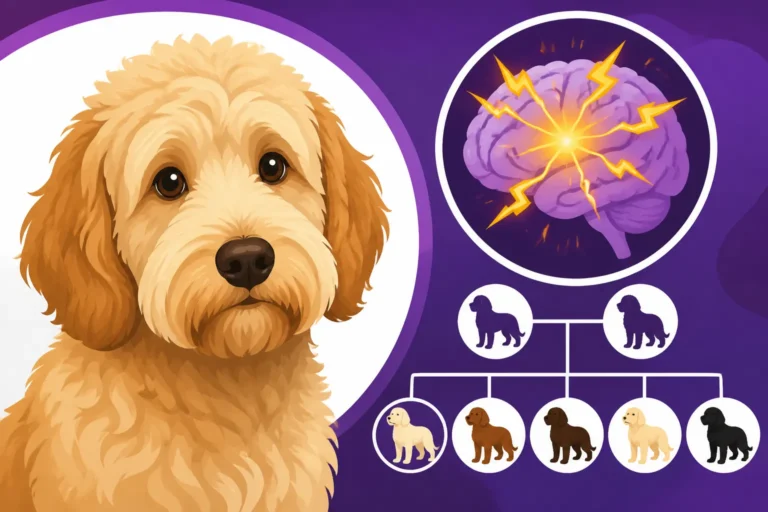
Remember, a Labradoodle is a crossbreed, taking traits from both the Labrador Retriever and the Poodle. While Labradors tend to have a more robust, "barrel-chested" build, the Poodle's influence often brings a distinctive physique: a deep, narrow chest. Even in a miniature Poodle, this deep-chested conformation is present, albeit on a smaller scale. And because miniature Labradoodles are often bred with miniature Poodles to achieve their smaller size, they can inherit this chest shape. This particular chest geometry creates more space for the stomach to distend and twist, which is the primary mechanical factor behind GDV. So, while your miniature Labradoodle might be small, if they have inherited that classic deep, narrow Poodle chest, they retain a degree of anatomical predisposition that warrants caution. You can delve deeper into this particular genetic trait by understanding The Deep Chest a Labradoodle Gets From the Poodle The overall structure and proportions of your dog are more critical than their absolute weight or height alone.
Size vs. Proportions: A Crucial Distinction
It’s truly all about proportions, not just the number on the scale. A miniature Labradoodle might weigh only 20-30 pounds, a far cry from a 60-pound standard Labradoodle. However, if that 20-pound dog has a chest that is proportionally deeper than it is wide, they still possess a physical characteristic linked to increased bloat risk. Think of it this way: a tall, thin person has a deep chest relative to their overall width, even if they aren't a large person. The same principle applies here.
It's not uncommon for miniature Labradoodles to exhibit a sleek, athletic build with a noticeable "tuck-up" in their abdomen and a prominent sternum, characteristics often associated with their Poodle heritage. These are the dogs where vigilance is still paramount. Owners shouldn't become complacent just because their Labradoodle is small; instead, they should evaluate their individual dog's body type. If you're ever unsure about your dog's specific risk based on their build, a quick chat with your veterinarian is always a great idea. They can assess your dog's conformation and provide personalized advice.
Here's a quick comparison of general risk factors:
| Feature | Standard Labradoodle (Typical) | Miniature Labradoodle (Typical) | Implications for Bloat Risk |
|---|---|---|---|
| Size/Weight | 50-65 lbs | 15-30 lbs | Larger dogs generally have higher incidence, but this is not the only factor. |
| Chest Depth | Often deep (Poodle influence) | Can be proportionally deep | A deep chest, regardless of overall size, provides space for the stomach to twist. Poodle genetics are key. |
| Eating Speed | Can be fast | Can be fast | Rapid eating is a known risk factor across all sizes. |
| Temperament | Active, excitable | Active, excitable | Anxious or high-strung dogs may be at higher risk. |
| Exercise after Eating | Higher risk | Still a risk | Strenuous activity too soon after a meal is dangerous for any dog prone to bloat. |
| Genetics (Poodle/Lab) | Both contribute | Both contribute (esp. Poodle) | Poodle lineage often brings the deep-chested conformation that is a primary anatomical risk. |
Recognizing the Early, Vague Signs of Bloat
One of the most terrifying aspects of bloat is how quickly it can escalate. Early detection is absolutely critical, but the initial signs can be incredibly subtle, easily mistaken for general discomfort or an upset stomach. This is where your intuition as a pet owner becomes your most valuable tool. Knowing The Signs a Labradoodle Is Bloating is literally life-saving information.
Subtle Cues That Demand Attention
Your dog might start with a restless, uneasy demeanor. They can't seem to get comfortable, constantly shifting positions, pacing, or trying to lie down and then immediately standing back up. You might notice them drooling more than usual, or repeatedly trying to vomit but bringing nothing up, or just a little foamy fluid. This unproductive retching is a classic and highly concerning symptom. They might also appear weak, have a rapid heart rate, or be breathing heavily. Their abdomen might feel tense to the touch, or even look visibly swollen, particularly on the left side, though sometimes the swelling isn't obvious until the condition is advanced. It’s not necessarily about a huge, football-like belly right away; it can start with just a slight firmness or an odd stance. Any of these signs, even if mild, should immediately raise a red flag. Don't wait for all the classic symptoms to appear; if you suspect bloat, time is of the essence.
The Critical Importance of Immediate Veterinary Care
This cannot be stressed enough: bloat is an absolute medical emergency. If you suspect bloat, even faintly, do not wait. Do not try home remedies, do not try to "wait and see." Get your miniature Labradoodle to an emergency veterinary clinic immediately. Call ahead if you can, so they are prepared for your arrival. Every minute counts when it comes to GDV. The longer the stomach remains twisted, the greater the damage to the stomach tissue and other organs, and the lower the chances of survival.
Treatment typically involves stabilizing the dog, decompressing the stomach (often with a tube or needle), and then emergency surgery to untwist the stomach and assess for damage. Often, a prophylactic gastropexy is performed during this surgery, where the stomach is tacked to the abdominal wall to prevent future twisting. The cost of this emergency care can be substantial, with What Emergency Bloat Surgery Costs a Labradoodle Owner often running into the thousands. This is precisely why having comprehensive pet insurance, like a policy from Healthy Paws, can provide immense peace of mind. Knowing that you can make critical, life-saving decisions for your pet without immediate financial strain is invaluable.
Proactive Strategies for Minimizing Bloat Risk
While no measure can guarantee 100% protection against bloat, especially if your miniature Labradoodle has a genetic predisposition, there are significant steps you can take to dramatically reduce their risk. These strategies focus on feeding habits and, in some cases, surgical prevention.
Feeding Practices That Make a Difference
Changing how and when your miniature Labradoodle eats can be a game-changer. Instead of one large meal a day, break their daily food allowance into two or three smaller meals. This reduces the amount of food and gas in the stomach at any one time. Encourage slow eating. If your Labradoodle inhales their food in seconds, consider using a slow-feeder bowl or puzzle feeder. These gadgets force them to work for their food, extending mealtime and reducing gulping of air. For those wondering, Whether a Labradoodle Eats Too Fast is definitely a common concern, and these tools are widely available.
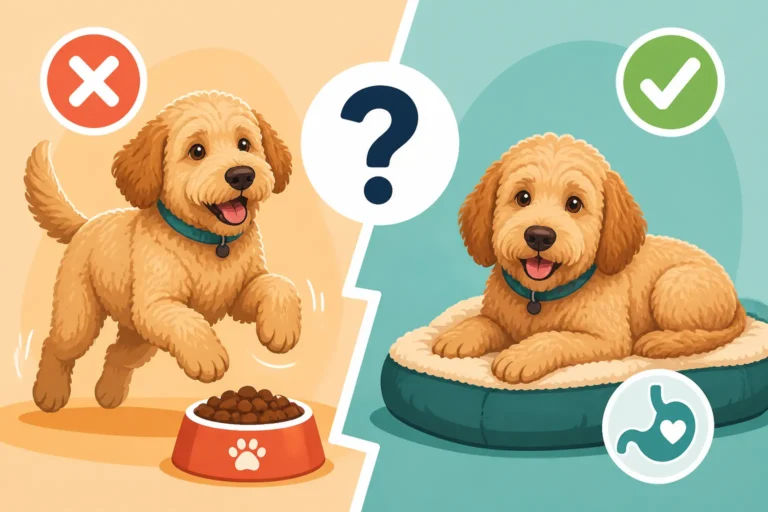
Also, it's crucial to manage their activity around meal times. Avoid strenuous exercise, excessive running, or rough play for at least an hour before and two hours after eating. Give their stomach time to digest calmly. Contrary to old beliefs, raising food bowls is now generally advised against, as some studies suggest it might actually increase the risk of bloat in deep-chested dogs. Sticking to floor-level bowls is the current recommendation, and you can learn more about this specific topic by looking into Raised Bowls and Labradoodle Bloat. Always ensure your Labradoodle has access to fresh water, but limit large quantities of water immediately after eating.
Considering a Preventive Gastropexy
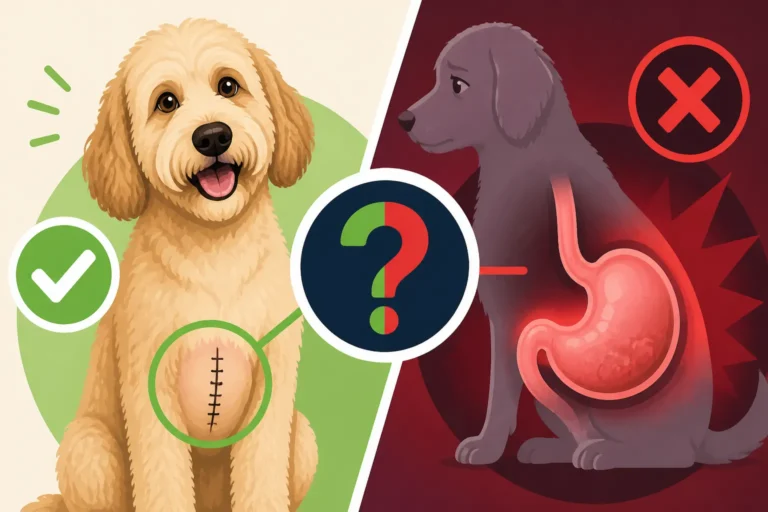
For Labradoodles deemed at higher risk (which, as we've discussed, can include miniature Labradoodles with certain conformations), a prophylactic gastropexy might be an option. This is a surgical procedure where the stomach is permanently attached to the abdominal wall, preventing it from twisting. While it doesn't prevent the stomach from dilating (filling with gas), it eliminates the life-threatening "volvulus" component.
Many owners opt to have this procedure done electively, often at the same time as their dog's spay or neuter surgery, or during another abdominal procedure to minimize the need for a separate anesthesia event. If you're pondering Whether a Labradoodle Should Have a Preventive Gastropexy for your miniature, it's a conversation worth having with your vet. They can evaluate your dog's individual risk factors, including their Poodle lineage and chest conformation, and help you make an informed decision. While it's a surgical procedure, it's far less invasive and carries fewer risks than emergency bloat surgery. Proactive measures like this, combined with smart feeding habits, give your precious miniature Labradoodle the best chance at avoiding this devastating condition. And should you ever face unforeseen health challenges, a robust pet insurance plan like those offered by Healthy Paws can truly alleviate the financial strain, allowing you to focus purely on your pet's recovery.
Keeping up with your Labradoodle's general well-being and having The Yearly Screening a Labradoodle Should Get can also help catch other issues that might exacerbate bloat risk or impact their overall health, especially as they get older. Being attentive to What a Labradoodle Owner Should Watch For After Eight will ensure you’re monitoring for a range of age-related conditions, keeping them happy and healthy for as long as possible.
Disclaimer
This article is for general informational purposes only and does not constitute professional advice. Laws, prices and regulations vary by location and change over time. Consult a qualified professional for guidance on your specific situation.