The Signs a Labradoodle Is Bloating
Few things can strike more fear into the heart of a Labradoodle owner than the sudden, silent threat of bloat. It's a terrifying, life-threatening condition that can appear out of nowhere, leaving you scrambling to understand what's happening and how to react. This guide is here to walk you through the critical signs that your beloved Labradoodle might be bloating, helping you recognize this emergency quickly so you can get the immediate veterinary care they desperately need.
Understanding Bloat in Labradoodles: More Than Just a Belly Ache
Bloat, medically known as Gastric Dilatation and Volvulus (GDV), isn't just an upset stomach; it's a medical emergency where your dog's stomach fills with gas and then twists. This twisting cuts off blood flow to the stomach and often the spleen, trapping gas and food, and rapidly sending your dog into shock. It’s a truly frightening condition, and unfortunately, Labradoodles, with their unique ancestry, can be particularly susceptible.
Why Labradoodles are at Risk
Labradoodles inherit traits from both their Labrador Retriever and Poodle parents, and unfortunately, one of the less desirable traits from the Poodle side is a deeper, narrower chest cavity. This anatomical feature is a known risk factor for bloat. While not every deep-chested dog will experience GDV, their conformation makes them statistically more prone to it. It’s a cruel twist of genetics for a breed so cherished for its friendly and intelligent nature.
Beyond anatomy, other factors can increase the risk. Eating a large meal too quickly, exercising vigorously right after eating, stress, or even consuming too much water can all be contributing elements. This is why you'll often hear advice about making sure your Labradoodle isn't playing a wild game of fetch right after gobbling down their dinner. Understanding these underlying risks can help you be more vigilant about prevention and recognizing the signs. For more on this, you might find our article on The Deep Chest a Labradoodle Gets From the Poodle quite insightful.
The Urgency of Bloat GDV
When a dog's stomach twists, it’s not just uncomfortable; it’s a race against time. The trapped gas and restricted blood flow quickly lead to tissue damage, heart problems, and ultimately, organ failure and death if not treated immediately. I've heard too many heartbreaking stories from owners who wished they had known the signs sooner. This isn't a condition where you can "wait and see" if your Labradoodle feels better in the morning. Every minute counts, and recognizing the early indicators is your best defense. This is why having a plan for emergency veterinary care, and even potentially pet insurance from providers like Healthy Paws, is so critical for Labradoodle owners.
Early Warning Signs: What to Look For
Spotting bloat can be tricky because some early signs can mimic other, less serious conditions. However, the combination of these symptoms, especially if they appear suddenly and worsen rapidly, should raise a huge red flag. Trust your gut instinct as a pet parent – if something feels off, it very well might be.
Behavioral Changes
One of the first things you might notice in your Labradoodle is a shift in their usual behavior. They might become unusually restless, pacing around the house, unable to settle into a comfortable position. Imagine your normally laid-back Labradoodle repeatedly getting up, lying down, then getting up again, almost as if they can't find relief. They might seem anxious or distressed, panting even when they haven't been exercising, or looking at their flank. Some dogs may try to hide or become unusually quiet, while others might whine or make small, distressed noises. These subtle changes often precede the more obvious physical symptoms, making them crucial to catch.
Abdominal Indicators
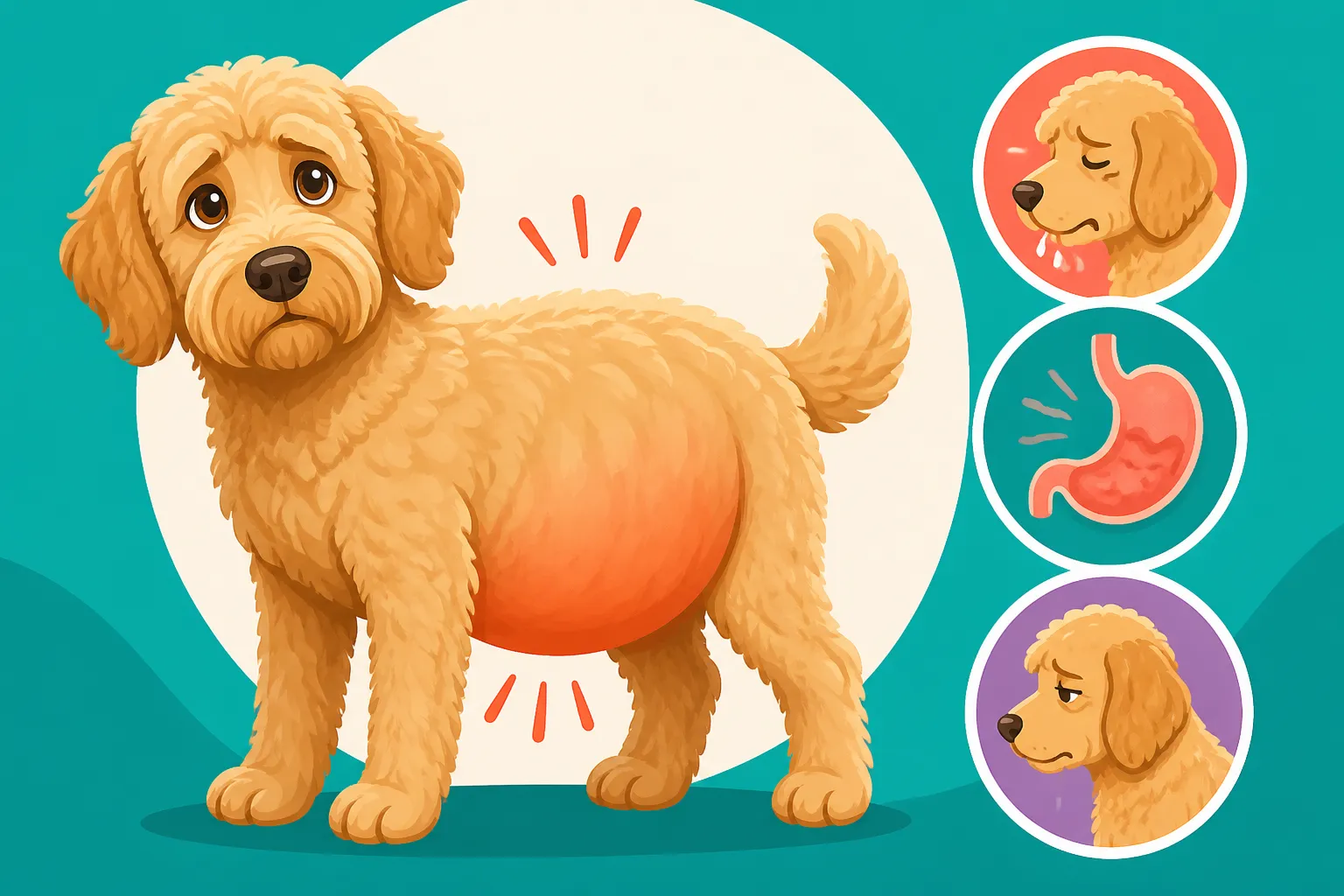
This is where things can become more visually apparent, though not always immediately. Your Labradoodle's abdomen might appear distended or swollen, particularly on the left side, just behind the rib cage. It might feel hard and tight, like a drum. Gently pressing on the area might elicit pain or discomfort from your dog, causing them to flinch or cry out. However, don't wait for a visibly huge belly to take action; sometimes the swelling isn't pronounced, especially in the early stages or if your Labradoodle has a very fluffy coat. A good trick is to know your dog's normal belly size and shape, so you can detect subtle differences. Feeling for tenderness or rigidity can often give you an earlier clue than just looking.
Gastrointestinal Symptoms
The most classic and distressing sign of bloat is unproductive retching or gagging. Your Labradoodle will look like they're trying to vomit, perhaps hunching over, making loud retching noises, but nothing or very little comes up. This is because the twisted stomach prevents anything from passing through. This retching can be relentless and exhausting for your dog. You might also notice excessive drooling or hypersalivation, as they continue to try to vomit unsuccessfully. While they might pass some gas, it won't be enough to relieve the pressure building in their stomach. If you hear loud gulping or excessive burping alongside these symptoms, be extra wary.
Other Physical Signs
As bloat progresses and shock sets in, other severe physical signs will become evident. Your Labradoodle's gums might appear pale or even bluish, indicating poor circulation and oxygenation. Their heart rate may become rapid, and their pulse might feel weak and thready. They could start breathing rapidly and shallowly, struggling to get enough air. Weakness and collapse are also possible as their body succumbs to the shock. If you observe any of these symptoms in conjunction with the others, it's an undeniable emergency. Don't delay—get to an emergency vet immediately.
What to Do If You Suspect Bloat
Recognizing the signs is only half the battle; knowing exactly what to do next is just as important. Panic is a natural reaction, but try to remain calm for your dog’s sake. Your quick, decisive actions can make all the difference.
Immediate Veterinary Care is Crucial
Let me repeat: bloat is a dire emergency. Do not attempt home remedies or wait to see if your Labradoodle improves. There is no safe "wait-and-see" period with GDV. The moment you suspect bloat, you need to contact your veterinarian or the nearest emergency veterinary clinic. Call ahead if you can, to let them know you’re coming and that you suspect bloat. This allows them to prepare for your arrival and be ready to begin treatment immediately. The clock is ticking, and every second truly matters. If you're concerned about the financial aspect, many dedicated pet parents have found that having pet insurance, perhaps from a provider like Healthy Paws, can significantly ease the burden of unexpected emergency costs.
Communicating with Your Vet
When you call or arrive at the clinic, be prepared to calmly and clearly describe your Labradoodle's symptoms. Tell them what you’ve observed: the restlessness, the unproductive retching, any abdominal swelling, and when these symptoms started. Mention your dog’s breed and any known predispositions. This information helps the veterinary team quickly assess the situation and prioritize your dog for examination and treatment. Don’t downplay any symptoms, even if they seem minor; a detailed account gives them the best picture.
The Trip to the Emergency Clinic
Getting your Labradoodle to the vet safely and quickly is paramount. If your dog is a standard size, you might need help carrying them to the car, especially if they are already weak or collapsed. Drive safely but efficiently. Try to keep your Labradoodle as comfortable as possible during the ride, perhaps by having them lie on a blanket or bed. Avoid any sudden stops or movements that could jostle them further. Remember, time is of the essence. It’s better to arrive and be told it’s nothing serious than to wait and regret it. For more information on preparing for emergencies, you might look into What Emergency Bloat Surgery Costs a Labradoodle Owner and Insuring a Labradoodle Against Bloat.
Distinguishing Bloat from Other Issues
It's natural to worry, and sometimes mild stomach upset can mimic early bloat symptoms. Knowing the key differences can help you determine the severity of the situation.
Common Stomach Upset vs. Bloat
Many dogs experience occasional stomach upset, which might involve vomiting, diarrhea, or a temporary loss of appetite. With typical stomach upset, vomiting is usually productive, meaning your dog actually brings up food or bile. While they might be uncomfortable, they are usually not in severe distress, panting excessively, or attempting to vomit over and over without success. Their abdomen usually isn't hard and distended, and their gums remain a healthy pink color. If your Labradoodle has consumed something questionable, or simply has a sensitive stomach, these milder symptoms are more common.
However, if the symptoms escalate rapidly, if the retching is unproductive, and especially if the abdomen begins to swell, you must assume it's bloat. When in doubt, it’s always safer to consult your vet. A quick phone call can often guide your next steps. Our guide on The Signs a Labradoodle Is Bloating (whoops, this is the current article!) provides further detail on specific symptoms. You might also consider whether your Labradoodle eats too fast as a potential contributing factor to general digestive upset, though it's important not to confuse it with bloat.
Anxiety or Discomfort
Sometimes, a dog's anxiety or general discomfort might cause restlessness or panting. A new environment, fireworks, or even a stressful car ride can lead to these behaviors. However, these usually won't be accompanied by the severe gastrointestinal signs like unproductive retching or abdominal distension. If your Labradoodle is restless but otherwise seems fine, eating normally, and not showing any signs of stomach pain or swelling, it might be anxiety. But if you see even one of the critical bloat signs, like unproductive retching or a firm, swollen belly, don't dismiss it as just anxiety. Always err on the side of caution.
Here’s a quick comparison to help you differentiate:
| Symptom | Typical Stomach Upset | Suspected Bloat (GDV) |
|---|---|---|
| Retching/Vomiting | Usually productive (food, bile) | Unproductive (trying to vomit, nothing comes up) |
| Abdomen | Soft, normal appearance, possibly mild tenderness | Hard, distended, painful, often visibly swollen |
| Behavior | Lethargic, perhaps quiet, may seek comfort | Extreme restlessness, pacing, anxious, unable to settle |
| Pain Level | Mild to moderate discomfort | Severe pain, guarding abdomen, distressed |
| Gum Color | Normal pink | Pale, grayish, or bluish |
| Breathing | Normal or slightly increased | Rapid, shallow, labored breathing |
| Progression | Develops slowly, may resolve on its own | Rapid onset, worsens quickly, life-threatening |
This table should serve as a helpful guide, but remember, if you have any suspicion of bloat, it's always best to seek immediate veterinary attention. Investing in pet insurance like Healthy Paws can also provide peace of mind for these unexpected, critical situations, ensuring you can focus on your pet's health rather than the potential costs. Preventing bloat through measures like ensuring your Labradoodle rests after eating or considering Whether a Labradoodle Should Have a Preventive Gastropexy are also important discussions to have with your vet. Regular check-ups as part of The Yearly Screening a Labradoodle Should Get can also help in early detection of any health issues.
Disclaimer
This article is intended for informational purposes only and does not constitute medical advice. Always consult with a qualified veterinarian for any health concerns or before making any decisions about your Labradoodle's care. In the case of suspected bloat, seek emergency veterinary attention immediately.