Whether Heat Brings On Labradoodle Collapse
It’s truly alarming and heartbreaking to witness your lively Labradoodle suddenly lose strength, stumble, and even collapse during what seemed like a routine play session or walk. This terrifying scenario leaves many owners wondering if the summer heat or an intense burst of activity is to blame, and this guide is here to shed light on how high temperatures can indeed trigger these unsettling episodes in predisposed Labradoodles, offering you crucial insights and practical steps to protect your furry companion.
Understanding Labradoodle Collapse: More Than Just Overheating
When your Labradoodle collapses, it’s natural to jump to conclusions, especially if it’s a warm day or they’ve been particularly active. But while heat can certainly be a contributing factor, it's vital to understand the underlying condition known as Exercise Induced Collapse (EIC). This isn't just simple heatstroke or exhaustion; it's a specific genetic disorder that primarily affects retrievers and some other breeds, including, unfortunately, the Labradoodle.
The Genetic Link to Exercise Induced Collapse (EIC)
EIC is a hereditary neuromuscular disorder. This means it’s something your Labradoodle is born with, passed down through their genes. Specifically, it’s linked to a mutation in the DNM1 gene. When a dog has two copies of this mutated gene, they are considered "affected" and are prone to EIC episodes. If they have one copy, they are a "carrier" and usually don't show symptoms, but can pass the gene to their offspring.
The insidious thing about EIC is that it doesn't manifest as an obvious lameness or weakness at all times. Instead, it typically appears after 5 to 20 minutes of strenuous exercise, especially if that exercise is coupled with high excitement, high temperatures, or both. Imagine your Labradoodle chasing a ball relentlessly, swimming vigorously, or participating in an intense training session – these are the precise scenarios where EIC is most likely to strike. Owners often report that the episodes first show up around The Age Exercise Induced Collapse First Shows in a Labradoodle, often during their pup's adolescent period when they have boundless energy.
What a Collapse Episode Actually Looks Like
It's a distressing sight for any owner. When a Labradoodle collapses due to EIC, the symptoms can range from a wobbly gait to complete hindlimb weakness, often progressing to total body collapse. The dog might seem disoriented or lose control of their rear legs, dragging them behind. Their awareness usually remains normal, meaning they know what's happening but can't control their body. This is a key difference from heatstroke, where mental confusion is more common.
Initially, your dog might appear weak in the hindquarters, with their rear legs becoming stiff or uncoordinated. This can quickly progress, causing them to stumble or even fall. In more severe cases, all four limbs can be affected, and your dog might be unable to stand. The episode itself usually lasts from 5 to 25 minutes, after which your Labradoodle will typically recover completely, often appearing totally normal within 30 minutes. This rapid recovery is another hallmark of EIC, distinguishing it from other serious conditions. For a deeper dive into the symptoms, you can read more about What a Labradoodle Collapse Episode Looks Like.
The Role of Heat in Triggering Collapse Episodes
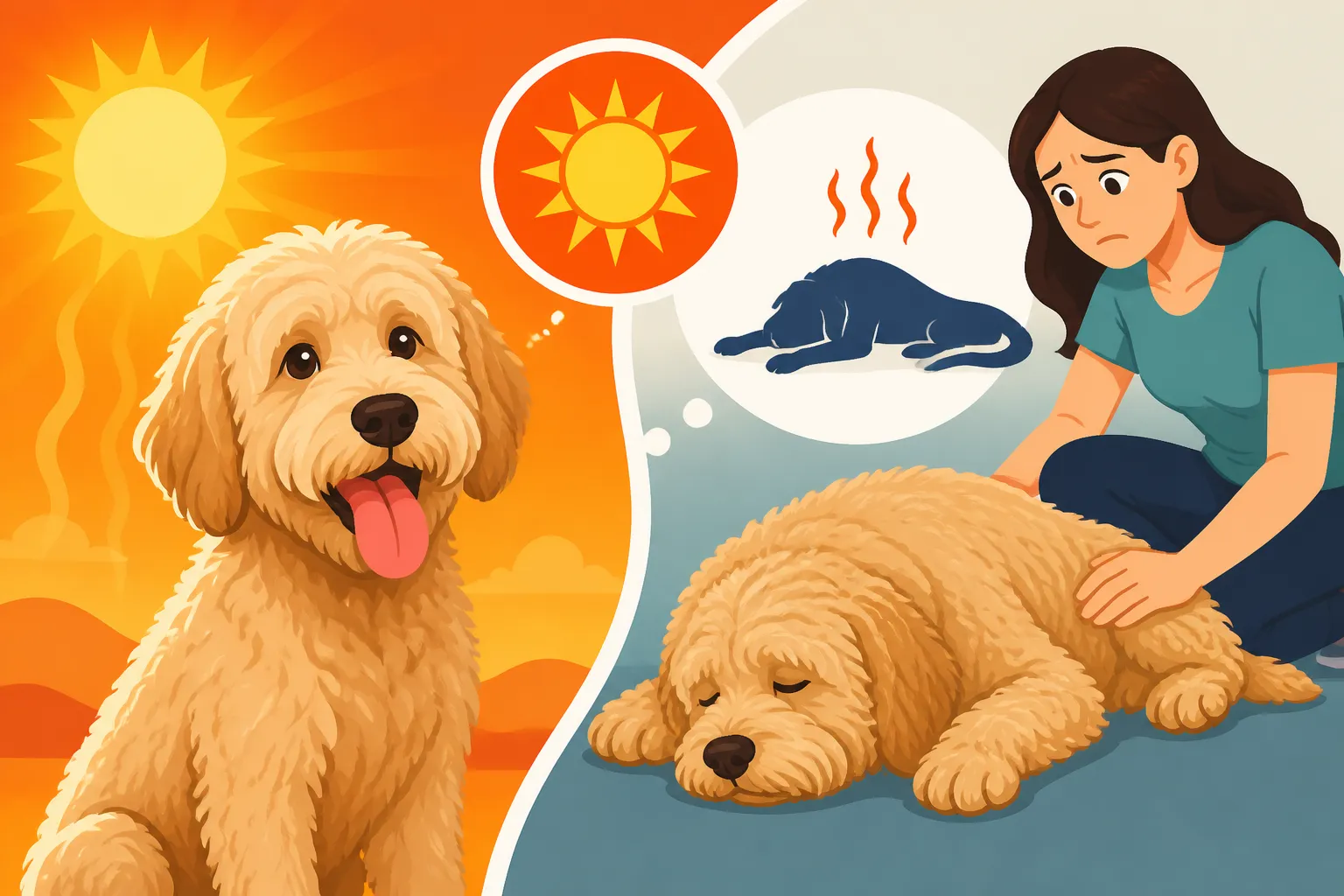
Now, let's get to the crux of your concern: does heat bring on Labradoodle collapse? The answer is a resounding yes, though it's usually not the sole cause, but rather a significant exacerbating factor for dogs already predisposed to EIC. Think of it like a perfect storm – the genetic predisposition is the underlying current, and heat (along with intense exercise and high excitement) acts as the wind that whips that current into a dangerous wave.
How High Temperatures Impact EIC-Affected Labradoodles
For Labradoodles with EIC, high ambient temperatures don't just make them feel a bit sluggish; they significantly increase the likelihood and severity of a collapse episode. When your dog exercises, their body naturally generates heat. In cooler conditions, they can dissipate this heat effectively through panting and convection. However, on a hot, humid day, this cooling mechanism becomes much less efficient.
This internal heat buildup, combined with the physiological stress of intense exercise, places an enormous strain on their system. While the exact mechanism of EIC is complex, it's understood that the DNM1 gene mutation affects nerve impulses and muscle function during periods of metabolic stress. High body temperature adds to this stress, essentially pushing the dog's system past its breaking point much faster than it would in a cooler environment. So, that exciting game of fetch might be fine on a crisp autumn morning, but on a scorching summer afternoon, it could very well lead to a collapse episode for an EIC-affected Labradoodle.
Differentiating EIC from Heatstroke
It’s crucial for Labradoodle owners to be able to tell the difference between an EIC episode and heatstroke, as the immediate first aid and prognosis can vary. While both can be triggered or worsened by heat and exercise, they are distinct conditions.
Heatstroke is a life-threatening condition where a dog's body temperature rises dangerously high, overwhelming their ability to cool down. Symptoms include excessive panting, drooling, lethargy, vomiting, diarrhea, mental confusion, seizures, and a very high body temperature (over 104°F or 40°C). Recovery is often not spontaneous, and immediate veterinary intervention is critical to prevent organ damage or death. For a deeper understanding, check out Telling EIC From Heatstroke in a Labradoodle.
EIC, as discussed, involves a genetic predisposition where nerve and muscle function temporarily fail during strenuous activity, often exacerbated by heat. The dog's body temperature might be slightly elevated, but usually not to the extreme levels seen in heatstroke. The most telling difference is that with EIC, the dog typically remains mentally alert, and the symptoms resolve spontaneously within a relatively short period (5-25 minutes) with rest. While both require immediate cessation of activity and moving to a cool place, the urgency and specific treatments differ. If you're ever in doubt, always treat it as heatstroke first and seek immediate veterinary attention.
Preventing Heat-Related Collapse in Your Labradoodle
The good news is that if you know your Labradoodle is affected by EIC, or even if you suspect it, there are very effective strategies you can implement to prevent heat-related collapse episodes. It largely comes down to managing their environment and activity levels.
Smart Exercise Planning and Routine Adjustments
This is perhaps the most critical step. For Labradoodles prone to EIC, especially if they are known carriers or affected individuals, strenuous exercise during warm weather needs significant modification.
- Timing is Everything: Avoid exercising your Labradoodle during the hottest parts of the day. This usually means scheduling walks, play, or training sessions for early mornings or late evenings when temperatures are much lower. Even on moderately warm days, the midday sun can be intense.
- Duration and Intensity: Keep exercise sessions shorter and less intense when it's warm. Instead of an hour-long, high-energy fetch session, opt for a leisurely walk or a few minutes of gentle play. Understanding The Exercise a Labradoodle Needs Before It Behaves is still important, but adapt it to their specific health needs.
- Excitement Levels: Remember that high excitement can also trigger EIC, independent of temperature. Try to keep play sessions calm, avoiding frantic, repetitive retrieving. If your dog gets overly enthusiastic, take a break to let them calm down.
- Water Activities: While swimming can be a great way to cool off, intense, prolonged swimming can still be strenuous. Monitor your Labradoodle carefully, especially if they are diving or retrieving repeatedly in the water. Always ensure proper cooling and drying after water activities to prevent other issues like ear infections, as discussed in Drying a Labradoodle After It Swims.
Creating a Cool and Safe Environment
Beyond exercise, making sure your Labradoodle has access to cool spaces is paramount, especially during summer months.
- Shade and Water: Always ensure your dog has constant access to fresh, cool water, both indoors and outdoors. If they are outside, provide ample shade. A kiddie pool with a few inches of water can also be a wonderful way for them to cool down, especially if they enjoy splashing.
- Air Conditioning and Fans: Inside your home, keep the air conditioning on or use fans to maintain a comfortable temperature. Avoid leaving your Labradoodle in a room that can heat up quickly, such as a conservatory or a room with direct, prolonged sunlight.
- Cooling Gear: There's a variety of cooling gear available, from cooling vests to cooling mats. These can be incredibly helpful for keeping your dog's body temperature regulated, especially if you need to be outdoors for a short period. Just make sure the vest is breathable and doesn't trap heat.
What to Do if Your Labradoodle Collapses
Even with the best preventative measures, sometimes an EIC episode can still occur. Knowing how to react calmly and effectively is crucial for your dog's well-being and your peace of mind.
Immediate First Aid Steps
If you observe your Labradoodle collapsing, the first few minutes of your response are critical.
- Stop All Activity Immediately: This is the absolute priority. Halt whatever your dog is doing and prevent them from continuing to exert themselves.
- Move to a Cool, Quiet Area: Get your dog out of direct sunlight and into the coolest, shadiest, and most well-ventilated spot available.
- Offer Water: If your dog is able, offer them small amounts of cool (not ice-cold) water to drink. Don't force it.
- Initiate Cooling Measures (If Heatstroke is Suspected): If you suspect heatstroke (e.g., extreme panting, mental confusion, very hot to the touch), begin active cooling. Wet their fur with cool water, especially around the ears, armpits, and groin. Use a fan if available. However, for pure EIC, aggressive cooling isn't usually necessary as body temperature typically isn't dangerously high, but a cool environment is still beneficial.
- Allow Rest: The most important thing for an EIC-affected dog is complete rest. Do not try to make them stand or walk. Most EIC episodes resolve spontaneously within 5-25 minutes. Stay with them and monitor their recovery.
When to Seek Veterinary Attention
While most EIC episodes resolve on their own, there are definite circumstances where immediate veterinary care is warranted.
- No Improvement or Worsening: If your Labradoodle does not start to recover within 30 minutes, or if their condition seems to worsen (e.g., they become unresponsive, have a seizure, or their breathing becomes severely labored), do not wait. This could indicate a more serious issue like severe heatstroke or another underlying medical problem.
- Severe Symptoms: If your dog experiences severe mental confusion, protracted seizures, or loses consciousness, this is an emergency.
- First Episode: If this is the very first time your Labradoodle has collapsed, it is always wise to consult your vet. They can rule out other serious conditions, perform necessary diagnostics, and help you determine if EIC is the cause. This might include recommending genetic testing to confirm the DNM1 mutation.
- Insurance Considerations: Veterinary emergencies, especially those involving genetic conditions or heatstroke, can incur significant costs. Having pet insurance can provide immense relief during these stressful times. Companies like Healthy Paws offer comprehensive plans that can cover accidents, illnesses, and even hereditary conditions like EIC (provided there's no pre-existing condition clause). Thinking ahead about financial preparedness can make a huge difference, especially if you want to ensure your Labradoodle gets The Yearly Screening a Labradoodle Should Get or if a sudden emergency like What Emergency Bloat Surgery Costs a Labradoodle Owner occurs.
Table: Differentiating EIC and Heatstroke Symptoms
| Symptom / Factor | Exercise Induced Collapse (EIC) | Heatstroke |
|---|---|---|
| Trigger | Strenuous exercise + excitement + heat | High ambient temperature + exertion |
| Onset | Typically 5-20 min into exercise | Can be gradual or sudden during heat exposure |
| Mental State | Usually mentally alert and aware | Often mentally confused, disoriented, or lethargic |
| Body Temperature | Mildly elevated, rarely dangerously high | Dangerously high (over 104°F / 40°C) |
| Hindlimb Weakness | Common, can progress to all four limbs | General weakness, staggering, collapse |
| Recovery | Spontaneous, typically 5-25 min with rest | Requires active cooling, often non-spontaneous |
| Drooling/Panting | May be present, but often less extreme | Excessive panting, heavy drooling, red gums |
| Vomiting/Diarrhea | Less common, but possible | Common, can be bloody |
| Seizures | Rare, but can occur in severe cases | Possible, indicates severe progression |
| Urgency | Rest and monitor; vet consult for diagnosis | Immediate veterinary emergency |
It's a scary thought, but knowing about EIC and how to manage it, especially concerning heat, gives you the power to keep your Labradoodle safe. While Whether an EIC Carrier Labradoodle Is Safe to Own is a question many consider, with careful management, many affected dogs live full and happy lives. Proactive care and a strong relationship with your veterinarian are your best allies in navigating conditions like EIC.
Living with an EIC-Affected Labradoodle
Having a Labradoodle diagnosed with Exercise Induced Collapse might sound daunting, but it’s far from a death sentence. With proper understanding and management, these dogs can lead perfectly happy, fulfilling lives. It’s all about adapting your lifestyle and their routine to their specific needs.
Long-Term Management and Lifestyle Adaptations
The cornerstone of managing an EIC-affected Labradoodle is consistent, proactive lifestyle management. This means being vigilant about their activity, excitement levels, and environmental conditions.
- Consistent Exercise Protocol: Develop a clear exercise routine that avoids triggers. This means no more long, intense games of fetch in the park on a hot day. Instead, focus on moderate, controlled activities. Consider shorter, more frequent walks in cool weather, or enrichment activities that stimulate their mind without over-exerting their body. Remember to manage Exercising a Labradoodle That Carries EIC differently than you would a clear dog.
- Mental Stimulation: Since intense physical exercise can be limited, ramp up their mental stimulation. Puzzle toys, scent work, trick training, and obedience classes (kept calm and focused) are excellent ways to engage your Labradoodle without risking collapse. This also helps with their general behavior and temperament, as Labradoodles are intelligent dogs who need a job to do, even if it's just learning new commands.
- Environmental Control: Year-round, be mindful of temperatures and humidity. Even in cooler weather, a dog can overheat if confined to a warm car or exercised too strenuously. Always provide a cool resting spot, and if your Labradoodle tends to get overly excited, try to manage those situations as well.
- Diet and Weight Management: Keeping your Labradoodle at a healthy weight is vital. Excess weight puts additional strain on their cardiovascular and musculoskeletal systems, which can indirectly exacerbate any underlying health issues. A balanced diet appropriate for their activity level is key.
Regular Veterinary Check-ups and Monitoring
Even with careful home management, regular veterinary oversight is crucial. Your vet is your best partner in monitoring your Labradoodle’s overall health and addressing any concerns that arise.
- Routine Health Screenings: Ensure your Labradoodle receives comprehensive annual check-ups. This includes bloodwork and a thorough physical examination to catch any other potential health issues early. Remember that Labradoodles can be prone to other genetic conditions, like Addison's Disease a Labradoodle Inherits From the Poodle or joint issues like Hips and Elbows in a Sixty Pound Labradoodle, so a holistic approach to their health is always best.
- Open Communication with Your Vet: Don’t hesitate to discuss any changes in your Labradoodle’s behavior, activity levels, or any new symptoms you observe. Your vet can provide tailored advice and adjust management strategies as needed. If you've observed a collapse episode, describe it in detail to your vet, including the circumstances, duration, and recovery.
- Genetic Testing for Peace of Mind: If your Labradoodle hasn't been tested, and EIC is suspected, your vet can recommend the appropriate genetic test to confirm the presence of the DNM1 mutation. This knowledge empowers you to manage their life effectively and provides clarity for their future. Many responsible breeders will perform The Health Tests a Labradoodle Breeder Should Show for EIC and other conditions.
Living with a Labradoodle who has EIC, or one who is simply sensitive to heat, is a commitment, but it’s a manageable one. It means being a bit more thoughtful about their daily routine, but the joy and companionship they bring are immeasurable. With a little extra care and awareness, your furry friend can continue to be the wonderful, loving companion you cherish.
Disclaimer
This article is intended for informational purposes only and does not constitute veterinary advice. Always consult with a qualified veterinarian for any health concerns or before making any decisions about your Labradoodle's care or treatment.