Keeping a Labradoodle Sound Into Its Teens
Watching your beloved Labradoodle start to slow down can be heartbreaking, seeing those once boundless bursts of energy become more infrequent, and realizing their playful puppy antics are now a distant memory. Many of us worry about the unknown health challenges that come with senior dog ownership and how to best support our furry family members through their golden years. This guide is dedicated to helping you understand, prepare for, and navigate the journey of keeping your Labradoodle happy, comfortable, and as healthy as possible well into their teenage years.
Recognizing the Signs of Seniority in Your Labradoodle
Just like humans, Labradoodles don't suddenly wake up "old" one day. The aging process is a gradual shift, and recognizing the early signs allows you to make timely adjustments to their care and lifestyle. It's often around the age of eight that many Labradoodle owners start noticing subtle changes, signaling that their furry companion is entering a new stage of life. However, keep in mind that individual dogs can vary widely; some might show signs earlier, others later, depending on their genetics, lifestyle, and overall health.
When a Labradoodle Counts as Senior
Generally speaking, a Labradoodle is considered senior or geriatric when they reach about seven to ten years of age. For a standard or larger Labradoodle, this often leans more towards the seven or eight-year mark, while miniature Labradoodles, like many smaller breeds, might not show significant signs until a bit later. This age threshold isn't a hard and fast rule, but rather a guideline to prompt you to start thinking about a different approach to their veterinary care, diet, and daily routine.
Think about it: that eight-year-old Labradoodle who still chases squirrels in the park might not seem "old," but internally, their organs are working differently, their joints might be feeling the effects of years of play, and their immune system could be less robust. Understanding that your Labradoodle is now considered a senior is the first step in providing proactive care, rather than reacting to issues as they arise. It’s also the perfect time to begin looking into things like whether a Standard Labradoodle Ages Faster, as size can sometimes play a role in the onset of senior conditions.
Subtle Changes to Watch For After Eight Years
Many of the initial signs of aging in a Labradoodle are quite subtle, easy to dismiss as just "getting a bit lazy" or "having an off day." But these small shifts can be crucial indicators. Perhaps they’re not greeting you at the door with the same enthusiastic bounce, preferring a gentle wag and a slower approach. Maybe their morning walks, once a brisk trot, are now a leisurely sniff-and-amble session. You might notice they take a little longer to settle down after a game, or their sleep patterns start to shift, with more napping during the day and perhaps some restlessness at night.
It’s not just physical changes. Pay close attention to their mental engagement too. Are they still as eager to learn new tricks, or do they seem a little less interested in puzzle toys? Sometimes, a Labradoodle might start to show a little less patience with boisterous younger dogs or children, simply because their energy levels are lower, and they prefer a calmer environment. These aren't necessarily signs of distress but rather a natural progression that calls for mindful adaptation from you, their loving owner. If you're wondering what a Labradoodle Owner Should Watch For After Eight, these small behavioral and physical cues are your roadmap.
Proactive Health Management for Longevity
The key to keeping your Labradoodle sound into its teens isn't just about reacting to problems; it's about being proactive. This means establishing a robust preventative care routine that addresses the specific needs of an aging dog, from their annual check-ups to the food in their bowl and the exercises they enjoy.
Tailored Veterinary Care and Screenings
As your Labradoodle ages, those yearly vet visits become even more critical. It’s not just about vaccinations anymore; it's about comprehensive health screenings that can catch potential issues before they become major problems. Your vet will likely recommend more extensive bloodwork, urinalysis, and perhaps even blood pressure checks or thyroid screenings. These tests can help detect conditions like kidney disease, liver issues, or thyroid failure in a Labradoodle, which often manifest subtly in their early stages.
For instance, early detection of changes in kidney values through blood tests can allow for dietary changes or medication that can significantly slow the progression of kidney disease. It’s important to discuss with your vet the specific screenings recommended for senior Labradoodles. They might suggest a yearly screening a Labradoodle should get, which can include specialized eye exams to check for cataracts or glaucoma, and joint assessments to monitor for arthritis. Don't be shy about asking questions and advocating for the most thorough care for your aging companion. Having good pet insurance, like a policy from Healthy Paws, can certainly help ease the financial burden of these essential screenings and treatments, ensuring you can always make the best health decisions without stressing about the cost.
Nutritional Adjustments for Senior Dogs
The nutritional needs of an aging Labradoodle shift considerably. Their metabolism slows down, they're often less active, and they may have underlying health conditions that require specific dietary support. Continuing to feed a senior dog the same high-calorie, growth-oriented food they ate as a young adult can lead to unnecessary weight gain, which puts extra strain on already aging joints.
Look for high-quality senior dog foods that are typically lower in calories but still packed with essential nutrients, often enriched with joint-supporting supplements like glucosamine and chondroitin. Some senior formulas also include ingredients to support cognitive function, such as antioxidants and omega-3 fatty acids. If your Labradoodle has specific health concerns, like kidney disease or diabetes, your vet might recommend a prescription diet formulated to manage these conditions. Feeding an old Labradoodle that has slowed down requires careful consideration and often a conversation with your veterinarian to ensure they are getting exactly what they need to thrive.
Adapting Exercise and Mental Stimulation
While your Labradoodle might not be up for a marathon anymore, regular exercise remains vital for maintaining muscle mass, joint flexibility, and a healthy weight. The key is adaptation. Replace intense, high-impact activities with gentler options. Shorter, more frequent walks are often better than one long, strenuous outing. Swimming can be an excellent low-impact exercise for Labradoodles, as it supports joints without the stress of weight-bearing.
Mental stimulation is just as important. An aging mind still needs to be engaged to prevent cognitive decline. Continue playing gentle puzzle games, practicing known commands, or even teaching new, simple tricks. Scent work, where they use their powerful nose to find hidden treats, is fantastic for mental engagement and can be done at a comfortable pace. A mentally stimulated Labradoodle is a happier, more resilient one. Remember, just because they're getting older doesn't mean they stop loving to "work" their brains. You might find that exercise for a stiff old Labradoodle looks a lot different than it used to, but it's no less important.
Addressing Common Health Challenges of Aging
As Labradoodles enter their senior years, they become more susceptible to certain health conditions. Being aware of these common challenges and understanding how to manage them can make a significant difference in their quality of life.
Joint Health and Mobility Issues
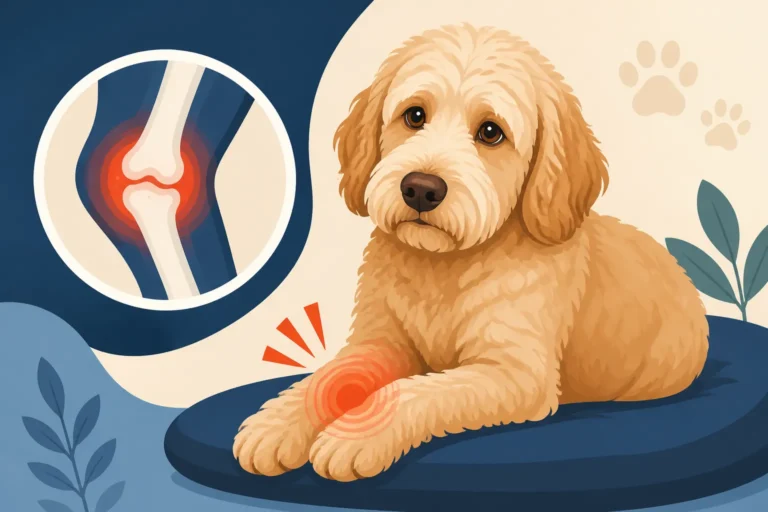
One of the most common complaints for older dogs, including Labradoodles, is joint pain and stiffness, often due to arthritis in a Labradoodle at ten. Years of running, jumping, and playing can take a toll on their hips, elbows, and other joints. You might notice them struggling to get up after lying down, hesitating before jumping into the car, or a general reluctance to go for walks.
Management often involves a multi-pronged approach:
- Medication: Your vet might prescribe anti-inflammatory drugs (NSAIDs) to reduce pain and inflammation, or other medications to help protect cartilage.
- Supplements: Glucosamine, chondroitin, and omega-3 fatty acids are popular supplements that can support joint health. Always discuss these with your vet before starting.
- Physical Therapy: Gentle exercises, hydrotherapy, or even acupuncture can be very beneficial for improving mobility and reducing pain.
- Weight Management: Keeping your Labradoodle at a healthy weight is paramount to reducing stress on their joints.
Consider investing in orthopedic dog beds for better support and comfort. Providing ramps for cars or steps to furniture can also help prevent unnecessary strain. If your Labradoodle is a larger standard size, you may eventually face the challenge of supporting a Sixty Pound Labradoodle That Cannot Rise on their own.
Cognitive Decline and Behavioral Changes
Just like humans, dogs can experience cognitive decline as they age, sometimes referred to as Canine Cognitive Dysfunction (CCD), or what many owners know as "doggy dementia." You might notice changes in their sleep-wake cycles, increased anxiety, disorientation in familiar surroundings, or a decrease in their responsiveness to commands.
Common signs of CCD include:
- Disorientation: Getting "stuck" in corners, staring blankly, or difficulty navigating familiar spaces.
- Interaction changes: Less interaction with family members, or increased irritability.
- Sleep-wake cycle disturbances: Restlessness at night, pacing, or excessive daytime napping.
- House-soiling: Accidents inside despite being reliably housetrained.
- Activity changes: Decreased interest in play, or repetitive behaviors.
If you suspect your Labradoodle is experiencing CCD, talk to your vet. There are medications, supplements, and special diets available that can help manage symptoms and improve their quality of life. Maintaining a consistent routine, providing mental stimulation, and creating a calm environment can also be very helpful.
Vision, Hearing, and Dental Health
Aging also brings changes to senses and dental health. Many Labradoodles develop nuclear sclerosis, a bluish haze in the lens of the eye, which is a normal part of aging and doesn't usually impair vision significantly. However, they can also develop cataracts, which can drastically reduce their sight. Regular eye exams can help monitor these changes, and in some cases, cataract surgery might be an option. Similarly, hearing can diminish. Speak to them in a normal tone initially, but be prepared to use hand signals or vibrations to get their attention if their hearing loss progresses.
Dental health becomes even more critical with age. Senior dogs are prone to periodontal disease, which can lead to pain, tooth loss, and systemic infections that affect the heart, kidneys, and liver. Regular professional dental cleanings under anesthesia, combined with at-home dental care like brushing (if tolerated) or dental chews, are essential. Don't underestimate the impact of poor dental health on your senior Labradoodle's overall well-being. Keeping their teeth clean is one of the easiest ways to improve their comfort and reduce the risk of serious health complications.
| Common Senior Labradoodle Challenges | Signs to Watch For | Potential Interventions/Solutions |
|---|---|---|
| Arthritis/Joint Pain | Stiffness, limping, reluctance to jump, difficulty rising. | Pain medication, joint supplements, physical therapy, orthopedic beds, ramps. |
| Cognitive Decline | Disorientation, altered sleep, anxiety, accidents, staring. | Medications, brain-supporting supplements, consistent routine, mental games. |
| Vision Loss | Bumping into objects, hesitation in new places, cloudy eyes. | Regular eye exams, cataract surgery (if appropriate), maintain familiar home layout. |
| Hearing Loss | Not responding to name, startled easily, louder barking. | Hand signals, stomp for attention, ensure safety around traffic. |
| Dental Disease | Bad breath, difficulty eating, red/bleeding gums, pawing at mouth. | Professional dental cleanings, at-home brushing, dental chews. |
| Weight Changes | Unexplained gain or loss. | Diet adjustments, increased appropriate exercise, vet check for underlying conditions. |
Organ Function and Cancer Risk
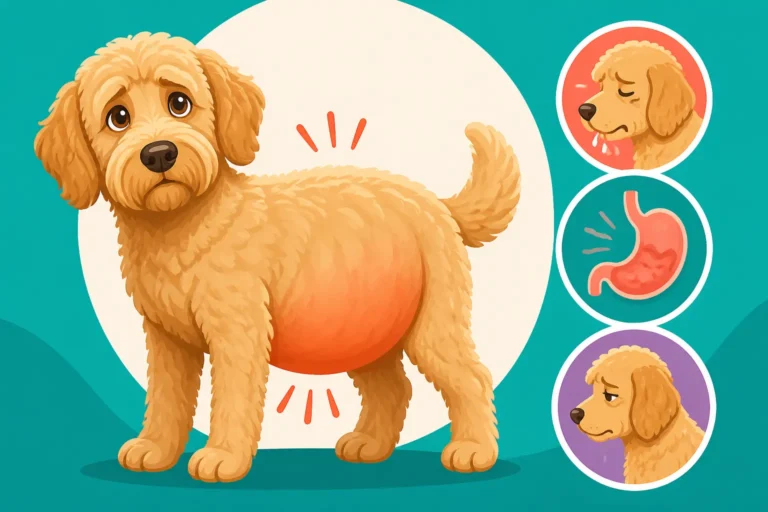
As Labradoodles age, their internal organs—kidneys, liver, heart—can start to function less efficiently. This is why those regular blood and urine tests become so vital, as they can reveal early signs of organ compromise. Conditions like Whether a Labradoodle Inherits Kidney Disease can be managed more effectively with early detection and intervention.
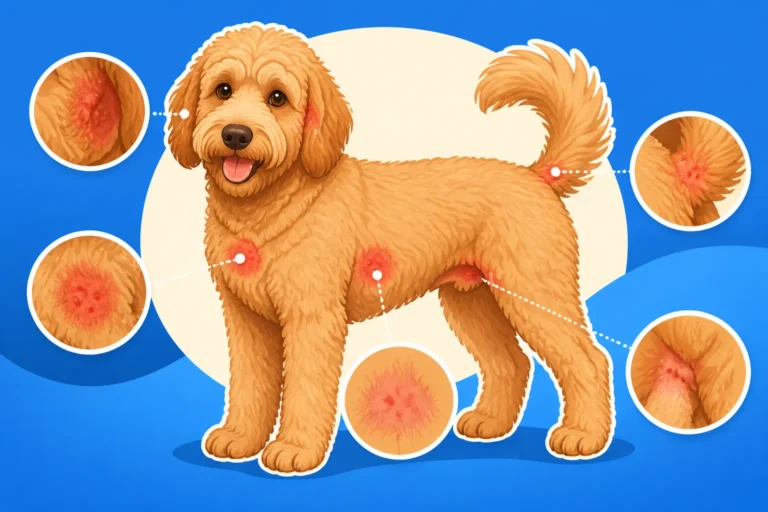
Unfortunately, cancer in an Older Labradoodle is also a significant concern, being one of the leading causes of death in senior dogs. Any new lumps, bumps, unexplained weight loss, changes in appetite, or persistent lethargy should warrant an immediate vet visit. While not all cancers are curable, many are treatable, especially if caught early. Regularly palpating your Labradoodle's body during grooming sessions is a simple way to check for new growths. Early detection is often the most powerful tool we have against these serious diseases, allowing for timely diagnosis and management, which can improve outcomes and extend quality time.
Creating a Supportive Environment for Senior Years
Beyond medical care and diet, creating a comfortable and safe home environment for your aging Labradoodle is paramount. Small adjustments can make a huge difference in their daily comfort and overall well-being.
Home Modifications for Comfort and Safety
Think about your home from your Labradoodle's perspective. If they’re struggling with mobility, slick floors can be a hazard. Lay down rugs or carpet runners on slippery surfaces to provide better traction. Ramps can be invaluable for helping them get into and out of cars, onto furniture, or navigate stairs they once bounded up with ease. Elevated food and water bowls can reduce strain on their neck and joints while eating and drinking.
Consider their resting spots. Orthopedic beds provide superior support for aching joints and help prevent pressure sores. Ensure their favorite spots are easily accessible and away from drafts. As vision or hearing declines, try to keep furniture arrangements consistent to minimize disorientation. If you're wondering about making specific changes, researching "Ramps and Steps for an Aging Labradoodle" can offer many practical solutions.
Managing Environmental Stress and Routines
Aging dogs can become more sensitive to stress, noise, and changes in their routine. Try to maintain a predictable daily schedule for feeding, walks, and potty breaks. This consistency provides a sense of security, which is especially important for dogs experiencing cognitive decline. Loud noises, unfamiliar guests, or disruptions to their routine can cause anxiety. Create a quiet, safe haven where your Labradoodle can retreat when they feel overwhelmed. This might be their crate, a cozy bed in a low-traffic area, or a quiet room.
If your Labradoodle is struggling with incontinence, don't punish them for accidents. This can increase their anxiety. Instead, focus on more frequent potty breaks, consider doggy diapers, and use enzymatic cleaners to eliminate odors. Patience and understanding are key when dealing with the challenges that come with senior dog ownership.
Emotional Support and Quality Time
Perhaps the most important aspect of keeping a Labradoodle sound into its teens is providing unwavering emotional support and quality time. They might not be able to play fetch for hours, but they still crave connection and affection. Gentle petting, quiet cuddle sessions on the couch, or simply having you nearby can mean the world to them. Be present and attentive to their needs, both physical and emotional.
Remember that while their bodies may be slowing down, their spirit and love for you remain strong. Cherish these golden years, making every day count. Adapting to their changing needs with love, patience, and proactive care will ensure your Labradoodle enjoys a comfortable, dignified, and happy senior life by your side. It's truly a testament to the bond you've built over the years.
Disclaimer
This guide is intended for informational purposes only and does not constitute professional veterinary advice. Always consult with a qualified veterinarian for any health concerns or before making any changes to your Labradoodle's diet, exercise, or medical care regimen.