Arthritis in a Labradoodle at Ten
It's incredibly tough to watch our beloved Labradoodles, those bundles of joyous energy, start to slow down. One day they're bouncing around like puppies, and the next, you notice a subtle stiffness, a reluctance to jump onto the couch, or a little struggle after a long nap. When your Labradoodle hits that significant milestone of ten years old, these signs often point to one of the most common ailments of aging dogs: arthritis. This guide is here to walk you through understanding what arthritis means for your ten-year-old Labradoodle, how to spot it, and most importantly, how to manage it so you can keep them comfortable, happy, and enjoying their golden years for as long as possible.
Understanding Arthritis in Your Ten-Year-Old Labradoodle
Seeing your once-spritely companion hesitate before climbing stairs or take a moment longer to stand up can be heartbreaking. It’s a stark reminder that time marches on, even for our furry best friends. Understanding what's happening inside their joints is the first step toward providing them with the best possible care.
The Reality of Aging Joints
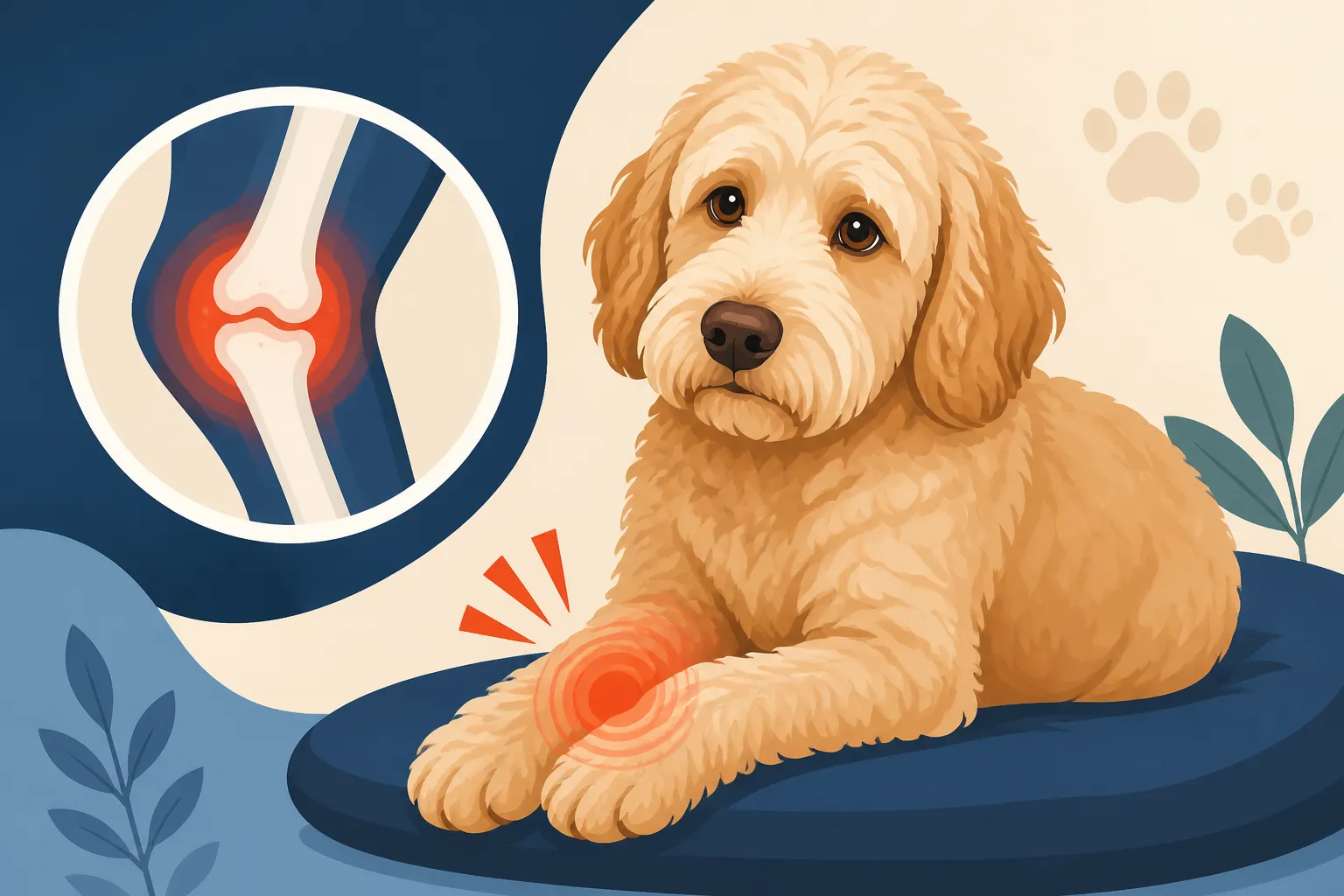
Arthritis, or osteoarthritis as it's formally known, isn't just a simple ache; it's a progressive and degenerative joint disease. Essentially, the smooth cartilage that cushions the ends of the bones within a joint begins to wear down. This protective layer allows bones to glide past each other seamlessly. When it erodes, bones start to rub, leading to inflammation, pain, stiffness, and reduced mobility. Think of it like a car's shock absorbers wearing out – every bump feels more jarring.
For Labradoodles, reaching ten years old often brings this condition to the forefront due to their genetic predispositions. Both parent breeds, the Labrador Retriever and the Poodle, are known to be susceptible to orthopedic issues. Labradors are famously prone to hip and elbow dysplasia, conditions that often lay the groundwork for early onset arthritis. While Poodles are generally robust, larger Poodles can also face similar joint challenges. Even if your Labradoodle passed all their initial health screenings as a puppy, years of active living, genetics, and plain old wear and tear can eventually catch up. It's not a reflection of anything you did wrong; it's simply a common part of aging for many larger, active breeds. Knowing this helps us shift from a place of worry to one of proactive support.
Recognizing the Subtle Signs
One of the biggest frustrations for Labradoodle owners dealing with early arthritis is that our dogs are incredibly stoic. They often try to hide their pain, a survival instinct from their wild ancestors. This means you might miss the obvious limping until the condition is quite advanced. Instead, you need to become a detective, looking for subtle changes in their behavior and movement.
Common signs of arthritis in a ten-year-old Labradoodle can include:
- Stiffness after rest: Does your dog struggle to get up after a nap, especially on cold mornings? Do they walk gingerly for the first few minutes?
- Reluctance to jump: Hesitation before hopping onto the sofa, into the car, or even up onto your bed, where they once leaped with abandon, is a significant indicator.
- Changes in gait: You might notice a subtle lameness, favoring one leg, or a bunny-hopping motion when they run. Their stride might shorten, or they might seem to drag their feet slightly.
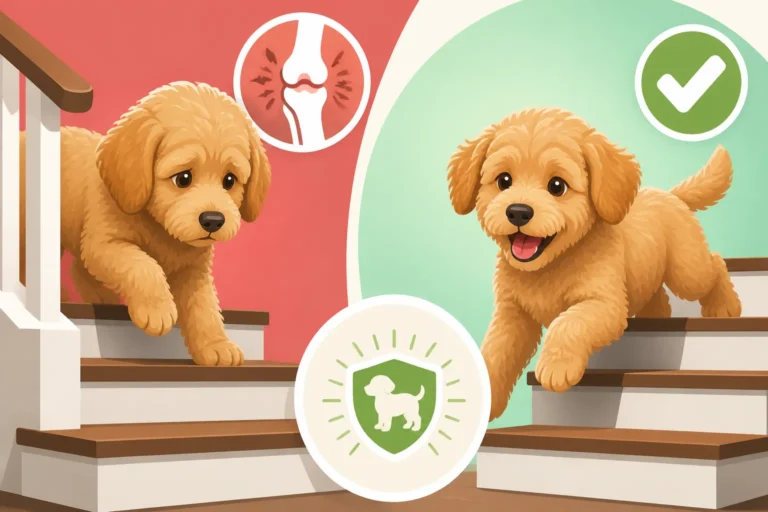
- Difficulty with stairs: Going up or down stairs might become a slow, deliberate, or even avoided activity.
- Reduced activity: A decrease in their willingness to play fetch, go for long walks, or engage in their usual zoomies. They might seem more tired than usual. This ties into considering What a Labradoodle Owner Should Watch For After Eight.
- Irritability or changes in temperament: Pain can make even the sweetest Labradoodle grumpy. They might snap if touched in a certain spot, or avoid interaction they once enjoyed.
- Excessive licking or chewing: They might focus on a particular joint, trying to soothe the discomfort.
- Muscle atrophy: Over time, if a leg is favored, the muscles around it can waste away, making the limb look thinner.
- Vocalization: While less common in early stages, some dogs might whimper or groan when moving.
Remember, these changes can be very gradual. It often takes a moment of reflection, looking back over weeks or months, to realize just how much their habits have shifted. Don't wait for obvious limping; if you suspect something, it's always best to consult your veterinarian.
Diagnosis and Management Strategies for Labradoodle Arthritis
Once you've noticed those subtle cues, the next step is to get your veterinarian involved. Early and accurate diagnosis is key to developing an effective management plan that will keep your Labradoodle as comfortable and active as possible.
Getting a Proper Diagnosis
Your vet will start with a thorough physical examination, observing your Labradoodle's gait, feeling their joints for swelling, warmth, or pain, and assessing their range of motion. Don't be surprised if they ask you to walk your dog in the clinic or even bring a video of them moving at home, as dogs often behave differently in a clinical setting.
The definitive diagnosis usually involves X-rays. These images allow the vet to see the joint spaces, assess the cartilage health (or lack thereof), and look for signs like bone spurs (osteophytes) or sclerosis, which are hallmarks of osteoarthritis. Sometimes, they might recommend additional diagnostics, especially if the signs are atypical or if they suspect another underlying condition, such as a soft tissue injury or even a neurological issue that might mimic arthritis symptoms. Getting this clear picture is vital for guiding the most effective treatment approach. Early diagnosis means we can intervene sooner, potentially slowing the progression of the disease and improving your Labradoodle's quality of life.
Comprehensive Pain Management
Managing arthritis in a ten-year-old Labradoodle is usually a multi-faceted approach, combining different strategies to tackle pain, inflammation, and joint support. There's no one-size-fits-all solution, and your vet will work with you to find the best combination for your dog.
Medication: The Front Line of Defense
- NSAIDs (Non-Steroidal Anti-Inflammatory Drugs): These are often the first line of treatment. Medications like carprofen (Rimadyl), meloxicam (Metacam), firocoxib (Previcox), or galliprant (Grapiprant) work by reducing inflammation and pain. They can make a dramatic difference in your dog's comfort and mobility. However, like all medications, they come with potential side effects, primarily gastrointestinal upset or kidney/liver issues. Regular blood work is essential to monitor your dog's organ function while on NSAIDs.
- Other Pain Relievers: For more severe pain, or when NSAIDs aren't enough, vets might prescribe other medications. Gabapentin is often used for neuropathic pain and can provide additional relief. Amantadine is another option that can help with chronic pain.
- Injectable Therapies: Some vets might recommend monthly injections, such as Librela (bedinvetmab) which is a monoclonal antibody that targets Nerve Growth Factor (NGF), a key mediator of pain. These can be highly effective with fewer systemic side effects than oral NSAIDs for some dogs.
Supplements: Supporting Joint Health
While not a cure, certain supplements can help support joint health and reduce inflammation, often working best in conjunction with other treatments.
- Glucosamine and Chondroitin: These are natural components of cartilage. Supplementing with them can help support cartilage health and potentially slow down its degradation. You might be wondering Whether Glucosamine Helps a Labradoodle's Joints, and for many, it does offer noticeable benefits.
- Omega-3 Fatty Acids (Fish Oil): These powerful anti-inflammatories can help reduce joint inflammation throughout the body. Look for high-quality fish oil specifically formulated for dogs.
- MSM (Methylsulfonylmethane): Another supplement often included in joint health formulas, believed to have anti-inflammatory and pain-relieving properties.
Alternative and Rehabilitative Therapies
Beyond medication and supplements, a host of other therapies can significantly improve your arthritic Labradoodle's comfort and mobility.
- Acupuncture: This ancient Chinese practice, involving inserting thin needles into specific points, can stimulate nerve endings, increase blood circulation, and release natural pain-relieving hormones. Many dogs tolerate it well and show great improvement.
- Laser Therapy (Photobiomodulation): Low-level laser light can penetrate tissues, reducing inflammation, promoting healing, and easing pain. It's a non-invasive, quick treatment often performed at your vet's office.
- Hydrotherapy: Exercising in water takes the pressure off painful joints while still allowing for muscle strengthening. Swimming or walking on an underwater treadmill can be incredibly beneficial and is often enjoyed by Labradors, who typically love water.
- Physical Therapy/Rehabilitation: A certified canine rehabilitation therapist can develop a tailored exercise program to strengthen muscles supporting the joints, improve flexibility, and reduce pain. This can involve therapeutic exercises, massage, and stretching.
Lifestyle Adjustments for Comfort
Medication and therapies are crucial, but much of your Labradoodle's daily comfort will come from simple adjustments at home.
- Exercise Modification: This doesn't mean stopping exercise altogether! Instead, focus on shorter, more frequent walks on soft surfaces rather than long, strenuous hikes. Gentle swimming is fantastic as it's non-weight-bearing. Avoid high-impact activities like jumping or intense fetch sessions that involve sudden stops and turns. Think of it as keeping them moving without putting undue stress on their aching joints. This is key to Keeping a Labradoodle Sound Into Its Teens.
- Weight Management: This is perhaps one of the most impactful things you can do. Every extra pound puts immense pressure on already compromised joints. Work with your vet to determine your Labradoodle's ideal weight and adjust their diet and treat intake accordingly. Even a small weight loss can make a huge difference in their comfort and mobility. It's easy for The Weight a Labradoodle Puts On Without Anyone Noticing.
- Comfort at Home:
- Orthopedic Beds: Invest in a high-quality orthopedic bed with memory foam that supports their joints and provides cushioning.
- Ramps and Steps: Provide ramps for getting into the car or onto furniture. Pet steps can help them access favorite spots without painful jumps. Think about adding Ramps and Steps for an Aging Labradoodle as part of your home modifications.
- Non-Slip Surfaces: Hardwood or tiled floors can be treacherous for dogs with stiff joints. Lay down non-slip rugs or runners, especially in high-traffic areas, to give them better traction and prevent slips and falls.
- Warmth: Keep your Labradoodle warm, especially in colder weather. A cozy sweater or blanket can help soothe stiff joints.
Supporting Your Arthritic Labradoodle Day-to-Day
Living with an arthritic dog means making a few changes to your daily routine, but it's all about enhancing their quality of life. It’s a journey of empathy, patience, and adapting to their changing needs.
The Role of Routine and Environment
Maintaining a consistent routine can be very reassuring for an older dog, especially one dealing with discomfort. Predictable feeding times, potty breaks, and gentle exercise sessions help them feel secure and minimize stress. Avoid sudden changes in their environment or schedule if possible.
Ensure their sleeping and resting areas are easily accessible and free from drafts. A warm, comfortable spot where they can stretch out without struggling to get up is paramount. While physical activity needs modification, mental stimulation remains incredibly important. Puzzle toys, gentle training sessions (focused on things they can do easily), and scent games can keep their minds sharp and engaged, which is just as important as physical health.
Grooming and Handling Considerations
Grooming a Labradoodle is already a commitment, but it becomes even more delicate when they have arthritis. Lying on their side or standing for long periods can be painful.
- Gentle Handling: Always be gentle when brushing or handling them, especially around their joints. Support their weight if you need to lift a leg for brushing or nail trims.
- Shorter, More Frequent Sessions: Instead of one long grooming session, break it into shorter, more manageable chunks. Do a little brushing each day rather than an intensive weekly session.
- Comfortable Positions: Find positions that are comfortable for your dog. A grooming table might elevate them to a better height for you, but ensure it's stable and they feel secure. For areas like paws or rear, sometimes lying down is easier.
- Professional Groomer Communication: If you use a professional groomer, communicate clearly about your dog's arthritis. Ask them to take breaks, use extra cushioning, and be gentle. Many groomers are experienced with senior dogs and can adapt their approach.
- Nail Trims: Overgrown nails can exacerbate gait issues and put more strain on joints. Keep nails trimmed regularly, using positive reinforcement and gentle handling.
Even vet visits can be stressful. Discuss with your vet how to make these as comfortable as possible. Some clinics offer specific low-stress handling techniques for senior dogs. This mindful approach extends to even considering Whether an Old Labradoodle Needs Shorter Grooms.
Financial Considerations and Planning
Let's be realistic: managing arthritis is an ongoing commitment, and it comes with financial implications. The cost of medications, supplements, special diets, and potential therapies can add up quickly. This can be a source of stress for many loving owners, but there are ways to prepare and manage it.
- Pet Insurance: Having pet insurance, especially a comprehensive plan that covers chronic conditions, can significantly ease the financial burden. While pre-existing conditions are typically not covered, if you enroll your Labradoodle before any signs of arthritis appear, many policies will help with the costs of diagnosis and ongoing treatment. Companies like Healthy Paws are known for their comprehensive coverage, which can be a lifesaver when faced with unexpected or ongoing vet bills for conditions like arthritis. Looking into plans from Healthy Paws can provide peace of mind, knowing that a significant portion of future expenses might be reimbursed.
- Budgeting: Discuss treatment options and their associated costs with your vet. Prioritize what's most essential for your dog's comfort and work it into your budget. Sometimes, starting with a few key interventions and then adding more as needed is a sensible approach.
- Preventative Care: While you can't prevent aging, proactive care when your Labradoodle is younger, such as proper nutrition, maintaining a healthy weight, and appropriate exercise, can potentially delay the onset or severity of arthritis. Remember, The Yearly Screening a Labradoodle Should Get often helps catch issues early.
By understanding the nature of arthritis, diligently looking for the signs, and working closely with your veterinarian to implement a comprehensive management plan, you can ensure your ten-year-old Labradoodle continues to live a life full of love, comfort, and joy. It's about adapting, not giving up, and celebrating every precious moment you have together.
| Management Strategy | Description | Benefits | Considerations |
|---|---|---|---|
| NSAIDs (Medication) | Non-steroidal anti-inflammatory drugs to reduce pain and inflammation. | Fast-acting pain relief, improved mobility. | Potential side effects (GI upset, kidney/liver issues), requires vet monitoring. |
| Joint Supplements | Glucosamine, chondroitin, Omega-3 fatty acids, MSM. | Supports cartilage health, reduces inflammation over time. | Slower acting, effectiveness varies, choose reputable brands. |
| Weight Management | Maintaining an ideal body weight through diet and controlled exercise. | Significantly reduces strain on joints, improves overall health. | Requires consistent effort, diet adjustment, monitoring. |
| Modified Exercise | Shorter, frequent, low-impact activities (e.g., swimming, gentle walks). | Maintains muscle strength, prevents stiffness without joint stress. | Avoid high-impact activities, adapt to dog's comfort level. |
| Home Modifications | Orthopedic beds, ramps, non-slip rugs, easy access to food/water. | Enhances daily comfort, reduces risk of falls and further injury. | Initial investment in equipment, ongoing vigilance. |
| Acupuncture/Laser | Alternative therapies to reduce pain and inflammation, promote healing. | Non-invasive, drug-free pain relief, many dogs respond well. | Requires specialized practitioner, multiple sessions may be needed. |
| Physical Therapy | Tailored exercises, massage, hydrotherapy to strengthen muscles. | Improves mobility, muscle support, flexibility, and balance. | Requires commitment to exercises, specialized therapist. |
Disclaimer
The information provided in this article is intended for general knowledge and informational purposes only, and does not constitute veterinary advice. Always consult with a qualified veterinarian for any health concerns or before making any decisions about your Labradoodle's medical care or treatment plan.