Whether an Old Labradoodle Needs Shorter Grooms
As our beloved Labradoodles age, their needs shift in countless ways, and one area where this becomes particularly apparent is grooming. Many of us find ourselves wondering if the extensive grooming routines we've maintained for years are still suitable, or if perhaps an older Labradoodle truly needs a shorter, more manageable clip. It's a valid concern, often stemming from noticing our senior dogs becoming less tolerant, more uncomfortable, or simply less able to cope with long sessions on the grooming table. This guide will explore the unique challenges of grooming an older Labradoodle and help you determine if a shorter groom is the kinder, more practical choice for your aging companion.
Understanding the Challenges of Grooming an Older Labradoodle
Grooming a Labradoodle has always been a commitment, demanding time, patience, and the right tools. But when your energetic youngster transforms into a wise old soul, those once-routine sessions can become a source of stress, pain, or even fear. It's not just about a dog being "fussy"; there are genuine physiological and psychological changes at play that make grooming more difficult for them. Recognizing these changes is the first step toward adapting your approach and ensuring their comfort.
Physical Limitations and Discomfort
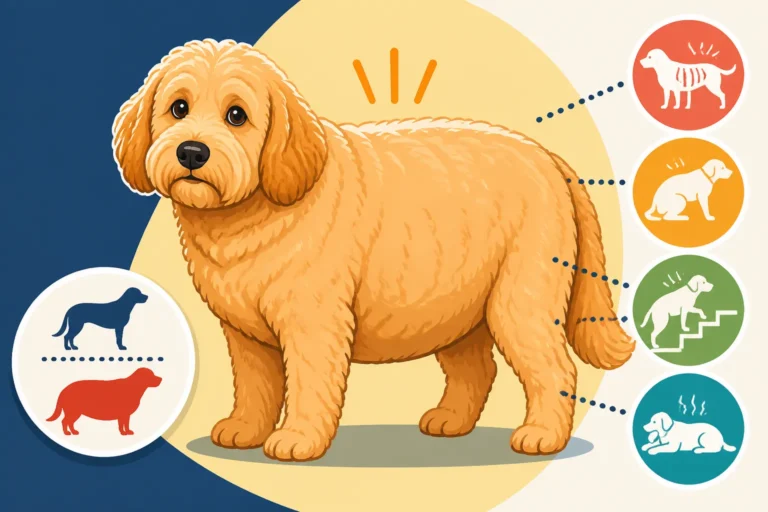
One of the most significant factors affecting grooming in older Labradoodles is the onset of physical ailments. Just like humans, dogs experience joint stiffness, arthritis, and general aches and pains as they age. A Labradoodle, especially a standard size, might find standing for extended periods on a hard grooming table incredibly uncomfortable, or even painful. Imagine having stiff hips and being asked to hold a certain position while someone tugs at your hair. It's not a pleasant thought, is it?
Many senior Labradoodles develop conditions like hip or elbow dysplasia, or simply generalized arthritis, which can make movements that were once effortless now agonizing. Trying to lift a leg for paw trimming, or simply standing still for an hour or more while being brushed and clipped, can exacerbate these underlying issues. They might resist, not out of stubbornness, but because moving or standing still in certain ways causes them genuine discomfort. Furthermore, their balance can become less stable, making them more prone to slipping on smooth surfaces, which adds another layer of anxiety to an already challenging situation. For tips on general care for an aging dog, you might find Caring for a Labradoodle Past Ten helpful.
Skin and Coat Changes in Senior Years
As Labradoodles mature, their glorious coats, whether fleece or wool, can undergo subtle but important changes. The texture might become finer, or sometimes coarser, and often more prone to matting. This isn't just a cosmetic issue; it's a practical problem. Older skin tends to be thinner and less elastic, making it more susceptible to tears or irritation from vigorous brushing. Healing can also take longer, so any nicks or scrapes from grooming can become bigger issues. You might notice their skin feels drier, or perhaps they develop age-related lumps and bumps that need to be carefully navigated during grooming.
Beyond texture, the density of their coat might change, sometimes thinning in places, or becoming patchy. This means that brushing, which used to be a good preventative measure against matting, might now pull at sensitive skin or cause discomfort in areas where the coat is sparse. A matted coat on thin, elderly skin can lead to painful hot spots, infections, and even restrict movement. It's a delicate balance trying to maintain a long coat on a senior dog when their skin and hair are no longer as resilient as they once were. Understanding What Changes in an Old Labradoodle's Coat can shed more light on these transformations.
Decreased Patience and Increased Stress
Young Labradoodles often have an abundance of energy and a relatively high tolerance for novel experiences, including grooming. An older Labradoodle, however, might have less patience for things that once seemed routine. Their senses might be dulling, making the loud whir of clippers or the blast of a high-velocity dryer more startling or disorienting. Their cognitive function can also decline, making it harder for them to understand what's happening or remember past positive grooming experiences. This can lead to increased anxiety, making them restless, fearful, or even defensive during a grooming session.
A long grooming appointment, which might have been a breeze in their younger years, can now feel like an endless ordeal. The stress of standing, the sounds, the unfamiliar smells of a grooming salon, and the prolonged handling can overwhelm an older dog. This isn't just unpleasant for them; chronic stress can have negative impacts on their overall health and well-being. Ensuring their comfort and minimizing stress should be a top priority, often necessitating a reevaluation of traditional grooming practices.
The Benefits of Shorter Grooms for Senior Labradoodles
Given the challenges, it's clear that adapting our grooming strategy for an aging Labradoodle isn't just an option—it's often a necessity for their comfort and health. Opting for a shorter groom offers a multitude of benefits, transforming a potentially stressful experience into one that is far more manageable and pleasant for your senior companion.
Enhancing Comfort and Reducing Pain
The most immediate and significant benefit of a shorter groom is the enhanced physical comfort it provides. With a shorter coat, the time spent on the grooming table is drastically reduced. Instead of enduring an hour or two of standing, brushing, and clipping, your Labradoodle might only need 30-45 minutes. This is a game-changer for dogs with arthritis, stiff joints, or poor balance. Less time standing means less strain on their aching bodies, minimizing pain and discomfort.
Moreover, a shorter coat is lighter, which can be particularly beneficial for dogs who might already be struggling with their mobility. It reduces the weight and bulk of hair, making it easier for them to move around without feeling encumbered. This can lead to greater freedom of movement and a noticeable improvement in their overall demeanor. If your dog also suffers from joint pain, consider exploring Exercise for a Stiff Old Labradoodle to further support their mobility. Many owners find that incorporating joint supplements, easily found on platforms like Chewy or Amazon, can also contribute to their dog's comfort.
Preventing Matting and Skin Issues
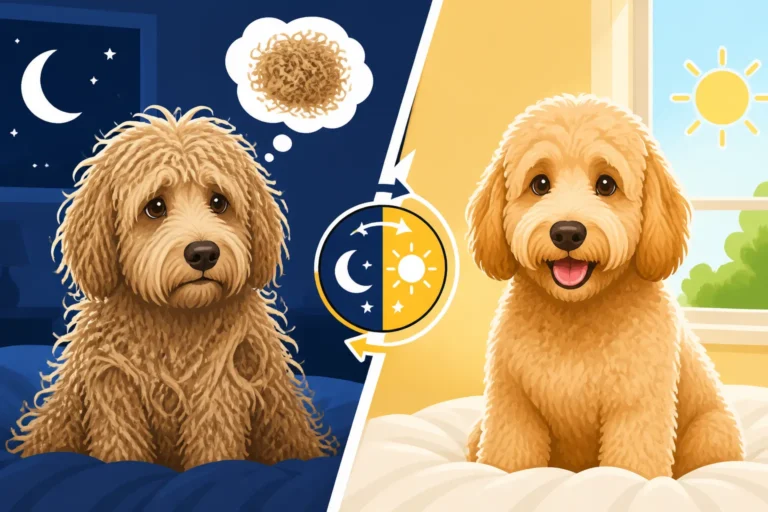
One of the biggest headaches for Labradoodle owners is matting, and this problem can become even more prevalent and painful in older dogs due to coat changes and reduced tolerance for brushing. A shorter coat significantly reduces the likelihood of matting. When the hair is kept short, it's less prone to tangling and knotting, especially in high-friction areas like armpits, behind the ears, and around the collar. This proactive approach means less need for extensive, painful de-matting sessions, which can be incredibly stressful for a senior dog.
A shorter coat also allows for better air circulation to the skin, helping to prevent moisture buildup that can lead to skin infections or hot spots. As older dogs often have thinner, more delicate skin, any preventative measure that reduces irritation is a huge plus. It also makes it easier for you to spot any new lumps, bumps, or skin irritations early on, allowing for quicker veterinary intervention. Regular, gentle brushing of a short coat is far easier on sensitive skin than trying to work through knots in a long, dense one. If mats do form, understanding What a Groomer Charges to Strip a Matted Labradoodle might give you an idea of the cost and effort involved.
Minimizing Stress and Anxiety
Grooming, for some older dogs, becomes a source of immense stress. The noise, the confinement, the unfamiliar touch, and the physical discomfort all contribute to an anxious experience. A shorter groom directly addresses this by making the process much quicker and therefore less overwhelming. Fewer interruptions, less time spent struggling, and a faster return to their familiar, comfortable home environment can drastically reduce their anxiety levels.
When grooming sessions are brief and positive, an older Labradoodle is more likely to tolerate them. They learn that while it might not be their favorite activity, it's over quickly and doesn't involve prolonged discomfort. This can rebuild trust between dog and groomer/owner, making future sessions even smoother. It’s about quality over quantity – making the necessary grooming as efficient and stress-free as possible. This approach supports their mental well-being alongside their physical health, allowing them to enjoy their golden years more fully.
Practical Strategies for Grooming an Aging Labradoodle
Transitioning to a shorter groom for your senior Labradoodle isn't just about picking a different clipper blade. It involves a holistic shift in your approach, focusing on compassion, efficiency, and collaboration with professionals. These strategies can make all the difference in ensuring your older companion remains comfortable and well-groomed without unnecessary distress.
Adjusting Grooming Frequency and Style
The core of a practical strategy for aging Labradoodles is adjusting how often and how short they are groomed. Instead of the typical 6-8 week schedule with a longer coat, many owners find success with more frequent, but much shorter, grooming sessions. For example, a 4-week schedule with a very short clip might be less taxing than an 8-week schedule with a longer coat that inevitably develops mats and requires more extensive work. This means less build-up of hair and therefore less time needed for each individual session.
Discuss with your groomer the possibility of a consistently shorter style, often referred to as a "kennel cut" or a "utility clip." This isn't about sacrificing style entirely, but rather prioritizing comfort. It's about finding a length that is easy to maintain, prevents matting, and allows for quick bathing and drying at home between professional visits. This might mean keeping the body hair to half an inch or less, and simply tidying up the face and paws. Remember, the goal is functionality and comfort, not necessarily a show-ring look. Some owners wonder Whether a Labradoodle Should Ever Be Shaved, but a proper short clip is different from shaving to the skin, which carries its own considerations.
Tools and Techniques for a Gentle Approach
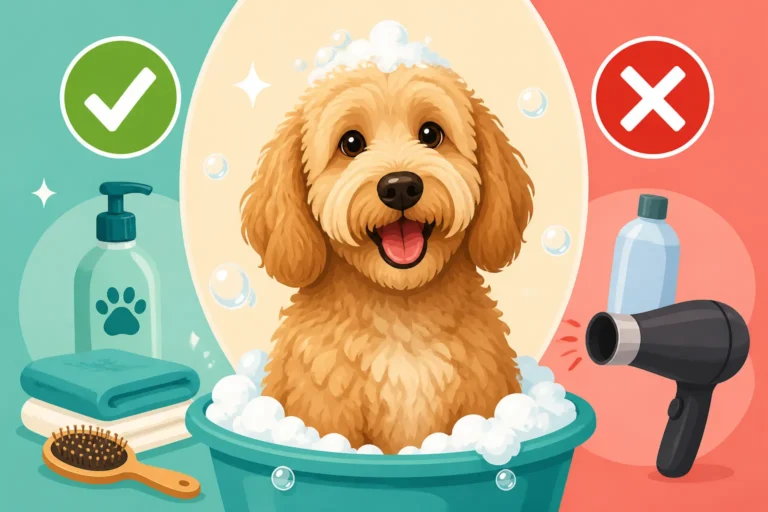
Whether you groom at home or use a professional, the right tools and techniques are crucial for an aging Labradoodle. For home grooming, invest in a good quality slicker brush that has soft pins to prevent irritating sensitive skin. A wide-toothed comb is also essential for checking for any tangles that might still occur even with a shorter coat. Instead of harsh, pulling strokes, use gentle, light motions. Work in short bursts, taking frequent breaks. If you're brushing a longer coat, remember the importance of Teaching a Labradoodle to Lie on Its Side for Line Brushing to get to the skin.
For professional groomers, communication is key. Ask them to use calming techniques, perhaps a calming spray or even a Thundershirt if your dog tolerates it. Ensure they use non-slip mats on the grooming table and in the tub to prevent falls. Low-noise clippers and dryers can make a significant difference in reducing sensory overload. Some groomers might even offer specialized "senior dog" appointments, which are typically shorter, quieter, and focus entirely on comfort. When purchasing new grooming supplies, online retailers like Amazon and Chewy offer a vast selection of gentle brushes, low-noise clippers, and non-slip mats designed for sensitive pets.
Working with Your Veterinarian and Groomer
Your veterinarian is an invaluable partner in managing your senior Labradoodle's comfort during grooming. If your dog exhibits signs of pain or severe anxiety during grooming, discuss this with your vet. They might suggest pain management strategies, such as anti-inflammatory medications or joint supplements, to make the experience more tolerable. In cases of extreme anxiety, they might even prescribe a mild sedative to be given before grooming appointments, ensuring a more relaxed experience. You might also ask if Whether Sedation Is Ever Right for Grooming a Labradoodle for your specific dog.
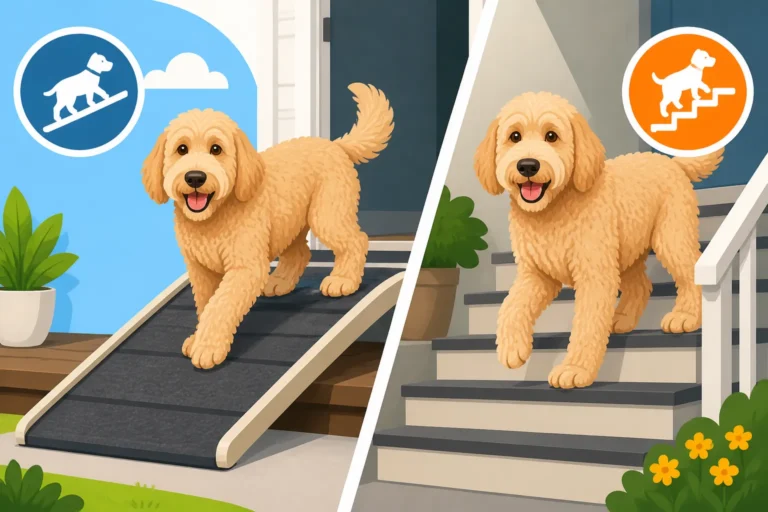
It's also essential to communicate openly with your professional groomer. Inform them about any health conditions, areas of sensitivity, or behavioral changes in your senior Labradoodle. A good groomer will be experienced with senior dogs and willing to adapt their methods. They might suggest shorter, more frequent visits, hand-scissoring instead of clippers in sensitive areas, or even allowing you to stay with your dog if that helps reduce anxiety. Together, your vet and groomer can form a support team dedicated to making your Labradoodle's golden years as comfortable and stress-free as possible, including supporting them with necessities like ramps for easier access, available on Amazon.
Making the Decision: Is a Shorter Groom Right for Your Labradoodle?
Deciding whether to switch to a shorter groom for your aging Labradoodle is a personal choice, but one that should be heavily influenced by your dog's well-being. It’s about listening to your dog, observing their behavior, and prioritizing their comfort above all else. There's no one-size-fits-all answer, but by carefully considering several factors, you can make the best decision for your beloved companion.
Assessing Your Dog's Individual Needs
Start by becoming a keen observer of your Labradoodle's behavior, particularly around grooming time. Do they seem stiff after lying down for too long? Do they flinch when you brush certain areas? Are they less enthusiastic about going to the groomer, or do they show signs of anxiety like excessive panting, drooling, or trembling during or after a session? These are all clear signals that their current grooming routine might be causing discomfort or stress.
Consider their overall health. Has your vet diagnosed them with arthritis, hip dysplasia, or any other condition that impacts mobility? Do they have skin sensitivities or chronic hot spots? If your Labradoodle is exhibiting any of these signs, then a shorter groom is likely to offer significant relief. It’s about reading their cues, even the subtle ones, and understanding that their needs have evolved with age. Sometimes, a simpler, less demanding grooming routine is the kindest gift you can give them.
Balancing Aesthetics with Well-being
Let's be honest, many of us adore the classic fluffy Labradoodle look, with their luxurious, flowing coats. It’s part of their charm! The thought of a very short cut might initially feel like a sacrifice of their signature appearance. However, as our dogs age, our priorities as responsible pet parents must shift. The momentary aesthetic pleasure of a longer coat pales in comparison to ensuring our dog’s comfort, dignity, and quality of life in their senior years.
A shorter groom doesn't have to mean a completely shorn dog. You can discuss various short styles with your groomer that still maintain some of their characteristic doodle charm while being practical. The focus should be on creating a coat that is easy for the dog to live with and easy for you to maintain, minimizing tangles and stress. When your dog is happier and more comfortable, they will radiate joy, which is far more beautiful than any meticulously sculpted coat.
Financial and Time Considerations
While the primary driver for a shorter groom should be your Labradoodle's well-being, there can also be practical benefits for you, the owner. A shorter coat often means less time spent on daily or weekly brushing at home. This can be a huge relief, especially if you have a busy schedule or if your own physical limitations make long brushing sessions difficult. How Long Brushing a Labradoodle Takes Each Week can be significant, and a shorter coat can alleviate this burden.
From a financial perspective, more frequent, shorter grooming appointments might seem to add up, but they can often prevent costly emergency dematting sessions or veterinary visits for skin infections caused by neglected long coats. Plus, if your dog is more cooperative with shorter sessions, it can save your groomer time and potentially prevent charges for difficult dogs. Ultimately, investing in shorter, more frequent, and less stressful grooming can be a wise choice for both your Labradoodle’s health and your peace of mind. For senior dog-specific food options that might aid in overall health, consider brands like Ollie, which offers fresh, customized meal plans.
| Feature | Standard Long Groom (Younger Dog) | Shorter Groom (Senior Dog) |
|---|---|---|
| Grooming Duration | 1.5 – 3 hours | 30 minutes – 1.5 hours (depending on length) |
| Frequency | Every 6-8 weeks | Every 3-5 weeks (to maintain shortness) |
| Comfort Level | Generally tolerable for healthy, energetic dogs | Significantly higher comfort, less strain on joints |
| Matting Risk | High, requires diligent home brushing | Low, much easier to prevent |
| Skin Health | Good with proper air circulation; risks if matted | Improved air flow, easier to spot issues, reduced irritation risk |
| Stress Level | Moderate to low for most dogs | Much lower, quicker return to comfort zone |
| Home Maintenance | Daily/every other day line brushing, thorough drying after baths | Weekly or bi-weekly light brushing, easier home bathing |
| Aesthetic | Full, fluffy, classic Labradoodle look | Neat, practical, may not have as much "fluff" |
Ultimately, the decision to give your older Labradoodle shorter grooms boils down to prioritizing their comfort and health as they enter their golden years. While we all love the look of a long, flowing coat, a practical, shorter cut can dramatically improve your senior dog's quality of life by reducing pain, preventing skin issues, and minimizing stress during grooming sessions. By understanding their changing needs and working closely with your vet and groomer, you can ensure your beloved companion remains happy, healthy, and comfortable, enjoying every moment by your side.
Disclaimer
This article is for general informational purposes only and does not constitute professional advice. Laws, prices and regulations vary by location and change over time. Consult a qualified professional for guidance on your specific situation.