Whether a Labradoodle Should Ever Be Shaved
It’s a hot summer day, and you’re looking at your beautiful, fluffy Labradoodle, panting in the shade, and a thought crosses your mind: Should I just shave them down? It feels intuitive, right? Less hair equals cooler dog. But for Labradoodle owners, this seemingly simple solution can open a whole can of worms, from ruining that gorgeous coat to exposing their sensitive skin to the elements. This guide is here to untangle the myths and realities of shaving your Labradoodle, offering practical advice to keep them comfortable, healthy, and looking their best without resorting to drastic measures.
Understanding Your Labradoodle's Unique Coat
The Labradoodle's coat is a marvel, a blend designed to minimize shedding and often to be allergy-friendly. But it’s also a coat with specific needs and characteristics that many owners misunderstand, especially when it comes to temperature regulation and maintenance. Before you even think about clippers, it's crucial to appreciate what that coat is actually doing for your furry friend.
The Different Labradoodle Coat Types and Their Functions
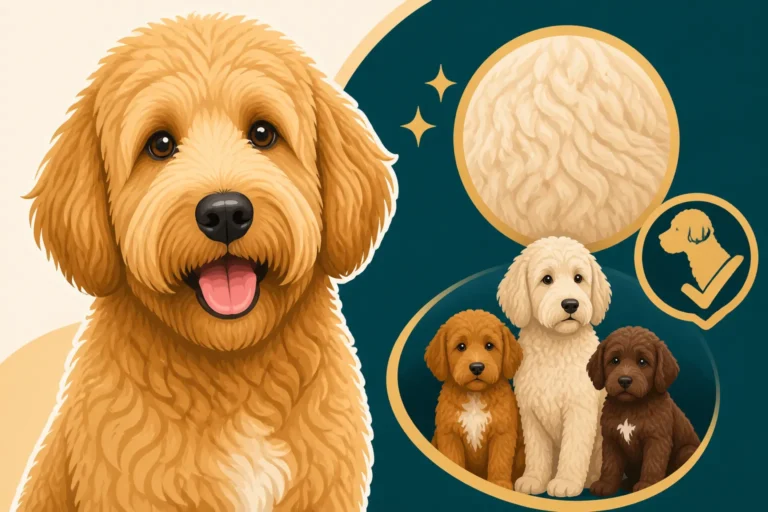
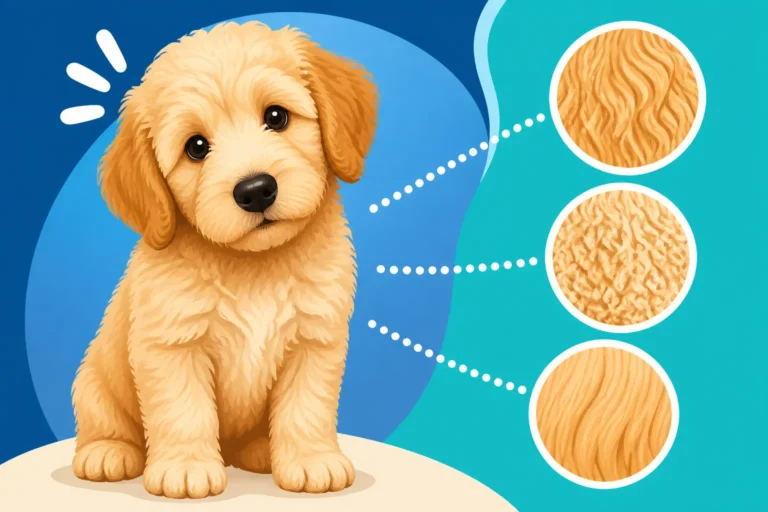
Not all Labradoodle coats are created equal, and understanding which type your dog has is the first step in proper care. Generally, we talk about three main types: hair, fleece, and wool. The hair coat, often seen in early generations, tends to be more like a Labrador's—straighter, coarser, and it sheds more. While it might seem less demanding, it still requires attention to prevent tangles and maintain its condition. On the other end of the spectrum is the wool coat, which is dense, curly, and very much like a Poodle's. It's often non-shedding, making it a dream for allergy sufferers, but it's also a magnet for mats if not meticulously cared for. This coat type provides excellent insulation, both from cold and heat, thanks to its dense structure.
Then there's the fleece coat, the holy grail for many Labradoodle enthusiasts, known for its soft, wavy, or spiraled texture. It's usually low-shedding and has a lovely, plush feel. This coat often combines some of the best qualities of both parent breeds. Regardless of the type, each coat functions as a protective barrier. It shields the skin from harmful UV rays, acts as a buffer against environmental irritants, and provides a layer of insulation. Thinking of it as just "fur" that can be removed misses the intricate biological design behind it. For more detail, you can read about The Three Labradoodle Coats: Hair, Fleece and Wool.
Many owners initially consider shaving their Labradoodle because they believe it will alleviate allergy symptoms for family members, or because they associate a shorter coat with being cooler in hot weather. While some Labradoodle coats are indeed less allergenic, shaving doesn't actually remove the dander, which is the primary allergen. It can also make the coat more prone to producing dander as the skin becomes more exposed. Furthermore, the idea of shaving for coolness often stems from a human perspective – we shave our heads, we feel cooler. But a dog's physiology, especially one with a Poodle-derived coat, is vastly different. Their coat is part of their natural climate control system, and interfering with it can have unintended consequences.
The Natural Insulation and Protection of a Labradoodle's Coat
It might sound counterintuitive, but a Labradoodle's coat is designed to help regulate their body temperature, acting like a natural insulator. In winter, the dense coat traps warm air close to the body, keeping them cozy. In summer, it works similarly, creating an airy layer that protects the skin from direct sunlight and helps dissipate heat. Imagine your dog's coat as a well-ventilated house: it keeps the harsh elements out while allowing air to circulate. When you shave this down, you're essentially tearing down the walls, leaving them exposed and often making them less comfortable, not more.
This protective layer also safeguards their sensitive skin from a myriad of external threats. Think about it: a thick coat provides a physical barrier against scratches from bushes and thorns during adventurous walks, helps deter bug bites from mosquitoes and ticks, and acts as a shield against environmental allergens like pollen settling directly on their skin. Without this natural defense, your Labradoodle's skin becomes vulnerable. This can lead to unexpected problems like sunburn, which is not only painful for your dog but also increases their risk of skin cancer over time. Many owners are surprised to learn how quickly a shaved doodle can get pink and peeling skin after just a short time in the sun.
The coat also plays a crucial role in maintaining healthy skin oil production and distribution. These natural oils are vital for keeping the skin hydrated and preventing dryness and irritation. When a coat is shaved very short, especially with harsh clippers, it can disrupt this delicate balance. The skin may become dry, itchy, or even overproduce oils in response to the trauma, leading to new skin problems. It’s a complex system, and a healthy coat is a direct reflection of a healthy dog, performing far more functions than just looking pretty.
Why Shaving Your Labradoodle Seems Like a Good Idea (But Often Isn't)
The decision to shave a Labradoodle often comes from a place of good intentions, usually aiming for comfort or a simpler grooming routine. However, these perceived benefits are frequently based on common misunderstandings about canine physiology and coat care.
The Common Misconceptions About Cooling Dogs Down
One of the biggest reasons owners contemplate shaving their Labradoodle is the belief that it will help their dog stay cool in warm weather. This is a very human-centric way of thinking. When we get hot, we shed layers, or we cut our hair short. Dogs, especially those with Poodle-derived coats, cool themselves primarily through panting, not through their skin like humans sweat. Their coat, far from being a burden, actually provides a crucial layer of insulation against the sun's heat.
Think of it like the insulation in your house: it keeps the warmth in during winter and the heat out during summer. A dog's coat does a similar job. When you shave a Labradoodle, you remove this natural protective layer. This exposes their skin directly to the sun, which can absorb more heat and lead to overheating much faster. It's not uncommon for freshly shaved Labradoodles to actually feel hotter to the touch because their skin is directly absorbing solar radiation, rather than being shielded by their protective coat. The "wind tunnel" effect, where air rushing over shaved skin might feel cool to us, can actually be detrimental to a dog, leading to rapid temperature fluctuations that their body struggles to manage.
Furthermore, a shaved coat can make a dog more susceptible to changes in temperature, both hot and cold. While a long, properly maintained coat allows for air circulation close to the skin, a shaved coat offers no such barrier. This means your Labradoodle can get chilly faster in air conditioning or on cooler evenings, requiring you to constantly monitor their environment. Instead of providing relief, a shave can inadvertently create new challenges for your dog's thermoregulation, making them less adaptable to their surroundings.
Managing Mats and Tangled Coats
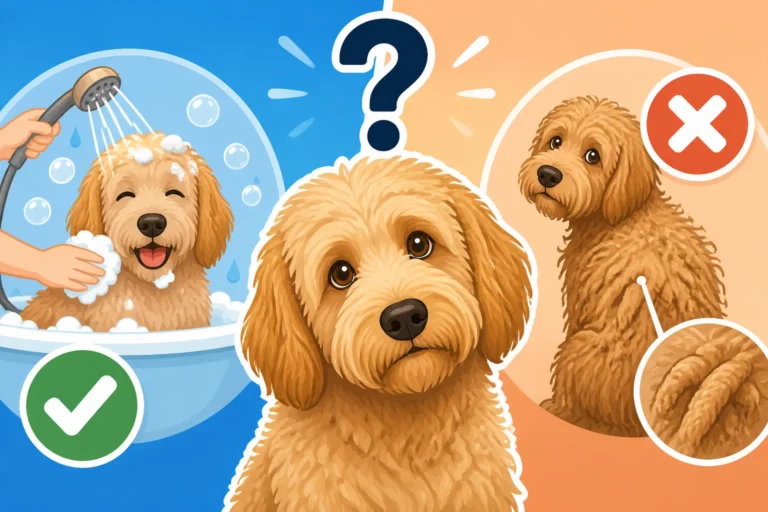
While shaving for cooling is often misguided, there's one undeniable reason why many Labradoodles end up with a very short haircut: severe matting. Mats are dense clumps of tangled fur that form close to the skin, pulling on it and causing immense discomfort and pain. These aren't just cosmetic issues; they can lead to serious health problems. Think of a mat as a straitjacket, constricting the skin and limiting blood flow. It’s a deeply frustrating problem for owners, and heartbreaking for the dog.
Mats often start innocently enough, perhaps a small tangle behind an ear or in an armpit, areas where friction is high. Without regular, thorough brushing, these small tangles quickly grow into large, painful felted patches. They trap moisture, dirt, and parasites, creating a breeding ground for bacteria and yeast infections. The skin underneath a mat cannot breathe, leading to irritation, hot spots, and painful sores. Trying to brush out severe matting can be excruciating for the dog, often requiring hours of painful tugging that no caring owner wants to inflict. This is where the grim reality sets in: if the matting is too severe, too widespread, or too close to the skin, a professional groomer's only humane option is to carefully shave it off.
This is a scenario no one wants, and it's important to understand that such a shave is a medical necessity, not a grooming choice for aesthetics or convenience. A skilled groomer will use special blades and techniques to get under the mats safely, often requiring extra time and caution to avoid cutting the delicate skin trapped within the matted fur. After such an experience, many owners resolve to redouble their grooming efforts, understanding that preventing mats through regular care is far kinder and less stressful for their Labradoodle. This is why tools and techniques like line brushing are so crucial, and why understanding Brushing a Labradoodle to the Skin, Not the Surface is paramount to preventing this painful outcome.
The Detrimental Effects of Shaving a Labradoodle's Coat
While sometimes necessary for extreme matting, shaving a Labradoodle's coat often has consequences that extend beyond just a temporary change in appearance. Many owners are genuinely surprised by how dramatically and sometimes permanently it can alter their dog's beautiful coat and skin health.
Damage to the Coat Texture and Growth Cycle
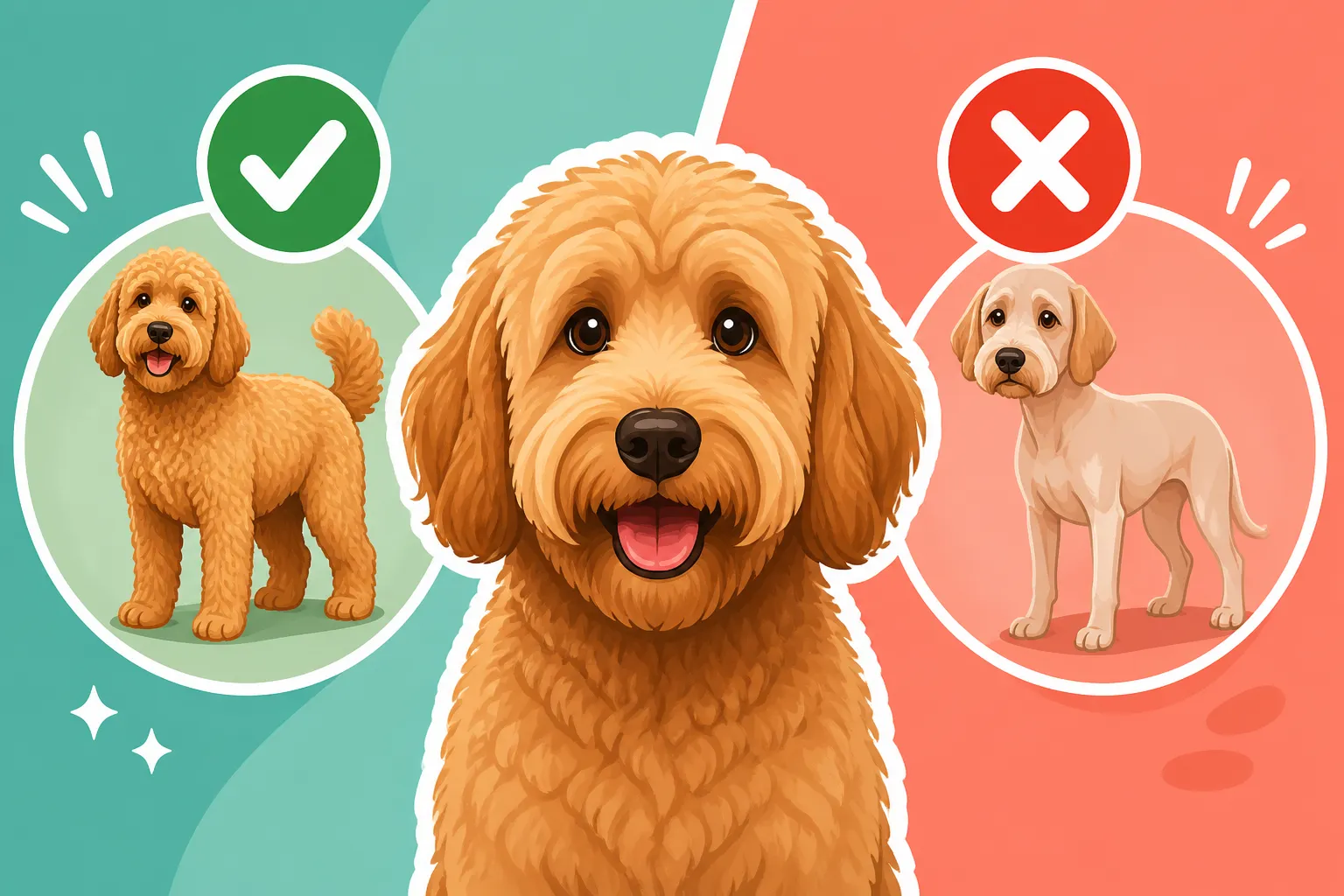
One of the most common and disheartening side effects of shaving a Labradoodle is the potential for permanent damage to its coat texture. Breeders and experienced groomers refer to this as "coat funk" or "clipper alopecia." When the fine, soft hairs of a fleece or wool coat are cut very short, especially with close blades, it can disrupt the natural growth cycle and texture. The coat may grow back coarser, thicker, and much more prone to matting than before. It's as if the delicate balance of the hair follicle is upset, causing it to produce hair that is fundamentally different. This coarser texture often makes future grooming even more challenging, turning what was once a relatively manageable coat into a tangled mess almost overnight.
This change isn't always immediate or uniform. You might notice patchy regrowth, where some areas grow back faster or with a different texture than others. This can leave your Labradoodle looking uneven and feeling less soft to the touch. In some cases, the coat might not grow back properly at all, or it could take an incredibly long time to return to anything resembling its original state. The delicate structure of the Poodle-derived coat relies on its continuous growth and specific texture to maintain its integrity. Interrupting this with a full shave can be like pressing a reset button, but without the guarantee of the same outcome. Owners who have experienced this often lament losing the very quality—the soft, non-shedding nature—they prized in their Labradoodle. Understanding Whether a Labradoodle's Coat Grows Back the Same is vital for managing expectations.
The phenomenon is often attributed to the disruption of the anagen (growth) and telogen (resting) phases of hair follicles, particularly in breeds with continuously growing hair like the Poodle side of a Labradoodle. When you shave off the long, growing hair, the follicles may not all restart in sync or produce the same quality of hair. This can lead to a less dense, more cottony, or even wiry texture that struggles to lie flat and mats even more easily. It's a gamble, and for many, the risk of irreversible coat damage far outweighs the perceived benefits of a close shave.
Increased Risk of Skin Problems and Sunburn
Beyond the coat itself, shaving a Labradoodle down to the skin leaves them incredibly vulnerable to a host of skin problems. Their coat provides a natural shield against the elements, including the sun's harmful ultraviolet (UV) rays. Without this protection, your dog's skin is directly exposed, making them highly susceptible to sunburn. Just like humans, dogs can get painful, peeling sunburns, particularly on areas with thinner skin like the belly, groin, and ears. Repeated sunburns significantly increase their risk of developing skin cancer, which is a serious concern for any pet owner.
Moreover, the act of shaving itself can irritate the skin. Clipper rash, or clipper burn, is a common issue, especially if the blades are dull, too hot, or if the groomer uses an inappropriate technique. This can result in red, inflamed, and itchy skin that is very uncomfortable for your dog. A shaved coat also removes the physical barrier that protects against environmental irritants, allergens, and insect bites. Pollen, dust, grass, and even routine household cleaners can cause skin irritation when they come into direct contact with exposed skin. Fleas and ticks also have an easier time latching onto and biting a shaved dog, increasing the risk of bites and associated skin reactions or diseases.
This increased vulnerability means you'll need to be extra vigilant about protecting your shaved Labradoodle. This might involve applying dog-specific sunscreen, dressing them in UV-protective clothing, and carefully monitoring their outdoor exposure, especially during peak sun hours. It's a trade-off that many owners aren't prepared for and can add significant stress and expense to their dog's care. Rather than simplifying things, a shave can complicate their skin health and overall comfort, leading to more vet visits for issues like Whether a Labradoodle Needs Medicated Baths or other dermatological problems.
When Shaving Might Be a Necessary Evil (The Exceptions)
While generally advised against, there are indeed specific situations where shaving a Labradoodle isn't just an option, but a humane necessity. These instances are typically driven by severe neglect of the coat or unavoidable medical requirements.
Severe Matting Beyond Salvage
Let's be honest, life happens. Sometimes, despite the best intentions, a Labradoodle's coat can become so severely matted that it is beyond brushing out. This isn't just a bad hair day; it’s a painful and potentially dangerous situation for your dog. Mats that are felted to the skin create a solid shell that pulls constantly, restricts movement, and can lead to significant pain and skin damage. They prevent air circulation, trapping moisture and creating an ideal environment for bacterial and yeast infections, or even parasites. When a groomer encounters a dog in this condition, shaving is often the only compassionate course of action.
A professional groomer will assess the extent and severity of the matting. They'll look at how close the mats are to the skin, how widespread they are, and if there are any underlying skin issues. Attempting to de-mat a severely matted dog is not only excruciatingly painful for the animal, causing immense stress and potential aggression, but it can also be dangerous, leading to skin tears or bruising. In such cases, the groomer will explain that the dog needs to be "shaved down" or "stripped." This involves using very short blades to carefully get underneath the mats, essentially separating the matted hair from the skin. It’s a delicate, time-consuming process that requires skill and patience to minimize further irritation and avoid cutting the skin.
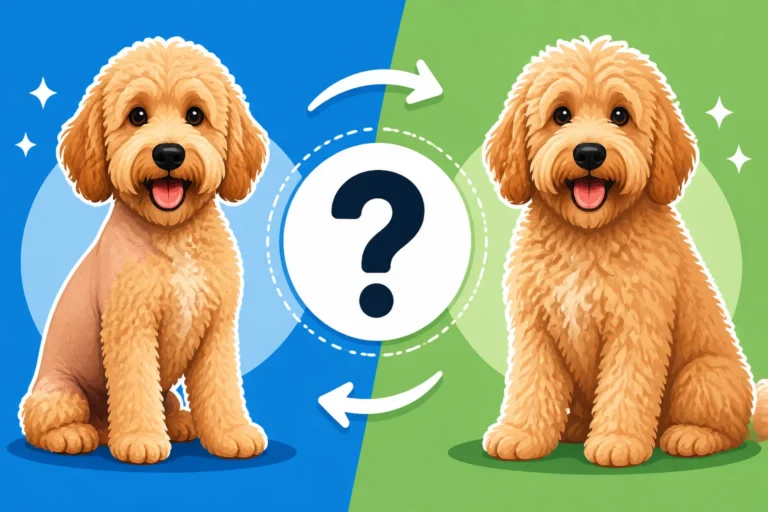
After such a shave, your Labradoodle will look very different, often sporting a "naked" appearance. The immediate relief they feel from the mats being removed is usually evident. However, the skin underneath may be red, irritated, or even bruised. It's crucial to follow your groomer's and vet's advice on aftercare, which might include medicated baths or soothing topical treatments. This experience often serves as a powerful reminder of the importance of consistent grooming. For prevention, remember the advice on The Six to Eight Week Clock on a Labradoodle's Coat for regular professional grooming, and consistent home brushing.
Medical Conditions Requiring Hair Removal
Beyond matting, there are medical situations where a veterinarian might recommend or require shaving certain areas of your Labradoodle's coat. This is purely for health reasons and is not related to general grooming or aesthetic preferences. For example, if your Labradoodle needs surgery, the area around the incision site will be shaved to ensure a sterile field and prevent infection. This localized shaving is essential for the success of the procedure and the dog's recovery. Similarly, if your dog has a wound, a skin infection, or a hot spot, shaving the surrounding hair allows for proper cleaning, topical treatment application, and better airflow to promote healing.
Certain chronic skin conditions might also necessitate a shorter clip or even a full shave as part of a treatment plan. For instance, if your Labradoodle is suffering from severe allergies leading to widespread skin inflammation, infections, or excessive scratching, a vet might suggest a very short coat. This can make it easier to apply medicated shampoos or creams, allow the skin to breathe, and help control secondary infections. In cases of conditions like sebaceous adenitis, where skin and coat health are significantly compromised, a short haircut might be recommended to manage symptoms and facilitate treatment.
It's important to differentiate these medical necessities from elective grooming. When a vet recommends shaving, it's always with your dog's health and well-being as the top priority. These aren't choices made for convenience or appearance, but rather critical steps in managing or treating a specific health issue. In these instances, the temporary alteration to the coat is a small price to pay for your Labradoodle's recovery and improved quality of life. Always discuss any drastic coat changes with your veterinarian if it's for a medical reason, as they can provide specific guidance on what's best for your dog's particular condition. For chronic skin issues, understanding Whether Skin Disease Runs in Labradoodle Lines might be helpful in your discussions with your vet.
Healthy Alternatives to Shaving for a Comfortable Labradoodle
The good news is that you almost never need to shave your Labradoodle entirely to keep them comfortable and well-groomed. There are plenty of effective, coat-friendly alternatives that prioritize their health and well-being.
Regular Brushing and Grooming Schedules
The absolute cornerstone of a healthy, comfortable Labradoodle is a consistent and thorough brushing routine at home, complemented by regular professional grooming. Neglecting this leads to matting, which, as we've discussed, is the primary reason for a painful shave. For Labradoodles, particularly those with fleece or wool coats, "regular" means every day or every other day. You need to perform what's called "line brushing," where you systematically brush small sections of the coat from the skin outwards, ensuring you reach all the way down to the roots. Simply brushing the top layer of hair will leave mats forming underneath, unseen until they become severe.
Investing in the right tools is critical. A high-quality slicker brush is essential for working through tangles and removing loose hair, while a metal greyhound comb with both wide and narrow teeth is indispensable for checking for mats, especially in tricky areas like behind the ears, in the armpits, and around the tail. These are prime spots where friction causes mats to form quickly. Regularly using a detangling spray can also make the brushing process smoother and less stressful for both you and your dog. Online retailers like Chewy or Amazon offer a vast selection of these grooming tools, making it easy to find what you need. Establishing this routine from puppyhood will desensitize your Labradoodle to handling and make grooming a positive experience.
Beyond home care, professional grooming every six to eight weeks is non-negotiable for most Labradoodles. A professional groomer has the expertise, tools, and experience to keep their coat in optimal condition, tackling any emerging tangles before they escalate into full-blown mats. They can also perform essential services like trimming nails, cleaning ears, and expressing anal glands, which are crucial for overall health. This regular schedule helps manage the coat through its different stages, including the challenging "coat change" that happens around What Happens to a Labradoodle's Coat at Nine Months. By staying on top of the grooming schedule, you ensure your Labradoodle's coat remains free of mats, healthy, and functional, eliminating the need for a drastic shave.
Appropriate Clipping and Trimming for Hygiene and Comfort
Instead of shaving your Labradoodle down to the skin, which can damage their coat and expose them to sunburn, opt for regular clipping and trimming to a manageable length. This approach maintains the integrity of their coat's natural insulation and protection while keeping them tidy and comfortable. Most groomers will recommend a "teddy bear clip" or a "sport clip," which leaves a uniform length of coat, typically anywhere from 1/2 inch to 2 inches, depending on your preference and your dog's coat type. This keeps the coat short enough to be easily brushed and prevents matting, but long enough to provide that crucial sun protection and insulation.
Specific areas require more frequent trimming for hygiene and comfort. The hair around their paws and between their pads can grow long, trapping dirt, debris, and moisture, which can lead to discomfort, slipping, or even infections. Regular trims in these areas are essential. Similarly, the hair around their sanitary areas needs to be kept short to prevent fecal matter from clinging and causing hygiene issues. The hair on their face, especially around their eyes, can also grow long enough to obstruct their vision or cause irritation, necessitating careful trimming to keep them clear and clean. Keeping a Labradoodle's Face Trimmed Out of Its Eyes and Trimming the Hair Between a Labradoodle's Pads are excellent guides for these specific tasks.
By maintaining a consistent clipping schedule, you avoid the issues that lead to severe matting and the need for a full shave, all while keeping your Labradoodle looking neat and feeling great. A good groomer will know how to achieve a practical and attractive length that suits your dog's lifestyle and coat type, without resorting to drastic measures. This proactive approach ensures a happy, healthy Labradoodle with a coat that serves its purpose effectively. Remember, finding a groomer who truly understands doodle coats is key to achieving these results without damage.
Cooling Strategies for Warm Weather
Instead of shaving your Labradoodle in the misguided attempt to cool them down, focus on effective, safe cooling strategies that work with their natural coat, not against it. Your Labradoodle's primary cooling mechanism is panting, so facilitating this and avoiding overheating is paramount. First and foremost, always provide access to fresh, cool water, especially after exercise or during warm days. Consider adding ice cubes to their water bowl or using a pet fountain to encourage drinking.
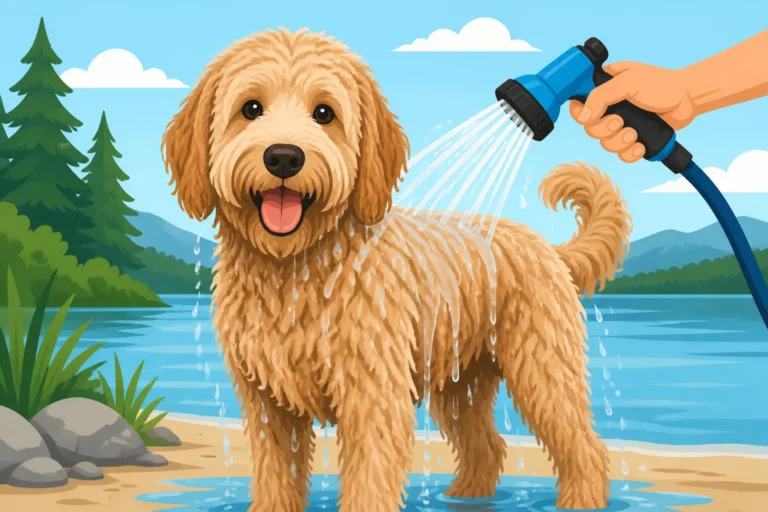
Timing your walks and outdoor play is crucial. Avoid the hottest parts of the day, typically late morning to late afternoon. Opt for early morning or late evening outings when temperatures are significantly cooler. Stick to shaded areas or air-conditioned environments during peak heat. Cooling mats or elevated beds that allow air circulation can also provide a comfortable spot for your Labradoodle to relax indoors. For outdoor adventures, a kiddie pool with a few inches of water can be a fantastic way for them to cool off – just be sure to properly dry them afterward to prevent skin issues, as detailed in Drying a Labradoodle After It Swims.
Never, ever leave your Labradoodle in a hot car, even for a few minutes with the windows cracked. Car interiors can reach dangerous temperatures very quickly, leading to heatstroke, which can be fatal. If you're out and about, consider a portable water bottle and bowl to keep them hydrated. For highly active Labradoodles, you might even consider a cooling vest or bandanna that you can dampen with water. These simple, common-sense strategies are far more effective and safer for your Labradoodle than shaving their protective coat. They help your dog manage heat naturally, ensuring they remain comfortable without risking coat damage or sunburn.
Communicating with Your Groomer and Vet
Building a strong, communicative relationship with your Labradoodle's groomer and veterinarian is critical for their overall health and well-being, especially when it comes to coat care. They are your allies in preventing issues that might lead to an undesirable shave.
Setting Realistic Expectations and Goals
When you take your Labradoodle to the groomer, it's essential to have an open conversation about your expectations and their assessment of your dog's coat condition. While you might have a picture in your mind of a specific clip or length, a good groomer will prioritize your dog's comfort and health above all else. If your Labradoodle arrives with significant matting, the groomer will be honest about the situation. They'll explain that attempting to brush out severe mats would be painful and inhumane, and that a shave-down is the only compassionate option. It’s important to trust their professional judgment in these scenarios. They aren't trying to upsell you or be difficult; they are looking out for your dog's welfare.
Discussing your lifestyle also helps your groomer recommend an appropriate coat length. If your Labradoodle is very active, loves swimming, or frequently gets muddy, a slightly shorter, more practical cut might be ideal. This doesn't mean shaving to the skin, but rather maintaining a length that's easy for you to manage between professional appointments. Be prepared to ask questions about how frequently they recommend grooming appointments, what home care you should be doing, and what tools they suggest. This collaborative approach ensures that you and your groomer are on the same page, working towards the same goal: a happy, healthy Labradoodle with a well-maintained coat. Remember to budget for these regular visits; The Yearly Grooming Total on a Standard Labradoodle can be a significant expense, but it’s an investment in your dog’s comfort.
It's also important to understand that sometimes, especially if the coat has been previously shaved due to matting, the texture may have changed, and achieving a perfectly fluffy, even look might take time, or may not be entirely possible. Your groomer can guide you through the regrowth process and help manage expectations about the final appearance of the coat. They can also advise on products, perhaps available through Amazon or Chewy, that might help with coat health during regrowth. Patience and consistency are key when trying to restore a damaged coat.
Advocating for Your Labradoodle's Coat Health
As a Labradoodle owner, you are your dog's best advocate. This means being proactive in their coat care and not hesitating to speak up or seek professional advice when needed. Don't be afraid to ask potential groomers about their experience with doodle coats. Not all groomers are equally skilled or knowledgeable in handling these unique, often challenging, coat types. Look for someone who understands the different textures (hair, fleece, wool) and who prioritizes humane, gentle handling over speed. A groomer who educates you on home care is a treasure.
If you notice any skin irritation, excessive itching, or unusual lumps under your Labradoodle's coat, don't delay in contacting your veterinarian. While grooming practices can certainly influence skin health, sometimes underlying medical conditions, such as allergies, infections, or even hormonal imbalances, can manifest as coat or skin problems. A vet can accurately diagnose these issues and provide appropriate treatment, which might include specific shampoos, medications, or dietary changes. Using an online pet pharmacy like Chewy for prescriptions can also be convenient. They can also advise on whether a short clip is medically necessary in specific circumstances, such as for extensive dermatological treatment or wound care.
Maintaining open lines of communication with both your groomer and your vet creates a comprehensive support system for your Labradoodle. This team approach ensures that their coat is not only aesthetically pleasing but also contributes to their overall health and comfort. By being informed, proactive, and discerning in your choices, you can confidently navigate the complexities of Labradoodle coat care and prevent unnecessary shaving.
| Feature | Shaving (Down to Skin) | Regular Grooming & Trimming (Longer Clips) |
|---|---|---|
| Cooling Effect | Often counterproductive; removes insulation, exposes skin to sun | Maintains natural insulation, protects from sun |
| Sun Protection | None; high risk of sunburn & skin cancer | Excellent; natural barrier against UV rays |
| Coat Texture | Risk of permanent damage; coarser, denser regrowth, "coat funk" | Preserves natural texture and softness |
| Matting Risk | Eliminates current mats, but can increase future matting tendencies | Prevents matting through regular maintenance |
| Skin Health | Increased risk of irritation, clipper burn, bug bites, allergies | Protects skin from irritants and physical damage |
| Maintenance | Requires extreme caution for regrowth, potential re-shaves if texture changes | Consistent home brushing & professional appointments needed |
| Appearance | Often patchy, uneven, can look "naked" | Neat, tidy, maintains classic Labradoodle look |
| Primary Use Case | Emergency for severe, neglected matting or medical necessity | Routine care for comfort, health, and aesthetics |
Disclaimer
This article is for general informational purposes only and does not constitute professional advice. Laws, prices and regulations vary by location and change over time. Consult a qualified professional for guidance on your specific situation.