Rinsing Lake Water Out of a Labradoodle’s Coat
There’s nothing quite like watching your Labradoodle plunge into a cool lake on a hot day, shaking off the summer heat with pure joy. That enthusiastic splash, the happy paddling, the delighted retrieval of a stick – it’s a picture of canine bliss! But then they emerge, dripping and perhaps a little… fragrant. While a swim is wonderful for their physical and mental well-being, getting that lake water thoroughly rinsed out of their distinctive coat afterward is absolutely non-negotiable for their health and your sanity. This guide will walk you through exactly why and how to rinse your Labradoodle's coat properly, preventing those nasty post-swim surprises.
Why Rinsing Lake Water from Your Labradoodle's Coat is Crucial
It might seem like a simple step, but ignoring a proper rinse after a lake swim can lead to a whole host of problems for your Labradoodle. Lakes, rivers, and ponds aren't always pristine, and their water can leave behind more than just a damp feeling.
Hidden Contaminants and Irritants
Lakes, especially natural ones, are teeming with microscopic life and environmental elements that aren't necessarily friendly to your dog's skin and coat. Think about it: algae, bacteria, pollen, mud, even tiny parasites or chemical residues from runoff. When your Labradoodle swims, their dense, often curly coat acts like a sponge, soaking up all of these unwelcome guests. If these aren't thoroughly rinsed away, they can sit on the skin and within the hair follicles, leading to irritation, itching, and potential infections. This is particularly true for Labradoodles who might have sensitive skin already. We’re not just talking about a little dirt; we’re talking about things that can genuinely make your dog uncomfortable or even sick.
Imagine your Labradoodle, after a glorious afternoon at the local dog park lake, returning home. You towel them off, and they seem fine. But a day or two later, you notice them scratching incessantly, perhaps developing red patches or small bumps on their skin. This is a classic scenario where lake water contaminants have irritated their skin. The thick The Fleece Coat and Why Breeders Aim For It or even woolly texture of a Labradoodle's coat can trap these irritants close to the skin, creating a perfect breeding ground for trouble if not properly cleaned.
Preventing Mats and Tangles
This is perhaps one of the biggest headaches for any Labradoodle owner after a swim. Their beautiful, often low-shedding coats are prone to matting even with regular dry brushing. Add water, and the problem escalates exponentially. Lake water, especially if it contains fine silts or organic matter, can make the hair fibers stick together. As the coat dries, these tiny tangles tighten and pull, quickly forming dense mats that are incredibly painful for your dog and a nightmare to remove. These aren't just cosmetic issues; mats can pull on the skin, restrict movement, and even harbor moisture, leading to skin infections.
Think of how your own hair feels after swimming in salty or chlorinated water – often a bit stiff, tangled, and rough. A Labradoodle's coat experiences something similar, but on a much grander scale due to its density and texture. A good rinse doesn't just clean; it helps to separate the hair strands, making subsequent brushing much easier. If you've ever tried to brush out a dry, tangled coat that's been air-dried after a swim, you know the struggle. It can take hours, sometimes requiring scissors or even professional dematting, which can be expensive and stressful for your pup.
Protecting Sensitive Ears
Labradoodles have those adorable, floppy drop ears, a trait inherited from both the Poodle and Labrador sides. While cute, this ear structure makes them highly susceptible to ear infections. The canal is often covered, reducing air circulation, and if water gets trapped inside, it creates a warm, moist environment that yeast and bacteria absolutely adore. Lake water, with its myriad of microbes, exacerbates this risk.
A quick towel dry of the outer ear flap isn't enough. Water can trickle deep into the ear canal during a swim. Cleaning a Labradoodle's Ears After Swimming is vital, and a thorough external rinse around the ear area can help prevent contaminated water from lingering near the entrance to the canal. Many owners find their Labradoodles are prone to Ear Infections Built Into a Labradoodle's Drop Ear, and consistent post-swim ear care, including careful rinsing and drying, is a critical preventative measure. Skipping this step is like inviting an ear infection right in.
The Best Way to Rinse a Labradoodle's Coat After Lake Fun
So, you understand the importance. Now, let’s get down to the practical steps for giving your Labradoodle the best post-swim rinse possible. It’s more than just pointing a hose at them!
Gathering Your Supplies
Before your soggy friend even sets paw back inside, have your supplies ready. This makes the process much smoother and less stressful for everyone involved.
- Plenty of absorbent towels: You'll need more than you think. Microfiber towels are excellent for soaking up a lot of water quickly.
- A dog-specific shampoo (optional but recommended): While this is a rinse guide, if your Labradoodle is particularly dirty or stinky from the lake, a light shampooing is often a good idea. Choose a gentle, moisturizing formula. You can find excellent options on
ChewyorAmazon. - Conditioner: This is a secret weapon for Labradoodle coats. A good conditioner will help detangle, smooth the coat, and reduce matting.
- A good quality dog brush and metal comb: Essential for working through any initial tangles after the rinse.
- A high-velocity dog dryer (highly recommended for Labradoodles): If you don’t have one, consider it an investment. Air drying a Labradoodle’s thick coat can take hours and significantly increase matting risk. Handheld human dryers can work in a pinch on a cool setting, but high-velocity dryers are far more efficient and effective.
- Ear cleaner: Again, post-swim ear care is non-negotiable.
The Rinsing Process: Step-by-Step
This isn't just a quick splash. It's a methodical approach to ensure every bit of lake water is gone.
Step 1: Initial Water Removal
As soon as your Labradoodle gets out of the lake, encourage them to shake vigorously. This is their natural way of removing excess water, and you want to capitalize on it before they run off and roll in something else. Use a towel to gently blot and squeeze as much surface water from their coat as possible. Pay special attention to their legs, belly, and under their ears. This initial step makes the actual rinsing process much more manageable.
Step 2: Thorough Saturation and Shampoo (If Needed)
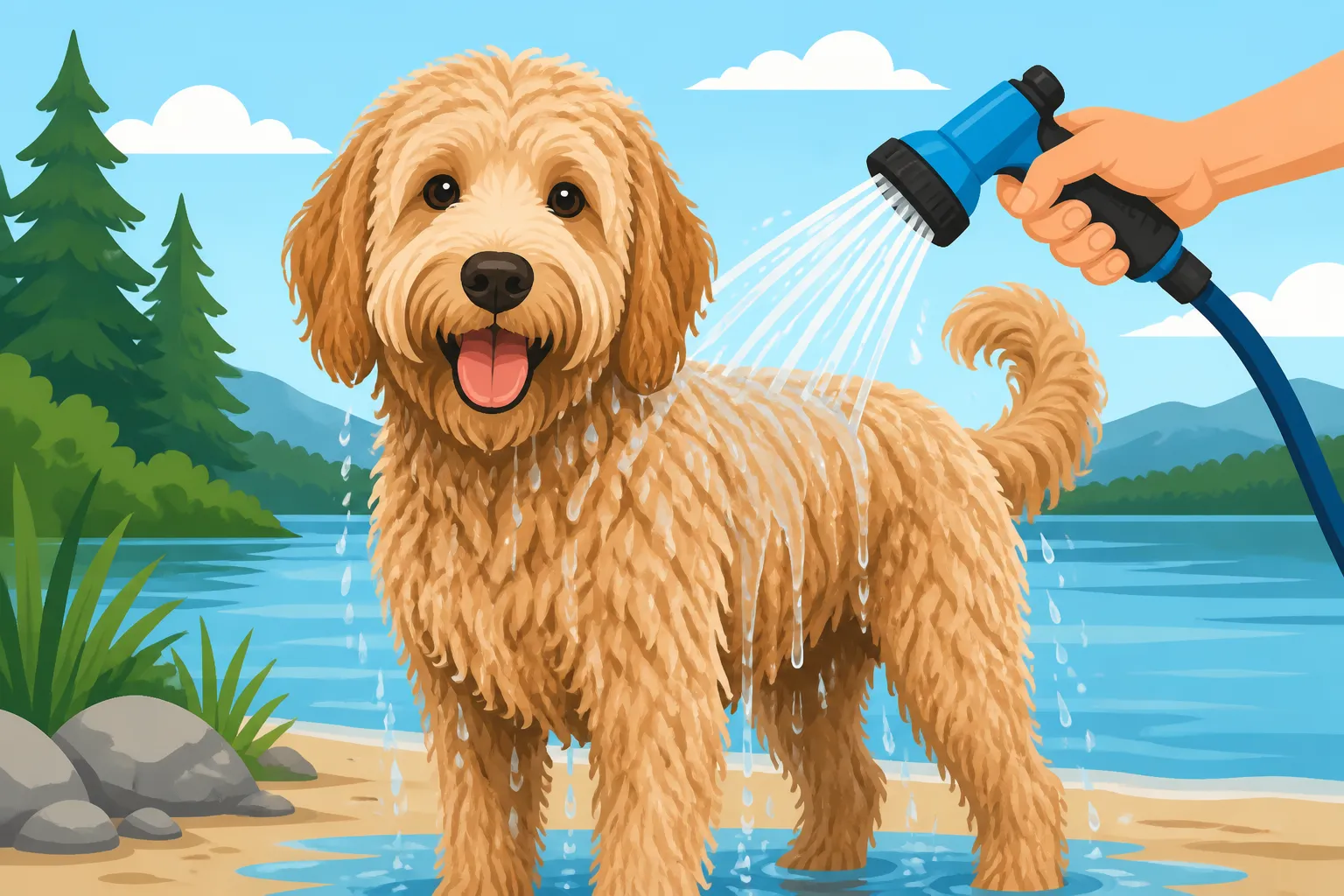
Move your Labradoodle to your designated bathing area – whether that's an outdoor wash station, a utility tub, or your own shower. The key here is thorough saturation. Use lukewarm water – not too hot, not too cold – and completely soak their coat from head to tail. You need to penetrate right down to the skin. This means lifting sections of hair, ensuring the water runs clear through every part of their body. Don't be shy with the water!
If you're opting for a full shampoo, apply a small amount of dog-specific shampoo and work it into a lather, again, ensuring it reaches the skin. Be gentle, massaging it in rather than scrubbing aggressively, which can cause tangles. Pay extra attention to areas that tend to get dirtiest or matted, like behind the ears, armpits, and under the tail.
Step 3: The Critical Rinse
This is where many owners fall short. Rinsing must be meticulous. Any shampoo residue left in the coat can irritate the skin and attract dirt, leading to itching and further problems. Rinse, and then rinse again. Use your fingers to really feel the coat, ensuring there's no slippery, sudsy residue. Continue rinsing until the water running off your Labradoodle is completely clear and the coat feels squeaky clean, not slick. It often takes longer than you think, especially with a dense wool or fleece coat. Lift the fur, push the water through, and check again. This thoroughness is crucial to avoid skin irritation.
Remember that Labradoodles have distinct The Furnishings Gene Behind a Labradoodle's Beard, meaning they often have longer hair around their muzzle and eyes. Make sure to rinse these areas carefully, using a washcloth if necessary to avoid getting water or shampoo directly into their eyes.
Step 4: Conditioning for Coat Health
After rinsing the shampoo (or just the lake water if you skipped shampoo), apply a good quality dog conditioner. Work it through the coat, focusing on areas prone to matting. Let it sit for a few minutes if the product directions allow, then rinse even more thoroughly than you did the shampoo. Conditioner helps to close the hair cuticles, making the coat smoother, less prone to tangles, and easier to brush later. It adds a protective layer and helps restore any moisture lost during the swim.
Think of it as a barrier against future mats and an aid for healthy skin. A well-conditioned coat is much more resilient.
Post-Rinse Care: Ensuring a Healthy, Mat-Free Coat
The rinsing isn't the end of the journey; proper drying and follow-up care are just as important to maintain your Labradoodle's beautiful coat and prevent common issues.
The Importance of Thorough Drying
This cannot be stressed enough for a Labradoodle. Their thick coats simply do not air dry efficiently, and attempting to let them air dry usually results in a matted mess. Dampness trapped close to the skin can also lead to yeast or bacterial skin infections.
Use absorbent towels to blot and squeeze as much water out of the coat as possible. Avoid rubbing vigorously, which can create tangles. Then, move to a forced air dryer or a cool-setting human hairdryer. If using a human hairdryer, keep it on a low, cool setting and move it constantly to avoid burning the skin.
Ideally, invest in a high-velocity dog dryer. These blowers quickly remove water from the coat without using heat, drastically reducing drying time and helping to straighten the hair strands, making brushing much easier. As you dry, use your free hand to fluff the coat against the direction of growth, ensuring air reaches all the way to the skin. This prevents matting as the coat dries. Brands like K9 Power and Flying Pig Grooming offer great options, often found on Amazon.
A common mistake is thinking the coat is dry when the top layer feels dry. You must ensure the undercoat is completely dry. If you pull apart sections of hair and feel any dampness at the root, keep drying. This is particularly important for Labradoodles with a dense The Wool Coat Labradoodle and Its Upkeep.
Brushing and Detangling
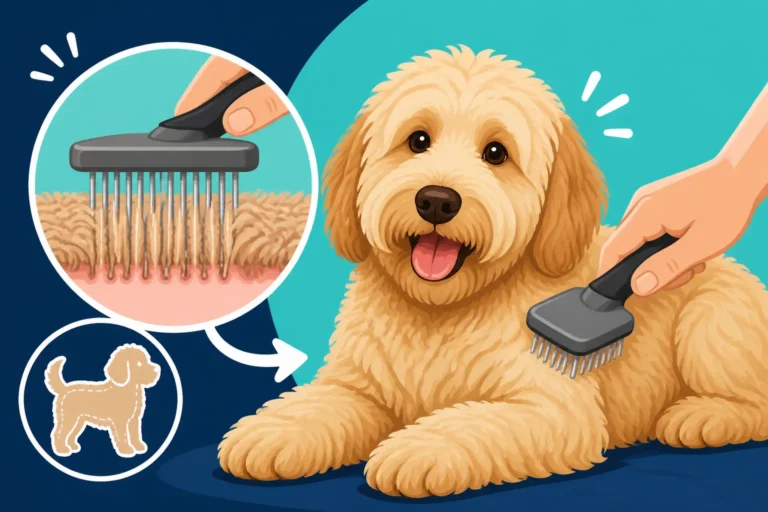
Once your Labradoodle is thoroughly dry, it’s time for a comprehensive brush out. Use a slicker brush to work through the coat in small sections, always brushing down to the skin. Follow up with a metal comb to check for any hidden tangles or mats that the slicker brush might have missed. Pay extra attention to those common matting areas: behind the ears, under the chin, armpits, groin, and the base of the tail. This process is called Brushing a Labradoodle to the Skin, Not the Surface, and it's vital.
If you encounter any small tangles, use a detangling spray (you can find these at Chewy or pet supply stores) and gently work them out with your fingers or the comb. If you come across a stubborn mat, refer to guides on Splitting a Mat on a Labradoodle Before It Tightens rather than pulling it, which can cause pain and damage the coat.
| Area of Concern After Lake Swim | Risk if Not Rinsed | Recommended Action After Rinse |
|---|---|---|
| Skin Irritation/Infections | Algae, bacteria, pollen trapped; pH imbalance | Thorough rinse with clean water, optional mild dog shampoo; full drying |
| Matting/Tangles | Hair fibers stick together, dry into painful mats | Conditioner during rinse; thorough drying with force dryer; immediate line brushing |
| Ear Infections | Water/bacteria trapped in floppy ear canal | Gentle external rinse around ears; careful internal drying with cotton ball; use vet-approved ear cleaner |
| Odor | Organic matter, lake funk | Full shampoo (if needed); complete rinse; proper drying |
| Parasites | Microscopic organisms clinging to coat | Thorough rinse; visual inspection during drying/brushing; discuss preventative with vet |
Ear Cleaning and Inspection
After rinsing and during the drying process, it’s the perfect time to address those ears. Gently wipe the visible part of the ear canal with a cotton ball dampened with a vet-approved ear cleaner. Never use cotton swabs deep inside the ear, as this can push debris further in and damage the eardrum.
Always lift the ear flap to allow air circulation as the dog dries. If you notice any redness, swelling, unusual discharge, or a foul odor, it’s time for a vet visit. These are classic signs of an impending ear infection that might have been triggered or exacerbated by the lake water. Regularly inspecting your Labradoodle's ears, especially after a swim, can catch problems early.
General Health Check
A post-swim grooming session is a great opportunity for a quick overall health check. Feel for any new lumps or bumps, check for ticks (especially after outdoor adventures), and inspect their paws for cuts or irritation between the pads. These little checks become second nature over time and are a wonderful way to bond with your dog while ensuring their well-being. Keeping a watchful eye on your Labradoodle’s general health and well-being, supported by good nutrition, like that offered by Ollie fresh food, can also contribute to a healthier coat and more resilient immune system, making them better able to handle environmental challenges like lake water exposure.
By following these detailed steps, you can ensure your Labradoodle enjoys their lake adventures without suffering the uncomfortable consequences afterward. A happy, healthy Labradoodle is a clean, well-groomed Labradoodle!
Disclaimer
This article is for general informational purposes only and does not constitute professional advice. Laws, prices and regulations vary by location and change over time. Consult a qualified professional for guidance on your specific situation.