Whether a Labradoodle’s Coat Changes Texture With Age
One of the most common worries new Labradoodle owners express, right after wondering if their puppy will ever stop bouncing off the walls, is about their dog's coat. You fall in love with that soft, wavy puppy fur, only to hear whispers of a "coat change" or that it might become wiry, thin, or even mat beyond recognition. It's a real concern, and understanding how a Labradoodle's coat evolves throughout its life stages can save you a lot of stress (and maybe a few trips to the groomer). This guide will dive deep into the natural progression of a Labradoodle's coat, from puppy fluff to senior softness, explaining what's normal and when to pay closer attention.
The Puppy Coat to Adult Coat Transition: A Major Milestone
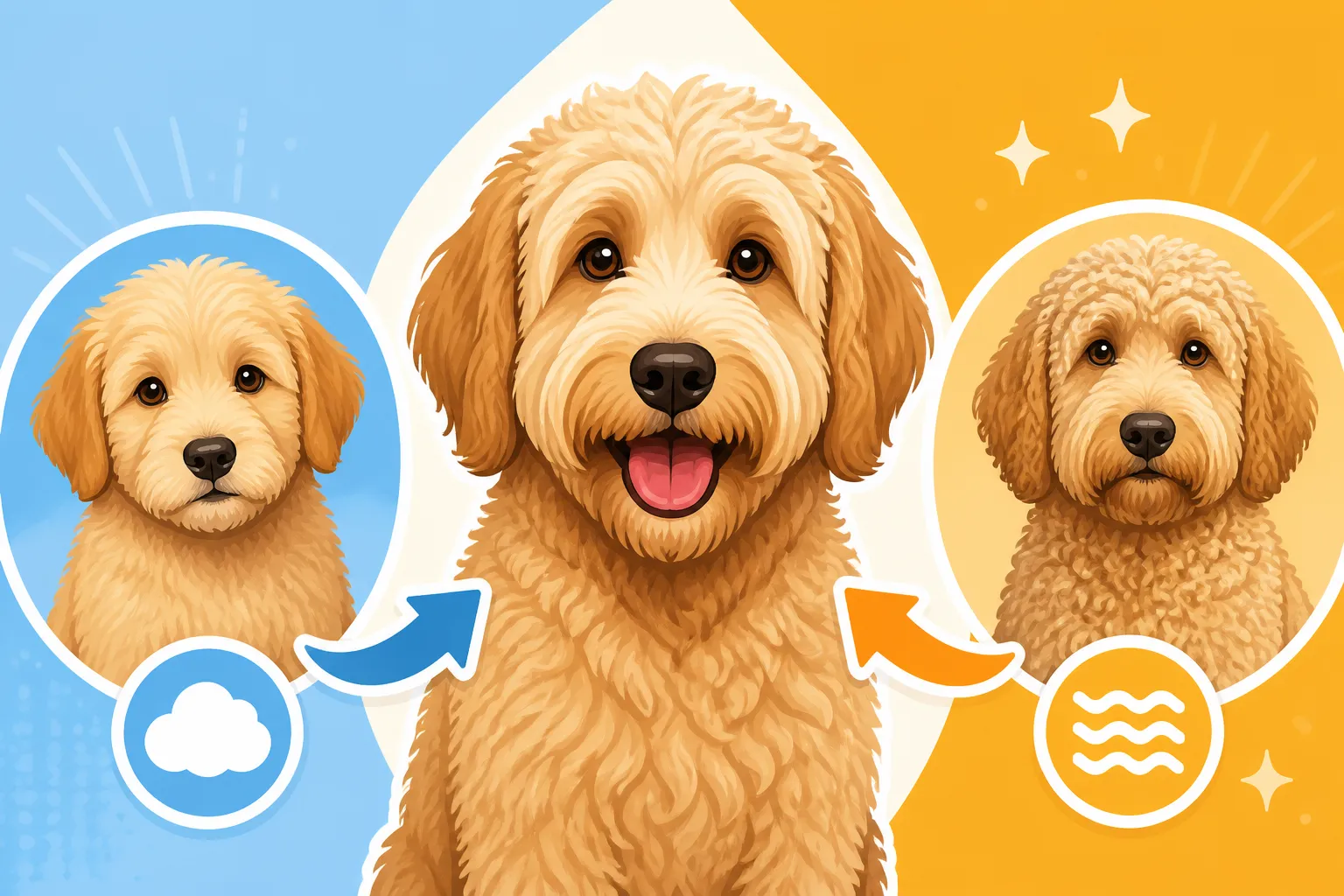
The most dramatic transformation in your Labradoodle's coat happens during their first year, moving from that impossibly soft puppy fluff to their more robust adult coat. This isn't just a simple growth spurt; it's a fundamental change in the hair structure that requires understanding and proactive care. If you're currently navigating this stage, rest assured, you're not alone in feeling overwhelmed.
The "Coat Blow" Phenomenon
Around nine to fourteen months of age, many Labradoodle owners suddenly find themselves battling what feels like an endless onslaught of matting. This period is often referred to as the "coat blow," and it's where the fine, soft puppy hair starts to give way to the denser, coarser, or curlier adult coat. The problem isn't necessarily that the puppy coat is shedding out entirely, but rather that the two different hair types — the remaining puppy fur and the emerging adult fur — get tangled together in a truly spectacular fashion. This combination creates a perfect storm for mats to form, sometimes seemingly overnight.
Imagine trying to brush a tangle out of a handful of silk threads mixed with wool yarn; it's exactly the kind of frustration you might experience. Suddenly, brushing sessions that used to be a breeze become a monumental task, and you might discover knots in places you never even knew hair could grow, like behind the ears, in the armpits, and around the tail. It’s a stage that truly tests an owner's patience and commitment to regular grooming. For a deeper dive into this specific challenge, check out The Coat Change That Hits a Labradoodle at Nine Months.
Managing the Puppy Coat Change
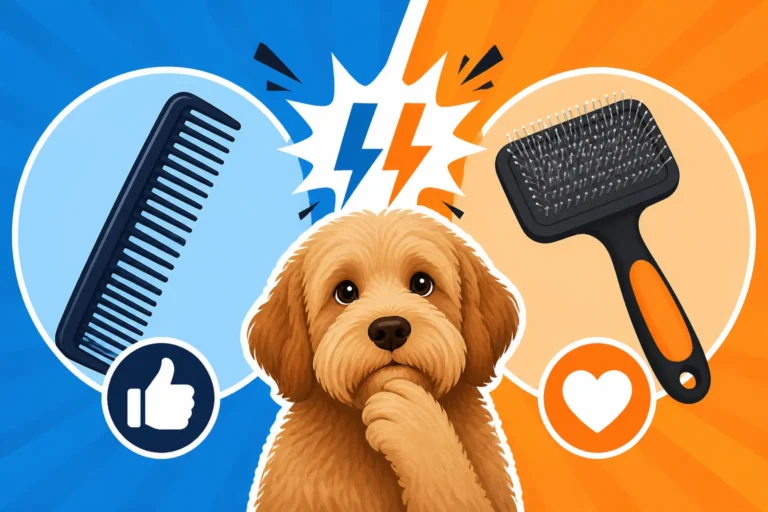
Successfully navigating the coat change requires vigilance and the right tools. Daily, thorough line brushing becomes absolutely non-negotiable during this period. You're not just skimming the surface; you need to get down to the skin to separate those two distinct layers of hair and prevent them from weaving into solid felt. Investing in a good quality slicker brush and a sturdy metal comb will be your best friends. The comb is crucial for checking your work and finding any hidden mats the slicker might have missed.
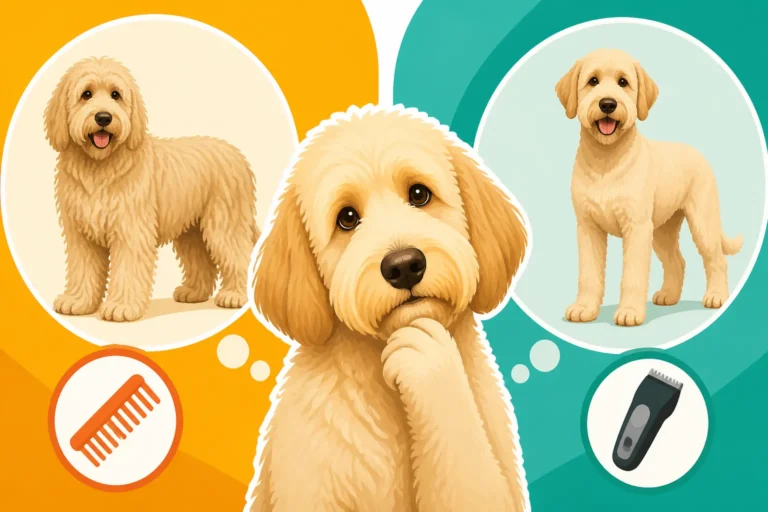
Many owners find it helpful to introduce professional grooming sessions more frequently during this time, perhaps every 4-6 weeks, even if it's just for a thorough bath, blow-dry, and brush-out. A professional groomer has the expertise and powerful dryers to get through the coat without causing undue stress or discomfort to your puppy. This also helps your Labradoodle become accustomed to the grooming process, which is a lifelong necessity for most doodle coats. Without this diligent care, severe matting can quickly lead to painful skin infections and even necessitate a full shave-down. It's truly a critical period for establishing good grooming habits for life. You can learn more about managing this tricky phase in Getting a Labradoodle Through Its Coat Change.
Subtle Changes in the Adult Coat Over Time
Once your Labradoodle's adult coat has fully established itself, usually by around 18-24 months, the drastic "coat blow" changes largely subside. However, that doesn't mean the coat stops evolving entirely. Throughout their prime adult years, a Labradoodle's coat can still undergo subtle shifts in texture, density, and even color, influenced by a variety of factors beyond just their genetics.
Environmental and Lifestyle Factors
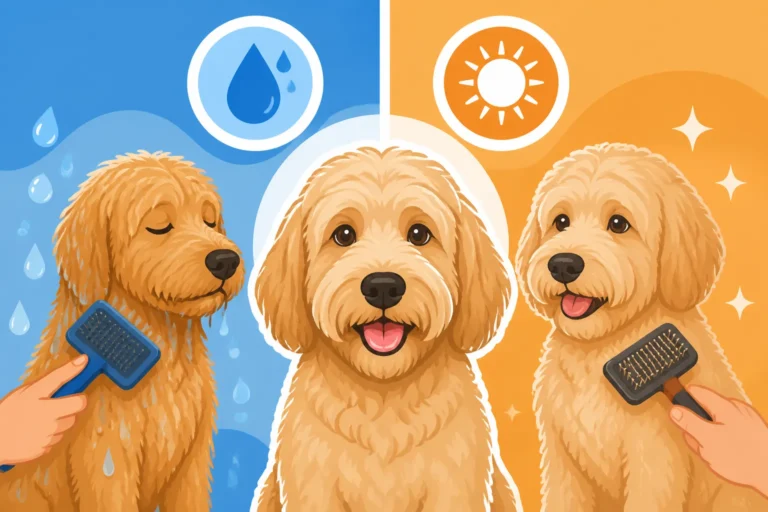
The environment your Labradoodle lives in, as well as their daily habits and diet, can absolutely play a role in how their coat looks and feels. Dogs that spend a lot of time swimming, for example, might develop a slightly coarser coat texture over time, or experience more frequent matting if not dried thoroughly. Exposure to different climates can also affect coat density; a dog living in a perpetually cold climate might develop a thicker undercoat than one residing in a warmer region, even if they are the same genetic type.
Diet is another significant contributor. A high-quality diet rich in essential fatty acids (like Omega-3 and Omega-6) is crucial for skin and coat health. If your dog isn't getting adequate nutrition, you might notice their coat becoming dull, dry, brittle, or even thinning. Conversely, a well-balanced diet can maintain a soft, lustrous coat. Many owners consider premium dog food brands, which often include supplements for skin and coat health, found at retailers like Chewy or specialty pet stores. Similarly, fresh dog food services like Ollie often emphasize ingredients that support overall health, including a shiny coat. Even supplements available on Amazon, specifically formulated for canine skin and coat, can make a noticeable difference in texture and sheen.
Hormonal Influences and Spay/Neuter
Hormones play a surprisingly large role in coat health and texture. The decision to spay or neuter your Labradoodle can sometimes lead to changes in their coat, a phenomenon often referred to as "spay coat" or "neuter coat." This isn't universal, and it varies greatly by individual dog and breed, but it's a documented possibility, particularly in Poodle-derived breeds like the Labradoodle.
After spaying or neutering, some dogs' coats can become noticeably softer, fluffier, or more cotton-like. While this might sound pleasant, it can actually make the coat much more prone to matting because the softer hair lacks the structural integrity of the original adult coat. This can necessitate an adjustment in your grooming routine, perhaps requiring more frequent brushing or professional trims to keep it manageable. It's a trade-off that many owners face, balancing the health benefits of spaying or neutering with potential changes in coat texture and the increased grooming demands that might follow. Understanding these potential changes can help you prepare for them, especially if you're thinking about Whether Neutering Timing Changes a Labradoodle's Lifespan.
| Age/Stage | Typical Coat Characteristics | Potential Texture Changes | Grooming Impact |
|---|---|---|---|
| Puppy (0-9 months) | Soft, fine, fluffy, often straighter | Gradually introduces waves/curls as adult coat emerges | Relatively easy, establishing positive associations with brushing |
| Coat Change (9-18 months) | Mix of puppy and emerging adult hair; very prone to matting | Becomes denser, wavier/curlier, can feel coarse or sticky | Daily, thorough line brushing is crucial; frequent professional help often needed |
| Adult (1.5-7 years) | Established fleece or wool coat, denser, often wavy/curly | Can be influenced by diet, environment, hormonal changes (e.g., spay/neuter coat) | Regular brushing 2-3 times a week; professional grooming every 6-8 weeks |
| Senior (8+ years) | May thin, soften, become duller, graying may occur | Can become drier, more brittle, or even more cotton-like in some areas | Gentle brushing, increased focus on skin hydration, potentially more frequent smaller trims |
The Senior Labradoodle Coat
As your beloved Labradoodle enters its golden years, typically starting around age eight or ten, you'll likely notice another set of changes in their coat. These changes are a natural part of the aging process, much like graying hair and wrinkles in humans, and they often reflect shifts happening throughout their body.
Graying and Thinning
One of the most obvious signs of aging in many Labradoodles is the appearance of gray hairs, particularly around the muzzle, eyes, and sometimes across the body. This is a purely cosmetic change and doesn't affect the coat's texture or health, though it's often a poignant visual marker of time passing. More significantly for grooming, older Labradoodles can experience a general thinning of their coat. The hair might become less dense, feel softer, or even appear sparse in certain areas. This thinning can be uniform or patchy, and it's something to monitor, especially if it seems excessive or sudden.
Along with thinning, the texture itself can shift. What was once a vibrant, springy wool or fleece coat might become a bit drier, more brittle, or even more cotton-like and prone to tangling, even if it's thinning. The natural oils in their skin might decrease with age, leading to a less lustrous appearance and potentially drier skin underneath. This change in texture means that what worked for their coat in their prime might not be quite as effective now. For more on what to expect, read What Changes in an Old Labradoodle's Coat.
Increased Maintenance Needs for Senior Coats
Despite potential thinning, senior Labradoodles might actually require more attentive, albeit gentler, grooming. The drier, sometimes more fragile coat can still mat, and older dogs might be less tolerant of long, vigorous brushing sessions. Their skin can also become more delicate and prone to irritation, so a soft touch is essential. Regular, shorter grooming sessions can be more comfortable for an aging dog, helping to prevent mats before they become problematic.
You might need to adjust your grooming products, opting for hydrating shampoos and conditioners specifically designed for sensitive or aging skin. Gentle brushing with a soft slicker or natural bristle brush can help stimulate blood flow and distribute natural oils, improving circulation and coat health. Furthermore, trimming the hair around their paws, ears, and sanitary areas becomes even more important to maintain hygiene and comfort, as senior dogs may not be as nimble or fastidious in their self-grooming. It’s all about adapting your care routine to meet the evolving needs of your cherished companion.
When a Coat Change Might Signal a Problem
While many coat changes are a normal part of a Labradoodle's life, there are times when a sudden or severe shift in coat texture, density, or overall health can be a red flag. As an owner, it's important to recognize these signs and know when to seek professional veterinary advice, rather than just attributing everything to "aging" or "genetics."
Health Conditions Affecting Coat Quality
Several underlying health conditions can manifest through noticeable changes in a Labradoodle's coat. For instance, hypothyroidism, a common endocrine disorder in dogs, can cause a dry, brittle, thinning coat, often accompanied by patches of hair loss, particularly on the flanks and tail. The skin might also become flaky or thickened. Another condition, Sebaceous Adenitis (SA), which some Poodle-derived breeds are predisposed to, directly affects the sebaceous glands, leading to dry, scaly skin, hair loss in patches, and a dull, brittle coat texture. This can be quite distressing to witness, as the coat might look sparse and unhealthy. You can find more information about these specific issues in Thyroid Failure Behind a Labradoodle's Coat Loss and Sebaceous Adenitis in a Labradoodle's Skin.
Beyond these, various allergies – whether environmental, food-related, or flea-related – can also wreak havoc on a Labradoodle's coat. Persistent itching, redness, hot spots, and secondary skin infections can all lead to a poor coat condition, often making the fur appear greasy, matted from scratching, or thin in irritated areas. A change in coat texture, coupled with obsessive licking or scratching, should always prompt further investigation. Sometimes, even nutritional deficiencies, if severe, can impact coat quality, causing it to become dull and lifeless. Addressing the root cause is crucial for restoring coat health. More on allergies can be found in Allergies Behind a Labradoodle's Itching.
Seeking Veterinary Advice
If you notice any significant or sudden changes in your Labradoodle's coat that aren't explained by the typical puppy coat change, or if they are accompanied by other symptoms, it’s always best to consult your veterinarian. Don't try to self-diagnose or wait it out, especially if you observe:
- Excessive hair loss or bald patches that are not associated with normal shedding.
- A dull, dry, or brittle coat that doesn't improve with proper grooming and diet.
- Persistent itching, redness, or skin irritation.
- Changes in skin texture, such as oiliness, scaling, or thickening.
- An unusual odor emanating from the coat or skin.
- Any other behavioral changes like lethargy, increased thirst, or changes in appetite that coincide with coat issues.
Your vet can perform diagnostic tests, such as skin scrapings, blood work, or biopsies, to pinpoint the underlying cause of the coat changes. Early diagnosis and intervention are key to successfully managing these conditions and restoring your Labradoodle's comfort and coat health. They can guide you through treatment options, which might range from dietary adjustments and medication to specialized shampoos or supplements. Being proactive about these issues is a testament to your commitment to your Labradoodle's well-being.
Disclaimer
This article is for general informational purposes only and does not constitute professional advice. Laws, prices and regulations vary by location and change over time. Consult a qualified professional for guidance on your specific situation.