Keeping a Labradoodle’s Weight in Range
It’s a common scenario: you look at your beloved Labradoodle, that enthusiastic, tail-wagging bundle of joy, and suddenly notice they've packed on a few extra pounds. Those adorable puppy eyes begging for just one more treat, combined with their generally robust appetite, can easily lead to weight creeping up, which can unfortunately pave the way for a host of health problems. This guide is here to walk you through everything you need to know about keeping your Labradoodle at a healthy weight, from understanding their ideal body shape to managing their diet and exercise routine effectively, ensuring they live a long, happy, and active life.
Understanding Your Labradoodle's Ideal Weight
One of the biggest challenges for Labradoodle owners is knowing what a healthy weight looks and feels like. These dogs come in a range of sizes, and what's perfect for a miniature might be drastically different for a standard, making a single number on a scale unhelpful. It's not just about a numerical target; it's about their overall body condition.
Breed Standards vs. Individual Needs
Labradoodles can be miniature, medium, or standard, with adult weights varying significantly, often from under 30 pounds to over 65 pounds. A miniature Labradoodle might be perfectly healthy at 25 pounds, while a standard might be underweight at 50 pounds. This wide spectrum means you can't just pick a number and stick to it; you have to consider your individual dog's build, bone structure, and even their generation (F1, F1b, multigen). Some Labradoodles inherit more of the leaner Poodle physique, while others lean towards the more robust Labrador build. Always consult with your veterinarian to establish a healthy weight range specific to your Labradoodle. They can help you determine The Weight a Labradoodle Should Hold based on their unique characteristics.
It’s easy to fall into the trap of thinking a slightly chunky dog is a healthy, well-fed dog, especially when they have such dense, fluffy coats that can hide a lot. Many owners are surprised when their vet points out their Labradoodle is overweight because the coat can be incredibly deceptive. You might not see the ribs, but can you feel them easily? That's the real test.
How to Assess Body Condition
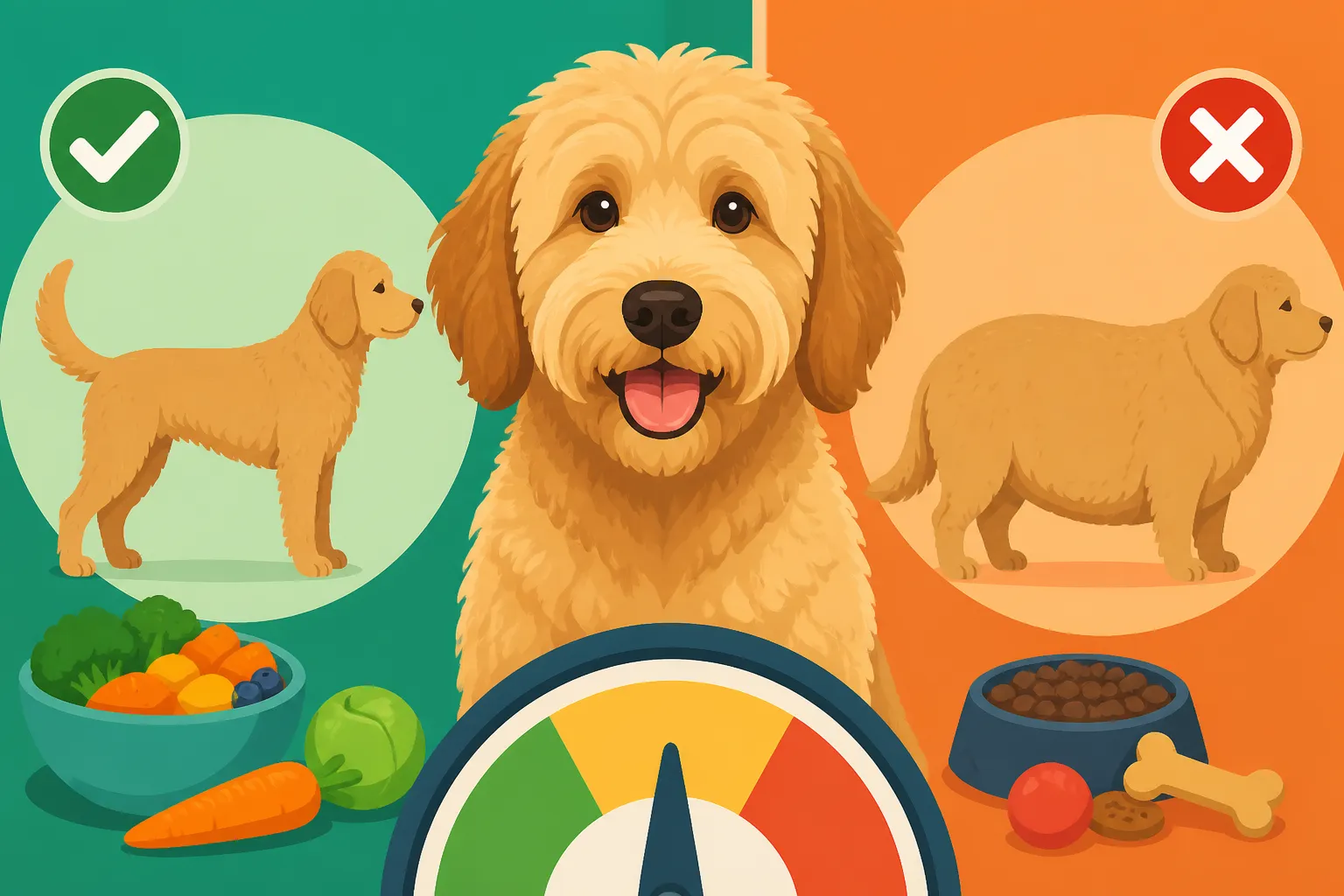
The best tool for monitoring your Labradoodle's weight at home is a body condition score (BCS). This isn't about numbers on a scale as much as it is about using your eyes and hands to evaluate your dog's fat reserves. A BCS system typically uses a 1-5 or 1-9 scale, with the middle score representing ideal condition.
Here’s a simplified breakdown of what you should be looking and feeling for:
- Ribs: You should be able to easily feel your Labradoodle's ribs without pressing hard, much like feeling the knuckles on your hand when your palm is open and flat. They shouldn't be visibly prominent (too thin) nor should they be hard to find under a layer of fat (overweight).
- Waist: When looking down at your Labradoodle from above, you should see a distinct waistline, an inward tuck just behind their ribs. If they look like a solid cylinder, or if their sides bulge outwards, they are likely carrying too much weight.
- Abdominal Tuck: From the side, your Labradoodle's abdomen should tuck up slightly from their chest to their hind legs, rather than hanging low or being level with their chest. This "tuck" indicates good muscle tone and appropriate fat levels.
Regularly performing this simple check can help you catch weight creep early. It's a quick, non-invasive way to stay on top of your dog's health between vet visits. Many people don't realize The Weight a Labradoodle Puts On Without Anyone Noticing until it's become a significant problem, and using a BCS is an excellent preventative measure.
| Body Condition Score | Appearance (Visual) | Palpation (Feel) | Implication |
|---|---|---|---|
| Too Thin | Ribs, spine, pelvic bones easily visible, severe waist tuck | Ribs, spine, pelvic bones very prominent, no fat cover | Underweight |
| Ideal | Ribs easily felt, visible waist, abdominal tuck | Ribs easily felt without excess fat, smooth transition | Healthy Weight |
| Overweight | Ribs difficult to feel, no visible waist, abdomen rounded | Ribs felt with moderate pressure, significant fat cover | Overweight |
| Obese | Ribs not felt, no waist, distended abdomen | Heavy fat cover, large fat deposits over spine/tail base | Obese |
The Role of Nutrition in Weight Management
Nutrition is often the first place we look when managing weight, and rightly so. What and how much your Labradoodle eats directly impacts their body condition. It’s not just about cutting calories, but about providing balanced nutrition that supports their active lifestyle without overdoing it.
Choosing the Right Food
Selecting the right food for your Labradoodle involves considering their age, activity level, and any specific health concerns. A high-quality dog food will list a named meat source (like chicken or lamb) as the first ingredient, followed by digestible carbohydrates and healthy fats. Avoid foods with excessive fillers or artificial ingredients that offer little nutritional value.
For Labradoodles prone to weight gain, your vet might recommend a "weight management" or "light" formula. These foods typically have reduced fat and calorie content but maintain adequate protein to help them feel full and preserve muscle mass. However, remember that "light" food doesn't mean you can feed more; portion control is still paramount. Some owners find success with fresh food diets, like those offered by Ollie, which can be precisely portioned and are often less calorie-dense by volume than some kibbles, while still providing excellent nutrition. Always introduce new foods gradually to avoid upsetting your Labradoodle's stomach.
Portion Control Strategies
This is where many owners struggle, especially with a dog that always seems to be hungry. Whether a Labradoodle Is Always Hungry is a real concern for many, as they often inherit the Labrador's enthusiasm for food. The feeding guidelines on dog food bags are just a starting point; they are often generalized and might not account for your dog's individual metabolism, activity level, or if they are spayed or neutered. It’s crucial to use a measuring cup and stick to precise portions.
- Measure everything: Don't eyeball it. Use an actual measuring cup for every meal.
- Divide daily intake: Instead of one large meal, split your Labradoodle's daily food allowance into two or three smaller meals. This can help manage hunger and metabolism throughout the day.
- Consider slow feeders: If your Labradoodle devours their food too quickly, a slow feeder bowl can help them eat at a more measured pace, potentially aiding digestion and making them feel fuller. Whether a Labradoodle Eats Too Fast is a common issue that can contribute to overeating.
- Account for treats: Every treat, chew, and lick adds calories. Factor these into your Labradoodle's daily calorie intake. If you're using treats for training, choose low-calorie options or use small pieces of their regular kibble.
Remember to adjust portions as your dog ages or their activity level changes. A good rule of thumb is to reassess every few months, especially if you notice changes in their body condition. Knowing How Much an Adult Labradoodle Eats Daily is key to preventing weight gain.
The Dangers of Table Scraps and Excessive Treats
While it's tempting to share your food or give in to those pleading eyes, table scraps and excessive treats are major culprits in Labradoodle weight gain. Human food, even in small amounts, can be surprisingly high in calories, fat, and ingredients that aren't good for dogs. A small piece of cheese for you is like a whole extra meal for your dog.
It’s not just about the calories; many human foods can cause digestive upset or even be toxic. Foods like grapes, chocolate, onions, and xylitol (a sugar substitute found in many sugar-free products) are highly dangerous. Even seemingly harmless items like fatty meats can lead to pancreatitis.
Instead of calorie-laden treats, opt for healthier alternatives like small pieces of plain cooked chicken, carrots, green beans, or blueberries. These are low in calories and packed with nutrients. You can find a wide variety of healthy dog treats on platforms like Amazon or Chewy, but always read the labels carefully for calorie content and ingredients. Think of treats as tools for training and enrichment, not as supplemental meals.
Exercise: A Non-Negotiable for Labradoodle Health
Labradoodles are active, intelligent dogs that thrive on regular physical and mental stimulation. Their lineage from both the Labrador Retriever and the Poodle means they have a strong drive for activity, and without enough exercise, they can become bored, destructive, and, yes, overweight.
Daily Exercise Requirements
A Labradoodle, regardless of size, needs consistent daily exercise. For most adult Labradoodles, this means at least 60-90 minutes of vigorous activity spread throughout the day. This isn't just a leisurely stroll around the block; it needs to be exercise that gets their heart rate up and allows them to expend energy.
Think about activities like:
- Brisk walks or jogs: Not just sniffing every bush, but purposeful movement.
- Fetch or frisbee: Labradors were bred for retrieving, and many Labradoodles inherit this love for chasing and bringing back toys.
- Swimming: A fantastic low-impact exercise that's great for their joints and often a favorite activity for water-loving Labradoodles. Introducing a Labradoodle to Water safely can open up a world of fun.
- Dog park visits: Supervised play with other dogs can burn a lot of energy, both physical and mental.
The key is consistency. A huge walk one day and nothing for two days isn't as effective as a moderate amount of activity every single day. The Exercise a Labradoodle Needs Before It Behaves is often much more than new owners realize!
Tailoring Exercise to Age and Health
While consistent exercise is vital, it needs to be appropriate for your Labradoodle's life stage and physical condition.
- Puppies: Young Labradoodles need exercise, but it should be structured to protect their developing joints. Long, strenuous jogs on hard surfaces should be avoided until they are fully grown (typically 12-18 months). Multiple short play sessions throughout the day are better than one long, intense period. Over-exercising a puppy can lead to joint problems later in life, such as Elbow Dysplasia in a Labradoodle Puppy.
- Senior Dogs: As Labradoodles age, their energy levels naturally decrease, and they may develop conditions like arthritis or joint stiffness. This doesn't mean stopping exercise, but rather adapting it. Shorter, more frequent walks, gentle swimming, or even canine massage and physical therapy can help keep them mobile and comfortable. Exercise for a Stiff Old Labradoodle is crucial for their well-being, but it must be low-impact and mindful of their limitations.
- Dogs with Health Issues: If your Labradoodle has any underlying health conditions, such as heart issues, breathing problems, or even conditions like Exercise Induced Collapse and the Labradoodle's Labrador Half, your vet is your best resource for creating a safe exercise plan.
Always watch your Labradoodle for signs of fatigue, overheating, or discomfort during exercise. If they lag behind, pant excessively, or seem unwilling to continue, it’s time for a break.
Incorporating Play and Mental Stimulation
Exercise isn't solely physical; mental stimulation is equally important for a Labradoodle's overall well-being and can contribute to a healthy weight by reducing boredom-induced behaviors. A bored Labradoodle might seek comfort in food or become destructive.
Puzzle toys, interactive games, and training sessions are excellent ways to engage their intelligent minds. Hiding treats (healthy ones, of course!) around the house for them to sniff out, known as "nose work," can be incredibly satisfying and uses a lot of mental energy. Regular training sessions, even just practicing basic commands, provide structure and mental engagement. Teaching new tricks, enrolling in an obedience class, or even trying a dog sport like agility or canine freestyle can offer both physical and mental benefits. These activities not only burn calories but also build a stronger bond between you and your Labradoodle, making them happier and less likely to turn to food out of sheer boredom.
Recognizing and Addressing Weight Gain Early
Spotting those extra pounds before they become a serious issue is vital. Labradoodles, with their famously fluffy coats, can be masters of disguise when it comes to weight gain, making it easy for owners to miss the subtle signs.
Subtle Signs of Weight Creep
It's rare for a dog to suddenly gain a lot of weight overnight. More often, it's a gradual creep, a few ounces here, a pound there, that adds up over months. Because you see your Labradoodle every day, it can be hard to notice these incremental changes.
Here are some subtle signs to watch out for:
- Changes in energy level: Are they less enthusiastic about walks? Do they tire more easily? A decrease in stamina could indicate extra weight making movement harder.
- Difficulty with movement: Do they struggle to jump onto the sofa, get into the car, or climb stairs?
- Panting more frequently: Even without intense exercise, an overweight dog might pant more as their body works harder to cool itself and move the extra bulk.
- Increased begging: While Labradoodles are often food-motivated, a sudden increase in begging or raiding trash cans (referencing Pancreatitis After a Labradoodle Raids the Trash) could signal a nutritional imbalance or growing hunger from overfeeding the wrong things.
- Changes in sleeping habits: Overweight dogs might sleep more or have difficulty getting comfortable.
- Visual cues from brushing: When you're brushing your Labradoodle, pay attention to how easily you can feel their ribs, spine, and hip bones. If they're becoming harder to feel, it's a red flag. The Weight a Labradoodle Puts On Without Anyone Noticing is often discovered during these routine grooming sessions.
Regularly weighing your Labradoodle at home, if you have a suitable scale, can also provide an objective measure that’s harder to ignore than subtle visual changes.
The Veterinary Consultation
If you suspect your Labradoodle is gaining weight, or if they've crossed into the "overweight" category on the body condition score chart, the next step is a visit to your veterinarian. This isn't just about getting a number on a scale; it's about a comprehensive health check.
Your vet will:
- Perform a thorough physical exam: They'll assess your Labradoodle's body condition, palpate their ribs, spine, and abdomen, and check for any underlying issues.
- Discuss diet and exercise: Be honest about what and how much you're feeding, including treats, and their daily activity level. This information is critical for creating a tailored plan.
- Rule out medical causes: In some cases, weight gain can be a symptom of an underlying medical condition, such as hypothyroidism (Thyroid Failure in a Labradoodle) or Cushing's disease. Your vet may recommend blood tests to rule these out, though this is less common than simple overfeeding.
- Develop a weight loss plan: This will include specific recommendations for food type, precise portion sizes, and an appropriate exercise regimen. They might suggest a prescription weight-loss diet that is formulated to help dogs lose weight safely and effectively.
Routine check-ups, like The Yearly Screening a Labradoodle Should Get, are incredibly important for catching these issues early and preventing them from escalating. Your vet is your best partner in ensuring your Labradoodle maintains optimal health.
Health Implications of Obesity
Carrying extra weight is not benign; it significantly impacts your Labradoodle's quality of life and can shorten their lifespan. The phrase "fat and happy" simply doesn't apply when it comes to canine health.
Obesity in Labradoodles can lead to a cascade of serious health problems:
- Joint problems: Extra weight puts immense strain on joints, exacerbating conditions like hip and elbow dysplasia and increasing the risk of Torn Cruciates in an Active Labradoodle. Arthritis can develop earlier and be more severe.
- Diabetes: Just like in humans, obesity is a major risk factor for developing canine diabetes.
- Heart and respiratory disease: Carrying excess weight makes the heart work harder and can impair lung function, leading to reduced stamina and a higher risk of heart disease.
- Increased surgical and anesthetic risk: Overweight dogs face higher risks during any surgical procedure, including routine spaying or neutering.
- Reduced heat tolerance: The extra fat acts as insulation, making it harder for overweight dogs to cool down, increasing their risk of heatstroke, especially in Labradoodles with dense coats.
- Certain cancers: There's a link between obesity and an increased risk of certain types of cancer.
- Decreased quality of life: Overweight dogs are less able to enjoy activities they once loved, leading to a sedentary lifestyle that further contributes to weight gain and mental dullness.
By keeping your Labradoodle at a healthy weight, you're not just ensuring they look good; you're actively preventing these debilitating conditions and helping them live a longer, more comfortable life. Signs a Labradoodle Is Carrying Too Much Weight are warnings that should not be ignored.
Special Considerations for Different Life Stages
A Labradoodle's nutritional and exercise needs aren't static; they change significantly throughout their life. What's appropriate for a bustling puppy won't be right for a laid-back senior, and ignoring these shifts can lead to weight problems.
Puppy Growth and Development
Labradoodle puppies grow at an astonishing rate, particularly standard and medium sizes. Their diet during this critical period is fundamental for healthy bone and joint development. Overfeeding a puppy, especially a large breed one, can cause them to grow too quickly, putting undue stress on their developing joints and predisposing them to orthopedic issues.
- Large breed puppy food: For standard and medium Labradoodles, it's crucial to feed a diet specifically formulated for large breed puppies. These foods are designed with carefully controlled calcium and phosphorus levels to support slow, steady bone growth.
- Structured feeding: Free-feeding is generally discouraged for puppies. Stick to scheduled meals, typically three times a day, to monitor their intake and prevent overeating. How Many Times a Day a Labradoodle Puppy Eats will slowly decrease as they grow.
- Monitor growth: While you want them to grow, you don't want them to be chunky. Maintain a lean body condition even as a puppy, where you can easily feel their ribs. Your vet can advise you on appropriate growth rates for their size.
The goal is healthy growth, not maximum growth. Around 9-12 months, your vet will likely advise you on When a Labradoodle Switches to Adult Food as their intense growth period begins to slow.
Senior Dog Challenges
As Labradoodles enter their senior years, typically around 7-8 years old (though this can vary by size, with miniatures often aging slower), their metabolism slows down, and their activity levels naturally decrease. This combination makes them highly susceptible to weight gain, even if their food intake hasn't changed. The Birthday a Labradoodle Counts as Senior is a good time to reassess their needs.
- Calorie reduction: Senior dogs generally need fewer calories than their younger, more active counterparts. Switching to a senior-specific dog food, which is often lower in calories and fat but higher in beneficial nutrients for aging joints, can be helpful.
- Adjusted exercise: As mentioned earlier, exercise remains vital, but it needs to be adapted. Shorter, more frequent, and lower-impact activities are usually best. Keeping them moving helps maintain muscle mass and joint flexibility.
- Regular vet checks: Senior Labradoodles benefit from more frequent veterinary check-ups (e.g., every six months) to monitor for age-related health issues, including weight changes, arthritis, and other metabolic concerns. Feeding an Old Labradoodle That Has Slowed Down requires careful consideration and veterinary guidance.
It's a delicate balance: you want to keep them comfortable and active without putting extra strain on their aging bodies.
Managing Weight in Spayed/Neutered Dogs
Spaying or neutering your Labradoodle is a common procedure with many health and behavioral benefits. However, it also has a significant impact on their metabolism. After sterilization, a dog's metabolic rate typically slows down, and they require fewer calories to maintain their weight. If their food intake isn't adjusted, weight gain is almost inevitable.
- Calorie adjustment: Immediately after the procedure, discuss with your vet how to adjust your Labradoodle's food intake. Often, a 20-30% reduction in calories is recommended, or a switch to a "weight control" formula designed for altered pets.
- Increased hunger: Paradoxically, some spayed or neutered dogs might seem hungrier, making portion control even more challenging. This is where high-fiber foods, healthy low-calorie snacks, and puzzle toys can be beneficial to make them feel fuller.
- Continued exercise: Don't let their potentially reduced energy after surgery lead to a permanent decrease in activity. Once they've recovered, maintaining a consistent exercise routine is crucial.
Understanding these changes is key to preventing post-alteration weight gain. It's not about the procedure itself causing the weight gain, but the owner's failure to adjust the diet accordingly. Discussion about Whether Neutering Timing Changes a Labradoodle's Lifespan often includes considering these metabolic changes.
Disclaimer
This article is for general informational purposes only and does not constitute professional advice. Laws, prices and regulations vary by location and change over time. Consult a qualified professional for guidance on your specific situation.