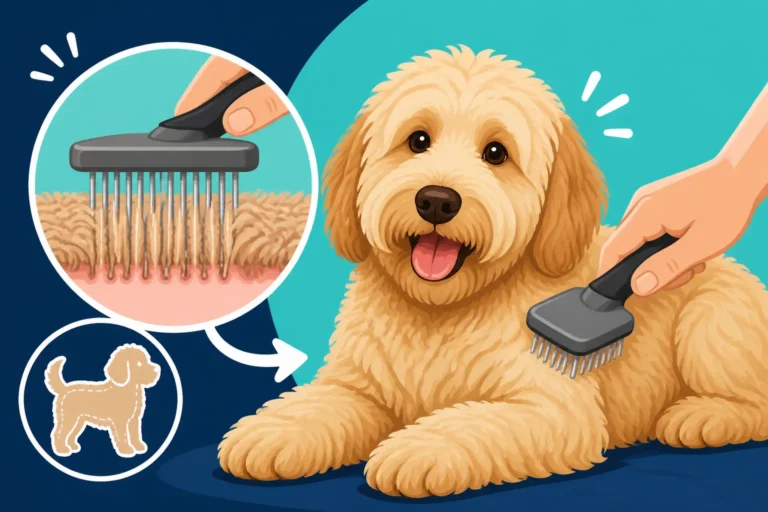
How Many Times a Day a Labradoodle Puppy Eats
Bringing a new Labradoodle puppy home is incredibly exciting, but it also comes with a lot of questions – and feeding is often at the top of the list! Many new owners find themselves pacing, wondering if they're feeding too much, too little, or at the wrong times, especially with a breed known for its love of food. This guide is here to walk you through how often your Labradoodle puppy should eat each day, helping you establish a healthy and predictable routine that supports their rapid growth and boundless energy.
The First Weeks Home: Establishing a Routine
That adorable little fluffball you just brought home has a lot of growing to do, and their tiny stomachs and developing digestive systems need a little extra care and consistency. Don't worry, it's not as complicated as it might seem!
From Breeder to Your Home: Consistency is Key
When your Labradoodle puppy first arrives in your home, one of the kindest things you can do for them is to stick as closely as possible to the feeding schedule their breeder had in place. This isn't just about keeping things easy; it's genuinely about minimizing stress and preventing an upset stomach. Imagine being uprooted from everything you've ever known – your family, your environment, your routine – and then suddenly your meal times and even your food change. It's a lot for a little pup to handle. Breeders typically feed puppies on a consistent schedule, and maintaining that rhythm, at least for the first week or two, provides a much-needed sense of security.
If you plan to switch foods, do so gradually over several days, mixing increasing amounts of the new food with decreasing amounts of the old. This slow transition allows their delicate digestive system to adjust, helping to prevent unwelcome episodes of diarrhea or vomiting, which are the last thing you want when you're trying to bond with your new family member. Remember, puppies thrive on predictability, so a steady feeding routine is just as important as the quality of the food itself. This initial consistency sets the stage for a smooth transition into your home and helps build trust. You can also review How Many Times a Day a Labradoodle Puppy Eats for more insights on what to expect.
The Three to Four Meal Sweet Spot for Young Puppies
For most young Labradoodle puppies, especially those between 8 and 12 weeks old, three to four meals a day is the ideal feeding frequency. Their energy levels are off the charts, and they're growing at an astonishing rate, which means they're burning through calories quickly. A small puppy’s stomach simply isn’t big enough to hold all the nutrition they need in just one or two large meals. Spreading their daily food intake across multiple smaller meals ensures a steady supply of energy, helps keep their blood sugar stable, and aids in better digestion.
Think about it like this: a tiny human baby eats frequently throughout the day because their small bodies need constant fuel. A Labradoodle puppy is much the same. These frequent meals prevent them from feeling ravenously hungry, which can lead to gulping food too fast (and then regurgitating it) or feeling overly bloated and uncomfortable. It also means you'll have more opportunities throughout the day for positive reinforcement during meal times, which can be a great way to start simple training and build a strong bond. Each feeding is a chance to practice sitting politely before the bowl is put down, establishing good manners from the start.
Growing Pains and Changing Appetites: Adjusting the Schedule
As your Labradoodle puppy transitions from a tiny bundle of fluff to a lanky, energetic adolescent, their needs are going to change. Their digestive system matures, their growth rate might begin to stabilize slightly, and they'll be able to handle more food at each sitting. Adjusting their feeding schedule is a natural part of their development.
Transitioning to Fewer Meals as Your Labradoodle Matures
Around four to six months of age, many Labradoodle puppies are ready to start transitioning from three or four meals a day down to two or three. This isn't a hard and fast rule; every puppy is an individual, and some might need that third meal for a little longer, especially if they are particularly active or a larger standard-sized Labradoodle. The key indicator is often their ability to handle more food in one sitting without tummy upset or feeling overly full. Their growth rate, while still significant, starts to even out compared to the rapid spurts of early puppyhood.
You might notice your puppy skipping a meal occasionally if offered three, or simply not eating with the same gusto. This can be a sign they're ready for fewer, larger meals. Reducing meal frequency also gives their digestive system longer breaks between eating, which can be beneficial. It's also a practical change for you, the owner, as managing two meals a day is often easier to fit into a busy schedule than three or four. When you do make this switch, remember to maintain the same total daily caloric intake; you're just dividing it differently. Make sure to choose a high-quality puppy food that supports their development. Chewy offers a wide selection of puppy formulas suitable for growing Labradoodles, allowing you to easily find options based on ingredients or specific dietary needs. For more details on what their diet should look like, read How Much a Growing Labradoodle Should Eat.
Watching for Cues: Is Your Puppy Still Hungry?
Knowing if your current feeding schedule is hitting the mark requires a bit of detective work and paying close attention to your Labradoodle. They can be masters of persuasion when it comes to food, but distinguishing genuine hunger from an enthusiastic plea for extra snacks is crucial. Signs of genuine hunger include an empty bowl being stared at intently, persistent nudging of your hand or leg, or going to their feeding spot and waiting. If they're regularly inhaling their food and looking for more, and also seem a bit too lean, it might be that they need slightly more food or that their meals are spaced too far apart.
On the flip side, if your puppy frequently leaves food in their bowl, seems lethargic, or has a consistently distended belly, these could be signs you're feeding too much or too often. Weight gain is another obvious indicator. It's incredibly important to monitor your Labradoodle's body condition. You should be able to feel their ribs easily without seeing them, and they should have a discernible waist when viewed from above. Regularly checking The Weight a Labradoodle Should Hold can help you gauge if they're on track. Don't hesitate to consult your veterinarian if you're unsure, as they can help assess your puppy's ideal weight and adjust feeding amounts accordingly.
The Adult Labradoodle: Two Meals a Day and Beyond
Once your Labradoodle leaves puppyhood behind, their nutritional needs and feeding schedule will shift again. This is a significant milestone, marking their transition from rapid development to maintaining a healthy adult body.
When Your Labradoodle Becomes an Adult Eater
Most Labradoodles are considered adults and can transition to an adult feeding schedule somewhere between 12 to 18 months of age, though larger standard Labradoodles might take a bit longer to reach full maturity. This isn't just about size; it's about bone development, muscle growth, and their digestive system being fully mature. At this point, their bodies no longer require the intense caloric and nutritional support geared towards rapid growth. Instead, the focus shifts to maintenance, ensuring they have enough energy for their daily activities without gaining excessive weight.
Transitioning to adult food and a two-meals-a-day schedule is common. This usually means a morning meal and an evening meal, spaced roughly 8-12 hours apart. This routine is not only convenient for most owners but also provides consistent energy throughout the day and helps maintain a healthy metabolism. It's a good time to reconsider their diet altogether. Many owners explore options like Ollie, which provides fresh, human-grade dog food tailored to your dog's specific needs, or explore the wide variety of premium adult kibbles available on Chewy or Amazon. Whatever you choose, ensure the formula is appropriate for adult dogs and any specific health considerations your Labradoodle might have.
The Practicalities of Adult Feeding Schedules
Adopting a consistent two-meals-a-day schedule for your adult Labradoodle offers numerous practical benefits for both you and your dog. From an owner's perspective, it's far easier to integrate two set feeding times into a busy workday, ensuring your dog gets fed reliably without constant worry. This predictability also greatly aids in house training and managing their bathroom schedule, as you can generally anticipate when they'll need to go out after eating. For the Labradoodle, a consistent schedule helps regulate their digestive system, preventing periods of extreme hunger or over-fullness, and contributes to overall gut health.
For active Labradoodles, a morning and evening meal provides the necessary fuel for their playful romps, walks, and any training sessions they might have. If your Labradoodle is less active, perhaps due to age or a more relaxed lifestyle, careful portion control becomes even more critical to prevent weight gain. Remember, even with an adult dog, the quality of their diet matters. High-quality ingredients support coat health, energy levels, and overall vitality. If you notice changes in their appetite or energy, or if you're concerned about their weight, always consult your veterinarian. They can help you fine-tune portion sizes and recommend specific diets. For a deeper dive into their daily dietary requirements, refer to How Much an Adult Labradoodle Eats Daily.
Common Pitfalls and Troubleshooting Feeding Schedules
Even with the best intentions, managing a Labradoodle's feeding can come with its own unique set of challenges. Their intelligent and sometimes mischievous nature, combined with their strong food drive, means you might encounter a few common hurdles.
The "Always Hungry" Labradoodle Syndrome
If you're a Labradoodle owner, you're likely familiar with "the stare" – those intense, unwavering eyes following your every move in the kitchen, convinced you're holding out on them. Labradoodles, with their Labrador heritage, can often act like they're perpetually starving, even right after a meal. This can make it incredibly tempting to overfeed or cave into their persistent begging. However, it's crucial to differentiate between genuine hunger (which should be addressed by your primary meal schedule) and learned begging behavior.
Overfeeding can lead to significant health issues like obesity, which puts undue stress on their joints and can shorten their lifespan. Instead of extra food, try redirecting their attention with a puzzle toy or a short play session. Ensure their main meals are appropriately portioned for their age, size, and activity level. If you're confident they're getting enough calories, then those pleading eyes are simply a sign of how much they love food, not necessarily how much they need it. Remember, consistency in not giving in to begging will eventually pay off. You can get more insights into this common trait by reading Whether a Labradoodle Is Always Hungry.
What to Do When Your Puppy Won't Eat
While "always hungry" is a common Labradoodle trait, the opposite – a sudden loss of appetite – is a red flag that no owner wants to see. If your Labradoodle puppy is refusing meals, it's a cause for concern and warrants close observation. Several factors can lead to a puppy not eating: stress from a new environment, a recent vaccination, digestive upset from a dietary change or eating something they shouldn't have, or more seriously, illness. Unlike adult dogs who might skip a meal without serious consequences, puppies have fewer reserves and can dehydrate or become weak more quickly.
First, rule out environmental factors: is their bowl clean? Is their eating area quiet and free from distractions? Have you changed their food recently? If they've been refusing food for more than 12-24 hours, or if their lack of appetite is accompanied by other symptoms like lethargy, vomiting, diarrhea, or unusual behavior, contact your veterinarian immediately. It’s always better to be safe than sorry when it comes to puppy health. Tracking their food intake and any associated symptoms will be very helpful information for your vet. Learning what a Labradoodle puppy should eat daily can also help ensure you're offering appropriate and appealing food choices.
Here's a quick reference table for general feeding frequencies:
| Age Range | Recommended Daily Meals | Key Considerations |
|---|---|---|
| 8 weeks to 4 months | 3-4 meals | Rapid growth, small stomach, stable blood sugar |
| 4 months to 12 months | 2-3 meals | Maturing digestive system, sustained growth |
| 12 months and older | 2 meals | Adult maintenance, energy for activity, weight control |
Ultimately, feeding your Labradoodle puppy is about finding a routine that works for their individual needs and your lifestyle. By observing them closely and making gradual adjustments, you'll ensure they grow into a healthy, happy adult dog.
Disclaimer
This article is for general informational purposes only and does not constitute professional advice. Laws, prices and regulations vary by location and change over time. Consult a qualified professional for guidance on your specific situation.