Whether Later Generations Shed Less Than an F1 Labradoodle
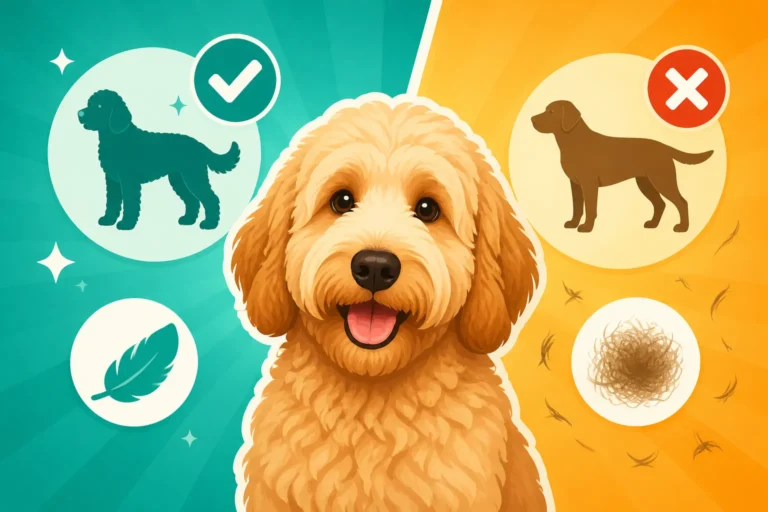
It’s a common and completely understandable hope when you’re considering a Labradoodle: the promise of a dog that doesn’t shed much, especially if allergies are a concern in your household. But the reality can be a bit more complex, and often, what you hear about shedding, especially between an F1 Labradoodle and later generations, leaves you with more questions than answers. This guide will meticulously break down the differences in coat types and shedding tendencies across Labradoodle generations, helping you understand what to truly expect and how to manage your expectations.
Understanding Labradoodle Generations and Their Coats
The world of Labradoodles can feel like navigating a complex family tree, especially when breeders start talking about "generations." Understanding these distinctions is crucial because they directly impact the coat type and, consequently, the likelihood of shedding. It's not just a fancy label; it's about the genetic makeup of your potential furry family member.
What Exactly is an F1 Labradoodle?
An F1 Labradoodle is the very first cross, a true 50/50 blend of a purebred Labrador Retriever and a purebred Standard Poodle. "F1" simply stands for "Filial 1," indicating it's the first generation offspring of two distinct parent breeds. This initial cross was originally done with the hope of combining the friendly, eager-to-please temperament of the Labrador with the intelligent, low-shedding coat of the Poodle.
However, the genetic lottery in an F1 generation can lead to a wide range of coat types, and thus, a wide range of shedding. Think of it like flipping a coin: each puppy in an F1 litter inherits a mix of genes from both parents. This means some F1 Labradoodles might lean heavily towards the Labrador side, exhibiting a flatter, coarser coat that sheds quite a bit. Others might inherit more Poodle-like traits, resulting in a wavier, lower-shedding coat. It's incredibly unpredictable, which can be a real challenge for families specifically seeking a non-shedding dog for allergy reasons. You could end up with a coat that behaves much like a Labrador's, despite the Poodle parentage. Whether an F1 Labradoodle's Coat Is a Gamble really highlights this unpredictability.
Delving into F1b and Multigenerational Labradoodles
This is where breeders start to fine-tune the coat. An F1b Labradoodle is a "backcross" – an F1 Labradoodle bred back to a purebred Poodle. The "b" stands for backcross. This usually results in a dog that is approximately 75% Poodle and 25% Labrador. The deliberate introduction of more Poodle genetics significantly increases the likelihood of a lower-shedding, more Poodle-like coat. You're stacking the genetic deck in favor of the desired non-shedding trait.
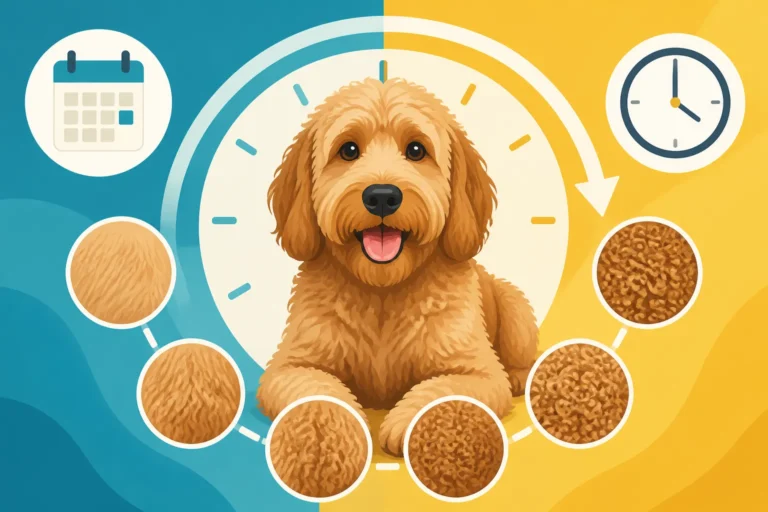
Beyond F1b, you enter the realm of multigenerational (Multigen) Labradoodles. These are puppies born from two Labradoodle parents (e.g., F1b x F1b, or F2 x F2, or even F1 x F1 but with very specific genetic testing). Breeders working with Multigens have often spent several generations carefully selecting for consistent coat types, temperaments, and health traits. The goal is to produce puppies that consistently exhibit the desired Labradoodle characteristics, including the low-to-no shedding coat, rather than the wide variability seen in F1s. The more generations removed from the initial F1 cross, the more predictable the coat type typically becomes, thanks to this selective breeding. The Fleece Coat and Why Breeders Aim For It is often the goal of these breeding programs.
The Furnishings Gene and Its Impact on Shedding
Here's the scientific secret behind why some Labradoodles shed and some don't, regardless of generation: the "furnishings" gene. This gene is responsible for the longer hair on a dog's face – the mustache, beard, and eyebrows – which is characteristic of Poodles and many other non-shedding breeds. It’s also intrinsically linked to the non-shedding trait on the rest of the body. Dogs with two copies of the dominant furnishings gene (F/F) or even one copy (F/IC, where IC stands for "improper coat" or non-furnishings) will typically have a low-shedding coat. Dogs with two copies of the recessive non-furnishings gene (IC/IC) will have an "improper coat" – a flatter, sparser facial hair and a coat that sheds much more, often similar to a Labrador's. The Furnishings Gene Behind a Labradoodle's Beard explains this in more detail.
Breeders committed to producing low-shedding Labradoodles will DNA test their parent dogs for the furnishings gene. An F1 Labradoodle has one Poodle parent (who will be F/F for furnishings) and one Labrador parent (who will be IC/IC, meaning no furnishings). Therefore, all F1 puppies will inherit one F gene and one IC gene (F/IC). This genotype should result in a low-shedding coat, but sometimes the expression can still be variable, or other modifying genes come into play. However, when you breed an F1b (F1 x Poodle), you are breeding an F/IC dog with an F/F dog. This dramatically increases the chances of puppies inheriting at least one dominant F gene, leading to more consistent low-shedding coats. In multigenerational breeding, breeders will specifically select parent dogs that are F/F for furnishings, ensuring that all their puppies will inherit two copies of the dominant furnishings gene and thus have the desired low-shedding coat. What an Improper Coat Means on a Labradoodle is a crucial topic for understanding this.
The Reality of Shedding Across Labradoodle Generations
So, after all the genetic talk, what does this actually mean for the hair tumbleweeds in your living room? The practical impact of generations on shedding is quite significant, but it's important to approach it with realistic expectations, especially concerning the term "hypoallergenic."
The Unpredictability of F1 Labradoodle Coats
When you bring home an F1 Labradoodle, you're essentially embracing a delightful surprise. Because they are a 50/50 genetic blend, their coats can be a true wildcard. Some F1s might inherit more of the Poodle's tight, curly, low-shedding coat, making them a dream for those hoping for less cleanup. These dogs might shed very little, mostly loose hairs that get caught in their curls rather than falling out everywhere.
However, a significant number of F1 Labradoodles will lean more towards their Labrador heritage. They might have a straighter, coarser "hair coat" that sheds just as much as a Labrador. Imagine sweeping up noticeable clumps of fur, especially during seasonal changes. This can be a huge shock and source of frustration for owners who were told their Labradoodle would be low-shedding. This unpredictability is a major reason why F1s are often not recommended for families with severe allergies, as the risk of getting a high-shedding dog is simply too high. The Hair Coat Labradoodle That Sheds describes this scenario perfectly.
Why F1b and Multigen Labradoodles Tend to Shed Less
This is where the targeted breeding truly pays off. F1b and multigenerational Labradoodles are bred with a much stronger emphasis on consistency in coat type, primarily by increasing the Poodle genetic influence and carefully selecting for the furnishings gene.
- F1b Labradoodles: By breeding an F1 back to a Poodle, you introduce a higher percentage of the Poodle's non-shedding genes. This dramatically increases the probability of puppies inheriting the desired coat qualities. Most F1b Labradoodles will have a fleece or wool coat that is low-shedding. You'll still find some loose hairs, but they are typically caught within the coat rather than freely shedding onto furniture and clothes. For many allergy sufferers, an F1b is often the minimum generation recommended to improve the chances of finding a compatible dog.
- Multigenerational Labradoodles: These are the pinnacle of coat predictability in the Labradoodle world. After several generations of careful breeding, with specific attention to DNA testing for the furnishings gene and selecting dogs with proven low-shedding coats, breeders can achieve a much higher degree of consistency. Multigen Labradoodles are the most likely to have the iconic fleece or wool coat that is considered the hallmark of the breed, shedding very minimally. While no dog is 100% non-shedding, these generations come the closest, making them the preferred choice for those seeking the lowest possible shedding impact. The Three Labradoodle Coats: Hair, Fleece and Wool provides excellent context here.
| Labradoodle Generation | Parent Breeds | Poodle % (Approx.) | Furnishings Gene (Likelihood) | Shedding Likelihood |
|---|---|---|---|---|
| F1 | Labrador x Poodle | 50% | F/IC (Guaranteed) | Variable (Low to High) |
| F1b | F1 Labradoodle x Poodle | 75% | F/IC or F/F (High Chance of F/F) | Low |
| F2 | F1 Labradoodle x F1 Labradoodle | 50% | Highly Variable | Variable (Low to High) |
| F2b | F2 Labradoodle x Poodle | 75% | F/IC or F/F (High Chance of F/F) | Low |
| Multigen | Labradoodle x Labradoodle (several generations) | Varies, often >75% | F/F (Highly Likely) | Very Low |
Note: F2 generations can be just as unpredictable as F1s, which is why many serious breeders prefer F1b or move directly to multigenerational programs after careful genetic selection.
Important Caveats: No Dog is Truly "Hypoallergenic"
This is a critical point that can't be stressed enough: no dog is truly 100% hypoallergenic. The term "hypoallergenic" simply means "less allergenic." Most people with dog allergies are reacting to dander (microscopic flakes of skin), saliva, and urine, not just the hair itself. While a non-shedding coat means less hair and dander are dispersed into the environment, dander is still produced.
Even with the most meticulously bred F1b or Multigen Labradoodle, there will still be some level of dander, and some individual dogs, even within a low-shedding lineage, might produce more dander or have a slightly different coat texture that still triggers allergies. It's a spectrum, not an on-off switch. For this reason, it's absolutely essential for allergic individuals to spend time with the actual dog they are considering adopting, not just a picture or the idea of a breed. Visit the puppy, interact with the parents, and see if your allergies are triggered. Whether Dander or Hair Sets Off Allergies Around a Labradoodle is vital reading for anyone with allergies.
Managing Shedding and Allergies, Regardless of Generation
Even if you’re lucky enough to have a very low-shedding Labradoodle, proactive care and management can make a huge difference in keeping your home tidy and minimizing allergy symptoms. It's not just about the genetics; it's about the everyday routine.
Grooming Practices for Minimizing Shedding
Regular and thorough grooming is your best friend in the fight against shedding and for maintaining a healthy coat, regardless of your Labradoodle's generation. This isn't just about making your dog look good; it's essential for their skin health and comfort, and for reducing the amount of dander and loose hair in your home.
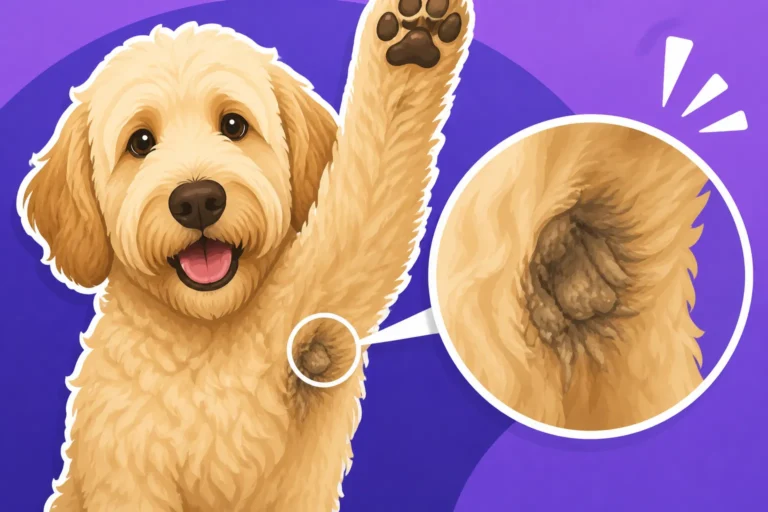
- Consistent Brushing: This is paramount. Even low-shedding Labradoodles need regular brushing to prevent mats and remove dead hair and skin cells. Aim for at least 2-3 times a week, and daily if your dog has a wool or thick fleece coat. You’ll need a good quality slicker brush and a metal comb to get deep into the coat, ensuring you're brushing all the way to the skin, not just the surface. Brushing a Labradoodle to the Skin, Not the Surface is not just a suggestion, it's a necessity. Don't forget those often-matted areas like behind the ears, in the armpits, and on the belly. You can find excellent grooming tools, from slicker brushes to detangling sprays, on online retailers like Chewy or Amazon.
- Professional Grooming: For fleece and wool coats, professional grooming every 6-8 weeks is usually necessary. Groomers have the right tools and expertise to properly bathe, dry, and clip the coat, preventing mats and keeping the hair at a manageable length. Discussing what clip length works best for your lifestyle and your dog’s coat can make a huge difference in day-to-day maintenance.
- Bathing: Regular bathing (every 3-6 weeks, or as needed) helps remove loose hair, dander, and allergens from the coat. Always use a high-quality dog shampoo and conditioner. Make sure to thoroughly rinse and fully dry your Labradoodle afterwards, using a high-velocity dryer if possible, to prevent skin issues and mats. How Many Times a Week a Labradoodle Needs Brushing is a good guideline to follow for maintenance.
Environmental Management for Allergy Sufferers
If someone in your home has allergies, even a low-shedding Labradoodle requires some environmental controls to create a more comfortable living space. This involves creating strategies to reduce allergen load in your home, which goes beyond just grooming your dog.
- Air Filtration: High-efficiency particulate air (HEPA) filters can be a game-changer. Consider a whole-house HEPA filter system or, at minimum, portable HEPA air purifiers in the rooms where your Labradoodle spends the most time, especially bedrooms. These can capture airborne dander and other allergens, significantly improving air quality. You can find a wide range of effective HEPA air purifiers on Amazon.
- Regular Cleaning: Frequent vacuuming with a HEPA-filtered vacuum cleaner is essential. Wash bedding, throw blankets, and dog beds regularly. Hard flooring is generally preferable to carpeting, as carpets can trap allergens. If you do have carpets, steam cleaning them periodically can help.
- Designated Dog-Free Zones: Establish certain areas of your home, like bedrooms, as dog-free zones. This creates a sanctuary where allergy sufferers can retreat without being exposed to pet dander. Make sure your dog understands these boundaries from an early age.
- Support Skin Health: A healthy coat starts with a healthy dog. Feeding a high-quality diet, potentially one rich in Omega-3 fatty acids, can promote healthy skin and reduce dry, flaky dander. Some owners find success with fresh food options like Ollie, which can contribute to overall skin and coat vitality.
Practical Steps Before Bringing a Labradoodle Home
The most important advice for anyone concerned about shedding and allergies is to be proactive and realistic before you commit to a puppy. Don't rely solely on what you read online or what a breeder tells you.
- Meet the Parents and Litter: If possible, spend time with the puppy's parents (especially the mother) and the litter. This will give you an indication of their general coat type and how much shedding might be involved. More importantly, it allows you to see if you have an allergic reaction to them.
- Allergy "Test Drive": Arrange to spend extended time with the specific puppy you are considering, if possible. This might involve several visits to the breeder or foster home, or even a trial period if the breeder offers it. This is the only way to truly gauge your allergic reaction to that individual dog, as every dog is different. Some individuals may react to even the lowest-shedding dog.
- Consider a Reputable Breeder: Work with a breeder who is knowledgeable about coat genetics and who health tests their breeding dogs. They should be able to provide clear information on the parents' coat types and genetic test results (especially for furnishings) and discuss the likelihood of shedding in their specific lines. A good breeder will prioritize placing the right puppy in the right home and be honest about expectations. Whether Health Tested Parents Add Years to a Labradoodle is something a reputable breeder will prioritize.
By understanding the nuances of Labradoodle generations, coat genetics, and implementing proactive care and environmental management, you can significantly increase your chances of finding a wonderful companion that fits your household's needs, even if shedding and allergies are a primary concern.
Disclaimer
This article is for general informational purposes only and does not constitute professional advice. Laws, prices and regulations vary by location and change over time. Consult a qualified professional for guidance on your specific situation.