The Six to Eight Week Clock on a Labradoodle’s Coat
One of the biggest eye-openers for new Labradoodle owners is often the sheer commitment involved in maintaining that beautiful, low-shedding coat. It's not just a weekly brush; it's a dedicated routine, and missing even a single professional grooming appointment within that crucial six to eight-week window can quickly turn a luxurious coat into a matted nightmare. This guide is here to walk you through exactly why this schedule is so vital, what happens if you stray from it, and how to stay on top of your Labradoodle's grooming needs.
Understanding the Labradoodle's Unique Coat
The Labradoodle's coat is often the primary reason people fall in love with the breed. That soft, shaggy, and often hypoallergenic fur is definitely appealing, but it comes with a trade-off: intensive maintenance. It’s not a wash-and-wear kind of coat, and understanding its unique characteristics is the first step to mastering its care.
The Genetics Behind the Gorgeous Doodle Coat
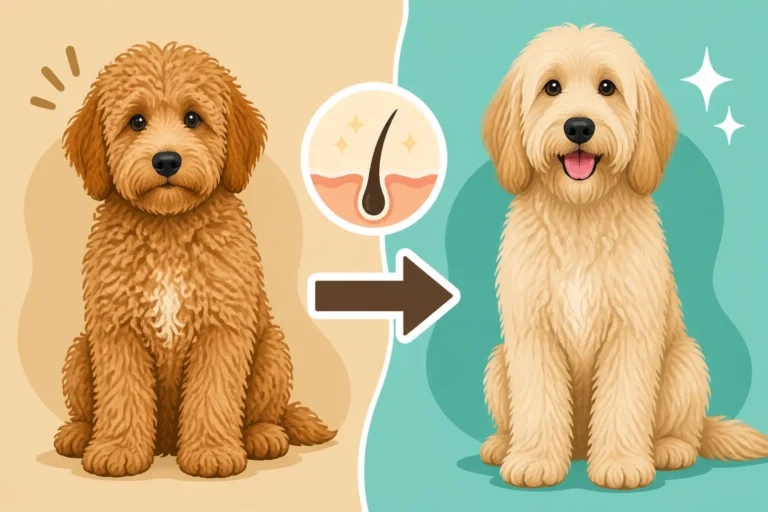
Labradoodles are a mix of two very different coat types: the Poodle's dense, curly, non-shedding hair and the Labrador Retriever's short, double-layered shedding coat. The magic of the Labradoodle, from a grooming perspective, lies in the Poodle's "furnishings" gene, which gives them that distinctive facial hair, eyebrows, and mustache, and more importantly, the low-shedding quality. However, the expression of these genes isn't always uniform, leading to a spectrum of coat types even within the same litter. This genetic lottery is part of what makes Labradoodles so fascinating, but it also means that what works for one Labradoodle's coat might not work for another. The Furnishings Gene Behind a Labradoodle's Beard delves deeper into this fascinating genetic aspect.
Think of it like this: you might have two siblings, one gets mom's curly hair, the other dad's straight. With Labradoodles, it's the same, but with more variables. Some pups lean heavily towards the Labrador side, exhibiting a straighter, shedding coat, while others inherit the Poodle's tight curls. Then there are those delightful compromises that create the signature fleece. Each of these variations requires a slightly different approach to grooming, but all share the common need for regular, diligent care to prevent matting.
Recognizing Different Coat Types and Their Demands
While you'll hear many terms tossed around, Labradoodle coats generally fall into three main categories: hair, fleece, and wool. Knowing which one your dog has is paramount to establishing the right grooming routine.
- Hair Coat Labradoodle: This is the least common type, usually seen in first-generation (F1) Labradoodles where the Labrador genes are more dominant. It's often straight or slightly wavy, feels coarser, and will shed. While it might seem easier to maintain initially because it sheds, it can still mat, especially if it's thick. It requires regular brushing, perhaps not daily for tangles, but to remove dead hair and keep the skin healthy. Owners often underestimate the shedding with this coat type. The Hair Coat Labradoodle That Sheds discusses this in more detail.
- Fleece Coat Labradoodle: This is the most sought-after coat type, prized for its soft, silky texture and wavy or spiraling curls. It's often described as feeling like angora goat hair. Fleece coats shed minimally, if at all, but they are highly prone to matting because the shed hair gets trapped within the active coat. This coat type absolutely demands frequent brushing and consistent professional grooming to stay mat-free. It's the hallmark of the Australian Labradoodle and later generations. The Fleece Coat and Why Breeders Aim For It highlights its popularity.
- Wool Coat Labradoodle: Similar to a Poodle's coat, this is dense, curly, and non-shedding. It feels like soft wool. While it’s excellent for allergy sufferers, it’s also the most demanding in terms of grooming. These tight curls can quickly form dense mats close to the skin if not meticulously brushed daily and professionally groomed on a very strict schedule. Many owners find this coat type beautiful but quickly realize the labor involved. The Wool Coat Labradoodle and Its Upkeep provides more insight.
No matter the type, the goal is to keep the coat clean, tangle-free, and healthy. Your understanding of your Labradoodle's specific coat will guide your choices in brushes, shampoos, and ultimately, how often you schedule those crucial professional appointments.
Why the Six to Eight Week Grooming Schedule is Non-Negotiable
This isn't just a suggestion; it's a necessity for your Labradoodle's health and comfort. That six to eight-week interval is the sweet spot for maintaining coat integrity and preventing common, painful issues.
Preventing Mats and Pelting: The Silent Enemy
Mats are the bane of every Doodle owner's existence. They form when loose, shed hair intertwines with the active coat, creating knots. These knots then tighten, pulling on the skin, and can quickly grow into large, solid masses known as "pelts." The insidious thing about mats is that they often start deep, close to the skin, where you might not see them until they become severe. The six to eight-week schedule allows a professional groomer to systematically work through the coat, addressing any small tangles before they escalate. It also ensures the coat doesn't grow too long, making daily maintenance at home much more manageable.
Imagine trying to brush your own long, thick hair after two months without a comb. Now imagine that hair is actively growing and shedding into itself. That's what happens to a Labradoodle's coat. Areas like behind the ears, armpits, tail, and groin are notorious for matting because of friction and moisture. If you let the coat grow past this ideal window, even the most diligent home brusher can struggle to keep up, and a quick trim by a professional becomes a full-blown "shave down" due to pelting. Where Mats Form First on a Labradoodle offers helpful tips for identifying these problem areas.
Skin Health and Hygiene: More Than Just Aesthetics
Beyond the visible coat, regular grooming is absolutely vital for your Labradoodle's skin health. Mats don't just look bad; they create a breeding ground for bacteria, yeast, and parasites. The tight pull of a mat restricts air circulation to the skin, trapping moisture and dirt. This can lead to painful skin infections, hot spots, and general irritation. If your dog is constantly scratching at a mat, they can break the skin, making the problem even worse.
A professional groomer does more than just cut hair. They thoroughly bathe your dog, using appropriate shampoos and conditioners that cleanse the skin and condition the coat, making it easier to manage. They also perform a thorough check of the skin, looking for any lumps, bumps, rashes, or parasites that might otherwise go unnoticed. This regular check-up is an invaluable part of your dog's preventative health care. Without it, you might miss early signs of issues like sebaceous adenitis or allergies that can severely impact your dog's comfort. Sebaceous Adenitis in a Labradoodle's Skin is one such condition that careful grooming can help identify early.
The Professional Touch: What a Groomer Does Best
While you can do a lot at home, there's no substitute for a skilled professional groomer. They have specialized tools, techniques, and experience that go beyond what most owners can achieve. They know how to properly thin out dense areas of the coat without making it fuzzy, how to safely trim around sensitive areas like eyes and paw pads, and how to use high-velocity dryers that blast out loose hair and moisture, preventing matting and skin issues.
A good groomer also understands the nuances of different coat types and can tailor their approach to your individual dog. They can advise you on the best home care practices and recommend products specific to your Labradoodle's needs. Trying to replicate their work at home without proper training or equipment can easily lead to uneven cuts, skin irritation, or even accidental nicks. Trusting a professional within that six to eight-week timeframe saves you time, stress, and potentially expensive vet bills from neglected coats. It's an investment in your dog's well-being.
The At-Home Maintenance Between Professional Grooms
Just because you have professional grooming scheduled doesn't mean your work is done. What you do at home between appointments is equally, if not more, important for keeping your Labradoodle comfortable and mat-free. This is where the real daily grind comes in.
Essential Tools for the Labradoodle Owner's Kit
Don't just grab any brush from the pet store aisle. Labradoodle coats demand specific tools. Investing in quality equipment from the start will make your life (and your dog's) infinitely easier.
- Slicker Brush: This is your primary weapon against mats. Look for one with fine, bent wire pins that are gentle on the skin but effective at getting through dense coat. You'll need different sizes for different areas of the dog.
- Metal Comb: A good quality, sturdy metal comb with both wide and narrow teeth is essential for line brushing and checking your work. It's the ultimate test for whether you've truly brushed out a section down to the skin.
- Detangling Spray: A good quality leave-in detangling spray can make a huge difference, especially for fleece and wool coats. It lubricates the hair, making it easier for brushes and combs to glide through. Brands like TropiClean or Chris Christensen offer excellent options, readily available on platforms like Amazon or Chewy.
- Dematter Tool (optional but useful): For those stubborn, small tangles that haven't quite become full mats, a dematter tool can carefully cut through the knot without sacrificing too much length. Use with extreme caution.
- Nail Clippers or Grinder: Keeping nails trimmed prevents discomfort and paw issues.
- Ear Cleaner: Essential for preventing ear infections, especially with those floppy, hairy ears. Drying a Labradoodle's Ears Properly after baths or swimming is crucial.
Having these tools at the ready means you're prepared for daily challenges and can keep minor issues from becoming major problems.
Mastering the Art of Line Brushing
Line brushing is the technique you need to master. It’s what differentiates surface brushing from effective brushing. Many new owners think they’re brushing their Labradoodle when they’re just gliding over the top layer of the coat, leaving mats to form underneath.
Here’s how to do it:
- Sectioning: Start by parting the hair, creating a line (like you would part your own hair). You can use your hand or a large comb.
- Brush from the Skin Up: Hold the top section of hair up and out of the way. With your slicker brush, start at the very bottom of the parted section, near the skin. Brush outwards and downwards, in short, gentle strokes.
- Work in Layers: Once you’ve brushed a small strip, move your hand down slightly, creating a new "line" just above the area you just brushed. Repeat the brushing process. Continue this method, working your way up and across your dog’s body, section by section.
- Comb Check: After you’ve brushed a section, use your metal comb to comb through it. If the comb glides smoothly from the skin to the tip of the hair without snagging, you’ve done a good job. If it snags, go back with your slicker brush and work through the area again.
This method ensures you get all the way down to the skin, where mats typically start. It's time-consuming, yes, but it’s the only way to truly prevent severe matting. For a standard Labradoodle, this can take 30-60 minutes several times a week, depending on coat length and type. How Long Brushing a Labradoodle Takes Each Week gives a realistic idea of the time commitment.
Dealing with Everyday Tangles and Quick Fixes
Even with regular line brushing, your Labradoodle will pick up tangles. Burrs, sticky debris from outdoor adventures, or just friction from playing can create small knots. Don't panic, but don't ignore them either.
- Spot Treatment: For small tangles, spray generously with detangling spray, let it sit for a moment, and then gently work it out with your fingers or the wide-toothed end of your metal comb. Start from the ends of the hair and work your way up towards the skin.
- The "Mat Splitter" (carefully!): If a tangle is too tight to comb out, a mat splitter (a tool with a bladed edge) can be used very carefully to cut through the mat, rather than trying to pull it out. Always point the blade away from the skin and go slowly. Better yet, try to split it manually with your fingers first.
- Prevention During Play: If your Labradoodle loves to swim or run through tall grass, a quick brush-through afterwards can prevent many tangles from forming. Rinsing a Labradoodle After the Lake is an important step to prevent post-swim mats.
- Check High-Friction Areas Daily: Pay extra attention to behind the ears, armpits, and under the collar or harness. These areas mat quickly due to constant rubbing. Mats Behind a Labradoodle's Ears are particularly common.
Consistent vigilance and quick action on small tangles will save you a world of hurt (and your dog a lot of discomfort) down the line.
Navigating the Infamous "Coat Change" Period
If you thought puppy grooming was a breeze, prepare yourself for the "coat change." This adolescent phase is perhaps the most challenging period for Labradoodle coat maintenance, and it's where many owners find themselves overwhelmed.
When the Puppy Coat Gives Way to the Adult Coat
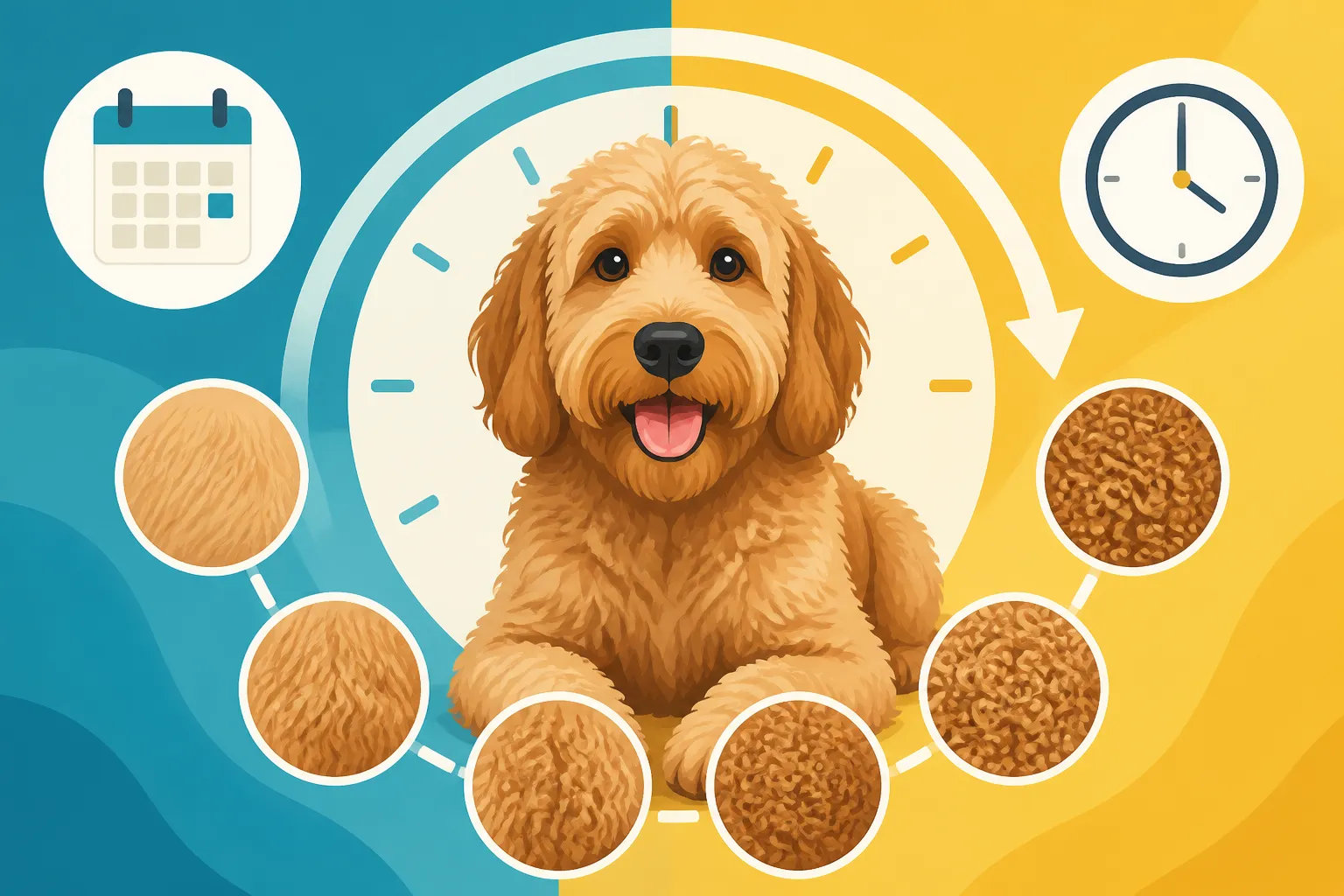
Somewhere between 7 to 14 months of age, your Labradoodle will experience a significant "coat change." This is when their soft, fluffy puppy fur starts to be replaced by their denser, coarser adult coat. It's a natural developmental stage, but it's also a prime time for severe matting. The shedding puppy hair gets trapped within the emerging adult coat, creating a dense, tangled mess that seems to appear overnight.
This phase can last anywhere from a few weeks to several months, and it's often more pronounced in fleece and wool-coated Labradoodles. It can feel like you're fighting a losing battle, and many owners describe it as their dog's coat literally "felting" or "pelting" as they watch. The cute, fluffy puppy coat is often much easier to manage than the transitional coat, which has a mind of its own. What Happens to a Labradoodle's Coat at Nine Months elaborates on this tricky period.
Upping Your Grooming Game During Adolescence
During the coat change, your grooming frequency needs to increase dramatically. What might have been a few times a week now needs to be almost daily, and sometimes even more.
- Daily Line Brushing: This is non-negotiable. Commit to line brushing your entire dog every single day. If you miss a day, you might find yourself with a headache of new tangles.
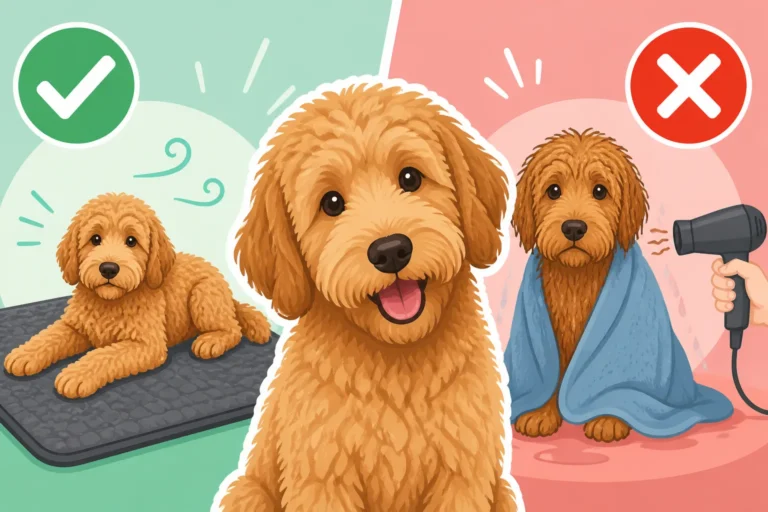
- More Frequent Baths (with caution): While too many baths can dry out the skin, a bath followed by a thorough blow-dry and brush-out can help remove loose puppy hair. However, never bathe a matted dog, as water will only tighten the mats. Ensure your dog is completely mat-free before bathing.
- Professional Check-ins: Consider scheduling your professional grooming appointments closer together during this period, perhaps every 4-6 weeks instead of 6-8. Your groomer can help manage the coat and provide guidance.
- Patience and Persistence: This phase is tough, but it's temporary. Stay consistent, reward your dog for good behavior during grooming, and remember that you're doing it for their comfort.
It's a marathon, not a sprint, but getting through the coat change successfully sets your Labradoodle up for a lifetime of easier grooming.
Surviving the Shedding and Matting Storm
The coat change can be frustrating, especially when you feel like you're brushing constantly and still finding tangles. It's important to understand that this is normal and not a sign that you're failing as an owner.
- Focus on Small Sections: Break grooming down into manageable chunks. If you can only do one leg or one side of your dog thoroughly in a session, that's better than trying to do the whole dog poorly.
- Enlist Help: If you have a partner or family member, take turns. One person can distract or hold the dog while the other brushes.
- Don't Be Afraid to Go Shorter: If the mats become too overwhelming, don't hesitate to ask your groomer for a shorter clip. While you might love the long, fluffy look, your dog's comfort and skin health come first. A fresh start with a shorter cut can make the coat change much easier to manage.
- Positive Reinforcement: Make grooming a positive experience with plenty of treats and praise. This will build a good association and make future sessions easier. Teaching a Labradoodle to Lie Still for a Ninety Minute Groom requires a lot of patience and positive reinforcement.
The coat change is a rite of passage for Labradoodle owners. With the right tools, knowledge, and dedication, you and your furry friend will emerge on the other side with a beautiful, healthy adult coat.
Common Grooming Styles and Their Maintenance Commitments
The wonderful thing about Labradoodle coats is their versatility. You can choose from various styles, but each comes with its own set of expectations regarding maintenance. Understanding these will help you communicate effectively with your groomer and manage your dog's look between appointments.
The Popular "Teddy Bear" Look
This is arguably the most iconic and sought-after Labradoodle style, and for good reason! It leaves the coat longer on the body and legs, with a rounded, soft appearance on the head and face, giving the dog a perpetually puppy-like, cuddly "teddy bear" vibe.
- Maintenance: While adorable, the teddy bear clip is also the most demanding. It typically involves leaving the coat anywhere from 1 to 3 inches long. This length requires daily line brushing at home to prevent matting, especially in high-friction areas. If you're committed to this look, you absolutely cannot miss your 6-8 week professional grooming appointments. Even with diligent home care, the longer length means more opportunities for tangles and debris to get caught. Owners who aim for this look need to be prepared for the time commitment involved. The Teddy Bear Clip on a Labradoodle is a favorite, but it comes with work.
The Practical "Kennel Clip"
Sometimes called a "sporting clip" or "utility clip," the kennel clip is a much shorter, more practical style. It involves clipping the body hair quite short, typically down to ½ to 1 inch, while still tidying up the face and tail.
- Maintenance: This is the easiest style to maintain. It drastically reduces the likelihood of matting and makes home brushing much quicker. It's ideal for active dogs, those who swim frequently, or owners who simply prefer a low-maintenance coat. While professional grooming can still be done every 6-8 weeks, you might be able to stretch it slightly, depending on how quickly your dog's hair grows and how diligent you are with basic home care. For dogs that come into the groomer severely matted, this is often the only option to provide relief and a fresh start. The Kennel Clip a Matted Labradoodle Ends Up With is often a necessary reset button.
Customizing for Comfort and Lifestyle
Beyond these two main styles, there are countless ways to customize your Labradoodle's look. Many owners opt for variations that balance aesthetics with their lifestyle.
- Hybrid Styles: You might ask for a shorter body clip (like a kennel clip) but keep the legs and head a bit longer for a slightly softer appearance. Or keep the face tidy but leave the ears fluffy.
- Seasonal Adjustments: Some owners opt for a shorter clip in the summer months to help their dog stay cool, and a slightly longer one in winter. However, remember that a Labradoodle's coat actually provides insulation in both hot and cold weather; going too short can expose their skin to sunburn or make them too cold.
- Trimming for Function: Regularly trimming the hair between the paw pads is crucial for traction and hygiene. Keeping the hair out of their eyes is also important for vision and preventing irritation. Trimming the Hair Between a Labradoodle's Pads is a small but important detail.
The key is to have an open conversation with your groomer. Show them pictures of what you like, but also be realistic about your capacity for home grooming and your dog's activity level. A good groomer will help you find a style that looks great and is comfortable and healthy for your Labradoodle.
What Happens When the Clock Runs Out: The Consequences of Neglect
It's easy to get busy, forget an appointment, or simply underestimate how quickly a Labradoodle's coat can turn. But letting that 6-8 week clock run out has real, painful consequences for your dog and can be costly for you.
The Pain and Discomfort of Severe Matting
When mats take over, they don't just look unsightly; they become incredibly painful. Imagine your hair being constantly pulled and tangled, pressing against your skin, especially in sensitive areas. Mats restrict movement, causing discomfort and making it painful for your dog to walk, run, or even lie down. They can pull at joints, leading to altered gait and potential orthopedic issues.
Severe mats can also hide open sores, skin infections, and even parasites, preventing them from being noticed until they've become serious. The tightly matted fur creates a solid "shell" around the dog, making it impossible for air to circulate and the skin to breathe. This leads to a constant state of irritation and potential hot spots. A dog covered in tight mats is an uncomfortable, unhappy dog, and addressing this discomfort becomes the groomer's priority, often requiring drastic measures. Whether a Tight Matted Labradoodle Has Any Other Option usually means a complete shave.
Increased Vet Bills and Health Risks
Neglecting your Labradoodle's coat can lead to far more than just a bad hair day; it can lead to serious health issues and unexpected vet bills.
- Skin Infections: As mentioned, mats trap moisture and dirt, creating a perfect breeding ground for bacterial and yeast infections. These can be itchy, painful, and require veterinary attention, including antibiotics, antifungals, and medicated baths.
- Parasites: Fleas, ticks, and other parasites can hide deep within matted fur, making them difficult to detect and treat. Untreated infestations can lead to further skin problems or transmit diseases.
- Hot Spots: These are acute moist dermatitis lesions that develop rapidly, often starting from a small irritation like a flea bite or mat, and then the dog constantly licks or chews, making it worse. They are incredibly painful and require immediate veterinary care. Hot Spots on a Labradoodle That Swims are a common issue.
- Grooming Complications: When a groomer has to shave down a severely matted dog, it's not a quick process. It requires extreme care, often taking hours, and increases the risk of nicks and cuts because the skin is pulled taut by the mats. Some groomers may charge significantly more for this difficult and time-consuming work, or even refuse to work on a severely matted dog. What a Groomer Charges to Dematt a Labradoodle by the Hour can add up quickly.
Ultimately, trying to save money or time by skipping grooming often leads to higher costs and more stress in the long run.
The Emotional Toll on You and Your Labradoodle
Beyond the physical pain, coat neglect can have an emotional impact on both you and your dog. Your Labradoodle might become withdrawn, irritable, or even aggressive during grooming sessions because they associate brushing with pain. This can damage the bond you share.
For owners, the guilt and frustration of seeing your beloved pet in discomfort, or realizing you've allowed their coat to get to an unmanageable state, can be overwhelming. The process of having a severely matted dog shaved down can be shocking and upsetting, leaving your dog looking drastically different. Understanding the consequences upfront can help you stay motivated and committed to that crucial 6-8 week schedule, ensuring your Labradoodle remains happy, healthy, and comfortable in their own skin.
Preparing Your Labradoodle for a Positive Grooming Experience
Grooming, whether at home or with a professional, should be a positive experience for your Labradoodle. Early preparation and clear communication are key to making it stress-free for everyone involved.
Early Socialization and Handling for Grooming
The best time to start preparing your Labradoodle for grooming is when they are a puppy. Introduce them to positive handling early and often.
- Touch Everywhere: Gently touch their paws, ears, tail, and muzzle regularly. Lift their lips, look in their ears, and handle their feet. Pair these touches with high-value treats and praise. This desensitizes them to being handled, which is crucial for grooming.
- Introduce Tools Gradually: Let them sniff and investigate brushes, combs, and even the sound of nail clippers or a low-setting dryer. Reward calm curiosity. Start with very short sessions – just a few minutes of gentle brushing – and gradually increase the duration as they become more comfortable.
- Practice Positions: Encourage them to lie on their side or stand calmly, positions they'll need for thorough grooming. Again, positive reinforcement is your best friend.
- Introduce Water: Make bath time fun, not frightening. Gentle bathing from a young age helps them get used to the sensation of water and being washed.
A well-socialized puppy that is accustomed to handling will be a much easier client for a professional groomer and a more cooperative companion for home maintenance. Starting Grooming Handling on a Labradoodle Puppy is an essential read for new owners.
Communication with Your Professional Groomer
Your groomer is your partner in maintaining your Labradoodle's coat. Open and honest communication is vital for a successful relationship.
- Be Clear About Your Desired Style: Bring pictures if you have a specific look in mind. Discuss the length you want and specific areas of concern (e.g., "keep the face round," "shave down the body," "tidy up the paws").
- Disclose Health or Behavioral Issues: Tell your groomer about any sensitivities, fears, or past negative experiences your dog has had. If your dog is anxious, tell them. If they have skin allergies, let them know. This allows the groomer to adjust their approach and ensure your dog's safety and comfort.
- Honesty About Home Care: Don't pretend you've been brushing daily if you haven't. It's better for the groomer to know the true condition of the coat so they can plan accordingly. They are there to help, not judge.
- Ask Questions: If you're unsure about recommended home care, tools, or coat condition, don't hesitate to ask. A good groomer will educate you.
- Schedule Regularly: Book your next appointment before you leave the salon to ensure you secure a spot within that crucial 6-8 week window.
A strong line of communication builds trust and ensures your Labradoodle gets the best possible care.
Making Grooming a Routine, Not a Ruckus
Consistency is king when it comes to Labradoodle grooming. Establishing a routine helps your dog know what to expect and can reduce anxiety.
- Set a Schedule: Stick to your 6-8 week professional grooming schedule religiously. Mark it on your calendar and set reminders.
- Daily or Every-Other-Day Mini-Sessions: Integrate short brushing sessions into your daily or every-other-day routine. Even 10-15 minutes of thorough line brushing can make a huge difference.
- Choose a Calm Environment: Groom your dog in a quiet, familiar place where they feel safe and where you won't be interrupted. A dedicated grooming table, even a small one, can help teach your dog to stand still.
- End on a Positive Note: Always conclude grooming sessions, whether at home or professionally, with praise, a favorite treat, or a play session. This reinforces the positive association.
By making grooming a predictable, calm, and positive part of your Labradoodle's life, you'll ensure they look great, feel great, and remain a joyful companion for years to come.
Cost vs. Time: Home Grooming vs. Professional Services
When you commit to a Labradoodle, you commit to a certain level of grooming. This often sparks a debate among owners: do I do it all myself, or do I rely on professionals? The truth is, it's usually a combination, and understanding the investment in both time and money is crucial.
Investing in Quality Home Grooming Equipment
Deciding to groom your Labradoodle at home to save money is a common thought, but it's important to realize that there's an initial investment in quality tools. You can't just pick up a cheap brush and expect magic.
| Tool Category | Purpose | Average Cost (Initial) |
|---|---|---|
| Slicker Brush | Daily detangling, removing loose hair, reaching skin | Mid-Range |
| Metal Comb | Checking for mats, fine detail work | Affordable |
| Force Dryer | Essential for fully drying coat after baths, prevents matting | High |
| Clippers & Blades | For full body clips, trimming specific areas | High |
| Grooming Table | Provides a secure, elevated surface for easier grooming | Mid-Range |
| Shampoo/Conditioner | Gentle cleansing, coat health, detangling | Affordable (Ongoing) |
| Detangling Spray | Aids in brushing, reduces friction | Affordable (Ongoing) |
Keep in mind that high-quality clippers and blades are a significant investment, but essential for a smooth, even cut without snagging. A good force dryer, while pricey, can cut drying time significantly and is crucial for preventing mats after a bath. Many home groomers find themselves replacing cheaper tools frequently, which can add up. The time commitment for full home grooming is also substantial – imagine spending several hours every 4-6 weeks for a full bath, dry, and clip, in addition to daily brushing. The Clipper, Blade and Dryer a Labradoodle Owner Buys is a good resource for choosing tools.
The Value of a Professional Groomer's Expertise
While the cost of professional grooming might seem high at first glance, typically costing more than just buying a brush, it's an investment in skill, specialized equipment, and time.
- Expertise: Professional groomers are trained to understand different coat types, identify skin issues, and use techniques that minimize stress and maximize efficiency. They know how to handle dogs that are less than thrilled about being groomed.
- Specialized Equipment: Grooming salons have hydraulic tables, powerful dryers, sharp clippers, and a range of shampoos and conditioners designed for specific coat and skin needs. This equipment often far exceeds what most home owners would purchase.
- Time Savings: A professional groomer can typically complete a full bath, dry, and clip much faster and more effectively than an amateur, saving you hours of labor.
- Health Checks: Regular visits mean another set of trained eyes checking your dog for lumps, skin irritations, ear infections, and nail issues.
Think of it this way: your groomer isn't just cutting hair; they're providing a comprehensive service that impacts your dog's overall health and well-being. What a Full Groom Costs on a Wool Coated Labradoodle will give you an idea of the expense for the most demanding coat.
Balancing Your Budget and Your Dog's Well-being
For most Labradoodle owners, a balanced approach works best. This means committing to the regular 6-8 week professional grooming schedule while performing diligent home maintenance in between.
- Strategic Home Care: Focus your home efforts on thorough line brushing, especially in mat-prone areas, and regular ear cleaning and nail trims. This helps keep your dog comfortable and makes the professional grooming easier and potentially less expensive (as the groomer won't have to spend extra time dematting).
- Consider a Shorter Style: If the cost or time commitment of maintaining a long, fluffy coat is too much, opt for a shorter, more practical clip. Your dog will be just as happy and healthy, and it will ease the burden on your wallet and schedule.
- Factor Grooming into Your Budget: When you calculate the Full Cost of Fourteen Years With a Labradoodle, make sure grooming is a line item. It's a non-negotiable expense for this breed, much like quality food or veterinary care.
- Talk to Your Groomer: If budget is a concern, discuss it with your groomer. They might offer suggestions for maintenance clips between full grooms, or advise on styles that require less frequent professional intervention.
Ultimately, your Labradoodle's comfort and health should be the top priority. Finding the right balance between home care and professional services within that critical six to eight-week clock is the key to a happy, well-groomed companion.
Disclaimer
This article is for general informational purposes only and does not constitute professional advice. Laws, prices and regulations vary by location and change over time. Consult a qualified professional for guidance on your specific situation.