The Kennel Clip a Matted Labradoodle Ends Up With
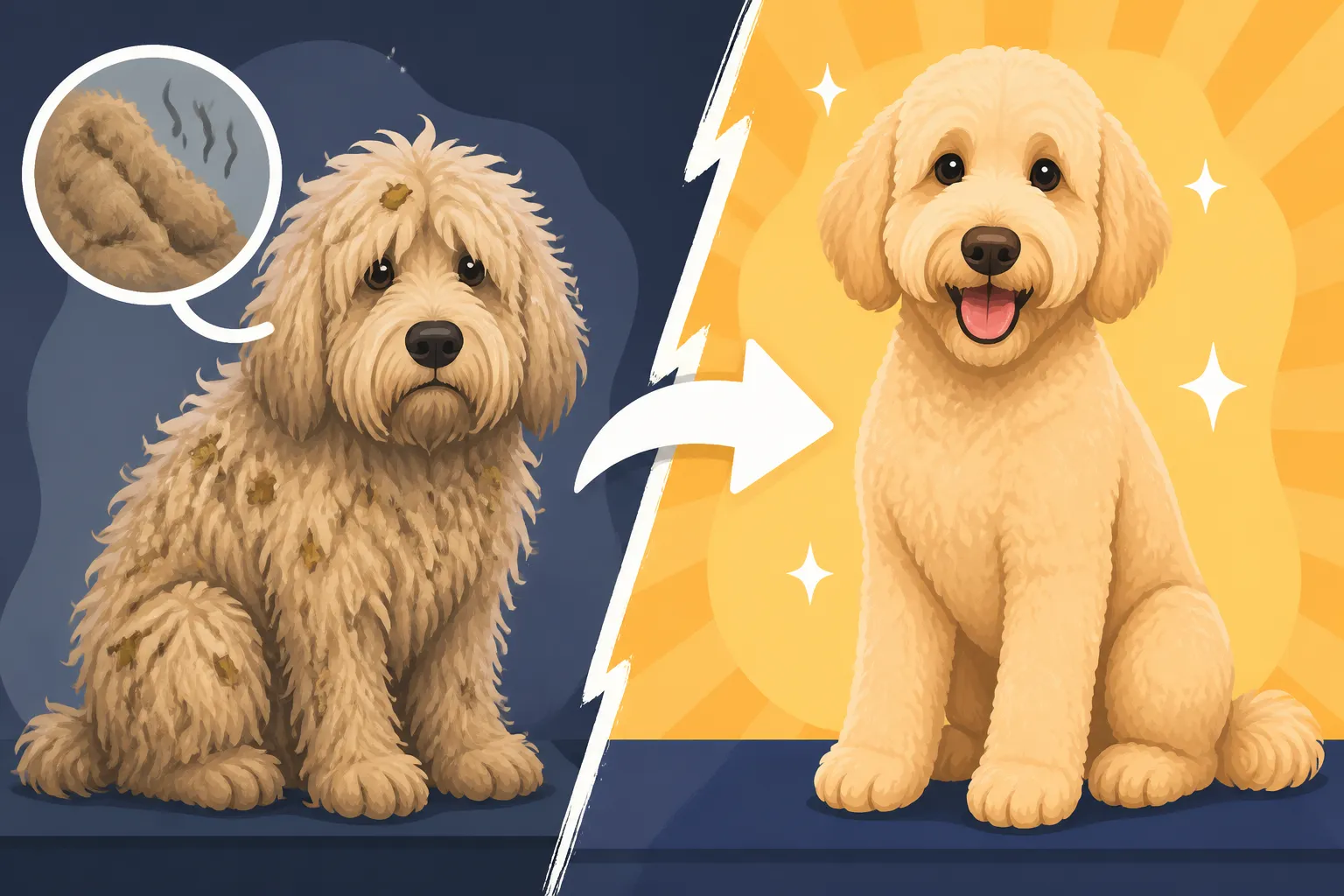
It's a moment many Labradoodle owners dread: the phone call from the groomer, the somber look, and the inevitable conversation about severe matting. You brought your beloved companion in for a trim, perhaps envisioning a cute teddy bear cut, only to be told that the only humane option left is a "kennel clip." This guide is here to walk you through what a kennel clip entails, why it sometimes becomes necessary for matted Labradoodles, and how to navigate the journey from a shaved coat back to a healthy, manageable one.
Understanding the Severity of Matting in Labradoodles
Let's be honest, those beautiful, flowing Labradoodle coats are a big part of their appeal. But the reality of their genetics, a blend of the Poodle's curly, non-shedding hair and the Labrador's dense double coat, means they are incredibly prone to matting. It's a frustrating battle for many owners, and sometimes, despite our best intentions, the mats win.
Why Labradoodle Coats are Prone to Matting
The Labradoodle's coat, particularly the popular fleece and wool types, is a marvel of canine hairstyling, designed to be low-shedding and often hypoallergenic. However, this very characteristic is what makes it such a magnet for tangles and mats. Unlike a traditional shedding dog, which drops loose hair that falls out, a Labradoodle's loose hairs get trapped within the existing coat. Imagine trying to comb out hair that's tangled with strands that refuse to let go – it's a constant battle.
Factors like humidity, friction from collars and harnesses, rolling around on carpets, and even just the natural movement of the dog can cause these trapped hairs to clump together. Before you know it, small tangles turn into tight knots, and those knots merge into dense, painful mats. It often starts innocently enough behind the ears, in the armpits, or on the rump, areas that see a lot of friction and are easily missed during a quick brush. Many owners are genuinely shocked when they realize how quickly a seemingly minor tangle can escalate into a full-blown matting crisis, especially during the challenging "coat change" phase. The Coat Change That Hits a Labradoodle at Nine Months can be particularly tricky, as the softer puppy coat gives way to the denser adult coat, creating a perfect storm for matting.
The Dangers and Discomfort of Severe Matting
When mats become severe, they're not just a cosmetic issue; they pose serious health risks and cause immense discomfort for your dog. Think of it like wearing a too-tight sweater that's constantly pulling at your skin, restricting your movement, and making it impossible to regulate your body temperature.
- Skin Irritation and Infections: Mats pull on the skin, causing pain, redness, and inflammation. This constant pulling can create microscopic tears in the skin, making it an ideal breeding ground for bacteria and yeast. Moisture can get trapped underneath the mats, especially after baths or swimming, leading to painful hot spots, fungal infections, or bacterial dermatitis. Your dog might scratch and chew at these areas, only exacerbating the problem.
- Restricted Movement: Severe matting can literally "cast" your dog's limbs, making it difficult for them to walk, run, or even lie down comfortably. Mats in the armpits or groin can chafe and rub, making every step painful. Imagine trying to stretch when your clothing is glued to your skin – it's debilitating. This restriction can also lead to changes in gait, muscle atrophy, and even joint pain over time.
- Parasite Infestations: Tight mats provide a cozy, hidden haven for fleas, ticks, and other parasites. These unwelcome guests can hide deep within the matted fur, making them nearly impossible to detect and remove, leading to further skin irritation and potential disease transmission.
- Temperature Regulation Issues: While many people believe shaving a matted dog in summer will keep them cool, mats actually trap heat, preventing proper airflow to the skin. Conversely, in winter, a matted coat loses its insulating properties, leaving the dog vulnerable to the cold. The coat cannot do its job when it's matted.
- Pain and Stress: Ultimately, severe matting is painful. The constant tugging, the skin infections, and the inability to move freely cause significant stress and anxiety for your Labradoodle. A groomer's priority is always the dog's well-being, and often, the most humane option is to remove the source of pain as quickly and safely as possible. Whether a Tight Matted Labradoodle Has Any Other Option is a question that often arises, and sadly, in severe cases, the answer is usually no.
What Exactly is a Kennel Clip?
The term "kennel clip" might sound a bit stark, and it often conjures images of a completely bald dog. While it is a very short cut, it's primarily a practical and humane choice when a Labradoodle's coat has become severely matted. It prioritizes the dog's comfort and skin health over aesthetic preferences.
The Practicality Behind the Short Clip
A kennel clip, sometimes also called a "strip down" or a "shave down," involves using a very short blade (often a #10, #7, or #5F blade, depending on the severity of the matting and the groomer's assessment) to clip the dog's entire coat close to the skin. The goal is to get under the mats rather than trying to cut through them. Trying to cut through tight mats with scissors or longer clipper blades is incredibly painful, tedious, and frankly, often impossible without injuring the dog.
The practicality is straightforward: when mats are tight and close to the skin, they form a solid layer that cannot be brushed or combed out without causing excruciating pain. The safest and fastest way to remove this painful "shell" is to carefully shave it off. Groomers are trained to work gently and meticulously, lifting the mats as they go, to avoid "nicking" the delicate skin underneath, which can be pulled taut and uneven by the matting. This process reveals the skin, allowing it to breathe, heal, and recover. It's not about making your dog look a certain way; it's about providing immediate relief from a painful condition.
The Difference Between a Kennel Clip and Other Shaved Styles
You might hear about various "clips" for Labradoodles, and it can be confusing. Let's clarify what sets a kennel clip apart from other shaved styles.
- Kennel Clip (or Shave Down): This is the shortest possible clip, dictated by the need to get under severe matting. It's not typically chosen for style, but for necessity. The hair is taken uniformly short across the entire body, often leaving a blade length of 1/16 inch to 1/2 inch. The face and tail might be left slightly longer if possible, but often they need to be short too, especially if mats extend there. The priority is skin health and comfort.
- Teddy Bear Clip: This is a popular, longer style, usually leaving 1-2 inches of hair (or more), giving the Labradoodle a fluffy, rounded appearance. This style requires a mat-free coat and diligent home grooming to maintain. It's the opposite of a kennel clip in terms of length and maintenance.
- Summer Cut/Sporting Clip: These are general terms for shorter cuts, usually around 1/2 to 1 inch, that are easier to maintain in warmer weather or for active dogs. While shorter than a teddy bear clip, they still require a coat that is mostly tangle-free to begin with. A groomer would still try to comb out small tangles before applying these styles.
The key distinction is that a kennel clip isn't a choice for aesthetics. It's an emergency measure. When a groomer recommends a kennel clip, it's because the alternative—attempting to demat—would be too painful or even dangerous for your Labradoodle. Whether a Groomer Refuses a Matted Labradoodle is a real concern, as some groomers will decline to demat severely matted dogs due to the ethical implications of causing unnecessary pain.
| Feature | Kennel Clip (Shave Down) | Teddy Bear Clip | Sporting/Summer Clip |
|---|---|---|---|
| Purpose | Remove severe matting, provide pain relief | Aesthetic, fluffy, rounded look | Practical, easy maintenance, shorter style |
| Length of Hair | Very short (1/16" – 1/2"), dictated by matting | Medium-long (1" – 2"+), uniform length | Short-medium (1/2" – 1"), uniform length |
| Condition Req. | Severely matted, tangled, or neglected coat | Completely mat and tangle-free coat | Mostly mat and tangle-free coat |
| Process | Shaving under the mats with short blades | Scissoring and clippering a clean, brushed coat | Clippers with guard combs on a clean, brushed coat |
| Owner Emotion | Often shock, guilt, relief for the dog | Joy, satisfaction with a cute look | Convenience, anticipation of easier upkeep |
The Grooming Process: From Matted Mess to Kennel Clip
Bringing in a severely matted Labradoodle is tough for everyone involved. As an owner, you might feel a mix of guilt and concern. For the groomer, it's a delicate operation that requires skill, patience, and a deep understanding of canine anatomy and welfare.
The Initial Assessment and Communication with Your Groomer
When you arrive at the grooming salon with a matted Labradoodle, the first step will be a thorough assessment by the groomer. They'll gently feel the coat all over, checking for the extent and tightness of the mats. They'll look at sensitive areas like the armpits, groin, behind the ears, and around the tail, where mats often go unnoticed. Where Mats Form First on a Labradoodle are usually these friction points.
During this assessment, the groomer will explain the situation clearly and compassionately. They'll outline the options, which in severe matting cases, typically narrow down to a kennel clip. They will explain why it's the most humane option and what to expect. This is your opportunity to ask questions, voice concerns, and understand the process. A good groomer will never shame you but will educate you on preventing future matting. They might ask about your dog's temperament, any sensitive areas, or previous grooming experiences to ensure they handle them as gently as possible.
The Humane Dematting vs. Shaving Decision
This is often the hardest part for owners to accept. Many hope that the groomer can simply "brush it out." However, attempting to demat severe, pelt-like mats is rarely humane or even safe.
- The Pain Factor: Imagine having your hair ripped out strand by strand. That's what dematting a severely matted coat feels like to a dog. The skin underneath is often inflamed and tender, and the process would be excruciating. A dog's tolerance for pain is often masked by their natural instinct to please, but prolonged dematting can lead to fear, aggression towards grooming, and lasting emotional trauma.
- The Time Factor: Dematting takes an incredible amount of time. Trying to meticulously break up every mat can mean hours on the grooming table, which is stressful for any dog, let alone one already in discomfort. Most professional groomers have policies against excessive dematting for welfare reasons, and even if they agree, it often comes with a significant hourly charge. What a Groomer Charges to Dematt a Labradoodle by the Hour can be eye-opening.
- Skin Damage: Even with the most careful technique, vigorous dematting can cause brush burn, rashes, and further skin irritation. It can pull the skin so tightly that small abrasions and tears occur, opening the door for infection.
- The Shave-Down Solution: For severe matting, a shave-down or kennel clip is the safest and kindest solution. The groomer uses clippers designed to slide under the mats, getting as close to the skin as necessary. This process is done carefully, often with frequent breaks for the dog, and sometimes requires two groomers working together for larger or more fractious dogs. The relief for the dog is almost immediate once the matted coat is removed, allowing their skin to breathe and heal. It truly is a fresh start.
Post-Clip Care and Skin Health
Once the kennel clip is done, your Labradoodle will look very different. Their skin might appear red or irritated in places, and they might even shiver from the sudden lack of insulation. This is normal, and your groomer will provide specific instructions for post-clip care.
- Soothing Baths: A gentle, soothing bath with a hypoallergenic shampoo after the clip can help clean the skin, remove any remaining loose hair, and calm irritation. Your groomer might do this, or recommend a specific shampoo for you to use at home. Look for products designed for sensitive skin, often available at pet stores like Chewy or on Amazon.
- Moisturizing and Protecting the Skin: The newly exposed skin is vulnerable. It's important to protect it from sunburn (yes, dogs can get sunburned!) and dry out. Your vet or groomer might recommend a moisturizing spray or balm. In colder weather, a soft dog sweater can help keep them warm while their coat grows back.
- Monitoring for Issues: Keep a close eye on your dog's skin for any signs of prolonged redness, excessive scratching, or bumps, which could indicate infection. If you notice anything concerning, contact your veterinarian immediately. It’s a good idea to chat with your vet about any skin supplements, perhaps containing omega fatty acids, which can support skin and coat health during regrowth. While Ollie primarily focuses on fresh dog food, a balanced diet is crucial for healthy skin from the inside out.
Emotional and Practical Considerations for Owners
Seeing your beautiful, fluffy Labradoodle transformed into a sleek, short-haired version can be quite an emotional experience. It's okay to feel a bit shocked or even guilty, but remember you've done what's best for your dog's health and comfort.
The Initial Shock and Adjusting to a Shaved Labradoodle
Let's face it, your Labradoodle will look different. Their head might seem too big for their body, their ears might suddenly look huge, and their tail might resemble a rat's tail if it was severely matted and shaved down. Many owners experience a moment of "Who is this dog?"
- It's a Phase: The most important thing to remember is that this is temporary. Their coat will grow back. It might come back a slightly different texture or even a slightly different shade, but it will return. Focus on the positive: your dog is no longer in pain, and their skin can finally breathe.
- Your Dog's Reaction: Some dogs seem completely unfazed by a kennel clip. Others might feel a bit exposed or chilly. Pay attention to their behavior. Provide extra warmth with sweaters if needed, and give them lots of cuddles and reassurance. Treat them normally and don't project your own disappointment onto them; they rely on your confidence.
- Reactions from Others: Be prepared for comments from well-meaning friends or strangers who might not understand why your Labradoodle is shaved. A simple explanation that it was for their health and comfort is usually sufficient. You might even use it as an opportunity to educate others about responsible grooming and the specific needs of a Labradoodle coat.
Preventing Future Matting: A Fresh Start
A kennel clip offers a clean slate, a perfect opportunity to establish a new, proactive grooming routine. This fresh start is crucial to avoid ending up in the same matted situation again.
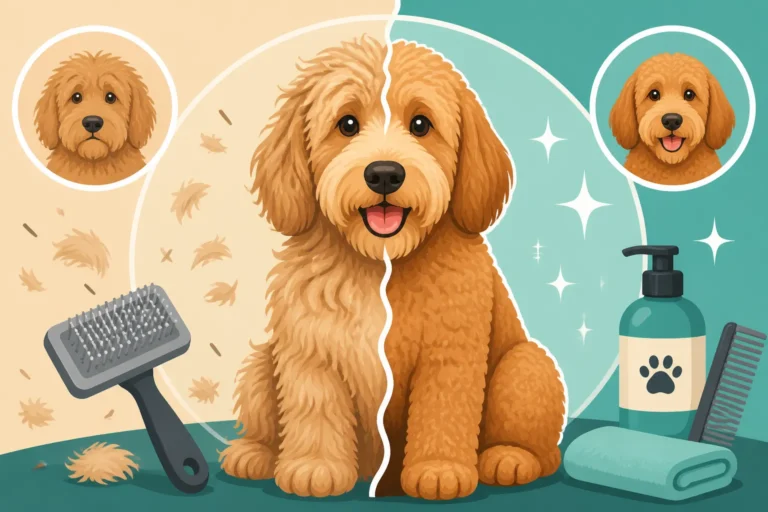
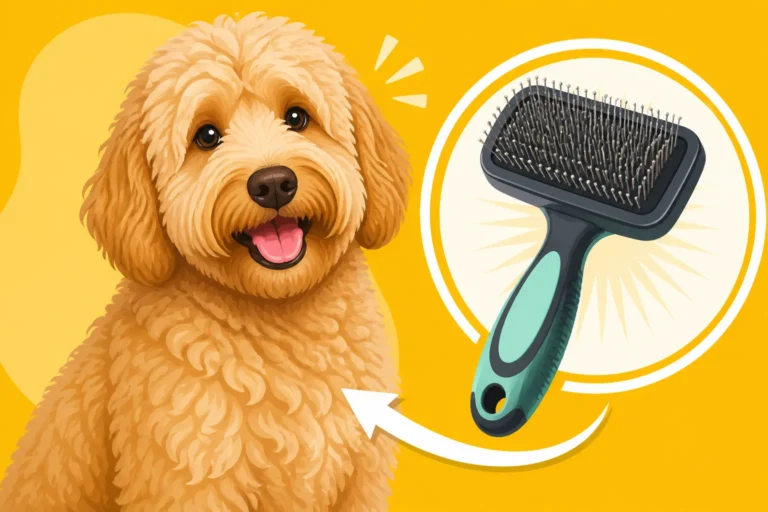
- Daily Brushing (Yes, Daily!): This is the golden rule for Labradoodles. Their unique coat demands consistent attention. Invest in the right tools: a good quality slicker brush and a metal comb. The slicker brush helps remove loose hair and tangles, but the comb is your ultimate mat detector. You need to be able to comb through the entire coat, from skin to tip. If the comb snags, you've found a tangle that needs to be worked out immediately. Brushing a Labradoodle to the Skin, Not the Surface is not just a catchy phrase, it's the technique you need to master.
- Line Brushing Technique: Don't just brush the top layer of your dog's coat. This is a common mistake that leaves mats forming underneath. Instead, part the hair and brush in small sections, working your way from the skin outwards. This ensures you're reaching all the hair, even the hidden undercoat.
- Regular Professional Grooming: Even with diligent home care, professional grooming is essential. Most Labradoodles need to see a groomer every 6-8 weeks for a full bath, brush-out, and trim. This ensures their coat stays healthy and manageable. Discuss with your groomer what length you want to maintain, and stick to that schedule. Consistency is key.
- Attention to Trouble Spots: Pay extra attention to those areas notorious for matting: behind the ears, armpits, inner thighs, tail, and around the collar or harness. These spots often matt up faster due to friction.
- High-Quality Grooming Products: Use a good quality shampoo and conditioner designed for curly or long-haired breeds. Conditioners can help prevent tangles and make brushing easier. You might also consider a detangling spray, which can be invaluable for working through minor knots. Brands available on Chewy or Amazon offer a wide range of options.
Grooming Tools and Routine for Maintenance
Having the right tools is half the battle. Think of it as an investment in your dog's comfort and your peace of mind.
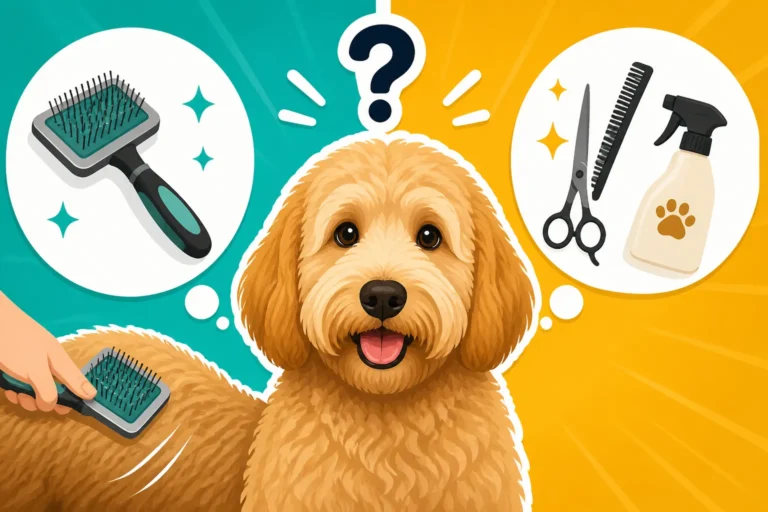
- Slicker Brush: A sturdy slicker brush with fine, bent wires is essential for working through the coat and removing loose hair and smaller tangles. Look for one with a comfortable handle for your hand.
- Metal Comb: This is your primary mat detector. A good quality stainless steel comb with both wide and narrow teeth is crucial. Always follow up slicker brushing with a comb to ensure you've gotten all the way to the skin. If the comb can't get through, neither can anything else.
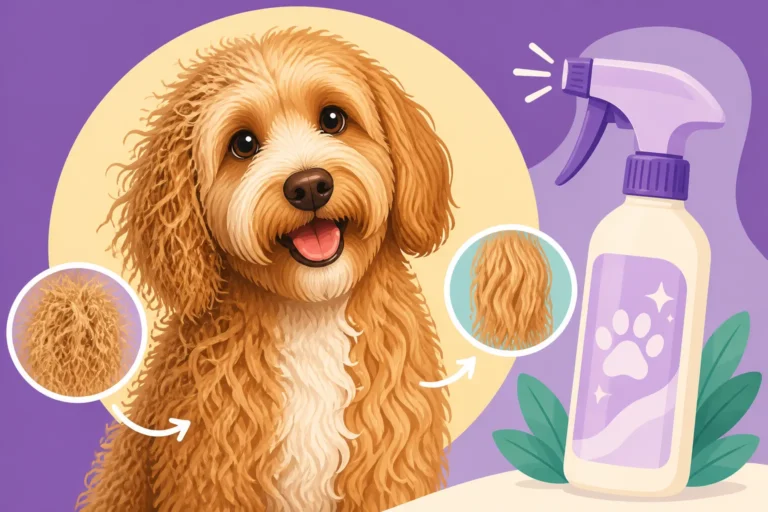
- Detangling Spray: A leave-in detangling spray can make brushing much easier, especially for thicker coats. Apply a light mist before brushing to help loosen tangles and reduce static.
- Scissors with Blunt Tips: Useful for carefully snipping out tiny, stubborn knots that you can't comb through, or for trimming hair out of your dog's eyes or paws. Always use blunt-tipped scissors and exercise extreme caution to avoid accidental nicks.
- Force Dryer (Optional but Recommended): If you plan to bathe your Labradoodle at home, a high-velocity force dryer is a game-changer. It blasts water out of the coat quickly and efficiently, preventing mats from forming as the hair dries. Air drying a Labradoodle's coat is an almost guaranteed recipe for matting. The Clipper, Blade and Dryer a Labradoodle Owner Buys is a good resource for choosing the right equipment.
Your Weekly Grooming Routine:
| Day | Task | Notes |
|---|---|---|
| Daily | Quick brush-through (5-10 min) | Focus on high-friction areas: behind ears, armpits, collar area, tail. Use slicker and comb. |
| Weekly | Full line brush (30-60 min) | Systematically comb through entire coat, section by section, down to the skin. Check for small knots. |
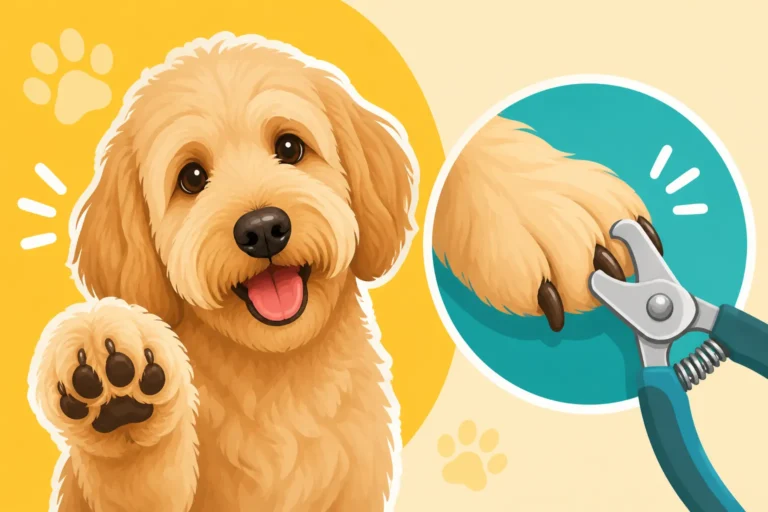
| Monthly | Nail trim & ear cleaning (10-15 min) | Trim nails, clean ears gently with a vet-approved cleaner. |
| Every 6-8 Weeks | Professional Grooming (2-4 hours) | Full bath, blow-dry, brush-out, and desired trim length by a professional groomer. |
Life After the Kennel Clip: Regrowth and Routine
The kennel clip is a reset button, not a punishment. It's the beginning of a new chapter where you take charge of your Labradoodle's coat health. Understanding what to expect during regrowth and how to maintain the new routine is vital.
Managing Coat Regrowth and Texture Changes
After a kennel clip, your Labradoodle's coat will start to grow back. This phase requires continued vigilance and attention.
- Initial Regrowth: The first few weeks will see soft, downy hair emerging. It might feel different from their previous coat, possibly softer or even slightly coarser. This is normal. During this stage, the hair is less prone to matting because it's so short, but don't let your guard down.
- The "Awkward" Phase: As the coat lengthens, usually around 2-4 months post-shave, it can enter an "awkward" phase. The coat might look uneven, or feel a bit unruly. This is also when the risk of matting starts to increase again, especially if your dog is going through its natural The Coat Change That Hits a Labradoodle at Nine Months if they were younger when shaved. This is when your consistent daily brushing really needs to kick in.
- Potential Texture Changes: Some owners report that their Labradoodle's coat grows back with a slightly different texture than before the shave. It might be curlier, wavier, or slightly coarser. This isn't universally true, but it's a possibility. Rest assured, with consistent grooming, it will settle into its adult texture.
- Sun Protection: While the coat is very short, protect your dog's skin from sunburn. Limit prolonged exposure to direct sunlight, especially during peak UV hours, or consider a lightweight dog shirt.
Rebuilding Trust and Positive Grooming Experiences
A traumatic dematting experience or even just the stress of a shave-down can make some dogs wary of grooming. It's crucial to rebuild a positive association with brushing and handling.
- Start Small and Positive: Begin with very short grooming sessions, perhaps just a few minutes, focusing on gentle brushing in easily accessible areas. Use plenty of high-value treats (from Chewy or your local pet store!) and praise. Make it a fun, rewarding experience.
- Desensitization: If your dog shows signs of fear or anxiety around the brush or clippers, take it slow. Let them sniff the tools, offer treats, and gradually introduce the sensation of brushing, even if it's just one stroke at a time. This process is called desensitization, and it helps your dog associate these tools with positive outcomes.
- Regular Handling: Beyond brushing, get your dog accustomed to having their paws, ears, and tail handled. This makes future nail trims and ear cleanings much easier and less stressful. Starting Grooming Handling on a Labradoodle Puppy gives excellent advice that can be adapted for an older dog needing to reset.
- Consistency is Key: Dogs thrive on routine. If grooming sessions are inconsistent, they're more likely to resist. Make it a predictable part of your daily or weekly schedule.
Long-Term Benefits of a Fresh Start
While a kennel clip might feel daunting at first, it's often the catalyst for a much healthier and happier life for your Labradoodle, and a less stressful one for you.
- Improved Skin Health: With the mats gone, your dog's skin can finally breathe, heal, and return to a healthy state. This reduces the risk of skin infections, hot spots, and chronic irritation.
- Enhanced Comfort and Mobility: Free from the painful tugging and restriction of mats, your Labradoodle will be able to move, play, and rest in complete comfort. You might even notice a renewed zest for life in a dog that was previously uncomfortable.
- Easier Grooming Routine: A clean slate makes it much easier to implement and maintain a proper grooming schedule. You'll be working with a healthy coat, preventing mats rather than battling existing ones. This saves time, money, and stress for both of you.
- Stronger Bond: By actively engaging in your Labradoodle's grooming routine, providing comfort, and ensuring their well-being, you'll strengthen the bond you share. They will learn to trust you during handling, knowing that you have their best interests at heart.
- Learning Opportunity: This experience serves as a powerful learning opportunity. It teaches owners about the unique demands of the Labradoodle coat and the importance of consistent, proactive care. It ensures that future grooming challenges can be addressed before they escalate to such a painful degree.
Remember, a kennel clip is a compassionate solution to a challenging problem. It's a stepping stone toward a healthier, more comfortable future for your cherished Labradoodle. Embrace the fresh start, commit to a consistent grooming routine, and enjoy the renewed joy your dog will undoubtedly show.
Disclaimer
This article is for general informational purposes only and does not constitute professional advice. Laws, prices and regulations vary by location and change over time. Consult a qualified professional for guidance on your specific situation.