The Teddy Bear Clip on a Labradoodle
One of the most common dreams for a Labradoodle owner is that perfectly fluffy, irresistibly cute "teddy bear" look. You know the one – rounded face, soft edges, and a body coat that just begs for a hug. But achieving this style, and perhaps more importantly, maintaining it, can feel like a mountain to climb, especially when your dog's luscious coat seems to sprout mats overnight. This guide is here to walk you through everything you need to know about getting and keeping that iconic teddy bear clip for your Labradoodle, from understanding the style to daily care and working with your groomer.
What Exactly Is the Teddy Bear Clip?
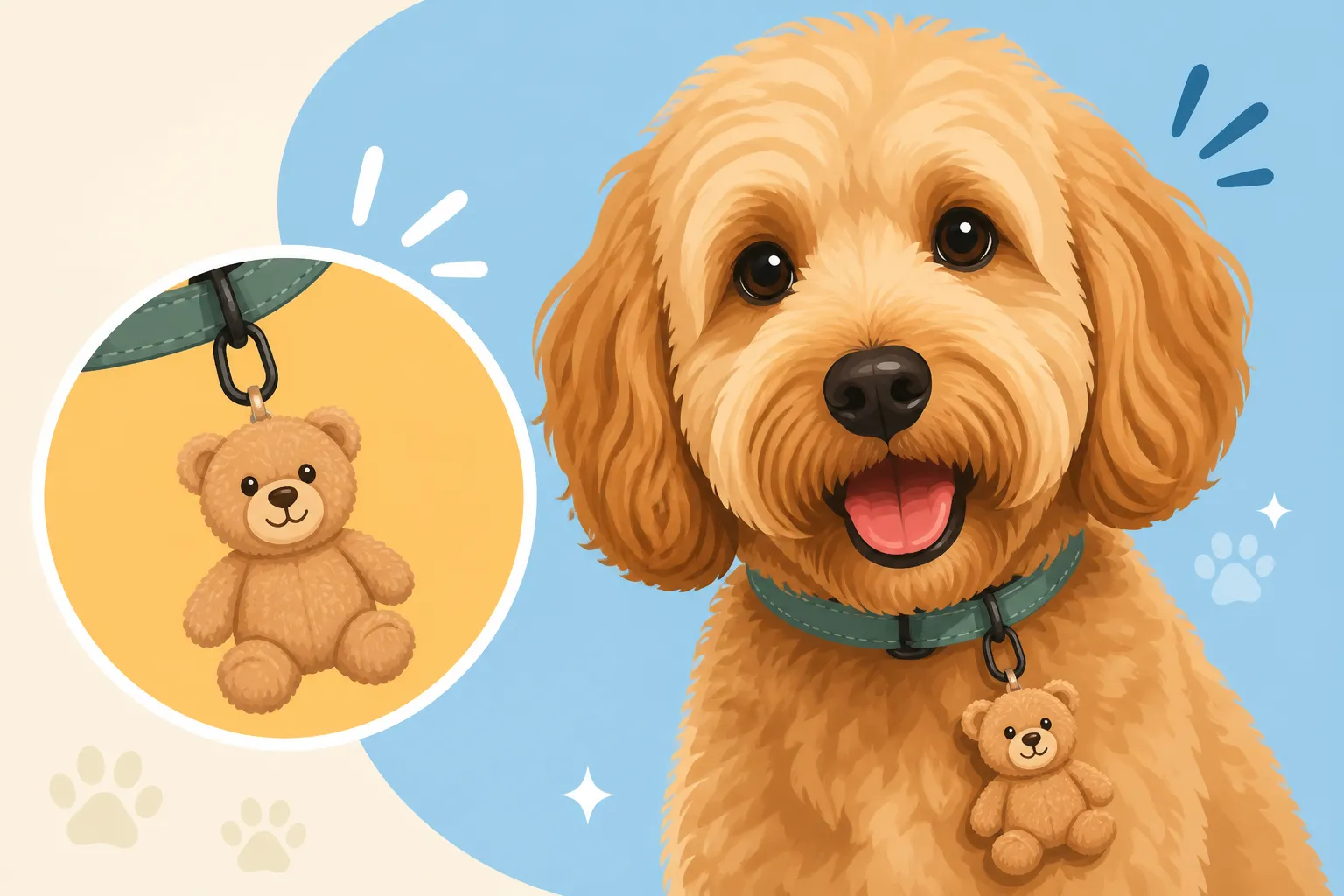
When we talk about the teddy bear clip on a Labradoodle, we're really describing a specific aesthetic, a feeling of cuddly softness, rather than a single, rigid clipper length. It’s all about creating a uniform, slightly longer coat length over the body, often coupled with rounded features on the head and face, giving your dog that eternally puppy-like charm. It’s a hugely popular choice, and for good reason!
The Signature Look: Fluffy and Rounded
The hallmark of the teddy bear clip is its fluffy, soft appearance. This isn't a super short, utilitarian shave; it aims for a coat that's long enough to express the Labradoodle's natural texture, whether that's a loose curl or a wavy fleece, but still short enough to be manageable. Picture evenly trimmed body hair, typically left anywhere from one to two inches in length, depending on personal preference and the dog's coat type. The key is consistency in length across the torso, legs, and even the tail, which is often left full and feathery. The overall impression is one of gentle curves, with no sharp angles or severe lines.
The face is where the "teddy bear" truly comes alive. Instead of a tight shave or a wispy look, the hair around the muzzle is typically left a bit longer and carefully scissored into a soft, rounded shape. The eyes are kept clear of hair, often with a slight eyebrow or fringe that frames them sweetly, and the ears are trimmed to blend seamlessly with the head, maintaining their natural drop and a gentle fullness. This rounded, plush facial trim is what seals the deal on the endearing teddy bear appeal.
Why It's So Popular with Labradoodle Owners
It's easy to see why so many of us fall head over heels for the teddy bear clip. First off, it perfectly showcases the Labradoodle's inherent cuteness. That sweet, innocent look just melts hearts, and it's a fantastic way to highlight their joyful personalities. Beyond aesthetics, there's a strong practical element. While it looks luxurious, the moderate length of the teddy bear clip can be easier to manage than a very long, flowing coat that's constantly dragging on the ground or getting tangled. It offers a good balance between showing off the coat's beauty and reducing the frequency of severe matting compared to, say, a floor-length show clip.
However, it's crucial to understand that "easier to manage" doesn't mean "maintenance-free." This clip still requires diligent home grooming to prevent tangles and keep the coat healthy. It’s a commitment, but one that many Labradoodle owners find incredibly rewarding because of the delightful results. It also offers a degree of protection in various weather conditions, providing a layer against both chill and sun, without being so long as to cause overheating in warmer months for most daily activities.
Preparing Your Labradoodle for the Teddy Bear Clip
Achieving that perfect teddy bear clip isn't just about what happens at the groomer's; it starts at home, long before your dog ever sets foot in the salon. Proper preparation is absolutely essential, not just for the aesthetic outcome, but for your Labradoodle's comfort and willingness to cooperate. Neglecting this step can lead to a less than ideal clip and a stressed-out pup.
The Critical Role of Regular Home Brushing
This cannot be stressed enough: daily, thorough brushing is the cornerstone of any successful Labradoodle groom, especially for a teddy bear clip. The goal isn't just to make the top layer look neat; you need to brush all the way down to the skin to prevent mats from forming deep within the coat. Mats are dense tangles that can pull at the skin, be incredibly painful, and often prevent clippers from gliding through smoothly, making a uniform clip impossible. A groomer faced with a matted coat often has no choice but to shave it very short to get underneath the tangles, ruining any chance of a teddy bear look.
Invest in the right tools, like a good quality slicker brush and a metal comb. Start brushing your Labradoodle as a puppy to get them used to the routine. Focus on areas prone to matting, such as behind the ears, in the armpits, on the insides of the legs, and where harnesses rub. Use a technique called "line brushing" where you part the hair and brush small sections at a time, making sure you can run your comb smoothly through the hair from skin to tip. Remember, if your comb catches, there's a tangle lurking. You can find excellent brushing tools on sites like Amazon or Chewy, making it easy to stock up. For more detail, check out our guide on Brushing a Labradoodle to the Skin, Not the Surface and The Slicker, Rake and Comb a Labradoodle Takes.
Pre-Grooming Bathing and Drying
A clean, dry coat is vital for a good groom. Dirty hair can dull clipper blades, making the process less efficient and potentially causing discomfort for your dog. Furthermore, dirt and debris can become trapped in mats, making them even harder to remove. Always bathe your Labradoodle thoroughly before a grooming session, ensuring you use a quality dog shampoo and conditioner. Rinse completely to remove all product residue, which can make the coat feel sticky or attract more dirt.
After bathing, the drying process is just as important, if not more so. A damp coat, especially a curly or wavy one, will instantly create tangles and mats as it dries. Use a high-velocity force dryer if you have one, or a regular human hairdryer on a cool setting, constantly brushing the coat as you dry it. This technique helps straighten the hair, making it easier for clippers to pass through evenly and achieve that smooth, uniform finish of a teddy bear clip. If your dog isn't used to drying, introduce it gradually, rewarding them for calm behavior. Many professional groomers will re-bathe and fully dry a dog even if you've done it at home, as their equipment is specifically designed for optimal results.
The Tools and Techniques for Achieving the Look
So, you've done your homework, and your Labradoodle's coat is pristine and tangle-free. Now comes the exciting part: shaping that beautiful coat into the coveted teddy bear clip. Whether you're working with a professional groomer or bravely attempting a DIY trim at home, understanding the tools and techniques involved is key to getting the look you want.
Clipper Blade Lengths for the Body
The body of the teddy bear clip is typically kept at a uniform, moderate length, usually ranging from 1 to 2 inches. This length is achieved using clipper guard combs, which attach to your clipper blade and lift the hair to a specific cutting height. Standard clipper blades (like a #10 or #30) cut very close to the skin, so guard combs are essential for leaving sufficient length.
Different guard comb sizes correspond to different lengths. For example, a 1-inch guard comb will leave the hair approximately 1 inch long. Your groomer will select the appropriate guard comb based on your desired length and your dog's coat density and texture. A wool-coated Labradoodle might hold a slightly shorter length better for manageability, while a fleece-coated one might appear fluffier with a longer guard comb. Discuss these options with your groomer to ensure you're both on the same page. Remember, it's always easier to go shorter next time than to put hair back on!
Here’s a general idea of common clipper lengths for various parts of the teddy bear clip:
| Body Part | Typical Clipper Guard Length | Purpose |
|---|---|---|
| Body & Torso | 1 to 2 inches (e.g., 1/2" to 1" guard over a #30 blade) | Creates uniform, fluffy body coat, providing good coverage while remaining manageable. |
| Legs | Slightly longer than body, or same length | Often left slightly fuller for a "pillar" or "stovepipe" look, blending smoothly into the body. |
| Tail | Scissored, often left long and feathered | Maintains a natural, fluffy appearance, avoiding a "rat tail" look. |
| Sanitary Area | Short (e.g., #10 or #15 blade) | Practical for hygiene; kept very short for cleanliness without affecting the overall aesthetic. |
| Paw Pads | Short (e.g., #10 or #15 blade) | Prevents slipping and matting between toes, allows airflow. |
Scissoring Techniques for Face, Ears, and Tail
While clippers handle the bulk of the body work, scissoring is where the artistry of the teddy bear clip truly shines, especially on the face. The goal is soft, rounded edges that avoid a blocky or angular appearance.
- Face: The hair around the eyes is carefully trimmed to keep vision clear and prevent irritation, often with subtle eyebrows created with thinning shears or scissors. The muzzle is scissored into a soft, rounded shape that complements the dog's head, avoiding a sharp "Poodle-like" shave. This creates that characteristic cute, plush look. Keeping a Labradoodle's Face Trimmed Out of Its Eyes is incredibly important for their comfort and health.
- Ears: The ears are typically trimmed to blend naturally with the head. Sometimes, the hair on the underside of the ear flap is shortened slightly to improve airflow and reduce the risk of ear infections, but the overall shape remains soft and feathered, not sharply cut.
- Tail: The tail is almost always scissored to maintain a full, feathery plume, reflecting the Labradoodle's joyful wag. Over-clipping the tail can make it look thin and unnatural, so careful scissoring is preferred to shape and tidy without removing too much length.
Professional groomers are skilled in these scissoring techniques, ensuring symmetry and that soft, blended finish. If you're attempting this at home, proceed with caution and use blunt-nosed grooming scissors specifically designed for dogs to minimize the risk of injury. Remember, Home Grooming a Labradoodle has a steep learning curve!
Maintaining the Teddy Bear Clip
You've finally got that adorable teddy bear clip, and your Labradoodle looks like they just stepped out of a magazine. The hard truth, though, is that this charming look isn't a "set it and forget it" style. Without consistent maintenance, that fluffy coat can quickly devolve into a matted mess, requiring a much shorter clip next time. This is where your commitment to home care truly pays off.
Daily and Weekly Home Care Essentials
To keep the teddy bear clip looking its best and prevent the dreaded matting, a diligent home grooming routine is non-negotiable.
- Daily Brushing: This is your first line of defense. Even with a shorter clip, Labradoodle coats, especially the fleece and wool types, are prone to tangling. Spend at least 10-15 minutes every day or every other day, line brushing your dog from head to tail. Pay extra attention to high-friction areas: behind the ears, armpits, groin, and where their collar or harness sits. These spots are notorious for developing hidden mats. A good quality slicker brush followed by a metal comb will ensure you're getting through all the layers. If you skip this, mats will form, and they will tighten, making the next grooming session painful and potentially more expensive. Our article, How Many Times a Week a Labradoodle Needs Brushing, delves deeper into this.
- Checking for Tangles: As you brush, feel your dog's coat with your fingers. Small tangles are much easier to work out when they first appear. Use a detangling spray to help loosen knots and protect the hair from breakage as you gently comb them out. Never try to pull or rip through a mat, as this will hurt your dog and damage their coat.
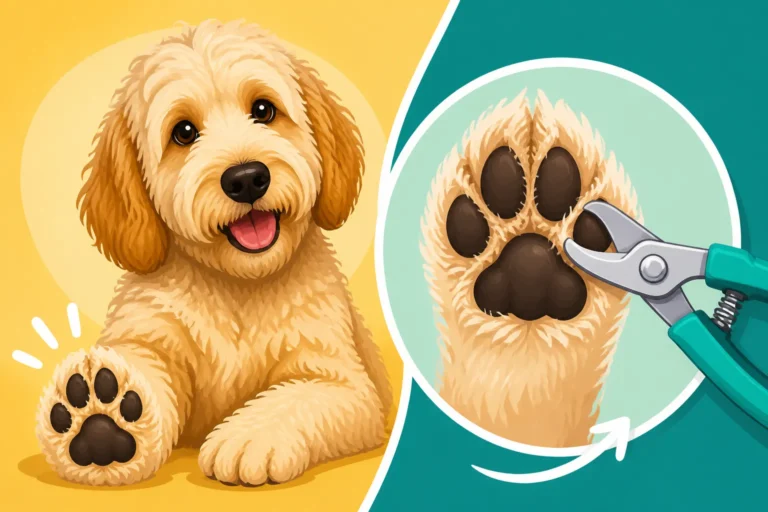
- Paw Pad and Sanitary Trims: Hair between the paw pads can collect debris, track dirt, and become matted, affecting your dog's grip and comfort. Regularly trim this hair with small, blunt-nosed scissors or a small clipper. Similarly, keeping the sanitary area trimmed short is crucial for hygiene, preventing fecal matter from clinging to the fur.
Consistency is key here. Think of it as a few minutes each day saving you hours of frustration (and potential dematting fees) later on.
Professional Grooming Schedule
While daily home care is critical, it doesn't replace professional grooming. Your Labradoodle will still need regular visits to a professional groomer to maintain the shape, trim nails, clean ears, and ensure the coat is thoroughly cleaned and dried with specialized equipment.
- Frequency: For a teddy bear clip, most Labradoodle owners find that a professional groom every 6 to 8 weeks is ideal. This schedule allows the coat to grow out enough to maintain its fluffy appearance without becoming overgrown and unmanageable. If your dog is particularly active, swims often, or has a very dense wool coat, you might need to schedule grooms every 4-6 weeks. During The Coat Change That Hits a Labradoodle at Nine Months phase, you might need even more frequent trips to manage the transition.
- Groomer Communication: Always communicate clearly with your groomer about the exact length and style you want. Bring photos! Pictures help ensure you're both envisioning the same "teddy bear" look. Discuss how your dog's specific coat type takes the clip and any challenges you're facing with home care. A good groomer can offer advice and demonstrate proper brushing techniques.
- Ear and Nail Care: Professional groomers will also take care of other important aspects of your Labradoodle's hygiene. This includes cleaning their ears and plucking ear hair if necessary (as discussed in Whether Ear Hair Should Be Plucked on a Labradoodle) and trimming their nails. Regular nail trims are vital for your dog's comfort and joint health.
A consistent schedule, combining diligent home care with regular professional visits, is the secret to keeping your Labradoodle looking like a perfectly groomed teddy bear year-round.
Challenges and Considerations
While the teddy bear clip is undeniably adorable, it's important to approach it with realistic expectations. This style, like any longer coat trim, comes with its own set of challenges and considerations that every Labradoodle owner should be aware of, from managing tangles to the financial commitment.
The Ever-Present Threat of Matting
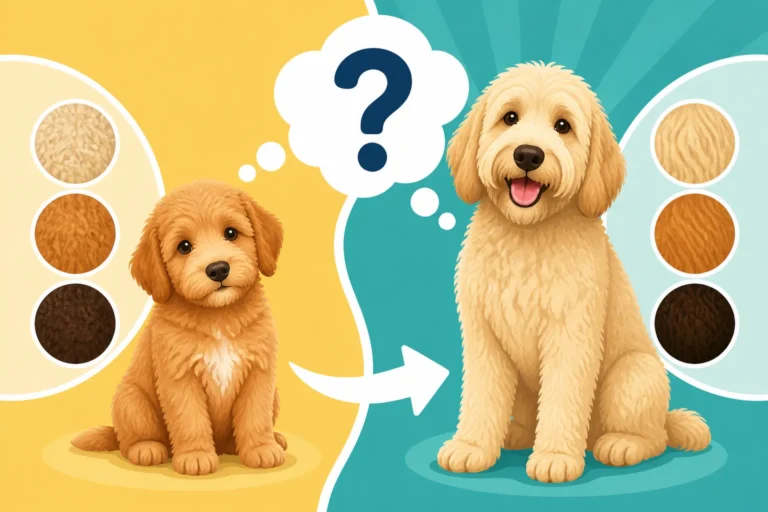
This is probably the biggest headache for owners striving for a longer clip like the teddy bear. Labradoodle coats, especially the fleece and wool varieties, are prone to matting because their hair grows continuously and often has a soft, cottony texture that loves to tangle. Even a slightly longer clip (like 1-2 inches) means more hair to mat.
Mats are not just a cosmetic issue; they are a serious welfare concern. They can pull on the skin, causing pain, irritation, and even skin infections. Severe matting can restrict movement, hide skin problems, and make grooming sessions incredibly uncomfortable or even traumatic for your dog. When a groomer encounters a severely matted dog, their priority is the dog's comfort and health, which often means shaving the coat down very short to get under the mats. This is not a punishment, but a necessity, and it's a huge disappointment when you were hoping for that fluffy teddy bear look. For more on this, our article Where Mats Form First on a Labradoodle might offer some preventative insights.
Coat Type and Temperament Impact
Not all Labradoodle coats are created equal, and this significantly impacts how well a teddy bear clip will look and last.
- Fleece Coats: These soft, wavy coats are often considered ideal for the teddy bear clip, as they hold the fluffiness well and are generally easier to maintain if brushed regularly.
- Wool Coats: While they can achieve a lovely teddy bear look, wool coats are dense and very prone to matting. They often require more frequent brushing and professional grooming to stay tangle-free at a longer length. Why a Wool Coated Labradoodle Costs More to Groom due to the extra effort involved.
- Hair Coats: These coats are typically straighter and shed more, sometimes making the teddy bear look harder to achieve as they might not hold the "fluffy" shape as well without product or specific styling.
Beyond coat type, your Labradoodle's temperament during grooming is a major factor. Achieving a precise clip requires your dog to stand still for extended periods, tolerate brushing, bathing, drying, and the sound/sensation of clippers. If your dog is fearful, anxious, or reactive during grooming, it will be much harder, if not impossible, to achieve a detailed clip. Early socialization and positive reinforcement training around grooming tasks are crucial. Consider starting early with Starting Grooming Handling on a Labradoodle Puppy to make it a positive experience.
Cost and Time Commitment
Maintaining a teddy bear clip involves both financial and time investments.
- Cost: Professional grooming for a Labradoodle with a teddy bear clip can be significant, especially if you're going every 6-8 weeks. The cost will vary based on your location, the groomer's experience, and your dog's size and coat condition. If your dog arrives matted, you could incur additional dematting fees, or the groomer might refuse the service or require a very short shave. Factor in the cost of high-quality grooming tools for home use, like brushes, combs, and detangling sprays available from retailers like Chewy.
- Time: The biggest time commitment for a teddy bear clip is the daily home brushing. This isn't a quick once-over; it's a dedicated session of 10-20 minutes, sometimes more for larger dogs or denser coats. If you lack the time for this daily commitment, a shorter, more practical clip might be a better choice for your Labradoodle's welfare and your sanity. The Yearly Grooming Total on a Standard Labradoodle gives a broader picture of these costs.
Ultimately, the teddy bear clip is a beautiful and popular choice, but it demands dedication. Understanding these challenges upfront will help you decide if it's the right style for you and your Labradoodle, and prepare you for the commitment involved.
Beyond the Basics: Variations and Personalization
While the core essence of the teddy bear clip remains the same – fluffy, rounded, and adorable – there's plenty of room for personalization to truly make the style your own. It's about finding the perfect balance between aesthetics, your lifestyle, and your Labradoodle's comfort.
Adjusting Length for Different Looks and Lifestyles
The "teddy bear" look isn't confined to one exact length. You have flexibility to adjust the coat length on the body and legs to suit your preferences and your dog's activities.
- Slightly Shorter: If your Labradoodle is very active, prone to getting dirty, or you simply prefer a slightly lower-maintenance version of the teddy bear, you can ask your groomer to use a shorter guard comb on the body. For instance, instead of a 1-inch guard, opting for a 3/4-inch or 1/2-inch guard will still give a fluffy appearance but reduce the surface area for mats and dirt. This can be particularly beneficial in rainy seasons or if your dog loves to swim, making drying and brushing a bit quicker. Just ensure it's not so short that it compromises their protection from the elements.
- Slightly Longer: For a truly plush, extra-fluffy teddy bear, you might opt for a 1.5 to 2-inch length on the body. This creates a denser, more luxurious coat. However, be prepared for a significant increase in home grooming time, as longer coats mat much faster and more intensely. This length might also be warmer for your dog in hot climates, so consider their comfort carefully. This longer style can be stunning, but it really highlights the importance of consistent daily brushing a Labradoodle needs through the coat change and beyond.
Remember, the length you choose should always be practical for both you and your dog. A beautiful coat is only truly beautiful if it's healthy and comfortable for your Labradoodle.
Styling the Face, Paws, and Tail
While the body length sets the foundation, the details around the face, paws, and tail are what truly personalize the teddy bear clip. This is where you can work with your groomer to fine-tune the look.
- Face:
- Rounded Muzzle: The classic teddy bear muzzle is rounded and full. You can discuss how much fullness you want. Some prefer a slightly tighter trim around the mouth for cleanliness, while others love a very plush, wide muzzle.
- Eyebrows/Fringe: How the hair above the eyes is styled can dramatically change the expression. Some prefer a longer, soft fringe that just barely clears the eyes, giving a sweet, innocent look. Others might opt for shorter, neat eyebrows that are brushed to the side, for a clearer view. Asking a Breeder for Labradoodle Eye Certificates might be a good idea for overall eye health information, but grooming keeps them clear.
- Paws:
- Round Feet (Poodle Feet): While not strictly part of the classic teddy bear clip, some owners like to combine the fluffy body with neatly scissored round feet (like a Poodle's). This can give a very clean and tidy appearance, reducing the amount of dirt tracked indoors.
- Natural Paws: More commonly, for a teddy bear clip, the hair on the paws is trimmed to follow the natural shape of the foot, keeping the top of the paw fluffy while ensuring the hair between the pads is short for hygiene and grip. Trimming the Hair Between a Labradoodle's Pads is important no matter the style.
- Tail:
- Full Plume: The standard for a teddy bear clip is a full, feathery tail. You can decide how much length you want to retain. Groomers will usually shape it to look natural and joyful.
- Tidier Tail: If your dog's tail hair mats easily or gets very messy, you could ask for it to be slightly shorter or more streamlined while still maintaining some fluff and movement.
By understanding these variations and communicating clearly with your groomer, you can achieve a truly customized teddy bear clip that perfectly suits your Labradoodle's unique personality and your family's lifestyle. It's a journey of discovery to find that perfect fluffy balance!
Disclaimer
This article is for general informational purposes only and does not constitute professional advice. Laws, prices and regulations vary by location and change over time. Consult a qualified professional for guidance on your specific situation.