Whether Ear Hair Should Be Plucked on a Labradoodle
That persistent itch, the head shaking, the lingering smell – it’s a familiar and frustrating scenario for many Labradoodle parents. You love their floppy, fuzzy ears, but sometimes those ears feel like a constant battleground against moisture, debris, and stubborn hair growth that seems to invite trouble. This guide is here to untangle the confusion surrounding Labradoodle ear care, specifically addressing the long-standing debate about whether plucking that internal ear hair is actually helping or harming your beloved companion.
Understanding Your Labradoodle's Unique Ear Anatomy
To truly understand why ear care is such a hot topic for Labradoodle owners, we first need to take a good look at what's going on inside those adorable, expressive ears. It's a combination of their parent breeds' traits that creates a somewhat unique challenge.
The Poodle and Labrador Influence
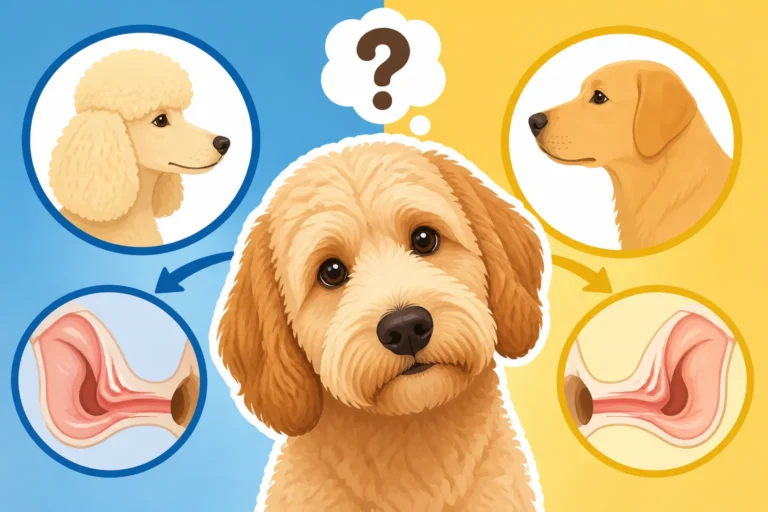
Your Labradoodle is a wonderful mix, and that mix extends right down to their ear structure and the type of hair that grows within. From their Labrador Retriever side, they often inherit that lovely, soft, drop ear — an ear that hangs down close to the head. This anatomical feature itself can create a warm, moist environment that's less exposed to airflow compared to upright ears. Now, couple that with the Poodle's genetic predisposition for continuous hair growth, not just on their body but inside their ear canals.
Imagine trying to keep a carpeted, unventilated room clean and dry; that's essentially what you're up against with a Labradoodle's ears. This combination means they often have deep, hairy ear canals that can easily trap wax, dirt, and moisture. This dense hair and lack of airflow become a prime breeding ground for bacteria and yeast, leading to those all-too-common, painful ear infections. It’s a design flaw, in a way, that we, as responsible owners, need to manage proactively. Many owners find themselves grappling with this specific challenge, wondering about the best way to handle The Hair That Grows Where a Labradoodle's Ear Should Drain.
Why Ear Hair Grows So Prolifically
The Poodle in your Labradoodle is responsible for that wonderful, low-shedding (often hypoallergenic) coat that many people seek out. However, this non-shedding trait isn't confined to their outer coat; it means hair continues to grow inside their ears, too, without naturally falling out. For purebred dogs like Retrievers, ear hair is usually sparse and sheds, allowing air to circulate. Not so with many Labradoodles.
This continuous growth leads to a buildup of hair deep within the ear canal, forming a kind of fuzzy dam. This hair can become matted with ear wax and debris, further obstructing airflow and creating a perfect, dark, warm, and humid environment that fungi and bacteria just adore. It’s no wonder so many Labradoodle owners report recurring ear troubles! Understanding this intrinsic characteristic of their lineage is the first step in providing them with effective ear care that actually helps, rather than inadvertently causing more problems.
The Great Debate: To Pluck or Not to Pluck?
For years, the standard advice for Poodle and Poodle-mix owners, including Labradoodles, was to routinely pluck the hair from inside their ears. It seemed logical: remove the hair, increase airflow, reduce infections. But veterinary science and practical experience have evolved, leading to a significant shift in this recommendation. This change can be confusing for owners who've been given conflicting advice over the years, and it's essential to understand why the consensus has changed.
The Traditional Argument for Plucking
The traditional rationale behind plucking ear hair was straightforward. The belief was that removing the hair would prevent the buildup of wax and debris, improve air circulation within the ear canal, and thus reduce the likelihood of ear infections. Many groomers and even some veterinarians historically advocated for it, suggesting that a clear ear canal was a healthy ear canal. It was a practice widely adopted, often seen as a necessary part of the Yearly Grooming Total on a Standard Labradoodle.
Owners would often perform this at home with ear powder and hemostats, or their groomer would do it as part of a routine grooming session. The goal was to manually clear out that internal "carpet" of hair, hoping to give the ear a better chance to breathe and self-clean. While the intent was good, we've learned a lot more about the delicate nature of the ear canal and the potential unintended consequences of this practice.
The Modern Veterinary Perspective Against Routine Plucking
Today, the vast majority of veterinarians advise against routine ear hair plucking for most Labradoodles. Why the change? It comes down to understanding the potential harm. When you pluck hair, even carefully, you can cause micro-trauma to the delicate skin lining the ear canal. This trauma creates tiny open wounds, which are perfect entry points for bacteria and yeast, ironically increasing the risk of infection. Furthermore, the plucking process itself can be quite painful for your dog, leading to a negative association with ear handling and making future ear care much more difficult.
Instead of solving the problem, plucking can exacerbate it. Inflammation, irritation, and the introduction of new pathogens often outweigh any perceived benefit of increased airflow. This new understanding has reshaped how we approach ear health in dogs like Labradoodles, emphasizing gentle care over aggressive removal. It highlights why Whether a Labradoodle's Ear Hair Causes Its Infections is a complex question with a nuanced answer.
When Plucking Might Still Be Considered Under Vet Guidance
While routine plucking is generally discouraged, there are very specific and rare circumstances where a veterinarian might recommend it. This is typically only in cases of severe, chronic ear infections where the hair growth is so exceptionally dense and matted that it completely prevents topical medications from reaching the infected tissue. In such extreme situations, a vet might carefully remove a small amount of hair, often under sedation, to allow treatment to be effective.
Even then, this is a procedure that should only be performed by a veterinary professional, as they have the expertise to assess the ear canal's health and perform the task with the least possible trauma. It is absolutely not a task for a DIY home groomer or even a standard professional groomer unless explicitly instructed and overseen by your vet. If your Labradoodle is experiencing Ear Infections Built Into a Labradoodle's Drop Ear repeatedly, your vet will guide you on the most appropriate course of action, which rarely involves plucking these days.
Safe and Effective Ear Care for Your Labradoodle
Since routine plucking is largely out, what should you be doing to keep your Labradoodle's ears healthy and happy? The good news is there are several highly effective, gentle methods that focus on maintaining a clean, dry, and healthy ear environment. Proactive care is truly your best defense against those notorious ear infections.
Regular Cleaning and Inspection
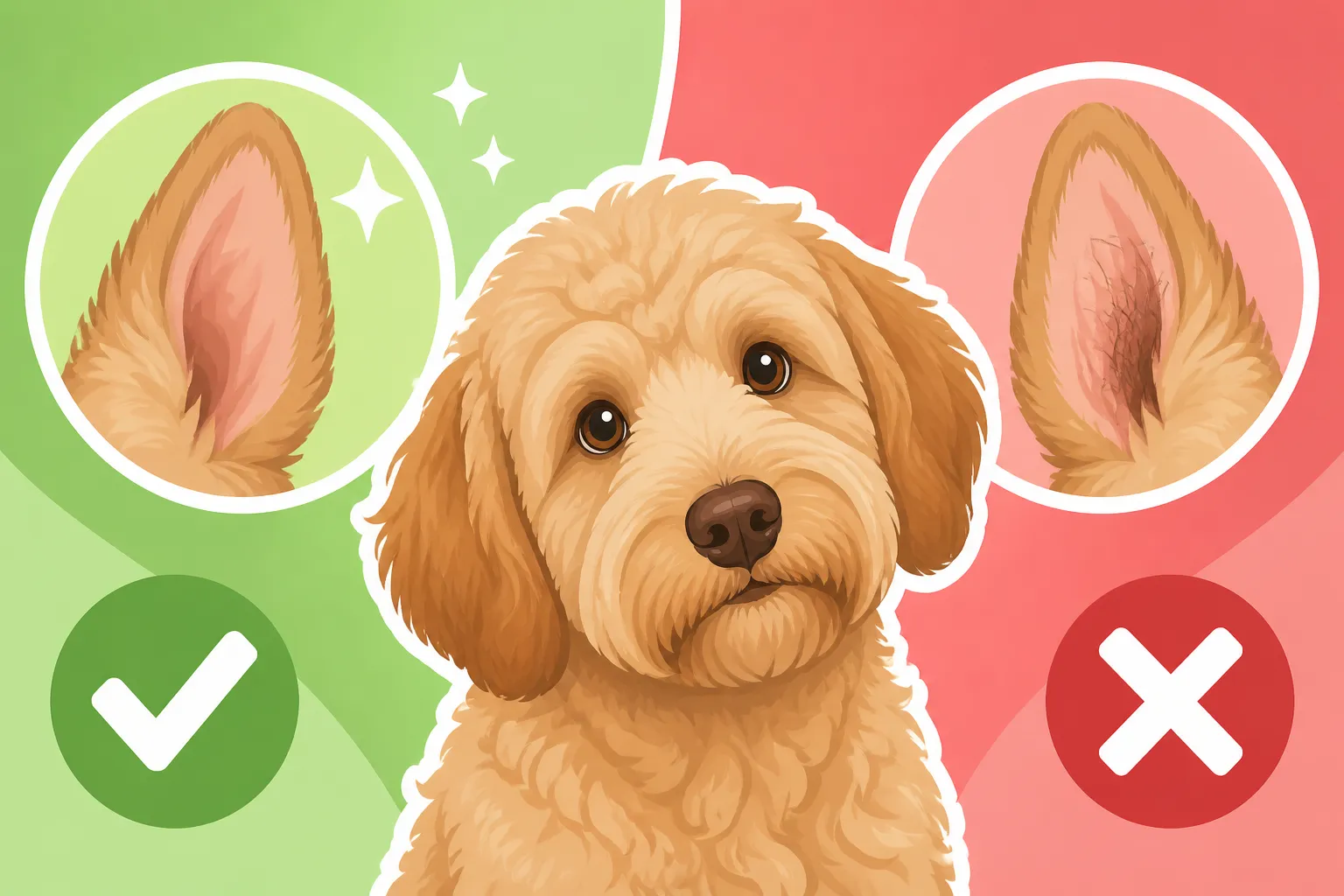
Consistent, gentle ear cleaning and inspection are paramount. You should aim to check your Labradoodle's ears at least weekly, if not more often, especially after swimming or bathing. Look for any redness, swelling, discharge (brown, black, or yellowish), or unusual odors. A healthy ear should be pale pink, clean, and odorless. When cleaning, use a veterinarian-approved ear cleaner. Avoid cotton swabs, which can push debris further into the ear canal. Instead, apply the cleaner to a cotton ball and gently wipe the visible parts of the ear. You can also gently squeeze a small amount of cleaner directly into the ear canal, massage the base of the ear for 30 seconds to distribute it, and then let your dog shake its head. After the shake, use a fresh cotton ball to wipe away any loosened debris and excess cleaner.
Establishing a positive routine for ear cleaning from a young age can make a world of difference. Reward your Labradoodle with treats and praise during and after the process to build a good association. If you find yourself consistently needing to clean a lot of gunk, or if there's any discomfort, it's time for a vet visit, not more aggressive cleaning or plucking. Pet insurance providers like Healthy Paws often cover diagnostic tests and treatments for ear infections, which can be a relief if your Labradoodle struggles with recurring issues.
Trimming vs. Plucking External Ear Hair
While deep ear canal plucking is generally off the table, maintaining the hair around the entrance to the ear canal and on the ear flap itself is a different story. Long, dense hair around the opening can also impede airflow and trap moisture. This hair can be carefully trimmed with blunt-nosed scissors or clippers by a groomer or a confident owner. The goal here is to open up the entrance to the canal, allowing for better ventilation and easier application of topical medications if needed.
This is a distinction often missed: trimming is about creating an open path and improving hygiene around the ear, not yanking hair from within the sensitive canal. A skilled groomer will know how to tidy up the area safely without irritating the skin or causing discomfort. This approach allows for better air circulation and makes it easier for you to see what’s going on inside your Labradoodle's ears during your regular inspections.
Addressing Underlying Issues
Sometimes, ear problems aren't just about hair and moisture; they're a symptom of a larger underlying issue. Allergies are a huge culprit for chronic ear infections in Labradoodles, much like in humans where environmental allergies or certain foods can cause skin irritation or respiratory issues. If your Labradoodle is constantly battling ear infections, it's worth exploring Whether Repeat Ear Infections Mean a Labradoodle Has Allergies.
Food allergies, environmental allergies (pollen, dust mites), or even sensitivities to certain grooming products can manifest as inflammation in the ears, leading to an overgrowth of yeast or bacteria. Working with your veterinarian to identify and manage these allergies—through dietary changes, medication, or immunotherapy—can significantly reduce the frequency and severity of ear infections. Don't just treat the symptoms; try to get to the root cause. This holistic approach to their health will provide more long-term relief and comfort for your furry friend.
Recognizing and Preventing Ear Infections
Even with the best preventative care, ear infections can still crop up. Knowing the signs to look for and implementing consistent prevention strategies can help you catch issues early and minimize their impact on your Labradoodle's health and happiness.
Signs Your Labradoodle Has an Ear Infection
Labradoodles are pretty good at letting you know when something is bothering them, especially when it comes to their ears. Look out for the following signs, which can indicate an ear infection is brewing or already present:
- Head shaking: This is often one of the first and most obvious signs.
- Ear scratching: Your Labradoodle might be aggressively scratching at their ears or rubbing them on furniture or the carpet.
- Redness or swelling: Gently lift their ear flap and look inside. Is the skin redder than usual, or does it appear puffy?
- Discharge: Any brown, black, yellow, or greenish discharge is a red flag. Black, waxy debris often indicates yeast or ear mites, while yellow or green usually points to a bacterial infection.
- Odor: A strong, yeasty, or foul smell coming from the ear is a definite sign of trouble.
- Pain or sensitivity: Your dog might yelp, pull away, or even show aggression when you try to touch their ear.
- Tilting head or loss of balance: In severe cases, particularly if the infection affects the inner ear, your Labradoodle might tilt their head or seem off balance.
If you notice any of these symptoms, it's crucial to contact your veterinarian promptly. Early intervention can prevent the infection from becoming more severe and potentially causing permanent damage to the ear. Waiting too long can make treatment more difficult and painful for your dog, and more expensive for you, though a good pet insurance plan like those from Healthy Paws can help manage veterinary costs.
Preventive Measures Beyond Plucking
Effective ear care for your Labradoodle goes far beyond whether or not to pluck hair. It’s about creating an environment that discourages infection. Here are some key preventative measures:
- Keep ears dry: This is absolutely critical, especially for Labradoodles who love water. After baths, swims, or even walks in the rain, thoroughly dry the visible parts of your Labradoodle's ears. You can use a soft towel or cotton balls. A few drops of a veterinary-approved drying solution can also be very helpful. Remember, moisture is the enemy! You can learn more about specific techniques in Drying a Labradoodle's Ears After Water and Cleaning a Labradoodle's Ears After Swimming.
- Regular cleaning: As discussed, regular, gentle cleaning with a vet-approved solution helps remove wax and debris before they become a problem. Consult How Often a Labradoodle's Ears Should Be Cleaned for a personalized schedule.
- Manage allergies: If allergies are suspected, work with your vet to identify triggers and manage them. This could involve hypoallergenic diets, antihistamines, or other specialized treatments.
- Regular vet check-ups: During routine examinations, your veterinarian will check your Labradoodle's ears, which can help catch problems before they escalate. They can also provide advice tailored to your dog's specific needs.
- Appropriate grooming: Ensure your groomer understands the current best practices for Labradoodle ears and avoids unnecessary plucking. Focus on trimming the external hair to improve airflow. Even Whether a Wool Coated Labradoodle Gets More Ear Infections can be mitigated with proper grooming and drying.
By combining these practices, you provide a comprehensive and gentle approach to your Labradoodle's ear health, focusing on prevention and early detection rather than interventions that might cause more harm than good.
| Feature / Method | Ear Hair Plucking (Routine) | Alternative Ear Care (Vet Recommended) |
|---|---|---|
| Purpose | Improve airflow, reduce wax buildup | Maintain hygiene, prevent infection, address underlying causes |
| Current Vet Stance | Generally discouraged due to risks | Highly recommended |
| Risks | Micro-trauma, inflammation, pain, increased infection risk | Minimal risks if done gently |
| Benefits | Perceived airflow increase (often outweighed by risks) | Healthy ear canal, reduced infection frequency, comfort |
| Frequency | Historically, as needed (now discouraged) | Weekly inspection, regular gentle cleaning |
| Tools | Hemostats, ear powder (not recommended for routine use) | Vet-approved cleaner, cotton balls, soft towels |
| Professional Role | Vet-only for extreme, medically necessary cases | Vet for diagnosis/treatment, groomer for external trimming |
Disclaimer
The information provided in this article is for general informational purposes only and is not a substitute for professional veterinary advice. Always consult with a qualified veterinarian for any health concerns or before making any decisions related to your Labradoodle's health and care.