How Often a Labradoodle’s Ears Should Be Cleaned
One of the most common frustrations for Labradoodle owners is keeping those adorable, floppy ears healthy. They're often a perfect storm for trouble – warm, moist, and hairy – making them prime real estate for yeast and bacteria. If you've been constantly battling smelly ears, head shaking, or wondering how often you really need to clean them to prevent those miserable infections, this guide is for you. We're going to dive deep into understanding your Labradoodle's ear anatomy and developing a practical, effective cleaning schedule that keeps their ears happy and you sane.
Why Labradoodle Ears Are a Unique Challenge
It's not just your imagination; Labradoodles often seem to have more ear issues than some other breeds. This isn't a flaw in their charming personality, but rather a direct result of their unique physical characteristics inherited from both the Labrador Retriever and the Poodle. Understanding these predispositions is the first step in proactive care.
The Perfect Environment for Trouble: Anatomy and Hair Growth
Think about the structure of your Labradoodle's ear. Unlike breeds with upright, open ears, Labradoodles have those wonderful drop ears that hang down. This seemingly innocent trait creates a warm, dark, and often humid environment within the ear canal. Air circulation is naturally limited, which means any moisture that gets in – from a bath, a swim, or even just humidity in the air – tends to stay there. This trapped moisture, combined with the warmth, makes for an ideal breeding ground for yeast and bacteria. It's a bit like a tiny, furry greenhouse right next to their eardrum!
On top of this, Labradoodles inherit hair growth deep within their ear canals, a trait largely from their Poodle lineage. This hair acts like a net, catching wax, debris, and more moisture, effectively creating dams within the canal that further impede air flow and drainage. It’s like having a clogged drain that just won't clear itself. Many owners debate Whether a Labradoodle's Ear Hair Causes Its Infections or Whether Ear Hair Should Be Plucked on a Labradoodle, and while opinions vary, the presence of this hair is undoubtedly a significant factor in their propensity for ear problems.
Activity Levels and Their Impact on Ear Health
Labradoodles are typically active, fun-loving dogs who enjoy a good romp, often involving water. Whether it's splashing in puddles, swimming in a lake, or even just a vigorous bath, their love for water directly impacts their ear health. Every time water enters their ears, it adds to that already moist, low-airflow environment.
Imagine your Labradoodle bounding through tall grass on a dewy morning or taking a joyful dive into the neighborhood pond. While these activities are fantastic for their overall well-being and happiness, they introduce foreign particles like seeds, pollen, and dirt into the ear canal, which can irritate the sensitive skin and even cause tiny abrasions. This, coupled with the moisture, makes for a potent recipe for inflammation and infection. It's important to be diligent about Drying a Labradoodle's Ears After Water if your pup is a water enthusiast, because that simple step can make a huge difference in preventing a bacterial bloom.
Recognizing When Your Labradoodle's Ears Need Attention
It's easy to assume any ear issue is an infection, but sometimes it's just routine buildup. Knowing the difference helps you decide whether to reach for the ear cleaner or make an appointment with your veterinarian. Being observant is key to catching problems early, before they escalate into painful, full-blown infections.
Signs of an Impending Ear Infection
While regular cleaning helps, sometimes, despite our best efforts, an ear infection can still rear its ugly head. The signs are usually quite clear once you know what to look for. One of the first things you might notice is your Labradoodle shaking their head more frequently or tilting it to one side. They might also start scratching vigorously at their ears, sometimes even rubbing them against furniture or the carpet to relieve the itch. This constant scratching and rubbing can lead to secondary skin irritations and even open sores around the ear flap, which only complicates matters.
Another tell-tale sign is a change in the appearance or smell of their ears. Healthy Labradoodle ears should have a very faint, almost neutral smell. If you detect a strong, yeasty, or foul odor coming from their ears, that's a huge red flag. Inside the ear, look for redness, swelling, or discharge. The discharge can vary – it might be dark brown and waxy (often yeast), yellowish and pus-like (bacterial), or even a bit crusty. Your dog might also be reluctant to let you touch their head or ears because of the pain. If you notice any of these signs, especially a strong odor or discharge, it's time to call your vet. Don't try to treat a suspected infection with just over-the-counter cleaners; professional diagnosis and medication are usually needed. For more on what these infections look like, check out Ear Infections Built Into a Labradoodle's Drop Ear.
Distinguishing Routine Buildup from Infection
Not every bit of gunk means an infection! Sometimes, what you see is just normal ear wax and debris that accumulates over time. This is especially true for Labradoodles, given their hairy ear canals. Routine buildup typically looks like light brown or reddish-brown wax, often mixed with a bit of hair or dirt. It might have a mild, somewhat earthy smell, but it won't be pungent or foul. Your Labradoodle usually won't be exhibiting any signs of discomfort—no excessive scratching, no head shaking, no tenderness when you gently touch their ear.
The key differences between routine buildup and an infection lie in the level of discomfort, the intensity of the smell, and the appearance of inflammation or discharge. If the ear canal looks healthy, pink, and not irritated, and the discharge is minimal and light-colored, it's likely just a case for routine cleaning. Regular checks are crucial; make it a habit to lift your Labradoodle's ear flap and take a peek inside every few days, especially after outdoor adventures. This quick inspection helps you gauge the situation and decide if it's time for a routine clean or a vet visit.
Establishing a Regular Ear Cleaning Routine
Now that we understand why Labradoodles are prone to ear issues and what to look for, let's talk about the proactive steps you can take. A consistent and gentle ear cleaning routine is your best defense against those uncomfortable and costly ear infections.
How Often to Clean Your Labradoodle's Ears
This is the million-dollar question, and the answer, frustratingly, isn't a one-size-fits-all. It really depends on your individual Labradoodle, their lifestyle, and their specific ear health history.
Factors Influencing Cleaning Frequency:
- Activity Level and Water Exposure: If your Labradoodle loves swimming, romping in wet grass, or frequently gets bathed, their ears will need more frequent attention. Aim to clean them soon after each water exposure, and then maintain a regular schedule. Whether Swimming Sets Off a Labradoodle's Ears is a common concern, and the answer is usually yes, without proper post-swim care.
- Hair Growth in the Ear Canal: Some Labradoodles have much more hair growing inside their ear canal than others. More hair means more trapped moisture and debris, necessitating more frequent cleaning. You might need to discuss appropriate ear hair trimming or plucking with your groomer or vet.
- Previous History of Infections: If your Labradoodle has a history of chronic ear infections, your vet might recommend a more intensive cleaning schedule, perhaps weekly or even every few days, to keep potential issues at bay.
- Allergies: Dogs with environmental or food allergies are often prone to ear inflammation and secondary infections. If your Labradoodle has allergies, their ears will likely require more frequent cleaning and management. Whether Repeat Ear Infections Mean a Labradoodle Has Allergies is a definite possibility and worth investigating with your vet.
- Coat Type: While less direct, a dense wool coat around the ears can sometimes contribute to less airflow to the ear canal opening.
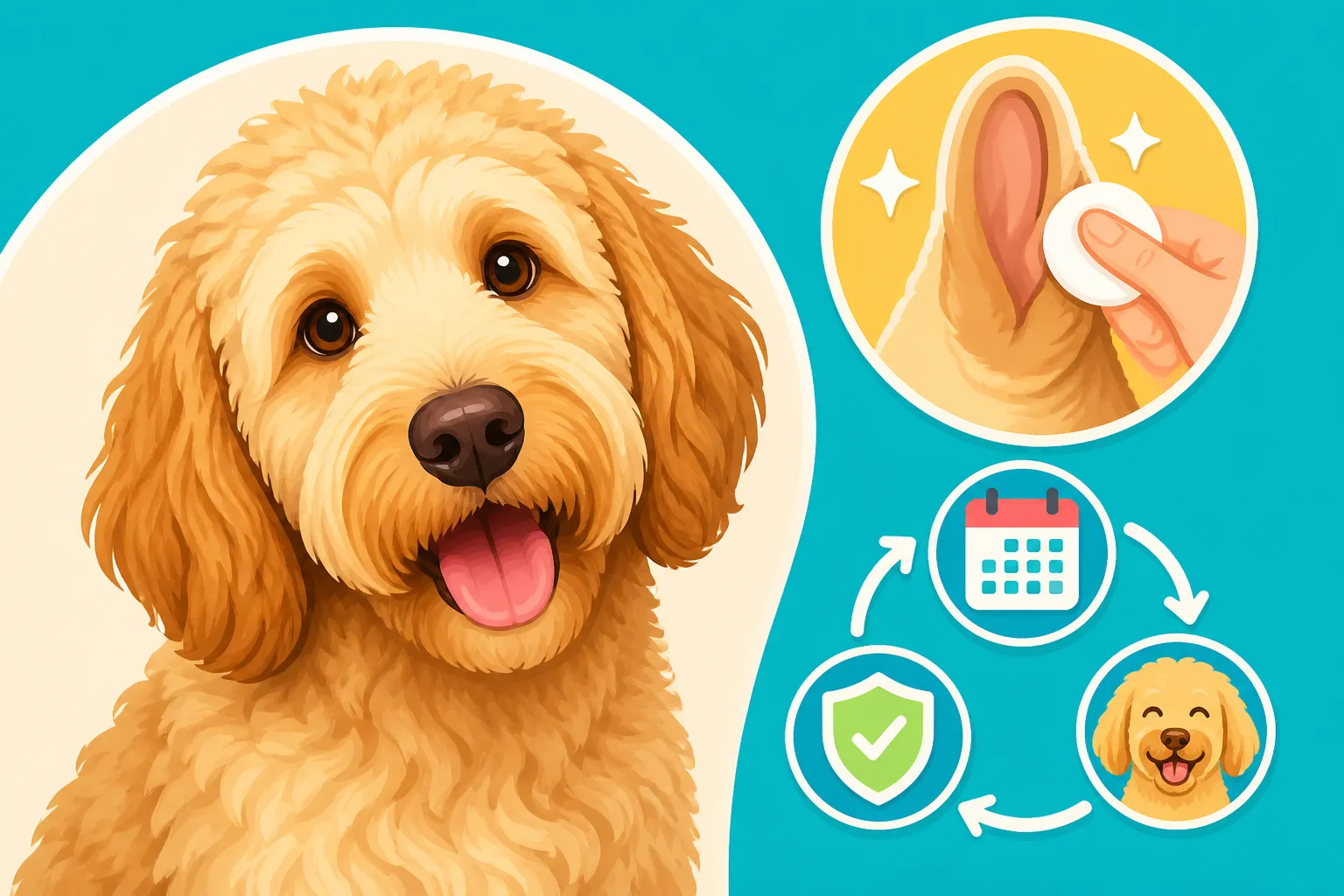
For most Labradoodles with no history of chronic issues and moderate activity, once a week to once every two weeks is a good starting point for routine cleaning. However, if your dog is a frequent swimmer or has a history of recurrent infections, you might need to clean them every 2-3 days, especially after water exposure. It's truly a balance of being proactive without over-cleaning, which can sometimes lead to irritation.
Here's a general guideline for different scenarios:
| Factor | Recommended Cleaning Frequency | Notes |
|---|---|---|
| Average Labradoodle | Once every 1-2 weeks | For dogs with no history of issues, moderate outdoor activity, and occasional baths. |
| Frequent Swimmer/Bather | After each water exposure | Essential to dry and clean ears promptly after swimming in lakes, pools, or thorough baths to prevent moisture-related infections. |
| History of Ear Infections | 2-3 times per week | Under vet guidance, especially if predisposed. May need specific medicated cleaners. |
| Allergies Present | 2-3 times per week | Allergies often lead to inflammation, making ears more susceptible. Consistent cleaning can help manage secondary issues. |
| Heavy Ear Hair | Weekly | More hair traps more debris and moisture. Consider discussing professional ear hair care (plucking/trimming) with your groomer or vet. |
| Very Clean/Dry Ears | Every 3-4 weeks | Some lucky Labradoodles might naturally have very clean ears. Still, check regularly and adjust if conditions change. |
Essential Tools and Techniques for Effective Cleaning
Having the right tools and knowing the proper technique makes ear cleaning a much less stressful experience for both you and your Labradoodle.
What you'll need:
- A Dog-Specific Ear Cleaning Solution: This is crucial. Never use rubbing alcohol, hydrogen peroxide, or human ear drops unless specifically instructed by your vet. Dog ear cleaners are formulated to be gentle, to dry quickly, and to dissolve wax effectively. Brands like Epi-Otic, Zymox, and Vet's Best are widely available on sites like Chewy and Amazon.
- Cotton Balls or Gauze Pads: These are for wiping the outer ear and the visible parts of the ear canal. Avoid cotton swabs (Q-tips) as they can push debris further into the ear canal or damage the eardrum.
- Treats: High-value treats are your secret weapon for making this a positive experience.
- Towels: Have an old towel handy for any drips or head shakes.
Step-by-step Cleaning Technique:
- Gather Your Supplies: Lay everything out before you start. This prevents fumbling and keeps your Labradoodle from getting impatient.
- Position Your Dog: Find a comfortable spot where your Labradoodle is relaxed. You might need someone to gently hold them, especially when you're first introducing them to ear cleaning. Offer a treat and praise.
- Inspect the Ear: Gently lift the ear flap and take a good look inside. Note any redness, swelling, or unusual discharge. If it looks infected, stop here and call your vet.
- Apply the Cleaner: Hold the ear flap upright to straighten the ear canal. Gently squeeze a generous amount of the ear cleaning solution into the ear canal until it's full, but not overflowing too much. Don't be shy; you want enough to thoroughly flush the canal.
- Massage the Base of the Ear: With the cleaner in, gently massage the base of your Labradoodle's ear for about 30 seconds. You should hear a squishing sound as the solution works its way down and breaks up debris. Your dog might lean into this, finding it somewhat relieving.
- Let Your Dog Shake Their Head: Step back and let your Labradoodle shake their head. This is good! It helps dislodge loosened debris and brings it up to the outer ear. Be prepared for some spray, which is why the towel is handy.
- Wipe the Outer Ear: Use a fresh cotton ball or gauze pad to gently wipe away any visible solution, wax, and debris from the inner surface of the ear flap and the entrance to the ear canal. Only clean what you can easily see; do not try to reach deep into the canal with the cotton.
- Praise and Reward: Finish with lots of praise, petting, and a tasty treat. The goal is to make this a neutral, if not positive, experience.
- Repeat on the Other Ear: Follow the same steps for the other ear.
Consistency and a gentle touch are far more important than aggressive scrubbing. If your Labradoodle is resistant, start with very short sessions, just massaging the ear for a few seconds and then rewarding. Build up gradually.
Addressing Specific Ear Care Challenges
Sometimes, despite a diligent routine, specific issues can make ear care more complicated. Knowing how to handle these common challenges can help you keep your Labradoodle's ears in top condition.
Managing Moisture for Water-Loving Labradoodles
It's no secret that many Labradoodles adore water. Swimming is fantastic exercise and mental stimulation for them, but it's also a leading cause of ear problems. Water trapped in the ear canal creates that perfect humid environment for bacteria and yeast to flourish. The challenge isn't stopping your Labradoodle from swimming – that's often impossible and undesirable – but rather managing the aftermath.
After any water activity, whether it's a dip in the lake, a romp in the pool, or even just a particularly enthusiastic bath, prompt and thorough drying of the ears is paramount. Gently blot the outer ear flap and the entrance to the ear canal with a soft towel or a cotton ball. You can also use a dog-specific ear drying solution, which often contains ingredients that help acidify the ear canal and evaporate moisture. A quick wipe with one of these solutions can prevent problems before they start. For those really dedicated to drying, some owners even use a low-setting hairdryer (held at a safe distance and not pointed directly into the canal) to ensure the outer ear is completely dry, provided their dog tolerates the sound. The key is to remove as much moisture as possible from the visible parts of the ear immediately after exposure. For deeper insights, you might want to read Cleaning a Labradoodle's Ears After Swimming.
Dealing with Persistent Ear Hair
The luxurious hair that gives Labradoodles their charming "doodle" look doesn't stop at the ear flap; it often continues to grow deep inside the ear canal. This internal ear hair, while a common trait, significantly contributes to ear issues by trapping wax, debris, and moisture, further reducing airflow and creating a veritable breeding ground for infections.
For many Labradoodles, managing this ear hair is a crucial part of their overall ear health strategy. There are generally two approaches: plucking or trimming.
- Plucking: This involves carefully pulling out the hair from the ear canal. Some vets and groomers recommend it, especially for dogs with very dense internal hair, as it opens up the canal and improves air circulation. However, it can be uncomfortable, and if not done correctly, can cause micro-traumas to the delicate skin, which can, ironically, lead to infection. If you opt for plucking, it should always be done by a professional (vet or experienced groomer) or with careful guidance, ensuring appropriate tools and technique.
- Trimming: For dogs with less dense hair or those sensitive to plucking, carefully trimming the hair at the entrance of the ear canal can also improve airflow. This is often done by groomers using specialized clippers. This method is generally less invasive than plucking.
The best approach depends on your Labradoodle's specific ear hair density, sensitivity, and history of infections. Discuss this with your veterinarian or a trusted professional groomer. They can assess your dog's ears and recommend the most suitable method for hair management, balancing comfort and preventative care. For more on this, check out The Hair That Grows Where a Labradoodle's Ear Should Drain.
When Your Routine Isn't Enough: Seeking Veterinary Help
Despite your best efforts with regular cleaning and preventative measures, sometimes a Labradoodle's ears just don't cooperate. If you notice persistent signs of discomfort—like constant scratching, head shaking, a strong foul odor, or visible discharge (yellow, green, or dark brown and greasy)—it's crucial to seek veterinary attention promptly. These are clear indications that a simple cleaning isn't enough, and a full-blown infection is likely present.
Your veterinarian can properly diagnose the type of infection (bacterial, yeast, or both) and prescribe the appropriate medication, which might include medicated ear drops, oral antibiotics, or anti-inflammatories. They can also thoroughly clean the ear canal using specialized tools, often under sedation if the ear is very painful. Delaying treatment can lead to more severe and chronic conditions, potentially causing permanent damage to the ear or even affecting hearing. Remember, your vet is your best resource for ongoing ear health challenges. They can help identify underlying causes, such as allergies or specific anatomical quirks, and tailor a long-term management plan. Sometimes, persistent issues require a deeper look, perhaps a diet change from something like traditional kibble to a fresh food option like Ollie, which some owners find helps manage allergy-related inflammation, or specific allergy testing. Don't hesitate to reach out to them if you're concerned.
Disclaimer
This article is for general informational purposes only and does not constitute professional advice. Laws, prices and regulations vary by location and change over time. Consult a qualified professional for guidance on your specific situation.