Whether a Labradoodle’s Ears Should Be Tied Back to Eat
Anyone who shares their home with a gorgeous Labradoodle knows the unique joys and minor frustrations these wonderful dogs bring. One common head-scratcher many of us face is the daily mealtime dance, where those beautiful, floppy ears seem to find their way into everything, from the kibble bowl to the water dish. This guide is here to walk you through practical solutions and preventive measures to keep your Labradoodle's ears clean, healthy, and free from mealtime messes.
The Unique Challenge of Labradoodle Ears at Mealtime
Let's be honest, those adorable, expressive ears are a big part of the Labradoodle's charm. But what makes them so appealing also makes them magnets for food and water. This isn't just about aesthetics; consistently wet or food-laden ears can lead to genuine health concerns for your furry friend.
Anatomy That Leads to Messy Meals
Think about the structure of a Labradoodle's ear. Unlike dogs with upright ears, Labradoodles inherit their drop ear shape from both their Labrador Retriever and Poodle parents. These ears hang down, often quite long, providing a perfect scoop for anything their head goes into. When your Labradoodle dips their head into their food bowl, those ear flaps act like little shovels, dragging through kibble, wet food, or even just water. This isn't a behavior issue; it's simply a design feature.
The length and weight of these ears mean they naturally fall forward or inward when the dog lowers its head. It's almost impossible for them not to get into the bowl. Imagine trying to eat soup without your hair falling into it if you had long locks! For dogs, it's exactly the same problem, but with the added texture of their coat to trap debris. It's a fundamental challenge that every Labradoodle owner will encounter at some point, whether their dog is a dainty eater or a voracious gobbler.
The Double Whammy of Coat Type and Ear Shape
The problem is compounded by the Labradoodle's signature coat. Depending on whether your Labradoodle has a hair, fleece, or wool coat, the hair around their ears can range from smooth and shedding to dense, curly, and non-shedding. The fleece and wool coats, while fantastic for allergy sufferers, are incredibly efficient at trapping moisture and food particles. This means that stray bits of kibble, gravy from wet food, or even just water can cling to the ear furnishings.
If left unaddressed, this accumulation can lead to mats forming behind and inside the ears, which are notoriously painful and difficult to remove. More seriously, constant moisture and food debris create a warm, damp environment perfect for bacterial or yeast infections to thrive. You might notice a sour smell, excessive scratching, or redness if an infection begins to take hold. This is why addressing the mealtime ear mess isn't just about cleanliness; it's a vital part of preventative health care for your Labradoodle. Ear Infections Built Into a Labradoodle's Drop Ear are a common concern, and mealtime habits can certainly contribute to them.
Effective Strategies for Keeping Ears Clean While Eating
So, what's a dedicated Labradoodle parent to do? Thankfully, there are several tried-and-true methods that can help keep those beautiful ears out of the food and water bowls. It's often a matter of finding what works best for your individual dog and your lifestyle.
The "Tie Back" Method and Its Variations
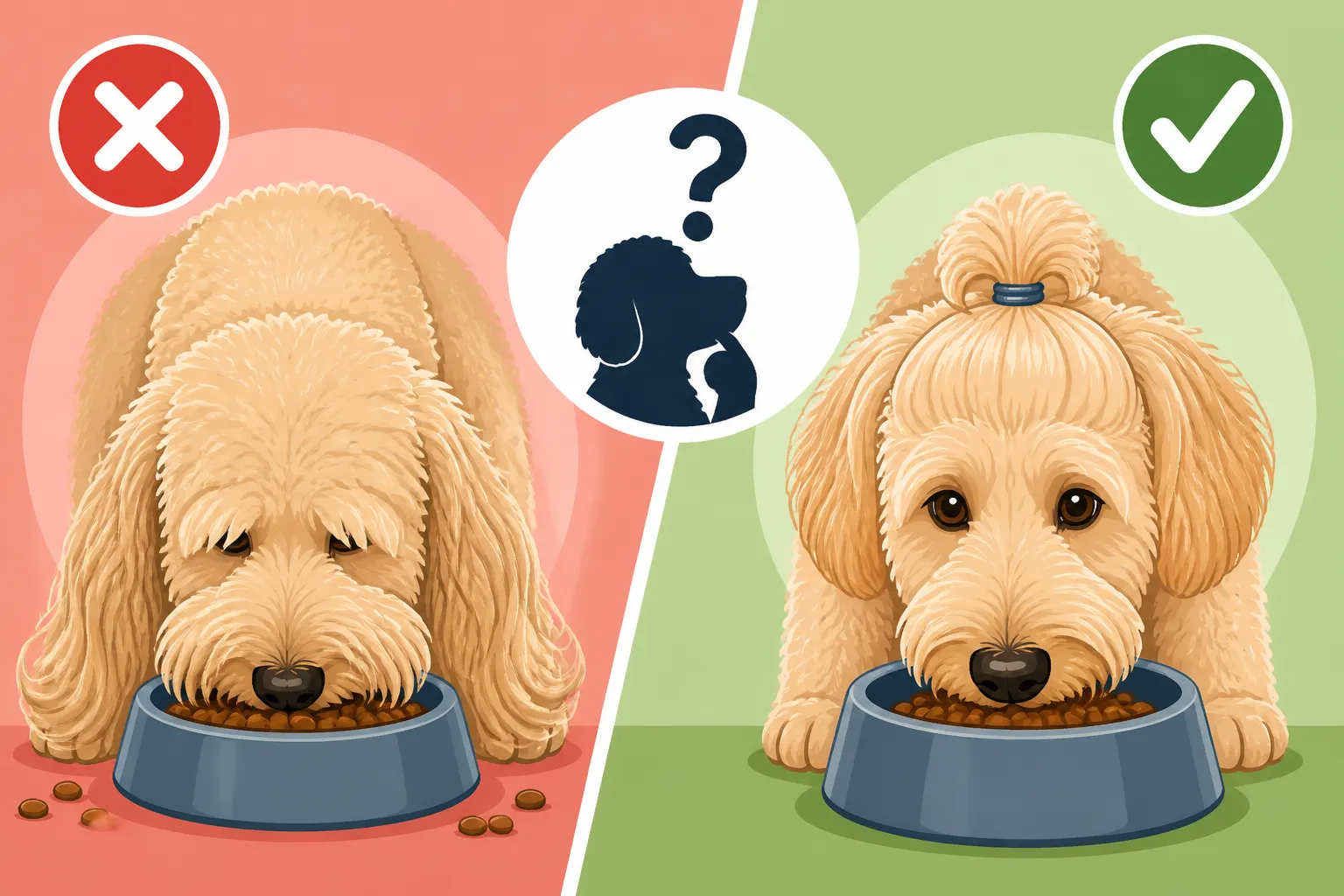
Yes, tying back your Labradoodle's ears to eat is absolutely a viable and popular solution, and it’s often the first thing owners try. This method involves gently gathering the ear flaps and securing them temporarily, usually on top of the head. The goal is to keep them out of the bowl while your dog focuses on their meal.
Here's how you can approach it:
- Simple Hair Tie/Scrunchie: For some Labradoodles, especially those with thicker ear furnishings, a soft hair tie or scrunchie can do the trick. Gently gather both ears together at the very top of their head, twist the hair tie a few times, and secure them like a ponytail. Make sure it's snug enough to hold the ears up but not so tight that it causes discomfort or pulls the hair. You don't want to create tension on the ear leather itself.
- Dog Snoods: These fabric tubes are designed specifically for dogs with long ears. They slip over your dog's head, covering the ears and holding them snugly against the head. Snoods come in various sizes and materials, from lightweight mesh for summer to thicker fleece for warmth. They are particularly effective because they cover the entire ear, preventing any stray hairs from dipping into the bowl. Many owners find snoods less fiddly than hair ties and more comfortable for their dogs, especially during longer meals or if they're particularly enthusiastic eaters. You can often find a good selection of snoods on Chewy or Amazon.
- Headbands or Bandanas: Similar to snoods but perhaps a bit less encompassing, a wide fabric headband or a bandana tied around the head can also help. The key is to position it so it holds the ears back and up, preventing them from falling into the bowl. This might require a bit of trial and error to get the fit just right and ensure it stays put without bothering your dog.
The most important aspect of any tie-back method is comfort and safety. Always supervise your dog, especially the first few times you try a new method, to ensure they aren't stressed or trying to remove the ear protection. Remove the tie or snood immediately after they finish eating.
Specialized Bowls and Feeders
Sometimes, the simplest solution lies in changing the tools, not just modifying the dog! The type of bowl your Labradoodle eats and drinks from can make a huge difference in keeping their ears clean.
- Narrow, Deep Bowls: These bowls, often referred to as "spaniel bowls" (named for other long-eared breeds like Cocker Spaniels), have a smaller opening at the top but are deep enough to hold a full meal. The narrow opening helps to keep the ears on the outside of the bowl while your dog's snout can still reach the food at the bottom. This design naturally guides the ears back and away from the food, reducing direct contact. Many pet supply stores, including those found on Amazon, offer various styles of these bowls in ceramic, stainless steel, or plastic.
- Elevated Bowls: While not directly preventing ear dipping, elevated bowls can subtly change the angle at which your Labradoodle eats. For some dogs, eating from a raised position means their head is less angled downwards, and their ears might hang more freely to the sides rather than falling forward into the bowl. This isn't a guaranteed solution for ear cleanliness, but it can be a comfortable option for many dogs, especially larger Labradoodles or those with joint issues. Just be aware of the ongoing debate about Raised Bowls and Labradoodle Bloat, and consult your vet if you have concerns.
- Slow Feeder Bowls: These bowls have various ridges and labyrinths to slow down rapid eating. While their primary purpose isn't ear protection, the design often means the dog has to move their head around more precisely, which can, in turn, keep ears from resting directly in the food for extended periods. If your Labradoodle is a fast eater and has messy ears, a slow feeder could offer a dual benefit.
It’s worth trying a combination of these approaches. For instance, a narrow, deep bowl paired with a snood might be the ultimate defense against mealtime messes for a particularly floppy-eared Labradoodle.
Using Snoods and Headbands
As mentioned, snoods are specifically designed to address this problem, and they are a lifesaver for many owners of long-eared breeds. They are essentially tubes of fabric that cover your dog's head and ears, holding the ears back and out of the way.
Snoods are fantastic because they:
- Provide Full Coverage: They encapsulate the entire ear, ensuring no stray hairs fall into food or water.
- Are Comfortable: Good quality snoods are made from soft, breathable materials and are designed not to restrict movement or cause discomfort. They shouldn't be tight around the neck or face.
- Are Versatile: Beyond eating, snoods can protect ears during messy outdoor play, prevent burrs from clinging to coat, or even keep ears warm in cold weather.
- Come in Varieties: You can find different fabrics – stretchy knits, waterproof materials, lighter meshes – to suit various needs. Many brands on Chewy offer a wide range.
Headbands, while similar, tend to offer less comprehensive coverage than a full snood. A wide, stretchy headband, properly positioned, can hold the ears up and back. However, they might not contain all the hair around the ears as effectively as a snood, especially if your Labradoodle has a very fluffy or woolly coat. Some creative owners even repurpose child-sized headbands or tube scarves for their dogs. Regardless of which you choose, introduce it positively with treats, and ensure your dog is comfortable wearing it.
Here's a quick comparison of ear protection methods:
| Method | Pros | Cons | Best For |
|---|---|---|---|
| Hair Tie/Scrunchie | Inexpensive, readily available | Can pull hair, may slip off, less comprehensive coverage | Quick fixes, short meals, dogs with less dense ear hair |
| Dog Snood | Excellent coverage, comfortable, versatile | Initial training required, need to remember to put it on and take off | Regular meals, messy eaters, outdoor activities, long-term solution |
| Specialized Bowl | Passive solution (no action needed from owner) | Might not work for all dogs/ear shapes, only helps during meals | All Labradoodles, especially when combined with other methods |
| Headband/Bandana | Affordable, can be stylish | Less secure than snoods, may still allow some hair into bowl | Light eaters, short-haired ear types, casual use |
Beyond Mealtime: Holistic Ear Care for Your Labradoodle
While mealtime hygiene is crucial, it's just one piece of the puzzle when it comes to keeping your Labradoodle's ears in top condition. Their unique ear structure makes them prone to various issues, so a consistent, comprehensive ear care routine is essential.
Regular Cleaning and Inspection Routines
Your Labradoodle's ears are dark, warm, and often humid environments – prime real estate for bacteria and yeast. This means regular cleaning and inspection aren't optional; they're vital. Aim to check your dog's ears at least weekly, if not more often, especially if they love swimming or playing in damp environments.
When you inspect, look for:
- Redness or Swelling: These are clear signs of irritation or inflammation.
- Discharge: Any brown, yellow, or greenish discharge is a red flag.
- Odor: A yeasty or foul smell indicates a problem. Healthy ears should have very little scent.
- Excessive Wax: Some wax is normal, but a sudden increase or very dark, crumbly wax can be a sign of mites or infection.
- Scratching or Head Shaking: If your dog is constantly pawing at their ears or shaking their head, something is amiss.
To clean, use a veterinarian-approved ear cleaner. Apply a few drops into the ear canal, gently massage the base of the ear for about 30 seconds to help break up debris, and then let your dog shake their head (have a towel ready!). After they shake, use a cotton ball or soft cloth to wipe away any visible dirt or wax from the outer ear flap and the visible parts of the canal. Never use cotton swabs inside the ear canal, as you could push debris further in or damage the eardrum. Regular cleaning, combined with methods like Cleaning a Labradoodle's Ears After Swimming, is critical.
Preventing Moisture and Infection
Moisture is the enemy of healthy Labradoodle ears. Their floppy ears restrict airflow, making it harder for moisture to evaporate. This trapped moisture, whether from baths, swimming, or even humid weather, creates the perfect breeding ground for infections.
Here are some tips to keep their ears dry:
- After Baths: Always thoroughly dry your Labradoodle's ears after a bath. Use a towel to absorb as much moisture as possible from the outer ear, and then a low-setting hairdryer (held at a safe distance) to gently dry the inner flap and surrounding hair.
- After Swimming: If your Labradoodle is a water lover, drying their ears immediately after a dip is non-negotiable. Whether Swimming Sets Off a Labradoodle's Ears is a common concern for owners. Use an ear drying solution designed to acidify the ear canal and help evaporate water.
- Humidity: In humid climates, more frequent ear checks and cleanings might be necessary to keep moisture at bay.
- Hair Plucking/Trimming: Discuss with your groomer or vet whether plucking or trimming hair from inside your Labradoodle's ear canal is appropriate. For some dogs, this can improve airflow, but for others, it can cause irritation. Whether Ear Hair Should Be Plucked on a Labradoodle is a question best answered by a professional, as opinions vary.
Grooming the Ear Area
Proper grooming extends beyond just the ear canal. The hair on and around the ear flaps itself needs attention. Labradoodle ears are prone to matting, especially behind the ear where the ear leather meets the skull, and on the lower edges where they dip into bowls.
Regular brushing, ideally daily or every other day, with a slicker brush and a comb is essential. Pay special attention to these areas, working through any tangles gently. If you find mats, don't try to rip them out. Instead, use a mat splitter or carefully work them apart with your fingers, using a detangling spray if needed. Severe mats might require a professional groomer to carefully shave them out. Mats Behind a Labradoodle's Ears are a common headache for owners.
Your groomer can also help by trimming the hair short around the opening of the ear canal and on the underside of the ear flap. This not only makes cleaning easier but also allows for better air circulation, further preventing moisture buildup and keeping the ears tidier around meal times. This is part of The Yearly Grooming Total on a Standard Labradoodle and can significantly contribute to ear health.
The Consequences of Neglecting Labradoodle Ear Hygiene
It's easy to overlook ear care until a problem arises, but for Labradoodles, neglecting their ear hygiene, especially around food and water, can have significant and uncomfortable consequences. Understanding these risks can motivate us to be proactive.
Risks of Food and Moisture Accumulation
When food debris and moisture are consistently allowed to accumulate in and around a Labradoodle's ears, you're essentially creating a perfect storm for trouble. The warm, dark, and moist environment is an open invitation for bacteria and yeast to multiply. This leads to common issues like:
- Ear Infections (Otitis Externa): This is by far the most prevalent problem. The ear canal becomes inflamed, red, itchy, and often produces a foul-smelling discharge. Your dog might show signs of pain, constant scratching, head tilting, or even a reluctance to be touched around their head. These infections require veterinary attention, often involving medicated ear drops and, in severe cases, oral antibiotics or antifungals. Repeated infections can lead to chronic ear problems and even damage the ear canal. Whether a Labradoodle's Ear Hair Causes Its Infections is often debated, but regardless, trapped moisture is a huge contributing factor.
- Matting: Food particles, especially wet food, can easily get caught in the fine hair around the ear canal and on the ear flap. When this mixes with moisture, it quickly forms tight, painful mats. These mats pull on the skin, causing irritation and discomfort. They can also trap more moisture and debris, exacerbating the risk of infection. Severe matting can restrict blood flow and even lead to skin lesions underneath.
- Skin Irritation and Hot Spots: The constant dampness and friction from rubbing against food-laden ears can lead to general skin irritation. This can manifest as redness, hair loss, or even "hot spots" – acute moist dermatitis – which are intensely itchy, weeping sores that can develop rapidly and be very painful for your dog.
It's crucial to remember that these issues aren't just minor inconveniences; they cause genuine pain and distress for your Labradoodle and can become expensive to treat.
Recognizing Signs of Ear Issues
As responsible Labradoodle owners, being observant is your best defense against serious ear problems. Your dog can't tell you their ears hurt, but they will show you through their behavior. Catching these signs early can prevent a minor irritation from escalating into a full-blown infection.
Keep an eye out for any of the following symptoms:
- Persistent Head Shaking: This is often one of the first and most obvious signs that something is bothering your dog's ears.
- Excessive Scratching: If your Labradoodle is constantly pawing at their ears or rubbing their head along furniture or the floor, it's a strong indicator of itchiness or discomfort.
- Redness or Swelling: Gently lift your dog's ear flap and visually inspect the inner surface and the opening of the ear canal. Any unusual redness or puffiness is a sign of inflammation.
- Unpleasant Odor: A healthy ear has a neutral smell. A strong, yeasty, or foul odor emanating from the ear is a classic sign of infection.
- Discharge: Look for any abnormal discharge – waxy buildup, black debris (which could indicate ear mites), yellow pus, or a brownish, greasy substance.
- Sensitivity or Pain: If your dog flinches, whines, or pulls away when you touch their ears, they are likely experiencing pain or tenderness.
- Head Tilting: Consistently tilting their head to one side can indicate discomfort or an imbalance caused by an inner ear issue.
- Changes in Behavior: Lethargy, loss of appetite, or general irritability can sometimes be linked to the discomfort of an ear infection.
If you notice any of these signs, don't delay. Schedule an appointment with your veterinarian. They can properly diagnose the issue and recommend the correct course of treatment. Ignoring these symptoms can lead to more severe conditions, including hearing loss, chronic pain, and even infections spreading to the middle or inner ear. Proactive care, including proper feeding techniques and a consistent grooming schedule, is the best way to keep your Labradoodle's ears healthy and happy. Regular vet check-ups should include a thorough ear examination as part of The Yearly Screening a Labradoodle Should Get.
Disclaimer
This article is for general informational purposes only and does not constitute professional advice. Laws, prices and regulations vary by location and change over time. Consult a qualified professional for guidance on your specific situation.