Cleaning a Labradoodle’s Eyes
Is there anything more frustrating than seeing your beautiful Labradoodle's bright, expressive eyes obscured by gunk, crust, or those stubborn reddish-brown tear stains? It’s not just an aesthetic concern; these accumulations can lead to irritation, discomfort, and even infections for your furry friend. This guide is here to walk you through everything you need to know about gently and effectively cleaning your Labradoodle’s eyes, ensuring they stay sparkling and healthy.
Why Your Labradoodle's Eyes Need Regular Attention
Our beloved Labradoodles are a wonderful mix of two fantastic breeds, the Labrador Retriever and the Poodle, and with that comes a unique set of characteristics – including their facial structure and coat type, which directly impact their eye health. It’s not just about good looks; regular eye care is a crucial part of your dog's overall well-being.
The Anatomy of a Labradoodle's Eye Area
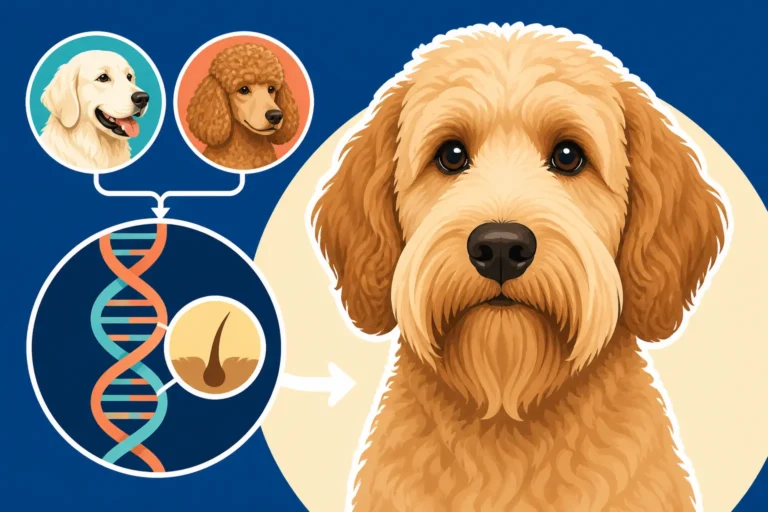
The combination of the Poodle’s often dense, curly hair and the Labrador’s typical eye shape can create a perfect storm for eye issues. Poodles are known for their continuous hair growth, which means hair can easily grow into or around the eyes, especially if not regularly trimmed. This fine hair can act like a wick, drawing tears and moisture away from the eye and onto the surrounding skin, where it can quickly become a breeding ground for yeast and bacteria. Plus, the hair itself can directly irritate the eye, leading to increased tearing and discharge. Think about how annoying it is when a single strand of your own hair gets in your eye; now imagine having a constant fringe of it tickling your eyeball!
Common Eye Issues for Labradoodles
Beyond simple dust and debris, Labradoodles are prone to a few common eye-related challenges. Tear staining is perhaps the most visible, manifesting as reddish-brown streaks, particularly on lighter-colored dogs. This isn't just dirt; it's often caused by porphyrins, iron-containing molecules excreted in tears, which stain the fur when exposed to light. Excessive discharge, whether clear, whitish, or yellowish, can also be a recurring problem. Sometimes, this is just normal eye lubrication; other times, it can signal an irritation or a mild infection. If you notice a change in the color or consistency of your Labradoodle's tear film, it's always worth a closer look, and perhaps a chat with your vet.
The Impact of Untreated Eye Accumulations
Ignoring those little crusts and tear stains might seem harmless, but it can lead to bigger problems down the line. That damp, stained fur around the eyes is a prime spot for bacterial or yeast growth, which can cause skin irritation, redness, and even painful skin infections. The constant moisture can also lead to matting, forming hard, uncomfortable clumps of fur right next to your dog's sensitive eye. These mats can pull on the skin, causing pain and making future grooming even more difficult. Imagine trying to brush a solid, painful mat away from your dog's eyeball – it’s a recipe for stress for both of you. Left unaddressed, mild irritation can escalate into something much more serious, potentially affecting your dog's vision or requiring veterinary intervention. Remember, good maintenance is always easier, and less costly, than treatment.
Gathering Your Labradoodle Eye Cleaning Essentials
Before you embark on your eye-cleaning mission, it’s wise to gather all your tools. A calm, prepared approach makes the whole process smoother for both you and your Labradoodle. Rushing or scrambling for supplies mid-task only adds to the stress.
Safe and Effective Cleaning Solutions
When it comes to cleaning solutions for your Labradoodle's eyes, simplicity is often best. The safest and most universally recommended options are plain, warm water or sterile saline solution, similar to what contact lens wearers use (just ensure it's plain saline, not a cleaning solution with added chemicals). You can usually find sterile saline in any drugstore or even on online retailers like Amazon. For those pesky tear stains, there are also specialized wipes and gentle solutions designed to break down porphyrins. However, it's crucial to always read labels carefully and ensure any product is specifically formulated as "eye safe" for dogs. Avoid using harsh soaps, hydrogen peroxide, or human eye drops not prescribed by a vet, as these can cause severe irritation or damage. If you're ever in doubt, a quick call to your veterinarian can clear up any confusion about which products are appropriate.
Tools for Gentle Cleaning
Beyond the cleaning solution itself, you'll need a few physical tools. Soft cotton balls or gentle, lint-free cloths are perfect for wiping. Avoid using rough tissues or paper towels, as these can leave fibers behind or be too abrasive for the delicate skin around the eyes. For tackling crusty bits or minor mats, a fine-toothed metal comb or a special tear-stain comb can be incredibly helpful. Make sure the comb's teeth are rounded to prevent scratching. Having a clean, dry towel nearby is also a good idea for drying the area gently afterward. Many of these grooming tools, from combs to wipes, can be conveniently purchased from pet supply stores or online platforms like Chewy.
Creating a Calm Environment for Eye Care
This might be the most important "tool" of all! Your Labradoodle can sense your mood, so approaching them with a relaxed, confident demeanor will go a long way. Choose a quiet time when your dog is already settled and calm, perhaps after a good walk or a play session. A comfortable, well-lit space is ideal. Lay out all your supplies within easy reach, so you're not fumbling. Use a soothing voice, offer plenty of praise, and have some high-value treats ready as a reward. For puppies, especially, introducing eye cleaning as a positive experience from a young age is vital. You want them to associate this routine with gentle handling and tasty rewards, not a struggle. If your Labradoodle struggles with general handling, you might want to look into methods for Starting Grooming Handling on a Labradoodle Puppy.
Step-by-Step Guide to Cleaning Your Labradoodle's Eyes
Now that you're prepared, let's get down to the actual process. Remember, patience and gentleness are key. You're working around a very sensitive area, so take your time and be reassuring.
Preparing Your Labradoodle and the Area
First things first, make sure your Labradoodle is comfortable. Have them sit or lie down in a position where you can easily reach their face without straining. If they're particularly wiggly, a second person can help by gently holding them, providing comfort and preventing them from backing away. Speak to them in a calm, encouraging voice. Before you even touch their eyes, you might want to trim any excessively long hair around the eye area. Using blunt-nosed scissors, carefully snip away any hair that could poke the eye or trap moisture. Always point the scissors away from the eye and only cut a small amount at a time. This initial trimming can make a huge difference in preventing future issues. Many Labradoodle owners find that learning how to manage areas like The Hair That Grows Where a Labradoodle's Ear Should Drain can transfer to eye-area grooming too.
The Cleaning Process
With your Labradoodle calm and hair trimmed, you can begin the actual cleaning.
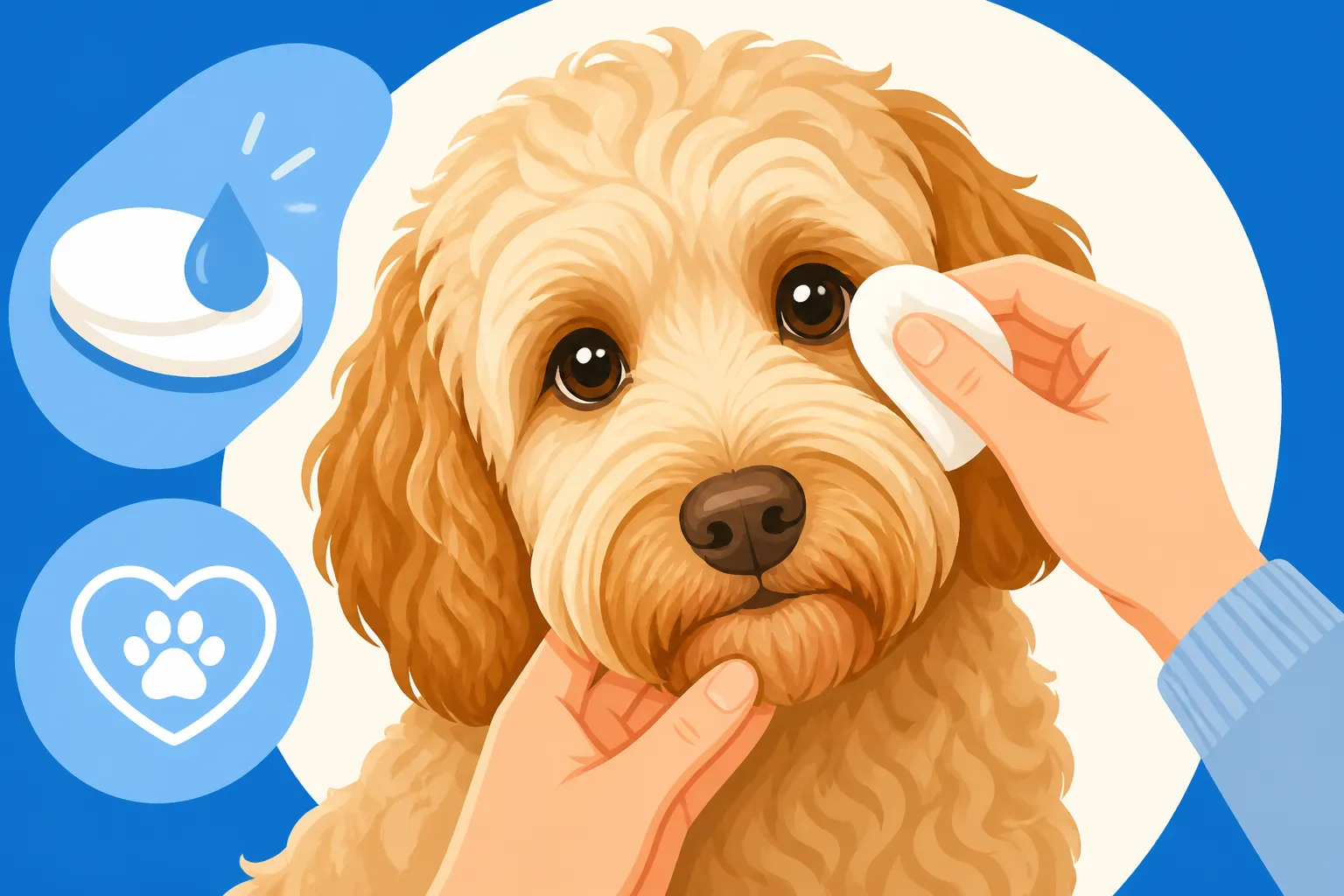
- Start with gentle wiping: Take a cotton ball or a soft, lint-free cloth moistened with warm water or saline solution. Gently wipe away from the eye, starting from the inner corner (near the nose) and moving towards the outer corner. This helps to move debris away from the eye itself. Use a fresh part of the cotton ball or a new one for each wipe, especially if there's a lot of discharge, to avoid spreading bacteria.
- Tackling crusts and dried discharge: For stubborn crusts, hold a warm, wet cotton ball over the area for a few seconds to soften it. Then, gently wipe it away. Never rub vigorously or try to pick at dried discharge with your fingernails, as this can irritate the skin or even scratch the eye.
- Addressing tear stains: If your Labradoodle has prominent tear stains, you might need a slightly different approach. After wiping away any loose discharge, you can use a tear-stain specific wipe or a cotton ball soaked in a tear-stain solution (always verify it's eye-safe). Gently dab and wipe the stained fur. Be patient, as tear stains often require consistent, daily effort over several weeks to lighten significantly. For very dark or matted stains, a fine-toothed comb can help to gently work through the stained fur and remove any loosened material, but be incredibly careful not to pull on the delicate skin.
- Repeat for the other eye: Always use a fresh cotton ball or cloth for the second eye to prevent any potential spread of infection, even if both eyes appear clean.
Post-Cleaning Care and Rewards
Once you've finished cleaning, gently pat the area around your Labradoodle's eyes dry with a clean towel. Leaving the fur damp can encourage yeast growth and re-staining. Now for the fun part: lavish your Labradoodle with praise, belly rubs, and those high-value treats you had ready! Make it clear that they've been a very good dog. This positive reinforcement is crucial for building a good association with eye cleaning, making future sessions much easier. A good grooming session can be tiring for a dog, so finish on a high note.
Preventing Future Eye Troubles and Maintaining Health
Regular cleaning is fantastic, but prevention is always the best medicine. By proactively managing your Labradoodle's grooming and overall health, you can minimize the frequency and severity of eye issues.
Regular Grooming for the Eye Area
One of the biggest contributors to eye problems in Labradoodles is the hair itself. As we discussed, their continuously growing coat, characteristic of breeds like the Poodle, means that hair can easily become an irritant around the eyes. Regular trimming of the hair around your Labradoodle's eyes is paramount. This can be done carefully at home with blunt-nosed scissors, always pointing away from the eye, or more reliably by a professional groomer. Groomers are skilled in safely sculpting the hair around the face to keep it clear of the eyes, preventing both irritation and the wicking of tears that leads to staining. Don't be shy about asking your groomer for a "teddy bear clip" or other style that prioritizes clear vision and comfort around the face. Regular trips for a full groom, especially for a What a Full Groom Costs on a Wool Coated Labradoodle, will include this vital step. Consistent brushing of the entire coat, using methods like The Line Brushing a Labradoodle Coat Needs, also ensures that loose hairs don't migrate to the face.
Addressing Persistent Tear Stains
If your Labradoodle experiences persistent tear stains despite diligent cleaning and trimming, it might be time to consider other factors. Sometimes, diet can play a role; some owners find that certain ingredients or even water sources can influence tear staining. While there's no single "magic bullet," ensuring your Labradoodle is on a high-quality, balanced diet can support overall health, including eye health. Some owners explore specialized dog foods or supplements – always discuss any dietary changes or supplements with your vet first to ensure they're safe and appropriate. Brands like Ollie, known for fresh food options, may be explored by owners looking at dietary impacts, though specific results for tear stains can vary greatly from dog to dog. Environmental factors, such as dust, pollen, or even the type of bowls your dog eats from (plastic can sometimes harbor bacteria more readily than stainless steel or ceramic), can also contribute. Ensuring a clean living environment and fresh water daily can make a surprising difference.
When to Seek Veterinary Advice
While routine eye cleaning is a normal part of Labradoodle care, there are times when you absolutely need to consult your veterinarian. If you notice any of the following signs, it's time to pick up the phone:
- Excessive tearing or discharge: Especially if the discharge changes in color (green, yellow, thick white) or consistency, as this can indicate an infection.
- Redness or inflammation: If the whites of the eyes (sclera) are red, or the eyelids appear swollen or irritated.
- Squinting or pawing at the eyes: These are clear signs of pain or discomfort.
- Cloudiness or changes in eye appearance: Any sudden cloudiness, haziness, or a noticeable change in the pupil or iris should be checked immediately. Conditions like Cataracts in a Middle Aged Labradoodle or more serious issues can present with visual changes.
- Sensitivity to light: If your Labradoodle seems to be avoiding bright light.
- Lumps or bumps: Any new growths around the eye or eyelid.
Even if you're doing The Yearly Eye Exam a Labradoodle Should Have with your vet, it’s important to contact them immediately if you see any worrying changes. Early intervention can prevent minor issues from escalating into serious problems that could affect your Labradoodle’s vision and comfort.
Disclaimer
This article is for general informational purposes only and does not constitute professional advice. Laws, prices and regulations vary by location and change over time. Consult a qualified professional for guidance on your specific situation.