The Yearly Eye Exam a Labradoodle Should Have
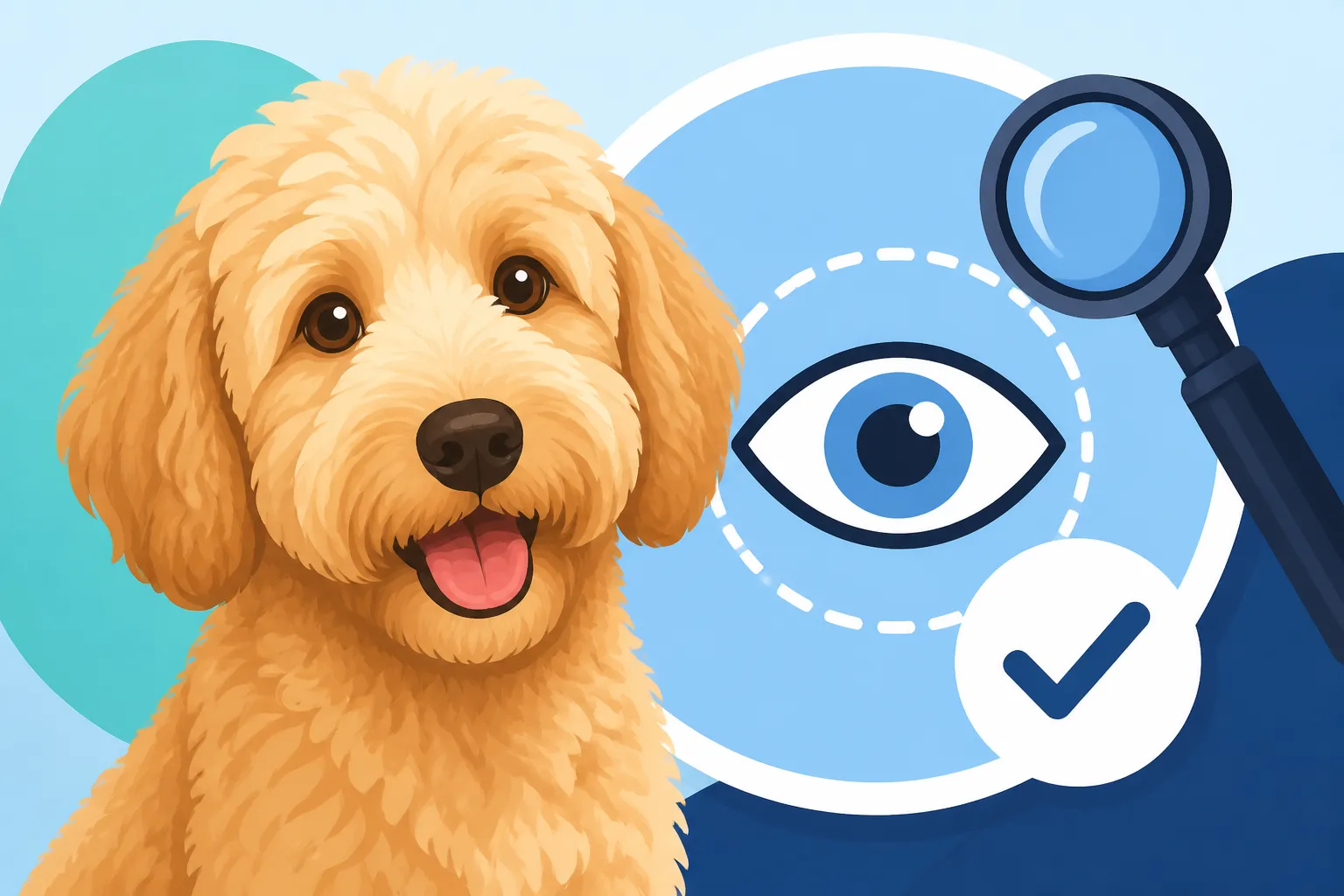
It's easy to get caught up in the curly coats and playful antics of our Labradoodles, often overlooking one of the most vital aspects of their long-term well-being: their eyes. Many owners assume healthy eyes until an obvious problem arises, but insidious conditions can develop silently, making yearly eye exams an absolute necessity. This guide will walk you through why these check-ups are so crucial, what to expect during the examination, and the common issues your vet will be looking for to keep your Labradoodle seeing clearly for years to come.
Why Your Labradoodle Needs a Yearly Eye Exam
We all want our furry family members to live long, healthy lives, and ensuring their vision is a huge part of that. For Labradoodles, a crossbreed known for its intelligence and affectionate nature, regular eye examinations aren't just a good idea; they're a proactive measure against a range of inherited and acquired conditions that can seriously impact their quality of life. Think of it like a yearly physical for us humans – it’s about catching things early, often before they become major problems.
Catching Inherited Conditions Early
Both the Labrador Retriever and the Poodle, the parent breeds of your beloved Labradoodle, are predisposed to several genetic eye conditions. This means your Labradoodle carries a blended risk profile. One of the most talked-about conditions is Progressive Retinal Atrophy (PRA). This isn't just one disease; it's a group of genetic disorders that cause the cells in the retina to degenerate over time. What starts as subtle night blindness can slowly progress to complete blindness. Early detection, sometimes even before symptoms are obvious, can give you precious time to understand the prognosis and make adjustments for your dog. For instance, knowing if your Labradoodle is susceptible to The Age prcd-PRA Takes a Labradoodle's Night Vision can help you watch for those early signs. While responsible breeders conduct The prcd-PRA Test Both Labradoodle Parents Need, unforeseen issues can still arise, or a rescue Labradoodle might not have known parentage.
Identifying Age-Related Changes and Injuries
Beyond genetics, our Labradoodles are active dogs, and just like us, they experience wear and tear, and sometimes, unfortunate accidents. As they grow older, typically around middle age and certainly once they hit The Birthday a Labradoodle Counts as Senior, eye issues like cataracts can begin to develop. These can obscure their vision, making them hesitant to navigate familiar spaces. A yearly exam is the perfect opportunity for your vet to spot these changes and monitor their progression. Furthermore, a vigorous romp in the woods might lead to a corneal abrasion from a stray branch, or an unnoticed speck of dust could cause inflammation. These seemingly minor issues can escalate quickly if not addressed, potentially leading to pain and permanent damage. A yearly check-up ensures that even small injuries or irritations get the professional attention they need before they become bigger headaches for both you and your pup.
What a Comprehensive Eye Exam Involves
Walking into the vet for an eye exam might sound a bit intimidating, but it's a routine and usually stress-free process designed to give a complete picture of your Labradoodle's ocular health. It’s much more than just a quick look; it involves a series of specialized tests that evaluate different parts of the eye, from tear production to internal structures. Your veterinarian, or often a veterinary ophthalmologist if a specialist referral is needed, will meticulously go through these steps to ensure nothing is missed.
Initial Visual Inspection and General Assessment
The first step is always a thorough visual inspection. Your vet will observe your Labradoodle's eyes in a normal setting, checking for symmetry, discharge, redness, or any obvious signs of discomfort. They'll pay close attention to the eyelids, looking for abnormalities like entropion (inward rolling eyelids) or ectropion (outward rolling eyelids), which can cause irritation. They might gently touch around the eye to check for pain or swelling. This initial assessment also includes observing your dog's overall demeanor and how they react to light and movement, which can give clues about their vision. For instance, if your Labradoodle seems hesitant on stairs or bumps into furniture in dim light, that's valuable information for the vet.
Specialized Diagnostic Tests
After the initial visual check, several specialized tests come into play. These are non-invasive and crucial for diagnosing various conditions.
- Schirmer Tear Test (STT): This test measures tear production. A small strip of filter paper is placed inside the lower eyelid for one minute. Insufficient tear production can indicate dry eye, a condition called Keratoconjunctivitis Sicca (KCS), which can be very uncomfortable and lead to corneal damage if left untreated. If your Labradoodle shows signs of recurrent eye irritation, this test is key.
- Fluorescein Stain Test: A special orange dye is applied to the eye. If there's any abrasion, ulcer, or scratch on the cornea, the dye will stick to it and glow bright green under a blue light, making even tiny lesions visible. This is critical for detecting injuries that aren't obvious to the naked eye.
- Tonometry: This measures the intraocular pressure (IOP) of the eye, which is vital for diagnosing glaucoma. Glaucoma, caused by fluid buildup, can be excruciatingly painful and lead to rapid, irreversible blindness if not treated promptly. A special device, often a Tono-Pen, is gently touched to the surface of the eye after a numbing drop is applied.
- Ophthalmoscopy: Using an ophthalmoscope, the vet will examine the internal structures of your Labradoodle's eye, including the retina, optic nerve, and lens. This allows them to look for signs of conditions like Progressive Retinal Atrophy (PRA), cataracts, or other retinal diseases. They might dim the lights to get a better view. This is where subtle changes in the lens, like those seen in Cataracts in a Middle Aged Labradoodle, can be first identified.
These tests, collectively, provide a comprehensive look at the health of your Labradoodle's eyes, ensuring that potential problems are identified and addressed as early as possible.
Common Eye Conditions Labradoodles Face
Given their genetic heritage from both the Labrador Retriever and the Poodle, Labradoodles are susceptible to a specific set of eye conditions. While many Labradoodles will live their entire lives with perfect vision, being aware of these possibilities allows you to be proactive and seek veterinary attention if you notice any concerning signs. It's truly about knowing what to look out for.
Progressive Retinal Atrophy (PRA)
As mentioned earlier, PRA is a significant concern for Labradoodles. It's a degenerative genetic condition that affects the light-sensitive cells in the retina at the back of the eye. Over time, these cells deteriorate, leading to vision loss. Initially, you might notice your Labradoodle struggling in low-light conditions, becoming hesitant to go outside at dusk or bumping into furniture in dimly lit rooms – this is the earliest sign of The Age prcd-PRA Takes a Labradoodle's Night Vision. As the disease progresses, daytime vision also diminishes, eventually leading to complete blindness. There's currently no cure for PRA, but early diagnosis through a yearly eye exam allows you to prepare for your dog's changing needs and learn how to manage life with a visually impaired dog. While it's heartbreaking, many blind dogs adapt remarkably well, especially with a supportive owner.
Cataracts and Nuclear Sclerosis
Cataracts involve a clouding of the eye's lens, which obstructs light from reaching the retina and impairs vision. They can be inherited, develop due to diabetes, or simply be a consequence of aging. Unlike PRA, cataracts are often treatable with surgery, depending on their severity and the overall health of the dog. It's important not to confuse cataracts with nuclear sclerosis, which is a common, normal aging change in the lens that causes a bluish-gray haze but usually doesn't significantly affect vision. Your vet can easily differentiate between Telling Nuclear Sclerosis From Cataracts in a Labradoodle during an eye exam. If your Labradoodle is showing signs of difficulty seeing, especially in bright light, or you notice a cloudy appearance in their eyes, a vet visit is crucial. Having a pet insurance plan from providers like Healthy Paws can be incredibly helpful if cataract surgery becomes an option, as it can be quite an investment.
Dry Eye (Keratoconjunctivitis Sicca)
Dry eye, or KCS, occurs when the eyes don't produce enough tears to keep them lubricated and healthy. It's a surprisingly common and uncomfortable condition that can affect Labradoodles. The lack of tears leads to chronic irritation, redness, discharge, and if left untreated, can result in corneal ulcers, scarring, and even blindness. Symptoms can include excessive blinking, squinting, thick mucous discharge, and dull, dry-looking eyes. The Schirmer tear test conducted during the yearly exam is the definitive diagnostic tool. Thankfully, KCS is often manageable with daily eye drops and medications that stimulate tear production. Consistent treatment is key, and regular follow-ups are necessary to monitor progress. Dealing with a chronic condition like Dry Eye in a Labradoodle can be a long-term commitment, but companies like Healthy Paws can often alleviate some of the financial burden of ongoing medication and vet visits.
Glaucoma
Glaucoma is a serious and painful condition caused by an increase in pressure within the eye, leading to damage to the optic nerve and retina. It's an emergency situation that requires immediate veterinary attention, as vision loss can occur rapidly, sometimes within hours. While less common than PRA or cataracts, it's particularly insidious because it often presents with subtle signs at first, such as a slightly cloudy eye, redness, or your dog pawing at their face. The tonometry test performed during a yearly eye exam is designed to catch this silently developing pressure before it becomes critical. Early intervention is crucial to save vision and manage pain.
Preparing Your Labradoodle for Their Eye Exam and Follow-Up
Making the most of your Labradoodle's yearly eye exam, and ensuring their ongoing ocular health, involves a bit of preparation and consistent care at home. Your active involvement is priceless in catching subtle changes and helping your vet provide the best care possible. It's a team effort between you, your Labradoodle, and your veterinary team.
What to Observe at Home
You are your Labradoodle's primary observer, and your observations are invaluable to your veterinarian. Before your appointment, take some time to watch your dog for any changes, no matter how minor they seem. Have you noticed them bumping into things, especially in low light? Do they seem hesitant on stairs or when jumping off furniture? Is one eye squinting more than the other? Are there any changes in the appearance of their eyes – redness, cloudiness, excessive tearing, or discharge? Even something as simple as increased pawing at their face or rubbing their head against furniture could be a sign of discomfort. Keep a mental note, or better yet, jot down these observations. If you've wondered Whether a Labradoodle Loses Its Sight Slowly, these observations are your first clues. Also, consider if there have been any changes in their general health or behavior, as systemic diseases can sometimes manifest with ocular signs.
Discussing Concerns with Your Veterinarian
When you arrive for the exam, don't be shy about sharing everything you've observed. Your vet needs to know the full picture. If you've noticed a new lump or bump, or a change in their coat, or even something seemingly unrelated to their eyes, bring it up. This is also your opportunity to ask questions. If your Labradoodle has specific breed lineage concerns, like a strong Poodle history, you might ask about genetic predispositions. If you've specifically asked Asking a Breeder for Labradoodle Eye Certificates when you got your pup, bring those records along. Discuss your Labradoodle’s lifestyle too; if they swim often, you might discuss concerns about Cleaning a Labradoodle's Ears After Swimming and its potential impact on eye health, or if they spend a lot of time outside in dusty environments. Your vet can provide specific advice tailored to your dog's individual needs. This comprehensive discussion ensures that your vet has all the information to conduct a thorough examination and recommend appropriate preventative measures or treatments.
Understanding Follow-Up Recommendations
After the examination, your vet will discuss their findings and any recommendations. This might include:
- No issues found: Fantastic! Keep up the yearly exams and continue to monitor at home.
- Minor issues: Perhaps a recommendation for lubricating drops or a minor dietary adjustment.
- Significant findings: This could range from managing chronic dry eye with daily medication to discussing options for cataract surgery, or even referring you to a veterinary ophthalmologist for more specialized diagnostics or treatment.
It’s crucial to understand any prescribed medications, their dosage, and how to administer them. Don’t hesitate to ask for a demonstration if you’re unsure about giving eye drops. If a referral is made, ask for clear directions on how to proceed. Remember, proactive care, supported by regular veterinary check-ups and a vigilant eye at home, is the best way to ensure your Labradoodle enjoys bright, healthy vision throughout their wonderful life. Having pet insurance, perhaps through a plan like Healthy Paws, can certainly help manage unexpected costs for follow-up care or specialized treatments that may arise.
| Eye Condition | What It Is | Key Symptoms for Owners to Watch For |
|---|---|---|
| Progressive Retinal Atrophy | Degeneration of retinal cells, leading to gradual vision loss. | Night blindness, bumping into objects in low light, dilated pupils. |
| Cataracts | Clouding of the eye's lens, obstructing vision. | Bluish-white haze in pupil, difficulty seeing, bumping into objects (especially in unfamiliar places). |
| Dry Eye (KCS) | Insufficient tear production, leading to chronic irritation and damage. | Redness, thick mucous discharge, squinting, excessive blinking, dull-looking eyes. |
| Glaucoma | Increased pressure inside the eye, damaging optic nerve and retina. | Red eye, cloudy eye, dilated pupil, squinting, pawing at face, pain, rapid vision loss. |
| Corneal Ulcers | Open sore on the surface of the eye, often from injury or infection. | Squinting, excessive tearing, redness, sensitivity to light, cloudy area on cornea. |
Disclaimer
This article is for general informational purposes only and does not constitute professional advice. Laws, prices and regulations vary by location and change over time. Consult a qualified professional for guidance on your specific situation.