Allergies Behind a Labradoodle’s Itching
There’s nothing quite as heart-wrenching as watching your beloved Labradoodle constantly scratching, licking, or chewing at themselves. It’s a relentless cycle that can make both you and your furry friend utterly miserable, leaving you wondering if you'll ever find relief. This guide aims to unravel the frustrating mystery behind your Labradoodle's incessant itching, exploring the common allergic culprits and providing a roadmap for diagnosis and effective management.
Why Labradoodles Often Struggle with Allergies
It feels like every other Labradoodle owner you talk to has a story about their dog's itchy skin or sensitive stomach, and you're not imagining things. Labradoodles, by their very genetic makeup, can be predisposed to allergic reactions, often inheriting sensitivities from both their Labrador Retriever and Poodle parents. It’s a double-edged sword when it comes to certain health conditions, and allergies are certainly on that list.
Inherited Sensitivities from Parent Breeds
When you combine two fantastic breeds like the Labrador and the Poodle, you get a wonderful companion, but you also combine their genetic blueprints for potential health issues. Both Poodles and Labradors are known to suffer from atopic dermatitis – environmental allergies – and food sensitivities. This means your Labradoodle has a higher chance of inheriting these predispositions. It's not uncommon to hear tales of Poodles with chronic ear infections or Labradors with itchy paws, both classic signs of underlying allergies.
Think of it like this: if both sides of your family have a history of seasonal allergies, you’re more likely to experience them yourself. The same principle applies here. Breeders work hard to screen for many inherited conditions, but allergies are complex and often a polygenic trait, meaning multiple genes are involved, making them harder to completely breed out. This is a big reason why understanding Whether a Labradoodle Is Truly Hypoallergenic is so important; while they might be lower-shedding, it doesn't mean they're allergy-proof in other ways.
The Role of Coat Type in Skin Health
Beyond genetics, a Labradoodle's wonderful, often dense coat, while beautiful, can inadvertently contribute to skin issues, especially if not properly cared for. The fleece and wool coats, which are so desirable for their low-shedding qualities, can also trap moisture, pollen, and other environmental allergens close to the skin. This creates a warm, damp environment that's just begging for trouble.
Without diligent grooming, these coats can easily mat, further exacerbating skin problems. Mats pull on the skin, cause irritation, and make it difficult for air to circulate, creating perfect breeding grounds for bacteria and yeast. This is particularly noticeable around the ears, armpits, and groin. Learning Brushing a Labradoodle to the Skin, Not the Surface isn't just about aesthetics; it's a critical component of their skin health. When you can’t get a brush through the coat, you can't properly observe or treat the skin underneath.
Identifying the Different Types of Allergies in Labradoodles
Allergies in dogs aren't just one monolithic problem; they manifest in several distinct ways, each with its own set of triggers and symptoms. Pinpointing which type of allergy your Labradoodle is battling is the first crucial step towards effective management. It often feels like detective work, meticulously ruling out possibilities until you get to the core issue.
Environmental Allergies Atopy
Environmental allergies, often referred to as atopy or atopic dermatitis, are incredibly common in Labradoodles. These are reactions to allergens found in the air or directly in contact with your dog’s skin, much like hay fever or eczema in humans. The tricky part is that these allergens are everywhere, and they can be seasonal or year-round.
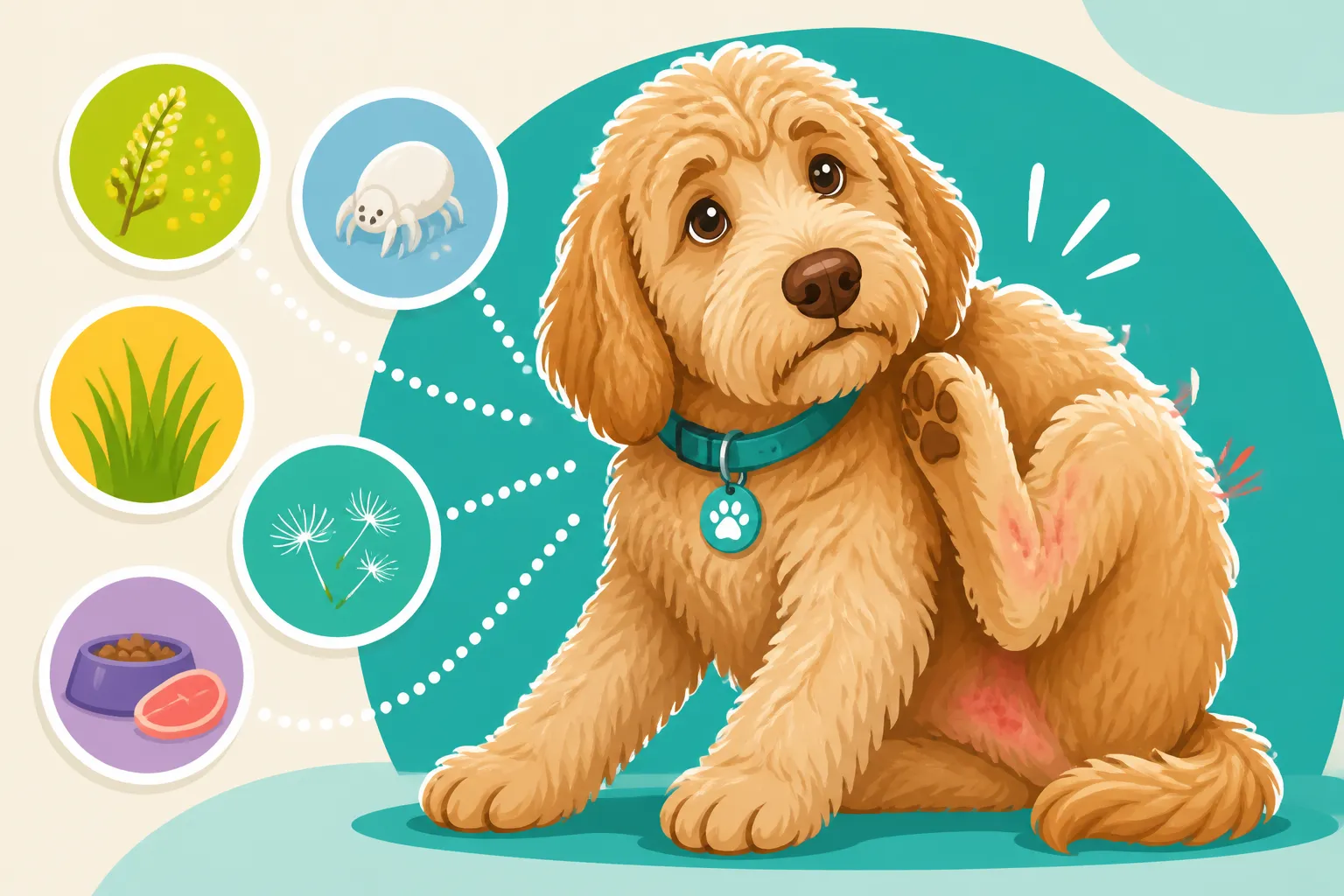
Common culprits include pollen from trees, grasses, and weeds, dust mites, mold spores, and even components of human dander. Your Labradoodle might be fine in winter but start scratching furiously when spring blooms, or perhaps they're always itchy, suggesting a year-round allergen like dust mites. This type of allergy often presents as generalized itching, but specific areas like paws, ears, belly, and armpits are frequently affected. This can lead to red, inflamed skin, hair loss, and secondary infections. If you suspect Whether Atopy Explains a Labradoodle's Itching, your vet will likely discuss various diagnostic and management strategies.
Food Allergies and Sensitivities
While less common than environmental allergies, food allergies and sensitivities can cause significant discomfort for Labradoodles. A true food allergy involves an immune response to a specific protein in their diet, such as beef, chicken, dairy, or wheat. Food sensitivities, on the other hand, are more of a digestive intolerance that doesn't involve the immune system but still causes uncomfortable symptoms.
The signs of food allergies can be similar to environmental allergies, including itching, skin inflammation, and recurring ear infections. However, they often also come with gastrointestinal upset like vomiting, diarrhea, or excessive gas. It's a common misconception that grain-free food is automatically better for allergies, but often the problem lies with protein sources. Understanding Whether Food Changes a Labradoodle's Itching is key, and an elimination diet is usually the only way to truly diagnose a food allergy. This involves feeding a novel protein and carbohydrate source (one your dog has never eaten before) for several weeks, then reintroducing old foods one by one to identify the culprit.
Contact Dermatitis and Flea Allergies
Contact dermatitis is a less common but highly irritating form of allergy where the skin reacts to direct contact with an irritant or allergen. This could be anything from certain cleaning products used on your floors, chemicals in carpet treatments, plant resins, or even materials in their bedding or collar. The reaction is usually localized to the area of contact, presenting as redness, itching, and sometimes blisters or sores.
Flea allergy dermatitis (FAD) is perhaps the most common contact allergy, and it's surprisingly severe for such a tiny insect. It's not the flea bite itself that causes the intense reaction, but the flea's saliva. Even one or two flea bites can trigger an extreme allergic response in a sensitive Labradoodle, leading to widespread itching, hair loss, and skin infections, often concentrated around the base of the tail, inner thighs, and belly. If your Labradoodle is constantly scratching, especially in those areas, a thorough flea check and strict flea prevention program are paramount, even if you don't see live fleas.
Recognizing the Signs and Symptoms Beyond Just Itching
When your Labradoodle is allergic, the itching is just the tip of the iceberg. While incessant scratching is the most obvious sign, there's a whole host of other indicators that something deeper is going on with their health. As a devoted owner, becoming attuned to these subtle and not-so-subtle cues can help you advocate for your dog's well-being and get them the right diagnosis faster.
Skin Irritation and Coat Changes
Beyond the visible act of scratching, allergies wreak havoc on a Labradoodle's skin and coat. You might notice redness, inflammation, and hot spots—those raw, weeping lesions that appear almost overnight from relentless licking and chewing. These hot spots are particularly common if your Labradoodle loves to swim, as moisture can get trapped in their dense coat, exacerbating irritation. If you've seen Hot Spots on a Labradoodle That Swims, you know how quickly they can escalate.
Hair loss is another tell-tale sign, often appearing in patchy areas where your dog has been scratching or licking excessively. The fur might also become dull, greasy, or develop an unpleasant odor due to secondary bacterial or yeast infections. Sometimes, the skin itself will thicken and darken, a condition called lichenification, which looks almost like elephant hide and indicates chronic irritation. You might even notice Whether a Labradoodle's Coat Thins in Patches, which, while potentially linked to other issues, is definitely a red flag for allergies.
Persistent Ear and Paw Problems
The ears and paws are prime targets for allergic reactions in Labradoodles, often becoming a chronic problem if the underlying allergy isn't addressed. Repeated ear infections are a classic symptom, especially those deep, yeasty ones that smell foul and leave your dog shaking their head constantly or rubbing their ears on the furniture. The moist, warm environment of a Labradoodle's drop ear, coupled with excess hair, makes them particularly susceptible. It's often debated Whether a Labradoodle's Ear Hair Causes Its Infections, but it certainly doesn't help when allergies are already at play.
Likewise, excessive licking and chewing of the paws are huge indicators. Your dog might lick so much that their paws become red, raw, and swollen, sometimes even staining the fur between their toes a reddish-brown color from saliva. This constant licking can lead to secondary yeast infections between the paw pads, characterized by a distinct "corn chip" smell. If you're constantly battling Yeast Trapped Under a Labradoodle's Coat on their paws, it's very likely an allergic response.
Gastrointestinal Upset and Respiratory Signs
While skin and ear issues are the most common presentations of allergies, sometimes the signs can be more internal. Food allergies, in particular, can manifest with gastrointestinal upset such as chronic diarrhea, vomiting, excessive gas, or even constipation. If your Labradoodle has a consistently sensitive stomach alongside their itching, it's worth considering a dietary component to their allergies.
Less frequently, Labradoodles might exhibit respiratory symptoms similar to human allergies, like sneezing, nasal discharge, or even coughing. This is more typical of severe environmental allergies. While not as common as skin issues, these signs, especially when combined with itching, should prompt a discussion with your veterinarian about potential allergic triggers. Keeping a detailed log of all symptoms, even seemingly minor ones, can be incredibly helpful for your vet in piecing together the full picture.
The Diagnostic Journey: How Vets Pinpoint Allergies
Unraveling the mystery of your Labradoodle’s allergies can feel like a long and winding road, often requiring patience and persistence. There’s no single, definitive allergy test for dogs that immediately gives all the answers. Instead, veterinarians typically employ a systematic approach, ruling out other conditions and then narrowing down the specific allergic triggers.
Ruling Out Other Skin Conditions
Before jumping to allergy conclusions, your vet will first want to rule out other common causes of itching and skin irritation. Parasites are a huge one – fleas, mites (like sarcoptic mange or demodex), and even lice can cause intense itching, mimicking allergy symptoms. A skin scraping or physical examination is usually enough to detect these unwelcome guests. Fungal infections, particularly ringworm, can also cause localized itching and hair loss.
Bacterial skin infections (pyoderma) and yeast infections are also very common and often secondary to allergies. When allergies weaken the skin barrier and cause inflammation, bacteria and yeast seize the opportunity to proliferate, creating even more itchiness and discomfort. Your vet might perform a cytology (examining skin cells under a microscope) to identify these infections and prescribe antibiotics or antifungals to clear them up. Addressing these secondary infections is critical for providing immediate relief, even if it doesn't solve the underlying allergic cause. Sometimes, conditions like Sebaceous Adenitis in a Labradoodle's Skin can also cause itching and coat changes, requiring specific diagnosis like The Skin Biopsy That Confirms Adenitis in a Labradoodle.
Allergy Testing and Elimination Diets
Once other conditions are ruled out, the focus shifts to allergy diagnosis. For environmental allergies, there are two primary methods:
- Intradermal Skin Testing: This is considered the gold standard and is usually performed by a veterinary dermatologist. Small amounts of various common allergens (like pollen, dust mites, mold) are injected just under the skin. The dermatologist then observes which injection sites react with a raised, red welt, similar to human allergy testing.
- Blood Tests (Serology): These tests measure antibodies in your dog's blood that are specific to certain allergens. While convenient, their accuracy can sometimes be debated compared to intradermal testing.
For suspected food allergies, an elimination diet is the only reliable diagnostic tool. This isn't a simple switch to a different commercial food. It involves feeding your Labradoodle a diet consisting of a novel protein (e.g., venison, duck, rabbit, kangaroo) and a novel carbohydrate (e.g., potato, sweet potato, green pea) for 8-12 weeks, with absolutely no other treats, chews, or flavored medications. After this strict period, if symptoms improve, potential allergens are reintroduced one by one to identify the trigger. This process requires immense dedication but can be incredibly effective.
The Value of a Veterinary Dermatologist
While your general practice veterinarian can initiate the diagnostic process and provide initial relief, complex allergy cases often benefit immensely from a referral to a veterinary dermatologist. These specialists have advanced training and equipment dedicated solely to skin and ear conditions. They are experts in performing intradermal skin tests, interpreting complex cases, and developing highly tailored long-term management plans.
If your Labradoodle's itching persists despite initial treatments, or if the diagnosis remains elusive, a dermatologist can be a game-changer. They can often provide a fresh perspective and access to treatments not typically available through a general vet. The cost of a dermatology referral might seem daunting initially—What a Dermatology Referral Runs for a Labradoodle—but for chronic, debilitating allergies, it can ultimately save you money and, more importantly, give your dog a much better quality of life. Many pet insurance providers, like Healthy Paws, recognize the importance of specialist care and may cover a portion of these diagnostic and treatment costs.
Managing Labradoodle Allergies: A Multifaceted Approach
Once you've navigated the diagnostic maze and pinpointed your Labradoodle's allergy triggers, the next step is developing a comprehensive management plan. There’s rarely a quick fix for allergies; instead, it’s usually a combination of strategies tailored to your dog’s specific needs, aiming to reduce symptoms, prevent secondary infections, and improve their overall comfort.
Dietary Adjustments and Hypoallergenic Foods
For Labradoodles diagnosed with food allergies, strict dietary management is paramount. This means feeding a prescription hypoallergenic diet or a carefully balanced novel protein diet for life. These specialized foods use hydrolyzed proteins (broken down so the immune system doesn't recognize them as allergens) or single, novel protein sources that your dog hasn't been exposed to. Consistency is key; even a tiny piece of an offending food or treat can trigger a flare-up.
Working with your vet or a veterinary nutritionist is crucial to ensure the diet is complete and balanced. Don’t fall for marketing gimmicks; "grain-free" doesn't necessarily mean "allergy-friendly." The focus should be on avoiding the specific protein your Labradoodle reacts to. While it might feel restrictive, seeing your dog thrive without constant itching or gastrointestinal upset is incredibly rewarding.
Medications and Immunotherapy
A range of medications can help manage allergy symptoms in Labradoodles, depending on the severity and type of allergy:
- Antihistamines: Over-the-counter antihistamines like diphenhydramine (Benadryl) or cetirizine (Zyrtec) can offer mild relief for some dogs, but they are often not strong enough for severe cases. Always check with your vet for proper dosing.
- Corticosteroids: These are powerful anti-inflammatory drugs (e.g., prednisone) that can provide rapid relief from severe itching and inflammation. However, they come with potential side effects with long-term use and are typically reserved for short-term control of acute flare-ups.
- Oclacitinib (Apoquel): This is a targeted medication that specifically blocks the itch pathway, offering fast relief with fewer side effects than steroids. It's often a first-line choice for environmental allergies.
- Lokivetmab (Cytopoint): An injectable monoclonal antibody that targets and neutralizes a specific protein involved in the itch sensation. It provides relief for 4-8 weeks with very few side effects, making it a popular option for managing seasonal or chronic atopy.
- Immunotherapy (Allergy Shots/Drops): If specific environmental allergens are identified via skin or blood testing, immunotherapy is the only treatment that aims to change your dog's immune response to those allergens. Custom-made vaccines or oral drops are administered over time to desensitize the immune system. It takes time to see results (often 6-12 months) but can lead to significant long-term improvement and reduced reliance on other medications. Many owners find this to be a worthwhile investment for managing their Labradoodle's chronic environmental allergies.
Topical Treatments and Environmental Control
Beyond internal medications, topical treatments play a vital role in soothing irritated skin and preventing secondary infections. Whether a Labradoodle Needs Medicated Baths is a common question, and the answer is often yes! Shampoos containing ingredients like chlorhexidine for bacterial infections or miconazole for yeast can be very effective. Regular bathing with a gentle, hypoallergenic shampoo can also help remove allergens from the coat.
For environmental allergies, minimizing exposure to triggers is important. This might mean:
- Frequent cleaning: Vacuuming, dusting, and washing pet bedding regularly to reduce dust mites.
- Air purifiers: Using HEPA filters in your home.
- Wiping down after outdoor time: A damp cloth can remove pollen from your Labradoodle's coat after walks.
- Paw wipes/rinses: Cleaning paws after outdoor exposure to prevent tracking allergens indoors.
Creating a clean environment for your Labradoodle can go a long way in reducing their overall allergen burden, which in turn can lessen the severity of their symptoms and potentially reduce the amount of medication needed.
Living with an Allergic Labradoodle: Long-Term Care and Support
Managing allergies in your Labradoodle is a marathon, not a sprint. It requires ongoing vigilance, a proactive approach, and a strong partnership with your veterinary team. While it can be frustrating at times, with the right strategies, your allergic Labradoodle can still lead a happy, comfortable life.
Regular Vet Check-ups and Monitoring
Even after achieving a stable management plan, regular veterinary check-ups are essential for an allergic Labradoodle. These appointments allow your vet to monitor the effectiveness of treatments, adjust medications as needed, and catch any potential secondary infections early. The Yearly Screening a Labradoodle Should Get should always include a thorough skin and ear examination for allergic dogs.
It's also crucial to monitor your dog's symptoms at home. Keep a journal of flare-ups, changes in itching severity, new symptoms, or responses to medication. This detailed information is invaluable for your vet in making informed decisions about their care. Don't hesitate to reach out to your vet if you notice a significant worsening of symptoms or if your dog seems particularly uncomfortable.
The Importance of Consistent Grooming
For Labradoodles, consistent and thorough grooming is an absolute cornerstone of allergy management. Their unique coats, whether fleece or wool, are magnets for environmental allergens and can easily mat, trapping moisture and creating a haven for secondary infections.
Regular brushing, ideally several times a week, is critical to prevent matting and to remove loose hair, dander, and environmental allergens. Focus on Brushing a Labradoodle to the Skin, Not the Surface to ensure you're addressing the entire coat. Professional grooming every 6-8 weeks is often necessary to keep the coat trimmed and manageable, especially if your dog's coat tends towards a woolly texture. Groomers can also check for skin issues you might miss. After baths or swims, make sure to dry your Labradoodle thoroughly, especially around the ears, to prevent moisture-related skin and ear problems. Cleaning a Labradoodle's Ears After Swimming is a simple but effective preventive measure.
Financial Planning for Chronic Conditions
Managing chronic allergies can be expensive, and it's a realistic concern for many owners. Diagnostic tests, specialized foods, long-term medications, and regular vet visits can add up quickly. This is where pet insurance can be a real lifesaver. Companies like Healthy Paws offer comprehensive coverage that can help offset the costs associated with chronic conditions like allergies. It's always a good idea to research different plans and understand what they cover, especially regarding pre-existing conditions.
Having a financial plan in place, whether through insurance or a dedicated savings fund, provides peace of mind and ensures you can provide your Labradoodle with the consistent care they need without financial stress dictating treatment choices. While it can feel overwhelming, remember that effective management means a happier, healthier Labradoodle who can finally enjoy life without constant itching.
| Allergy Type | Common Triggers | Primary Symptoms | Diagnostic Method | Common Management Strategies |
|---|---|---|---|---|
| Environmental | Pollen, dust mites, mold, dander | Itching (paws, ears, belly), redness, hair loss, recurrent ear infections | Intradermal skin testing, blood tests | Antihistamines, Apoquel, Cytopoint, Immunotherapy, medicated baths, environmental control |
| Food | Specific proteins (beef, chicken, dairy, wheat) | Itching, skin inflammation, recurrent ear infections, GI upset (vomiting, diarrhea) | Elimination diet | Prescription hypoallergenic diet, novel protein diet, strict avoidance of triggers |
| Contact/Flea | Flea saliva, cleaning products, certain plants | Localized itching, redness, lesions (often at flea bite sites), hot spots | Physical exam, flea combing, patch test (for contact) | Strict flea prevention, topical steroids, avoidance of irritants |
Disclaimer
The information provided in this article is for general informational purposes only and is not a substitute for professional veterinary advice. Always consult with a qualified veterinarian regarding any health concerns or before making any decisions about your Labradoodle's medical care.