The Skin Biopsy That Confirms Adenitis in a Labradoodle
When your beloved Labradoodle starts experiencing unexplained skin issues, it can be an incredibly frustrating and disheartening journey. You see their once luscious coat thinning, flaky patches appearing, or incessant itching that seems to offer no relief, and you desperately want answers. This guide aims to demystify the process of diagnosing Sebaceous Adenitis (SA) in Labradoodles, focusing specifically on how a skin biopsy provides the definitive confirmation you need to move forward.
The Frustration of Unexplained Skin Issues
It’s truly agonizing to watch your vibrant Labradoodle lose their beautiful coat and struggle with discomfort. You might initially dismiss it as seasonal allergies or dry skin, trying various shampoos or dietary changes, only to find the problem persists or even worsens. This period of uncertainty, constantly trying to alleviate symptoms without a clear cause, is a common experience for owners dealing with conditions like Sebaceous Adenitis. It’s hard not to feel helpless when your dog is suffering, and the answers feel just out of reach.
Common Symptoms You Might Be Noticing
You’ve probably seen a range of concerning changes if your Labradoodle is grappling with skin issues. Often, the first noticeable signs involve hair loss, which might appear in patches or as a general thinning. This can be particularly prominent along the top of their head, ears, and down their back, sometimes leading you to wonder if it's a specific pattern or just random. You might also observe significant scaling on their skin, almost like dandruff, or a greasy, waxy texture to their coat, even shortly after a bath. Some Labradoodles might develop secondary skin infections due to the impaired skin barrier, leading to redness, pustules, or a strong, yeasty smell. The itching can range from mild to intense, prompting frequent scratching, rubbing, or even chewing at their skin, creating further irritation and potential wounds. It's an exhausting cycle for both you and your furry friend. If you're seeing your Labradoodle's coat thin in patches, it's definitely time to consult your vet.
Why a Diagnosis Can Be So Elusive
Diagnosing conditions that manifest as skin issues can be incredibly tricky because so many different ailments present with similar symptoms. For instance, what looks like Sebaceous Adenitis could initially be mistaken for allergies. When you consider that allergies are quite common in Labradoodles, it’s easy to understand why a vet might explore that avenue first, perhaps recommending a dietary trial or antihistamines. We've certainly discussed this challenge in more detail when looking at how to identify Allergies Behind a Labradoodle's Itching. Other conditions like bacterial or fungal infections, thyroid problems, or even just severe dry skin can all mimic the early signs of SA. This overlap in symptoms is precisely what makes a definitive diagnostic tool like a skin biopsy so crucial. Without it, you might spend weeks or months chasing symptoms with treatments that aren't quite right, prolonging your dog's discomfort and your own anxiety.
Understanding Sebaceous Adenitis in Labradoodles
Once you’re in the thick of dealing with mysterious skin problems, it’s natural to want to understand what could be happening on a deeper level. For Labradoodle owners, certain genetic predispositions mean digging a little deeper into specific conditions is often necessary. Sebaceous Adenitis (SA) is one of those conditions that, while relatively rare in the general dog population, unfortunately, surfaces more often within certain breeds, and the Poodle lineage of our Labradoodles makes them a breed to watch. You can learn more broadly about Sebaceous Adenitis in a Labradoodle's Skin.
What Exactly is Sebaceous Adenitis?
At its core, Sebaceous Adenitis is an autoimmune disease. In simple terms, this means your Labradoodle's immune system, which is designed to protect their body from foreign invaders like bacteria and viruses, mistakenly starts attacking its own healthy cells. Specifically, SA targets the sebaceous glands in the skin. These tiny glands are responsible for producing sebum, an oily, waxy substance that lubricates the skin and coat, keeping it healthy and protected. When these glands become inflamed and are eventually destroyed by the immune system, they can no longer produce sebum effectively. This leads to dry, flaky skin, poor coat quality, and the characteristic hair loss. It's like the skin's natural moisturizing system has gone completely haywire, leaving it vulnerable and unhealthy.
Why Labradoodles Are at Higher Risk
The unfortunate truth is that Labradoodles inherit a genetic predisposition to Sebaceous Adenitis from their Poodle side. Standard Poodles are one of the breeds most commonly affected by SA, alongside others like Akitas and Samoyeds. When you cross a Labrador Retriever with a Standard Poodle to create a Labradoodle, there's a chance this genetic vulnerability can be passed down. This isn't to say every Labradoodle will get SA, but their mixed heritage means they carry the potential. The age Sebaceous Adenitis appears in a Labradoodle can vary widely, from young adulthood to middle age, making it challenging to predict. This genetic link highlights the importance of asking breeders about health testing, though it's worth noting that genetic tests for SA aren't as straightforward as some other conditions. Understanding this predisposition is key to knowing why certain symptoms warrant a deeper investigation beyond common skin ailments.
The Skin Biopsy: The Definitive Diagnostic Tool
After potentially weeks or months of trying different approaches and feeling like you're getting nowhere, your vet might suggest a skin biopsy. This can sound daunting, but it's often the quickest and most reliable way to get a definitive answer when dealing with complex skin conditions like Sebaceous Adenitis. It takes the guesswork out of the equation and provides a clear path forward for treatment. This procedure is crucial for pinpointing Where Sebaceous Adenitis Shows on a Labradoodle and truly understanding what's going on beneath the surface.
Preparing for Your Labradoodle's Biopsy
The thought of your Labradoodle undergoing any procedure can be stressful, but knowing what to expect can help ease your mind. Your veterinarian will typically perform a thorough physical examination, discuss your dog's medical history, and may even run some initial blood tests to rule out other systemic issues, like checking for thyroid failure which can also cause coat loss and skin problems (a key difference when considering whether a Labradoodle's coat loss is thyroid or adenitis). Before the biopsy, it's essential to follow your vet's instructions regarding food and water restrictions, as general anesthesia will be required. This usually means no food after midnight the night before and limited water in the morning. Your vet will explain the anesthesia protocol, discuss any potential risks, and ensure your Labradoodle is a good candidate for the procedure. Don't hesitate to ask any questions you have during this consultation; it's vital that you feel comfortable and informed.
What the Biopsy Procedure Involves
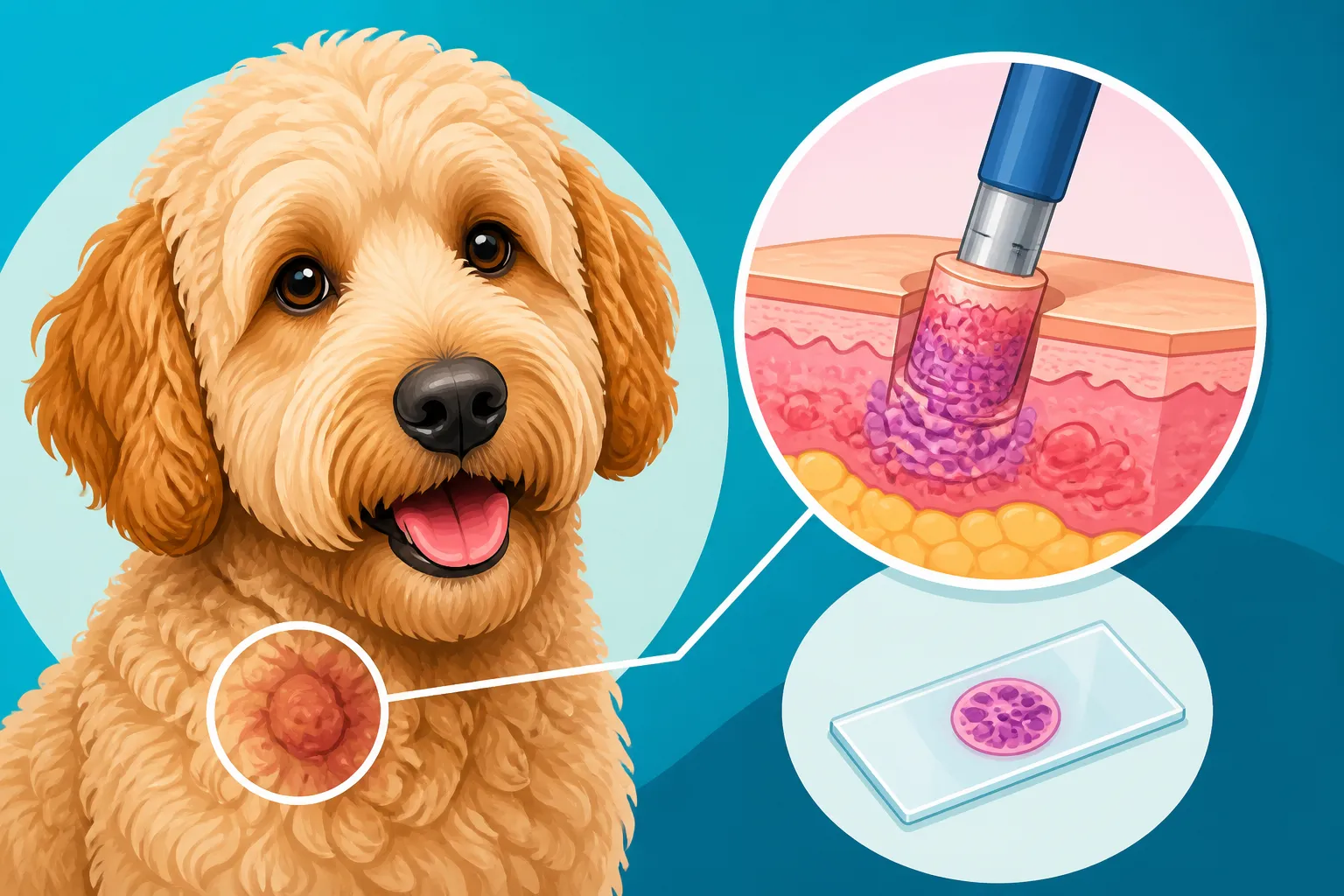
On the day of the biopsy, your Labradoodle will be admitted to the veterinary clinic. They'll undergo a pre-anesthetic check, and then a mild sedative will likely be given before the general anesthesia. Once under anesthesia, the veterinarian will carefully clip and surgically prepare a small area of skin, typically from one of the affected regions. They will then take several small, full-thickness skin samples using a special punch biopsy tool or a scalpel. These samples are usually very small, often just a few millimeters in diameter. The small incision sites are then closed with a stitch or two. The procedure itself is relatively quick. After the samples are taken, your Labradoodle will be carefully monitored as they recover from anesthesia. They'll likely be groggy when you pick them up, and your vet will provide instructions for post-operative care, including keeping the incision sites clean and preventing your dog from licking or chewing the stitches, often with the help of an Elizabethan collar.
Interpreting the Biopsy Results
Once the skin samples are collected, they are carefully preserved and sent to a specialized veterinary dermatopathologist. This expert examines the tissue under a microscope, looking for specific cellular changes and patterns that indicate Sebaceous Adenitis. In the case of SA, the pathologist will typically observe inflammation around the sebaceous glands, followed by their progressive destruction. They'll note a reduction or complete absence of these glands, along with characteristic inflammatory cells. The results usually take a week or two to come back, and while waiting can feel like an eternity, this detailed analysis is what provides the irrefutable evidence for a diagnosis. A clear biopsy report helps confirm the presence of SA, ruling out other look-alike conditions and giving you the certainty needed to start appropriate treatment. The confirmation of Sebaceous Adenitis means you can stop guessing and start a targeted treatment plan for your Labradoodle.
What Happens After a Sebaceous Adenitis Diagnosis
Receiving a definitive diagnosis of Sebaceous Adenitis can be a mix of relief and concern. Relief, because you finally have an answer to your Labradoodle's chronic skin problems. Concern, because it's a lifelong condition that requires ongoing management. The good news is that SA can often be managed effectively, allowing your Labradoodle to live a comfortable and happy life, even if their coat might not return to its former glory. This journey requires dedication, but with the right approach, you can significantly improve your dog's quality of life. Understanding that skin disease runs in Labradoodle lines helps contextualize this diagnosis.
Treatment Approaches for Managing SA
Managing Sebaceous Adenitis is primarily about addressing the inflammation, controlling secondary infections, and replenishing the skin's moisture barrier. Treatment plans are often multi-faceted and tailored to your dog's individual needs.
- Topical Therapies: These are often the cornerstone of SA management. They include regular oil soaks, where special oils (like mineral oil or specific veterinary formulations) are massaged into the coat and left on for a period before being shampooed out. This helps to rehydrate the skin and loosen scales. Medicated shampoos containing ingredients like sulfur or salicylic acid are also used to reduce scaling and inflammation. Consistent application of Oil Soaks for a Labradoodle With Sebaceous Adenitis can make a dramatic difference.
- Systemic Medications: In some cases, especially initially or during flare-ups, your vet might prescribe oral medications. These can include immune-modulating drugs to calm the overactive immune response or antibiotics if there's a secondary bacterial infection. Omega-3 fatty acid supplements are also often recommended for their anti-inflammatory benefits and to support skin health.
- Regular Grooming: While SA impacts the coat, careful grooming is still essential. This involves gentle brushing to remove loose hair and scales, being mindful not to irritate the sensitive skin. Discussing your Labradoodle's specific coat type, whether it’s a Hair, Fleece or Wool coat, with your groomer is important, as each requires different handling to prevent further matting and discomfort.
Living with a Labradoodle with Sebaceous Adenitis
Adjusting to life with a Labradoodle diagnosed with SA means committing to a consistent care routine. You'll become an expert in your dog's skin and coat, recognizing early signs of a flare-up and knowing when to adjust their treatment. This might mean more frequent baths and oil soaks, or closer monitoring of their skin condition. It’s important to remember that while the condition is chronic, many Labradoodles with SA lead full and happy lives. Regular vet check-ups will be crucial to monitor their progress and adjust medications as needed. Patience and consistency are your greatest allies in keeping your Labradoodle comfortable and their skin as healthy as possible.
Here's a quick comparison of general skin issue symptoms versus those more specific to Sebaceous Adenitis:
| Symptom | General Skin Issue (e.g., Allergies) | Sebaceous Adenitis |
|---|---|---|
| Itching | Often intense, generalized, or specific to paws/ears/belly | Can be mild to moderate, especially with secondary infections; sometimes absent |
| Hair Loss | Patchy, often from scratching/licking, can be generalized | Often symmetrical, along back, head, ears, tail; diffuse thinning |
| Skin Texture | Redness, rashes, sometimes thickened/leathery with chronic itching | Dry, scaly, flaky, greasy or waxy feel, often with follicular casts |
| Coat Appearance | Dull, brittle, may have hot spots | Dull, brittle, clumpy, often matted near the skin, "moth-eaten" appearance |
| Response to Allergy Meds | Often temporary improvement with antihistamines/steroids | Minimal to no improvement |
| Smell | May have yeasty odor due to secondary infections | Often has a distinct musty or rancid odor due to sebum imbalance |
| Diagnosis | Allergy testing, skin scrapes for parasites | Skin Biopsy (definitive) |
Financial Considerations and Insurance
A diagnosis of Sebaceous Adenitis can bring with it significant financial implications due to the ongoing need for specialized shampoos, conditioners, oils, medications, and regular veterinary visits. It's a chronic condition, meaning these costs can add up over your Labradoodle's lifetime. Planning for these expenses is a crucial part of managing the condition effectively.
This is where a good pet insurance policy can be a real lifeline. Companies like Healthy Paws, for example, often cover chronic conditions like Sebaceous Adenitis, provided the condition wasn't pre-existing before you enrolled your Labradoodle. It's always wise to review policy details carefully to understand what is covered and what your reimbursement levels will be. Having insurance can provide immense peace of mind, allowing you to focus on your Labradoodle's health without the added stress of overwhelming vet bills. Even with insurance, however, it’s important to budget for regular grooming appointments and specialized products, as these might fall outside standard coverage depending on your plan.
Disclaimer
This article is intended for informational purposes only and does not constitute medical advice. Always consult with a qualified veterinarian for any health concerns or before making any decisions about your Labradoodle's care or treatment.