Thyroid Failure Behind a Labradoodle’s Coat Loss
It's incredibly distressing to notice changes in your beloved Labradoodle's usually fabulous coat – perhaps it's thinning, becoming brittle, or just isn't growing back the way it used to. This kind of change can be a real worry for any dog parent, and while many things can affect a dog's fur, one often-overlooked culprit behind significant coat loss or poor coat quality in Labradoodles is thyroid failure, specifically a condition called hypothyroidism. This guide is here to walk you through what hypothyroidism means for your furry friend and how it might be causing those frustrating coat issues.
Understanding Hypothyroidism in Labradoodles
Hypothyroidism, at its core, is a condition where your dog's thyroid gland, located in the neck, isn't producing enough thyroid hormones. These hormones are like the conductors of an orchestra, responsible for regulating almost every metabolic process in the body. When they're not there in sufficient amounts, everything slows down, and you start to see a cascade of symptoms.
What is Hypothyroidism and Why Labradoodles?
Imagine your dog's body running on a lower-than-normal power setting. That's essentially what happens with hypothyroidism. The thyroid gland is a small but mighty organ, and its hormones are vital for energy production, skin and coat health, maintaining body temperature, and even influencing mood and cognitive function. When this gland becomes underactive, often due to an autoimmune disease that attacks the gland itself, the body simply doesn't get the signals it needs to function optimally.
Labradors and Poodles, the two magnificent breeds that come together to create our wonderful Labradoodles, are both known to have a genetic predisposition to hypothyroidism. This means that, unfortunately, our Doodles carry a higher risk compared to some other breeds. It’s not an "if" but a "when" for some lines, making it particularly important for Labradoodle owners to be aware of the signs and to consider if The Yearly Screening a Labradoodle Should Get includes appropriate thyroid checks.
The Vague Early Signs Beyond Just Coat Loss
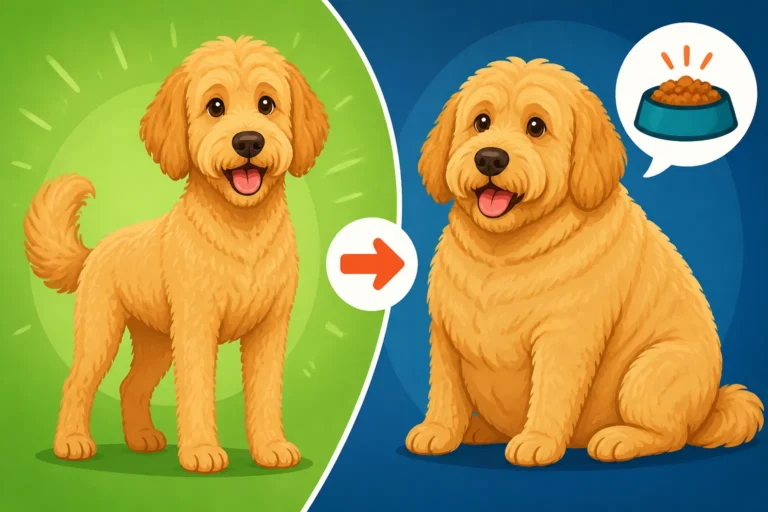
One of the trickiest things about hypothyroidism is that its early symptoms can be incredibly subtle and often mistaken for normal aging or just a dog "slowing down." You might notice your once-peppy Labradoodle seems a little less enthusiastic about their morning walk, or perhaps they're sleeping more than usual. They might start gaining weight even though their diet hasn't changed, making you scratch your head about where those extra pounds are coming from.
Other signs can include an increased intolerance to cold – your Labradoodle might seek out warm spots more frequently, shiver when it's not even that chilly, or just generally seem uncomfortable in cooler temperatures. Sometimes, owners even report a certain "mental dullness" or lethargy; your dog might not seem as sharp or responsive as they once were. These signs often creep up slowly, making them easy to dismiss until the more obvious symptoms, like coat problems, start to appear.
The Link Between Thyroid Failure and Coat Loss
While the early signs can be subtle, the impact of hypothyroidism on your Labradoodle's coat is often one of the most visible and concerning symptoms for owners. It’s not just a bit of shedding; it can be a profound change in the texture, density, and overall health of their beautiful fur.
How Hormone Imbalance Affects Hair Follicles
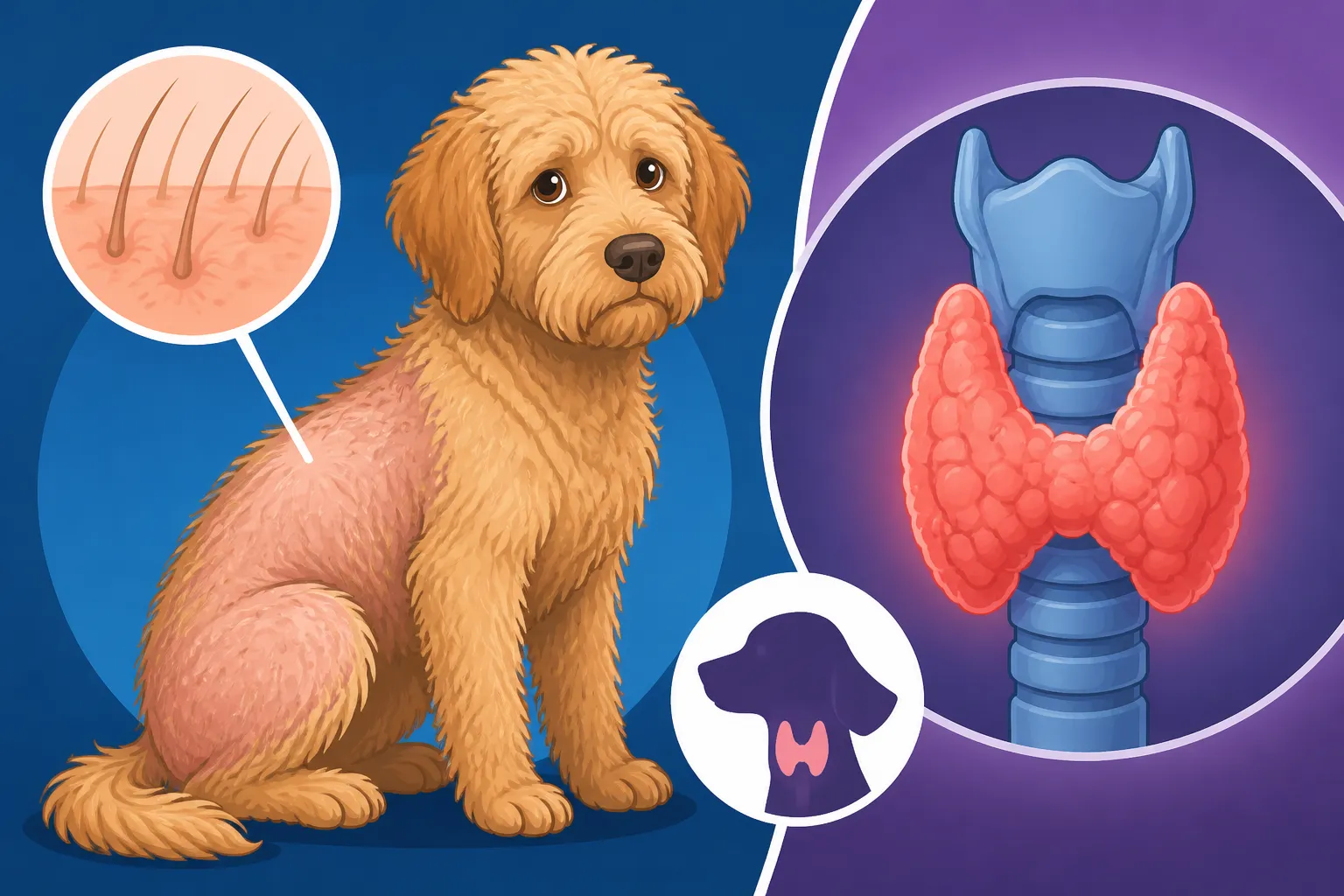
To understand why a low thyroid count affects the coat, we need to think about how hair grows. Hair growth isn't a continuous process; it cycles through phases: growth (anagen), regression (catagen), and resting (telogen). Thyroid hormones play a crucial role in regulating these cycles. They essentially tell the hair follicles to get to work and grow new hair.
When there aren't enough thyroid hormones circulating in your Labradoodle's system, these signals get disrupted. Hair follicles spend more time in the resting phase, or they might enter it prematurely. Existing hair can become weak, brittle, and fall out easily, while new hair growth is significantly impaired or stops altogether. The result is a thinning coat, hair that simply won't grow back, and often a dull, dry, almost lifeless texture that’s a far cry from the soft, often wavy Labradoodle coat you know and love.
Distinctive Patterns of Labradoodle Coat Loss
The coat loss associated with hypothyroidism isn't usually patchy or itchy in the same way allergies might cause. Instead, it often presents in a distinctive, symmetrical pattern. You might notice thinning or complete hair loss on both flanks (the sides of the body), along the tail (leading to a classic "rat tail" appearance), on the neck, or on the chest. The skin in these areas can also undergo changes, becoming thickened, dry, flaky, or even hyperpigmented (darker).
What’s particularly frustrating is that if your Labradoodle has to be shaved for a medical procedure or grooming, the hair in these affected areas might grow back incredibly slowly, or not at all, which can be alarming. It’s important to differentiate this from a natural The Coat Change That Hits a Labradoodle at Nine Months, which is a normal developmental phase, not a sign of illness. If you're seeing a generally sparse, dull coat, and hair that snaps easily, especially in these typical areas, it's definitely time for a chat with your vet.
Diagnosing Thyroid Failure in Your Labradoodle
When you notice these worrying changes, bringing your Labradoodle to the vet is the first and most important step. Don't try to self-diagnose based on internet research; many conditions can mimic thyroid issues.
The Initial Vet Visit and Physical Exam
During your visit, your veterinarian will start by gathering a thorough history. They'll ask you about all the changes you've observed, no matter how minor they seem – from activity levels and appetite to any other physical changes. It's helpful to come prepared with notes on when you first noticed symptoms and how they've progressed. They’ll also perform a comprehensive physical exam, checking your Labradoodle’s weight, body condition, heart rate, skin, and coat quality. They'll be looking for those symmetrical patterns of hair loss and any skin thickening or dryness.
Sometimes, the general signs of lethargy and weight gain can easily be attributed to other factors, which is why your detailed observations are so critical. The vet will use this initial assessment to start ruling out other potential causes of coat loss, such as allergies, parasitic infestations, or other hormonal imbalances before zeroing in on the thyroid.
The Thyroid Panel: More Than Just T4
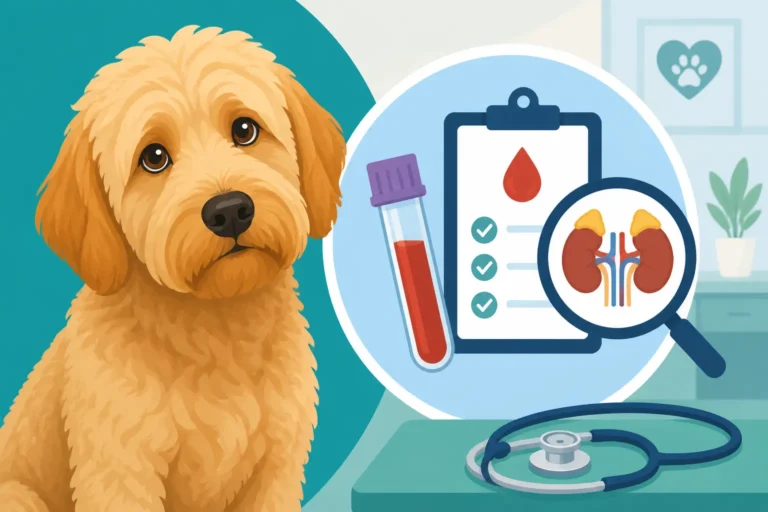
If hypothyroidism is suspected, your vet will recommend blood tests. While a basic T4 (thyroxine) level can give an initial indication, a comprehensive thyroid panel is usually necessary for an accurate diagnosis. This panel typically measures:
- Total T4 (TT4): This is the total amount of thyroid hormone circulating in the blood, both bound and unbound.
- Free T4 (fT4): This measures the unbound, biologically active form of T4. It's often a more reliable indicator because it's less affected by non-thyroidal illnesses or certain medications.
- TSH (Thyroid Stimulating Hormone): This hormone is produced by the pituitary gland to stimulate the thyroid. In hypothyroid dogs, TSH levels are often elevated as the pituitary tries to "kick start" an underperforming thyroid.
- Thyroid Autoantibodies (TgAA): These can indicate an autoimmune process that is destroying the thyroid gland.
Interpreting these results isn't always straightforward. Certain medications, like steroids, or other illnesses (known as "sick euthyroid syndrome") can affect thyroid hormone levels, sometimes making a healthy dog appear hypothyroid. Your vet will take all these factors into account to provide a definitive diagnosis. It’s a bit of a detective job, but getting it right is crucial for proper treatment.
Managing Hypothyroidism and Restoring Coat Health
The good news is that hypothyroidism is a very treatable condition. Once diagnosed, managing it usually involves straightforward, lifelong medication.
Lifelong Medication and What to Expect
The primary treatment for hypothyroidism in dogs is daily oral administration of synthetic thyroid hormone, typically levothyroxine. This medication is usually given once or twice a day and is relatively inexpensive. Your vet will determine the correct dosage based on your Labradoodle's weight and the severity of their condition.
It’s important to manage your expectations regarding symptom improvement. While some dogs show a boost in energy within a week or two, coat regrowth takes time. Hair follicles need to cycle back into the growth phase, and this can take several weeks to a few months. Be patient – your Labradoodle's beautiful coat will likely return, but it won't happen overnight. Regular follow-up blood tests, usually every 6-8 weeks initially, will be needed to ensure the dosage is correct and adjust it if necessary. Once stable, these checks might be reduced to once or twice a year. Having pet insurance, like a plan from Healthy Paws, can be incredibly helpful for managing the costs of ongoing medications and frequent blood tests, providing peace of mind.
Supporting Coat Regrowth and Skin Health
Beyond the medication, there are several things you can do at home to support your Labradoodle’s coat regrowth and overall skin health during recovery. Gentle brushing is key, using a soft slicker brush or a wide-toothed comb, being careful not to tug on any fragile new growth. Regular, but not excessive, bathing with a moisturizing, gentle shampoo can help improve skin hydration and remove any dry, flaky skin that often accompanies hypothyroidism. Always ensure you rinse thoroughly and dry their coat completely, especially if you have a wool or fleece-coated Labradoodle.
Many owners also find that adding omega-3 fatty acid supplements (fish oil) to their dog's diet can do wonders for skin and coat health, promoting a healthy sheen and reducing dryness. Always consult your vet before adding any new supplements to ensure they are appropriate and don't interact with other medications. Providing a high-quality, balanced diet is also fundamental for overall health and recovery.
Differentiating Thyroid-Related Coat Loss from Other Causes
While thyroid failure is a significant cause of coat issues, it's crucial to remember that many other conditions can also lead to hair loss and poor coat quality in Labradoodles. A proper diagnosis from your vet is essential to ensure your furry friend gets the right treatment.
Ruling Out Allergies and Skin Conditions
Labradoodles, inheriting traits from their Poodle and Labrador parents, can be prone to various skin issues. Allergies are incredibly common and can manifest as intense itching, redness, inflammation, and secondary skin infections (bacterial or yeast), all of which can lead to coat loss. Your dog might chew or scratch at specific areas, leading to localized hair loss or "hot spots." Allergies Behind a Labradoodle's Itching are a frequent concern for many owners.
Other conditions like Sebaceous Adenitis in a Labradoodle's Skin (an autoimmune disease affecting the sebaceous glands) can also cause symmetrical hair loss, scaling, and a dull, greasy coat. Parasites like fleas or mites, fungal infections like ringworm, or even bacterial folliculitis can also lead to similar-looking symptoms. This is why your vet's diagnostic process is so important – they need to systematically rule out these other possibilities before confirming a thyroid diagnosis.
The "Coat Change" and Other Normal Labradoodle Coat Peculiarities
Sometimes, what owners perceive as coat loss might actually be part of a normal, albeit sometimes dramatic, developmental phase for Labradoodles. The most notable of these is the "puppy coat change," which typically occurs between 6 and 18 months of age. During this time, your Labradoodle's soft puppy fur is replaced by their adult coat, which can be woolly or fleecy. This transition can lead to intense matting and shedding, often making owners worry about hair loss. However, with consistent Brushing a Labradoodle to the Skin, Not the Surface, you can usually manage this period effectively.
Additionally, poor grooming practices can sometimes mimic coat loss. If a Labradoodle's coat becomes severely matted, it might need to be shaved down completely. While this isn't true hair loss in the pathological sense, it can certainly look like it and cause concern for owners. Understanding The Three Labradoodle Coats: Hair, Fleece and Wool and their unique grooming needs is vital to prevent such issues.
Proactive Steps for Labradoodle Thyroid Health
Being a proactive owner is one of the best ways to ensure your Labradoodle lives a long, healthy, and happy life. When it comes to thyroid health, early detection and careful breeding practices play a huge role.
Regular Vet Check-ups and Early Detection
Routine veterinary check-ups are paramount for early detection of any health issue, including hypothyroidism. Your annual vet visit isn't just for vaccinations; it's a chance for your vet to assess your Labradoodle's overall health, track any weight changes, evaluate their coat and skin, and discuss any subtle behavioral shifts you might have noticed.
Don't hesitate to bring up any concerns, no matter how minor they seem. You know your dog best, and if something feels "off," it's worth investigating. Early detection of hypothyroidism means treatment can begin sooner, preventing more severe symptoms and ensuring your Labradoodle remains comfortable and healthy. It's often the diligent observation of owners that leads to a diagnosis of conditions like The Vague Signs of Addison's in a Labradoodle, which also has subtle early indicators.
Choosing a Responsible Breeder
While you can't completely eliminate the risk of genetic conditions, choosing a responsible breeder can significantly reduce the likelihood of your Labradoodle developing inherited diseases, including thyroid problems. Reputable breeders will health-test their breeding dogs for a range of conditions common in Labradors and Poodles, which includes thyroid screening.
Always ask a potential breeder about the health history of their breeding lines, specifically inquiring about thyroid disease. A transparent breeder will be happy to provide documentation of health clearances for the parent dogs. While no guarantee exists, a breeder who prioritizes health testing and openly discusses potential breed predispositions is giving their puppies the best possible start in life. Make sure to ask to see The Health Tests a Labradoodle Breeder Should Show for all relevant conditions.
Hypothyroidism vs. Other Common Coat Issues
To help you distinguish between potential causes for your Labradoodle's coat problems, here's a quick comparison of hypothyroidism against other common culprits. Remember, this table is for informational purposes only and not a substitute for veterinary diagnosis.
| Feature | Hypothyroidism | Allergies (Environmental/Food) | Sebaceous Adenitis (SA) | Poor Grooming (Matting) |
|---|---|---|---|---|
| Primary Cause | Underactive thyroid gland, insufficient hormones | Immune reaction to allergens (pollen, dust mites, food proteins) | Autoimmune destruction of sebaceous glands | Lack of regular brushing, tangles forming dense mats |
| Itchiness | Usually none or mild | Intense and persistent | Mild to moderate, secondary to dryness | None, unless skin is irritated under mats |
| Coat Loss Pattern | Symmetrical, often on flanks, tail ("rat tail"), neck | Variable, often in areas dog can scratch/chew (paws, belly, ears) | Symmetrical, patchy, especially on back, head, tail. Hair tufts | Irregular, patchy, where mats pull out or are shaved |
| Skin Appearance | Dry, flaky, thickened, sometimes darker (hyperpigmented) | Red, inflamed, sometimes oily or infected | Dry, scaly, greasy, often with follicular casts (dandruff-like) | Redness, irritation, sores under mats |
| Other Symptoms | Lethargy, weight gain, cold intolerance, mental dullness | Ear infections, paw licking, secondary infections, gastro upset | None other than skin/coat issues | None, unless prolonged/severe matting leads to skin issues |
| Treatment | Lifelong synthetic thyroid hormone | Allergy management (diet, meds, immunotherapy), infection control | Topical oil soaks, cyclosporine, specific shampoos | Shaving mats, regular grooming routine |
Disclaimer
This article is intended for informational purposes only and does not constitute medical advice. Always consult with a qualified veterinarian for any health concerns or before making any decisions about your Labradoodle's care or treatment. Individual results may vary, and the information provided should not be used as a substitute for professional veterinary advice, diagnosis, or treatment.