The Coat Change That Hits a Labradoodle at Nine Months
If you've welcomed a Labradoodle puppy into your home, you've probably fallen head over heels for their adorable, soft, and seemingly easy-to-manage coat. But many owners are caught completely off guard when, almost overnight, their sweet pup's coat transforms into a matting disaster zone. This guide is here to walk you through that infamous "coat change" that typically hits around nine months, explaining why it happens and, more importantly, how to navigate it without resorting to a full shave-down (unless absolutely necessary!).
Understanding the Labradoodle Puppy Coat: A False Sense of Security
Bringing home a Labradoodle puppy is often a dream come true. You've got this fluffy, playful companion, and one of the big selling points is often their low-shedding, "hypoallergenic" coat. For the first several months, this seems to hold true. The puppy coat is typically soft, light, and relatively easy to maintain, lulling many new owners into a false sense of security about the grooming demands of their adult dog.
The Soft, Easy-Care Puppy Fluff
Think back to those early days with your Labradoodle pup. Their coat felt like a cloud, didn't it? Soft, pliable, and generally quite short, it was easy to run your fingers through, and a quick brush every few days seemed more than sufficient to keep it looking pristine. There wasn't much density, and certainly not the formidable tangles you might have heard about with adult doodle coats. This initial simplicity is a huge part of the breed's appeal, especially for first-time dog owners or those seeking a dog perceived as low-maintenance.
This delightful puppy coat is often a mix of soft, downy hair, somewhat reminiscent of a baby's hair. It might have a gentle wave or curl, but it lacks the thick, dense texture that characterizes the adult Labradoodle coat, particularly those with fleece or wool types. Because it's so fine and relatively sparse, it doesn't tend to trap debris easily, nor does it create the same kind of friction that leads to mats. You could probably get away with minimal brushing and still have a beautifully soft and clean puppy.
What Makes the Puppy Coat So Different
The primary difference between a Labradoodle's puppy coat and its adult coat lies in its structure and growth cycle. Puppy coats are, by nature, immature. They are designed for warmth and protection in early life, but they haven't developed the full density, length, or texture that the dog's genetics dictate for adulthood. It's like comparing a baby's fine hair to an adult's thicker, more robust strands. The individual hairs are generally finer, and there's a good deal less undercoat, making the entire coat much easier to manage.
Furthermore, the puppy coat doesn't have the same robust intertwining nature as the adult coat. As the dog matures, the new adult hairs begin to grow in, possessing different textures and strengths. These new hairs try to push out the old puppy hairs, but rather than simply falling out (like a traditional shedding dog), the Labradoodle's non-shedding or low-shedding coat traps these dead hairs. This trapping is where the trouble begins, as the dead puppy hair, combined with the emerging adult hair, creates a perfect storm for mat formation.
The Initial Grooming Experience (or Lack Thereof)
For many Labradoodle owners, the first few months involve very little intensive grooming. You might have been advised to introduce brushing early, making it a positive experience, which is fantastic advice. However, the type of brushing and the frequency required for a puppy often don't prepare an owner for the intensity of the coat change. A light brush-through a few times a week with a basic slicker brush might have been perfectly adequate for months.
This can lead to a rude awakening. Owners might assume that because their puppy's coat has been so easy, the adult coat will be a simple progression. They might not invest in the right tools, or learn the proper techniques like line brushing, which are absolutely critical once the adult coat starts to come in. The transition can feel sudden and overwhelming precisely because the previous grooming routine was so undemanding. It's a classic case of "what you don't know won't hurt you… until it does, usually around nine months."
The Great Coat Transformation: What Actually Happens
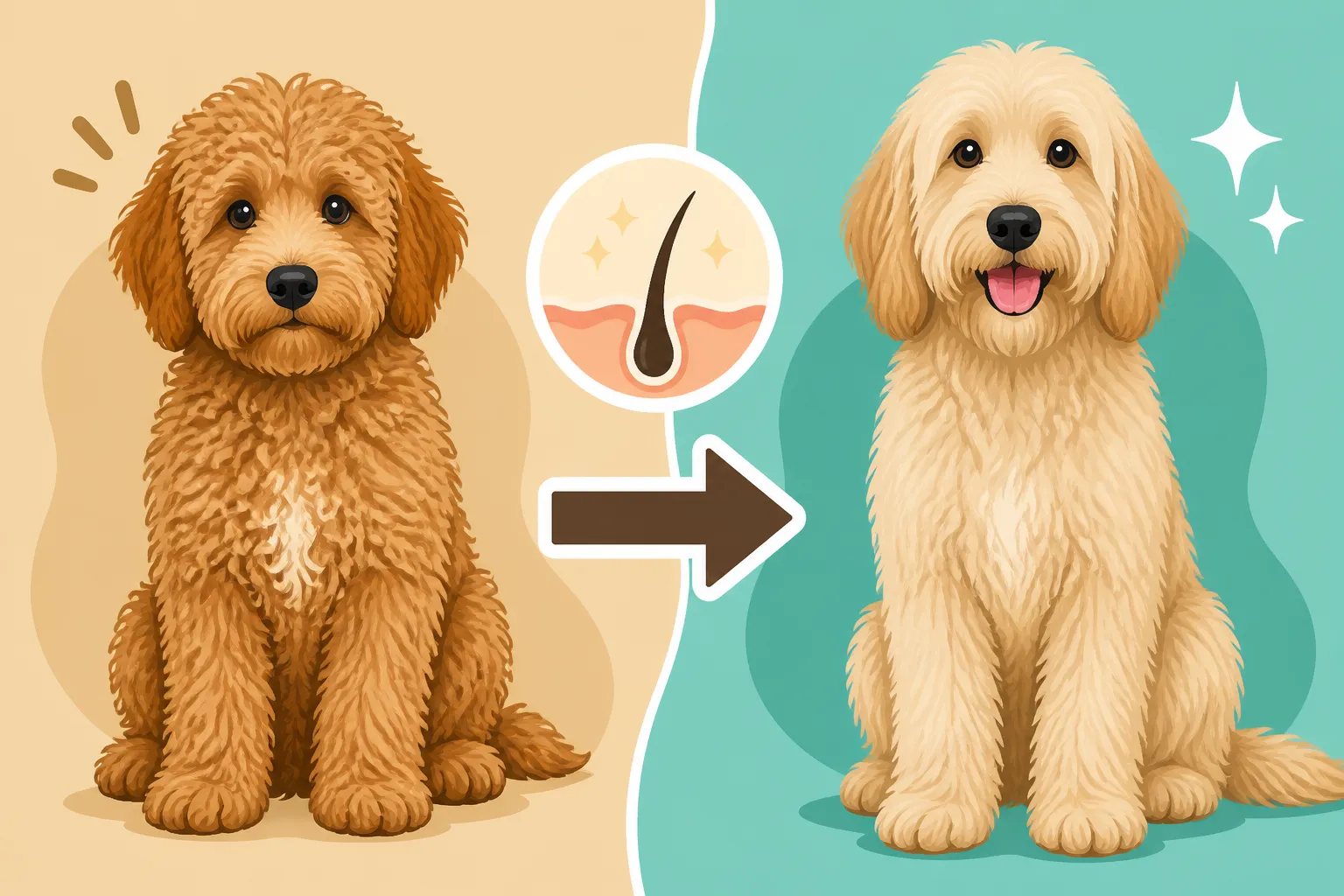
The infamous Labradoodle "coat change" is a natural biological process, but it certainly doesn't feel natural or easy to the person holding the brush! It's a period of intense shedding of the puppy coat while the denser, often curlier or wavier, adult coat grows in. The real challenge is that, unlike many breeds that simply "blow" their coat, the Labradoodle's hair often doesn't fall out cleanly. Instead, the dead puppy hair gets caught and woven into the emerging adult coat, leading to spectacular tangles and mats.
The Age Range for the Dreaded Change
While we often refer to it as "the nine-month coat change," this transformation isn't a strict, one-day event. It's a process that can begin anywhere from six to eight months of age and can continue, in varying degrees of intensity, until your Labradoodle is closer to 12 to 18 months old. Some dogs might have a very mild, quick change, while others seem to drag it out for months, making every grooming session a battle. This variability depends on a few factors, including the dog's individual genetics, their diet, and even environmental factors.
It's common for owners to notice the first signs around 7-9 months, often coinciding with their dog's entry into adolescence. This is already a challenging time for many dog owners, dealing with a puppy that's testing boundaries and full of boundless energy, so adding a massive grooming challenge on top of that can feel like a real test of patience. Just when you think you have a handle on your furry friend, their coat decides to throw a curveball! The Age a Labradoodle Hits Adolescence might be something else to contend with around this same time.
The Science Behind the Shedding and Matting
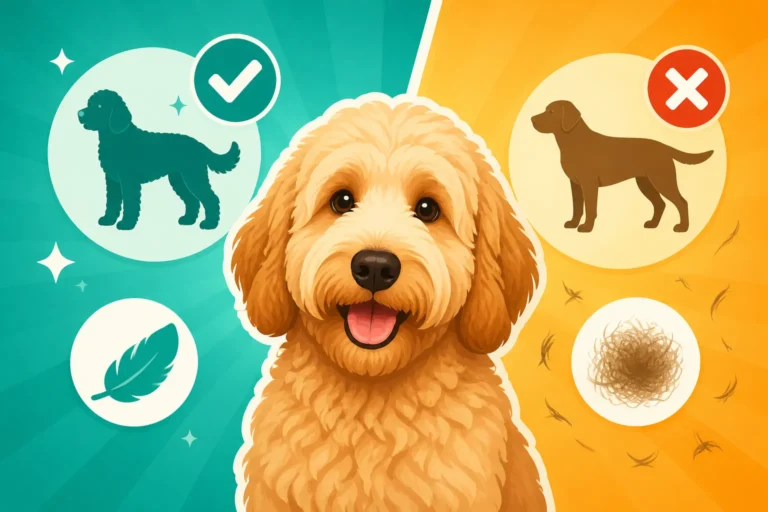
To really understand why the coat change is such a struggle, let's dive into the hair itself. Labradoodles inherit coat characteristics from both the Labrador Retriever and the Poodle. Poodles have hair that grows continuously, much like human hair, and sheds very minimally. Labradors, on the other hand, have a double coat that sheds seasonally. The Labradoodle's coat, especially the desired fleece and wool types, aims for the Poodle-like non-shedding quality. However, "non-shedding" doesn't mean "no hair dies." It means the dead hair doesn't fall out easily; it gets trapped in the growing coat.
During the coat change, the finer, softer puppy hairs are pushed out by the thicker, more robust adult hairs. Imagine trying to comb through a tangled mess of old string mixed with new, stronger string. The dead puppy hair, which is no longer anchored to the follicle, gets intertwined with the new, living adult hair. This creates a dense, felt-like texture that quickly forms mats, especially in high-friction areas or where the coat is particularly dense. It’s a literal battle between two different generations of hair on your dog's body.
How the Adult Coat Emerges and Intertwines
As the adult coat emerges, it typically has a more defined texture. If your Labradoodle is destined for a fleece coat, it will develop a soft, wavy texture. If it's a wool coat, it will become dense and curly, similar to a Poodle's. The Three Labradoodle Coats: Hair, Fleece and Wool explains these types in detail. This new texture often has more "grip" than the puppy coat, making it prone to snagging any loose, dead puppy hairs. These two coat types—the old puppy hair and the new adult hair—don't simply separate. They intertwine, felt together, and create dense knots that can be incredibly difficult, and even painful, to remove.
The intertwining is most pronounced in areas where movement causes friction, such as behind the ears, under the armpits, around the collar area, and on the hindquarters. These are often the first places you'll notice tight mats forming. It's not just surface matting; these mats can quickly develop down to the skin, pulling at your dog's sensitive skin with every movement. This is why neglecting grooming during this period can lead to serious discomfort for your Labradoodle and may necessitate a professional groomer needing to shave the entire coat off to relieve the dog.
Recognizing the Signs: Is Your Labradoodle Entering "The Change"?
It can be hard to tell if your Labradoodle is simply experiencing a bad hair day or if the big coat change is truly upon them. However, there are some very clear indicators that this natural, but challenging, phase has begun. Paying close attention to these signs will help you prepare and adjust your grooming routine before things get out of hand.
Sudden Increase in Shedding (Despite the "Hypoallergenic" Myth)
One of the most surprising signs for many Labradoodle owners is a sudden, noticeable increase in shedding. "But I got a Labradoodle because they don't shed!" is a common cry. While Labradoodles are generally considered low-shedding or "hypoallergenic" compared to breeds like the Labrador, this doesn't mean they don't shed at all. During the coat change, the dead puppy hair has to go somewhere. Since it gets trapped, you might see more loose hair on your clothes, furniture, or during brushing sessions.
This isn't the same kind of shedding a Labrador does, where tufts of hair might come off in your hand. Instead, it's more like a constant, fine fluff that seems to escape the coat, especially after a vigorous play session or a deep brush. Don't be alarmed; this doesn't mean your Labradoodle is suddenly going to shed like a Golden Retriever. It just means the old coat is making its exit, and if it's not brushed out, it's going to become a major component of mats. This is the period when the idea that "low-shedding" still requires high-maintenance grooming truly hits home.
Unprecedented Matting and Tangling
This is arguably the most undeniable and frustrating sign of the coat change. Where before you could glide a brush through your pup's coat with ease, now you encounter resistance, snags, and even solid clumps of fur. These mats can appear seemingly overnight and, if not addressed quickly, can grow exponentially. They often start in areas that experience the most friction, such as behind the ears, under the chin, in the armpits, and around the groin and tail.
You might notice small tangles evolving into larger, more painful mats that pull at the skin. Running your fingers through your dog's coat, you'll feel the difference – it will no longer be uniformly soft and flowing. Instead, you'll feel denser patches, sticky knots, and areas where the hair seems to have bonded together. Mats Behind a Labradoodle's Ears are particularly common and often the first place owners discover the problem. This rapid matting is the universe's way of telling you, very loudly, that your grooming routine needs an immediate and significant upgrade.
Changes in Coat Texture and Thickness
Beyond the shedding and matting, you'll likely feel a noticeable difference in the overall texture and thickness of your Labradoodle's coat. The soft, fine puppy fur will start to be replaced by a coat that feels denser, coarser, or simply more substantial. For fleece-coated Labradoodles, the waves might become more pronounced and thicker. For wool-coated dogs, the curls will tighten and become springier, losing the puppy-softness.
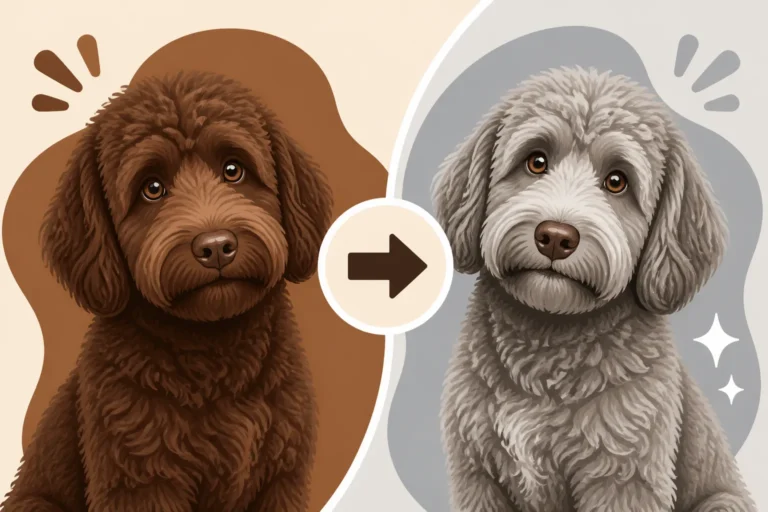
You might also observe that the coat appears fuller, and perhaps even a bit more unruly than before. It could feel less sleek and more "puffy." If your Labradoodle is experiencing a color change, this might also become more evident during this period. For example, a chocolate puppy might start to show signs of fading to a lighter brown or silver. This change in texture is a direct result of the new adult hair growing in, which is designed to be stronger and more protective than the delicate puppy coat. This new texture, unfortunately, is also perfectly designed for trapping those shedding puppy hairs.
Navigating the Matting Minefield: Essential Grooming Strategies
Once you recognize the signs of the coat change, it's time to act. This period demands a proactive, consistent, and thorough approach to grooming. Ignoring it will only lead to more pain for your dog and a more expensive (and potentially shave-down-inducing) trip to the professional groomer.
The Crucial Importance of Line Brushing
If you learn one thing during your Labradoodle's coat change, let it be line brushing. This isn't just a casual brush over the top of the coat; it's a systematic method to ensure you're getting down to the skin. Many owners brush the surface, making the top layer look neat, while mats silently form underneath, close to the skin. Line brushing prevents this by separating the hair into sections and working through it layer by layer. Brushing a Labradoodle to the Skin, Not the Surface is not just a catchy phrase; it's the core of effective doodle grooming.
To line brush, you'll want to use your non-dominant hand to part your dog's coat, creating a "line" of skin. Then, with your dominant hand, use a slicker brush to brush the hair below that line, working in small sections, moving from the tips of the hair down to the skin. Once that section is tangle-free, move your non-dominant hand up slightly, creating another line, and repeat. You essentially work your way across the dog's body, layer by layer, ensuring every inch of skin-to-tip hair is brushed. This method is meticulous and time-consuming but is the most effective way to prevent and remove mats during this challenging phase.
Tools of the Trade: Slicker Brushes, Rakes, and Combs
Having the right tools is absolutely non-negotiable during the coat change. A cheap, flimsy brush won't cut it. You'll need a combination of high-quality tools to tackle different aspects of the coat.
| Tool Type | Best For | How to Use During Coat Change |
|---|---|---|
| Slicker Brush | General detangling, removing loose hair, fluffing | Essential for line brushing, work through small sections. |
| Metal Comb | Checking for mats, finishing, fine detangling | After slicker brushing, comb through to ensure no tangles remain. Pay special attention to hidden areas. |
| Undercoat Rake | Removing dense dead undercoat (if applicable) | Use carefully on thicker areas if your Labradoodle has a denser undercoat, working gently to avoid skin irritation. Not all Labradoodles need this, especially fleece coats. |
| Mat Splitter | Carefully breaking apart small, tight mats | Only for small mats, use with extreme caution. Never pull or cut skin. Use sparingly as a last resort before shaving. |
A good quality slicker brush with firm, angled pins is your workhorse. Follow up every slicker brushing session with a metal comb. The comb is your "mat detector." If the comb can't glide smoothly through the coat from root to tip, you haven't finished brushing that section yet. Many owners find The Slicker, Rake and Comb a Labradoodle Takes to be their daily companions during this period. Investing in good tools now will save you countless headaches and potentially expensive groomer bills down the line. Look for these on reputable pet supply sites like Chewy or Amazon.
Establishing a Daily Grooming Routine (No, Really, Daily)
This is where many owners get tripped up. The puppy coat allowed for a relaxed grooming schedule, perhaps a few times a week. During the coat change, you must commit to daily grooming. Yes, every single day. Even if it's just 15-20 minutes, consistent daily brushing is far more effective and less painful than trying to tackle a massive matting situation once a week. Whether Daily Brushing Is Needed Through the Coat Change is a resounding yes!
A daily routine helps prevent mats from forming in the first place, or catches them when they are still small and easily manageable. It also desensitizes your Labradoodle to the grooming process, making them more tolerant of brushing, handling their paws, and having their ears examined. Make it a positive experience with treats and praise. Break up the grooming into manageable sections – one day focus on the hindquarters and tail, the next on the body, then the legs, and finish with the face and ears. The key is consistency. Missing even a couple of days can lead to mats that take twice as long to remove, or worse, necessitate professional intervention.
Professional Help: When to Call the Groomer (and What to Expect)
Even with the best intentions and a diligent daily routine, the coat change can be overwhelming. There's no shame in seeking professional help. In fact, many experienced Labradoodle owners swear by regular professional grooming appointments, especially during this tricky period.
Preparing Your Labradoodle for Professional Grooming
Before your first intensive professional grooming appointment during the coat change, it's helpful to have already introduced your Labradoodle to some basic handling. If you've been consistent with daily brushing, even if it was just superficial, your dog will be more accustomed to being touched and manipulated. Make sure your dog is comfortable with their ears being handled, their paws being touched, and standing still for periods. How Early a Labradoodle Should Meet a Groomer is crucial for setting them up for success.
It's also a good idea to bring your dog to the groomer on a full stomach and after they've had a good potty break and some exercise. A tired dog is often a more cooperative dog. You might also consider bringing a favorite, high-value treat, especially if your dog is particularly anxious. Be honest with your groomer about your dog's temperament and how much grooming you've been able to accomplish at home. Their expertise is invaluable, and they can offer specific tips tailored to your dog's coat type and personality.
Communicating Your Expectations and Your Dog's Condition
When you drop your Labradoodle off, have an open conversation with the groomer. Explain that your dog is going through their coat change and that you're struggling with matting. Show them any areas where you've noticed particularly dense mats. Be realistic about what can be achieved. If the mats are severe and tight to the skin, a groomer's priority will always be your dog's comfort and health over aesthetics.
It's important to understand that removing tight mats can be a painful and stressful process for the dog. A professional groomer will try their best to brush out minor tangles, but their ethical responsibility is to prevent suffering. If the mats are extensive, they might recommend a "comfort clip" or a full shave-down. While it can be disappointing to see your fluffy Labradoodle come home looking very short, this is often the kindest and safest option for your dog. A good groomer will always prioritize the dog's well-being over attempting to preserve a matted coat at all costs. What a Groomer Does With a Labradoodle That Will Not Stand or Whether a Groomer Refuses a Matted Labradoodle delves into this reality.
The Potential for a "Shave Down" (And Why It's Sometimes Necessary)
The "shave down" is every Labradoodle owner's dread, but during the coat change, it's sometimes the only humane option. If mats are allowed to tighten close to the skin, they can cause a myriad of problems: skin irritation, hot spots, bacterial infections, restricted movement, and even impede circulation. Imagine wearing a tight, tangled sweater that's constantly pulling at your skin – that's what severe matting feels like to a dog.
If your groomer recommends a shave down, it's not a judgment on your grooming skills; it's a necessity for your dog's health and comfort. Yes, your Labradoodle will look very different, and it will take time for the coat to grow back. But it provides immediate relief and a fresh start. Use this opportunity to recommit to a rigorous daily grooming routine as the coat grows back in. It's a chance to prevent future matting disasters. Remember that Whether a Shaved Labradoodle Comes Back Woollier is a common concern, but usually, the coat texture will return to normal with proper care.
Beyond the Brushing: Supporting Your Labradoodle's Coat Health
While brushing is the bedrock of coat care during the coat change, it's not the only factor. A holistic approach that includes diet, proper bathing, and environmental management can significantly contribute to the overall health and manageability of your Labradoodle's coat.
Nutrition and Supplements for a Healthy Coat
A healthy coat truly starts from within. Just like human hair, a dog's coat relies on a balanced diet rich in essential nutrients. High-quality dog food, like that offered by companies such as Ollie, can provide the building blocks for strong, healthy hair follicles. Look for foods that list real meat as the first ingredient and contain a good balance of fats, proteins, and vitamins.
Specific supplements can also play a vital role. Omega-3 fatty acids, often found in fish oil, are renowned for promoting skin and coat health, reducing dryness, and potentially making hair more pliable and less prone to breakage. Biotin and Vitamin E are also beneficial. Before adding any supplements, however, it’s always wise to consult your veterinarian, especially if your Labradoodle has any existing health conditions or is on other medications. A vet can guide you to the right dosage and type of supplement suitable for your individual dog.
Bathing and Drying During the Coat Change
Bathing a Labradoodle during the coat change can be a double-edged sword. While cleanliness is important, improper bathing techniques can actually worsen matting. Water can tighten existing mats, making them almost impossible to brush out once dry. If your dog has significant matting, do not bathe them before thoroughly brushing them out first. If you absolutely must bathe a matted dog, it's usually best to take them to a professional groomer who has the tools and expertise to handle it.
If your Labradoodle is mat-free, or you've managed to brush out any tangles, then a bath can be beneficial. Use a high-quality dog shampoo and conditioner, working them gently into the coat. Rinse thoroughly to ensure no residue is left behind, as this can irritate the skin or make the coat feel sticky and prone to matting. The most crucial step after bathing is thorough drying. You must dry your Labradoodle completely, preferably with a high-velocity force dryer, while brushing the coat to prevent new mats from forming as it dries. Air drying a Labradoodle's coat during the change is a recipe for disaster. Drying a Labradoodle to the Skin After a Bath is a rule you should live by.
Managing Environmental Factors (Humidity, Harnesses, etc.)
Your Labradoodle's environment and daily accessories can also impact matting during the coat change. High humidity, for instance, can make coats frizzier and more prone to tangling. If you live in a humid climate, you might need to increase your grooming frequency. Similarly, wet weather or swimming can quickly lead to mats if the coat isn't thoroughly dried and brushed afterward. Drying a Labradoodle After It Swims should be an immediate routine.
Harnesses, collars, and even doggy seatbelts can create friction spots where mats love to form. Regularly check these areas for tangles. If your dog wears a harness daily, consider removing it when not on walks and brushing the area underneath thoroughly. If you use a collar, ensure it's not too tight or too loose, which can rub. For dogs with long ear furnishings, you might even consider tying their ears back gently while they eat to prevent them from getting wet and matted. Every little bit of proactive management helps reduce the matting burden during this challenging time.
Long-Term Coat Care: Life After the Puppy Coat Change
Congratulations! You've made it through the coat change. While the most intense period of matting might be behind you, the need for consistent grooming is not. Your adult Labradoodle's coat will still require regular attention to remain healthy, mat-free, and looking its best. The routines you established during the coat change will serve you well for years to come.
Maintaining the Adult Labradoodle Coat
Once the puppy coat has fully shed and the adult coat has settled in, your grooming routine might not need to be daily for all Labradoodles, but it certainly won't revert to the casual brushing of their early puppyhood. Most adult Labradoodles, especially those with fleece or wool coats, will require thorough brushing at least 3-4 times a week, and sometimes more, depending on their activity level and coat length. Regular professional grooming every 6-8 weeks will also be essential. The Six to Eight Week Clock on a Labradoodle's Coat is a good guideline to follow for professional trims.
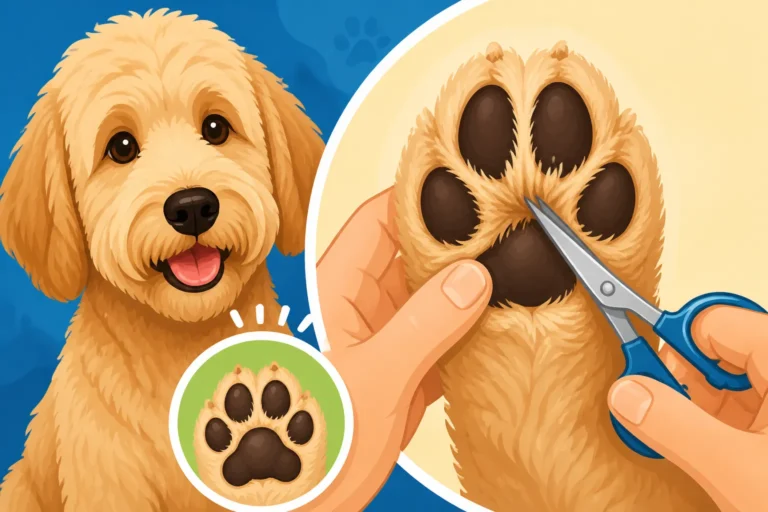
Consistent line brushing, using your slicker brush and metal comb, remains the gold standard. Pay particular attention to those "hot spot" areas prone to matting: behind the ears, armpits, tail, and friction points from collars or harnesses. Don't forget their paws; trimming the hair between a Labradoodle's pads prevents dirt buildup and slippage. Maintaining a consistent grooming schedule not only keeps your dog comfortable but also makes the professional grooming sessions much more pleasant for everyone involved.
Adapting Your Routine as Your Dog Ages
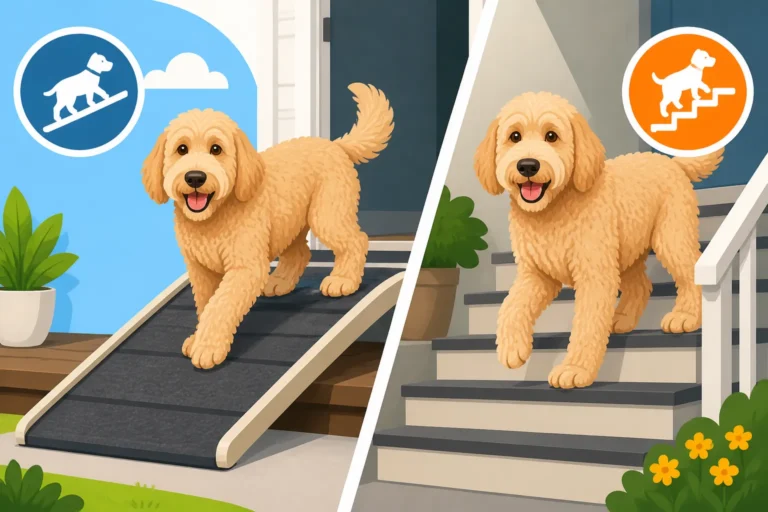
Just like us, a Labradoodle's coat can change as they age. Older Labradoodles might experience a thinning or coarsening of their coat, or it might become more prone to matting due to reduced activity or changes in skin elasticity. What Changes in an Old Labradoodle's Coat can be quite significant. Their skin can become more delicate, making grooming more challenging. Arthritis might make standing for long periods difficult, necessitating shorter, more frequent sessions or adapting your grooming space with comfortable mats or ramps.
You might find that your senior Labradoodle needs more frequent, but gentler, brushing sessions. Professional groomers are often adept at working with older dogs, using softer techniques and taking breaks as needed. Pay close attention to any skin lumps or bumps that appear, as older dogs can be more susceptible to skin issues. Regular grooming provides an excellent opportunity for you to perform a full-body check on your senior companion.
Accepting the Reality of Labradoodle Grooming
Let's be real: Labradoodles, especially those with the desired low-shedding coats, are not low-maintenance when it comes to grooming. The coat change is often the wake-up call for many owners, revealing the true commitment required. It's a significant investment of time, effort, and often, money. But the payoff is a happy, comfortable dog with a beautiful, healthy coat.
Embrace the reality. Accept that your Labradoodle needs regular, thorough grooming. View it not as a chore, but as an essential part of their care, a bonding experience, and a way to keep them healthy. Whether you choose to do all the grooming yourself, rely heavily on a professional groomer, or find a comfortable balance of both, understanding and committing to the grooming needs of your Labradoodle will lead to a much happier life for both you and your beloved companion. After all, isn't that why we bring them into our homes?
Disclaimer
This article is for general informational purposes only and does not constitute professional advice. Laws, prices and regulations vary by location and change over time. Consult a qualified professional for guidance on your specific situation.