Trimming the Hair Between a Labradoodle’s Pads
As a Labradoodle owner, you know the daily joy these wonderful dogs bring into our lives. But let's be honest, their gorgeous, often curly coats come with a unique set of challenges. One area that often gets overlooked, and can lead to real discomfort and even pain for your furry friend, is the hair that grows between their paw pads. This guide is all about tackling that tricky task, giving you the confidence and step-by-step instructions to keep your Labradoodle's paws healthy and happy.
Why Trimming Your Labradoodle's Paw Pad Hair is More Than Just Cosmetic
Many new Labradoodle parents, and even some seasoned ones, don't realize just how crucial regular paw pad hair trimming is. It's not just about aesthetics; it's fundamental to their comfort, mobility, and overall health. Ignoring this can lead to a host of problems that are easily preventable.
Preventing Slipping and Falls
Imagine trying to walk across a polished hardwood floor in socks that are several sizes too big, constantly bunching up under your feet. That's a bit like what it's like for a Labradoodle with overgrown hair between their paw pads. Their pads are designed to provide grip, acting like natural treads on their "shoes." When excessive hair grows out from between these pads, it creates a slick surface, reducing traction significantly. This can make them unstable on smooth surfaces like tile, laminate, or even wet pavement.
This isn't just an inconvenience; it's a genuine safety hazard. A quick turn or an excited dash can easily lead to a slip, causing sprains, strains, or even more serious injuries like ligament tears, especially for an active dog. Think about a game of fetch in the living room – a joyful moment could turn into a trip to the vet. Keeping that hair trimmed back ensures their natural grip is fully functional, giving them the confidence to move freely and safely, whether they're navigating your kitchen floor or bounding through the park.
Avoiding Debris Accumulation and Matting
The hair between your Labradoodle's pads acts like a magnet for all sorts of outdoor treasures – and not the good kind! Think small twigs, burrs, tiny pebbles, dirt, mud, and even bits of pavement salt or ice melt. These irritants get trapped in the long hair, and as your dog walks, they can be pressed deep into the sensitive skin between the pads. This isn't just uncomfortable; it can lead to painful sores, cuts, or infections if left unchecked.
Even more problematic is matting. Labradoodle coats, especially the fleece and wool types, are prone to matting, and the paw pads are no exception. Moisture from dew, puddles, or baths, combined with trapped debris and the constant friction of walking, quickly turns loose hair into tight, painful mats. These mats pull at the skin, making every step agony. They can also hide skin infections, parasites, or foreign objects, making them difficult to spot until they become severe. Regular trimming eliminates the "catch-all" surface, drastically reducing the chances of these painful and sometimes expensive problems. You'd be surprised how quickly a small mat can form and become a big problem.
Enhancing Comfort and Hygiene
Beyond slipping and mats, overgrown paw hair simply makes your Labradoodle uncomfortable. It can feel itchy, hot, and heavy. Imagine having constantly dirty, tangled hair between your toes – not pleasant! For a dog, this discomfort can manifest as excessive licking, chewing, or even limping, all signs they're trying to alleviate irritation. Plus, that excess hair traps moisture, creating a damp, warm environment that's perfect for yeast and bacterial infections to flourish, leading to smelly paws and further discomfort.
Trimming this hair is a simple yet effective way to maintain cleanliness and prevent these issues. It allows for better air circulation, keeps their paws drier, and makes it much easier to inspect their pads for any cuts, scrapes, or abnormalities. It also makes bathing and drying their paws much more efficient, contributing to their overall hygiene. When you keep their paws neat, you're not just grooming; you're actively contributing to their daily well-being and reducing the chances of future health woes. It's a small task that makes a huge difference in their quality of life.
Essential Tools You'll Need for a Successful Paw Trim
Before you even think about tackling your Labradoodle's paw pads, gathering the right tools is paramount. Using the wrong equipment can be frustrating for you and potentially unsafe for your dog. Investing in quality, dog-specific grooming tools will make the job much easier, safer, and more effective. You can find many of these items readily available on sites like Chewy or Amazon, offering a wide selection to suit your budget and your dog's specific needs.
Choosing the Right Clippers and Scissors
This is where many owners hesitate, and understandably so. There are two main types of tools you might use: small electric clippers and safety scissors.
Small Electric Clippers
For most Labradoodles, especially those with thicker or woolly coats, a small, quiet pair of electric clippers is often the best choice for paw pads. Look for clippers specifically designed for "trimming" or "finishing" work, not full body clipping. These tend to be smaller, lighter, and produce less vibration and noise, which is less intimidating for your dog. They usually come with a very fine blade (often a #10 or #15 blade) that allows for a close, clean cut without cutting the skin, provided you use them correctly.
The main advantage of clippers is their efficiency and consistency. They can quickly clear large areas of hair, creating a uniform, short length. This is particularly helpful if the hair is already quite long or matted, as scissors can struggle to get through dense, tangled hair safely. When using clippers, the goal is to gently stretch the paw pad flat and run the clippers over the hair, always moving away from the pads and pointing the blade flat against the skin, never digging in. The reduced risk of nicks compared to scissors when used properly, especially with a nervous or wiggly dog, makes them a favorite for many groomers and owners.
Blunt-Nosed Safety Scissors
If clippers feel too daunting, or if your Labradoodle has a finer, less dense coat, blunt-nosed safety scissors are a viable alternative. The key here is "blunt-nosed." Regular sharp-tipped scissors are incredibly dangerous for paw pad trimming. One sudden movement from your dog, and you could easily poke or cut their delicate paw skin. Blunt-nosed scissors have rounded tips, significantly reducing this risk.
Scissors are ideal for tidying up smaller areas, evening out edges, or for dogs who are terrified of clippers. They offer more control for detail work. When using scissors, always point the tips away from the pads, using only the very tips of the blades, and never close the blades completely against the skin. Always slide a comb between the hair and the paw pad, then cut only the hair that extends beyond the comb. This creates a barrier between the blade and your dog's skin, adding a layer of safety. While slower than clippers, scissors can be very effective if used patiently and carefully.
Grooming Aids and Safety Items
Beyond the main cutting tools, a few other items are absolute must-haves to ensure a smooth and safe experience.
Styptic Powder or Gel
This is non-negotiable. Even the most experienced groomers can occasionally cause a tiny nick, especially with a dog that suddenly moves. Styptic powder or gel is a miracle worker for stopping small bleeds immediately. It contains astringent agents that constrict blood vessels, effectively sealing minor cuts. Keep it within arm's reach every single time you groom. If you make a mistake, a quick dab of this powder on the cut, with a bit of pressure, will usually stop the bleeding right away, preventing unnecessary panic and distress for both you and your Labradoodle.
Comb and Brush
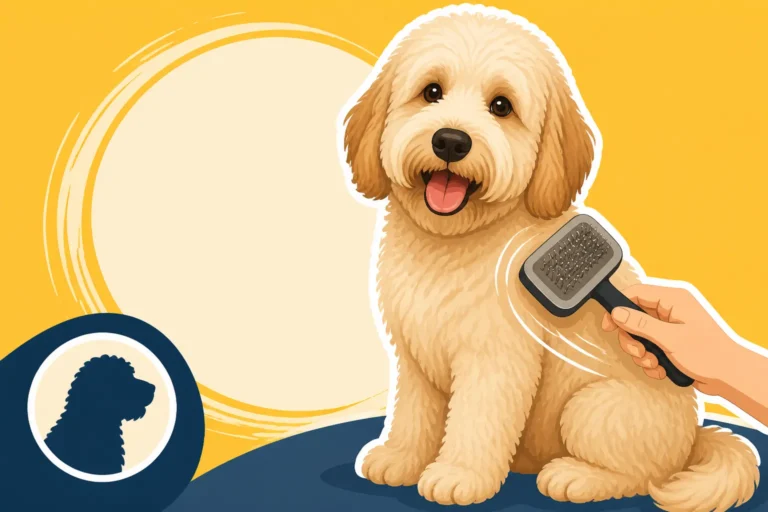
Before any trimming begins, you'll need to thoroughly comb out the hair on the paws. A fine-toothed comb will help you separate any tangles and lift the hair away from the pads, making it easier to see what you're doing and preventing you from cutting matted clumps. A slicker brush can also be useful for general paw hair grooming, especially if you're dealing with a Fleece Coat and Why Breeders Aim For It or The Wool Coat Labradoodle and Its Upkeep. Brushing first ensures you're working with clean, untangled hair, which minimizes the risk of uneven cuts or accidental nicks.
Treats and Positive Reinforcement
This isn't a tool in the traditional sense, but it's perhaps the most important item in your arsenal. Trimming paw pads can be stressful for dogs, especially if they're not used to it. High-value treats, praise, and a calm demeanor are essential for creating a positive association with grooming. Break the session into short, manageable chunks if needed, rewarding cooperation every step of the way. Make it a routine, and soon your Labradoodle might even look forward to "paw-dicure" time! You might consider stocking up on their favorite training treats from Chewy for these sessions.
Non-Slip Mat
If you're grooming on a smooth surface, a non-slip mat will provide stability for your Labradoodle, making them feel more secure and less likely to squirm or slip. A bath mat or a dedicated grooming mat will work wonders. This also prevents you from having to chase a sliding dog around the room, reducing stress for everyone involved. Some owners even have special grooming tables with non-slip surfaces, which can be a great investment if you plan to do a lot of home grooming.
Step-by-Step Guide to Trimming Your Labradoodle's Paw Pads
Now that you're armed with the right tools and a calm attitude, let's walk through the process of trimming your Labradoodle's paw pad hair. Remember, patience is key, especially if this is new for your dog. Break it down into small steps, and celebrate every bit of cooperation.
Preparing Your Labradoodle and Their Paws
Before you even pick up the clippers or scissors, take a moment to set the stage for success.
Calm Environment and Positive Association
Choose a time when your Labradoodle is already relaxed, perhaps after a good walk or playtime, but not so tired they're grumpy. Find a quiet spot in your home where you won't be interrupted. Lay out your non-slip mat. Bring out your treats! Before you do anything, simply let your dog sniff the tools, offer a treat, and give gentle praise. The goal is to make grooming a positive, low-stress experience. If your dog is particularly anxious, spend a few days just practicing touching their paws, gently spreading their toes, and rewarding them, without introducing any tools. This desensitization process is invaluable for long-term cooperation and can make tasks like Teaching a Labradoodle to Lie Still for a Ninety Minute Groom much easier down the line.
Cleaning and Brushing the Paws
Always start with clean, dry paws. If your Labradoodle has just come in from outside, or if their paws are visibly dirty, give them a quick wash and dry them thoroughly. Excess moisture can make hair harder to cut and increase the risk of skin irritation. Once clean, use your comb to gently brush out any tangles from the paw hair. Pay special attention to mats that might have formed between the pads or around the edges. If you encounter a tight mat, try to gently tease it apart with your fingers or the comb first. If it's too tight, you may need to carefully snip it out before trimming the rest of the hair, always using blunt-nosed scissors and ensuring a barrier between the mat and the skin. This initial prep ensures you have a clear view and a manageable canvas for trimming.
The Trimming Process: Clippers vs. Scissors
Whether you're using clippers or scissors, the fundamental principle is the same: always prioritize safety and avoid cutting the skin.
Using Small Electric Clippers
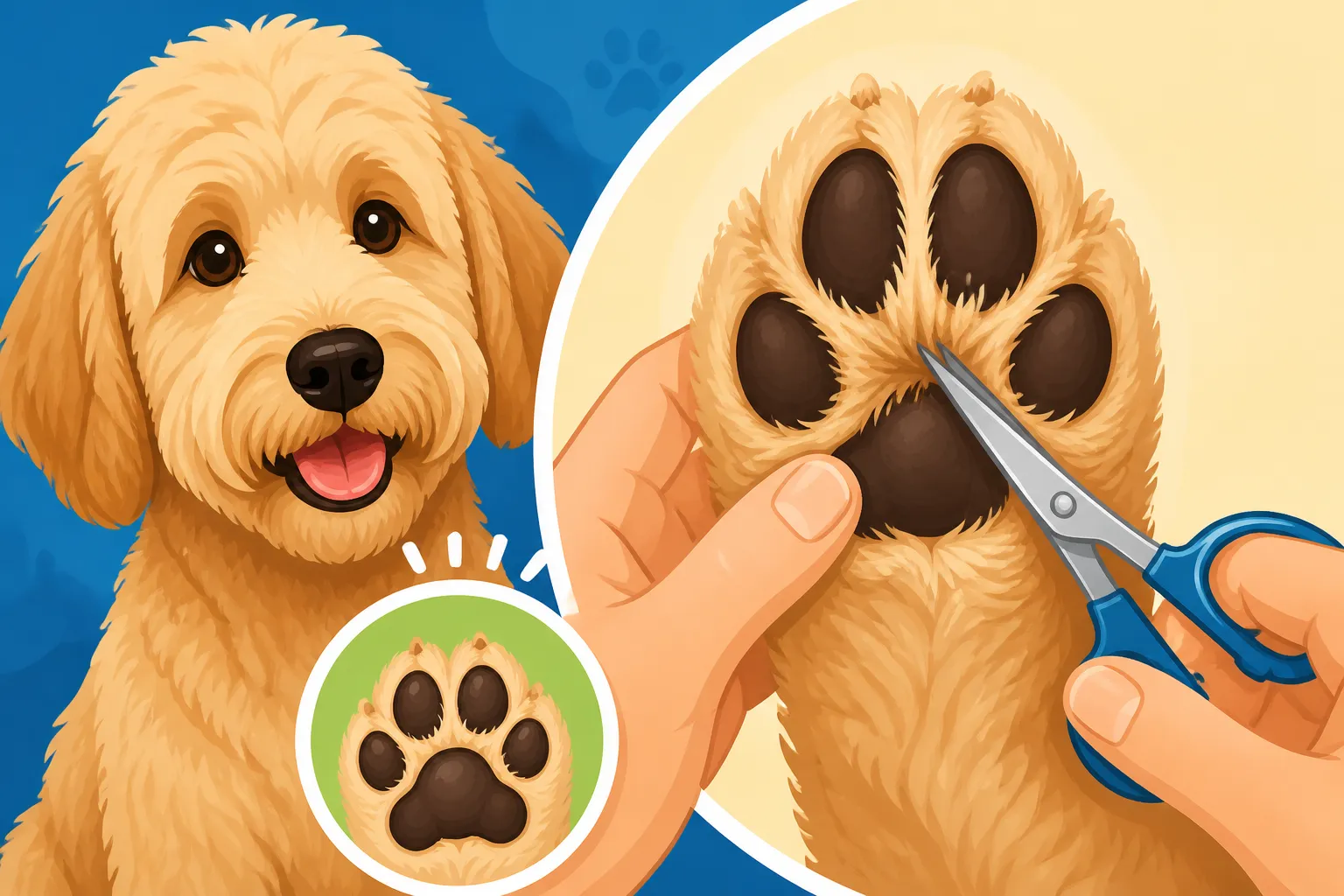
- Grasp and Stretch the Paw: Gently hold your Labradoodle's paw in one hand. Use your thumb and fingers to lightly spread the paw pads apart. This flattens the pad and stretches the skin taut, making the hair stand up and creating a safer, smoother surface for clipping. Be firm but gentle.
- Clip Away from the Pads: Turn the clippers on. Hold them flat against the paw, with the blade parallel to the pads. Start at the heel pad and gently guide the clippers in short strokes away from the central and toe pads. Think of it like pushing the hair out. Always move in the direction the hair grows, never against it, and never dig the blade into the soft skin.
- Work Around Each Pad: Methodically work your way around each individual toe pad, and then the larger central pad. Use the edge of the pads as your guide, aiming to trim the hair flush with the pad surface. You want to expose the rubbery traction of the pads completely.
- Check for Overhang: Once you've clipped the hair, set the paw down on a flat surface. Any hair that still touches the ground or protrudes around the edges of the paw needs to be trimmed. Lift the paw and use the clippers (or scissors, if you prefer for this detail work) to carefully trim this excess hair, creating a neat, clean outline. This is also a good time to check the hair between the toes for any missed spots or lingering mats.
- Praise and Reward: After successfully trimming one paw, immediately praise your Labradoodle and offer a treat. This reinforces the positive experience and makes them more likely to cooperate for the remaining paws.
Using Blunt-Nosed Safety Scissors
- Grasp and Stretch the Paw: Similar to clipping, hold your Labradoodle's paw and gently spread the pads to expose the hair.
- Comb and Cut: Use a fine-toothed comb to lift the hair up and away from the paw pad. Place the comb between the hair you intend to cut and the paw pad. This acts as a protective barrier.
- Trim the Excess: With your blunt-nosed scissors, carefully snip the hair that extends beyond the comb. Always point the tips of the scissors away from the paw pad and the skin, and only cut small amounts at a time. Never plunge the scissors into the hair or cut against the skin.
- Focus on Small Sections: Work slowly around each pad and between the toes. You'll likely need to comb, place, and snip multiple times for each area. This method is slower but offers precise control, especially for fine detailing or sensitive areas.
- Check and Outline: As with clippers, once you've removed the bulk of the hair, set the paw down and check for any hair that touches the ground. Use the scissors to carefully trim this hair, creating a clean, defined outline for the paw. You want the pads to be fully exposed.
- Praise and Reward: Don't forget the positive reinforcement! Treats and praise will make a huge difference in your Labradoodle's willingness to participate in future grooming sessions.
Post-Trimming Care and Inspection
Once the trimming is complete, take a few final steps to ensure your Labradoodle's paws are in top condition.
Inspecting the Paws for Any Issues
After trimming, thoroughly inspect each paw. Look closely at the pads themselves for any cuts, scrapes, dryness, or cracking. Check between the toes for redness, irritation, or any lingering debris you might have missed. If you notice any small nicks, apply styptic powder immediately. This regular inspection is critical for catching potential problems early, before they become serious. This is also a great time to check their nails and consider if they need a trim – How Often a Labradoodle's Nails Need Cutting is something to keep in mind.
Applying Paw Balm (Optional but Recommended)
Especially if your Labradoodle's pads look a bit dry or rough, applying a natural paw balm can be beneficial. These balms moisturize and protect the pads, preventing cracking and discomfort. Choose a dog-specific balm made from safe, edible ingredients, as your dog will inevitably lick their paws. A good paw balm can keep their pads supple and resilient, ready for all their adventures. Many excellent options can be found on Chewy or Amazon.
Common Mistakes to Avoid and Troubleshooting Tips
Trimming your Labradoodle's paw pads can seem daunting, and it's easy to make mistakes, especially when you're just starting out. Don't worry, even experienced groomers have had their share of learning curves. Knowing what pitfalls to avoid and how to troubleshoot common issues will make the process much smoother and safer for both you and your furry friend.
Cutting Too Deep or Nicking the Skin
This is, understandably, the biggest fear for most owners. The skin between a Labradoodle's paw pads is delicate and easily cut.
- Mistake: Rushing, using sharp-tipped scissors, or not flattening the paw pad sufficiently. Digging clipper blades into the skin instead of keeping them flat.
- Solution: Always use blunt-nosed safety scissors or small clippers with a fine, safe blade (#10 or #15). Take your time. Gently stretch the paw pads to create a flat, taut surface. With clippers, keep the blade parallel to the pad, skimming the surface. With scissors, always use a comb as a barrier between the hair and the skin. If a minor nick occurs, don't panic. Immediately apply styptic powder or gel with firm pressure for a few seconds. The bleeding should stop quickly. Keep the area clean and dry. If the cut is deep or bleeding doesn't stop, contact your vet.
Dealing with a Wiggly or Uncooperative Labradoodle
Some Labradoodles simply do not enjoy having their paws handled, turning grooming into a wrestling match.
- Mistake: Forcing the issue, getting frustrated, or trying to complete the entire trim in one go.
- Solution: Patience, patience, patience! Start with very short sessions, even just a few seconds of paw handling and one tiny snip, followed by lavish praise and high-value treats. Build up the duration gradually over days or weeks. If your dog is getting stressed, stop and try again later. Consider enlisting another person to help gently hold and distract your Labradoodle with treats. You can try a lick mat smeared with peanut butter or another favorite treat to keep them occupied. Make sure your Labradoodle has had adequate exercise before grooming so they are calmer. For very anxious dogs, a professional groomer or vet might be able to offer advice or even sedated grooming in extreme cases. Remember, this builds positive association. You don't want them to dread the brush or the clippers, which can also make Teaching a Labradoodle to Stand for the Clippers incredibly difficult for their regular coat care.
Missing Patches or Uneven Trimming
It's easy to overlook areas, especially in a dense or curly Labradoodle coat, resulting in a patchy look.
- Mistake: Not thoroughly combing out the hair first, inadequate lighting, or not inspecting the paw from multiple angles.
- Solution: Always start with well-combed, clean, dry paws. Work in a well-lit area. After clipping or scissoring, gently set the paw down on a flat surface and observe which hairs are still touching the ground. Lift the paw and visually inspect from all sides. Use your fingers to gently spread the toes and check between them. A second pass with clippers or scissors for tidying up is often necessary. Consistency comes with practice; don't aim for perfection on your first try!
Not Trimming Frequently Enough
Overgrown paw pad hair quickly becomes a problem, and waiting too long makes the job harder and more uncomfortable for your Labradoodle.
- Mistake: Waiting until mats form or until your dog is slipping before trimming.
- Solution: Establish a regular grooming schedule. For most Labradoodles, trimming their paw pad hair every 2-4 weeks is ideal. Dogs with faster-growing hair or woollier coats might need it more frequently, perhaps every two weeks. Dogs with fleece coats may still need attention around every four weeks. Make it part of your routine, perhaps when you're already doing a mini-groom session or after How Often a Labradoodle's Nails Need Cutting. Consistent, short sessions are much easier than infrequent, long, and difficult ones.
Integrating Paw Care into Your Labradoodle's Regular Grooming Routine
Think of paw pad trimming not as a separate, dreaded chore, but as an integral part of your Labradoodle's overall grooming and health maintenance. By weaving it into a consistent routine, you'll find it becomes less of a struggle and more of a natural expectation for your dog. A well-rounded grooming regimen contributes significantly to your Labradoodle's comfort and well-being.
Establishing a Consistent Grooming Schedule
Consistency is the secret sauce for successful Labradoodle grooming. Their coats, especially the popular fleece and wool types, require regular attention to prevent matting and maintain skin health.
How Often Should You Trim Paw Pad Hair?
For most Labradoodles, aiming to trim their paw pad hair every 2 to 4 weeks is a good general guideline. However, this can vary based on several factors:
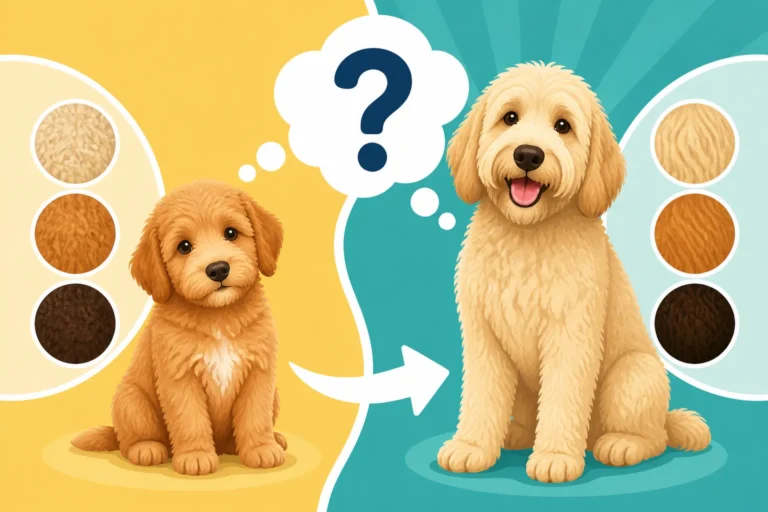
- Coat Type: Labradoodles with woolly coats tend to have faster-growing, denser hair that mats more quickly. These dogs might need a trim closer to every two weeks. Fleece-coated Labradoodles often fall in the middle, requiring attention every 3-4 weeks. Even the less common hair-coated Labradoodles, while shedding, can still get long hair between their pads that needs trimming.
- Activity Level: Dogs who spend a lot of time outdoors, especially running through grass, mud, or snow, will accumulate more debris and moisture, increasing the need for frequent trims to prevent mats and trapped foreign objects.
- Individual Hair Growth Rate: Just like human hair, some dogs' paw hair simply grows faster than others. Observe your Labradoodle; if you notice their pads getting obscured or if they start to slip, it's time for a trim, regardless of how long it's been.
Making it a routine on specific days, like the first and third Saturday of the month, can help you stay on track. Small, frequent sessions are always better than waiting until the problem becomes severe. This also ties into managing their overall coat health; neglecting the paws is often a first step towards wider matting issues.
Complementary Paw Care Practices
Trimming is just one piece of the paw care puzzle. A holistic approach ensures your Labradoodle's paws remain healthy and protected.
Nail Trimming
Overgrown nails are a common issue that can lead to pain, splayed toes, and even joint problems for your Labradoodle. When their nails are too long, they push back into the nail bed, distorting the alignment of the paw and making walking uncomfortable. Regular nail trimming, ideally every 2-4 weeks, should go hand-in-hand with paw pad trims. Many owners tackle these tasks in the same session, as it means less stress for the dog by combining two grooming steps. If you're nervous about cutting too short, ask your vet or a professional groomer for a demonstration. Learning how to properly trim their nails, whether with clippers or a grinder, is a vital skill for every Labradoodle owner. You can find more specific advice in articles like How Often a Labradoodle's Nails Need Cutting.
Regular Paw Inspections
Beyond formal grooming sessions, make it a habit to quickly inspect your Labradoodle's paws daily or at least several times a week. This is especially important after walks or outdoor adventures.
- What to Look For: Check for any debris caught between the toes or pads, small cuts, scrapes, redness, swelling, or signs of irritation. Feel for any lumps or bumps. Look for changes in the paw pads themselves, such as dryness, cracks, or unusual textures.
- Early Detection: These quick checks allow you to catch problems early, before they escalate into painful infections or require veterinary intervention. Removing a small burr immediately is far easier and less traumatic than treating a festering wound caused by it. Early detection is key for preventing major issues, much like regular grooming helps prevent The Hair That Grows Where a Labradoodle's Ear Should Drain from causing severe ear infections.
- Behavioral Cues: Pay attention to your Labradoodle's behavior. Are they licking or chewing their paws excessively? Are they limping or reluctant to put weight on a paw? These are all signs that something might be amiss and warrant a closer look at their paws.
By integrating paw pad trimming with nail care and regular inspections, you're not just maintaining their feet; you're contributing to their overall mobility, comfort, and happiness. Your Labradoodle relies on their paws for everything they do, so giving them the care they deserve is one of the best ways to ensure a long, healthy, and active life together.
Disclaimer
This article is for general informational purposes only and does not constitute professional advice. Laws, prices and regulations vary by location and change over time. Consult a qualified professional for guidance on your specific situation.