Teaching a Labradoodle to Lie Still for a Ninety Minute Groom
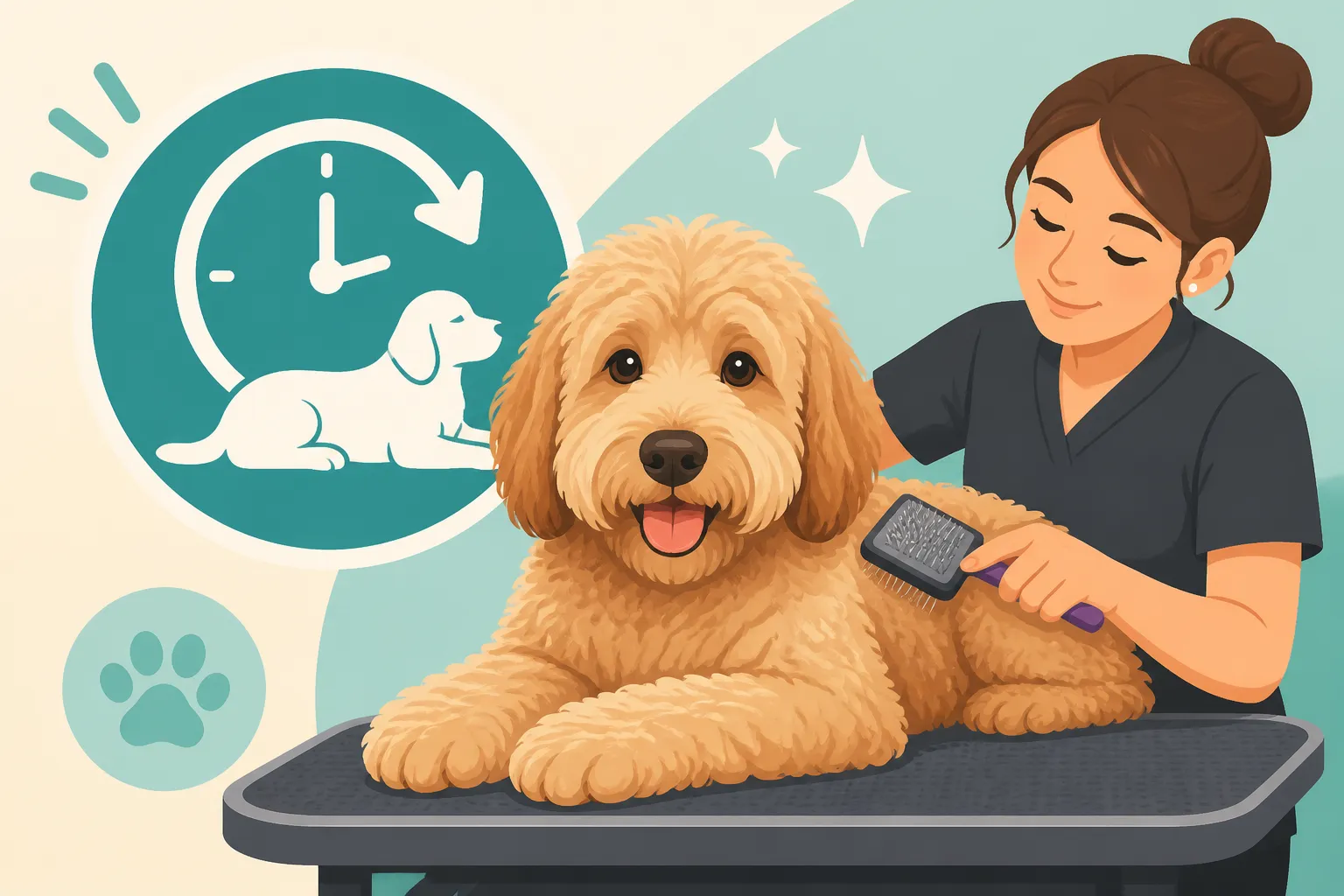
One of the biggest challenges many Labradoodle owners face isn't just getting their dog to tolerate grooming, but to genuinely lie still and cooperate for the extensive periods required to properly maintain their unique coats. It's frustrating when you know a good groom takes time, often 90 minutes or more, yet your energetic companion acts like you're torturing them just five minutes in, turning what should be a bonding experience into a battle. This guide will walk you through comprehensive, step-by-step strategies to teach your Labradoodle to relax and lie still, making those essential long grooming sessions a peaceful and positive part of their routine.
Understanding Your Labradoodle's Grooming Challenges
Before we dive into training techniques, it’s crucial to understand why grooming can be such a hurdle for Labradoodles. It’s not just about their energy; several factors contribute to their reluctance, and recognizing these can help you approach training with more empathy and effectiveness.
The Labradoodle Coat: A Blessing and a Curse
Let's be honest, that gorgeous, low-shedding Labradoodle coat is often what draws us in. But it comes with a significant caveat: it's incredibly demanding to maintain. Unlike a Labrador's sleek, easy-care coat, a Labradoodle's fleece or wool coat requires frequent, thorough attention to prevent painful matting. This isn't a quick brush-over; it often involves meticulous line brushing down to the skin, which can feel invasive if a dog isn't properly conditioned.
Imagine someone trying to untangle knots from your hair for an hour and a half, especially if they hit a snag or pull. It’s not pleasant. For a Labradoodle, particularly those with dense, curly, or rapidly matting coats, the process itself can be uncomfortable if mats are present or if they haven't learned to relax. The sheer volume of hair and the need to reach every inch means you're handling sensitive areas for extended periods, making patience and cooperation paramount.
The different coat types—hair, fleece, and wool—each present their own challenges. A hair-coated Labradoodle might shed more, but a wool-coated one can mat almost overnight, especially during The Coat Change That Hits a Labradoodle at Nine Months. Understanding your dog's specific coat type and its inherent needs is the first step in setting realistic grooming expectations for both you and your dog.
High Energy and Short Attention Spans
Labradoodles are intelligent, active, and generally full of joie de vivre. These traits are wonderful for a family companion or an adventure buddy, but they can be a real headache when you need them to stay still. A 90-minute grooming session feels like an eternity to a dog whose natural inclination is to play, explore, or simply be on the move. Their attention spans, especially as puppies or young adults, are often fleeting.
Trying to restrain an energetic Labradoodle for a long grooming session without proper training can quickly devolve into a wrestling match. They might squirm, bite at the brush, try to lick your face, or simply try to make a break for it. This isn't malicious; it's simply a dog acting on its instincts and preferences. They haven't learned why this extended stillness is necessary, nor have they developed the mental fortitude to endure it patiently.
This inherent energy means that simply hoping they'll "get used to it" or physically forcing them into submission is not only unkind but often counterproductive. Such approaches can create negative associations that make future grooming sessions even harder, reinforcing their desire to escape. Instead, we need to harness that intelligence and energy into cooperative behavior through positive reinforcement.
Grooming Anxiety and Negative Associations
For many dogs, grooming isn't a neutral experience; it can quickly become an anxious one. If early experiences were uncomfortable, painful (from pulling on mats or quicking a nail), or simply forced, your Labradoodle may develop a strong negative association with grooming tools or the grooming area. This anxiety can manifest as trembling, drooling, panting, avoidance, or even aggressive displays like growling or snapping.
Once these negative associations are formed, simply trying to groom can trigger a fight-or-flight response. The dog isn't being "stubborn"; they are genuinely scared or uncomfortable. This is especially true for dogs who might have inherited sensitivities or had less-than-ideal experiences before coming to you, perhaps at a shelter or from a previous home. It's a common reason why Why Labradoodles Are Surrendered Before Three sometimes happens, if owners aren't prepared for the grooming commitment.
Overcoming deeply ingrained anxiety requires patience, empathy, and a systematic approach to retraining. It means breaking down the grooming process into tiny, non-threatening steps and pairing each step with overwhelmingly positive experiences. The goal isn't just tolerance, but a genuine sense of calm and safety during grooming.
Starting Early: Puppy Foundations for Grooming Compliance
The single most impactful thing you can do to ensure your Labradoodle is a cooperative grooming partner is to start early, ideally the moment you bring your puppy home. Puppyhood is a critical window for socialization and habit formation, and introducing grooming in a positive, gentle way from the beginning will pay dividends for years to come.
The "Happy Touch" Protocol for Puppies
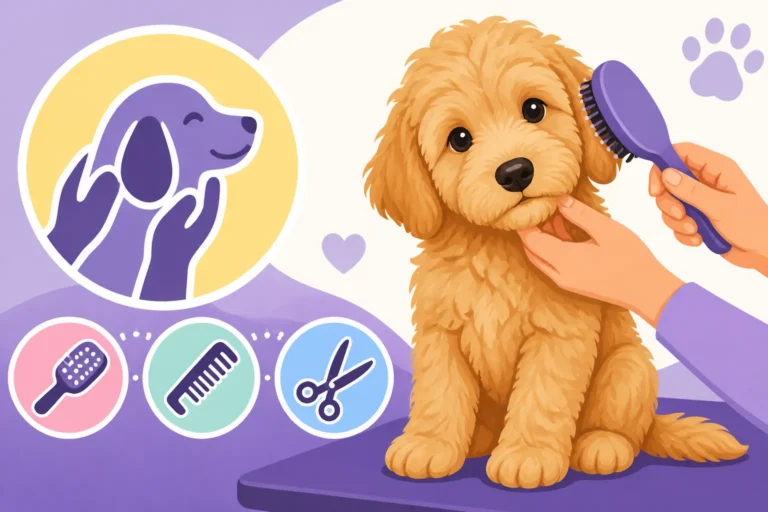
From day one, make touching your puppy all over their body a positive experience. This isn't about brushing yet, but about desensitizing them to handling. Gently stroke their paws, lift their lips, touch their ears, run your hands through their coat, and feel their tail. Pair every touch with tiny, high-value treats and soft praise. The moment you touch, a treat appears. The moment you stop, the treats stop. This teaches them that human touch, especially in sensitive areas, predicts good things.
Think of it as building a "touch bank" of positive experiences. Your puppy learns to associate being handled with pleasure, not intrusion. Do this several times a day for very short durations—just a few seconds at a time. The key is to keep it positive and prevent any negative reactions. If your puppy pulls away, you’ve gone too far, too fast. Scale back and keep it lighter. Consistency across family members is also important, so everyone uses the same gentle approach.
This "Happy Touch" protocol lays the groundwork for all future grooming. If a puppy learns that having their paws held means a delicious treat is coming, they'll be far less likely to object when a nail clipper or paw trimmer is eventually introduced. This foundation is essential for cultivating a dog that trusts your hands in all situations, including grooming.
Introducing Tools as Playthings
Once your puppy is comfortable with being handled, slowly introduce grooming tools, but initially, don't use them for their intended purpose. Let your puppy investigate the brush, comb, clippers (turned off), and even the hairdryer (on a low, cool setting, from a distance) by sniffing them. Place treats near the tools. Let them bat at the brush bristles or nose the clippers. The goal is to make these objects seem interesting and non-threatening.
For instance, lay a slicker brush on the floor and scatter treats around it. When your puppy approaches and sniffs, offer praise. You can even dab a little peanut butter on the handle for them to lick while you hold the brush. The sound of the hairdryer can be introduced very gradually, starting with it far away and turned on for only a second, paired with a jackpot of treats. This is pure counter-conditioning: changing their emotional response to the object from potential fear to positive curiosity.
Once they are calm around the tools, you can introduce very brief, gentle contact. Touch the brush lightly to their back, then treat. Turn the clippers on for a split second, treat. The emphasis is on briefness and positivity, never pushing them to discomfort. This stage is about building positive associations with the tools themselves, so they don't immediately tense up when they see you reach for the grooming kit. Starting Grooming Handling on a Labradoodle Puppy focuses more on this specific early handling.
Short, Frequent Practice Sessions
Forget aiming for a 90-minute session with a puppy. Your goal is many, many short, positive interactions. Start with just 30 seconds of gentle brushing or touching with a tool, followed by praise and a reward. As they get comfortable, you can gradually increase to a minute, then two, and so on. The key is to end before they get antsy or frustrated, leaving them wanting more.
These frequent, positive mini-sessions prevent "flooding," where a puppy is overwhelmed by a long, negative experience. Instead, they learn that grooming involves short bursts of pleasant attention and treats. This builds their stamina for stillness over time. For example, you might do a 60-second brush-out of their back, followed by a play break, then later in the day, a 60-second ear check with treats.
Consistency is crucial here. Aim for daily, even multiple times a day, short sessions. This embeds grooming as a regular, non-negotiable, and positive part of their routine. If you only pull out the brush when they're matted and need a long, uncomfortable session, they'll quickly learn to dread it. But if it's always associated with quick, happy moments, their cooperation will naturally increase.
Essential Tools and Creating a Positive Grooming Space
Having the right equipment and a dedicated, positive environment makes a huge difference in your Labradoodle's willingness to cooperate for a long grooming session. Trying to groom with inadequate tools or in a chaotic setting only adds to their stress and your frustration.
Investing in the Right Grooming Equipment
For a Labradoodle, particularly those with fleece or wool coats, specific tools are non-negotiable. A good quality slicker brush is paramount for getting through tangles without causing pain. Look for one with fine, bent wire pins that are gentle on the skin but effective at detangling. A metal comb, with both wide and fine teeth, is essential for "line brushing" and checking your work, ensuring you've reached down to the skin.
Consider a good force dryer, like those available on Amazon, even if you don't plan to do full baths at home. These powerful dryers are fantastic for blowing out loose hair, drying coats quickly, and preventing matting, especially after a swim. For trimming, sharp grooming shears and professional-grade clippers are a must. Dull tools pull and hurt, turning a pleasant experience into a painful one. Investing in quality tools means the job is done efficiently and comfortably for your dog.
| Tool Type | Purpose | Key Features |
|---|---|---|
| Slicker Brush | Detangling, removing loose hair | Fine, bent pins; ergonomic handle; various sizes for different coat densities |
| Metal Comb | Line brushing, checking for mats, finer detangling | Dual-sided (wide and fine teeth); sturdy metal construction |
| Force Dryer | Drying coat quickly, blowing out loose undercoat | Powerful motor; variable speed/heat; long, flexible hose |
| Grooming Shears | Trimming face, paws, sanitary areas, shaping coat | Sharp, stainless steel blades; various lengths (straight, curved, thinning) |
| Clippers | Full body clipping, shaving mats, sanitary clips | Professional grade; multiple blade sizes (e.g., #10, #7F, #4F); quiet motor |
| Nail Trimmers | Keeping nails short | Scissor or guillotine style; sharp blades |
| Ear Cleaner | Routine ear cleaning | Vet-approved formula; gentle for sensitive ears |
Beyond the basics, think about a grooming table. It lifts your dog to a comfortable height, saving your back, and often comes with a grooming arm and loop that can help gently keep your dog in position (never to restrain them forcibly). This elevated position can also help some dogs understand that "this is grooming time" and that it's different from casual handling on the floor.
Setting Up a Calm and Safe Grooming Environment
The physical space where you groom is as important as the tools themselves. Choose a quiet area of your home, away from distractions like other pets, noisy children, or the doorbell. A consistent location helps your Labradoodle associate that specific spot with grooming time, helping them mentally prepare. Ensure good lighting so you can see what you're doing, especially when working on dense areas or checking for mats.
Make the area physically comfortable and secure. A non-slip mat on the floor or grooming table is essential to prevent slips and slides, which can make your dog anxious. Have all your tools laid out and within easy reach before you begin, so you're not fumbling around or leaving your dog unattended. The fewer interruptions, the better.
Consider playing calming music or white noise. Some dogs respond well to classical music or specially designed "dog relaxation" playlists. The goal is to create an atmosphere of tranquility, not tension. A calm environment communicates to your Labradoodle that this is a safe, predictable, and stress-free zone.
Incorporating High-Value Rewards
High-value treats are your secret weapon for training a Labradoodle to lie still for extended periods. These aren't their everyday kibble; these are the treats they love more than anything – soft, stinky, tiny morsels of cheese, boiled chicken, hot dogs, or liverwurst. Something that will make them think, "Wow, I get this just for staying still?"
During grooming, especially for a 90-minute session, these treats become vital for keeping their attention and reinforcing calm behavior. You'll use them for desensitization and counter-conditioning, as well as for rewarding long durations of stillness. Don't be stingy! Initially, you'll be doling them out frequently for any moment of calm or cooperation.
Beyond edible treats, consider long-lasting distractions like a lick mat smeared with peanut butter, cream cheese, or frozen bone broth. These can provide continuous positive reinforcement and occupy your Labradoodle's mouth and mind, especially during trickier or longer parts of the groom. A good quality lick mat can be affixed to a wall or surface, keeping your dog's head down and relatively still. Brands like Amazon offer a wide selection of lick mats perfect for this purpose.
Desensitization and Counter-Conditioning Techniques
Once you've got your foundation set, it's time to systematically desensitize your Labradoodle to the grooming process and counter-condition any existing negative associations. This involves gradually exposing them to grooming stimuli while pairing it with positive reinforcement.
Gradual Exposure to Grooming Actions
Break down a 90-minute groom into its smallest components. Instead of trying to brush their entire body, start with just one stroke of the brush. Stroke, treat. Stroke, treat. Repeat this many times, always ensuring the stroke is gentle and doesn't pull. Once they are consistently calm for one stroke, try two, then three. The pace is dictated by your dog's comfort level. If they show any signs of stress, you're going too fast.
Apply this method to every grooming action:
- Touching an ear: Touch, treat. Hold ear flap, treat. Gently peek inside ear, treat.
- Touching a paw: Touch paw, treat. Hold paw, treat. Gently separate toes, treat.
- Sound of clippers: Clippers on low, far away, treat. Closer, treat. Touching body (off), treat. Touching body (on, brief), treat.
This systematic desensitization ensures that each individual component of grooming becomes a non-event. It chips away at any fear or discomfort, replacing it with the expectation of reward. Remember, the goal is not to "power through" their discomfort but to proactively prevent it by always working within their comfort zone.
Making Grooming a Predictable, Positive Routine
Dogs thrive on routine and predictability. Establishing a consistent grooming schedule—even if it's just 5-10 minutes of light brushing daily—helps your Labradoodle anticipate and accept the process. If grooming is a random, sporadic event that only happens when they're already matted and uncomfortable, they'll learn to dread it.
Try to groom at the same time each day or week, in the same spot, using the same tools. This ritual helps them understand what's coming. Always start and end with something positive, like a favorite treat or a short play session. The goal is to build a positive mental framework around grooming.
You can even use a specific verbal cue, like "Grooming time!" right before you start, and a "All done!" or "Good job!" cue when you finish. This helps your Labradoodle mentally switch into "grooming mode" and then switch out of it, providing clear boundaries for the activity. Over time, the predictability itself becomes a comfort.
The Power of Distraction and Licking Mats
While the ultimate goal is for your Labradoodle to calmly accept grooming, using distractions can be incredibly helpful, especially in the early stages or for more challenging tasks. Lick mats, puzzle toys with frozen treats, or even a responsible family member offering treats can keep your dog happily engaged while you work.
A lick mat is particularly effective for getting your Labradoodle to stay still with their head down, making it easier to groom their back, sides, and even their ears if they're focused on the mat. Spread a thin layer of something irresistible like peanut butter (xylitol-free!), plain yogurt, or pureed pumpkin. This creates a sustained, positive distraction that can last for 15-20 minutes, allowing you to tackle a significant portion of the groom.
For tasks that require more focus on your part, like trimming nails or around the eyes, another person can be invaluable for holding treats or providing gentle petting. This creates a positive association with the "difficult" part of grooming, ensuring your Labradoodle isn't just tolerating it, but actively enjoying the distraction. This multi-pronged approach ensures that grooming remains a positive experience, even when challenging tasks are involved.
Building Stamina for Longer Grooming Sessions
Getting your Labradoodle to lie still for 90 minutes is a marathon, not a sprint. It requires gradually building their endurance and reinforcing their ability to remain calm for extended periods.
Slowly Increasing Session Duration
Once your Labradoodle is comfortable with individual grooming actions and short bursts of handling, it's time to incrementally increase the length of your sessions. If they're currently good for 5 minutes, aim for 6 minutes next time, then 7. Don't jump from 5 minutes to 30. The increase should be so small that your dog barely notices the difference.
Continue to lavish praise and high-value treats throughout these longer sessions. The frequency of treats might decrease slightly as they develop more stamina, but never eliminate them entirely, especially for a full 90-minute groom. Randomly rewarding sustained calm can be very powerful. If they start to get antsy, pause, give a treat, and redirect their focus. It's always better to end a session slightly before they hit their frustration threshold.
You might find it helpful to focus on one body part for a longer period. For example, dedicate one session to thoroughly brushing one side of their body, then next time the other side, then paws, then face. This breaks down the 90-minute goal into more manageable mini-goals, building their tolerance for sustained work on a specific area. Building a Labradoodle Up to a Long Grooming Session explores this in more detail.
Strategic Breaks and Movement Rewards
Even the most patient Labradoodle will likely need a break during a 90-minute grooming session. Plan for these. A short 2-5 minute "reset" period can prevent frustration and allow your dog to stretch, shake off some energy, and then return to the grooming area with a refreshed attitude.
During a break, let them walk around, get a drink of water, or even do a quick potty break outside. This isn't just about physical relief; it also offers a mental reset. When you bring them back to the grooming station, offer a special treat to mark the transition back to work, reinforcing that returning to the grooming area is also a positive experience.
Movement can also be used as a reward within the session itself. If your Labradoodle has been lying still beautifully for 10 minutes, ask them to stand up, turn around, and then lie back down in a new position, rewarding the movement and then the return to stillness. This breaks up the monotony and gives them a sense of control, rather than feeling completely trapped. This technique can be especially useful when teaching specific positions, like Teaching a Labradoodle to Lie on Its Side for Line Brushing.
Using Relaxation Cues and Positions
Teach your Labradoodle specific cues that encourage relaxation and stillness. "Settle," "Relax," or "Place" can be incredibly useful. Practice these cues outside of grooming, rewarding them heavily when they lie down and stay calm. Once they reliably understand these cues, you can use them during grooming sessions.
For a 90-minute groom, you'll need them to be comfortable in various positions: standing, lying on one side, then the other, and perhaps even sitting for face work. Practice these positions individually, rewarding them for maintaining each pose. Start with short holds and gradually increase duration. A grooming table with a comfortable, non-slip mat can make holding these positions easier and more comfortable for your dog.
A specific mat or bed used only for grooming sessions can also act as a relaxation cue. When they see the "grooming mat," they learn that it's time to settle down. Pair this mat with treats and calm petting, reinforcing the idea that this space is for relaxation during grooming. The combination of verbal cues, positional training, and a dedicated space helps create a predictable and comfortable routine for long sessions.
Advanced Training for Difficult Grooming Areas
Some areas of a Labradoodle's body are inherently more sensitive or challenging to groom than others. These require an even more patient and systematic approach to ensure cooperation during a long session.
Head, Face, and Ear Sensitivity
The head and face are often the most sensitive areas for dogs. Many Labradoodles dislike having their eyes, whiskers, or muzzle touched. For a 90-minute groom, these areas might need significant attention, from trimming around the eyes to cleaning ears. Start by simply touching their forehead, then gently working your way to the muzzle, chin, and around the eyes, always pairing with treats.
When it comes to ears, Labradoodles often have long, drop ears that can be prone to infections if not properly maintained. The Hair That Grows Where a Labradoodle's Ear Should Drain means ear plucking might be needed, which can be uncomfortable. For ear cleaning, gently lift the ear flap, show them the cleaner, let them sniff, then apply a tiny amount, followed immediately by a treat. Don't go deep into the canal. Gradually increase the duration of holding the ear and manipulating it for cleaning or plucking.
For trimming the face, use a quiet clipper or blunt-nosed shears. Introduce them slowly, letting the dog sniff them. Start by trimming just one or two hairs, then treat. Build up to more extensive work. A dab of peanut butter on the forehead or a lick mat held by an assistant can be incredibly useful for keeping their head still and focused during these delicate tasks.
Paw and Nail Care Cooperation
Paws are another common point of contention. Many dogs dislike having their feet handled, perhaps due to past painful nail trims or simply a natural aversion. For a Labradoodle, trimming the hair between their paw pads is crucial to prevent mats and allow for better traction, and nail trims are essential for comfort and health.
Begin by simply touching their paws gently, treating each touch. Gradually progress to holding a paw, then spreading their toes, then touching the nail clippers (or Dremel) to a nail without clipping, then just one quick clip, followed by a treat jackpot. Make this a very slow, methodical process. If using a Dremel, introduce the sound and vibration very gradually, again using treats.
Ensure your clippers are sharp to make a clean cut and avoid squeezing the quick. If you do accidentally quick them, try to remain calm, offer comfort, and use styptic powder. A single painful experience can set back paw handling training significantly. Regular, short sessions of paw handling, even if no actual grooming takes place, will reinforce positive associations.
Belly and Tail Grooming Comfort
Grooming the belly and tail can be particularly challenging, especially for male dogs who may be sensitive around their privates, or for any dog who dislikes being on their back. The belly and armpits are prime spots for matting on a Labradoodle, so thorough brushing is essential.
To get your Labradoodle comfortable with belly grooming, first practice getting them to lie on their side. Reward this position heavily. Then, gently introduce your brush or comb to their side, working your way down to the belly. Lift a leg slowly to access the armpit area, treating as you go. For the tail, start with gentle strokes at the base and work your way down, always being careful not to pull.
If your dog is very resistant to lying on their side, try having them stand while you gently reach underneath. This might not be as thorough but can be a stepping stone. Alternatively, you can have them lie with their back against your legs while you sit on the floor, allowing you to access one side of their belly. Patience and slow, deliberate movements, combined with constant reassurance and treats, are key to building trust in these vulnerable areas.
Maintaining Good Habits and Troubleshooting Issues
Training a Labradoodle to lie still for a 90-minute groom isn't a one-and-done process. It requires ongoing maintenance and the ability to troubleshoot when things inevitably go off track.
Consistency is Key: Daily Maintenance Matters
The best way to ensure your Labradoodle remains a good grooming partner is to maintain a consistent routine, even if it's just a few minutes each day. Daily brushing sessions, even short ones, prevent mats from forming, which are the primary source of discomfort during grooming. If your dog isn't tangled, the long grooming sessions will be much more pleasant for both of you.
This daily routine doesn't need to be a full 90-minute session. It can be 5-10 minutes focused on a high-matting area like the armpits, behind the ears, or the groin. Use your slicker brush and comb, always brushing to the skin. This also reinforces the positive association with grooming tools and handling that you've worked so hard to build. How Many Times a Week a Labradoodle Needs Brushing is a useful guide here.
Think of it as brushing your own hair. You don't just wait until it's a tangled mess before you tackle it. Regular, gentle brushing prevents major problems. This proactive approach saves you time and your dog discomfort in the long run, making those occasional longer, more thorough grooming sessions far more manageable.
Recognizing and Addressing Setbacks
Even with the best training, dogs can have off days or experience setbacks. Perhaps they had a negative experience at the vet, or a particularly painful mat was unavoidable. Maybe they're just feeling grumpy. It's important to recognize the signs of stress – yawning, lip licking, whale eye, stiffness, trying to escape – and address them rather than powering through.
If your Labradoodle starts to resist or show signs of discomfort, stop the current action. Take a break. Re-evaluate what might be causing the issue. Did you accidentally pull a mat? Is the clipper too hot? Are they simply tired? Go back to a step where they were comfortable and rebuild from there, offering extra treats and praise. Don't punish them for being uncomfortable; it will only worsen their fear.
Sometimes, a setback might require going back to basics. If they suddenly hate the brush, reintroduce it slowly as a "plaything" with treats, just like you did when they were a puppy. It's okay to take a few steps back to ensure you maintain a positive relationship with grooming. This patience and flexibility are crucial for long-term success.
Adjusting Expectations for Your Individual Dog
Every Labradoodle is an individual, and while the goal is a calm 90-minute session, some dogs might take longer to get there, or never quite reach perfect stillness. It's important to adjust your expectations based on your dog's temperament, past experiences, and coat type. Some dogs, particularly those with very high energy or anxiety, might always benefit from splitting a long groom into two shorter sessions.
For example, you might do a thorough brush and sanitary trim one day, and then tackle the bath, dry, and final trim a day or two later. This breaks up the intensity and can be more manageable for both of you. Some dogs might also simply prefer certain tools over others; a Dremel for nails instead of clippers, or a different type of slicker brush.
The ultimate goal is a Labradoodle who is comfortable and safe during grooming, even if it's not picture-perfect compliance. If your dog genuinely struggles despite your best efforts, it might be a sign that a professional groomer or trainer specializing in cooperative care is needed. Your dog's well-being and emotional comfort should always be the priority.
When to Call in the Professionals
While home grooming is incredibly rewarding and cost-effective, there are times when it's best to seek professional help. Recognizing these moments can save you stress and ensure your Labradoodle gets the care they need.
Recognizing When You've Reached Your Limit
There's no shame in admitting you've reached your limit. Grooming a Labradoodle, especially one with a challenging coat or temperament, is a lot of work. If your home grooming sessions are consistently ending in frustration for you or significant stress for your dog, it's time to consider professional assistance. Signs you might need help include:
- Persistent Matting: Despite your best efforts, your dog's coat is regularly getting matted to the point of pain.
- Aggression or Fear: Your dog is consistently growling, snapping, trying to bite, or showing extreme fear (shaking, panting, cowering) during grooming.
- Time Constraints: You simply don't have the 4-6 hours per week that a typical Labradoodle groom requires between maintenance and full sessions.
- Lack of Progress: Despite consistent positive reinforcement and gradual desensitization, your dog is not improving or is getting worse.
A professional groomer has specialized tools, techniques, and experience with various coat types and temperaments. They can often do in an hour what might take you several, or safely handle a dog who is too stressed for home grooming. While What a Full Groom Costs on a Wool Coated Labradoodle might seem steep, it's an investment in your dog's comfort and health.
Finding a Fear-Free Certified Groomer
If you decide to seek professional help, look for a "Fear Free" or "Low Stress Handling" certified groomer. These professionals prioritize your dog's emotional well-being and use positive reinforcement techniques to minimize stress during grooming. They avoid force and understand canine body language, making the experience as positive as possible.
A good professional groomer will:
- Take time to build rapport with your dog.
- Use high-value treats and praise.
- Be patient and work at your dog's pace.
- Explain their process and what they observe about your dog's coat and temperament.
- Offer advice on home maintenance between appointments.
Don't be afraid to interview groomers, ask about their philosophy, and even ask to observe a session (if policies allow). A groomer who understands cooperative care can be a game-changer for a Labradoodle who struggles with stillness, especially for long sessions. They might even teach you new techniques to use at home.
Working with a Professional Dog Trainer for Grooming Challenges
Sometimes, the issue isn't just grooming, but a deeper behavioral challenge that impacts grooming. If your Labradoodle's inability to lie still is rooted in generalized anxiety, hyperactivity, or a strong aversion to handling that extends beyond grooming, working with a professional dog trainer specializing in cooperative care or behavior modification can be incredibly beneficial.
A professional trainer can assess your dog's specific needs, identify underlying behavioral issues, and create a tailored training plan. They can teach you advanced techniques for desensitization, counter-conditioning, and building calm behaviors that translate directly to grooming. They might also help you address issues like resource guarding (if your dog guards stolen socks while you groom them), or general overstimulation.
Think of it as calling in a specialist. They have the expertise to tackle the root cause of the problem, not just the symptom. Often, a combination of working with a fear-free groomer and a skilled trainer provides the most comprehensive and lasting solution for a Labradoodle who struggles with those essential, long grooming sessions. They can even advise on whether options like Whether Sedation Is Ever Right for Grooming a Labradoodle are appropriate for extreme cases, always as a last resort and under veterinary guidance.
Disclaimer
This article is for general informational purposes only and does not constitute professional advice. Laws, prices and regulations vary by location and change over time. Consult a qualified professional for guidance on your specific situation.