Teaching a Labradoodle to Lie on Its Side for Line Brushing
It’s a scenario many Labradoodle owners know all too well: you’ve got your brush, your comb, and a stubborn mat peeking out from an armpit, but your furry friend just won't settle down. Trying to line brush a Labradoodle that’s constantly standing, shifting, or trying to roll away can turn grooming into a wrestling match, leaving both of you frustrated and the mats still firmly in place. This guide is here to walk you through a patient, positive approach to teaching your Labradoodle to relax and lie on its side, making those essential grooming sessions a much more cooperative and pleasant experience for everyone involved.
Why Lying on the Side Is Critical for Effective Grooming
Let’s be honest, those beautiful Labradoodle coats, especially the fleece and wool types, are high maintenance. What often looks like a simple surface brush is actually inadequate for preventing the deep, painful mats that can form right down to the skin. This is where line brushing comes in, and it's nearly impossible to do correctly if your dog isn't lying calmly on its side.
The Challenge of Grooming a Moving Target
Picture this: you’re trying to navigate a dense patch of fur, carefully separating it layer by layer, only for your dog to stand up and shake just as you're about to make progress. It's not just annoying; it makes the job exponentially harder and often less effective. Mats love to hide in the hard-to-reach spots – the armpits, behind the ears, the belly, and the inner thighs. When your dog is standing, these areas are either taut and difficult to access or completely hidden. Trying to force them into an awkward position can quickly sour their opinion of grooming time, leading to more resistance in the future.
Furthermore, when a dog is standing, its muscles are engaged, and its skin is often pulled tight. This makes brushing uncomfortable, even painful, if you hit a small tangle. A relaxed dog, lying on its side, allows the skin to be loose and the fur to fall naturally, making it much easier to work through the coat systematically and comfortably. This position also gives you better leverage and a clear view of the skin, which is vital for spotting any skin irritations or hidden mats.
Accessing Every Inch for Thorough Line Brushing
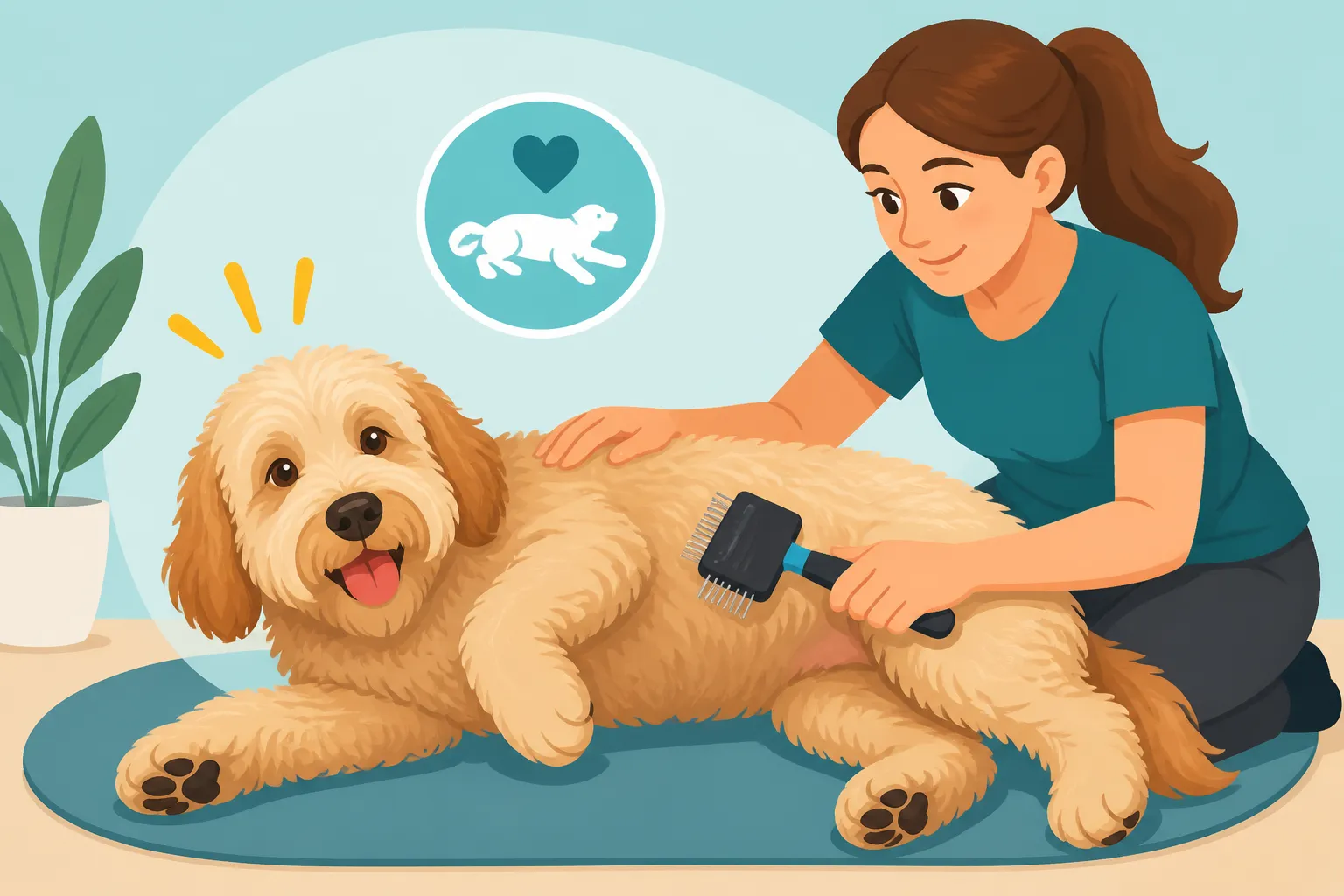
Line brushing means you are quite literally parting the hair and brushing in small sections, working from the skin outwards. You need both hands free – one to hold the section of hair you’re working on, and the other to wield your slicker brush and comb. When your Labradoodle is on its side, you can properly lift a section of coat, pin it back, and then work through the undercoat beneath it. This methodical approach is the only way to genuinely prevent mats and keep that gorgeous coat healthy.
Without this cooperative side-lying position, many owners end up just brushing the top layer, leaving the undercoat to compact and tangle. This leads to what groomers call "felted" coats – solid sheets of matting close to the skin that often require a complete shave-down. No one wants to see their beautiful Labradoodle stripped of its glorious coat because of preventable matting. Learning to teach your dog this crucial position is an investment in their comfort and your sanity during grooming. It directly contributes to How Long Brushing a Labradoodle Takes Each Week and helps ensure you’re not just brushing the surface.
Essential Tools and Mindset for Training Success
Before you even think about starting to teach your Labradoodle to lie on its side for grooming, you need to set yourself up for success. This isn't just about having the right physical tools, but also the right mental approach. Rushing this process or getting frustrated will be counterproductive, potentially setting back your progress significantly.
Gathering Your Training Arsenal
You wouldn't go to battle without your weapons, and training your Labradoodle is no different. You’ll need a few key items to make this experience positive and effective:
- High-Value Treats: These are crucial. Forget the kibble; you need something your Labradoodle absolutely loves and only gets during these special training sessions. Think small pieces of cooked chicken, cheese, hot dogs, or liverwurst. These treats will be your primary motivator.
- A Comfortable Mat or Bed: Choose a non-slip surface where your dog feels safe and comfortable. This could be their regular dog bed, a bath mat, or a yoga mat. Consistency is key, so try to use the same spot for training.
- Your Grooming Tools: Have your slicker brush, metal comb, and any other specific tools you use (like a detangling spray) within easy reach. The goal is for your dog to associate these tools with positive experiences, even if you’re not using them for intense brushing in the beginning. You might even consider looking for ergonomic brushes on sites like Amazon that make it easier for you to hold during longer sessions.
- Clicker (Optional but Recommended): A clicker can be incredibly effective for marking the exact moment your dog performs the desired behavior. If you haven't introduced your dog to clicker training, now might be a good time to research it. It's a fantastic way to communicate precisely with your dog. Many online training programs, such as BAXTER & Bella, incorporate clicker training into their curriculum for various behaviors, including cooperative care.
Cultivating Patience and Positive Reinforcement
This isn't a race; it's a marathon. Teaching a Labradoodle to relax on its side for grooming can take days, weeks, or even months, depending on your dog's personality and past experiences.
- Break It Down: Don't try to get them to lie completely still for a full brush-out on the first day. Break the behavior into tiny, achievable steps. Reward every small approximation of the desired behavior.
- Keep it Positive: Never scold or punish your dog during these sessions. If they get up, that’s your cue to make the next step easier or to end the session on a positive note before they fail. The goal is to build a positive association with the position and the grooming tools.
- Short and Sweet Sessions: Aim for very short training sessions, especially in the beginning—think 2-5 minutes, a few times a day. You want to finish before your dog gets bored or frustrated. Always end on a good note, even if it's just for a simple "lie down." This approach helps in Building a Labradoodle Up to a Long Grooming Session.
- Read Your Dog's Body Language: Pay close attention to your Labradoodle's signals. Are they yawning, licking their lips, avoiding eye contact, or panting? These could be signs of stress or discomfort. If you see these, ease up, make the task simpler, or take a break. Your dog's comfort and trust are paramount.
By having the right tools and, more importantly, the right mindset, you're setting the stage for a much smoother and more successful training journey with your Labradoodle.
Step-by-Step Training: From Stand to Side
This training process is all about building on small successes. We're going to break down the "lie on your side" command into manageable steps, ensuring your Labradoodle feels comfortable and rewarded at each stage. Remember, consistency and patience are your best friends here.
Foundation: The "Down" Command
Before your Labradoodle can lie on its side, it needs to be solid on a basic "down." If your dog still struggles with this, practice it until it's second nature. Have your dog lie down on its designated grooming spot. Reward them for staying down, even if it's just for a few seconds. Gradually increase the duration.
- Step 1: Lure to Down: Hold a high-value treat near your dog's nose, move it down to the floor, and then towards their chest, encouraging them to lie down. As soon as their elbows hit the ground, say "Down" and reward them.
- Step 2: Increase Duration: Once they consistently go down, start asking them to stay for longer periods. Start with one second, then two, then five, always rewarding generously for holding the position.
- Step 3: Introduce the Mat: Practice the "down" command on the specific mat or bed you intend to use for grooming. This helps them associate that spot with relaxation and rewards.
Introducing the Side-Lie Position
Once "down" is solid, we can start shaping the side-lying behavior. This often involves luring and gentle physical guidance.
- Step 1: Luring to Side: With your Labradoodle in a "down" position, hold a treat close to their nose and slowly move it towards their shoulder, then arc it gently over their back towards their spine, encouraging them to roll onto one hip, then fully onto their side. As soon as they shift, even slightly, click (if using a clicker) and reward.
- Scenario: Your Labradoodle, Leo, is lying down on his mat. You hold a piece of chicken. As you arc it over his back, he shifts his weight and his hip touches the ground. "Yes!" (or click) and treat. Repeat this many times, rewarding for any movement towards the side.
- Step 2: Adding a Cue Word: Once your dog is consistently rolling onto their side with the lure, start adding a verbal cue like "Side" or "Roll Over" just as they begin the motion.
- Step 3: Gentle Physical Guidance (if needed): Some dogs might need a little extra help. Once they are in the "down" position, gently nudge their hip or shoulder to encourage them to roll. As soon as they begin to shift, pair it with your verbal cue and reward. Be very gentle and always stop if your dog shows any signs of discomfort.
- Scenario: Daisy isn't quite getting the roll with the lure. After she's in a down, you gently place a hand on her hip and apply slight pressure, while luring with the treat. The moment she shifts even an inch, "Side!" and reward. Release pressure immediately.
Practicing Duration and Relaxation
Getting them into the position is one thing; getting them to stay there and relax is another.
- Step 1: Short Stays: Once your Labradoodle can lie on its side, start asking for very short stays. Reward them for just a second or two in the side-lying position. Slowly extend the duration before offering the treat.
- Step 2: Incorporate Gentle Touch: While they are lying on their side and staying, gently touch their body with your hand, then reward. Start with areas they are comfortable with (like their shoulder or back), and gradually move to more sensitive areas (legs, belly, ears). This is crucial for Starting Grooming Handling on a Labradoodle Puppy.
- Step 3: Introduce Grooming Tools: Once they are comfortable with your touch, introduce the grooming brush. Just show it to them, touch their fur (not necessarily brushing yet), and reward. Then progress to one gentle stroke, reward, then two strokes, and so on. Remember that sometimes they might struggle during their The Coat Change That Hits a Labradoodle at Nine Months, so extra patience is needed then.
Remember to take breaks, end on a high note, and always keep sessions positive. This process can be slow, but it builds trust and makes future grooming much easier.
| Training Stage | Goal | Action Steps | Reward Strategy |
|---|---|---|---|
| Foundation | Solid "Down" command on grooming spot | Lure to down, increase duration. Practice on a dedicated mat. | High-value treats for correct position and duration. |
| Initial Side Shift | Lying on one hip from "Down" | Lure treat over back/shoulder. Gentle hip nudge if needed. Add verbal cue "Side" as they shift. | Click/Treat for any movement towards the side. |
| Full Side Lie | Rolling completely onto side | Continue lure/gentle guidance. Gradually require more of a roll. Verbal cue "Side" consistently. | Click/Treat only for full side lie. |
| Duration & Relaxation | Staying on side calmly for longer periods | Increase time in position before reward. Introduce gentle touch to various body parts. | Intermittent rewards for holding still. |
| Tool Introduction | Tolerating grooming tools while lying on side | Present brush, touch lightly, one stroke, then more. Focus on positive association. | Treats after each positive interaction with tool/touch. |
Troubleshooting Common Challenges
Even with the best intentions and the most delicious treats, training doesn't always go smoothly. It's completely normal to encounter hiccups along the way. The key is to recognize these challenges and adjust your approach rather than getting frustrated.
My Labradoodle Just Won't Stay Down!
This is a common one, especially with an energetic Labradoodle. If your dog keeps popping up, it usually means one of two things: either the duration you're asking for is too long, or the reward isn't motivating enough.
- Reduce Duration: Go back to basics. Ask for a "down" for just one second, reward. Then two seconds, reward. Build up very slowly. If they stand up, don't scold. Just reset and try again for an even shorter duration. You might need to reward every second initially.
- Elevate Treat Value: Are your treats truly high-value? Sometimes dogs get bored with the same treat. Try something new and exciting – maybe a tiny piece of cooked hot dog or some spray cheese. Reserve these "jackpot" treats only for these training sessions.
- Location Matters: Is the training area too distracting? Try a quieter room where there are fewer interesting smells or sounds. A dedicated, calm spot makes a big difference.
- Energy Levels: Has your Labradoodle had enough exercise? A tired dog is often a more cooperative student. A good walk or play session before grooming time can work wonders for managing The Exercise a Labradoodle Needs Before It Behaves.
My Dog Tries to Bite or Snap at the Brush
This is a clear sign that your Labradoodle is uncomfortable or fearful of the brush. This often stems from previous negative experiences, perhaps a painful mat being pulled or an overzealous brushing session. Never force the issue, as this can escalate aggression.
- Desensitize the Brush: Don't even try to brush for now. Simply show your dog the brush, then immediately give a treat. Repeat this many times. The goal is to create a positive association: brush appears = tasty treat.
- Gentle Touch Only: Next, gently touch the back of the brush to their body (not the bristles), then treat. Gradually move to a single, gentle stroke with the bristles on a non-sensitive area (like their back or shoulder), then immediately treat and praise.
- "Brush Game": Let your dog sniff the brush, then put it down. When they ignore it, praise and treat. Slowly introduce one gentle stroke, then quickly remove the brush and offer a treat. The key is to make it quick, positive, and non-threatening.
- Consult a Professional: If the snapping is persistent or aggressive, it's time to consult with a professional dog trainer or a veterinary behaviorist. They can provide tailored guidance and help address underlying fear or anxiety.
My Labradoodle Still Fights Going on Their Side
Sometimes, dogs just have a strong preference for staying on their belly or standing. If your dog resists the rolling motion itself, try these tactics:
- Lure More Strongly: Make your treat lure irresistible and the motion of your hand very clear. Your hand should almost physically guide their head and body over.
- Break Down the Roll: Instead of expecting a full roll, reward them for just shifting their weight to one hip. Once they are comfortable with that, then ask for a little more, rewarding each tiny step.
- Body Pressure (Gentle!): With your dog in a down, place one hand on their shoulder and the other on their hip. Apply gentle, consistent pressure to encourage them to roll. Release the pressure and reward the instant they yield, even slightly. This isn't about forcing them; it's about guiding them into the desired position.
- Elevated Surfaces: Some dogs respond better to learning this on an elevated, non-slip grooming table (if you have one and your dog is comfortable being on it). The slight height can sometimes encourage them to lean into the roll more naturally. However, if your dog is fearful of heights, avoid this. What a Grooming Table Costs a Labradoodle Owner might be useful if you're considering this option.
- Practice with Play: Integrate "roll over" into fun playtime. If they already know how to roll over for belly rubs, use that as your starting point, then transition it to the grooming context.
Remember, every Labradoodle is an individual. What works for one might not work for another. Stay patient, stay positive, and celebrate every tiny success. Even small steps forward are progress on the journey to cooperative grooming.
Maintaining the Behavior and Making Grooming Easier
You’ve put in the hard work, and your Labradoodle is starting to understand the "lie on your side" command for grooming. Now, the goal is to maintain this positive behavior and integrate it seamlessly into your regular grooming routine, making the entire process less stressful for both of you.
Consistency is Key
The most important factor in maintaining any learned behavior is consistency. Don’t just practice the side-lie for a week and then assume your Labradoodle has it mastered.
- Regular Practice: Integrate short practice sessions into your daily or weekly routine, even when a full grooming isn't necessary. Ask for the "side" command, reward, and then let them up. Keep it positive and low-pressure.
- Use the Command Every Time: Always use your chosen verbal cue ("Side," "Roll Over," etc.) when you want your Labradoodle to get into position for grooming. This reinforces the command and helps them understand what's expected.
- Vary the Practice: Don't always practice in the same spot or for the same duration. Occasionally ask them to lie on their side in different rooms or for slightly longer periods, always building up gradually and rewarding generously.
Making Grooming Sessions a Positive Experience
The ultimate goal isn’t just getting them into position, but making the entire grooming process something they tolerate, or even enjoy.
- Start Small, End Positive: Even if you only get a few minutes of good brushing in before your Labradoodle gets antsy, end the session on a positive note. Finish with a final treat and praise, rather than pushing them to their limit and ending on a struggle. This helps them look forward to the next session.
- Distraction Techniques: Once your dog is comfortable with the side-lie, you can introduce distractions to keep them occupied. A lick mat smeared with peanut butter or plain yogurt, or a durable chew toy, can keep them happy while you work. These can be helpful when dealing with Mats Behind a Labradoodle's Ears or other difficult areas.
- Comfort During Grooming: Ensure your grooming area is comfortable. Soft lighting, a comfy mat, and a calm environment can make a big difference. Talk to your Labradoodle in a soothing voice throughout the session.
- Take Breaks: For longer grooming sessions, take short breaks. Let your Labradoodle stand up, stretch, have a drink of water, and then ask them to lie back down. This prevents them from becoming overwhelmed.
- Professional Help: Don't hesitate to seek advice from a professional groomer or a certified dog trainer if you're consistently struggling. They can offer personalized tips and demonstrate techniques. Sometimes, a fresh perspective makes all the difference, especially if your Labradoodle seems to fight the brush despite your best efforts.
Equipment and Environment
Ensuring you have the right equipment and a suitable environment can also contribute significantly to an easier grooming experience.
- Quality Tools: Invest in good quality slicker brushes and metal combs. Dull or cheap brushes can pull hair and make grooming uncomfortable. You can find a wide variety of highly-rated grooming tools on Amazon, often with reviews from other Labradoodle owners.
- Force Dryer (If Applicable): If you wash your Labradoodle at home, a force dryer is invaluable for thoroughly drying their coat and preventing mats. Introducing your dog to a force dryer gradually can make the experience less intimidating. The Clipper, Blade and Dryer a Labradoodle Owner Buys is a good resource for choosing the right equipment.
- Grooming Table: For some owners, a dedicated grooming table (with a grooming arm and loop for safety) can make the process much easier on your back and helps establish a "grooming zone" for your dog.
- Ear Care: Remember that Labradoodles are prone to Ear Infections Built Into a Labradoodle's Drop Ear. While grooming, take the opportunity to check their ears and clean them gently with a vet-approved cleaner. This is part of holistic care that makes grooming a health check too.
By maintaining consistency, prioritizing positive experiences, and ensuring you have the right tools and support, you can transform grooming from a chore into a calm, cooperative routine that strengthens the bond between you and your wonderful Labradoodle.
Disclaimer
This article is for general informational purposes only and does not constitute professional advice. Laws, prices and regulations vary by location and change over time. Consult a qualified professional for guidance on your specific situation.